21 Room Makeover Ideas To Inspire Your Next Home Refresh
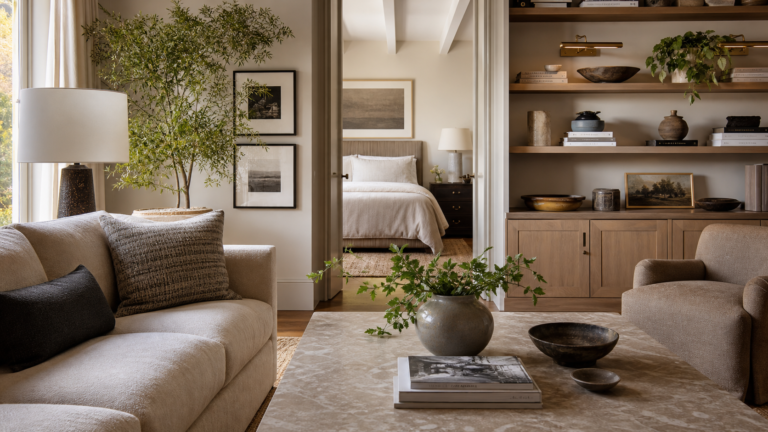
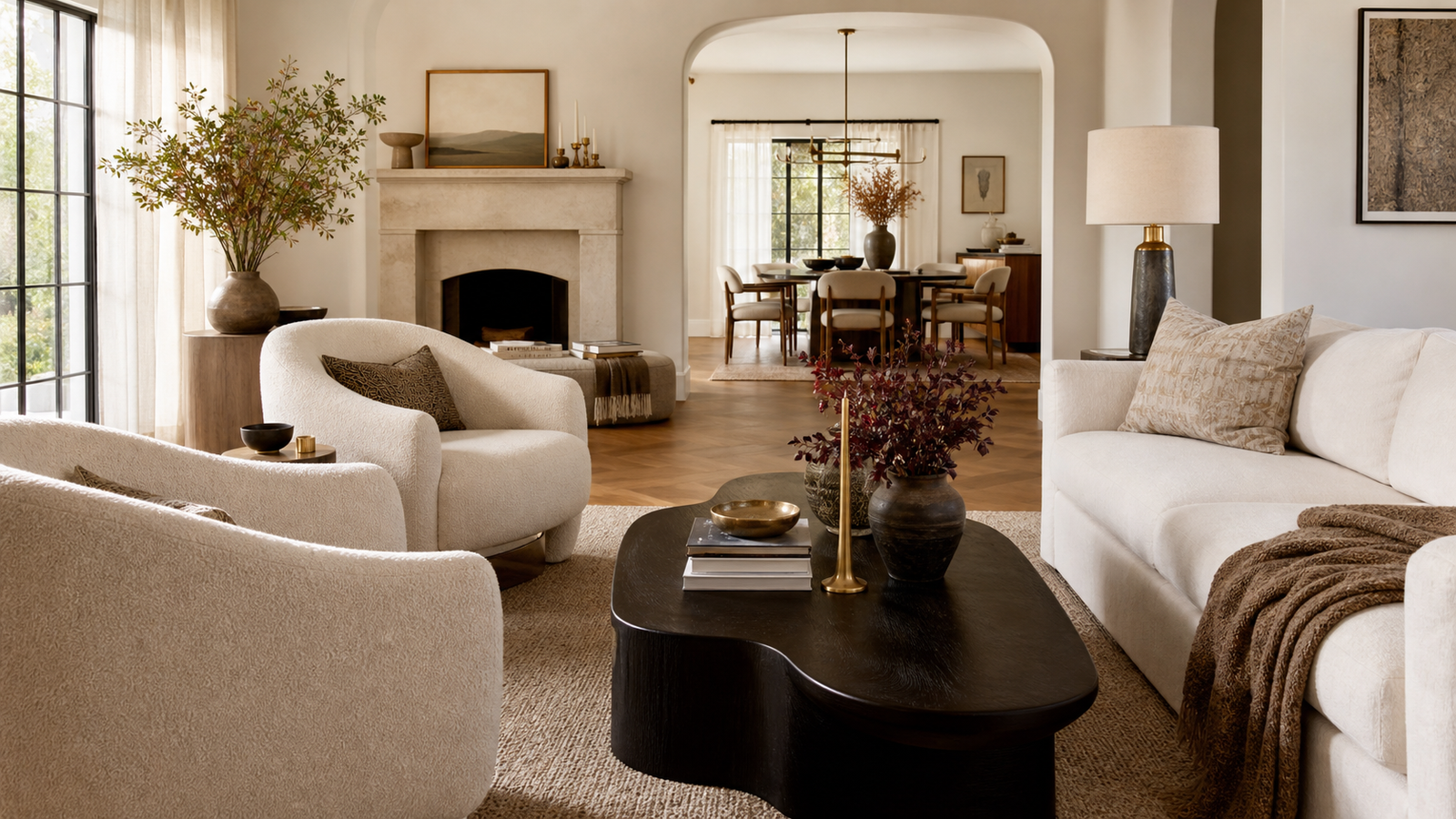
A successful room makeover rarely begins with replacing everything. The most elegant transformations come from editing the room with intention: improving the flow, refining the palette, layering texture, and choosing pieces that make daily life feel more considered. Whether the goal is a calmer bedroom, a more gracious living room, or a dining space that finally feels complete, the strongest ideas balance atmosphere with function.
These room makeover ideas are designed with a luxury editor’s eye, but they are grounded in practical design decisions. Think better lighting, richer materials, quieter storage, more tailored furniture placement, and styling that feels collected rather than staged. Each idea can stand alone or become part of a larger home refresh.
1. Rework the Layout Before Buying Anything
Before a single new chair or lamp enters the room, reconsider how the space is actually arranged. Many rooms feel tired because the furniture is pressed against the walls, traffic paths are awkward, or the focal point has never been properly established. Float a sofa closer to the fireplace, angle a pair of lounge chairs toward the view, or pull the dining table beneath the most flattering light source. In a bedroom, allow generous breathing room around the bed and keep nightstands visually balanced. A refined layout should feel effortless, with clear circulation and purposeful zones for conversation, reading, work, or rest. Once the arrangement improves, even existing furniture can look more expensive. Finish by measuring the gaps between pieces, ensuring doors open freely, and checking that every seat has access to a surface or lamp.
2. Introduce a Warmer, More Layered Neutral Palette
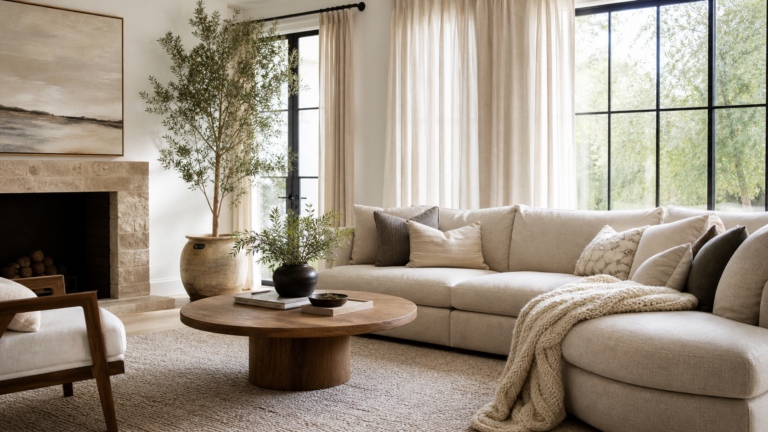
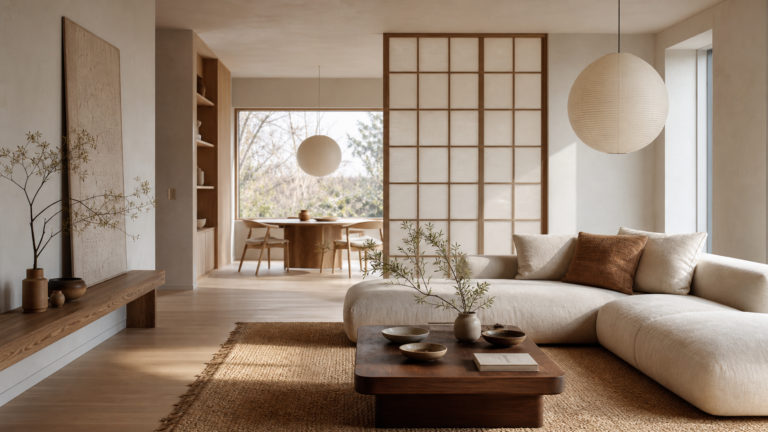
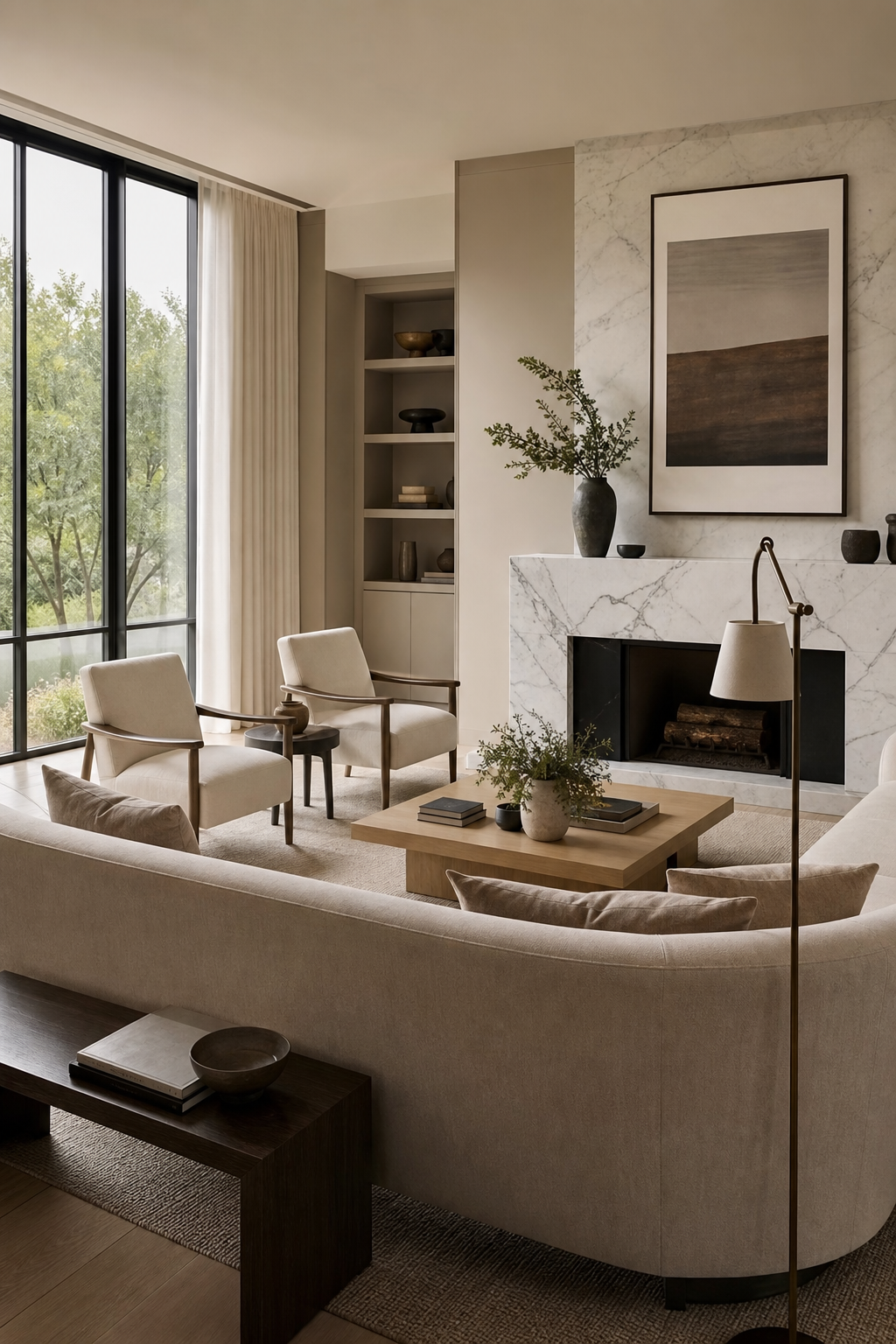
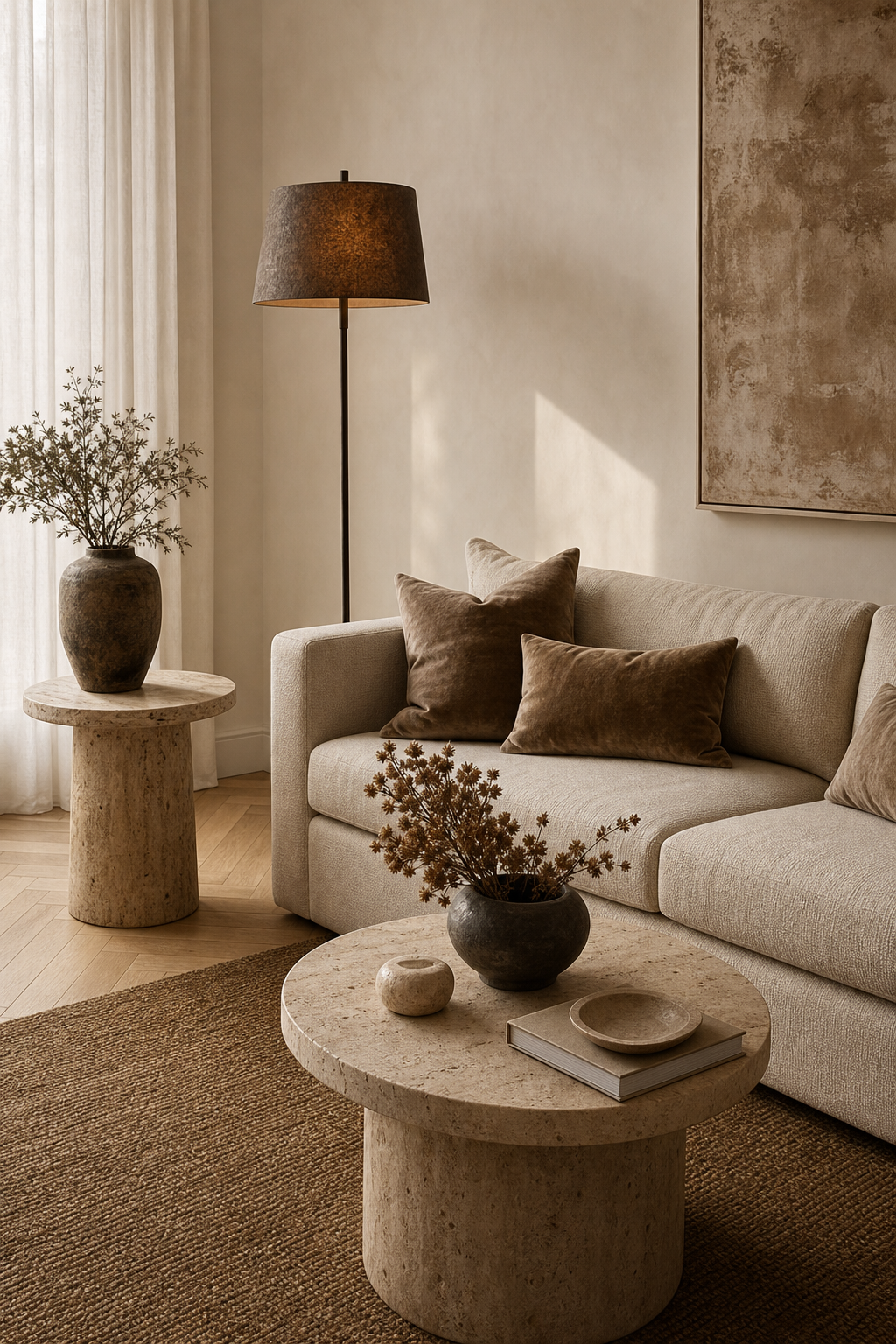
A room makeover can feel instantly more polished when the color palette moves beyond flat white into layered neutrals. Consider chalk, ivory, oatmeal, mushroom, taupe, warm grey, and soft camel, then vary the textures so the scheme has depth. A linen sofa, plaster walls, travertine side table, wool rug, and parchment lampshade may all sit in the same tonal family while still feeling distinct. The key is contrast through finish rather than bold color: matte against polished, woven beside smooth, cool stone near warm wood. This approach works beautifully in living rooms, bedrooms, and entryways because it creates a calm architectural backdrop for art and furniture. Add one grounding note, such as dark bronze hardware or espresso-stained wood, to prevent the room from feeling overly pale.
3. Add Architectural Character With Wall Moulding
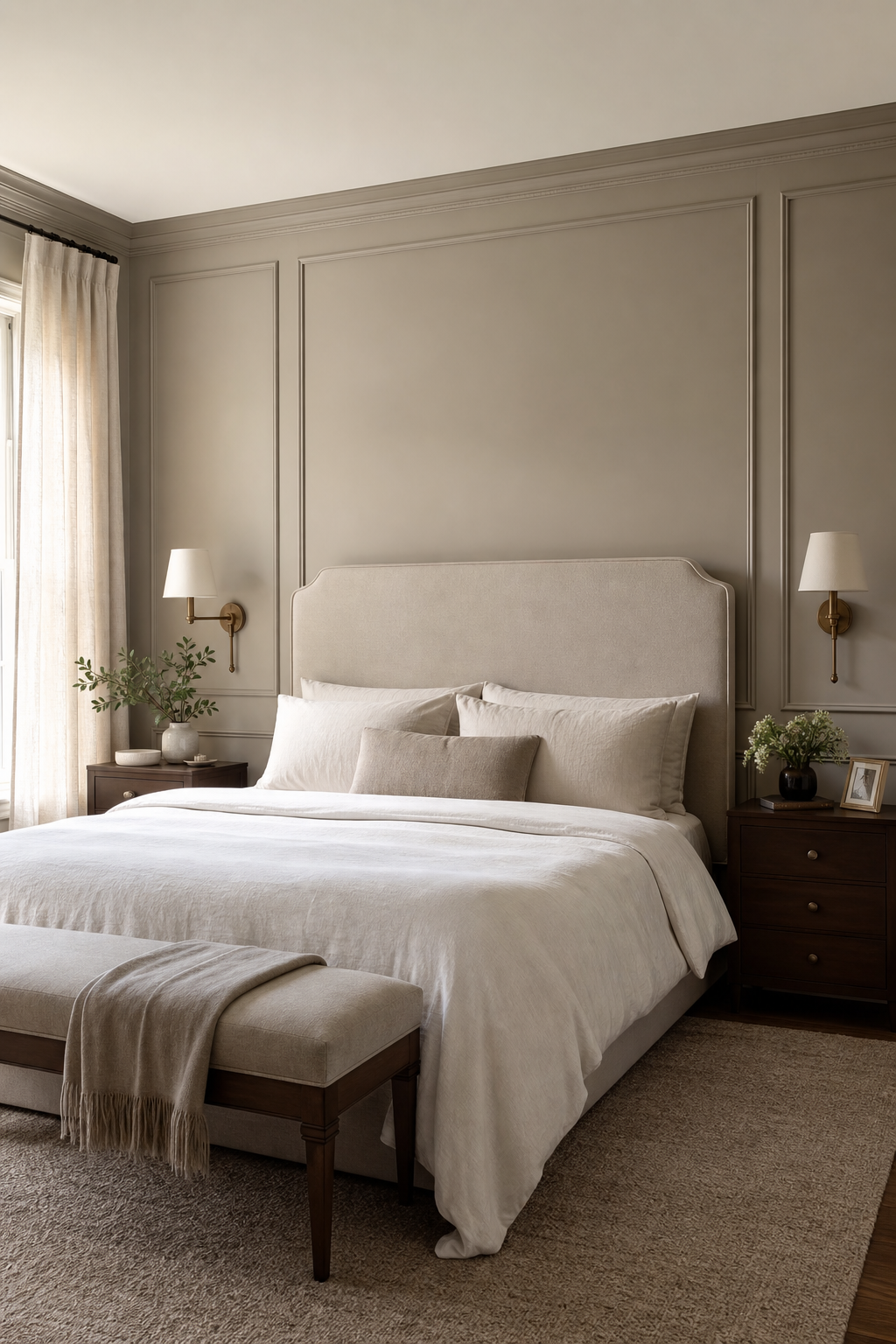
Plain walls can make even well-furnished rooms feel unfinished. Wall moulding introduces rhythm, proportion, and a sense of architecture without overwhelming the space. In a living room, slim picture-frame moulding can frame art and make tall walls feel more intentional. In a bedroom, a paneled wall behind the bed creates a quieter alternative to a dramatic headboard. Keep the profile refined and scale it to the room: narrow rails suit apartments and smaller rooms, while deeper trim can hold its own in grander spaces. Paint the moulding the same color as the wall for a sophisticated, built-in effect, or use a slightly glossier finish for subtle dimension. Pair it with tailored upholstery, antique brass lighting, and natural fiber rugs so the room feels elegant rather than overly formal.
4. Upgrade the Lighting in Layers
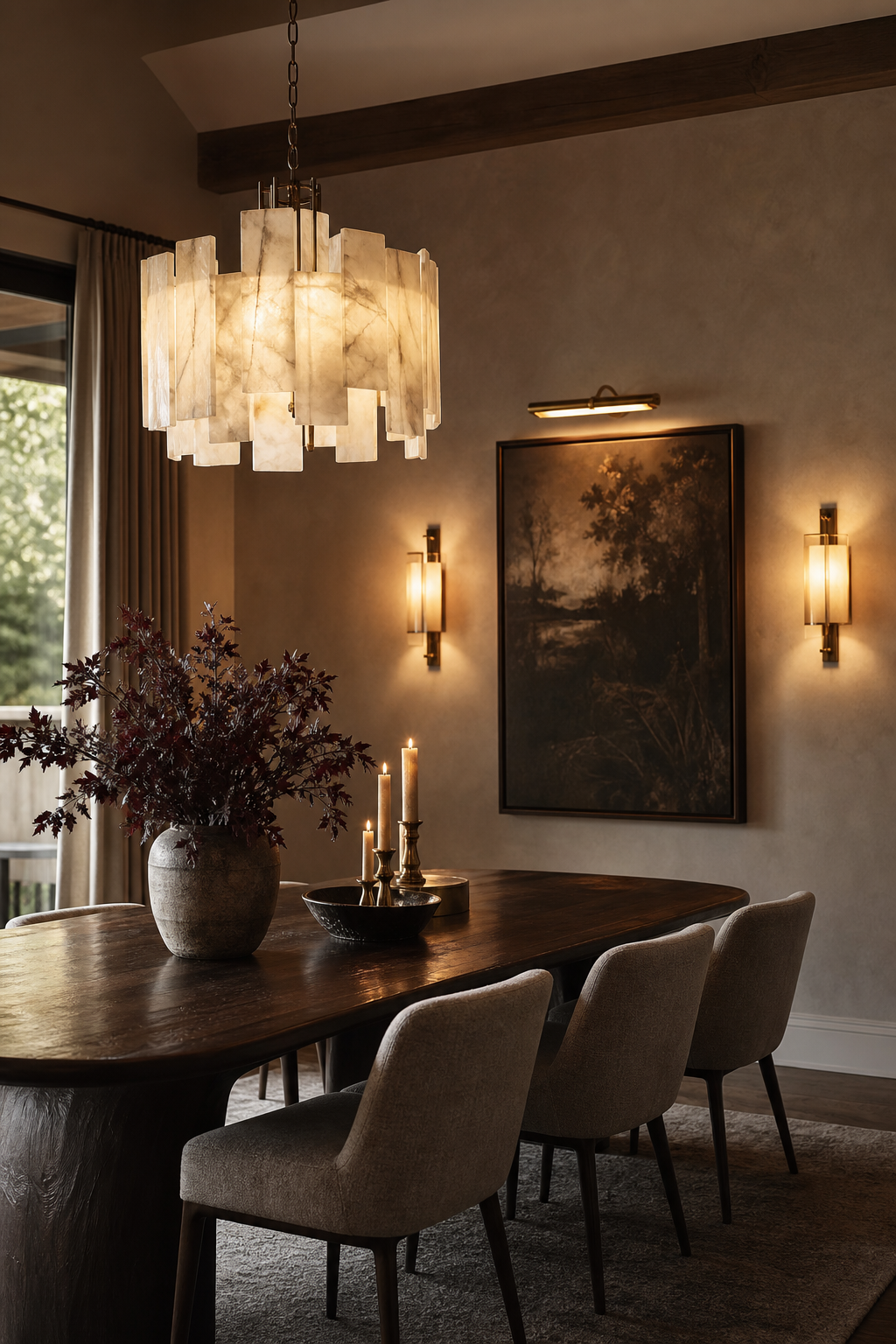
Lighting is often the difference between a room that looks decorated and one that feels designed. A single ceiling fixture rarely flatters furniture, art, or skin tones, so build a layered plan with ambient, task, and accent lighting. Use a sculptural chandelier or flush mount for overall glow, then add table lamps, floor lamps, sconces, or picture lights where the room needs intimacy. Warm bulbs soften stone, wood, and textiles, while dimmers allow the mood to shift from morning brightness to evening atmosphere. In a dining room, hang the fixture low enough to relate to the table, not the ceiling. In a living room, place lamps at varied heights to avoid dark corners. Choose finishes that echo the room’s hardware or furniture details, such as aged brass, blackened bronze, alabaster, or ceramic.
5. Make One Wall Feel Like a Focal Point
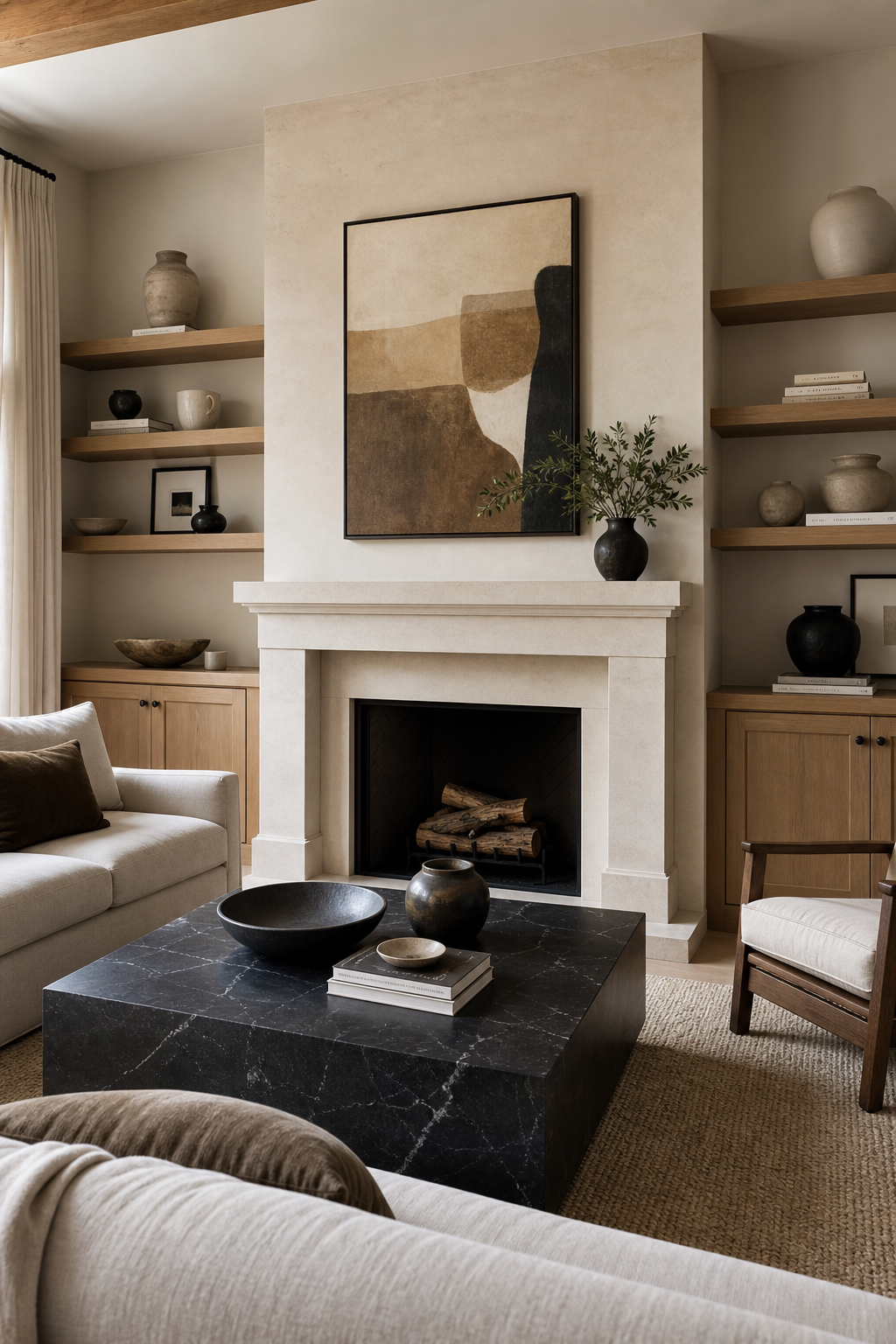
A focal wall gives the eye somewhere to land, which is especially useful in rooms that feel scattered or underwhelming. This does not require a loud accent color. A wall can become the focal point through bookcases, stone cladding, textured plaster, a generous artwork, or a beautifully styled fireplace surround. In a living room, consider a limestone fireplace with low built-in cabinetry on either side. In a bedroom, a fabric wallcovering behind the bed can add softness and acoustic comfort. The best focal walls feel integrated with the architecture, not applied as an afterthought. Keep nearby furniture simple enough to support the moment: a low sofa, balanced lamps, restrained accessories, and negative space. When the wall has presence, the rest of the room can relax into a quieter, more luxurious composition.
6. Replace Small Rugs With a Properly Scaled Foundation
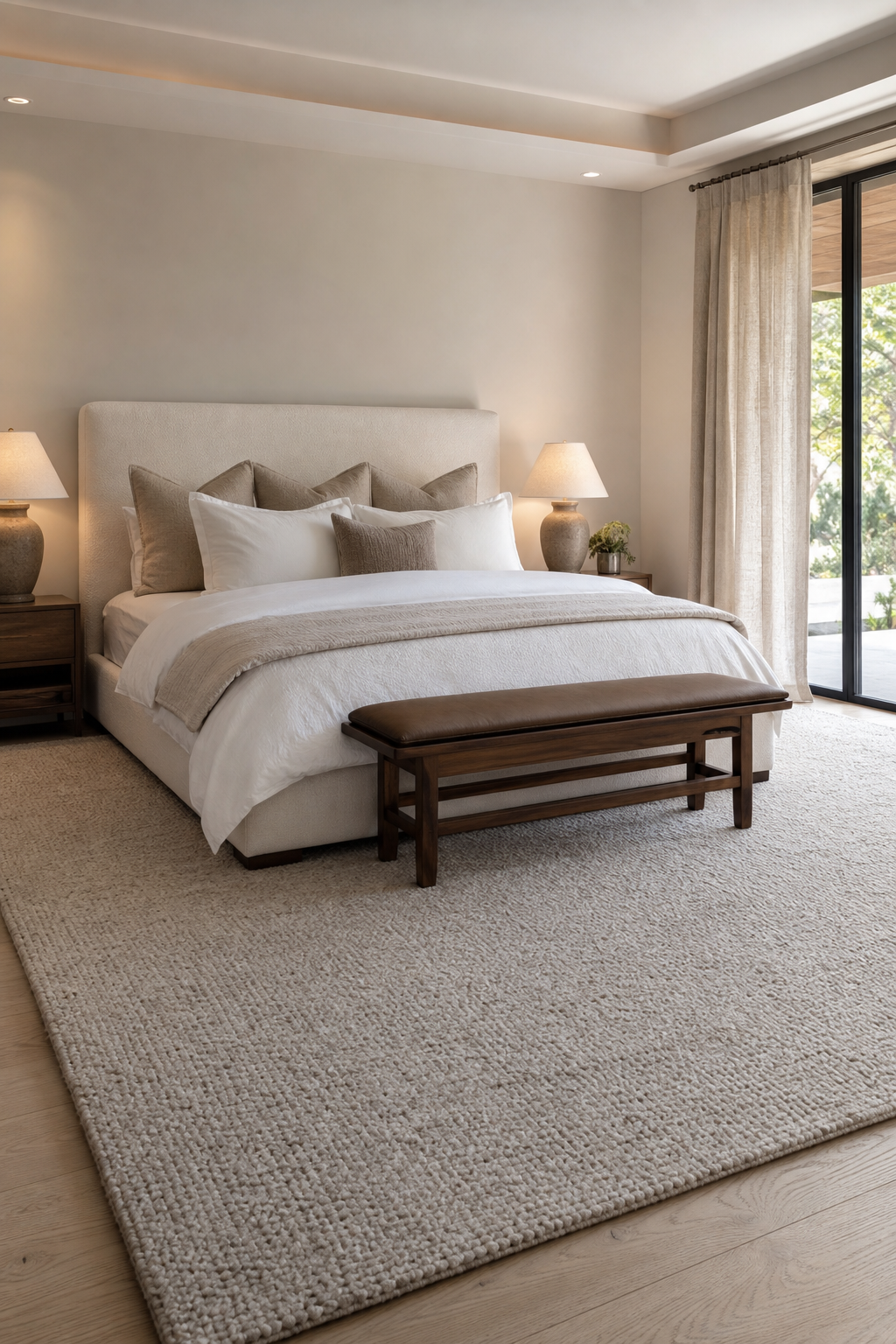
A rug that is too small can make an entire room feel tentative. For a more finished makeover, choose a rug large enough to connect the main furniture pieces and define the zone. In a living room, the front legs of sofas and chairs should sit comfortably on the rug, creating a complete seating composition. In a bedroom, the rug should extend beyond the bed so the first step in the morning feels soft and generous. Materials matter as much as size: wool adds structure and durability, silk or viscose brings sheen, and jute introduces a more relaxed texture when layered beneath a softer rug. Choose muted patterns, tonal borders, or low-contrast motifs for longevity. A properly scaled rug gives the room visual calm, absorbs sound, and makes furniture placement feel deliberate.
7. Bring in Statement Stone
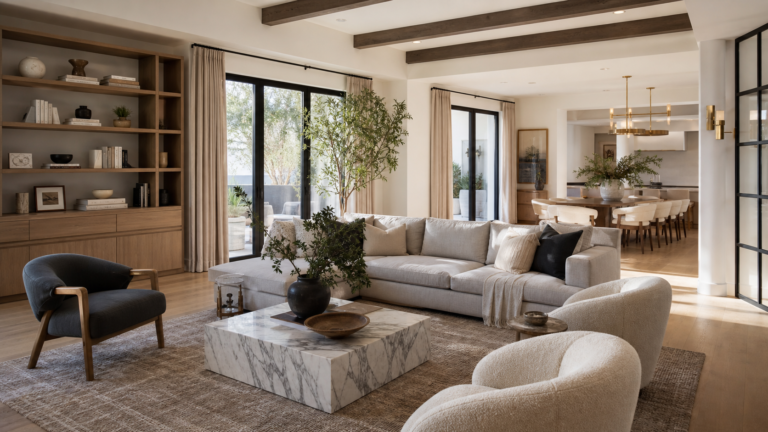
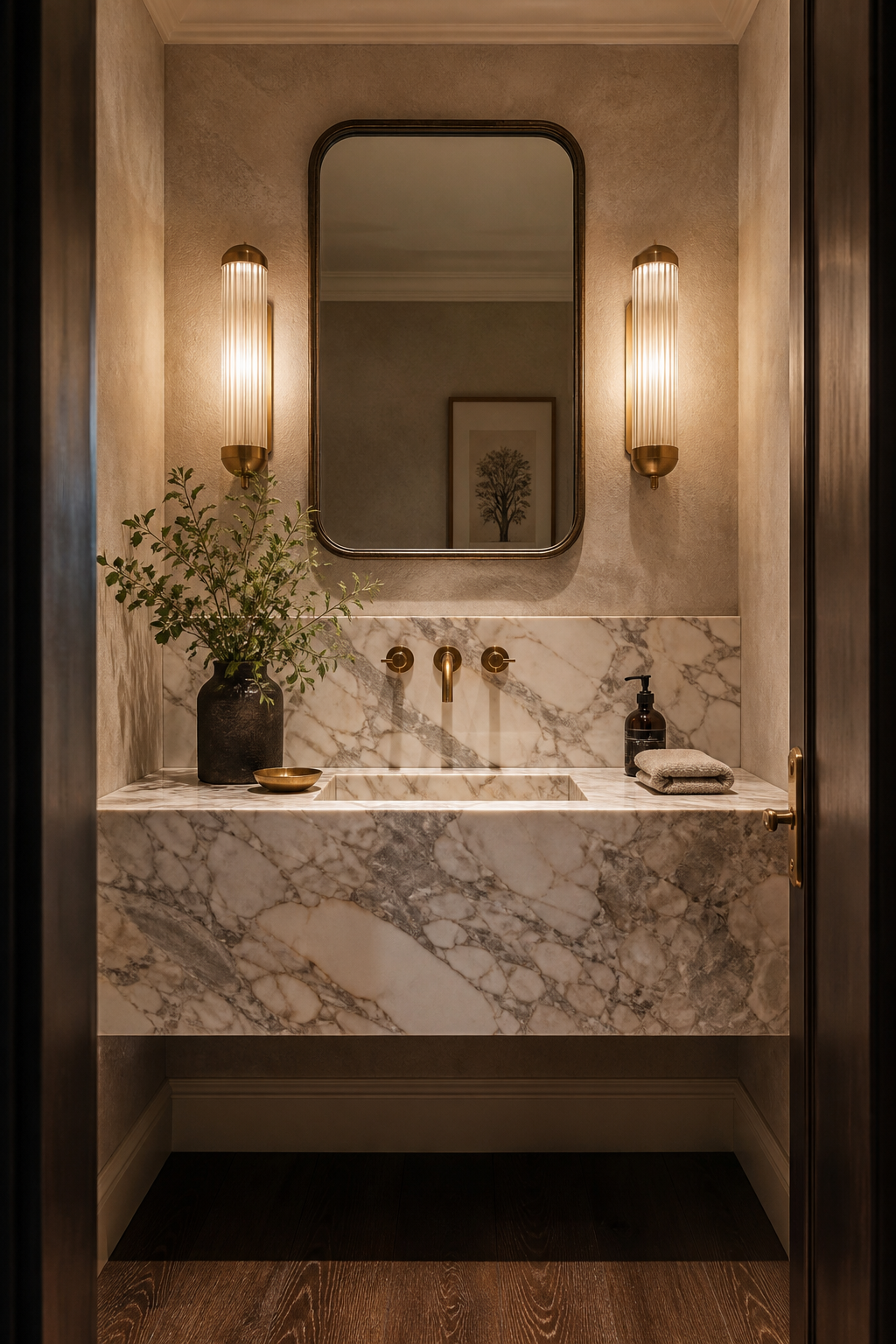
Stone has a way of making a room feel permanent and quietly luxurious. A makeover might include a marble coffee table, travertine console, limestone fireplace, quartzite backsplash, or a small alabaster lamp. The goal is not to cover every surface, but to introduce one substantial material with natural veining, texture, and weight. In a powder room, a stone vanity can turn a compact space into a jewel box. In a kitchen, replacing a standard backsplash with honed marble or softly veined quartzite creates a more tailored look. Balance stone with warmth so the room does not feel cold: oak, walnut, linen, leather, and brushed brass all soften its edges. Let the stone be simple in shape and generous in scale, allowing the material itself to provide movement and character.
8. Refresh the Room With Custom-Looking Window Treatments
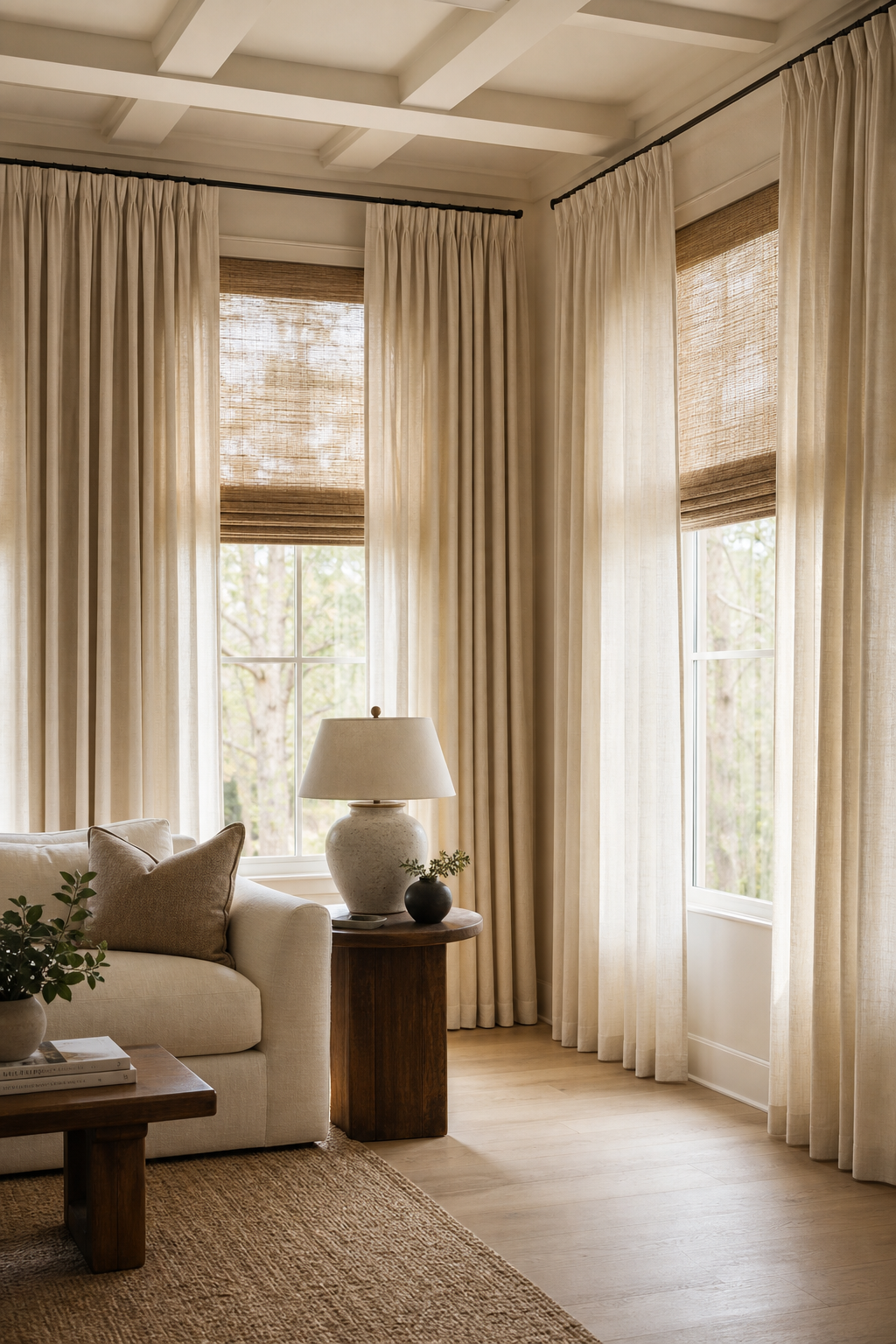
Window treatments can change the architecture of a room more than almost any accessory. Hang curtain rods high and wide to elongate the walls, then choose full panels that kiss the floor rather than hovering above it. Linen, wool, velvet, and textured cotton each create a different mood: linen feels relaxed and airy, wool reads tailored, and velvet adds depth in bedrooms or formal spaces. For a layered effect, pair woven shades with soft drapery panels, especially in rooms where privacy and light control both matter. Avoid skimpy widths; generous fabric makes even simple curtains feel custom. In a living room, pale linen panels can diffuse afternoon sun beautifully. In a bedroom, lined drapery gives the room a quieter, more cocooned quality while improving sleep and softness.
9. Create a Boutique Hotel Bedroom
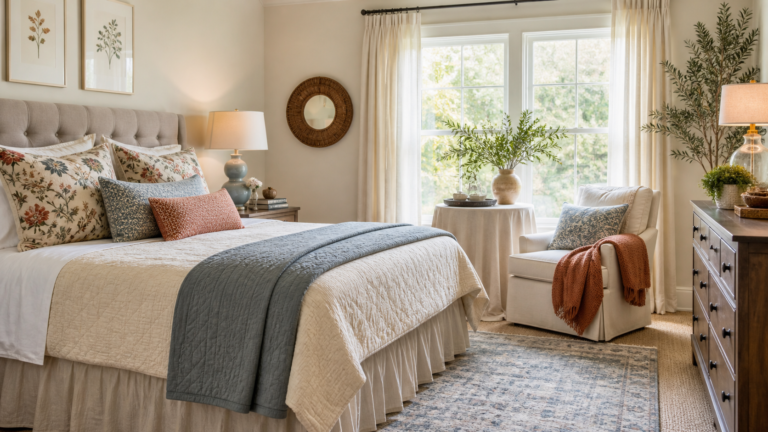
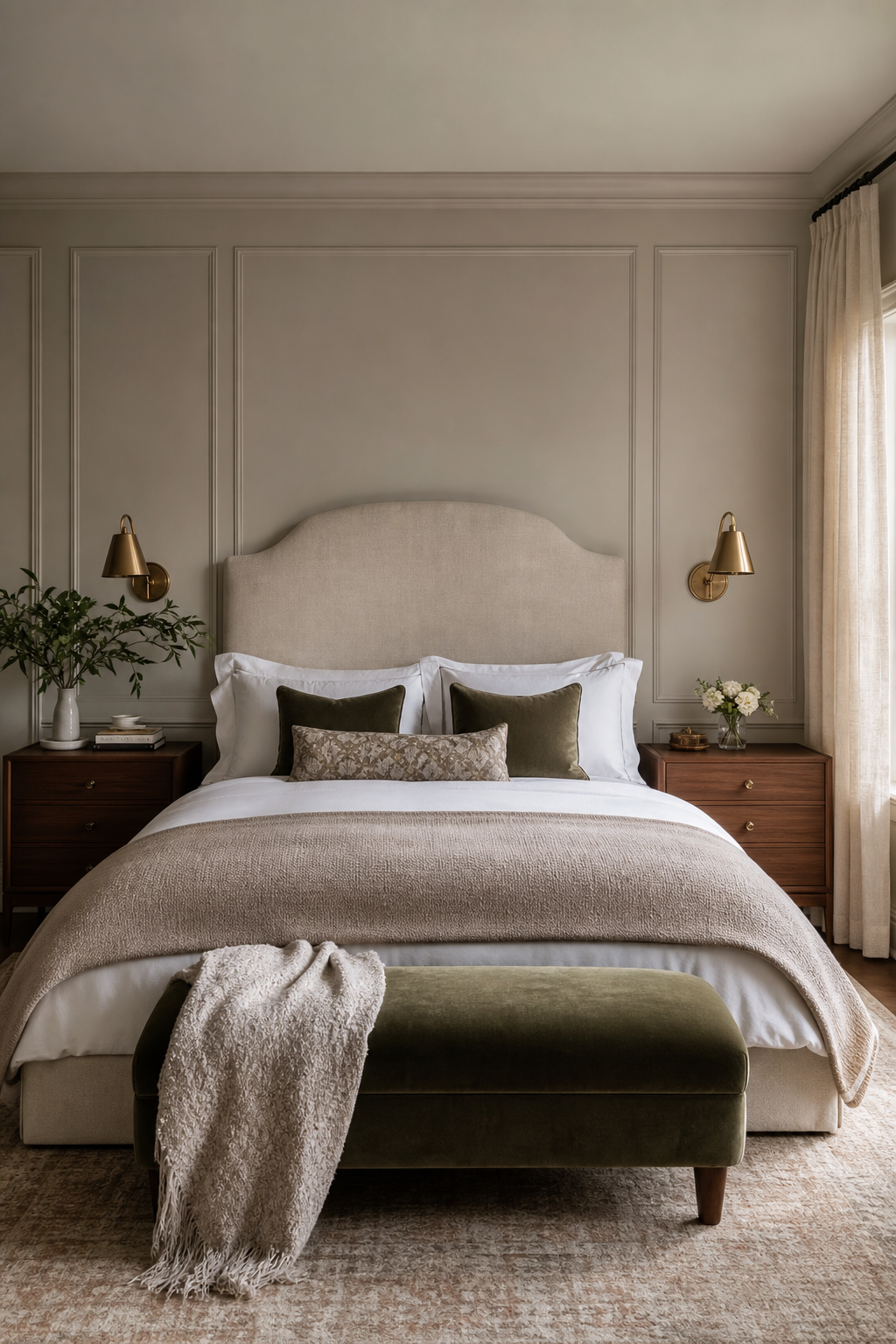
A bedroom makeover feels most successful when it improves both beauty and rest. Take cues from boutique hotels: a substantial headboard, symmetrical bedside lighting, layered bedding, soft flooring, and a place to sit. Upholstered beds in linen, velvet, or wool bring softness, while crisp cotton sheets and a folded coverlet make the bed feel composed without looking stiff. Add dimmable sconces or shaded lamps at both sides, then keep the nightstands edited with only what is useful and beautiful. A bench at the foot of the bed adds function and proportion, especially in larger rooms. Choose a palette that calms the eye, such as warm white, stone, tobacco, olive, or misty blue. The room should feel private, tactile, and deeply comfortable, with every detail supporting sleep and quiet mornings.
10. Add Built-In Storage That Looks Like Architecture
Clutter can undermine even the most beautiful room, so storage should be treated as part of the architecture. Built-ins, wall-to-wall cabinetry, banquettes with drawers, and floating consoles can make a space feel calmer while adding visual structure. In a living room, low cabinets beneath open shelves hide remotes, games, and technology while leaving room for books and art. In a dining room, a built-in sideboard can hold linens and serving pieces without crowding the floor plan. Paint cabinetry the same color as the walls for a seamless look, or use oak, walnut, or reeded fronts for warmth. Hardware should feel considered but restrained: small brass knobs, long bronze pulls, or push-latch doors. The result is not just tidier; it gives the room a more finished, custom quality.
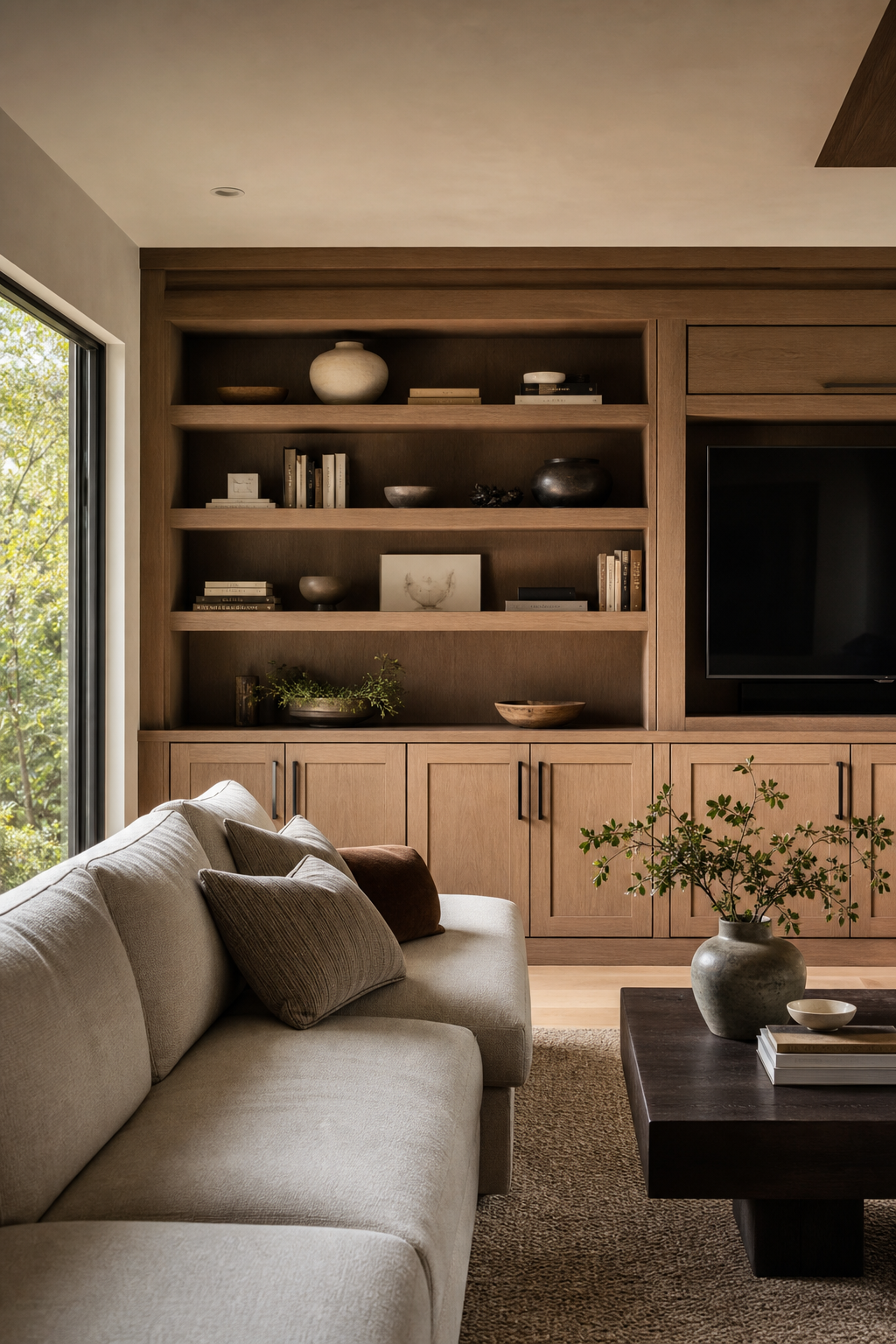
11. Use Paint to Change the Mood Completely
Paint remains one of the most transformative makeover tools, especially when it is used with confidence. Instead of choosing a color in isolation, consider how the room is used and when it receives light. North-facing rooms often benefit from warmer undertones, while sunny spaces can handle cooler shades or deeper saturation. A soft clay dining room feels intimate by candlelight; a smoky blue office can support focus; a pale buttercream kitchen can feel warm without becoming sweet. For a more enveloping effect, paint the trim, doors, and ceiling in the same color as the walls, adjusting the sheen for subtle contrast. Test large swatches at different times of day before committing. The right paint color does more than refresh surfaces; it changes the emotional temperature of the room.
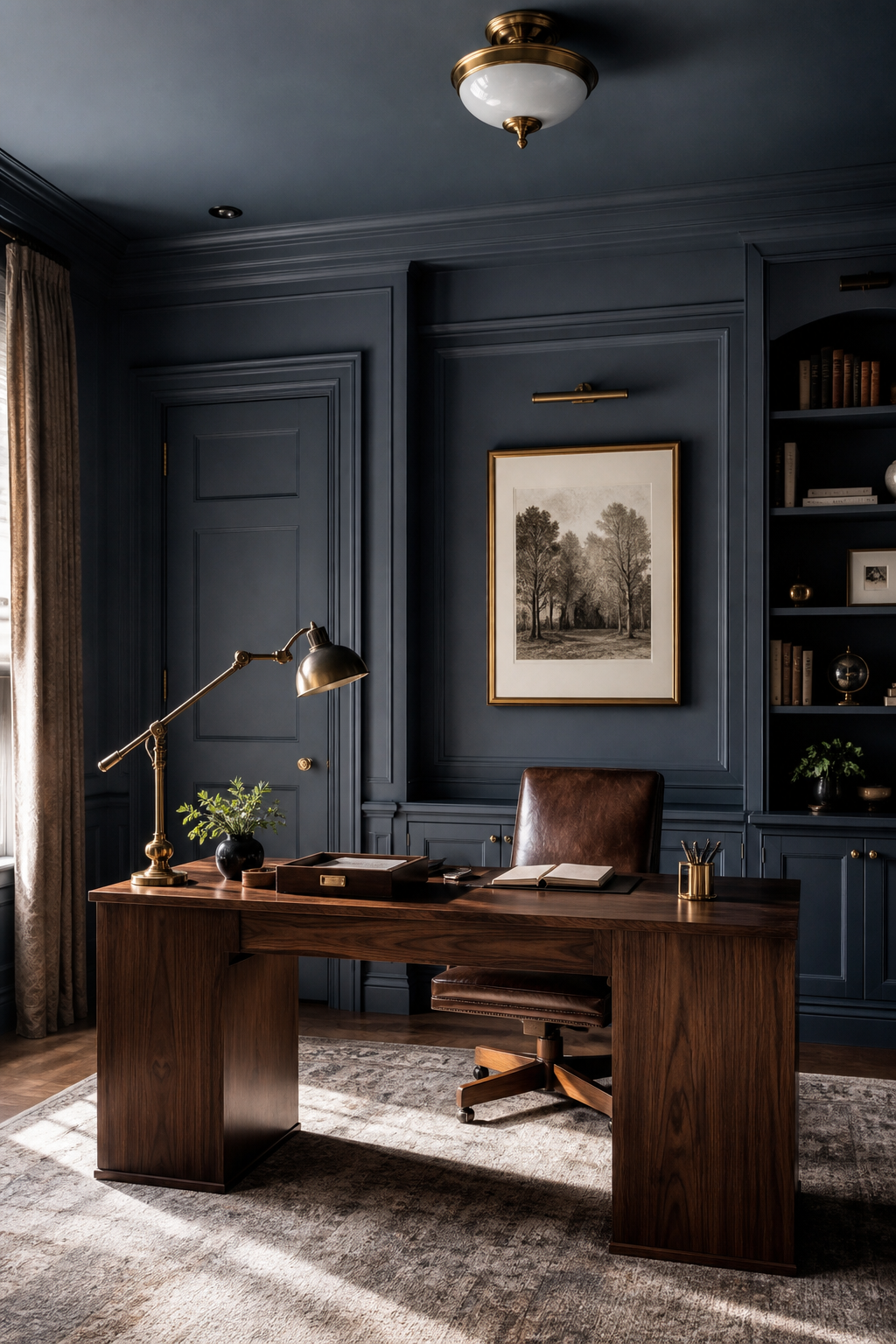
12. Style Shelves With More Restraint
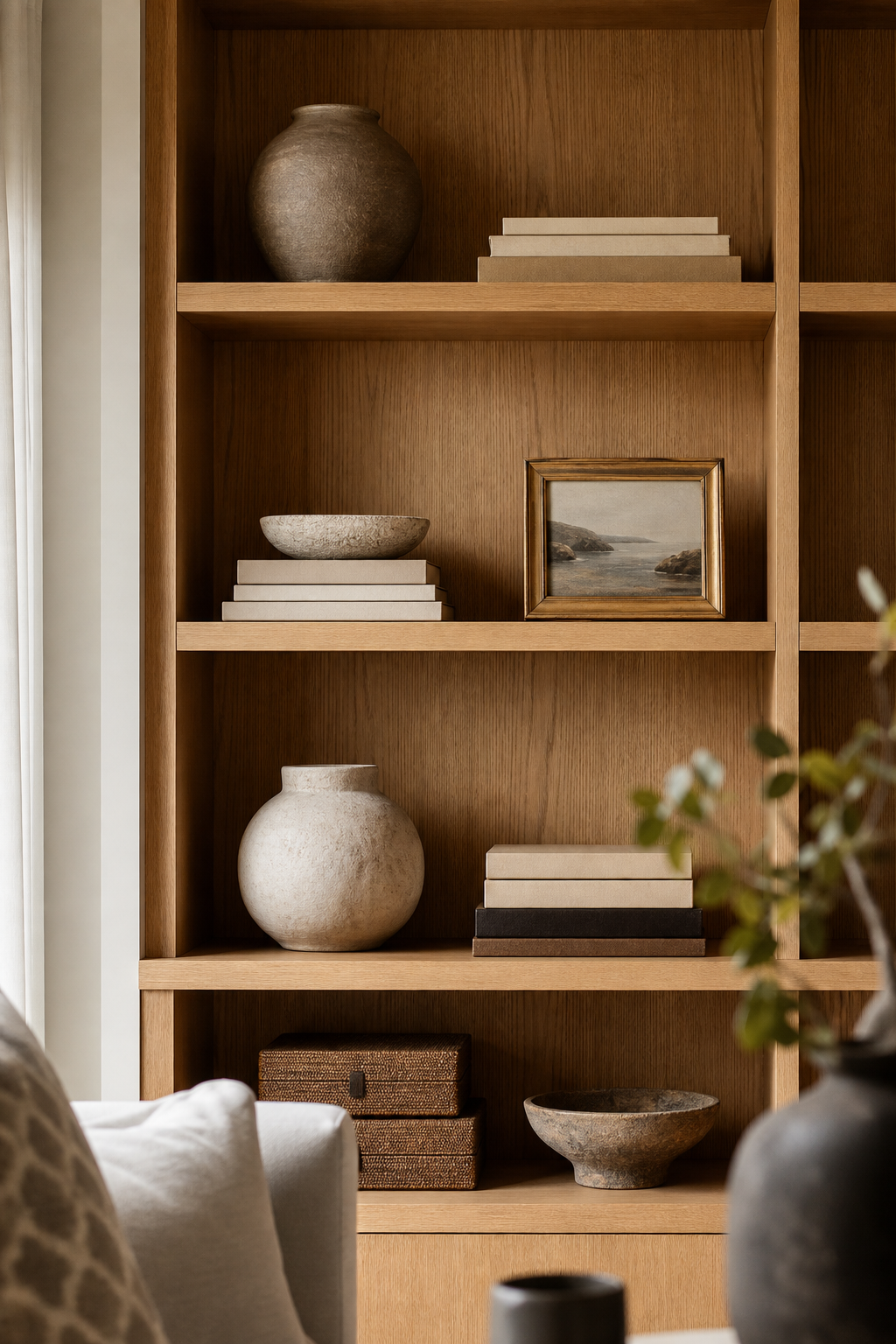
Shelves often reveal whether a room has been thoughtfully finished or simply filled. For a more refined makeover, remove anything too small, too busy, or unrelated to the palette. Build the arrangement with fewer, better pieces: art leaned against the back, ceramic vessels, stone objects, stacked books, woven boxes, and one or two sculptural accents. Vary height and shape, but leave open space so the eye can rest. Books do not need to be color-coded, but their spines should feel harmonious with the room. Mix vertical and horizontal stacks, and avoid placing matching objects at identical intervals. In built-ins, darker paint or wood backing can create depth behind pale ceramics and art. The aim is a collected look, as though the shelves have evolved over time rather than being styled in one afternoon.
13. Introduce Texture Through Upholstery
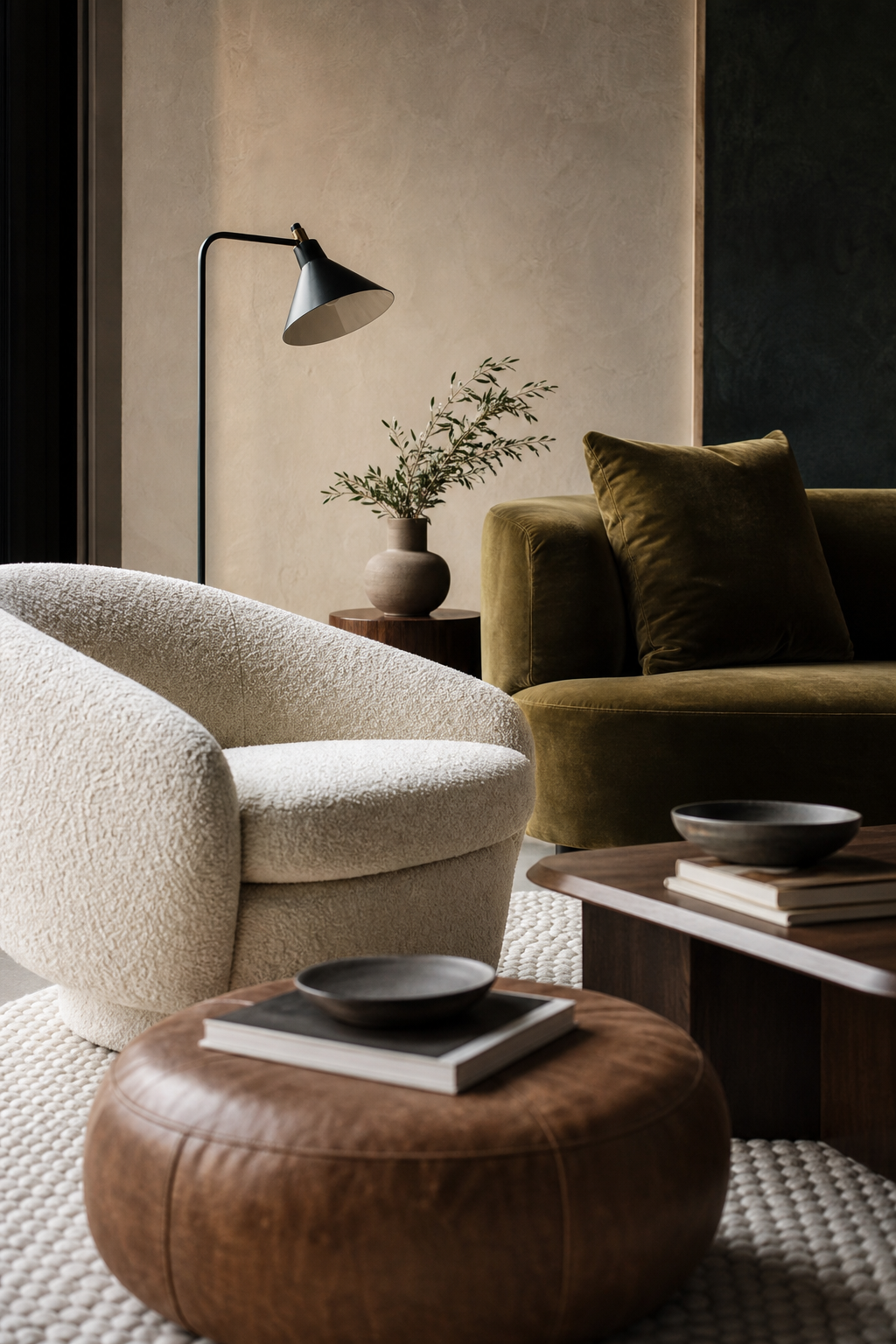
When a room feels flat, upholstery is often the missing layer. Replacing or re-covering one major piece can shift the entire atmosphere. Bouclé brings softness and dimension to modern chairs, linen keeps sofas relaxed and breathable, mohair adds a jewel-like richness, and leather contributes structure that improves with age. The most sophisticated rooms combine several textures without letting them compete. Pair a smooth velvet chair with a nubby wool rug, or set a crisp linen sofa beside a suede ottoman. Upholstery is also an opportunity to refine silhouettes: skirted furniture feels romantic and traditional, tight upholstery reads tailored, and curved forms soften angular rooms. Choose performance fabrics where life demands practicality, especially in family spaces. Texture should invite touch while supporting the room’s function, not merely decorate it.
14. Turn the Entryway Into a Proper Arrival
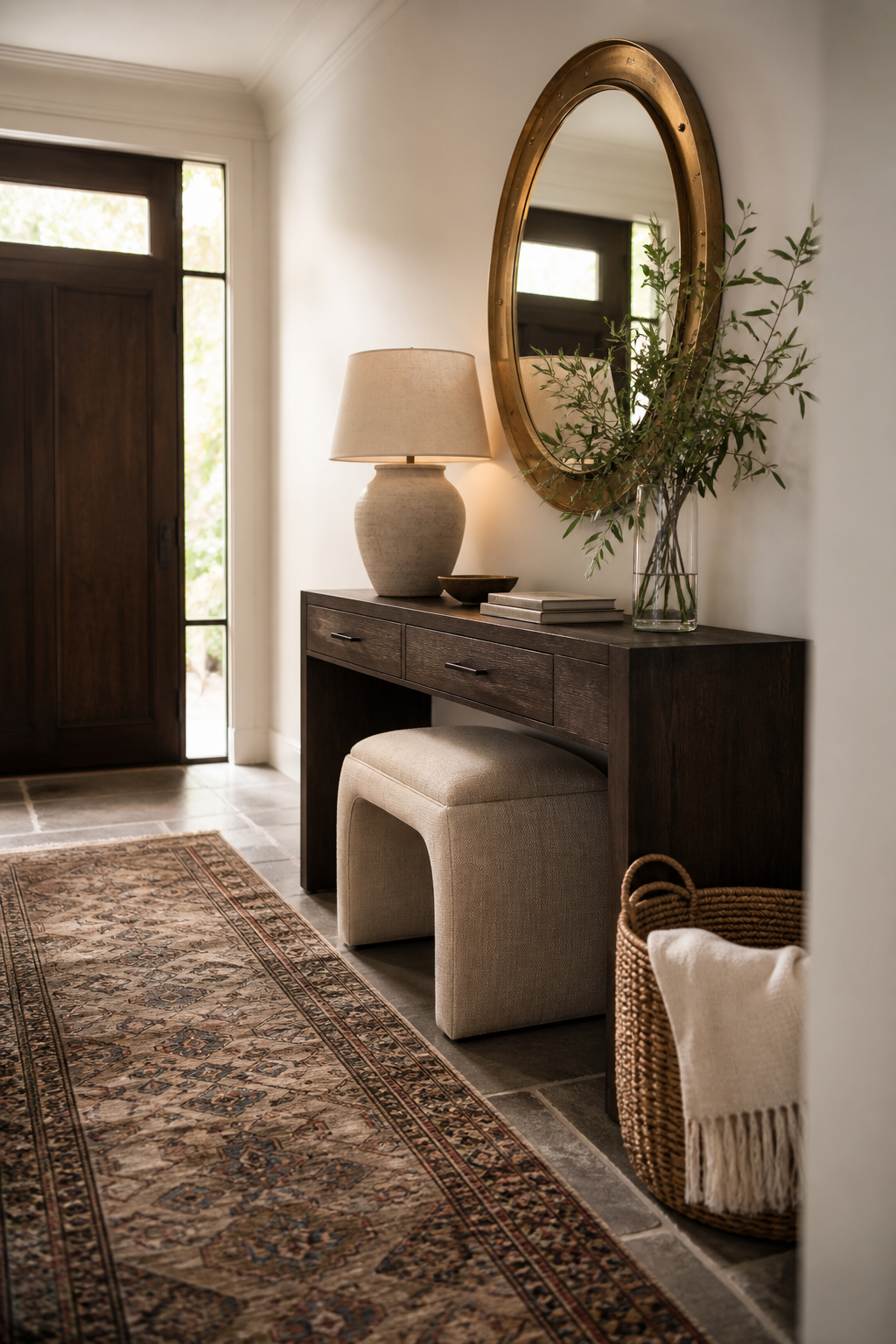
An entryway sets the tone before the rest of the home is seen, yet it is often treated as a pass-through. Give it the same attention as a living room, scaled to its footprint. A narrow console, sculptural mirror, table lamp, tray, and upholstered stool can make even a modest hall feel composed. For function, include concealed storage for keys, mail, shoes, or bags, and use a durable runner that can handle daily traffic. Materials should be both handsome and practical: stone floors, oak furniture, woven baskets, bronze hooks, and wipeable wall paint. If there is room, a small artwork or branch arrangement adds height without clutter. The goal is a graceful pause, a place to land and gather yourself, rather than a congested drop zone at the front door.
15. Make the Dining Room Feel Used and Inviting
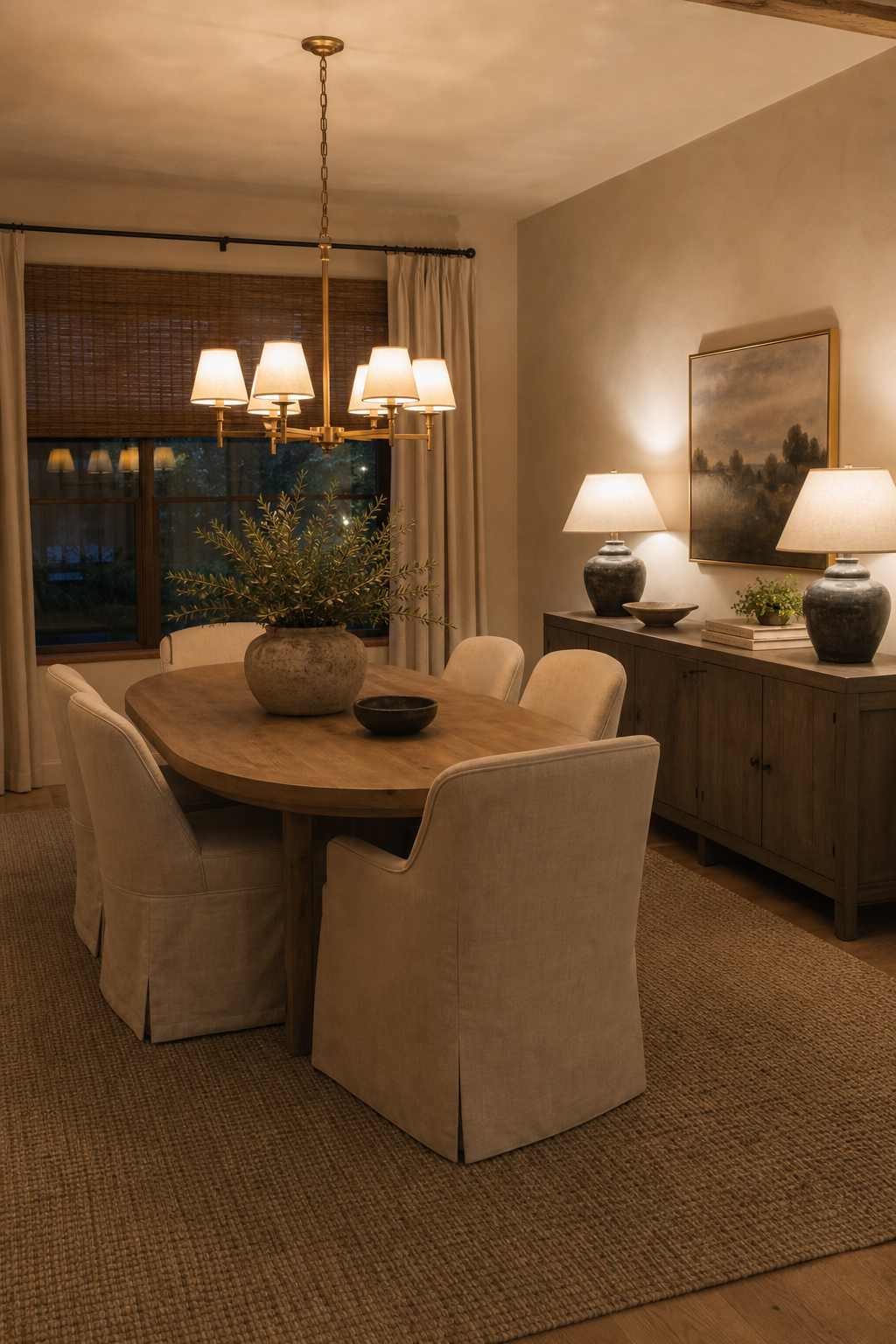
A dining room should feel special without becoming so formal that it sits untouched. Start with comfort: upholstered chairs, a rug that allows chairs to move easily, and lighting that flatters the table. If the room feels stiff, introduce more relaxed materials such as linen slipcovers, woven shades, hand-thrown ceramics, or an oak table with visible grain. A sideboard adds practical storage and gives the room a surface for lamps, art, or serving pieces. Keep the centerpiece low enough for conversation, whether it is a ceramic bowl, branches, or a cluster of candlesticks. Wall color can do a great deal here; deep olive, clay, chocolate, or warm plaster tones create intimacy. The most inviting dining rooms feel ready for a weeknight meal as much as a long dinner with guests.
16. Refresh the Kitchen With Elevated Finishes
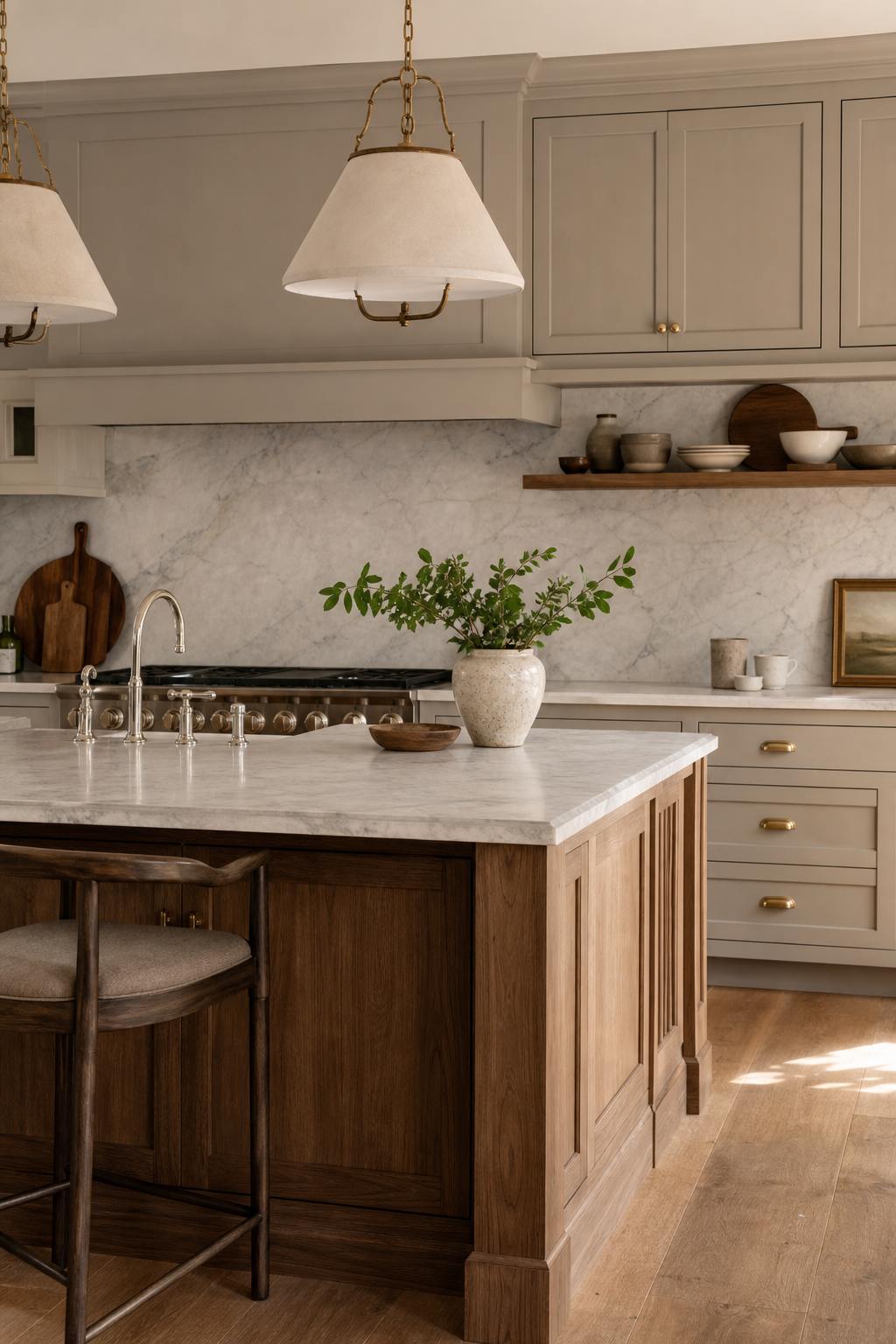
A full renovation is not always required to make a kitchen feel more refined. Smaller changes can have a striking effect when the finishes are chosen carefully. Replace basic hardware with aged brass, polished nickel, or blackened bronze. Add a stone or zellige tile backsplash with subtle variation. Upgrade pendants over the island to fixtures with better scale and material presence. If the cabinetry is sound, a professional repaint in a nuanced shade such as warm white, mushroom, sage, or deep blue can transform the room. Open shelving should be edited to useful but beautiful pieces: stoneware, glass, wood boards, and a few cookbooks. The best kitchen makeover balances practicality with atmosphere, improving light, touch points, and everyday rituals without sacrificing durability or storage.
17. Design a Reading Corner With Real Presence
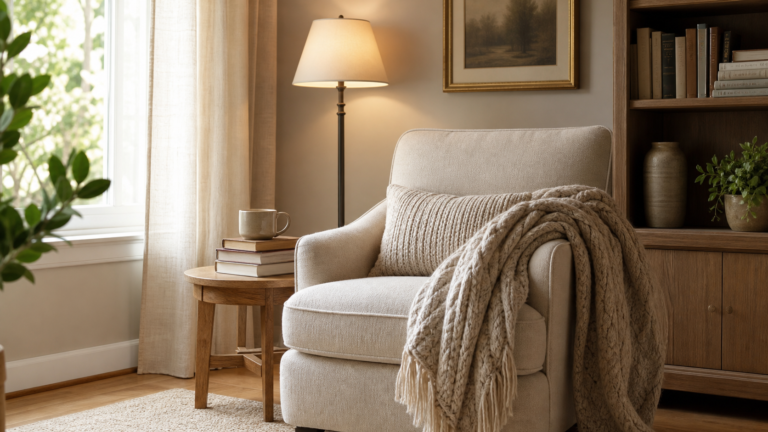
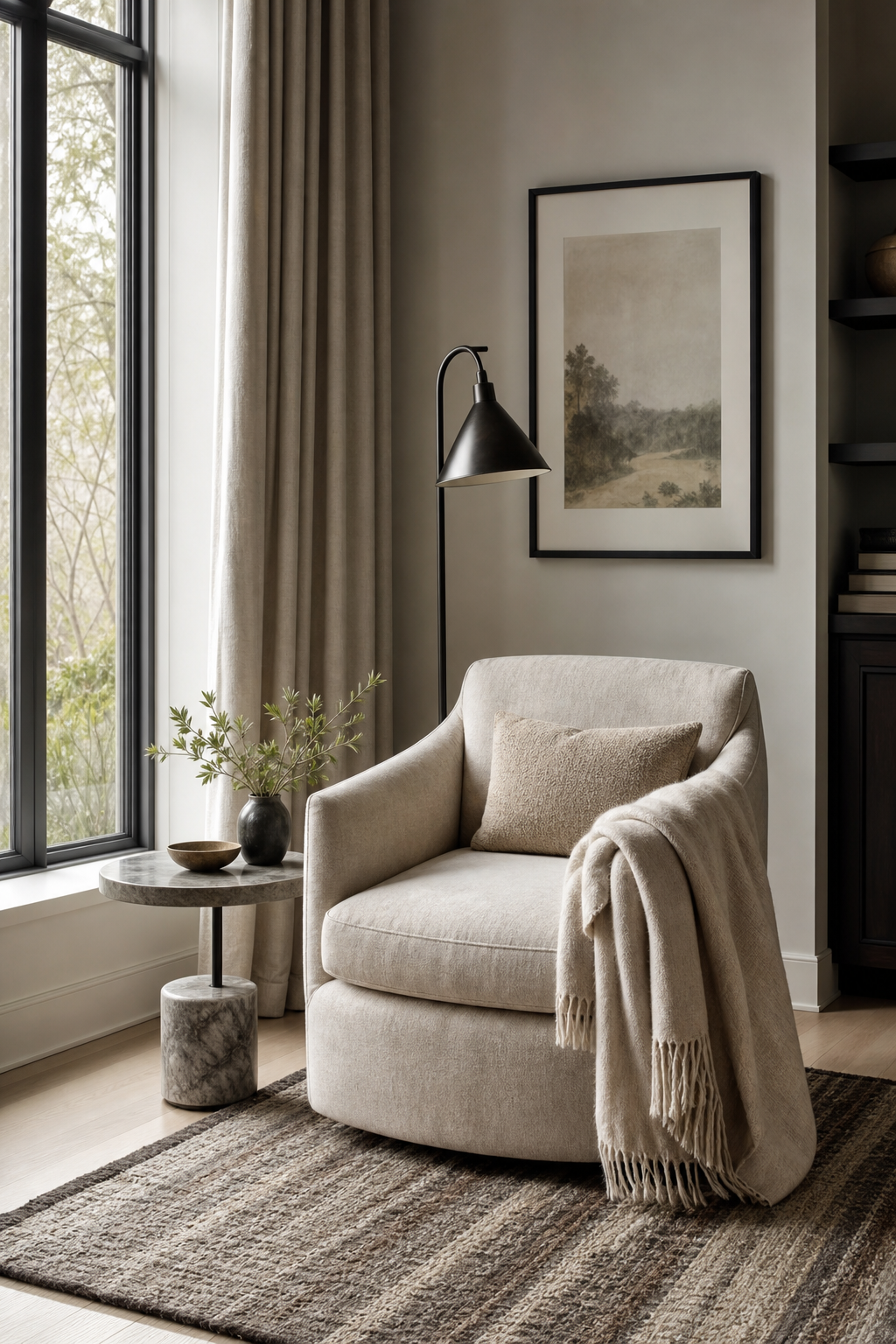
A reading corner can bring charm and usefulness to an underused part of a room. The formula is simple but should be executed generously: a comfortable chair, a proper lamp, a small table, and a surface underfoot. Choose a chair with enough depth to settle into, whether it is a linen club chair, a curved bouclé seat, or a leather wingback. Add a floor lamp or wall sconce that directs light over the shoulder, not into the eyes. A small marble, wood, or metal side table should hold a book and a drink without crowding the chair. Anchor the corner with a rug or let it overlap the main room’s rug for connection. Finish with a throw, a cushion, and nearby art so it feels intentional rather than incidental.
18. Give the Bathroom a Spa-Like Edit
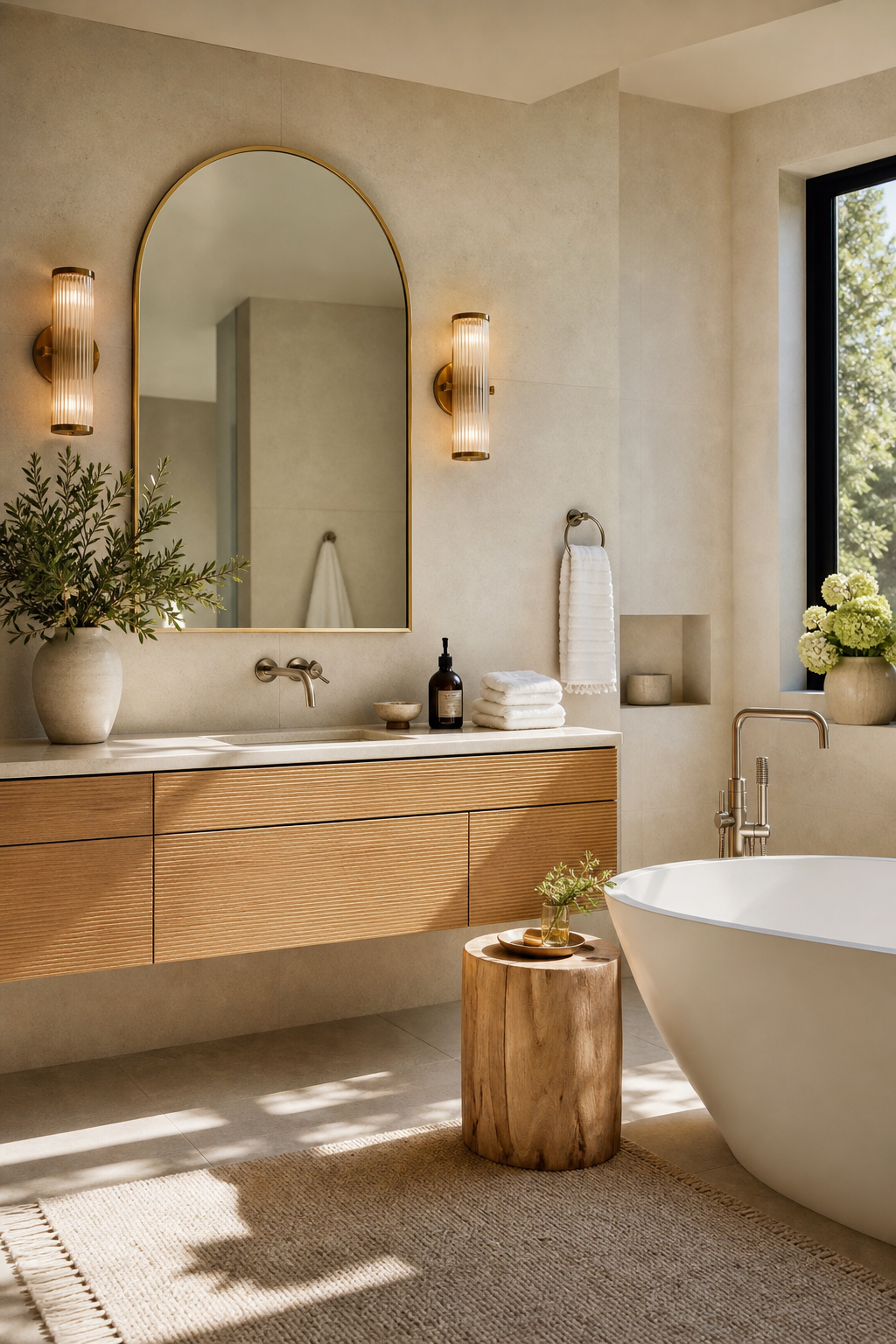
A bathroom makeover should begin with removing visual noise. Decant daily essentials, simplify towel storage, and choose finishes that feel clean but not clinical. Natural stone, limewash, brushed nickel, pale oak, and ribbed glass all bring a spa-like quality without relying on clichés. Replace a builder-grade mirror with a framed or arched design, add sconces at face height, and use warm bulbs for more flattering light. If the floor plan allows, a stool beside the tub or a narrow shelf above the vanity adds both function and styling opportunity. Textiles matter here: thick cotton towels, a quiet bath mat, and a linen shower curtain can soften hard surfaces. Keep the palette restrained, then let texture, water, and light create the atmosphere.
19. Use Art to Set the Room’s Point of View
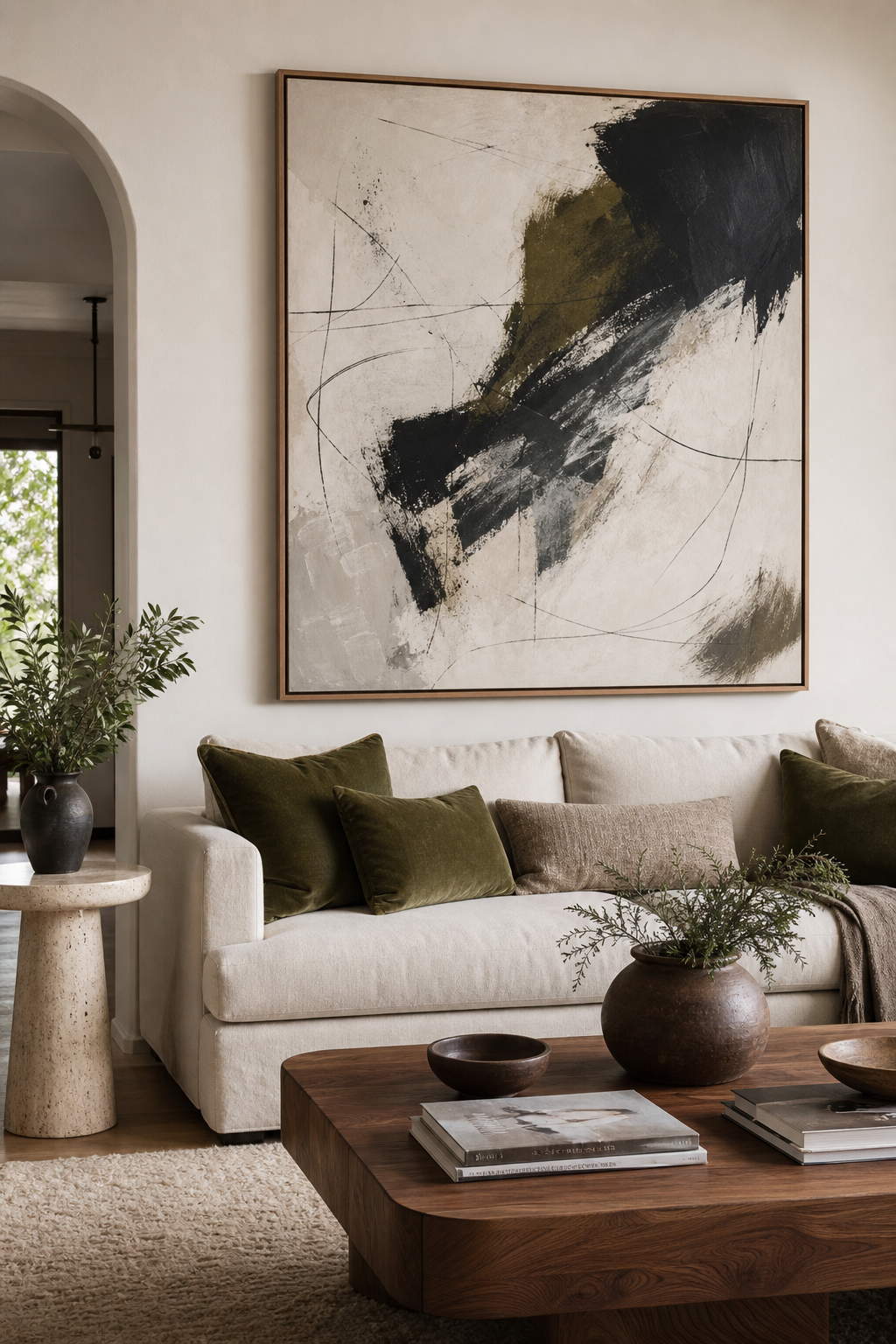
Art gives a room personality faster than almost any decorative layer. Rather than scattering small pieces around the walls, invest in scale and placement. One generous canvas over a sofa, a pair of framed works flanking a fireplace, or a gallery wall in a hallway can give the room structure and intention. The art does not need to match the sofa, but it should speak to the room’s mood. Abstract works can add movement to quiet interiors, photography brings crispness, and vintage portraits or landscapes introduce history. Frame choices matter: pale oak feels relaxed, black metal sharpens the composition, and gilt adds a traditional note. Hang art at human height, not near the ceiling. A well-placed piece can make existing furniture feel more edited and meaningful.
20. Add Contrast With Dark Wood and Metal
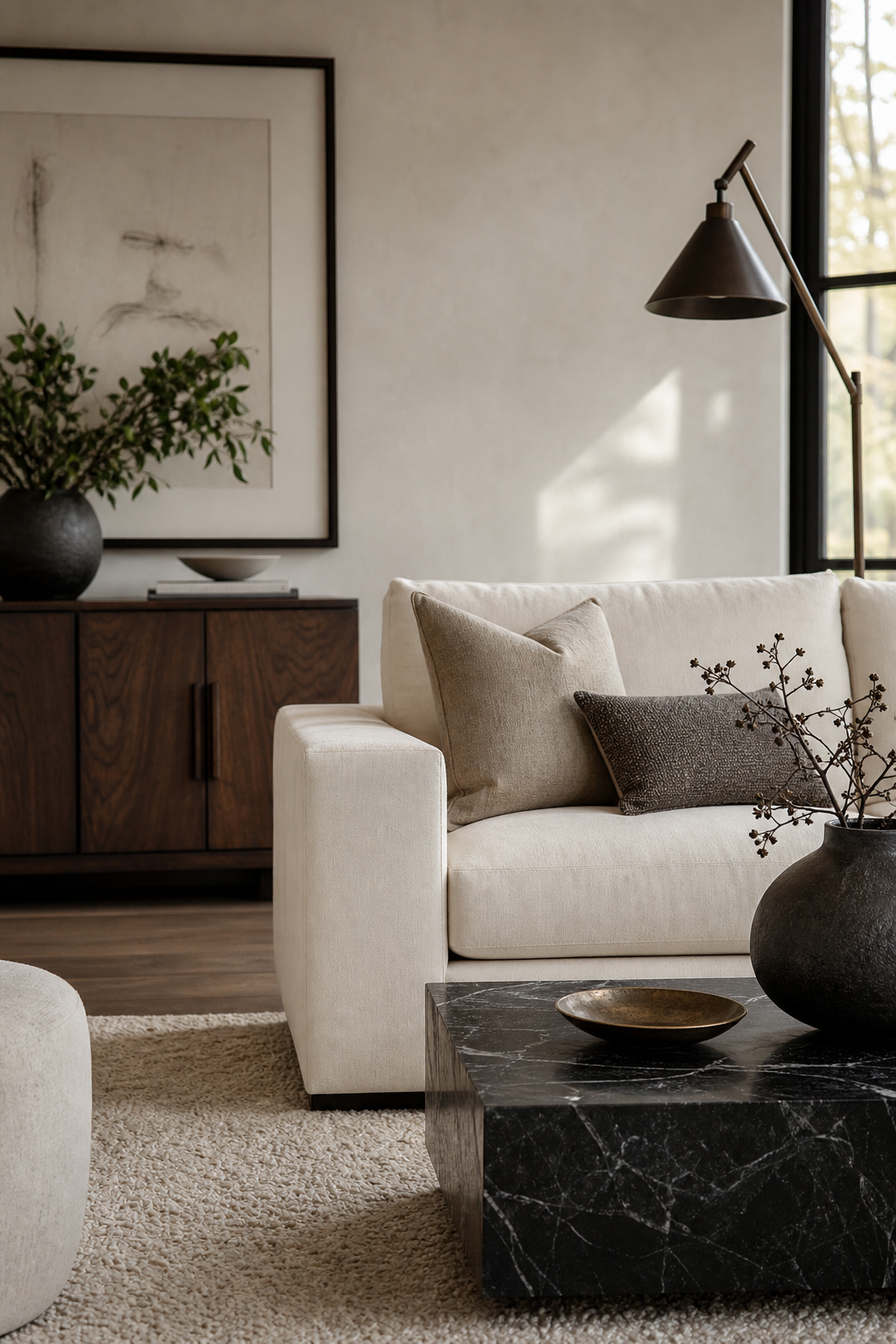
Rooms decorated entirely in pale tones can look serene, but they often need contrast to feel complete. Dark wood and metal bring definition, especially when used in precise doses. A walnut console, ebonized side table, blackened bronze lamp, or iron-framed mirror can sharpen a soft neutral room without making it feel heavy. The contrast should connect to the architecture or furniture lines, not appear as random dark spots. In a bedroom, dark nightstands can ground pale bedding. In a living room, a black marble coffee table can anchor a cream sofa and ivory rug. Pair deeper elements with tactile materials so the result remains inviting: linen, wool, plaster, leather, and aged brass. This approach is especially effective when a room feels pretty but lacks confidence.
21. Finish With Fewer, Better Decorative Details
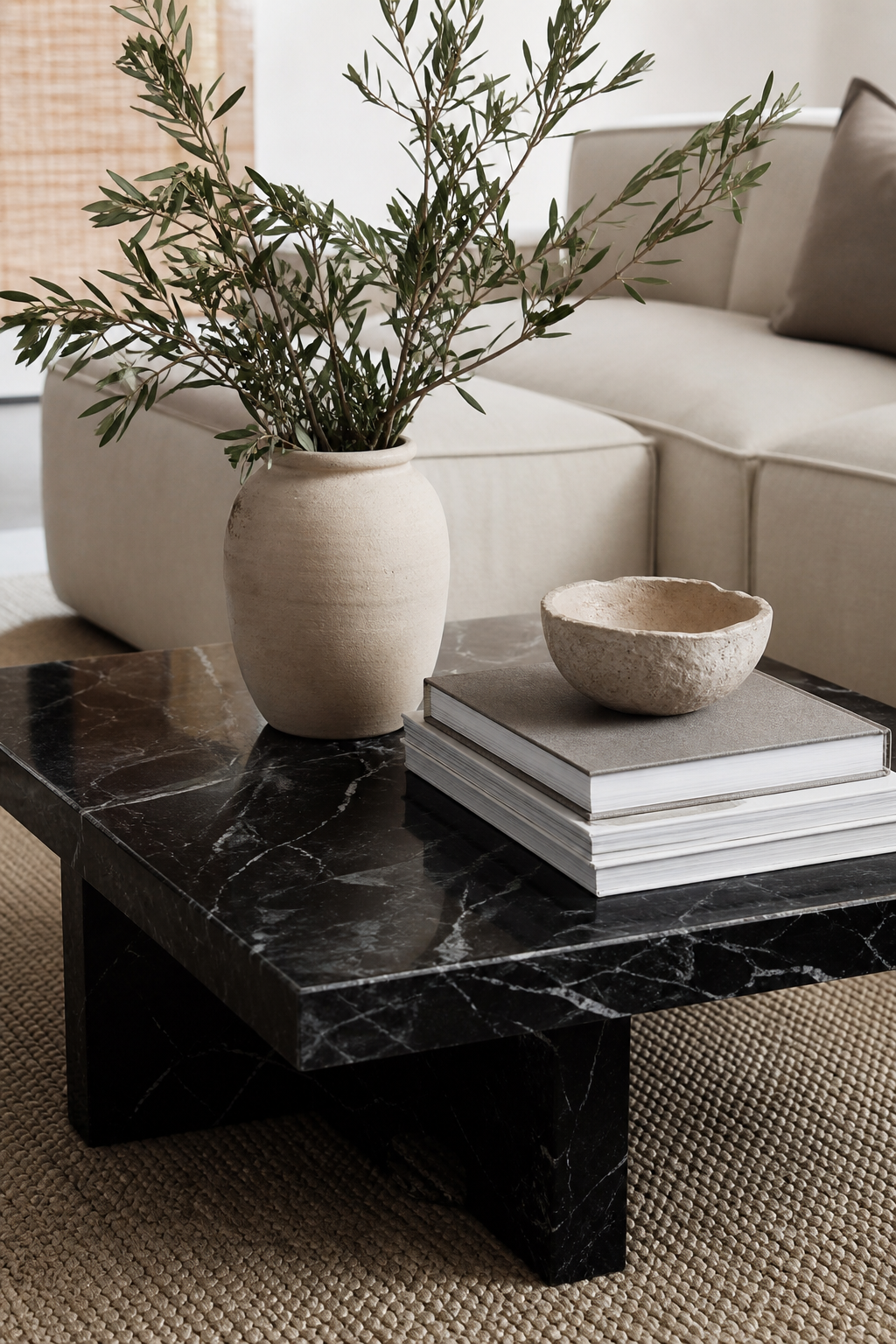
The final stage of a room makeover is editing, and it is where many spaces either become elegant or become crowded. Remove decorative objects that do not contribute shape, texture, color, or meaning. Then layer back a smaller group of pieces with intention: a ceramic vessel, a heavy tray, a stack of art books, a sculptural bowl, fresh branches, or a textile with beautiful hand. Vary height and material so each surface feels composed but not symmetrical for its own sake. Coffee tables should leave room for use, nightstands should remain restful, and consoles should not become storage for unrelated items. Luxury is often found in restraint: the quiet space around a beautiful object, the weight of a material, the confidence to stop before the room feels overworked.
A thoughtful room makeover is less about chasing novelty and more about sharpening what the space can become. Better proportions, richer materials, calmer storage, layered lighting, and a more deliberate palette can turn familiar rooms into places that feel newly considered. Start with the change that will improve daily life the most, then build the room slowly, allowing each piece to earn its place.