24 Room Ideas To Inspire Your Next Home Refresh
A home refresh does not have to begin with a renovation budget or a blank room. The strongest updates often come from sharper editing: a better light source, one richer material, a calmer layout, or a color repeated with intention. These room ideas are designed for real homes that need more atmosphere, comfort, and polish without losing practicality. Use them as a menu rather than a mandate, choosing the shifts that suit your architecture, routines, and existing pieces.
Start With A Layered Living Room Conversation Zone
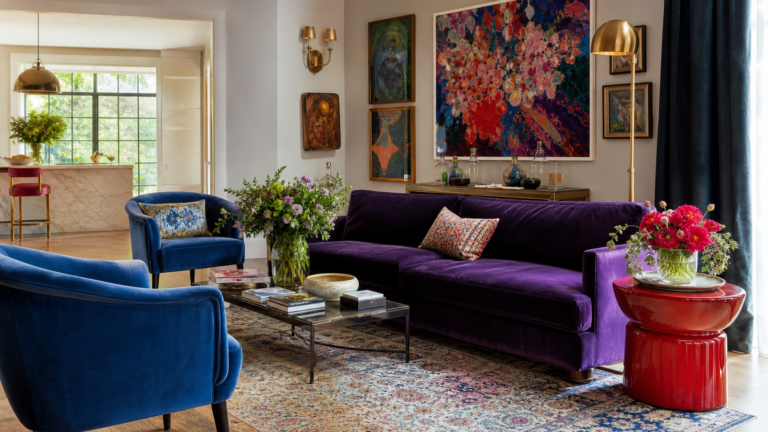
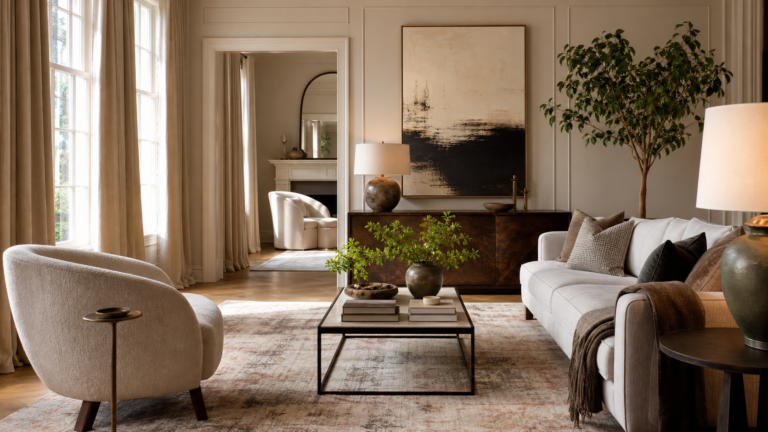
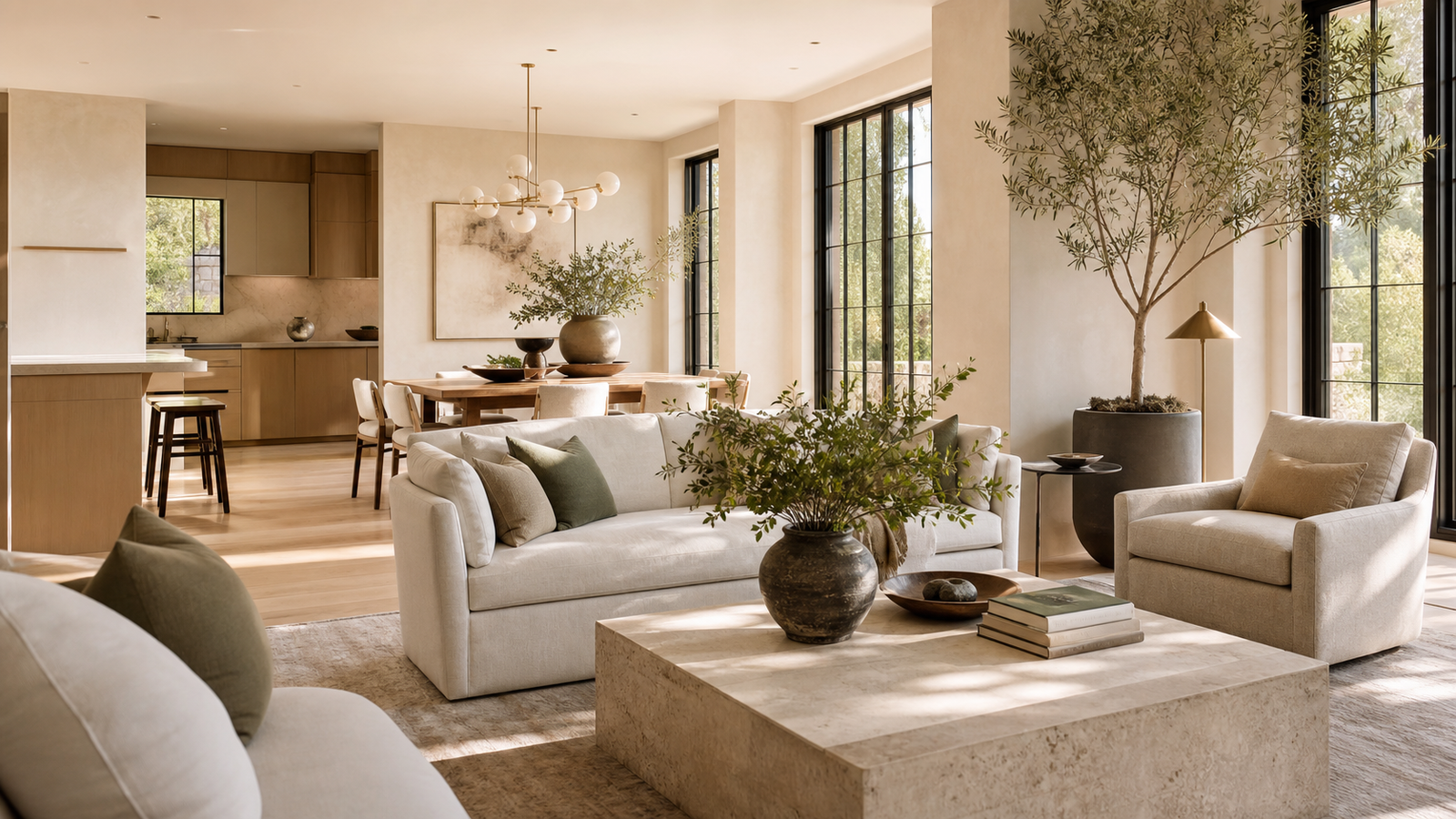
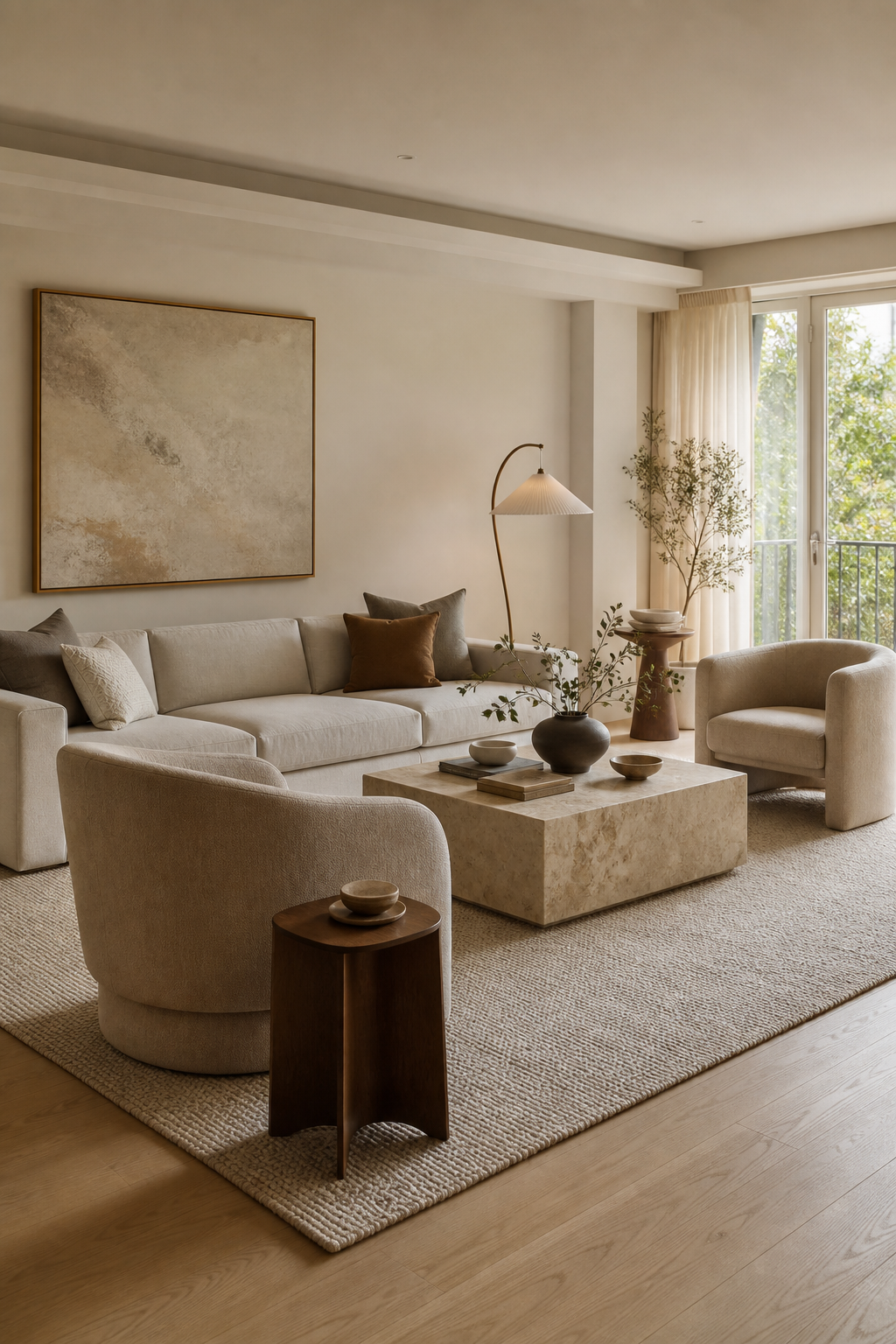
Rework the living room around conversation before you buy anything new. Pull seating away from the walls, let chairs angle slightly toward the sofa, and give every seat a place to set a glass or book. A large wool rug should hold the front legs of each major piece so the arrangement reads as one designed zone. Add depth with a low coffee table, a taller side table, and one sculptural floor lamp that brings height into the corner. Keep the palette calm, then introduce contrast through materials: bouclé beside leather, oak beside stone, linen beside polished metal. The room will feel more expensive because the layout supports how people actually gather.
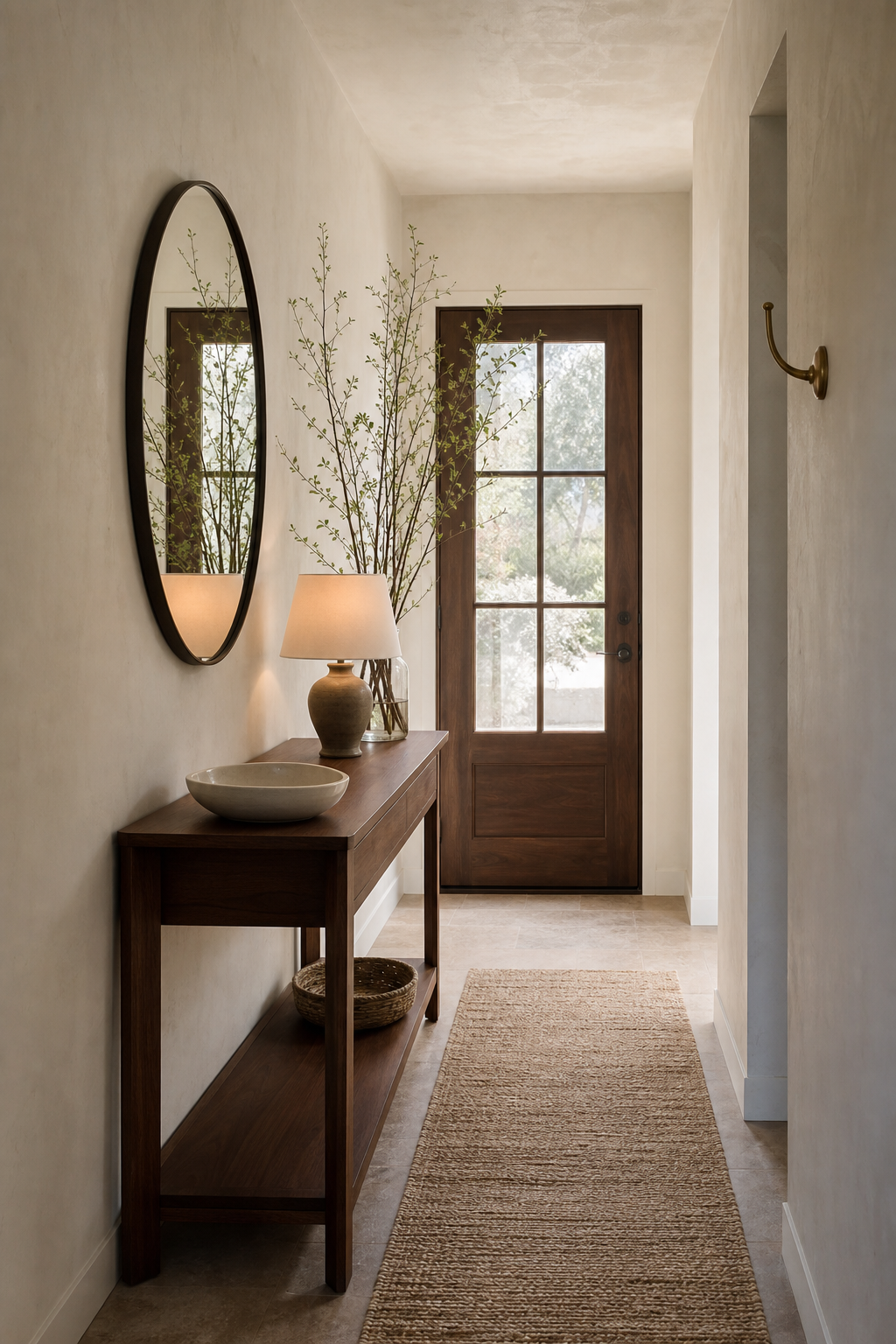
Give The Entry A Purposeful Landing Moment
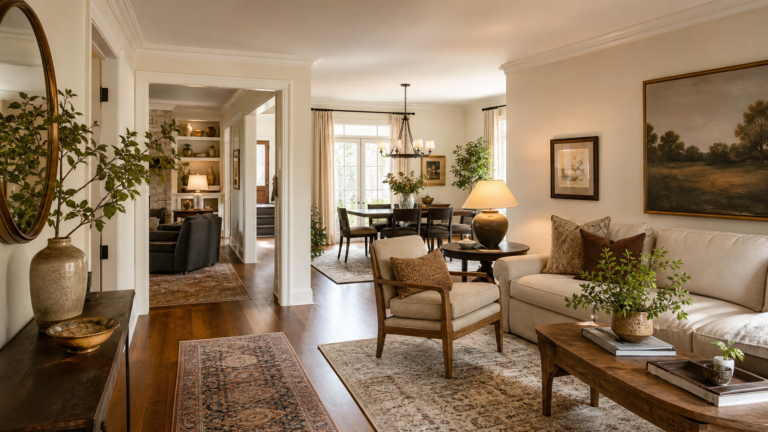
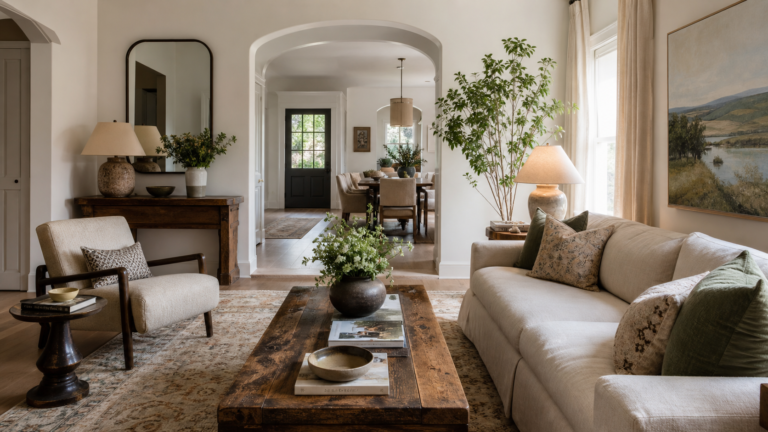
An entry looks instantly more considered when it has a defined landing point. Choose a narrow console, floating shelf, or antique chest that fits the wall without blocking circulation. Above it, hang a mirror or artwork large enough to feel architectural rather than decorative. A tray for keys, a ceramic bowl, and a small lamp make the space functional after dark, while a textured runner softens the first step into the home. If the entry is tiny, use one strong vertical gesture, such as a tall branch arrangement or slim wall sconce. The goal is not clutter; it is a composed pause that tells guests the rest of the house has been edited with care.
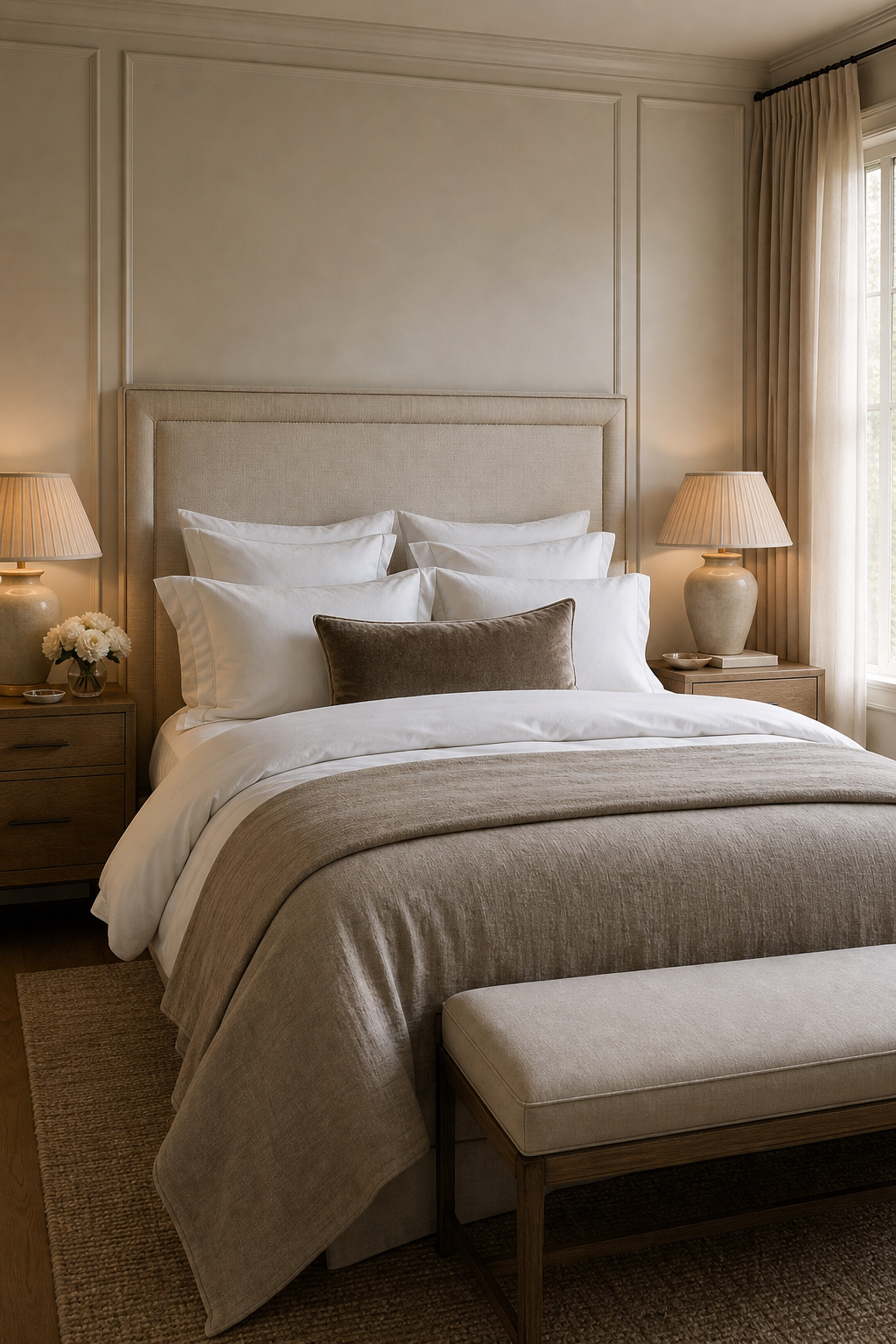
Soften A Bedroom With Hotel-Level Bedding
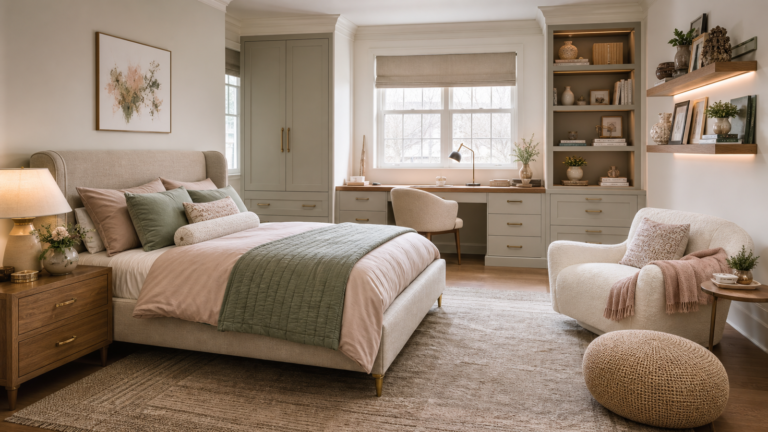
The easiest bedroom refresh is often the bed itself. Build from crisp sheets, then add a relaxed coverlet, a folded duvet, and two or three pillows in different textures rather than a crowded pillow display. A palette of ivory, smoke, taupe, or muted blue feels luxurious when the fabrics vary: percale, linen, velvet, and brushed cotton all catch light differently. Let the nightstands stay calm with a lamp, a book, and one small dish. If the headboard is plain, place a long lumbar pillow in a richer fabric to create a tailored focal point. The room will feel restful, finished, and intentionally quiet.
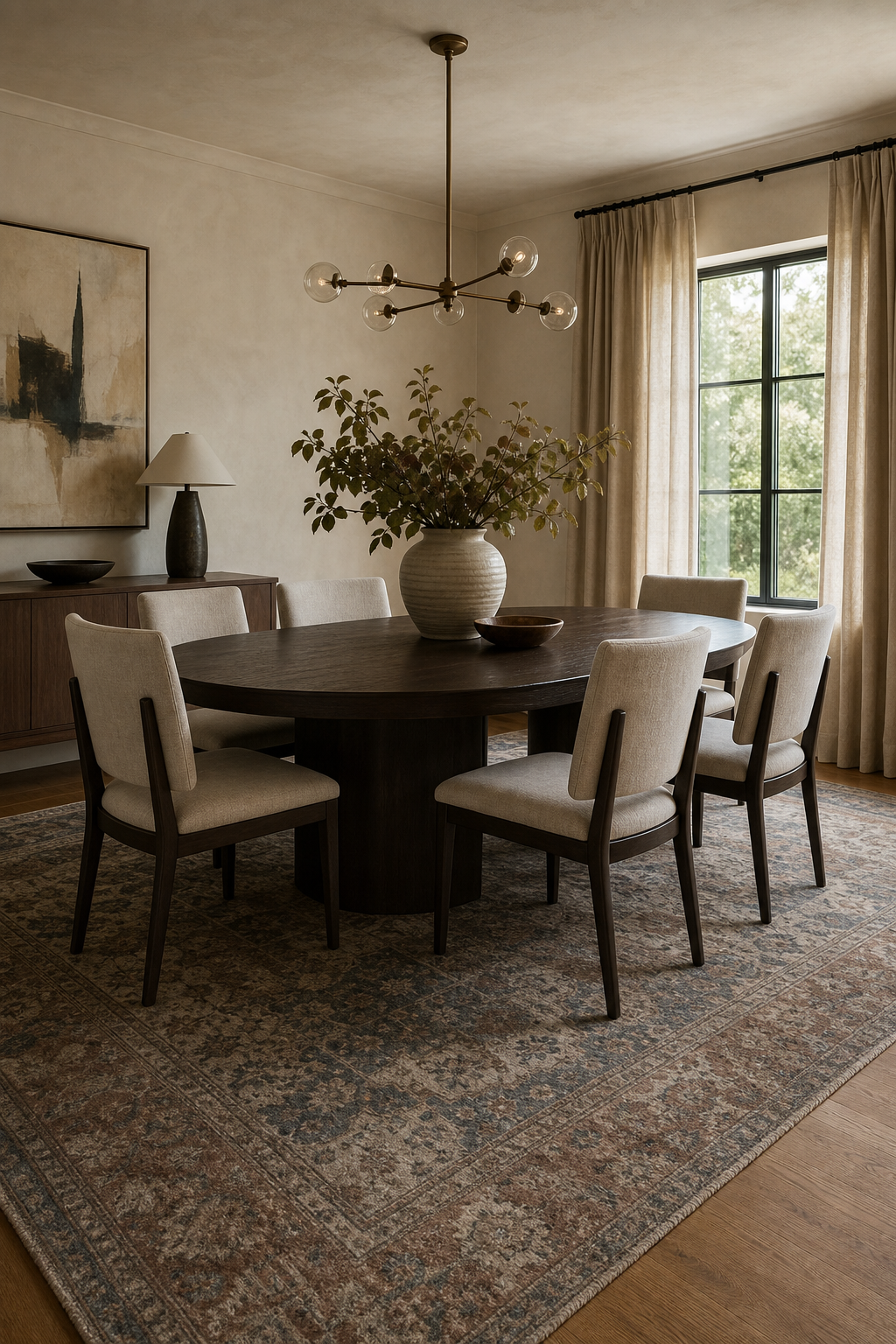
Use A Dining Room Rug To Set The Tone
A dining room can feel unfinished when the table floats without grounding. A rug gives the room softness, sound absorption, and a clear design point, but scale matters. Choose one large enough that chairs remain on the rug when pulled back. Pattern is useful in dining spaces because it hides daily marks, especially in vintage-inspired wool or low-pile performance weaves. Pair a strong rug with simpler chairs, or use a quieter rug beneath a sculptural table. Repeat one color from the rug in artwork, candles, or a small fabric detail so the room feels assembled instead of matched. It is a single move with a surprisingly architectural effect.
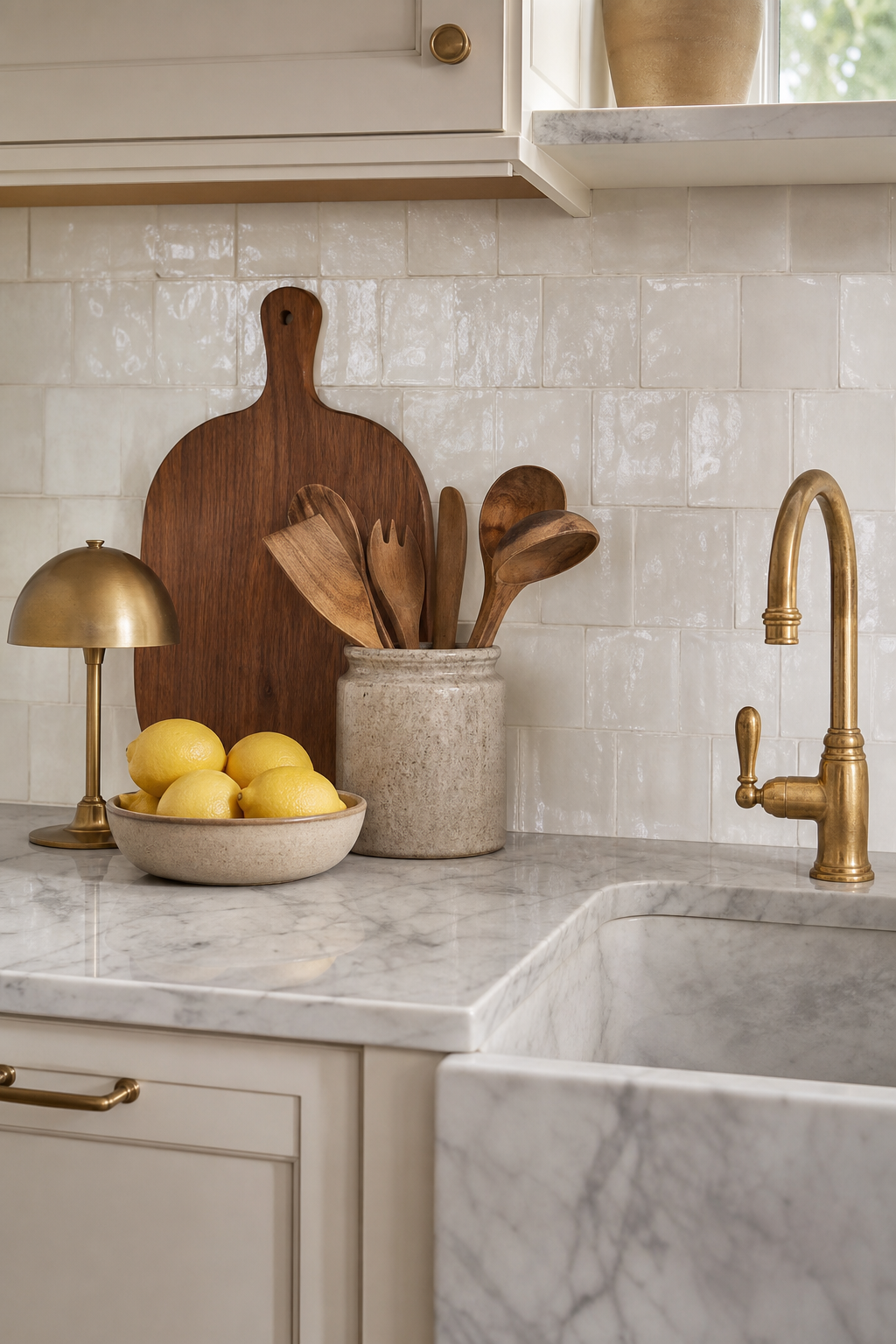
Refresh The Kitchen With Countertop Restraint
Kitchen styling works best when it supports cooking instead of imitating a showroom. Clear the counter first, then return only what earns its place: a wood board, a stone utensil crock, a beautiful oil bottle, a small lamp, or a bowl of seasonal produce. Group items in threes with varied heights so they feel deliberate. If your kitchen has cool finishes, add warmth through walnut, aged brass, linen, or clay. If it already feels busy, choose fewer objects in quieter tones. This approach makes the kitchen easier to clean and more photogenic, but it also changes the mood. The room starts to feel calm, capable, and quietly luxurious.
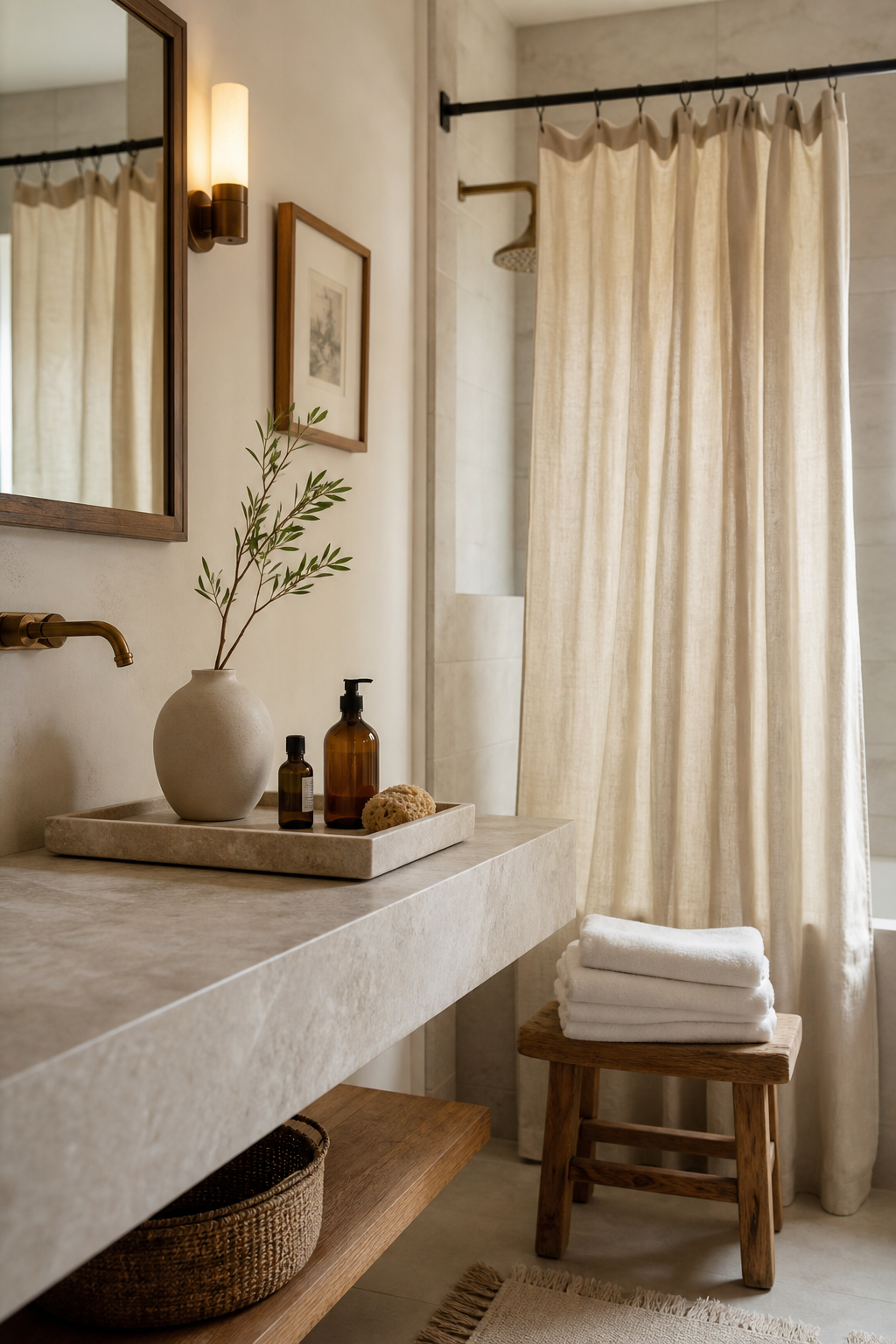
Turn A Bathroom Into A Stone And Linen Retreat
Bathrooms feel more elevated when hard surfaces are balanced with softness. If renovation is not on the table, bring in stone accessories, a linen shower curtain, a teak stool, and towels in one consistent shade. Decanting is useful only when the containers are genuinely better than the originals, so choose amber glass, ceramic, or brushed metal and keep labels minimal. Add a small framed artwork away from splash zones and a branch or single stem for movement. Warm lighting is essential; a bathroom lit only from above can flatten every material. With a few tactile upgrades, even a compact bath can feel like a private, restorative suite.
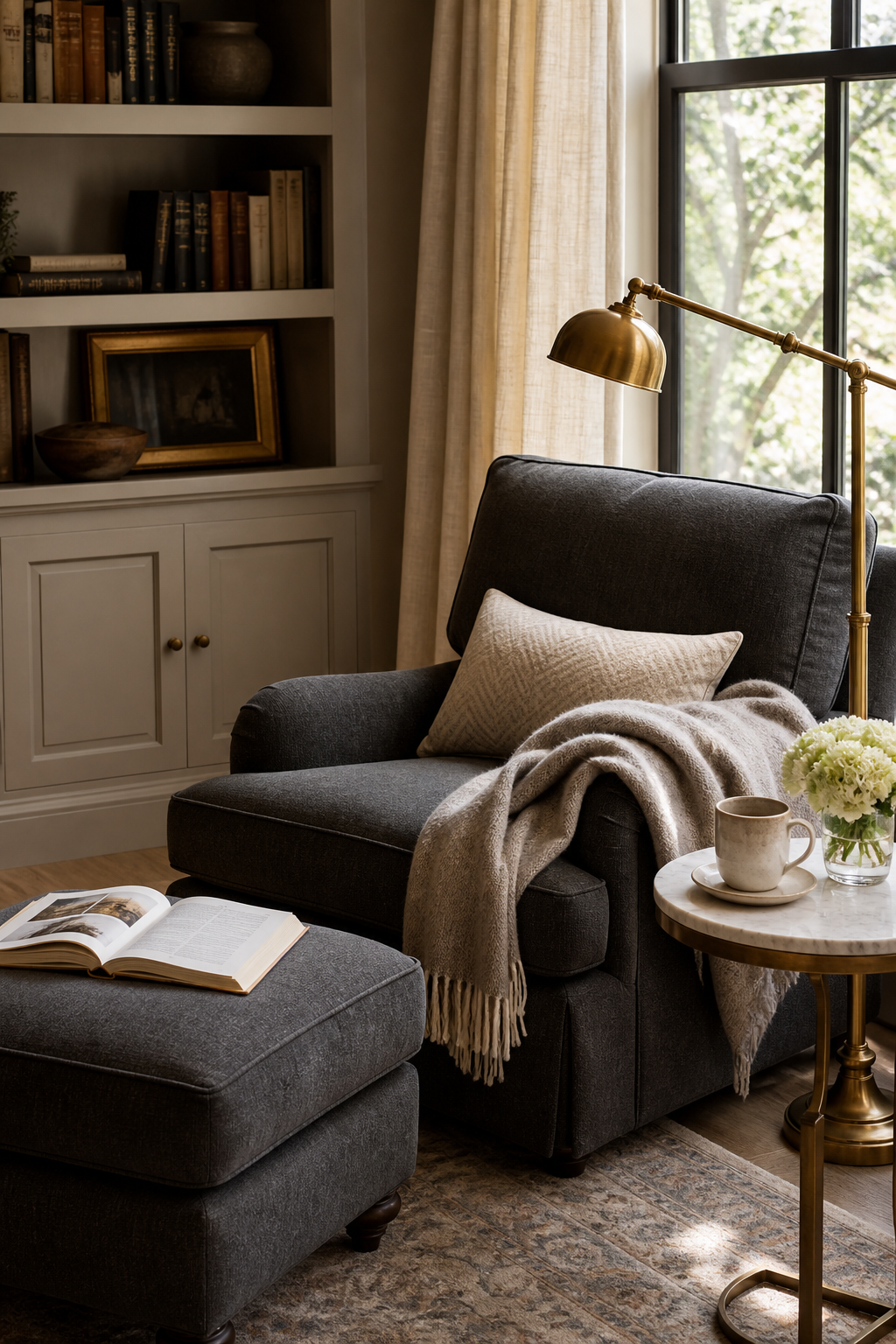
Create A Reading Corner With Real Comfort
A reading corner should be more than a chair near a window. Start with a seat that supports the body: deep enough to curl into, upright enough for a book, and paired with an ottoman if space allows. Add a lamp that lights the page directly, not just the room. A small table should hold tea, glasses, and a stack of current reads without wobbling. Texture does the emotional work here, so layer a wool throw, a cushion with weight, and a rug that feels good under bare feet. Place the corner near shelves, a view, or artwork, and it becomes a daily ritual rather than an unused vignette.
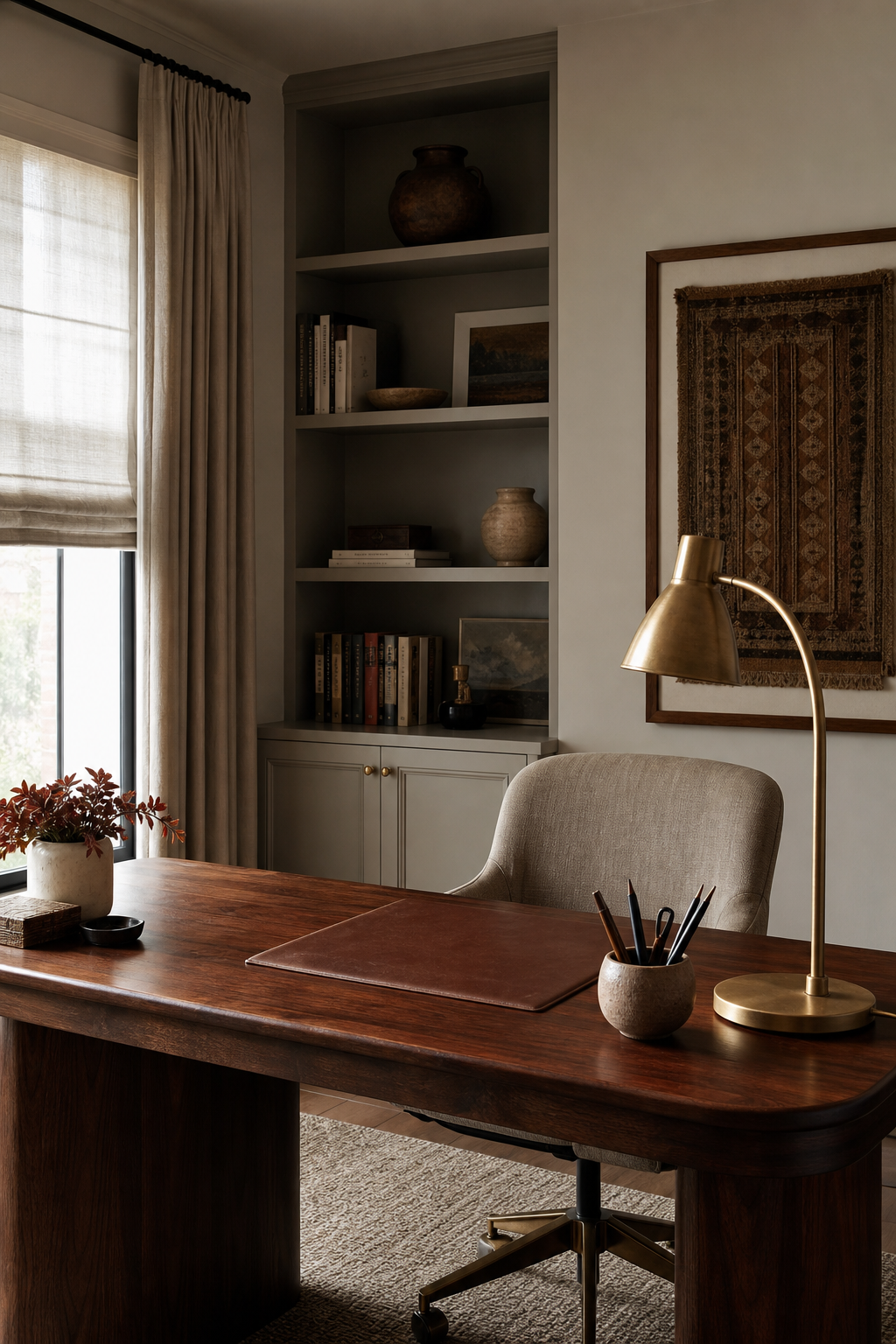
Make A Home Office Feel Collected, Not Corporate
A home office should support focus without feeling like borrowed commercial furniture. Use a proper desk with enough surface area, then balance it with a comfortable chair that still has structure. Hide cables in a tray or sleeve so the eye lands on materials instead of technology. Add closed storage for paperwork, a pinboard or framed textile for visual interest, and a table lamp that softens the screen glow. Avoid overfilling the wall behind the desk; one large artwork can be more calming than a grid of small distractions. When the office includes wood, fabric, warm light, and a clear work surface, it becomes easier to spend time there.
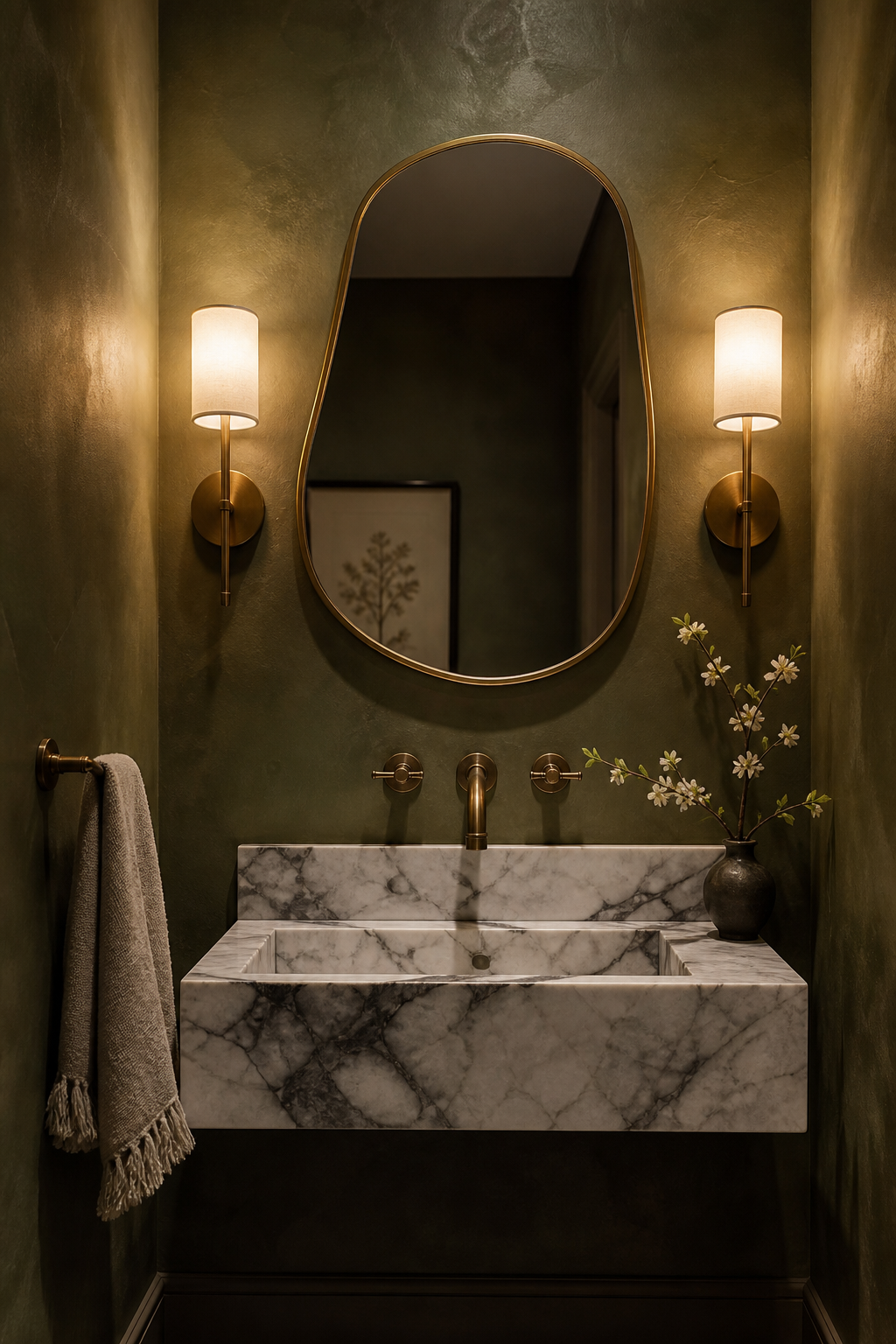
Add A Moody Powder Room Moment
A powder room is the ideal place to be bolder because guests experience it briefly and the small scale keeps the commitment manageable. Try deep olive, ink, aubergine, or tobacco on the walls, then balance the color with a crisp stone sink, aged brass hardware, and a mirror with a strong silhouette. Wallpaper can also work beautifully if the pattern has depth rather than novelty. Upgrade the hand towel, soap, and waste bin so practical pieces support the mood. Lighting should flatter: sconces at face height are softer than a single overhead fixture. The result feels memorable without having to shout from the larger rooms.
Bring Order To Open Shelving
Open shelving looks best when it has rhythm. Remove everything first, then rebuild with a mix of vertical books, horizontal stacks, vessels, boxes, and negative space. Avoid placing all small objects in a row; they read as clutter. Instead, create a few larger groupings and vary the heights so the eye moves naturally. Keep the color story tight, especially if the room already has pattern. In kitchens, combine everyday pieces with one or two decorative objects, not a full display of props. In living spaces, include a framed piece leaning behind ceramics or books. The shelves should reveal personality while still letting the room breathe.
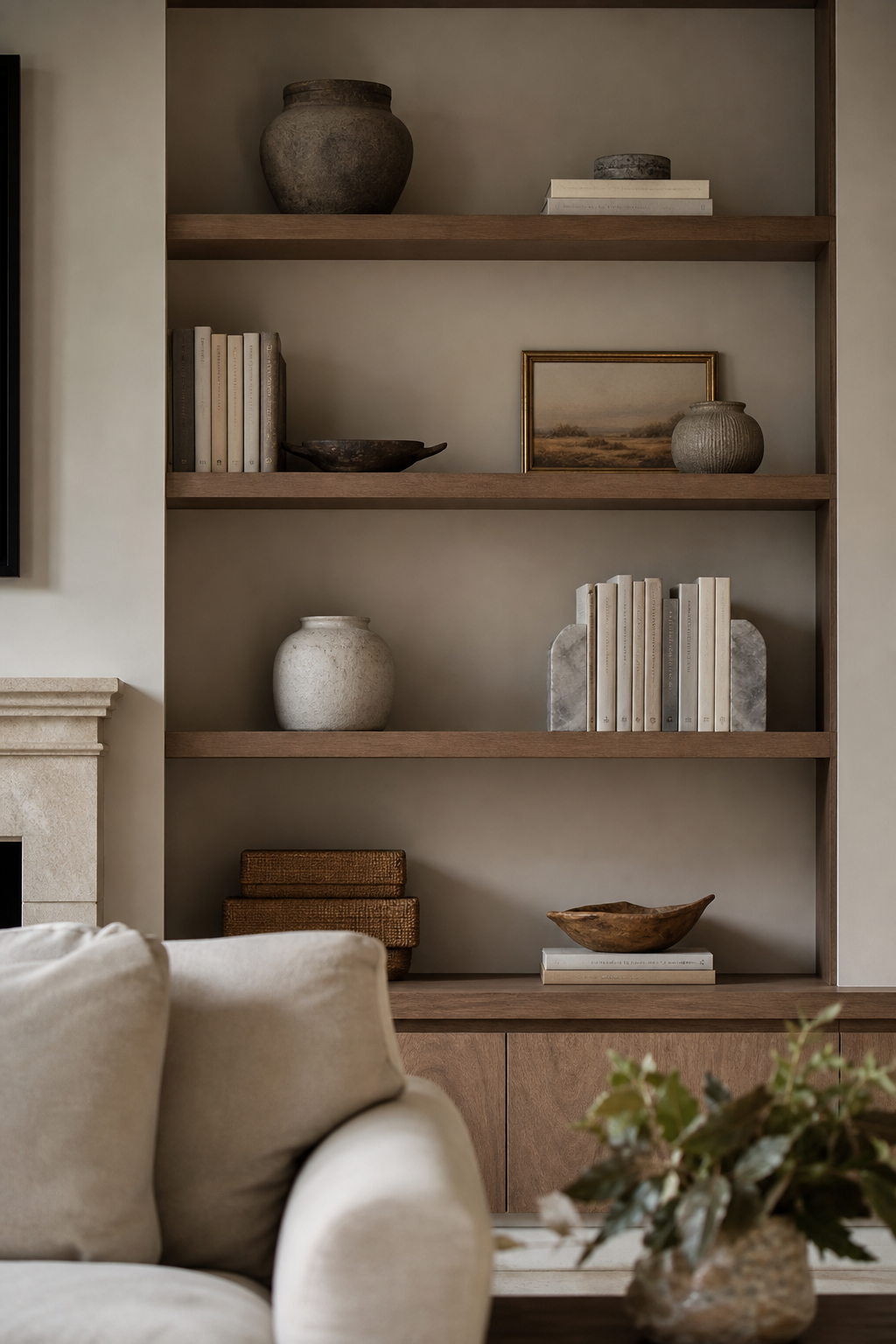
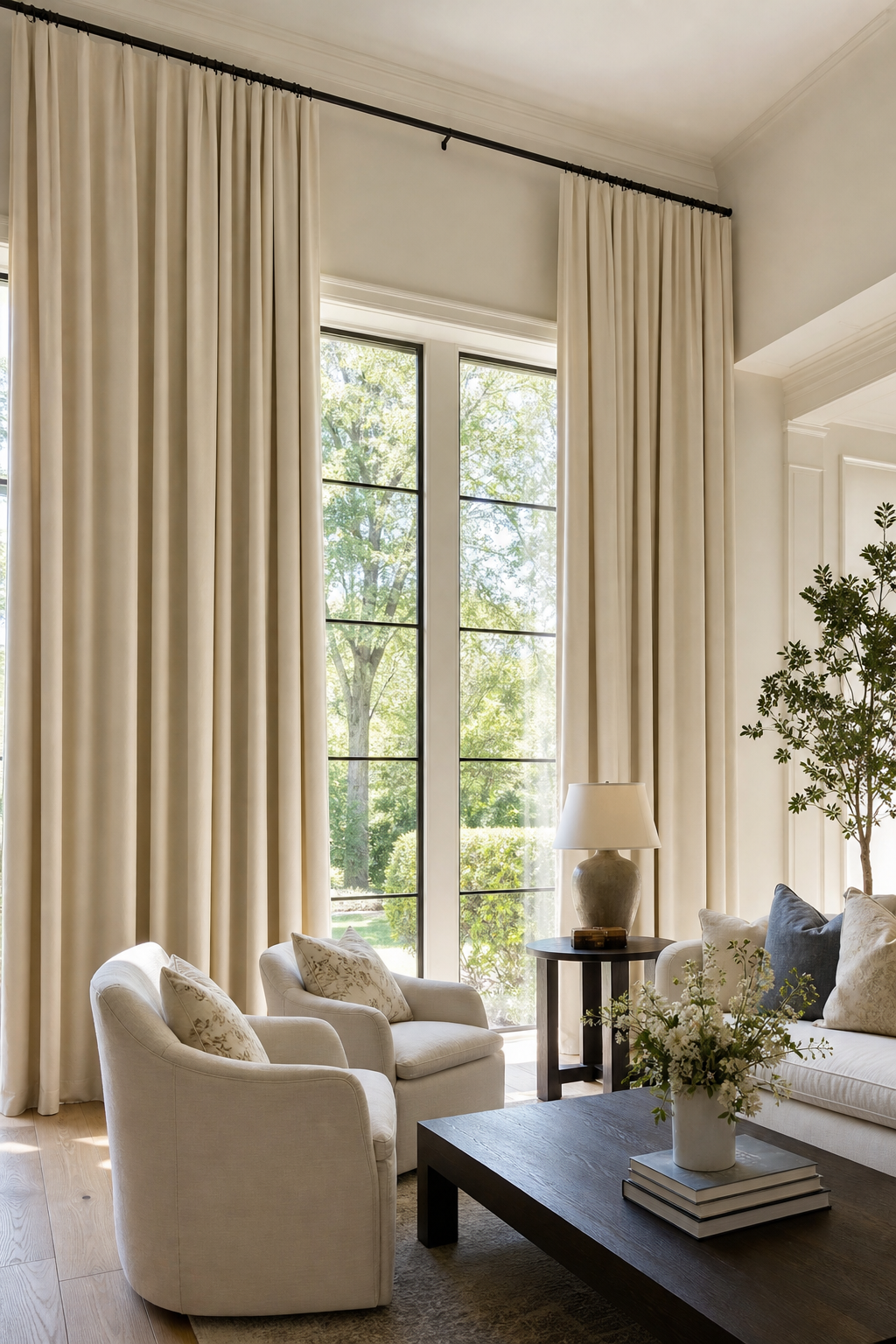
Use Drapery To Make Ceilings Feel Higher
Drapery can change a room’s proportions more dramatically than paint. Mount the rod close to the ceiling and extend it beyond the window frame so panels stack on the wall, not over the glass. This makes windows look wider and lets in more daylight. Choose fabric with enough weight to fall cleanly; linen blends, wool sheers, and cotton velvet all bring different moods. The hem should just kiss the floor or break slightly for a relaxed look. Avoid rods that are too thin for the scale of the room. Well-hung curtains frame the architecture, soften acoustics, and make even ordinary windows feel intentional.
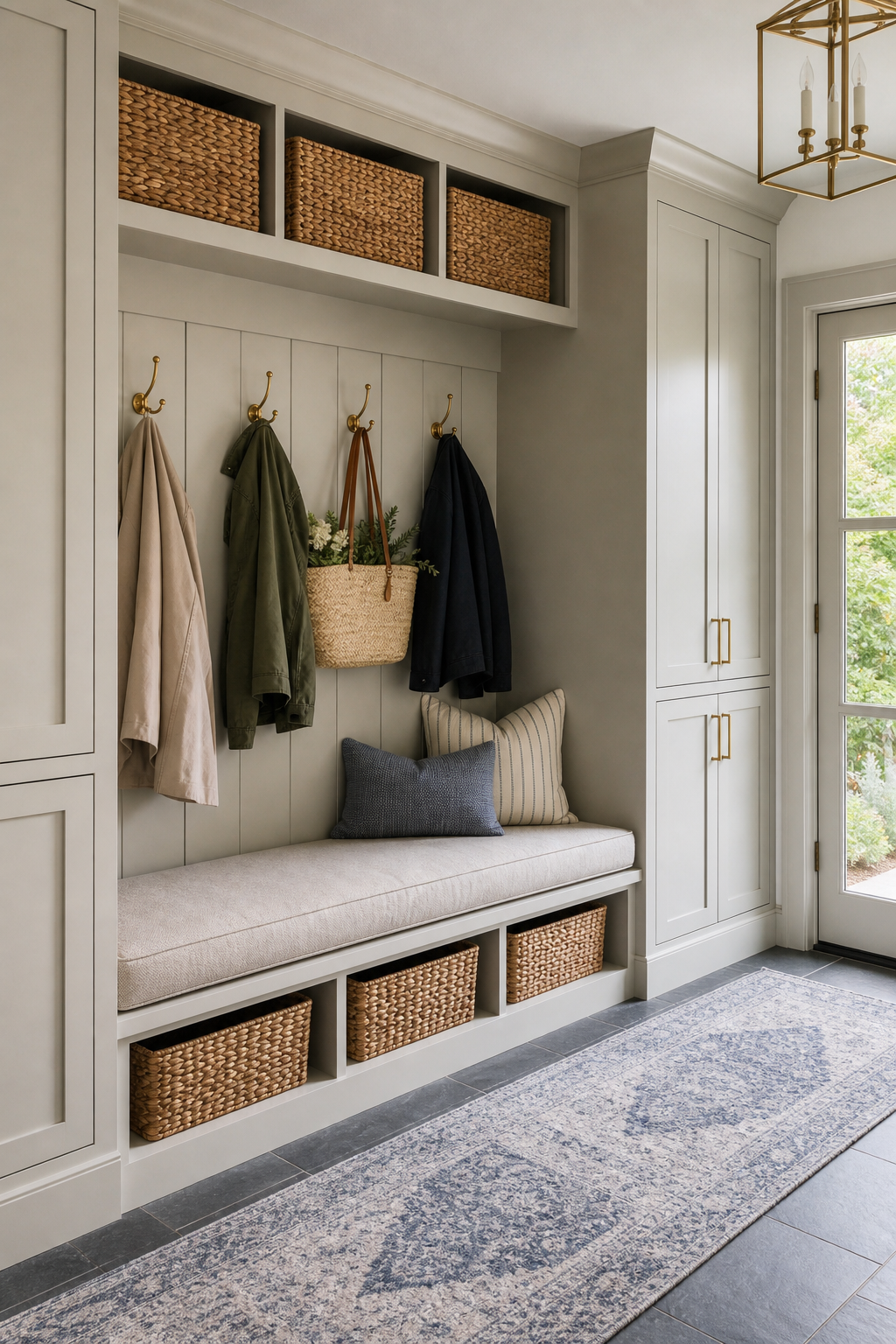
Define A Mudroom With Durable Beauty
A mudroom works hard, but it does not have to look purely utilitarian. Start with surfaces that forgive real life: stone, brick, slate, washable paint, and indoor-outdoor rugs. Give each person a hook, basket, or drawer so the storage system is obvious at a glance. Closed cabinets hide seasonal bulk, while an open bench keeps daily shoes and bags accessible. Add beauty through hardware, a cushion in performance fabric, or a wall color that connects to the rest of the house. Good mudrooms are practical enough to absorb mess and attractive enough that you are willing to maintain them. That combination is what keeps the system alive.
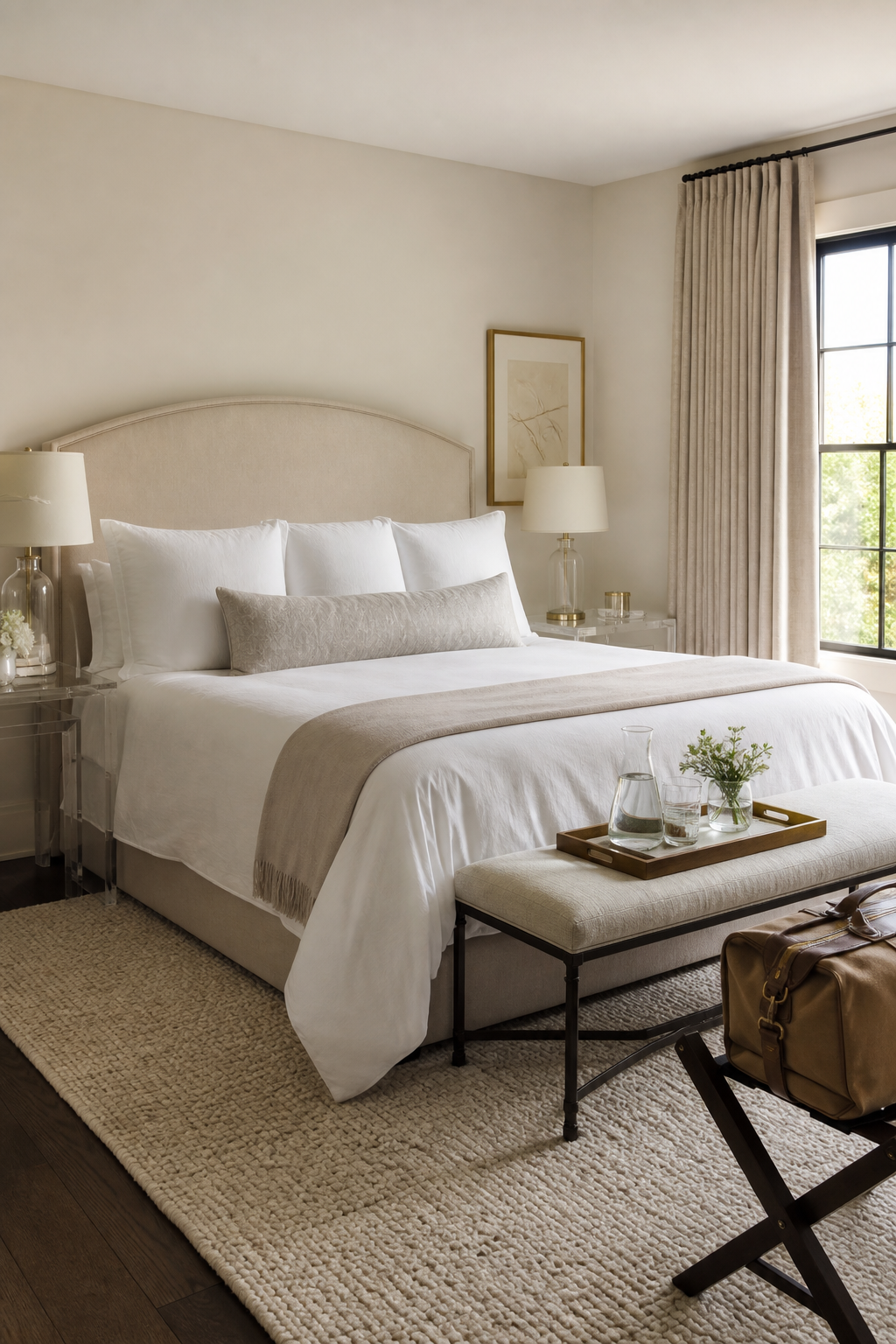
Let A Guest Room Feel Quietly Generous
A guest room feels luxurious when it anticipates small needs without becoming overdecorated. Clear surfaces matter, so leave space on the nightstand for a phone, watch, and glass of water. Add a luggage rack or bench, blackout curtains, layered bedding, and a lamp on both sides if possible. A small tray with a carafe, extra blanket, and simple vase can feel gracious without becoming hotel-themed. Keep closets partially empty and provide good hangers. The design can stay simple: soft walls, a comfortable rug, a supportive mattress, and one piece of art with presence. Generosity is often a matter of restraint and readiness.
Warm Up A Hallway With Art And Light
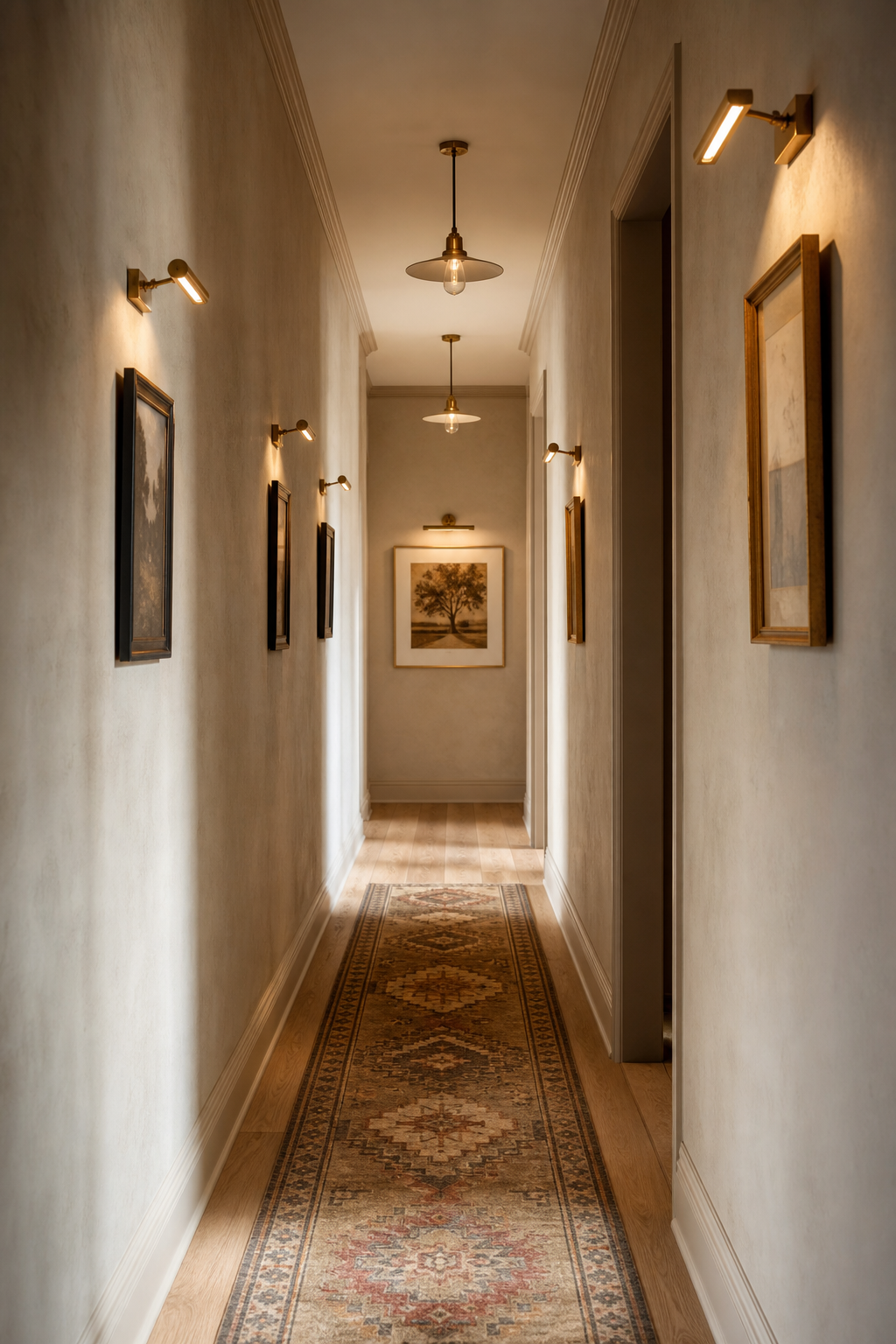
Hallways are often treated as leftovers, yet they shape the rhythm of a home. Add warmth with a runner that suits the traffic level, then install lighting that repeats at a consistent interval. Picture lights, small sconces, or flush mounts can make the passage feel designed rather than merely connected. Art should be scaled to the wall, not scattered at random; a single large piece at the end of the hall can create a beautiful destination. If the hallway is narrow, use shallow frames and avoid bulky furniture. The best refresh creates movement, texture, and a quiet sense of arrival as you pass from room to room.
Turn A Laundry Room Into A Polished Utility Space
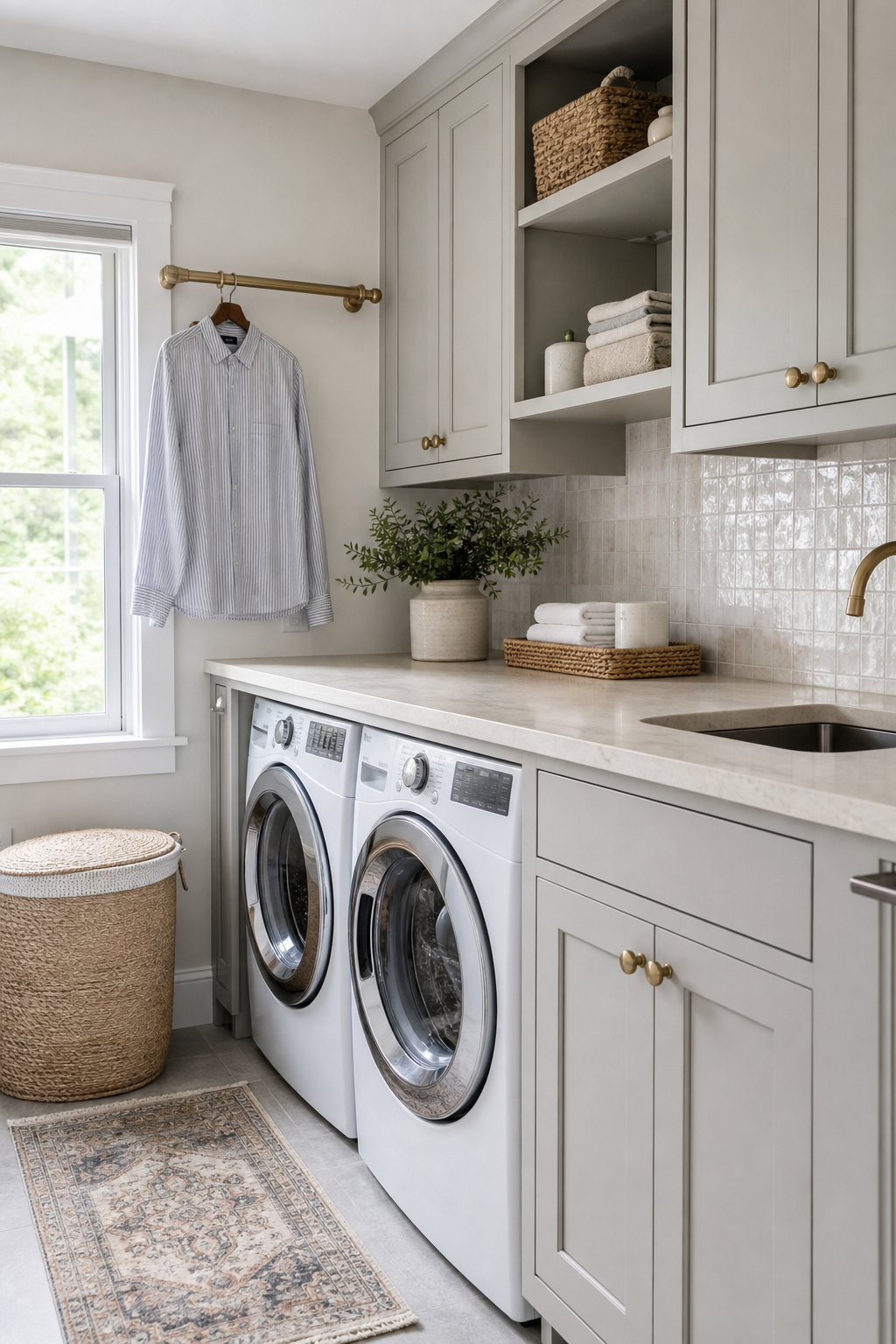
A polished laundry room makes routine work feel less punishing. If the machines dominate the space, counterbalance them with cabinetry, a stone or butcher-block folding surface, and closed storage for supplies. Use a wall-mounted drying rail, hooks, or a slim hanging rod so damp items have somewhere to go. A small rug, framed print, or vase on the counter can soften the practical edges, but keep styling minimal because the room needs working space. Good lighting matters here; shadows make sorting and stain treatment harder. Choose finishes that tolerate moisture and cleaning, then add one refined detail, such as unlacquered brass pulls or a handmade tile backsplash.
Make The Primary Closet Feel Boutique-Calm
A closet refresh starts with editing, but the design work happens in how the remaining pieces are stored. Use matching hangers, group clothing by type and tone, and give shoes enough room to breathe. Add drawer dividers for accessories and a tray for jewelry or perfume so small items do not scatter. Lighting is the luxury move: even simple LED strips or a small flush mount can make textures and colors easier to see. If space allows, include a stool, mirror, or small rug to slow the experience down. A calm closet shortens the morning routine because every choice is visible and every category has a home.

Give A Child’s Room A Sophisticated Foundation
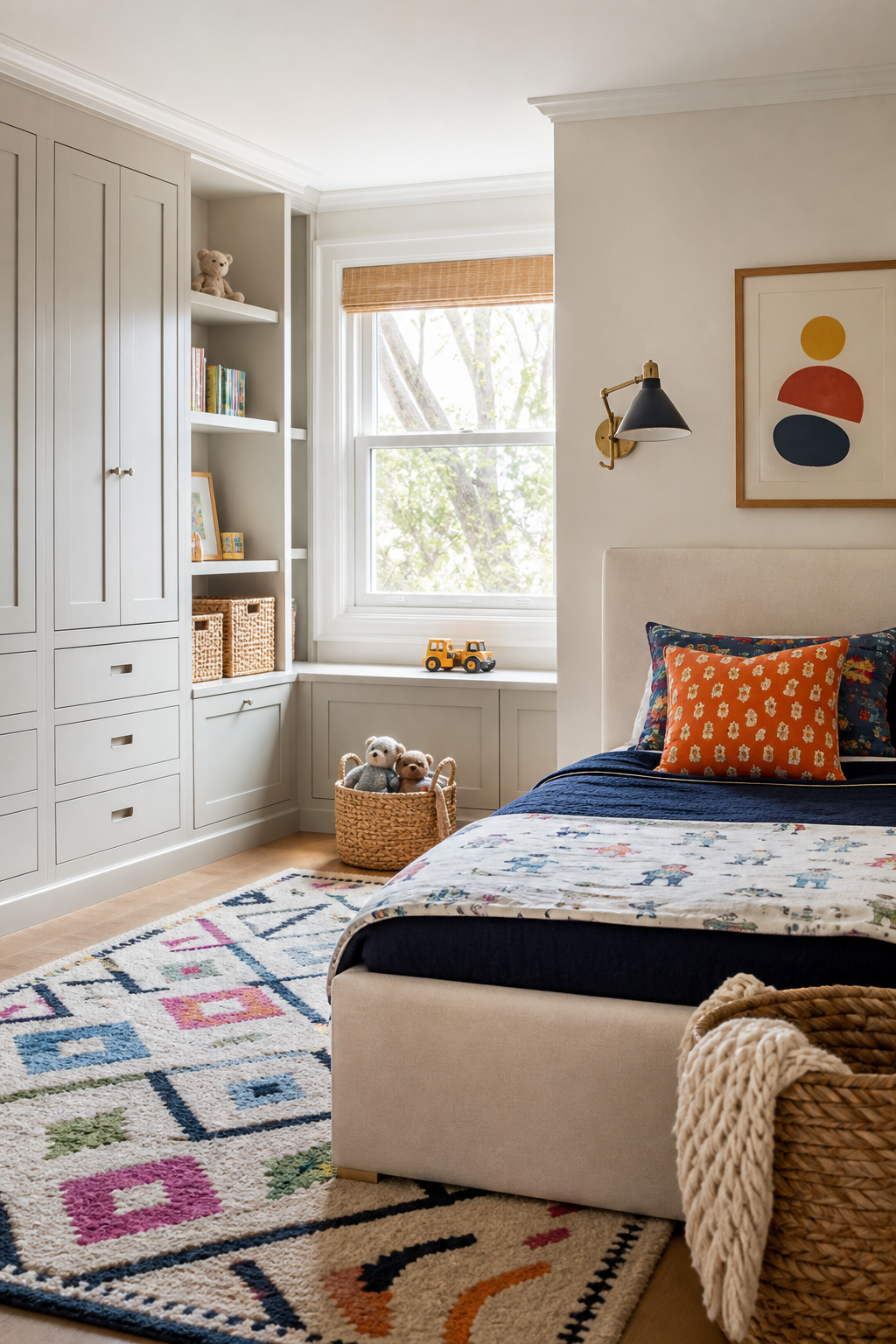
A child’s room can be playful without being disposable. Choose a sophisticated foundation, such as warm white walls, painted millwork, a quality rug, and sturdy storage, then layer in color through bedding, art, and smaller objects that can evolve. Avoid themes that cover every surface; a hint of pattern or a favorite color is easier to grow with. Use baskets, low shelves, and labeled bins if labels suit your household, but keep the visual field calm. A reading light, washable textiles, and a comfortable floor space make the room more useful. The aim is a space that respects childhood energy while still belonging to the architecture of the home.
Style A Small Balcony Like An Outdoor Room
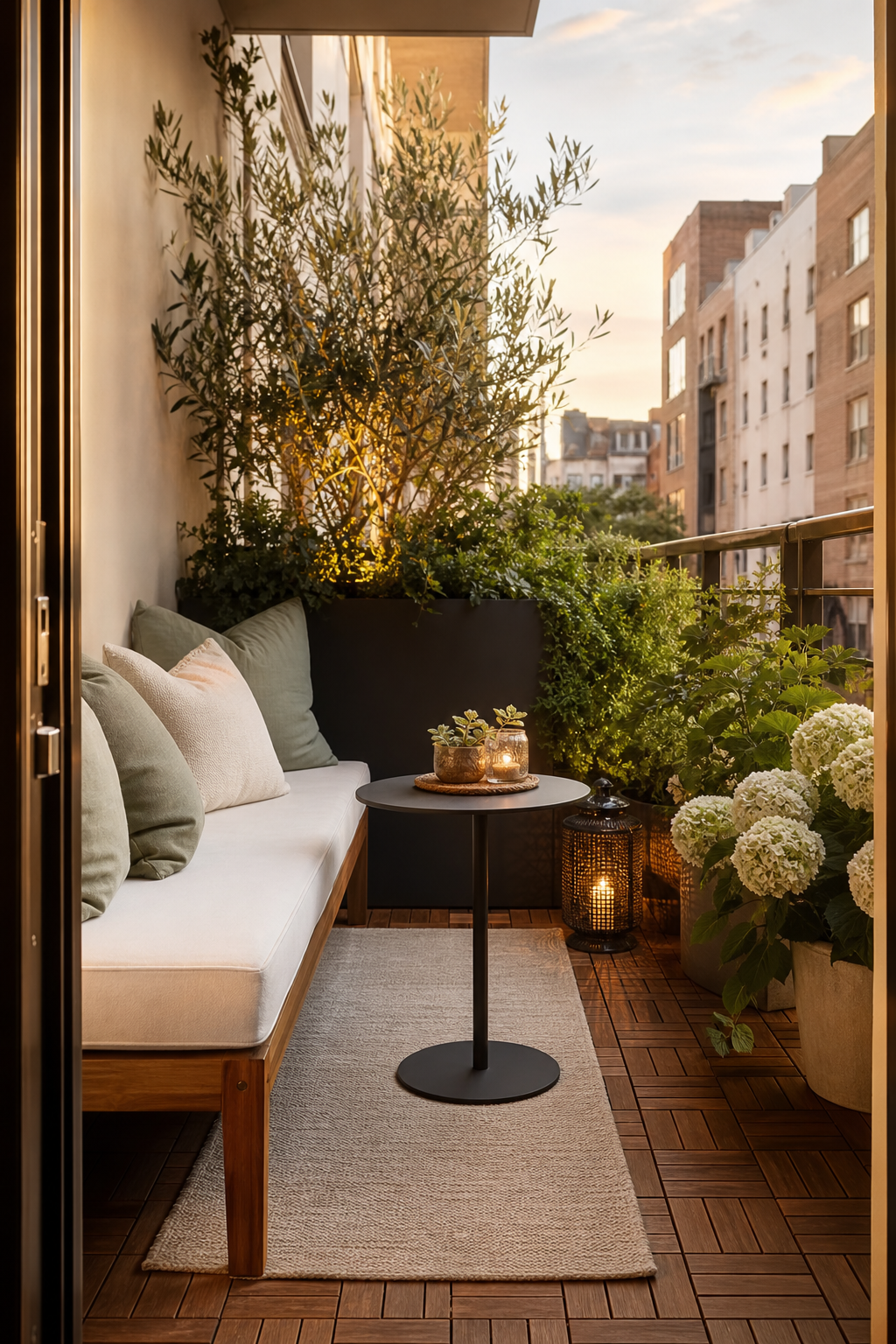
A small balcony becomes far more useful when it is treated as a room, not a leftover ledge. Start with flooring that feels pleasant underfoot, such as teak tiles or an outdoor rug. Choose seating scaled for the footprint: a slim bench, two folding chairs, or one lounge chair with a small table. Planters should create height and privacy without blocking the door swing. Add an outdoor lantern, weatherproof cushion, and one tray for drinks or breakfast. Keep the palette connected to the interior room beside it so the balcony feels like an extension of the home. Even a narrow space can become a morning or evening ritual.
Use A Breakfast Nook For Everyday Luxury
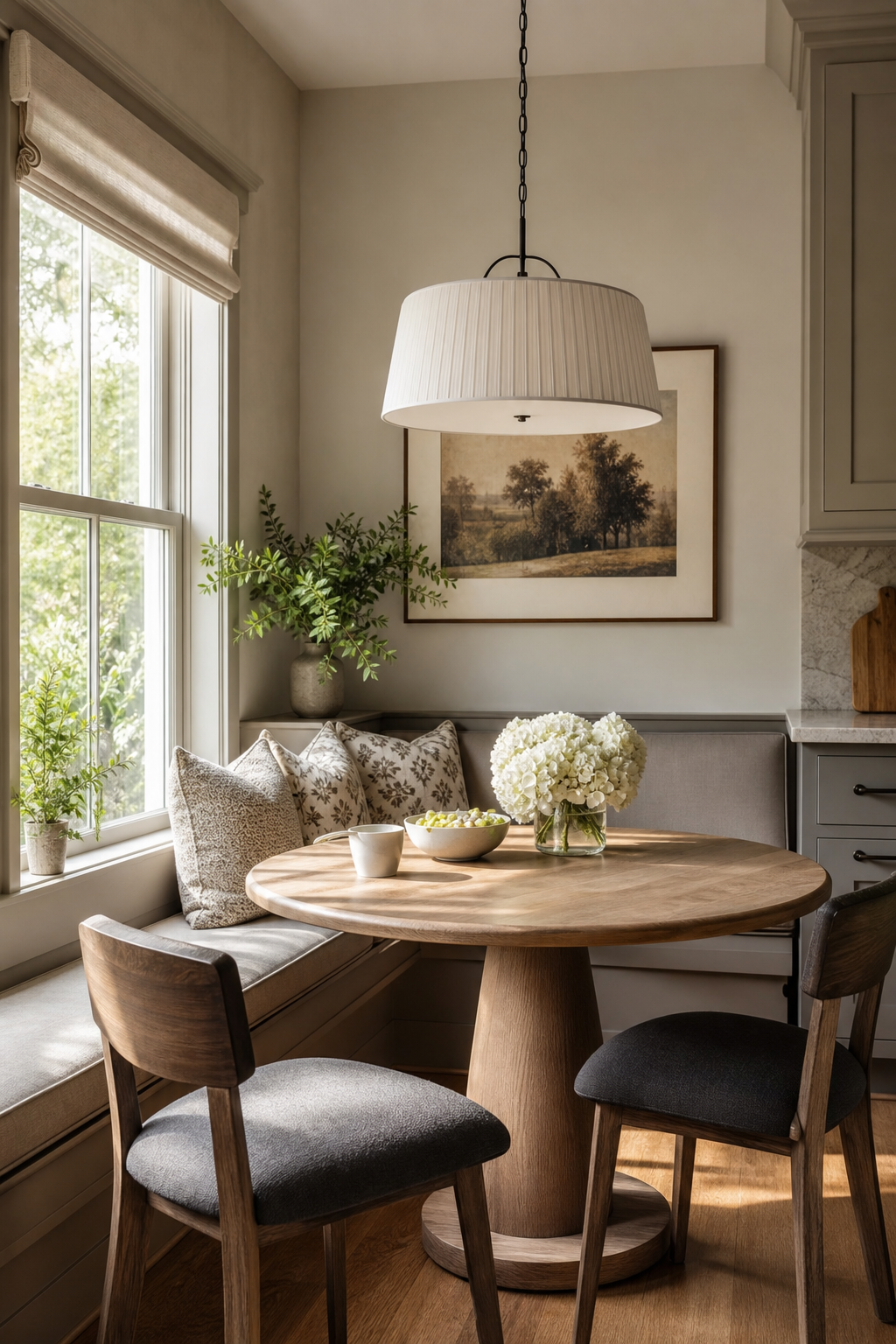
A breakfast nook earns its place when it feels comfortable enough for lingering and efficient enough for daily meals. Banquette seating is excellent for tight corners because it uses wall space that loose chairs cannot. Add a durable table surface, performance fabric cushions, and washable pillows so the nook can handle coffee, homework, and casual dinners. A pendant or sconce should bring the light low enough to define the area. If the nook is near a kitchen, repeat one finish, such as brass, oak, or stone, to connect the spaces. The mood should be intimate rather than formal, a small everyday luxury that makes the home feel more personal.
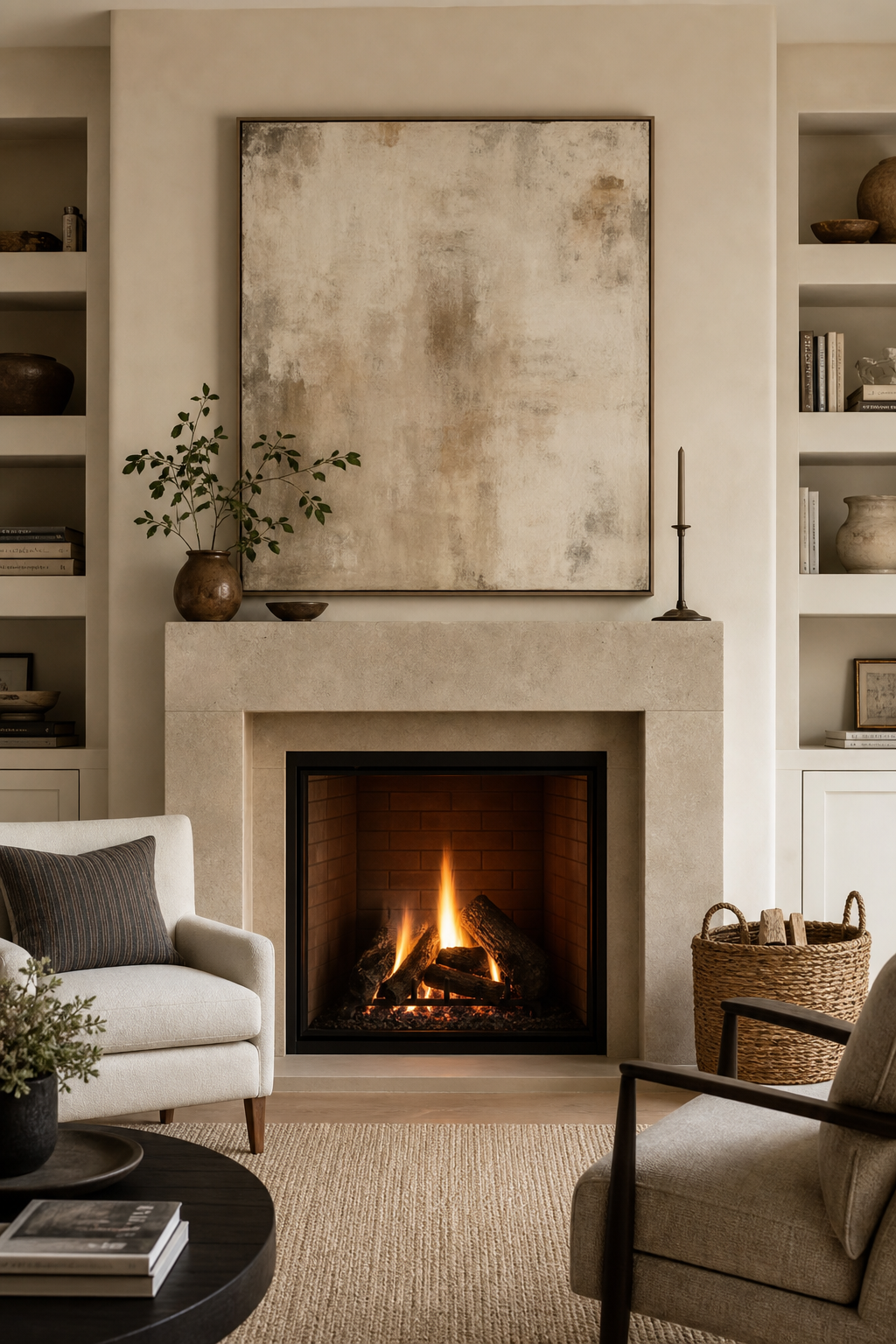
Make A Fireplace Wall Feel Balanced
A fireplace naturally wants to be a focal point, but it can look heavy if the surrounding wall is ignored. Balance the mantel with artwork or a mirror that fits the firebox scale, then keep mantel styling low and asymmetrical so it does not compete. Built-ins on either side should have breathing room, especially around books and ceramics. If there is a television above the mantel, reduce visual weight with a frame-style screen, darker wall color, or a simple mantel profile. Add seating close enough to enjoy the fire, plus a basket or log holder that feels intentional. The wall should feel anchored, not crowded.
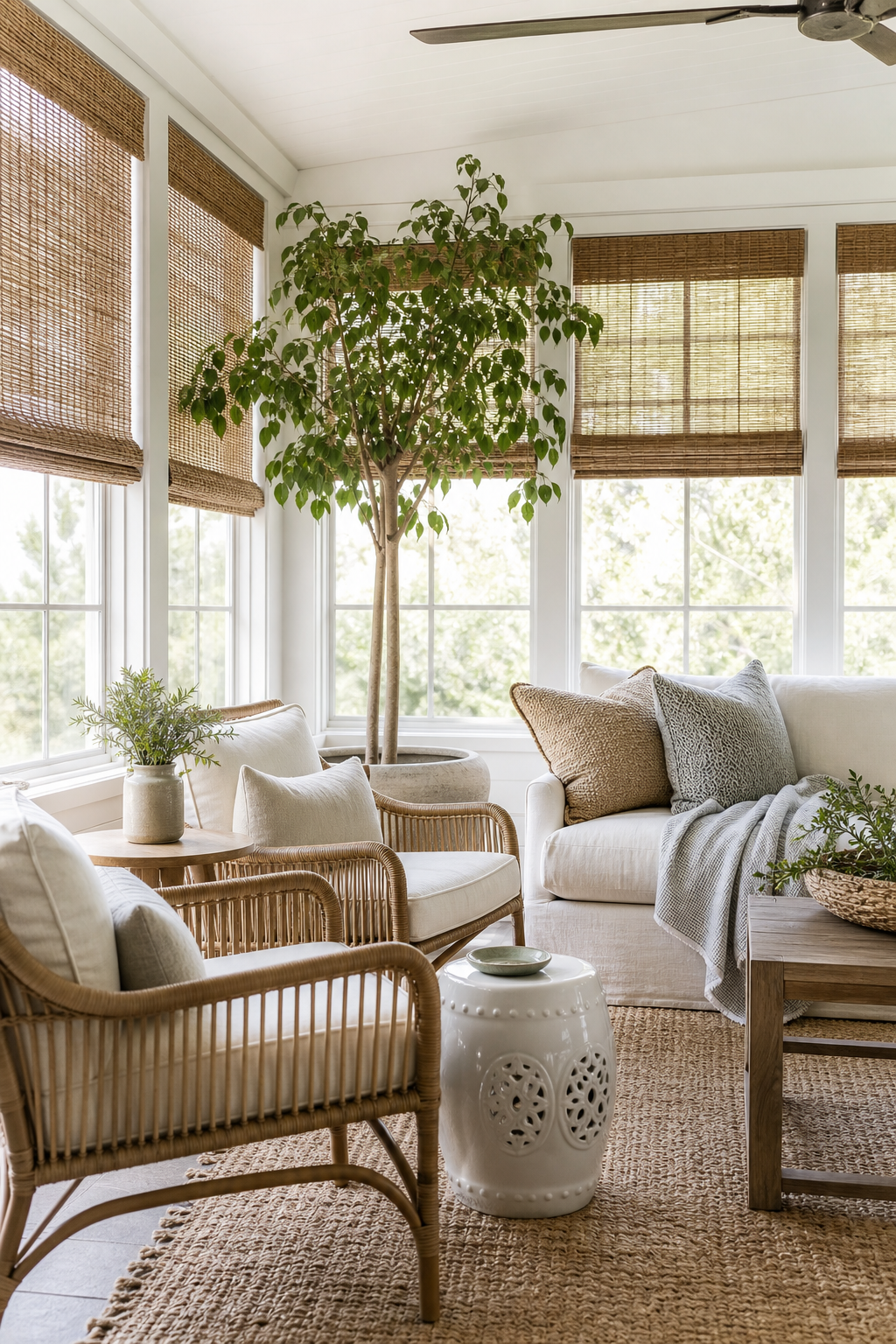
Refresh A Sunroom With Natural Texture
A sunroom already has the advantage of light, so the refresh should focus on texture and comfort. Use woven shades to temper glare, then bring in rattan, cane, linen, and washable cotton to keep the room relaxed. Plants work well here, but they need varied height and proper containers; one large tree can be better than many small pots. Choose upholstery that tolerates sun exposure and consider slipcovers if the room is used often. A round table, ottoman, or garden stool gives the space flexibility for reading, coffee, or casual conversation. Keep colors sun-washed rather than stark so the room feels bright without becoming harsh.
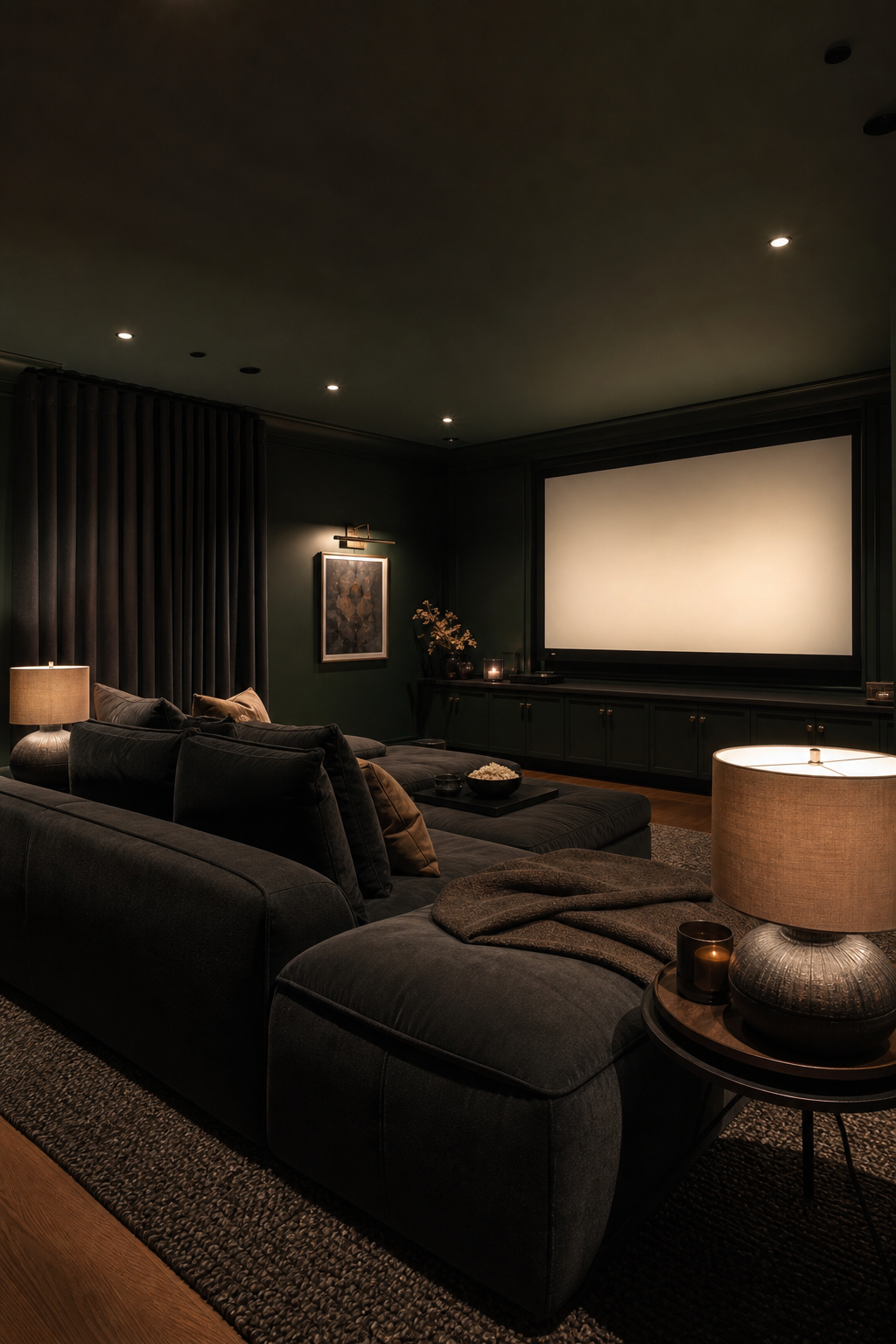
Give A Media Room A Tailored Cocoon Effect
A media room feels better when it embraces comfort without becoming shapeless. Darker wall color can reduce glare and create a cocoon effect, especially with warm brown, charcoal, deep green, or navy. Choose a sofa with real depth, then add side tables, dimmable lamps, and blackout window treatments so the room works at any hour. Storage matters because remotes, blankets, games, and cables quickly undermine the mood. Use a textured rug to absorb sound and add acoustic softness. Keep artwork simple and avoid reflective frames near the screen. The result is tailored, comfortable, and far more inviting than a room designed only around the television.
Use Color Drenching In A Compact Room
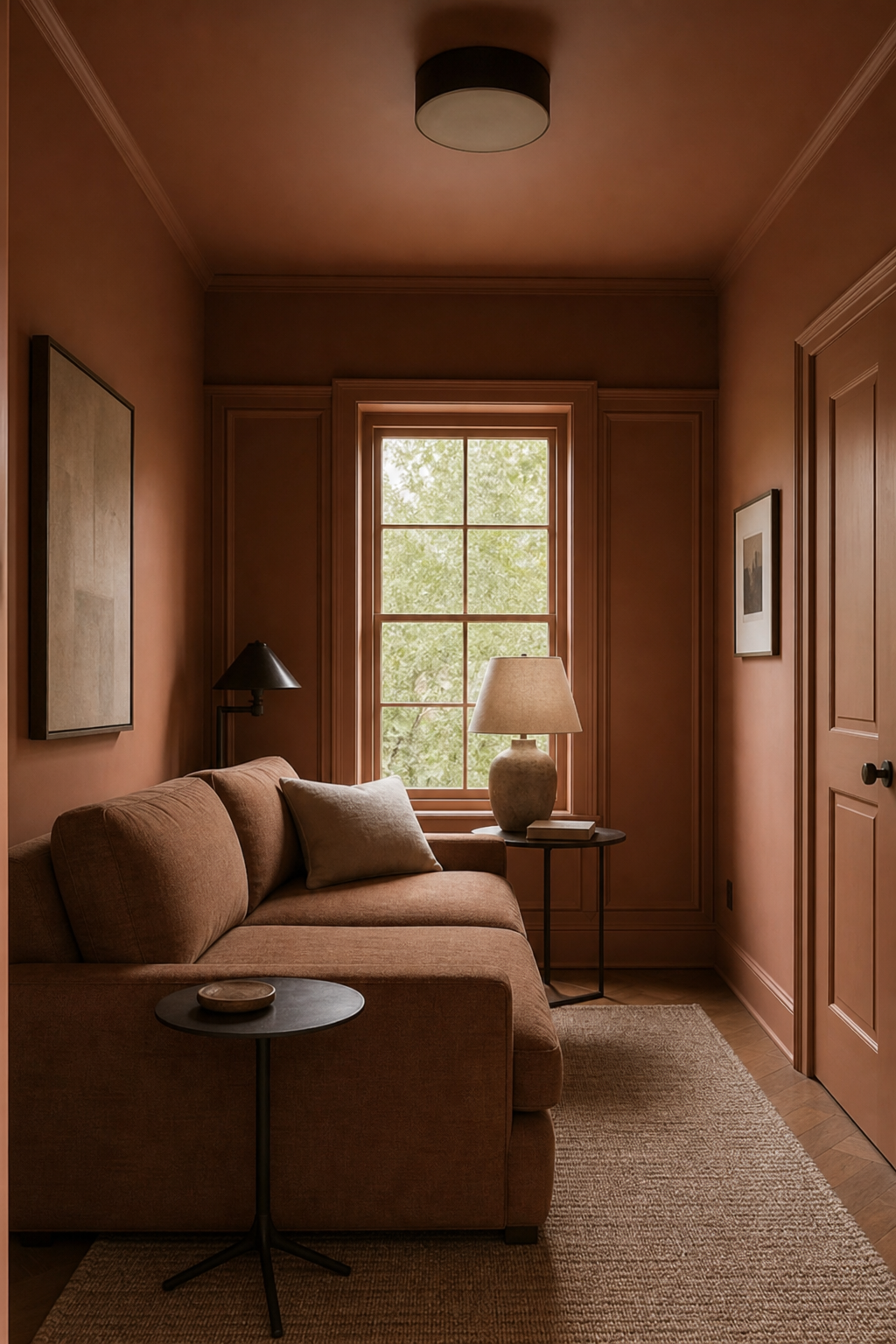
Color drenching works especially well in compact rooms because it removes visual breaks. Paint the walls, trim, and sometimes the ceiling in one enveloping shade, then let texture carry the detail. Muted colors are usually more livable than saturated brights: clay, moss, mushroom, slate, and warm cream can all feel sophisticated. Use slightly different sheens if you want subtle dimension, such as eggshell on walls and satin on trim. Keep furnishings tonal or introduce one crisp contrast through stone, blackened metal, or pale linen. The technique can make a small den, guest room, or office feel intentional, intimate, and architecturally complete.
Add Sculptural Lighting Where The Room Feels Flat
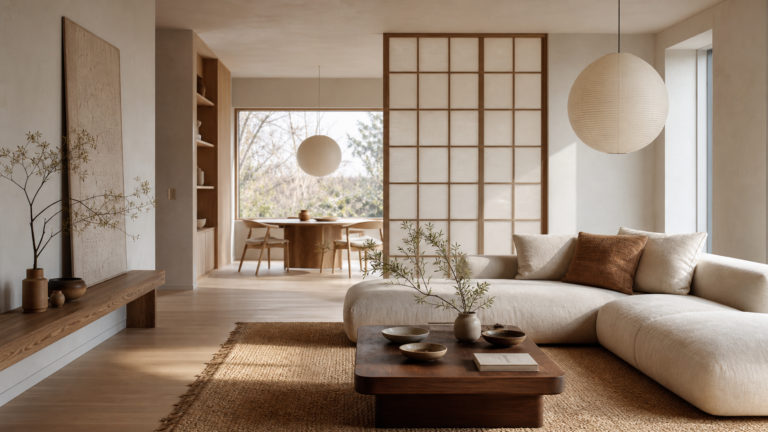
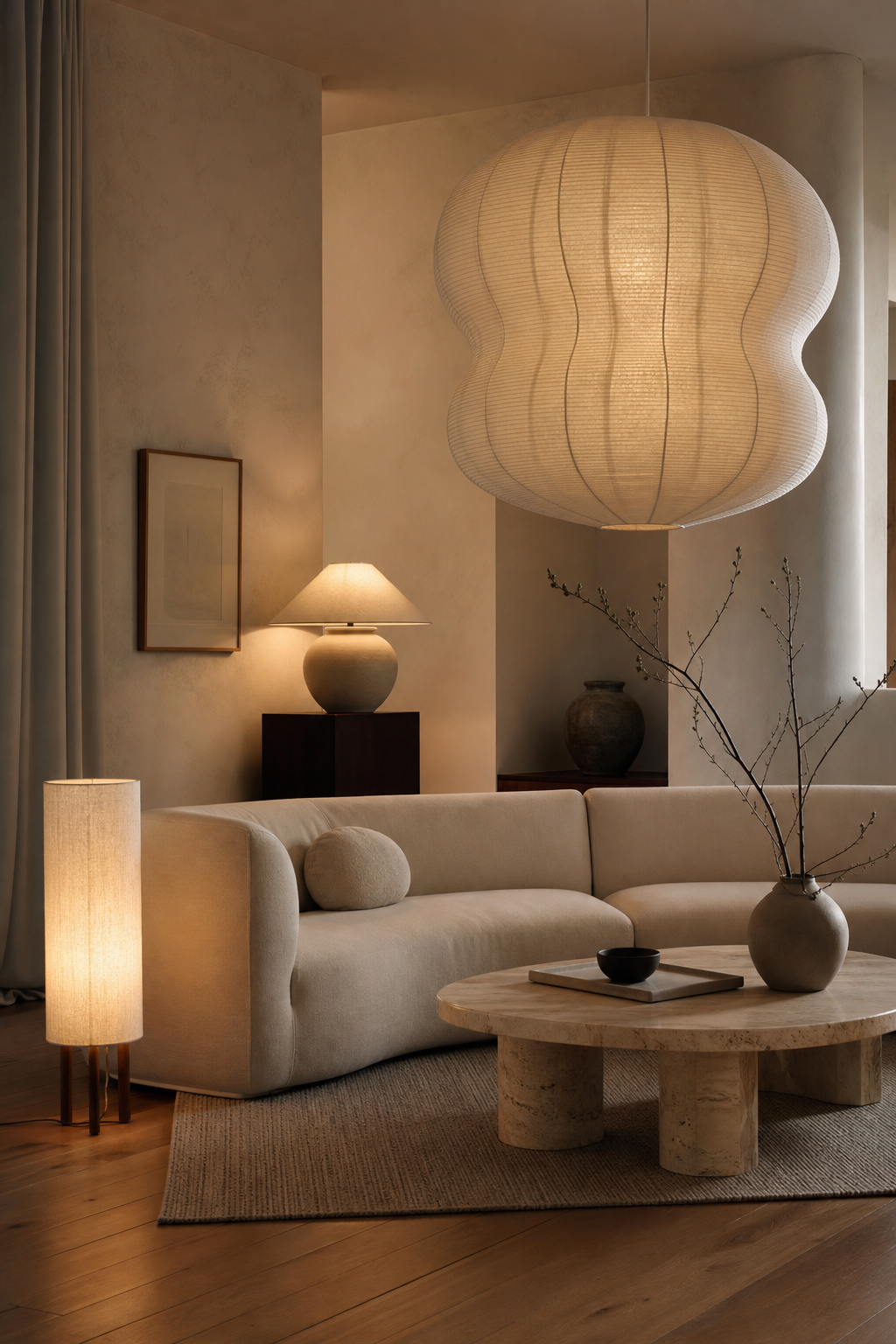
If a room feels flat despite good furniture, the missing element may be sculptural lighting. Replace a purely functional fixture with one that has shape, material, and presence. A paper lantern can soften a bedroom, a plaster pendant can warm a dining space, and a ceramic table lamp can make a console feel collected. Pay attention to scale; fixtures that are too small look apologetic, while oversized pieces need breathing room. Use dimmers whenever possible so the room can shift from task light to atmosphere. Lighting is one of the fastest ways to add vertical interest, shadow, and a sense that the room was designed in layers.
The best room refreshes begin with attention: how light moves, where clutter gathers, what textures feel good, and which pieces deserve more breathing room. Choose one idea for the room that bothers you most, then let the next improvement follow naturally. A home becomes more beautiful when each space works a little harder and feels a little more personal.