18 Guest Bedroom Ideas For A Cozy Stylish Retreat
A guest bedroom should feel calm, useful, and quietly generous. The goal is not to recreate a hotel room, but to offer the comfort of a thoughtful retreat inside the home. Good bedding, clear surfaces, practical storage, soft lighting, and a few welcoming details can make even a small guest room feel special. These ideas focus on creating a stylish space that helps visitors sleep well, unpack easily, and feel genuinely cared for.
Start With A Calm Neutral Base
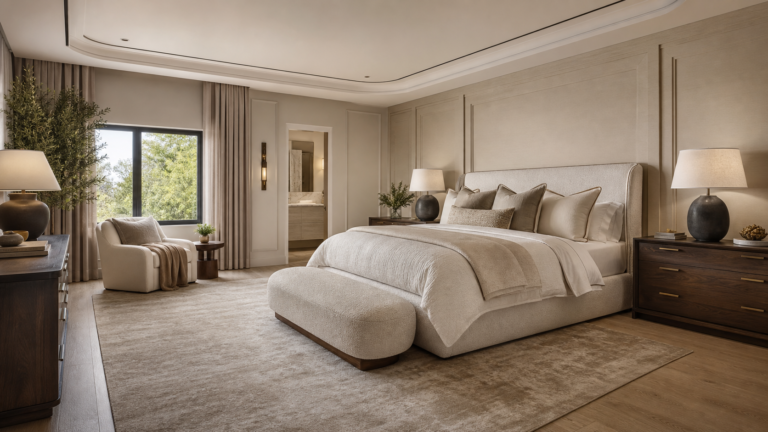
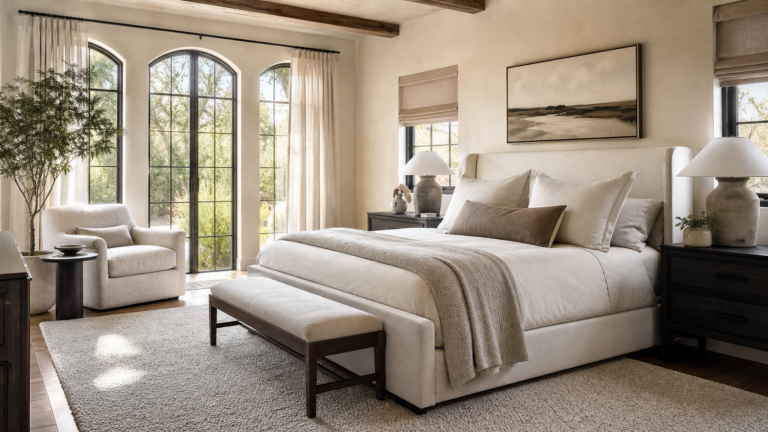
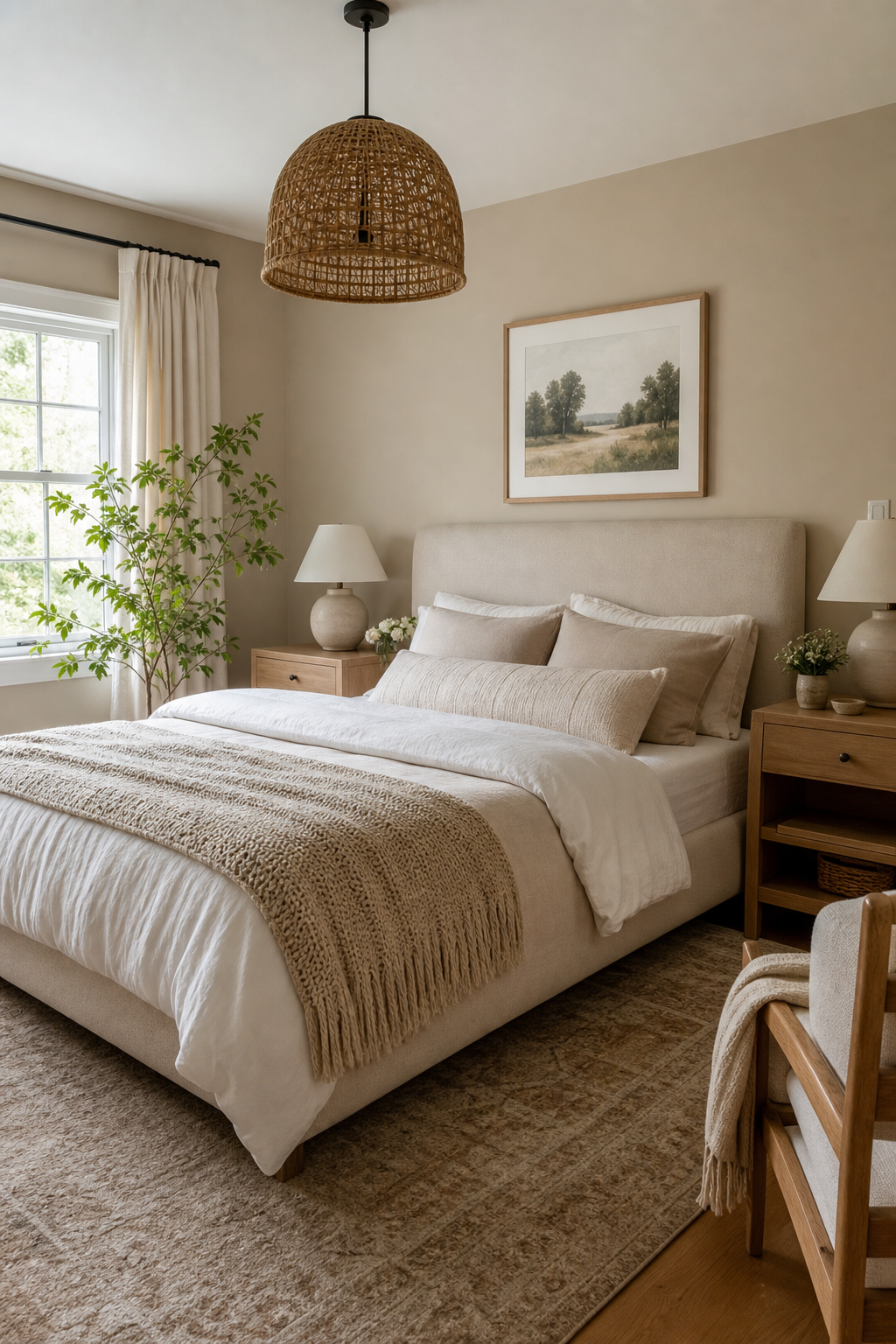
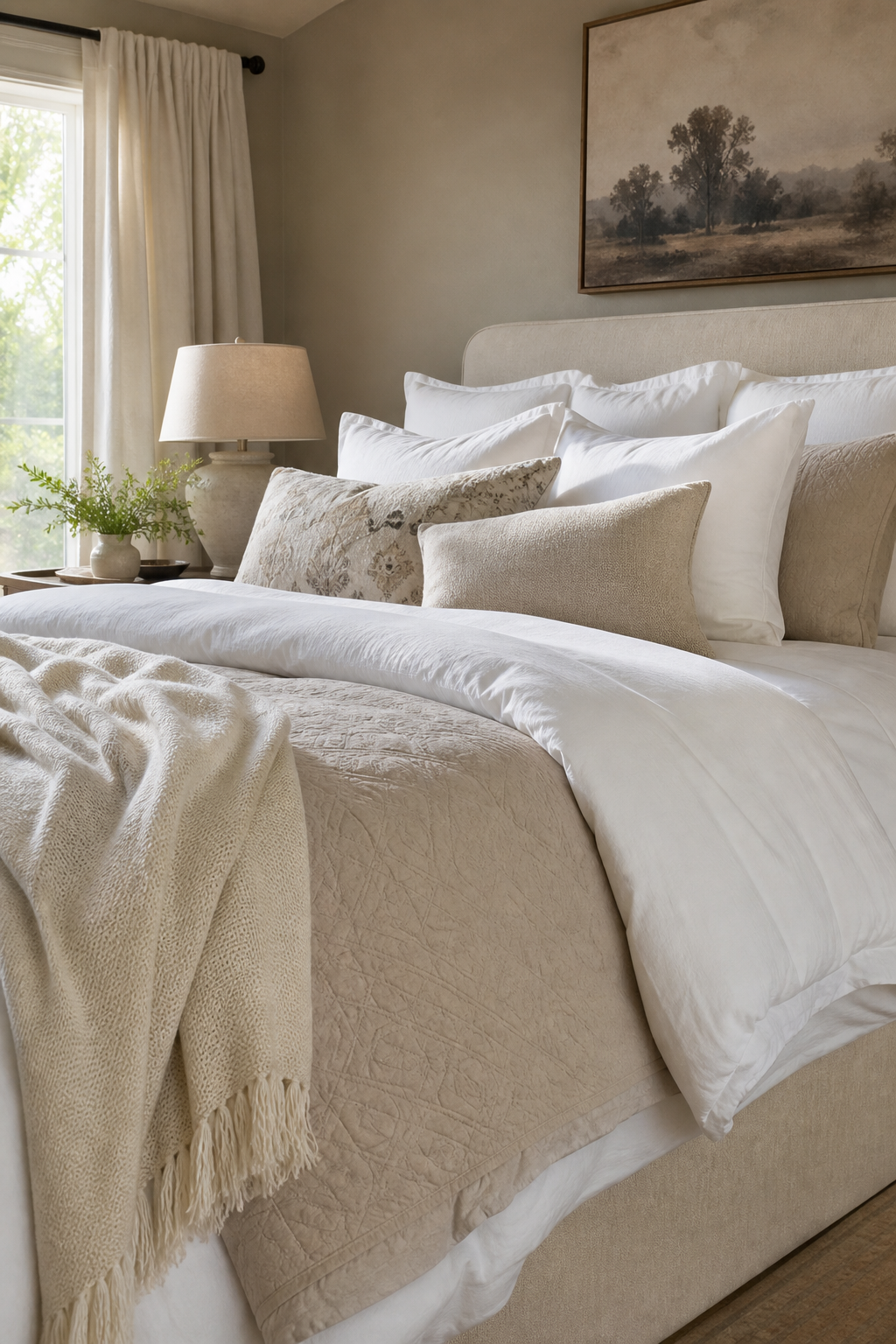
A guest bedroom should feel easy to settle into, so begin with a calm neutral base. Warm white, oatmeal, mushroom, soft taupe, and pale gray all create a restful envelope without feeling bare. These colors also make bedding, wood furniture, and artwork easier to layer. If the room is small, use the same wall color on trim for a quieter look. A neutral base does not mean the room has to be plain; it simply gives guests a peaceful place to unpack, sleep, and reset. Add interest through texture rather than loud contrast.
Choose Bedding That Feels Generous
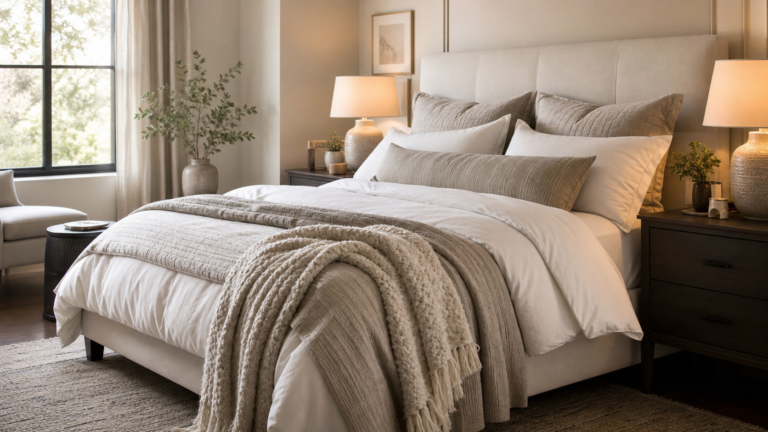
Bedding is the clearest signal of hospitality in a guest room. Use crisp sheets, a comfortable duvet, and at least one extra blanket or quilt at the foot of the bed. Layer pillows simply: sleeping pillows, two euros or shams, and one lumbar pillow are usually enough. Choose breathable fabrics like cotton, linen, or percale so the bed works across seasons. Avoid making the bed so decorative that guests are unsure what to remove. Generous bedding should look inviting, feel clean, and be easy for someone to use without needing instructions.
Add A Bench Or Luggage Spot
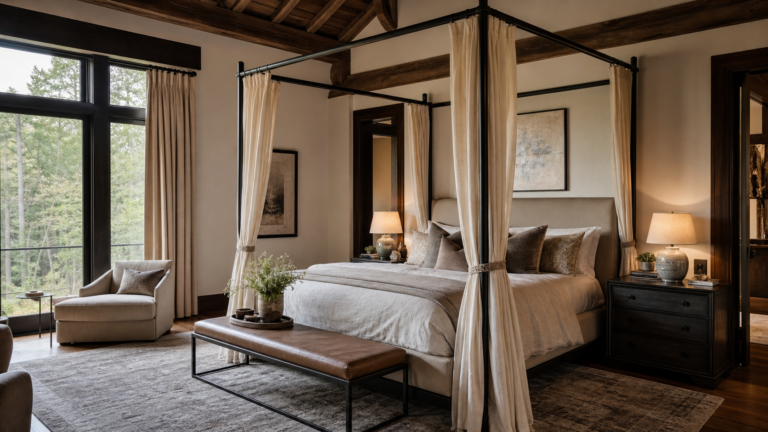
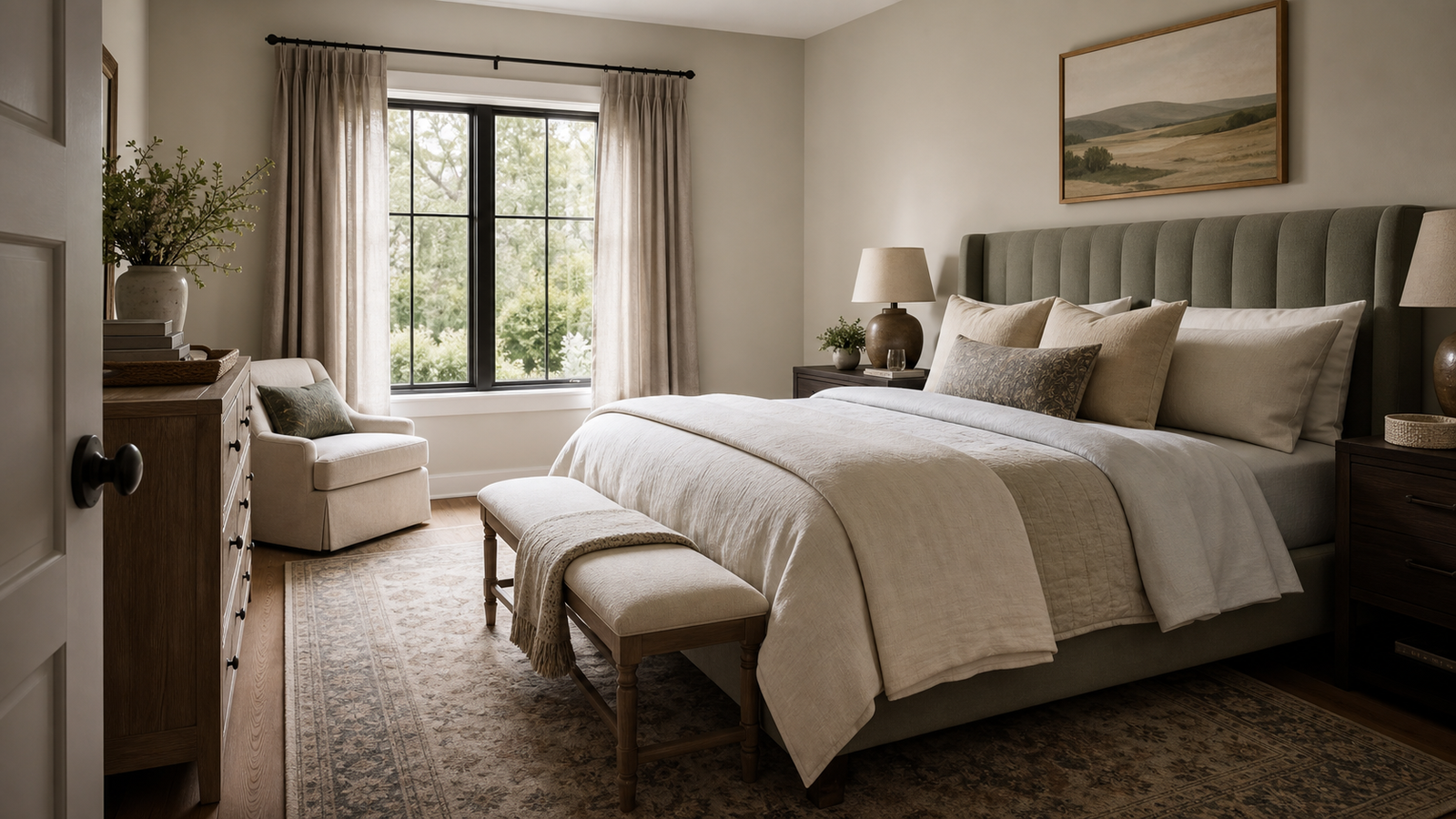
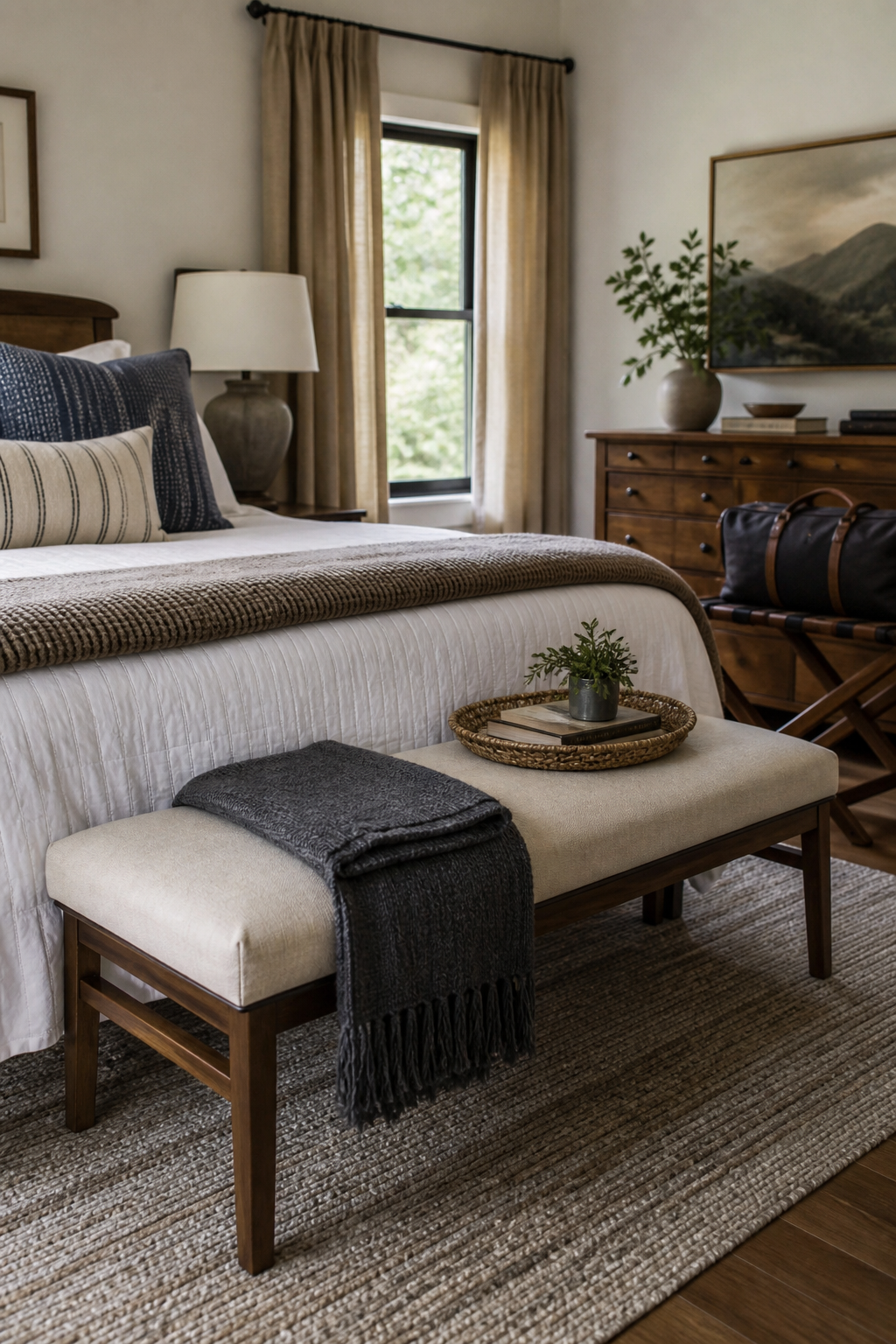
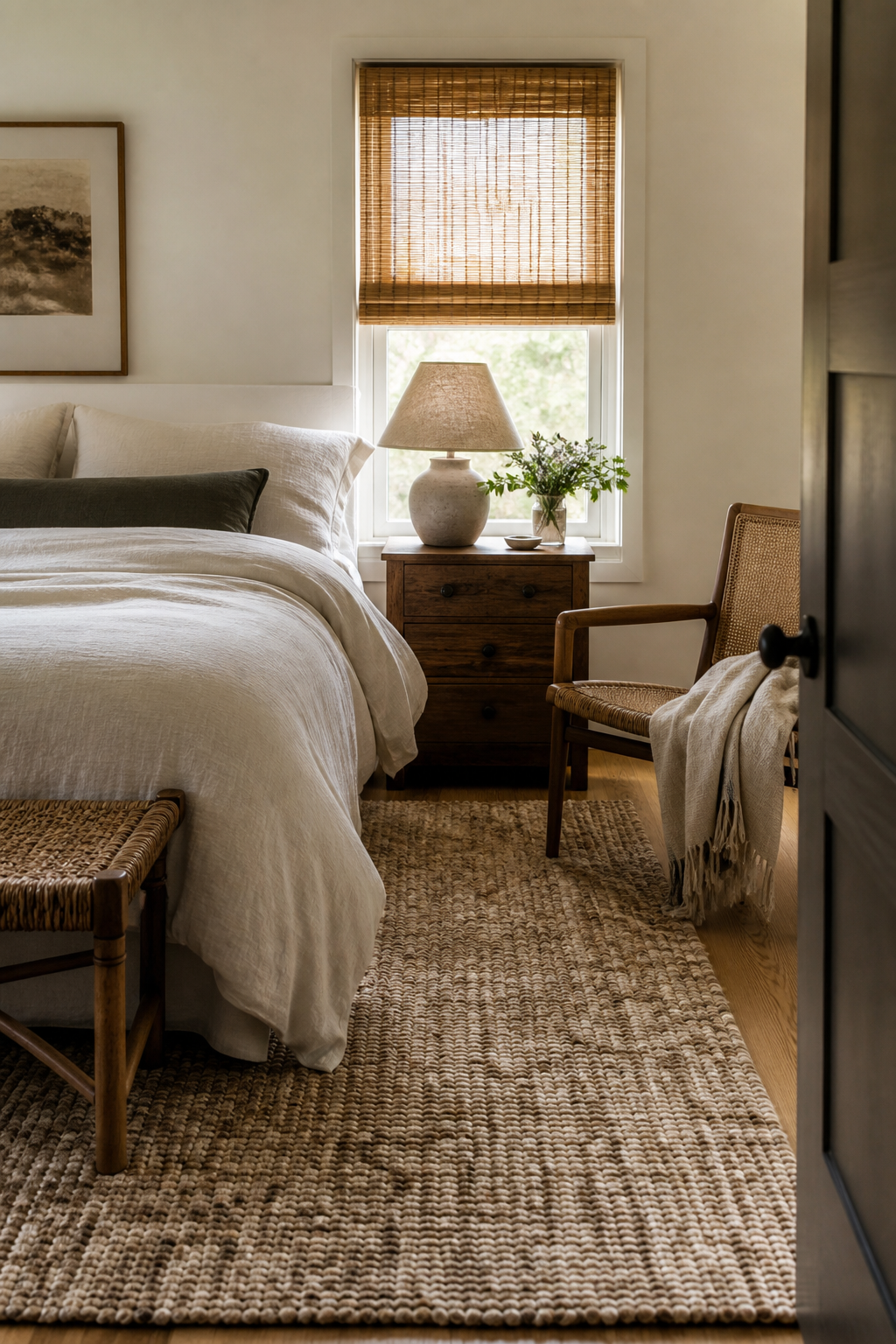
Guests need somewhere to place a bag that is not the floor or the bed. A bench at the foot of the bed, a folding luggage rack, or a low stool can make the room feel instantly more thoughtful. Choose a piece that fits the width of the bed and leaves the walkway open. Upholstered benches add softness, while wood or woven pieces bring texture. This detail keeps suitcases from taking over the room and makes packing easier. It also gives the bed wall a finished, designer look without adding unnecessary furniture.
Use Matching Lamps For Easy Reading
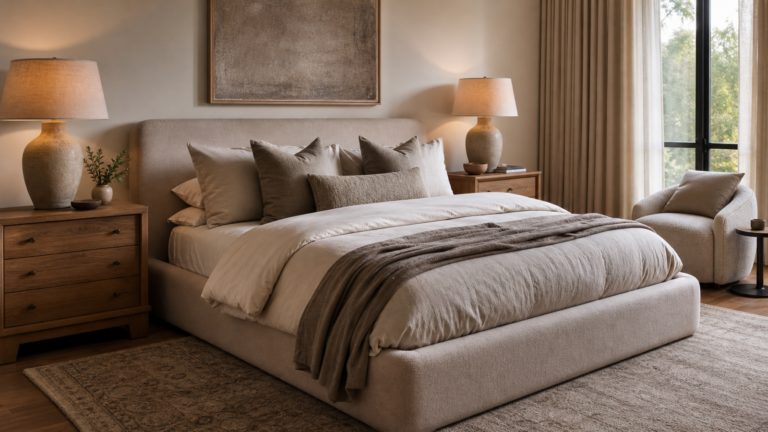
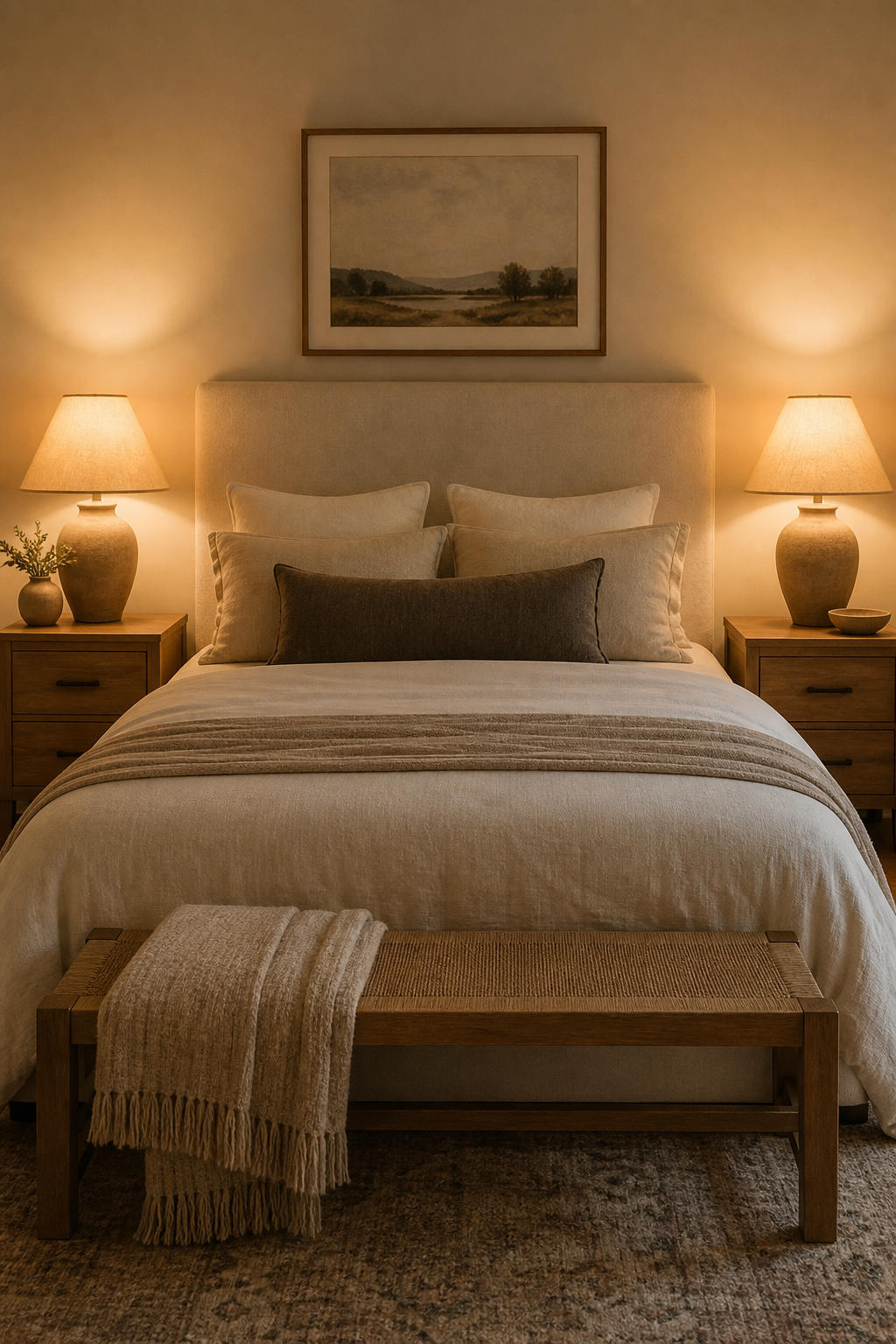
Bedside lamps make a guest room more comfortable, especially when guests do not know the room’s layout in the dark. Matching lamps on both sides of the bed create balance and make the room feel complete. If the nightstands are small, use wall sconces or narrow lamps with simple shades. Warm bulbs are essential; harsh cool light can make the space feel less restful. Place switches where they are easy to reach from the bed. Good bedside lighting supports reading, winding down, and finding a glass of water without fumbling.
Keep Nightstands Useful And Clear
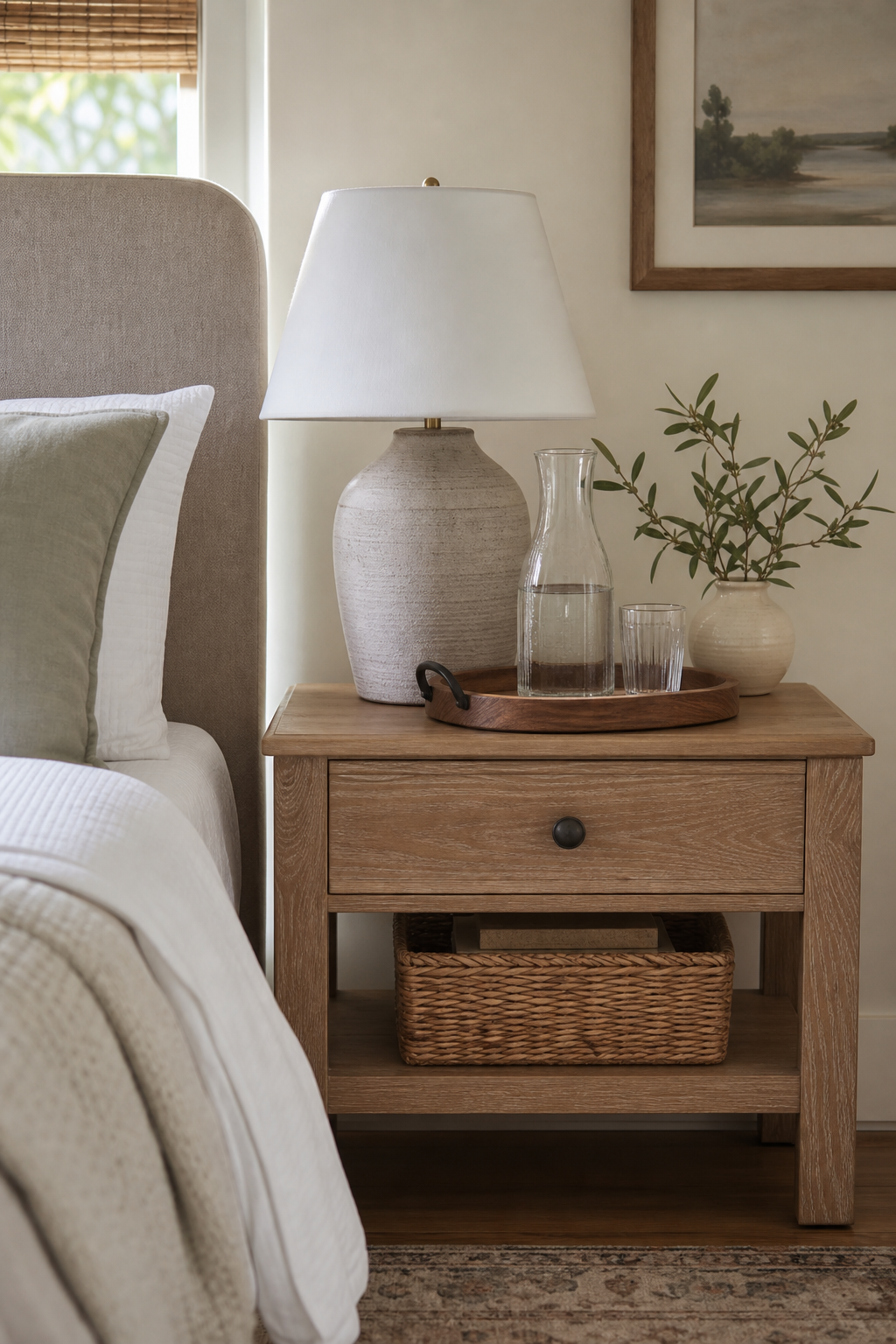
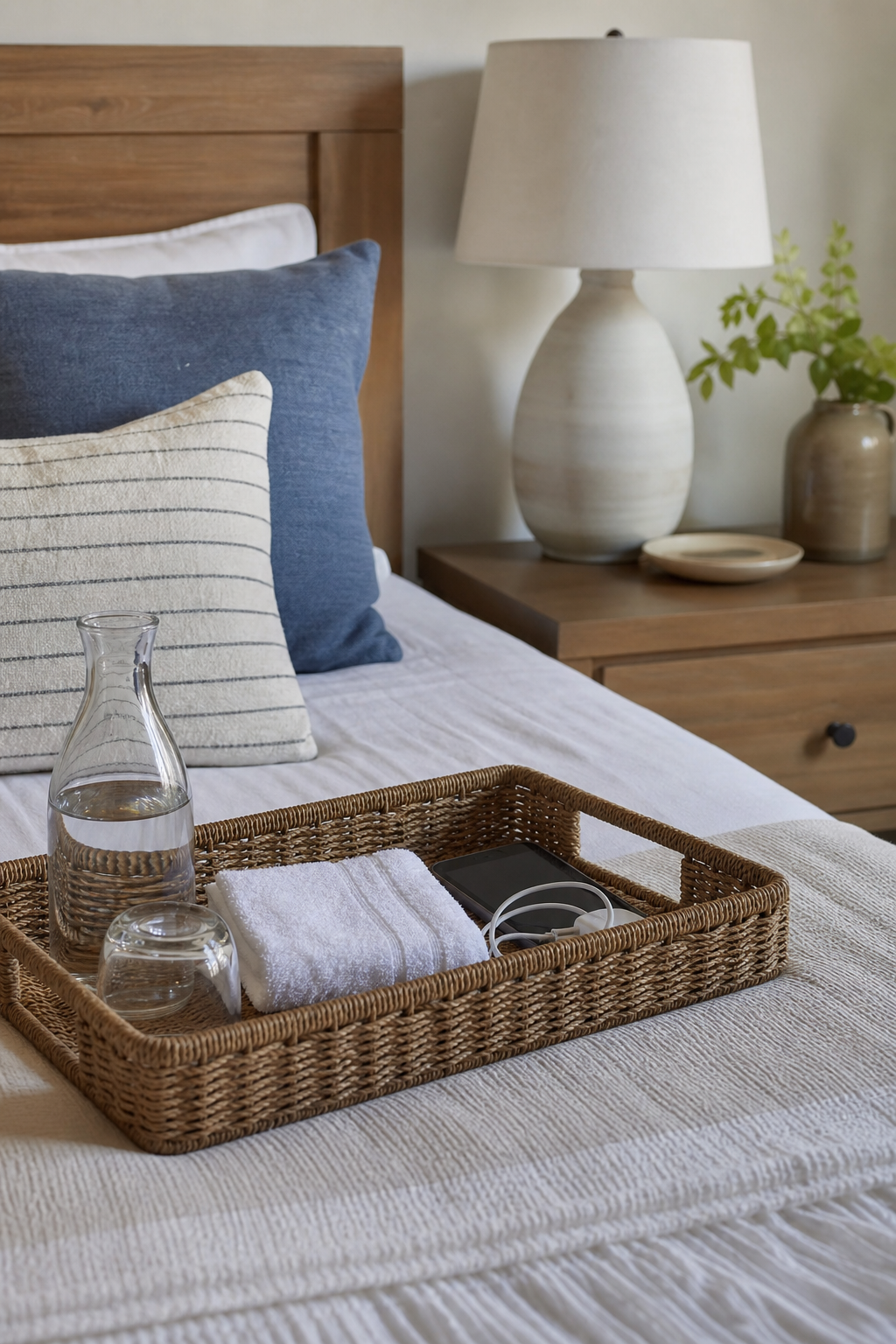
A guest nightstand should have enough open surface for a phone, book, watch, and glass of water. Keep styling restrained: a lamp, small tray, carafe, and maybe one book or small vase. Drawers are helpful because they let guests tuck away small items during their stay. Avoid filling the surface with fragile decor or personal clutter. The room feels more luxurious when practical needs have been anticipated quietly. A clear nightstand tells guests they have space, which is one of the simplest forms of comfort.
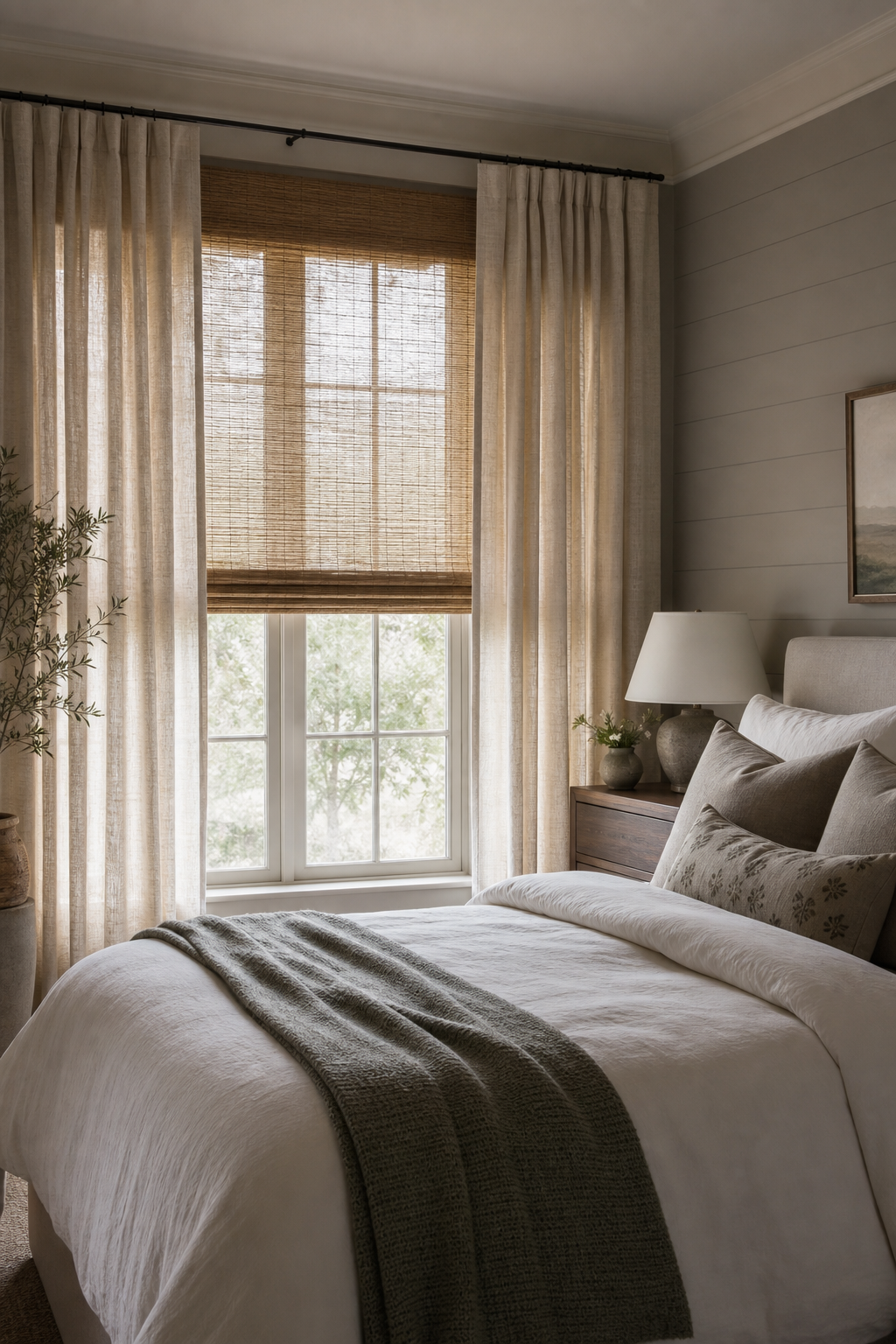
Layer Window Treatments For Sleep
Good sleep often depends on window treatments. Layer woven shades, linen curtains, or blackout panels depending on the room’s light and privacy needs. Mount curtains high and wide so the window feels larger and the panels stack away from the glass during the day. In a guest room, blackout lining is a generous choice, especially if exterior lights are nearby. Soft fabric also reduces echo and makes the bedroom feel finished. Keep the color connected to the bedding or wall tone so the window treatments feel calm rather than heavy.
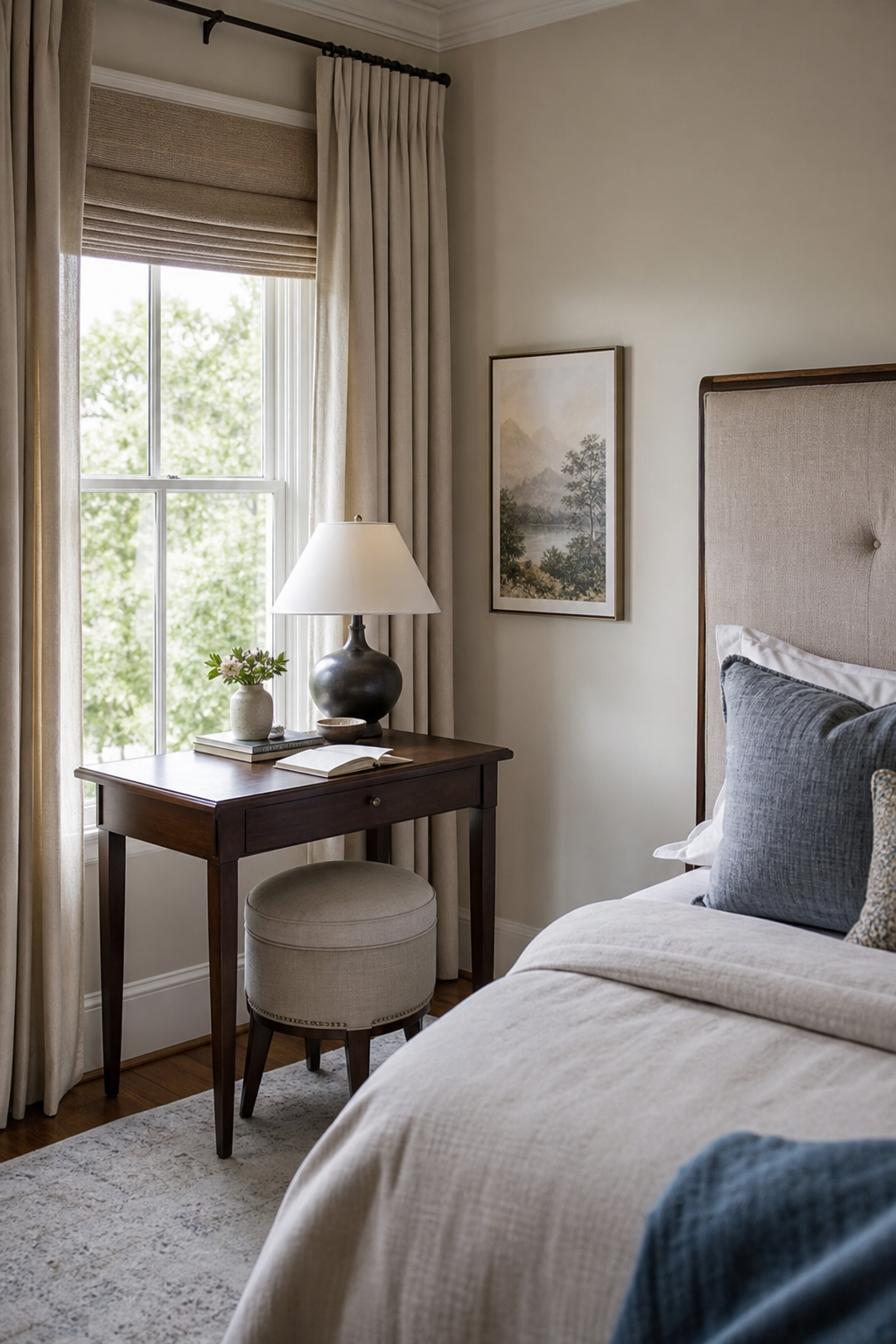
Include A Small Writing Surface
Even a small desk, console, or wall-mounted shelf can make a guest room more useful. Guests may need to set down a laptop, write a note, apply makeup, or organize travel items. The surface does not need to be large; it only needs good light and a comfortable chair or stool. Keep the styling minimal so the surface is actually usable. If the room is tight, a narrow table beside a window can double as a vanity. This simple addition turns the guest room into a more flexible retreat.
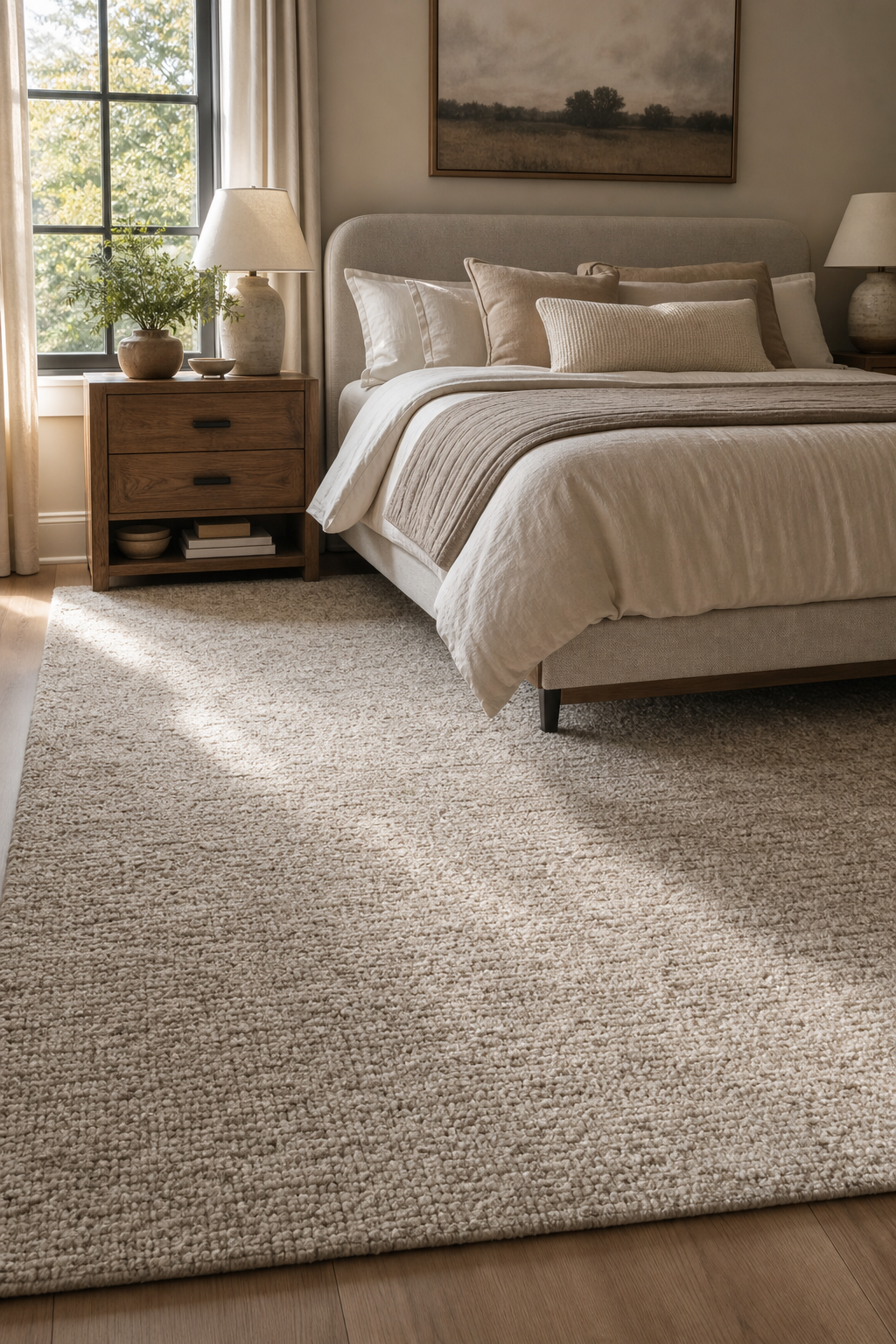
Add A Rug That Softens The First Step
A bedroom rug matters most when someone steps out of bed. Choose a rug large enough to extend beyond both sides, or use runners if the room is narrow. Wool, cotton, jute blends, or vintage-inspired low pile bring warmth and help quiet the room. A subtle pattern can hide wear and make the space feel collected. If the room already has carpet, add a smaller textured rug at the bed or seating area for dimension. Softness underfoot makes the room feel cared for, especially in the morning.
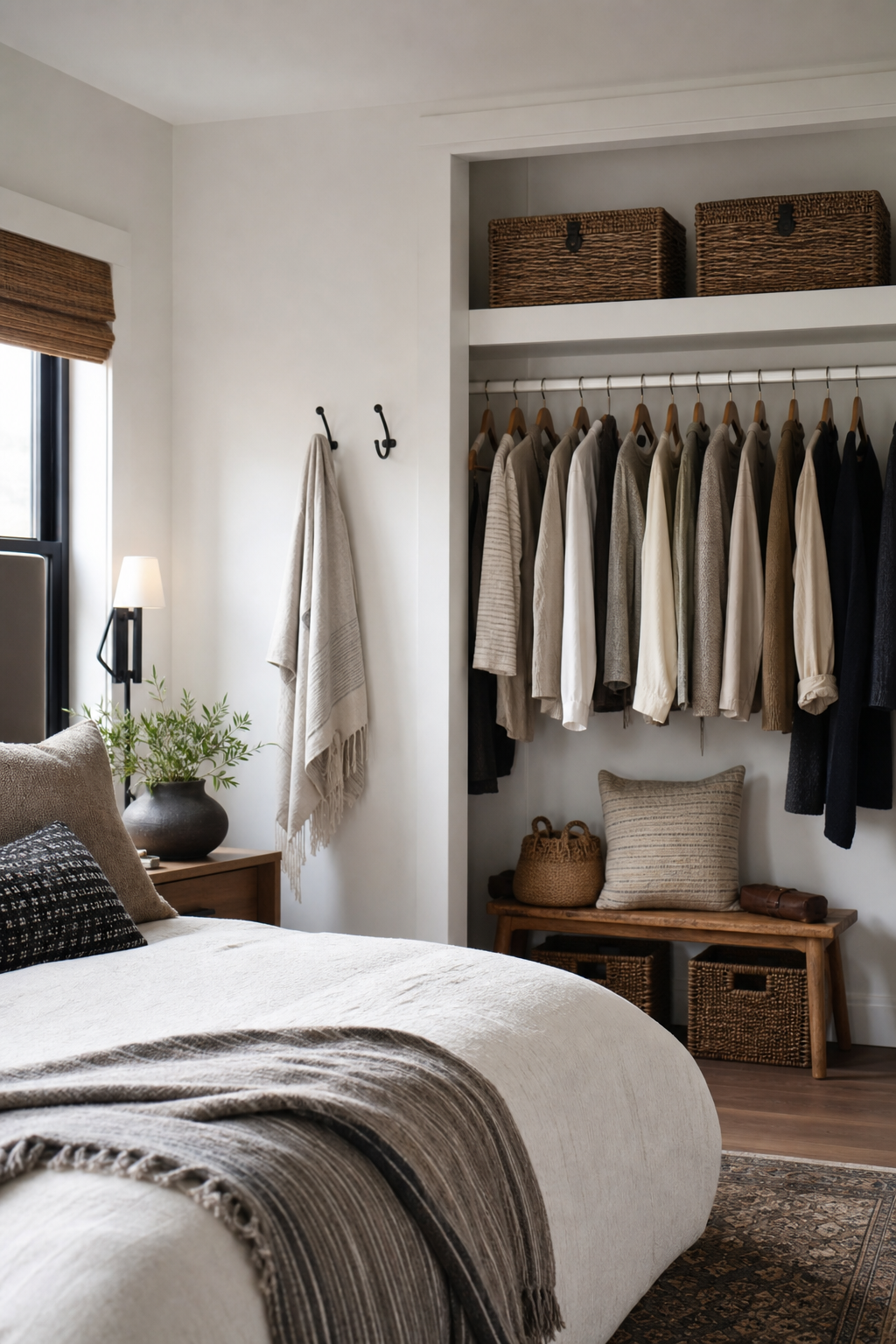
Make Closet Space Easy To Use
A beautiful guest room still needs practical storage. Clear at least part of the closet, add good hangers, and leave a shelf or basket for folded items. If there is no closet, use wall hooks, a peg rail, or a small wardrobe. Guests should not have to move your storage bins to hang a jacket. A small luggage rack and a few hooks can solve most needs in compact rooms. Storage does not need to be elaborate; it needs to be obvious, clean, and available. That sense of readiness makes the room feel quietly generous.
Add One Comfortable Chair
A guest room feels more complete when there is somewhere to sit besides the bed. A small upholstered chair, slipper chair, or even a woven armchair can create a reading corner or dressing spot. Add a tiny side table or floor lamp if space allows. The chair should not crowd the bed or become a dumping zone, so choose a scale that suits the room. This detail is especially useful for longer stays because it gives guests a place to pause, put on shoes, or enjoy a quiet moment before joining the household.
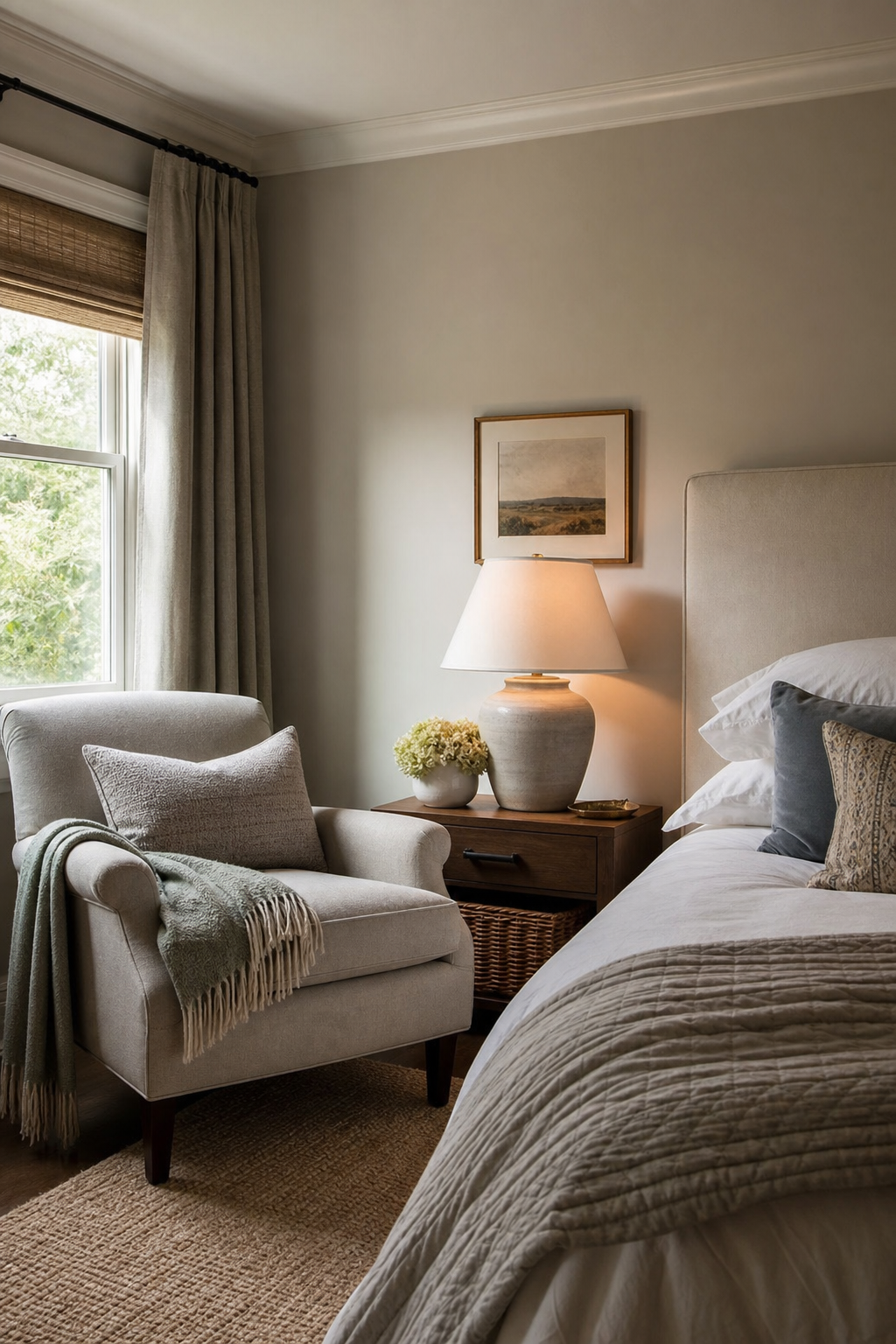
Use Art That Feels Restful
Guest bedroom art should set a peaceful tone without feeling anonymous. Landscapes, quiet abstracts, textile pieces, botanical studies, or black-and-white photography can all work when the palette suits the room. Hang art at a generous scale above the bed, dresser, or desk. Avoid anything too personal or visually intense, since guests bring their own energy into the space. Art gives the room a point of view and makes it feel designed, but it should support rest. A single well-scaled piece often feels more polished than several small frames scattered around.
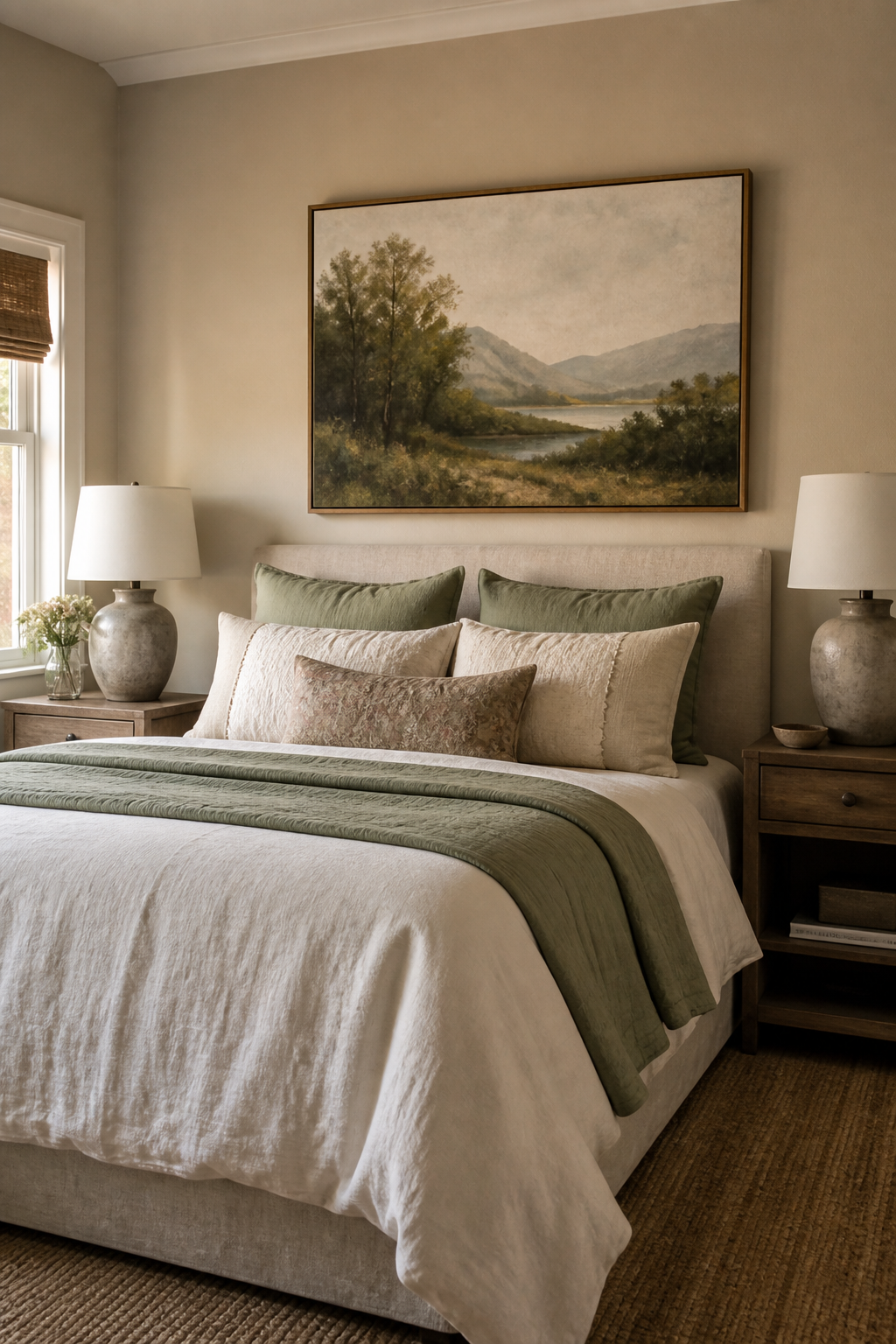
Place Extra Blankets Within Reach
Temperature preferences vary, so extra blankets are a practical luxury. Fold a quilt at the foot of the bed, place a throw in a basket, or keep a blanket on a nearby chair. Choose fabrics that feel good and wash easily, such as cotton, wool, or linen blends. The blanket should be visible enough that guests do not have to ask for it. This small gesture makes the room more comfortable across seasons and lets guests adjust the bed without searching through closets. It also adds a soft layer of texture to the room.
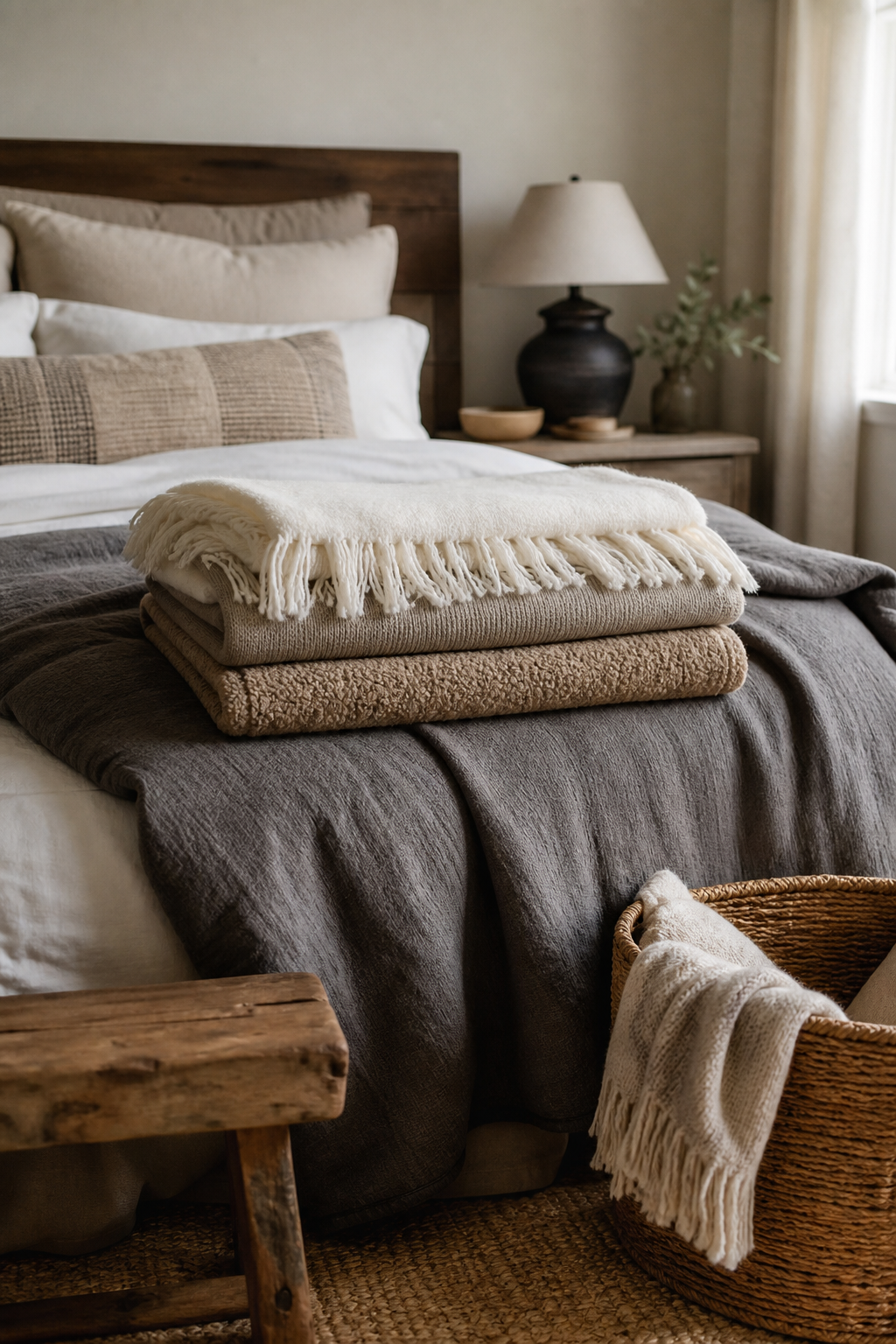
Add A Mirror For Dressing
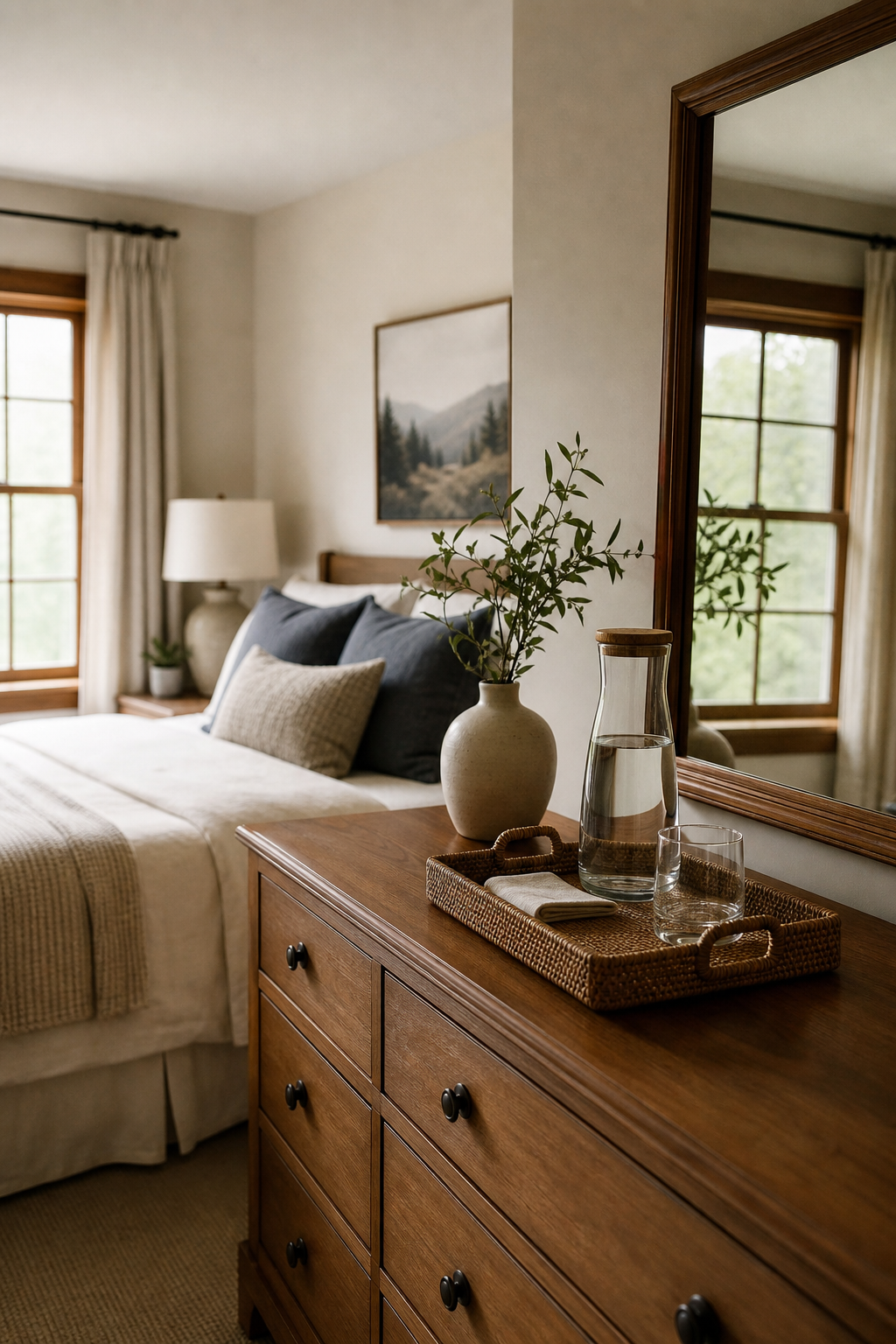
A mirror is one of the most useful guest room additions. A full-length mirror helps with dressing, while a smaller mirror above a desk or dresser can work for makeup and quick checks before leaving the room. Place it where light is flattering and where it does not reflect clutter. A wood, brass, or black frame can connect to the room’s other finishes. Mirrors also bounce light and make small guest rooms feel larger. This is one of those practical details that guests may not mention but will definitely appreciate.
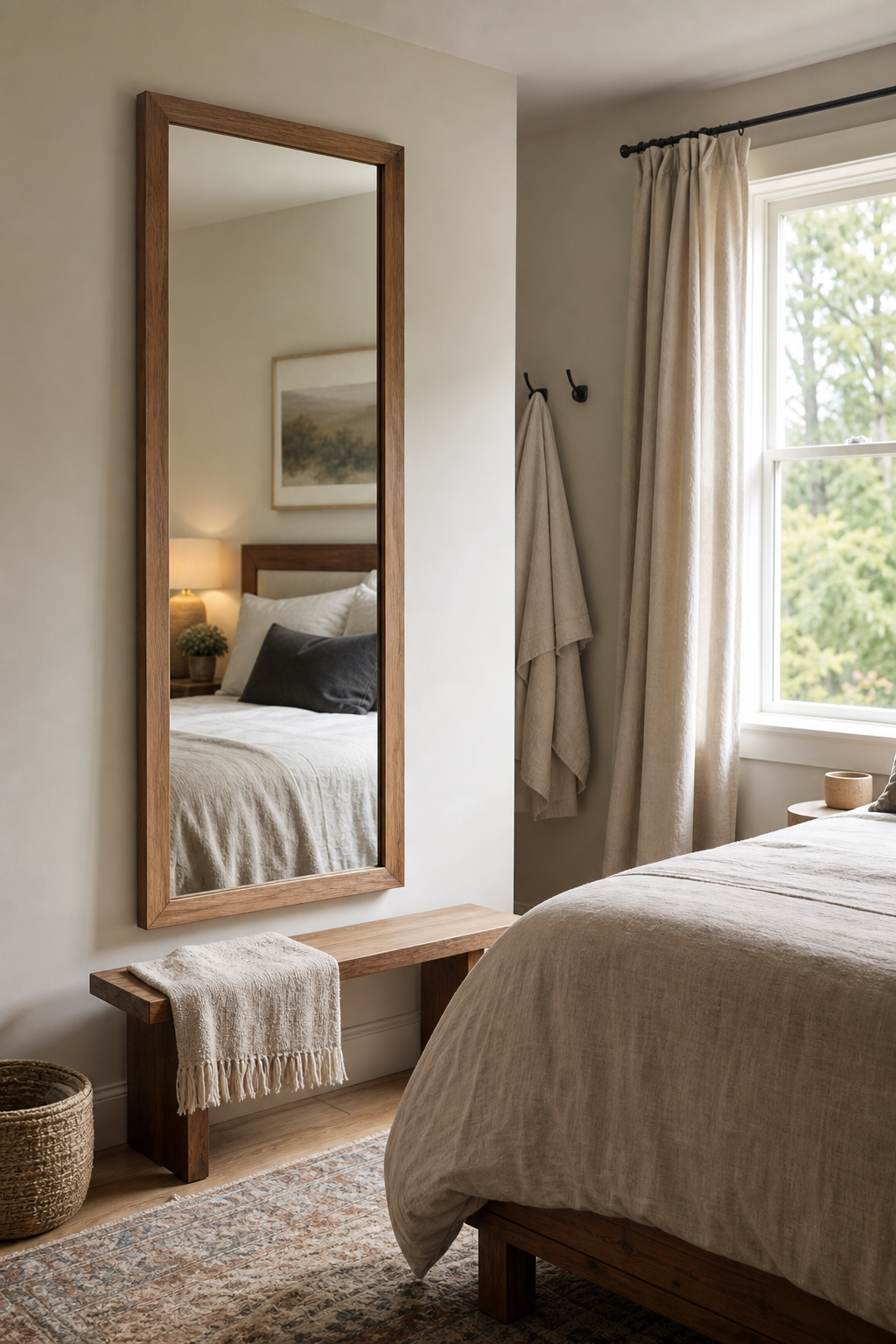
Use A Dresser As A Hospitality Station
A dresser can hold more than clothing. Style the top with a small tray, carafe, drinking glass, extra towel, candle, or simple vase. Keep most of the surface clear so guests can set down their own items. If drawers are available, leave at least one empty. This makes the room feel prepared without becoming hotel-themed. A hospitality station works best when it is subtle: useful objects in beautiful materials, placed where they are easy to find. The room feels welcoming because the basics have already been considered.
Bring In Natural Texture
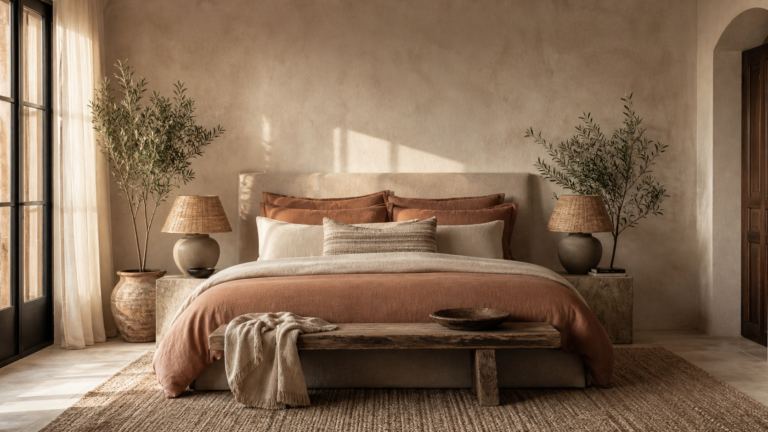
Natural texture keeps a guest bedroom from feeling flat. Woven shades, wood furniture, linen bedding, ceramic lamps, wool rugs, cane chairs, and rattan baskets all add warmth without overwhelming the room. Use two or three textures and repeat them so the design feels connected. Texture is especially helpful in neutral bedrooms because it gives the eye something to enjoy without disturbing the calm. Keep the mix refined rather than rustic by balancing handmade surfaces with clean lines. The room should feel tactile, restful, and intentionally layered.
Leave A Few Thoughtful Essentials
Guests appreciate small essentials when they are presented simply. A water carafe, tissue box, phone charger, small tray, fresh towel, and a card with Wi-Fi information can make a stay smoother. Keep these items together rather than scattering them across the room. Avoid overfilling the space with amenities; the goal is ease, not clutter. If you include a scent, keep it very subtle or skip it entirely. Thoughtful essentials should feel like quiet support, allowing guests to feel comfortable without needing to ask for every small thing.
Keep The Palette Gender-Neutral And Calm
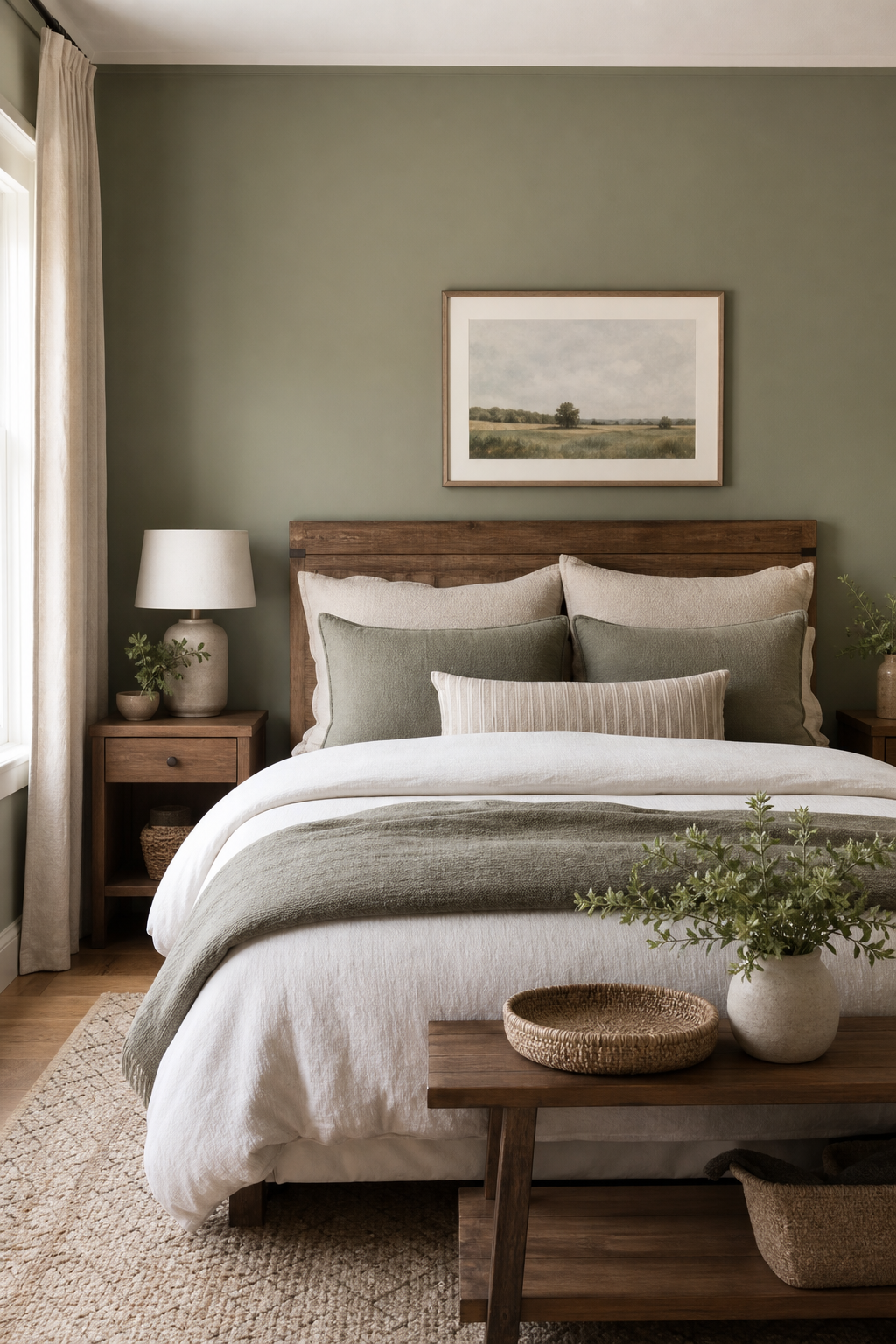
A guest room works best when it welcomes different tastes. Gender-neutral does not mean bland; it means balanced. Use warm neutrals, muted greens, soft blues, clay, charcoal, or natural wood instead of overly themed colors. Let pattern appear in a pillow, rug, or artwork rather than everywhere at once. A calm palette helps guests relax and makes the room easier to refresh between stays. It also gives the space a timeless designer quality. The room should feel personal enough to be beautiful but open enough for any guest to feel at home.
Finish With Fresh But Simple Styling
The final styling should make the guest bedroom feel ready, not staged. Straighten the bedding, fluff the pillows, add one small vase or branch arrangement, and clear surfaces so guests have room for their own things. A scented candle, too many books, or decorative trays on every surface can make the room feel crowded. Choose one or two finishing touches and let the rest breathe. A guest retreat is successful when it feels clean, comfortable, and calm the moment someone opens the door. Simplicity is what makes the welcome feel effortless.
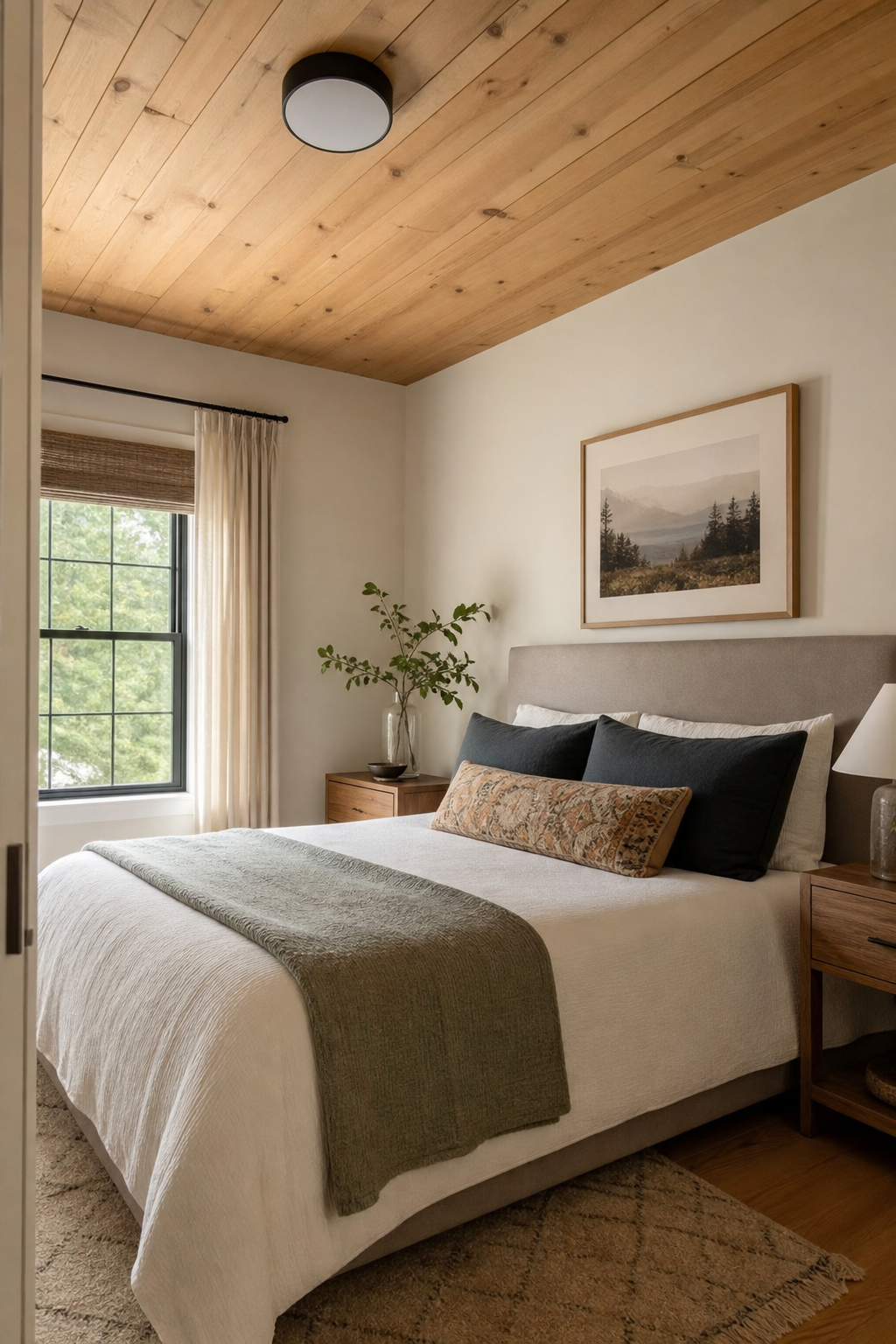
The best guest bedrooms balance beauty with readiness. Start with the practical needs: a comfortable bed, good lighting, a place for luggage, and storage guests can actually use. Then layer texture, art, rugs, and simple styling so the room feels warm without becoming crowded. When the space is calm, clean, and easy to understand, guests can relax into it right away.