22 Scandinavian Interior Ideas To Inspire Your Next Home Refresh
Scandinavian interiors are loved because they make everyday life feel calmer, brighter, and more intentional. The style is not only white walls and pale wood; it is a practical way of thinking about comfort, light, storage, texture, and restraint. A successful refresh should make the home easier to use while adding warmth through honest materials and soft layers. These ideas show how to bring Scandinavian clarity into bedrooms, living rooms, dining corners, entries, and work spaces without making the home feel bare.
Begin With A Soft White Base
Scandinavian interiors often begin with white, but the most inviting rooms avoid a cold, clinical tone. Choose soft white, warm chalk, or pale oat for walls so natural light can move gently through the space. This base works because it makes wood, wool, linen, and ceramics feel more tactile. Keep trim and ceilings close in tone if the room is small or visually busy. A soft white envelope also gives you freedom to change accents seasonally without repainting. The result is calm, flexible, and bright, but not empty. It is the quiet foundation that lets every practical and decorative choice feel intentional.
Use Pale Wood To Add Warmth
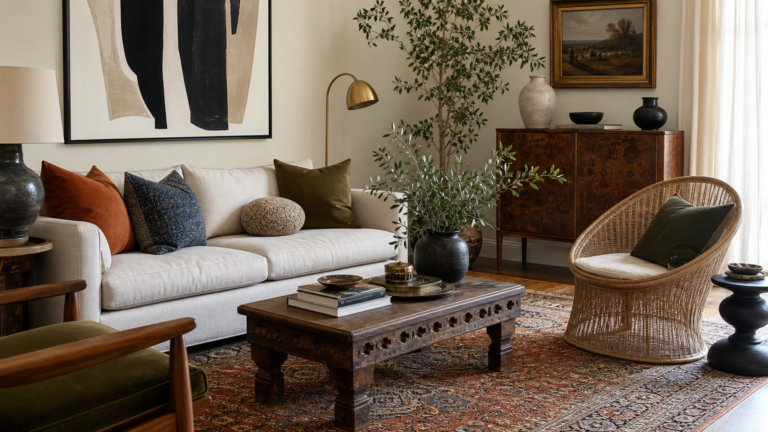
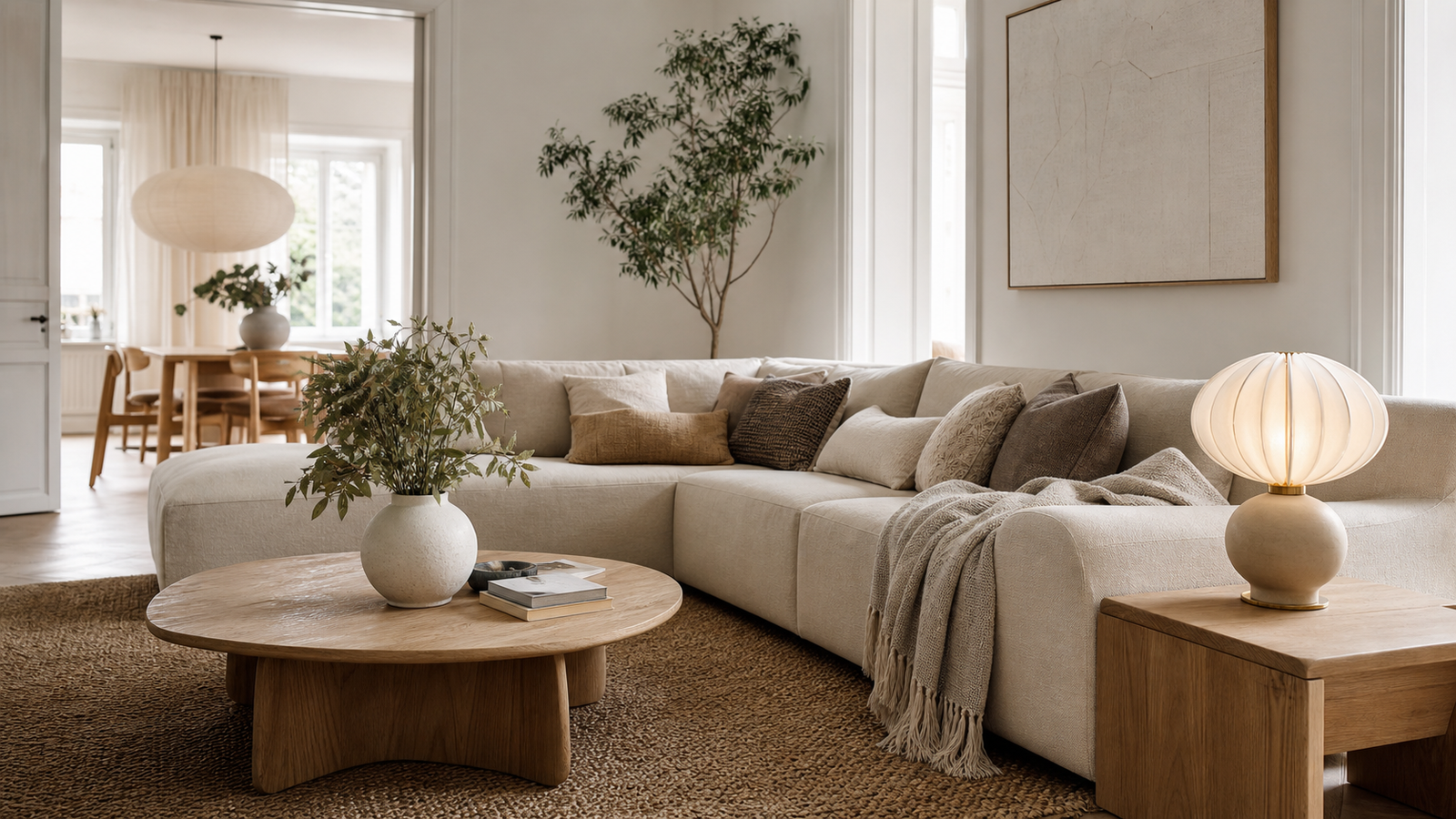
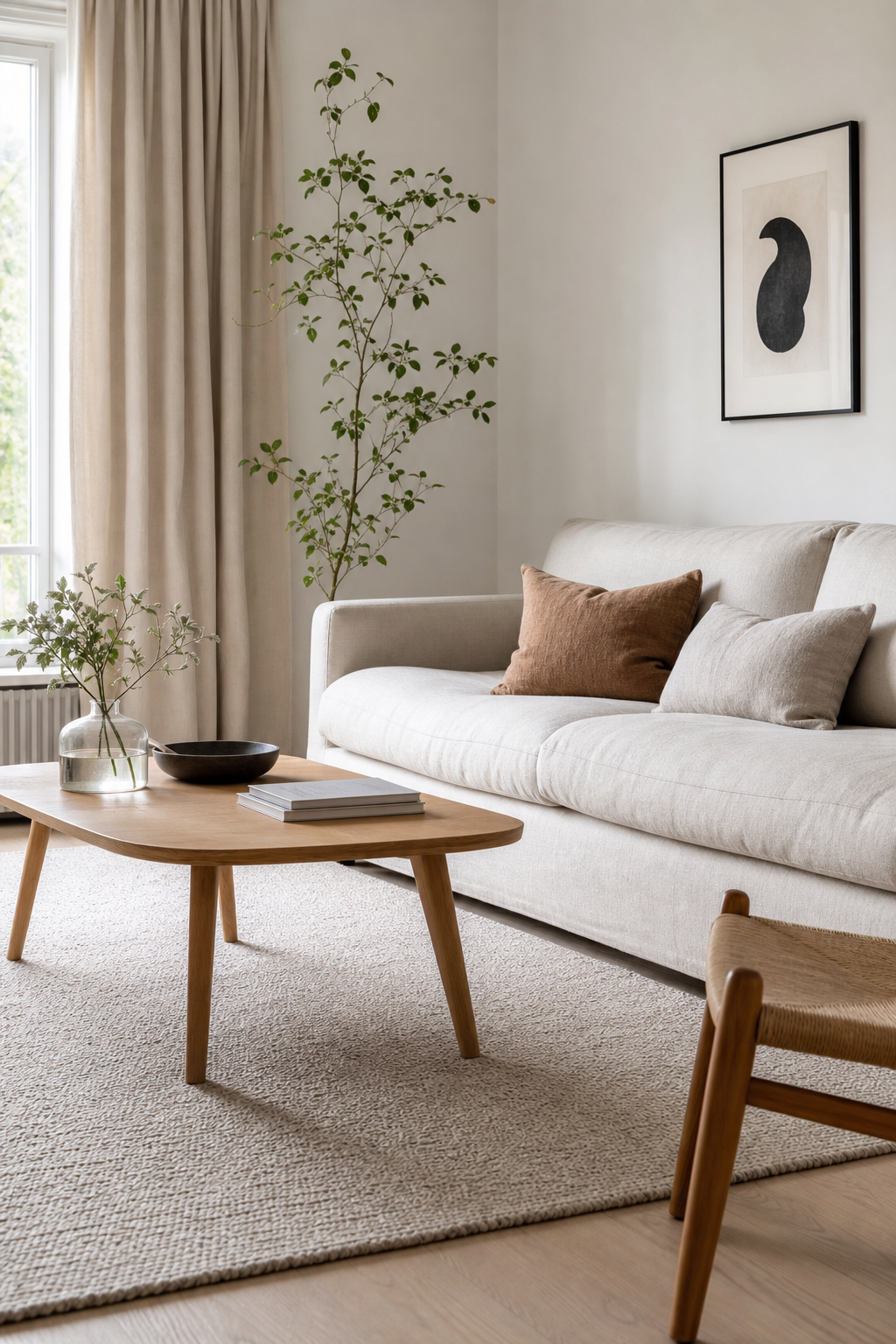
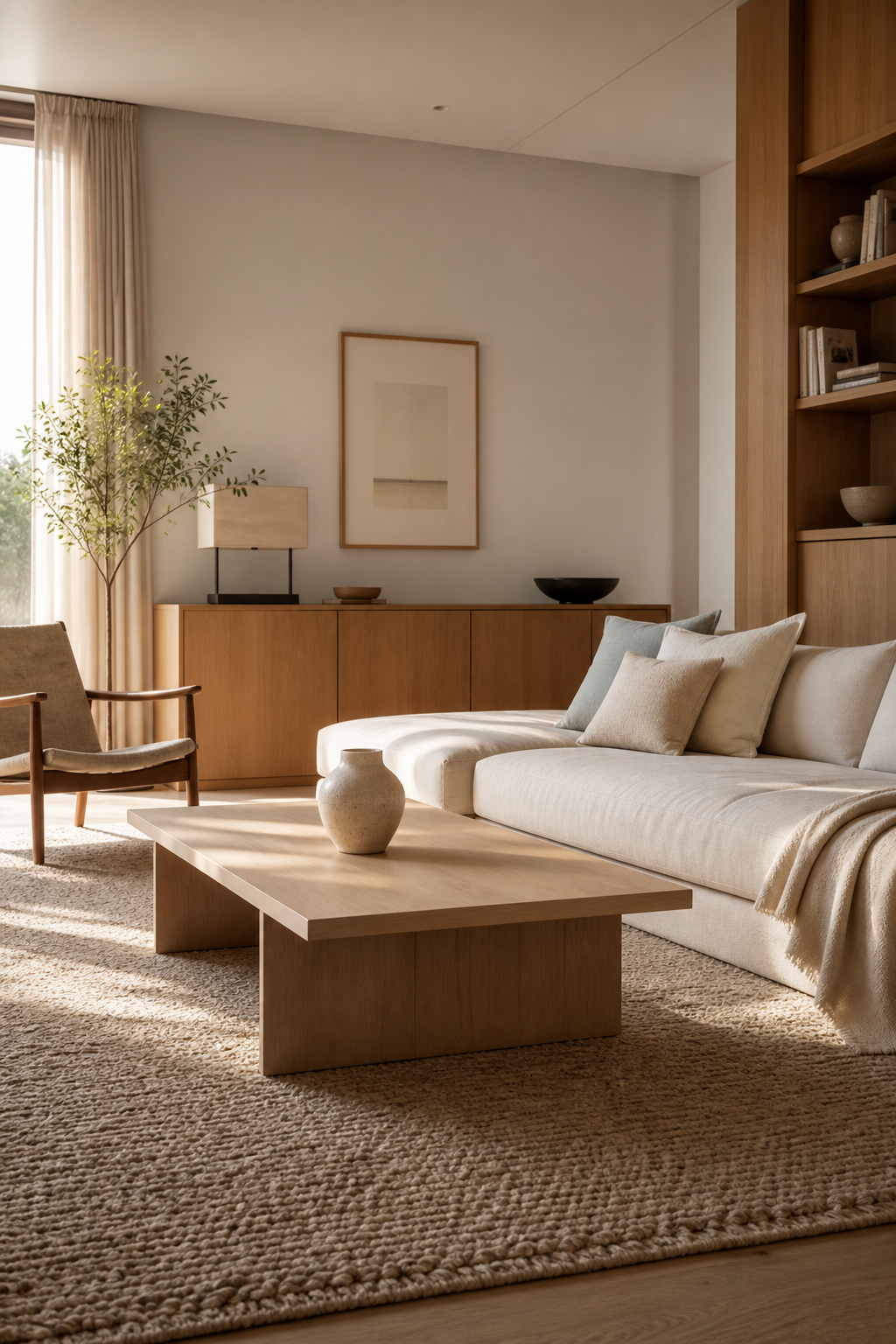
Pale wood is the material that keeps Scandinavian rooms from feeling stark. Oak, ash, birch, beech, and pine bring warmth while preserving a light, airy mood. Use wood on flooring, dining chairs, shelving, coffee tables, or cabinet fronts. The grain should be visible but not overly busy. If your room already has darker wood, balance it with pale textiles and lighter walls rather than replacing everything. Scandinavian design is not about perfection; it is about warmth, clarity, and everyday use. Pale wood also ages gracefully, which suits a home refresh meant to last beyond one season. It gives the room natural rhythm without adding visual clutter.
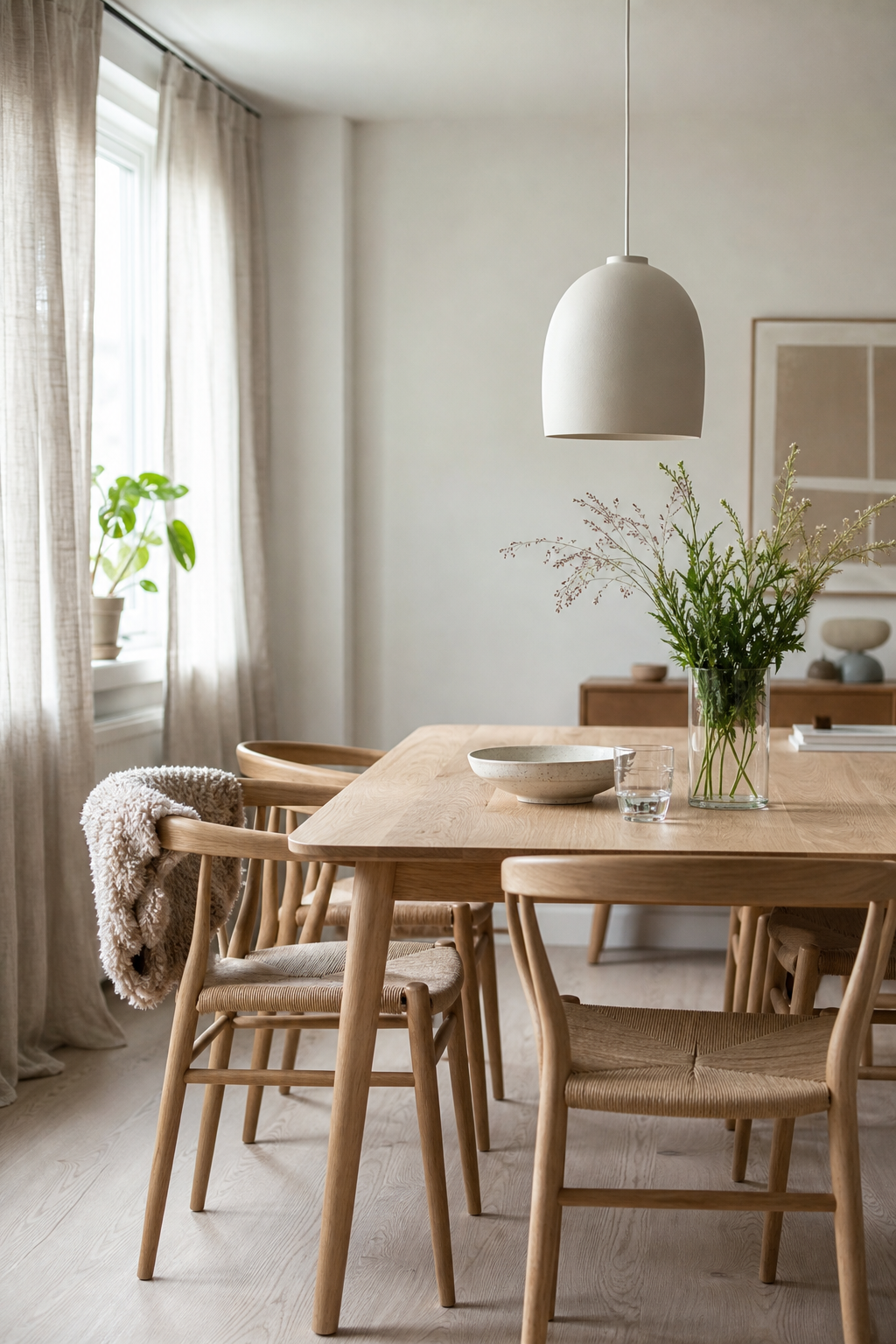
Choose Furniture With Clean Honest Lines
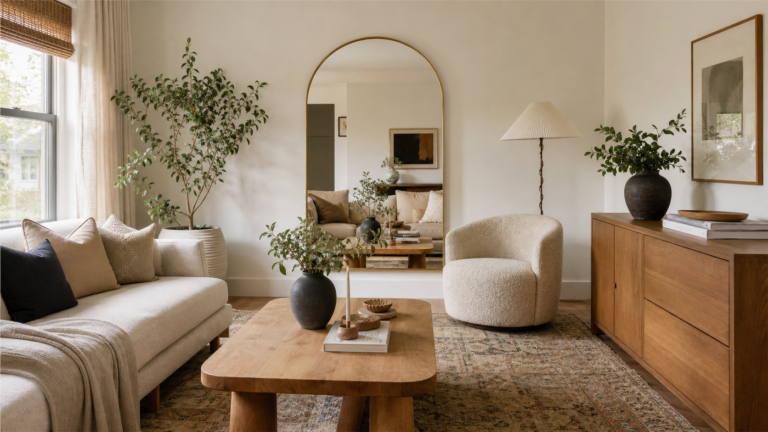
Scandinavian furniture works because the forms are clear and the proportions are humane. Look for clean lines, tapered legs, softened edges, and materials that feel good to touch. A sofa should be comfortable before it is sculptural. A dining chair should support long meals. A cabinet should hide real-life storage while still looking calm. Avoid overly complicated silhouettes or furniture that exists only to make a statement. The beauty comes from usefulness expressed gracefully. When refreshing a room, one well-proportioned piece can improve the entire layout. A simple oak coffee table or tailored linen sofa can make the space feel calmer without requiring a complete redesign.
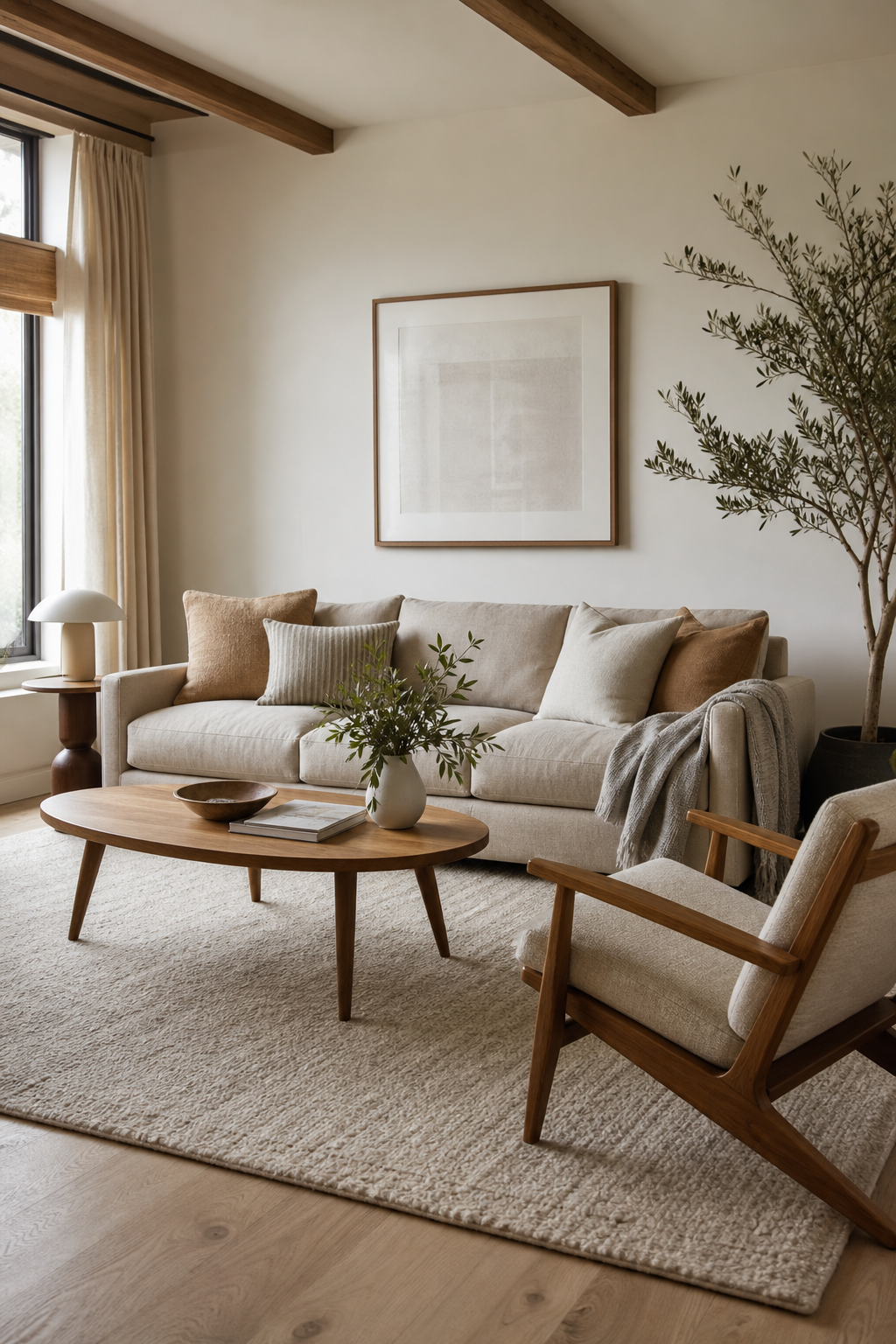
Layer Wool, Linen, And Cotton
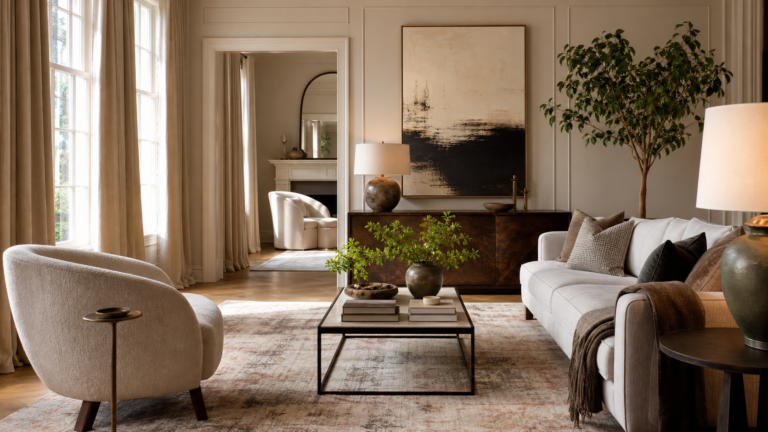
Texture carries a Scandinavian interior more than bold color. Wool, linen, cotton, boucle, and felt create warmth without noise. Layer them through curtains, sofa covers, cushions, throws, rugs, and bedding. Keep the palette close so the textures do the work: cream linen, oatmeal wool, soft gray cotton, and natural canvas can feel rich together. The layers should be practical, washable, and easy to live with. A wool throw over a sofa or a linen duvet on a bed instantly makes a minimal room feel more human. This kind of softness is essential because Scandinavian spaces are often visually restrained. Texture keeps restraint from becoming severity.
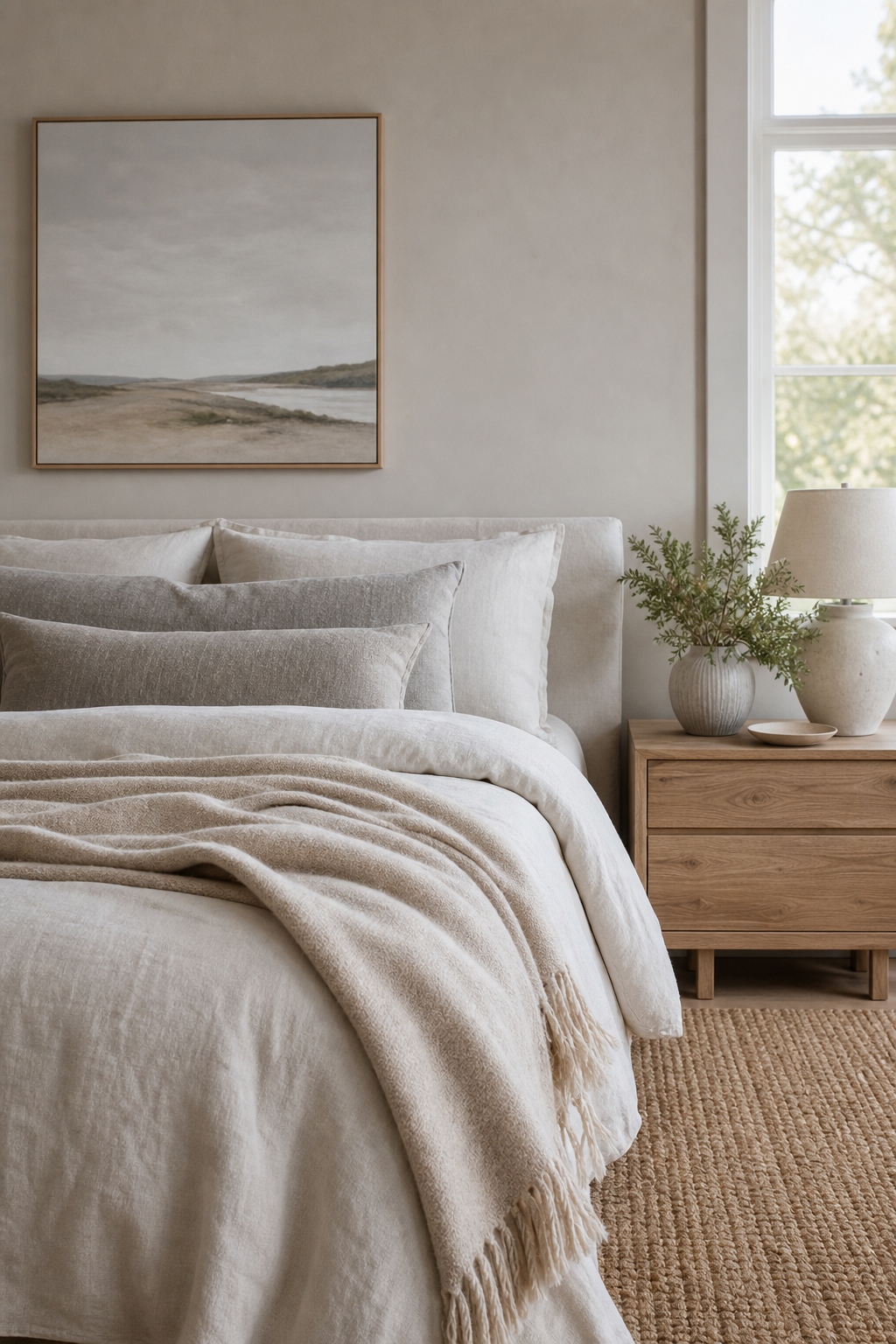
Let Natural Light Stay Unblocked
Natural light is central to Scandinavian design, so window treatments should support it rather than fight it. Use sheer linen, light cotton, woven shades, or simple panels that frame the window cleanly. Avoid heavy drapery that darkens the room during the day. If privacy is needed, layer a discreet shade behind soft curtains. Keep furniture from blocking windows whenever possible, and use mirrors sparingly to pull brightness deeper into the room. A refresh can be as simple as removing dark curtains and clearing the sill. The room will feel larger, cleaner, and more breathable. In Scandinavian interiors, light is not just practical; it is part of the atmosphere.
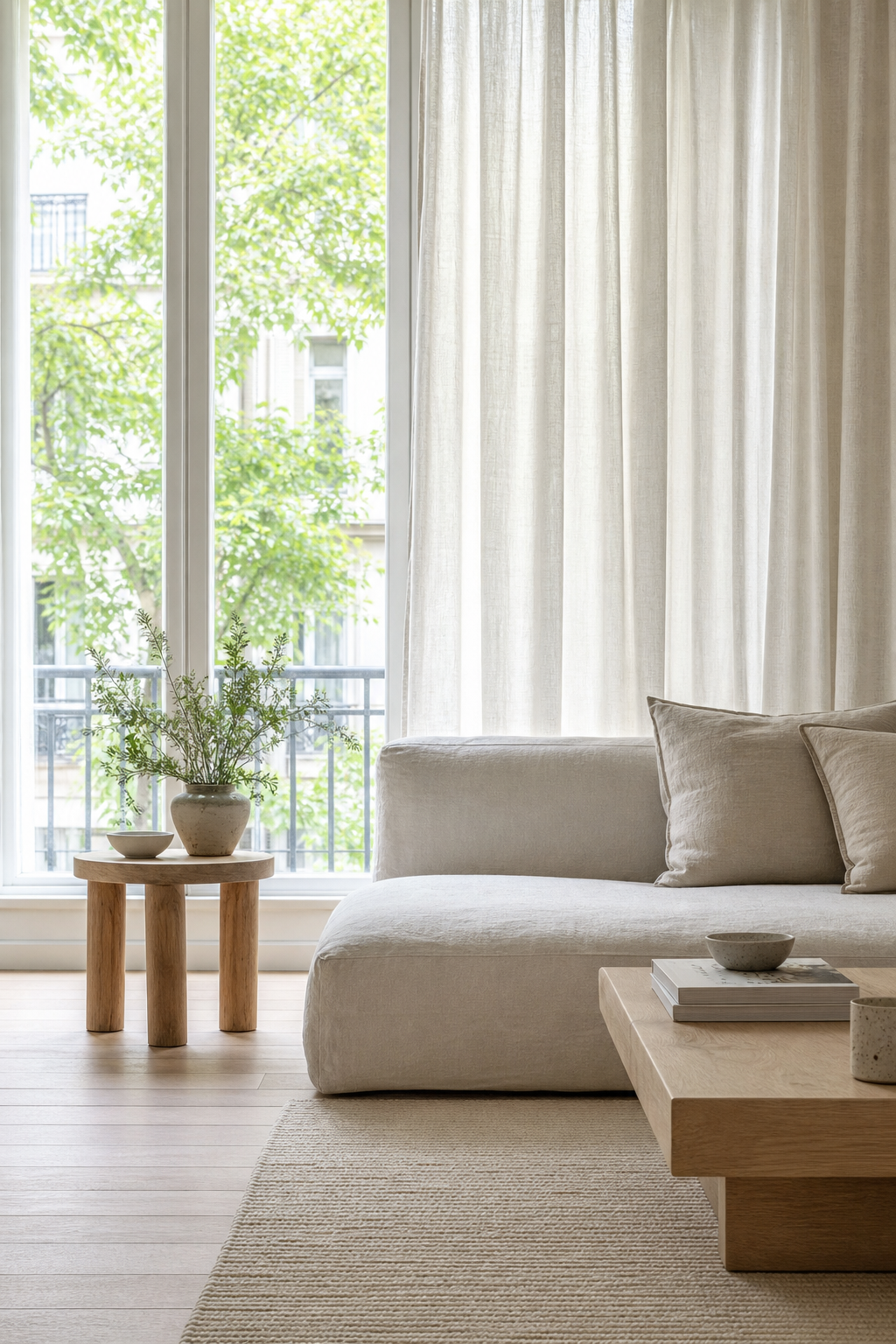
Add Contrast With Black Details
A few black details can sharpen a Scandinavian room without making it heavy. Think slim metal lamp, picture frame, cabinet pull, chair leg, faucet, or window frame. The key is moderation. Black should define shapes and add rhythm, not dominate the palette. It works especially well against soft whites, pale wood, and warm gray textiles. If the room feels too sweet or washed out, black details can give it structure. Choose matte or satin finishes instead of high gloss for a quieter look. This small contrast makes the room feel considered and modern while still preserving the relaxed warmth that makes Scandinavian interiors so livable.
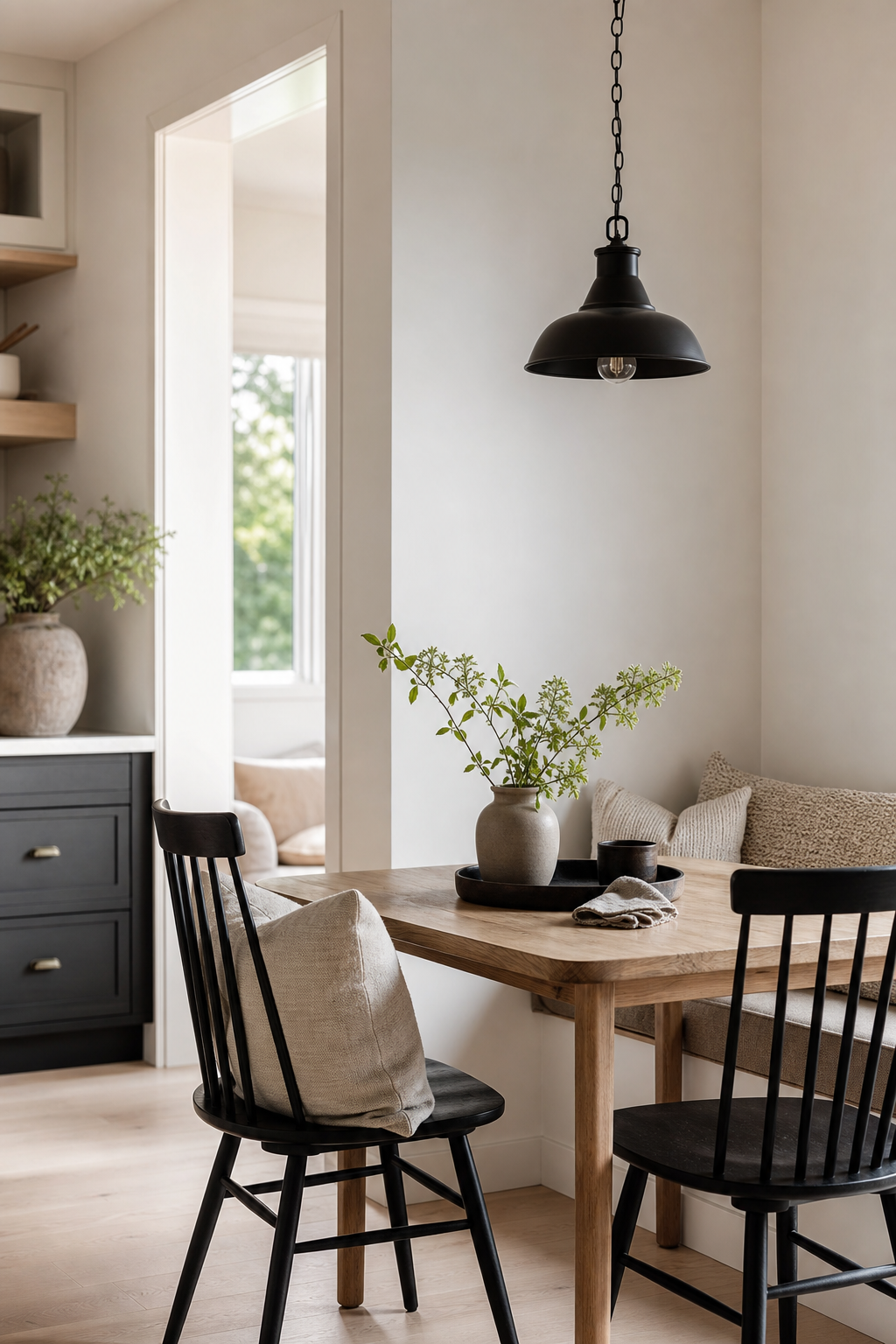
Use Storage That Disappears
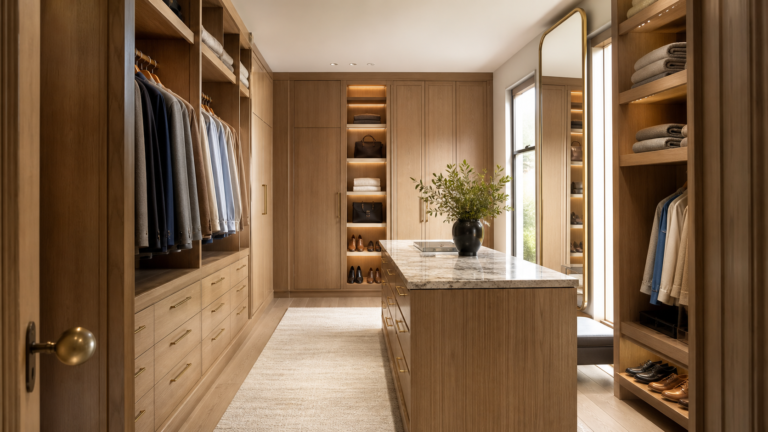
Scandinavian rooms feel calm because storage is handled thoughtfully. Closed cabinets, low sideboards, built-in benches, and simple wardrobes keep everyday objects out of sight. Choose fronts that match the wall or use pale wood so the storage feels architectural. Open shelving can work, but only when it is edited. The goal is not to own less than you need; it is to give everything a quiet home. In a refresh, start by improving storage before buying more decor. A clean-lined cabinet can transform a room more than several accessories. When clutter has a place to go, the materials, light, and furniture can finally be appreciated.
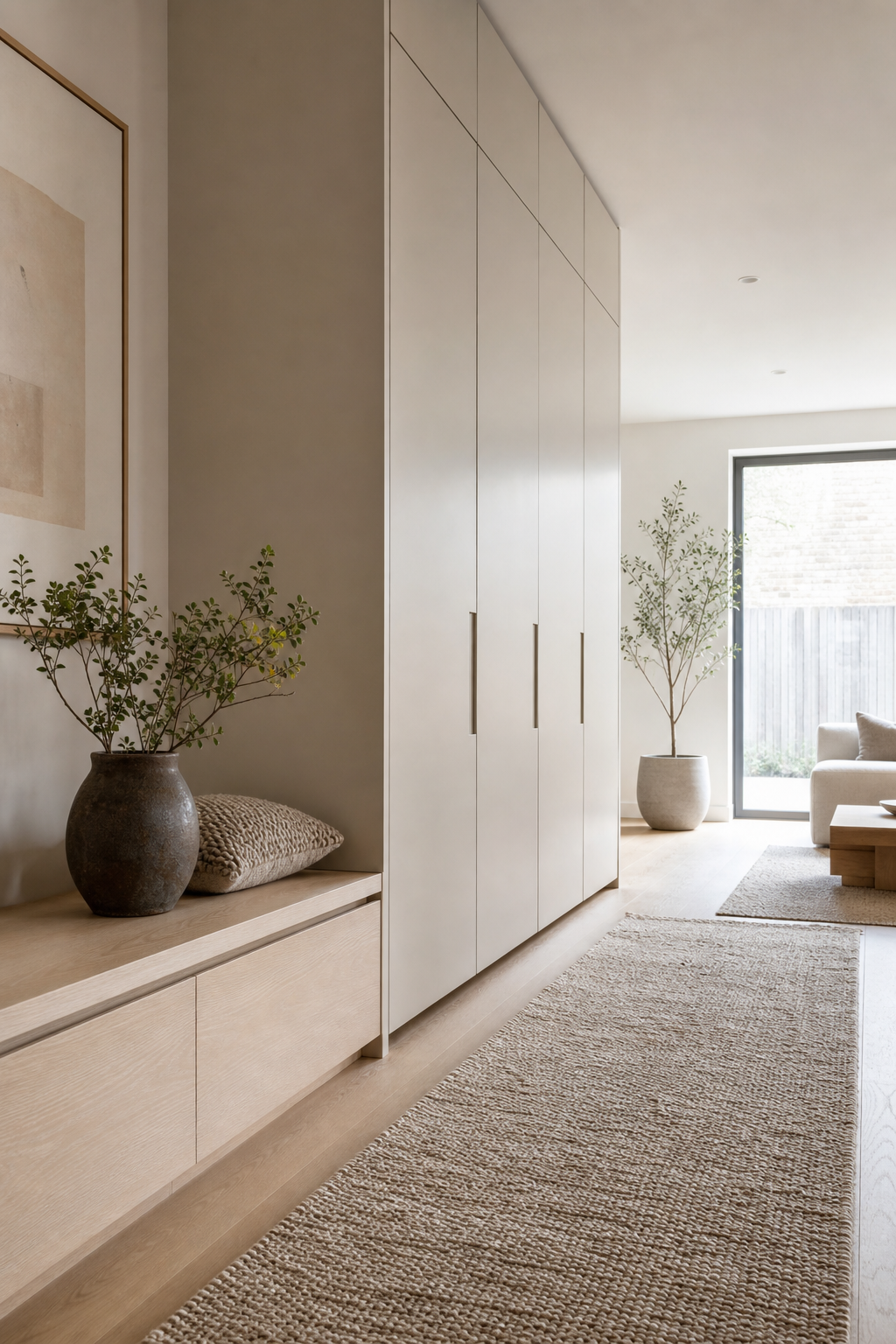
Bring In One Sculptural Lamp
Lighting in Scandinavian interiors is practical, warm, and often beautifully shaped. One sculptural lamp can refresh a room without adding clutter. Choose a paper lantern, opal glass globe, bentwood floor lamp, ceramic table lamp, or simple metal sconce. The light should be warm and diffused, never harsh. Place it where it supports a real activity such as reading, dining, or evening conversation. A lamp with good form works like functional art, especially in a room with few accessories. It also helps the space feel cozy after dark, which is essential in northern-inspired design. The best lighting makes daily life softer and the room more atmospheric.
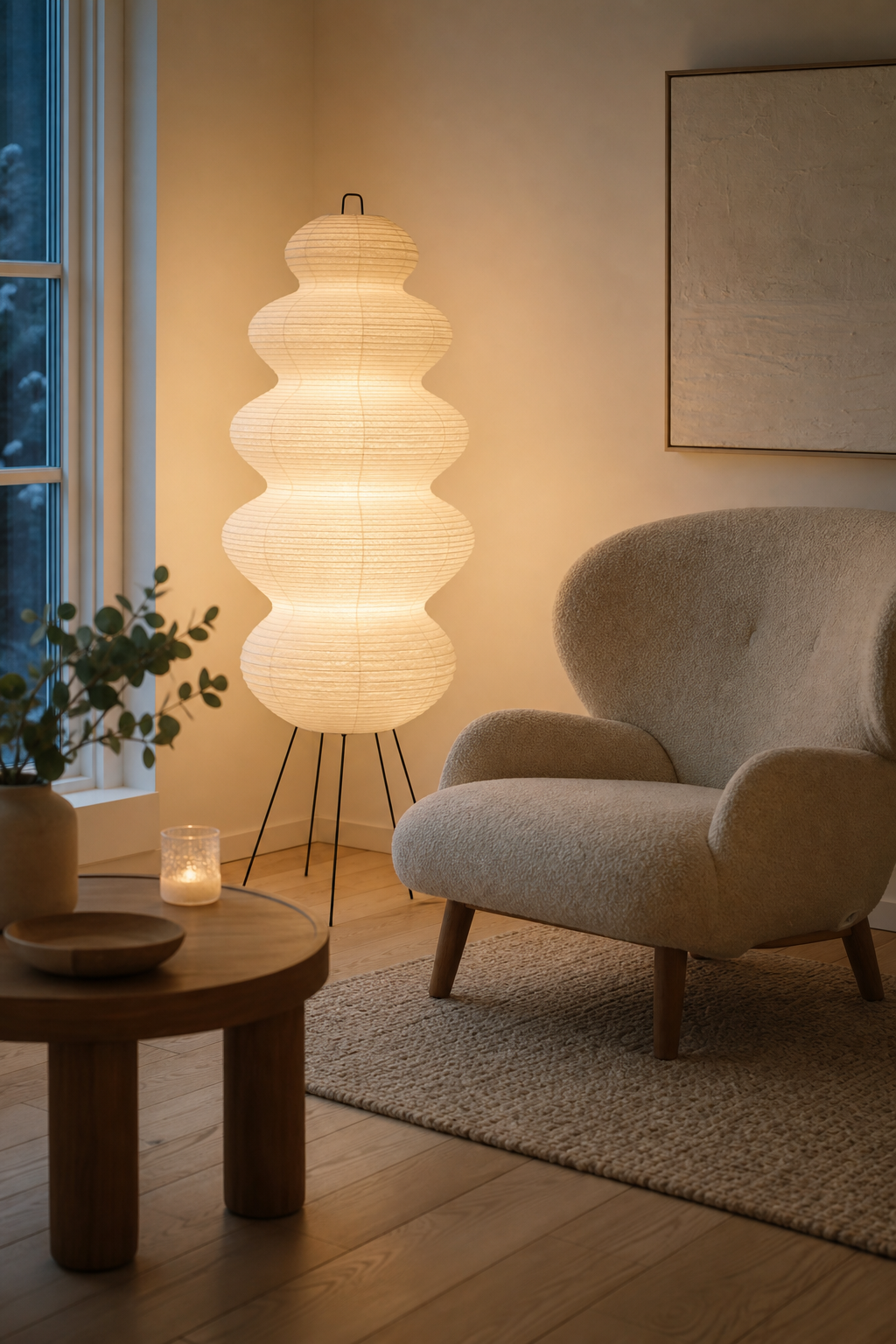
Choose A Quiet Statement Chair
A statement chair in a Scandinavian room should be beautiful because of its shape, material, and comfort, not because it shouts. Look for a curved lounge chair, woven seat, bentwood frame, sheepskin-style cushion, or tailored upholstered form. Place it where it can actually be used: beside a window, near a bookshelf, or opposite the sofa. Keep nearby styling simple with a small table and lamp. The chair can introduce a slightly deeper tone such as charcoal, camel, or muted olive. This single piece gives the room personality while respecting the overall calm. It is a smart refresh when the room needs focus but not more decoration.
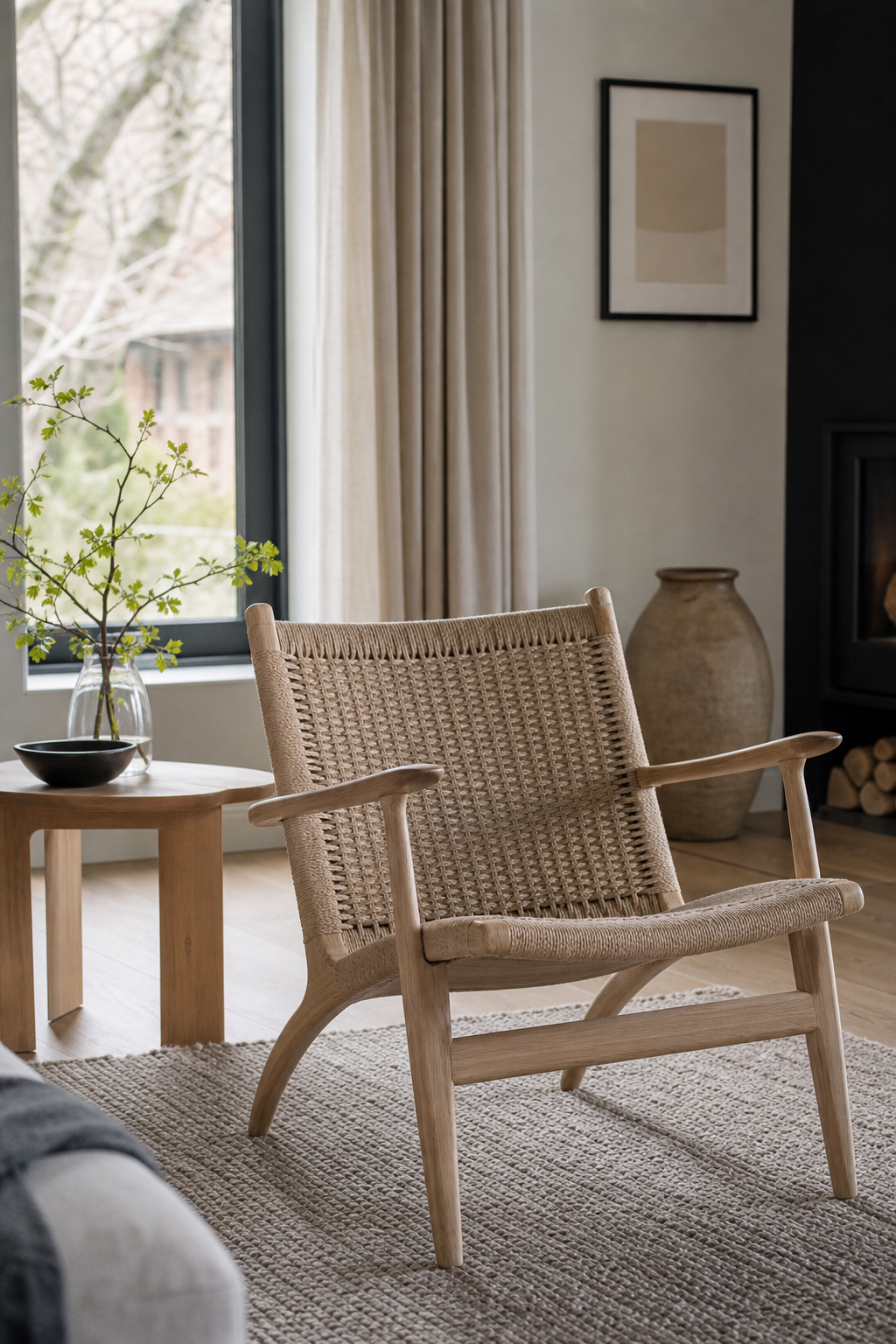
Soften Floors With A Natural Rug
Wood floors are common in Scandinavian interiors, but a room feels more welcoming with a rug that softens sound and texture. Choose wool, jute-wool, flatweave cotton, or a subtle high-low design in cream, gray, oatmeal, or muted pattern. The rug should be large enough to connect the furniture, not float in the middle. In a bedroom, extend it generously around the bed. In a living room, let the sofa and chairs touch it. A natural rug makes the space feel warmer and more finished while still looking relaxed. It also improves acoustics, which matters in rooms with simple walls and minimal window coverings.
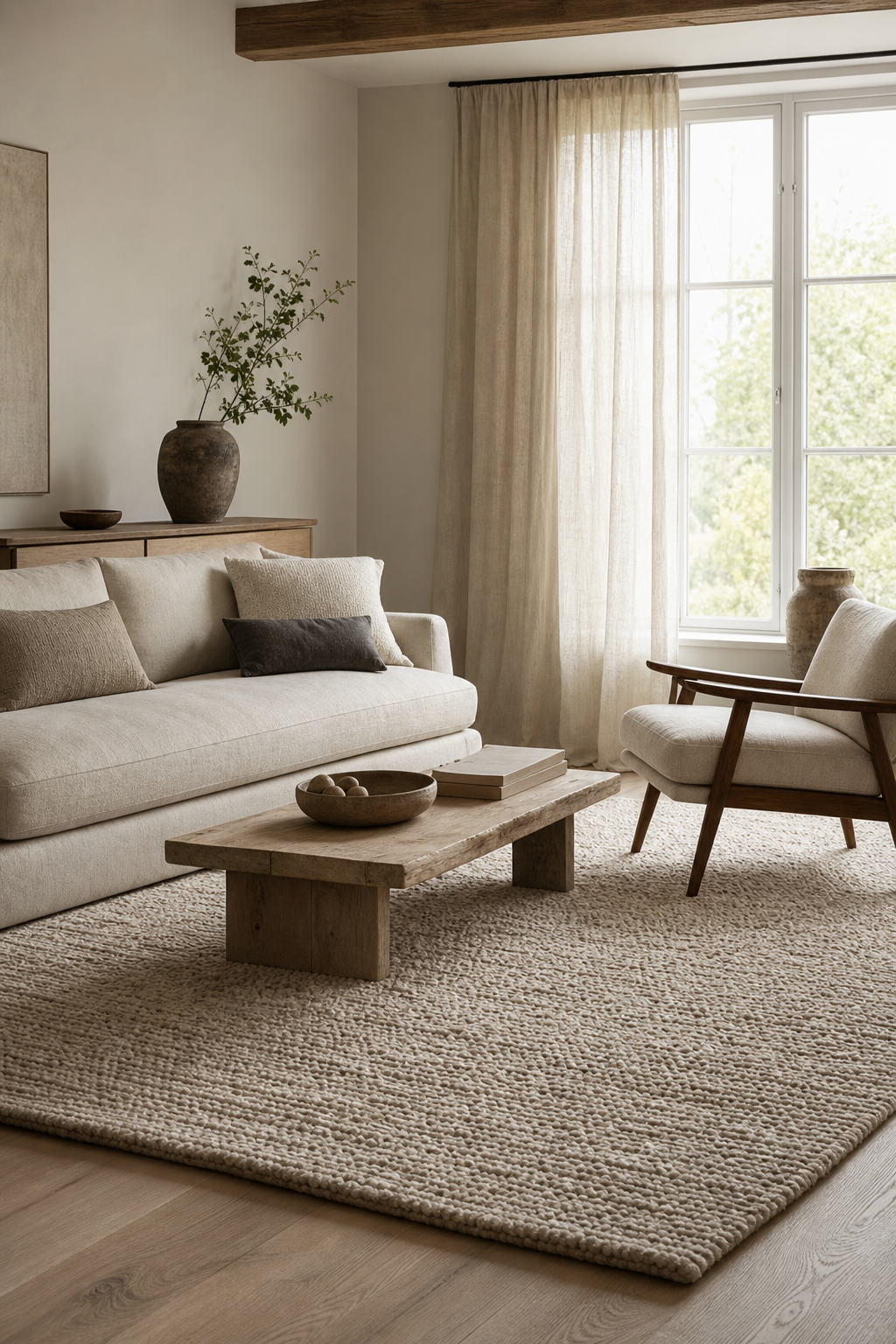
Style Shelves With Negative Space
Open shelves can look beautiful in a Scandinavian home when they include negative space. Avoid filling every inch. Mix a few books with ceramics, baskets, framed art, and one natural object. Keep colors quiet and repeat materials from the room. Heavy items should sit lower, while lighter forms can sit higher. The empty space is part of the design because it lets each object feel chosen. If the shelves hold practical items, use closed boxes or cabinets for the less attractive pieces. A shelf refresh costs little but can change the whole room. The goal is a composition that feels useful, personal, and calm rather than decorative for its own sake.
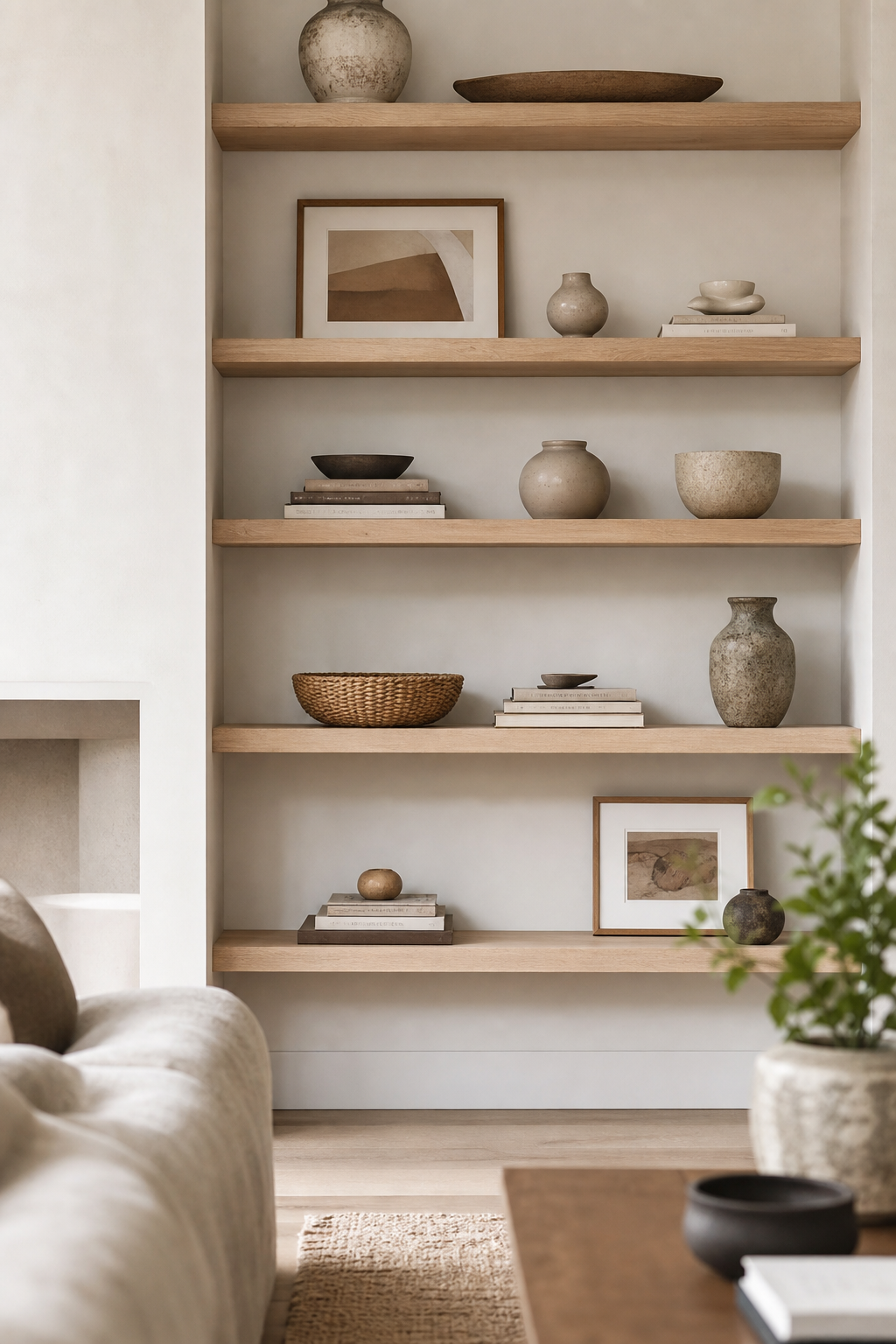
Use Muted Color In Small Doses
Scandinavian interiors can include color, but the colors are usually softened by nature. Dusty blue, sage, clay, mushroom, ochre, soft rust, and warm gray all work beautifully with pale wood and white walls. Use muted color in one or two places: a cushion, artwork, painted cabinet, vase, or throw. This keeps the room calm while preventing it from feeling anonymous. The color should look good in daylight and lamplight. If it feels too bright at night, it may be too saturated. Small doses are enough because Scandinavian design relies on balance. A controlled accent can make a room feel fresh without overwhelming its quiet structure.
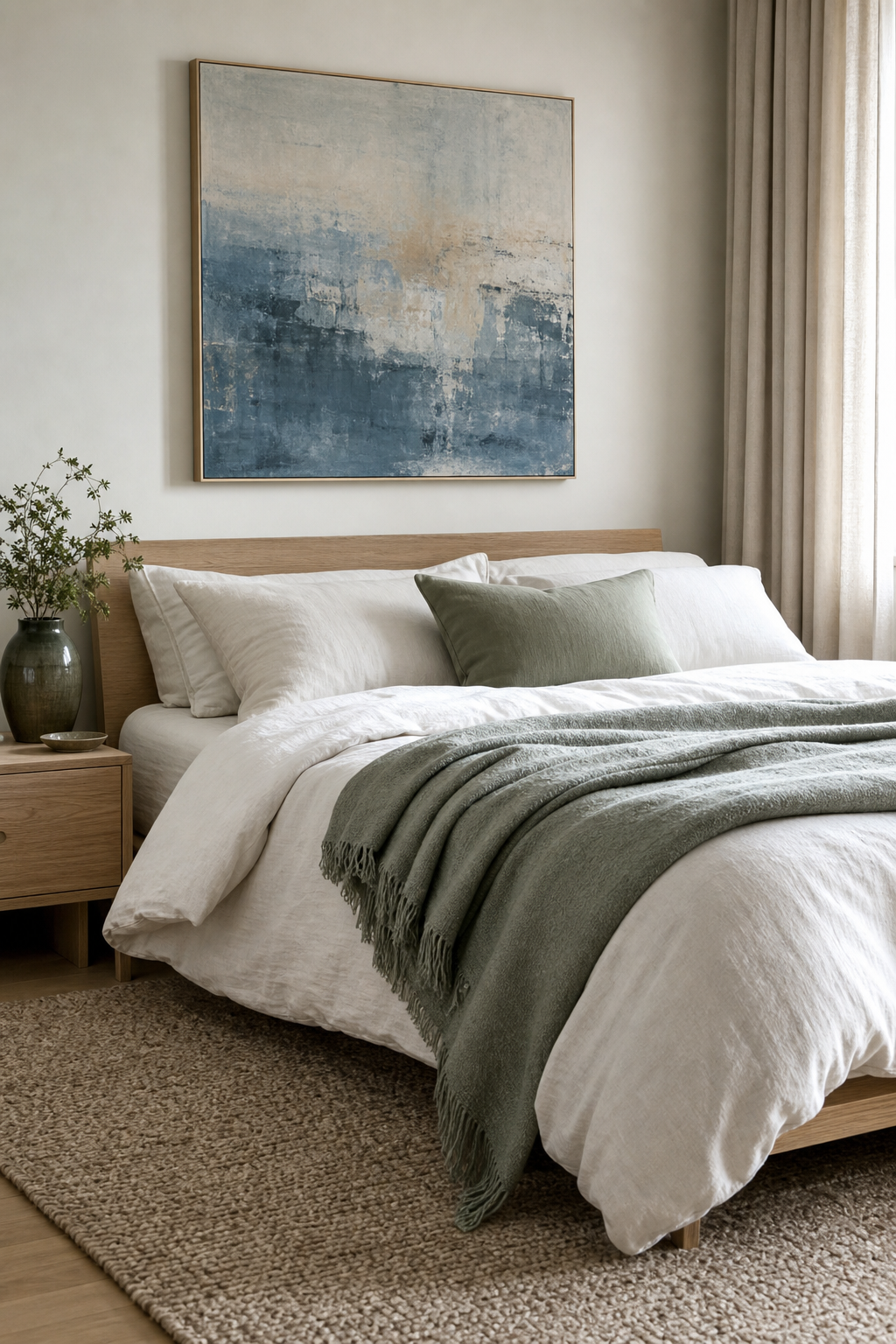
Create A Cozy Dining Corner
A Scandinavian dining corner should feel easy to use every day. Choose a simple table, comfortable chairs, warm pendant light, and textiles that soften the edges. If space is tight, use a built-in bench or a small round table. Pale wood keeps the corner bright, while a darker chair or black pendant can add definition. Add one ceramic bowl or vase rather than crowding the table. The goal is hospitality without fuss. A dining corner refresh can make meals feel more intentional even in a small home. Good lighting, honest materials, and enough room to move are more important than elaborate styling.
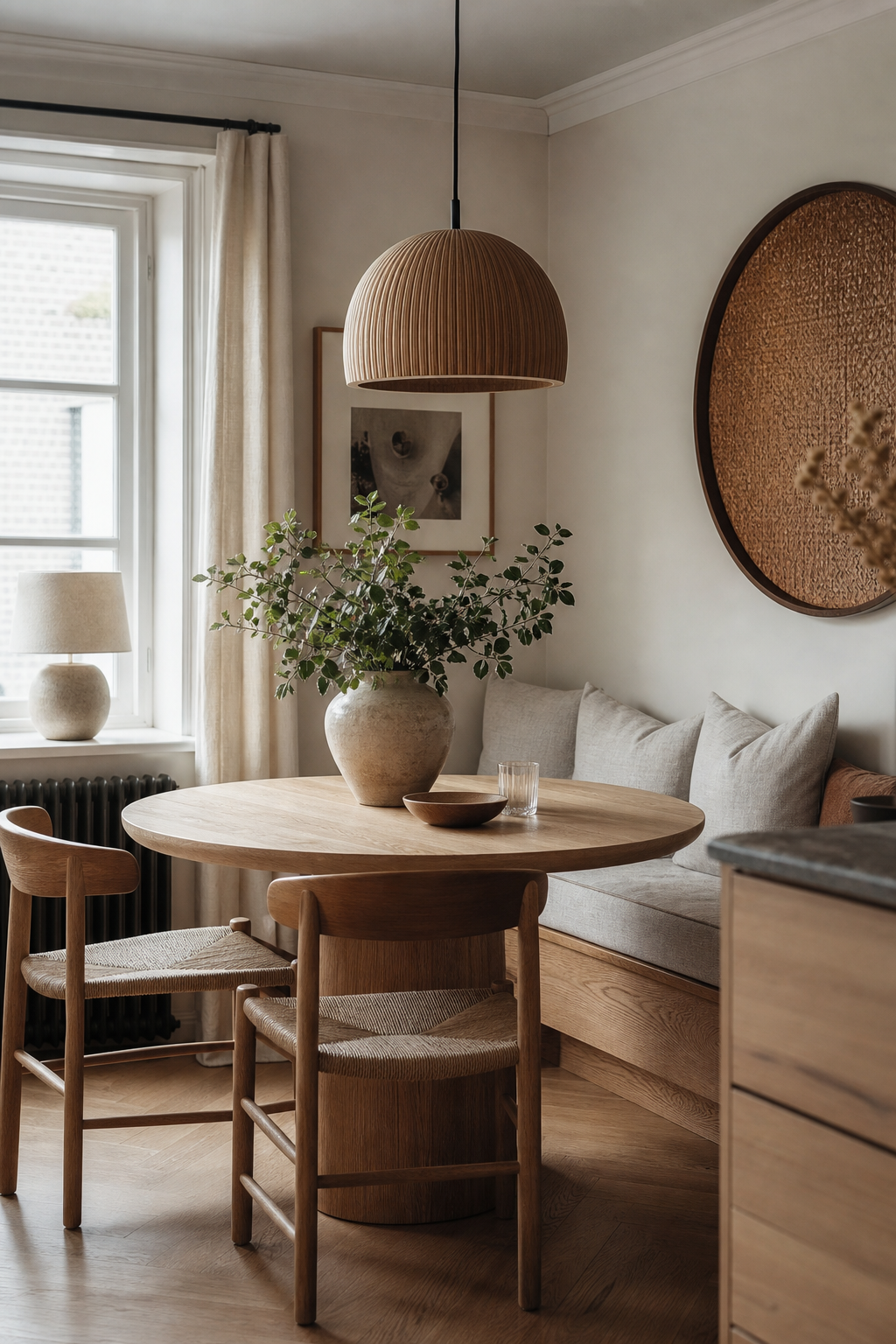
Add A Bench For Everyday Function
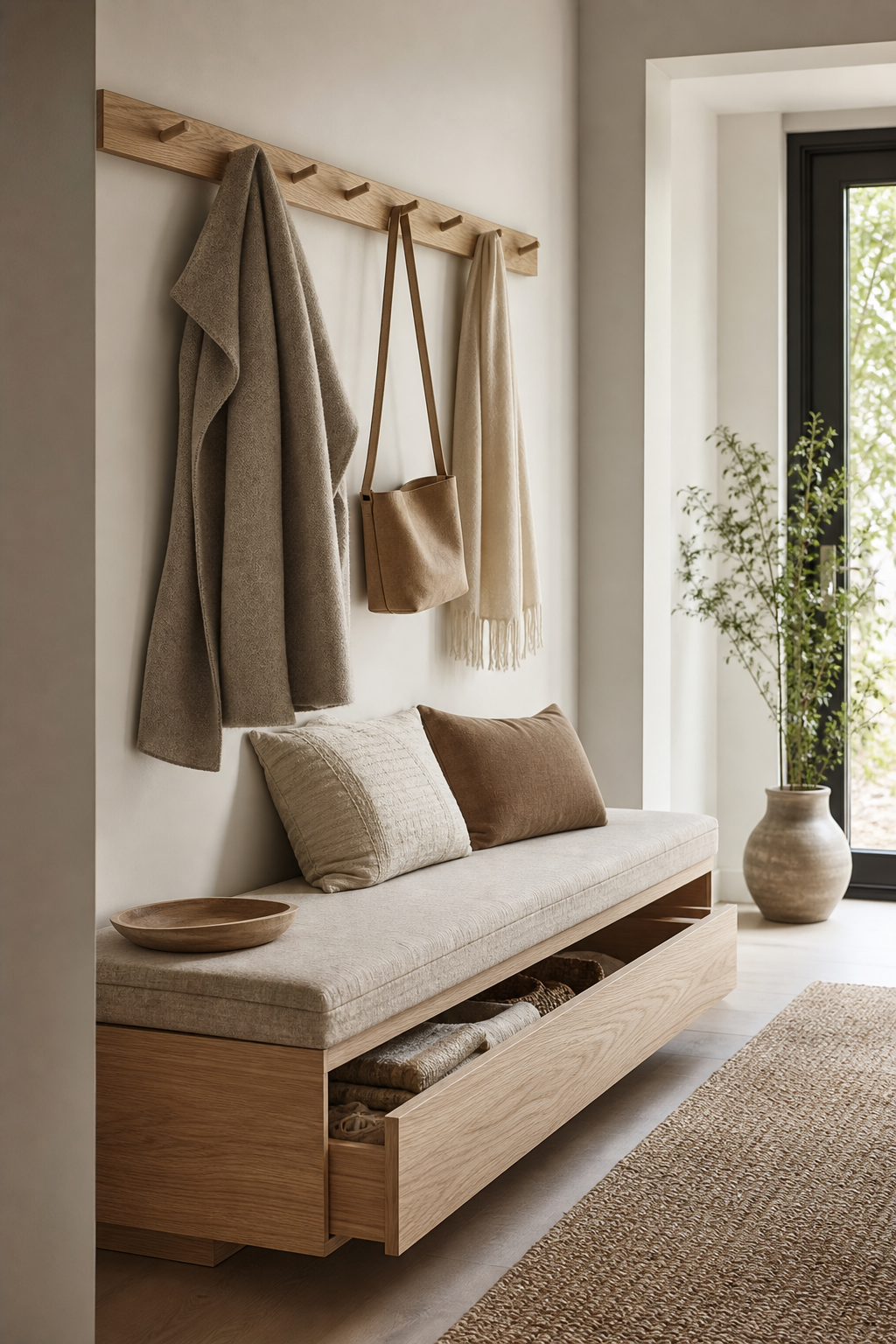
A bench is one of the most useful Scandinavian pieces because it is simple, flexible, and beautiful. Use one in an entry, at the foot of a bed, along a dining wall, or under a window. It can hold bags, books, blankets, or people without adding visual bulk. Choose pale oak, ash, painted wood, or upholstered wool depending on the room. A bench with hidden storage is especially helpful in small homes. Keep the styling minimal: one cushion, a folded throw, or a basket below. This kind of furniture supports daily routines quietly. It makes the home feel prepared for real life while still looking composed.
Keep The Coffee Table Low And Simple
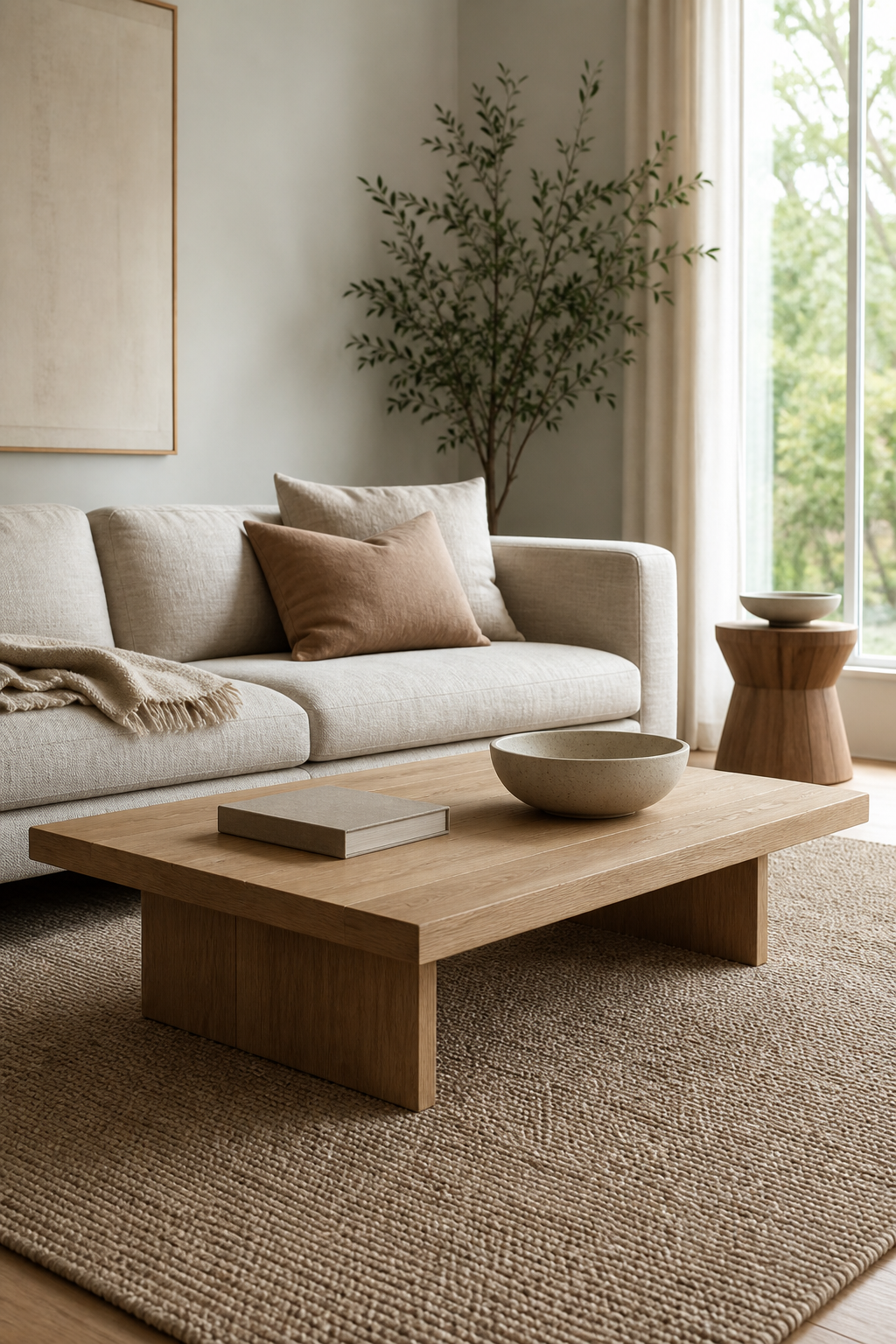
A low, simple coffee table suits Scandinavian interiors because it keeps the seating area open and relaxed. Choose pale wood, stone, or a clean painted finish with rounded edges. The table should be large enough for daily use but not so heavy that it dominates the room. Style it with restraint: a tray, a ceramic bowl, and perhaps one book. Leave space for cups, snacks, or a laptop. Function matters. A simple coffee table also makes the room feel lower and more grounded, which supports a cozy atmosphere. If the seating area feels busy, simplifying the table and its styling can refresh the entire room quickly.
Use Ceramic Pieces With Handmade Character
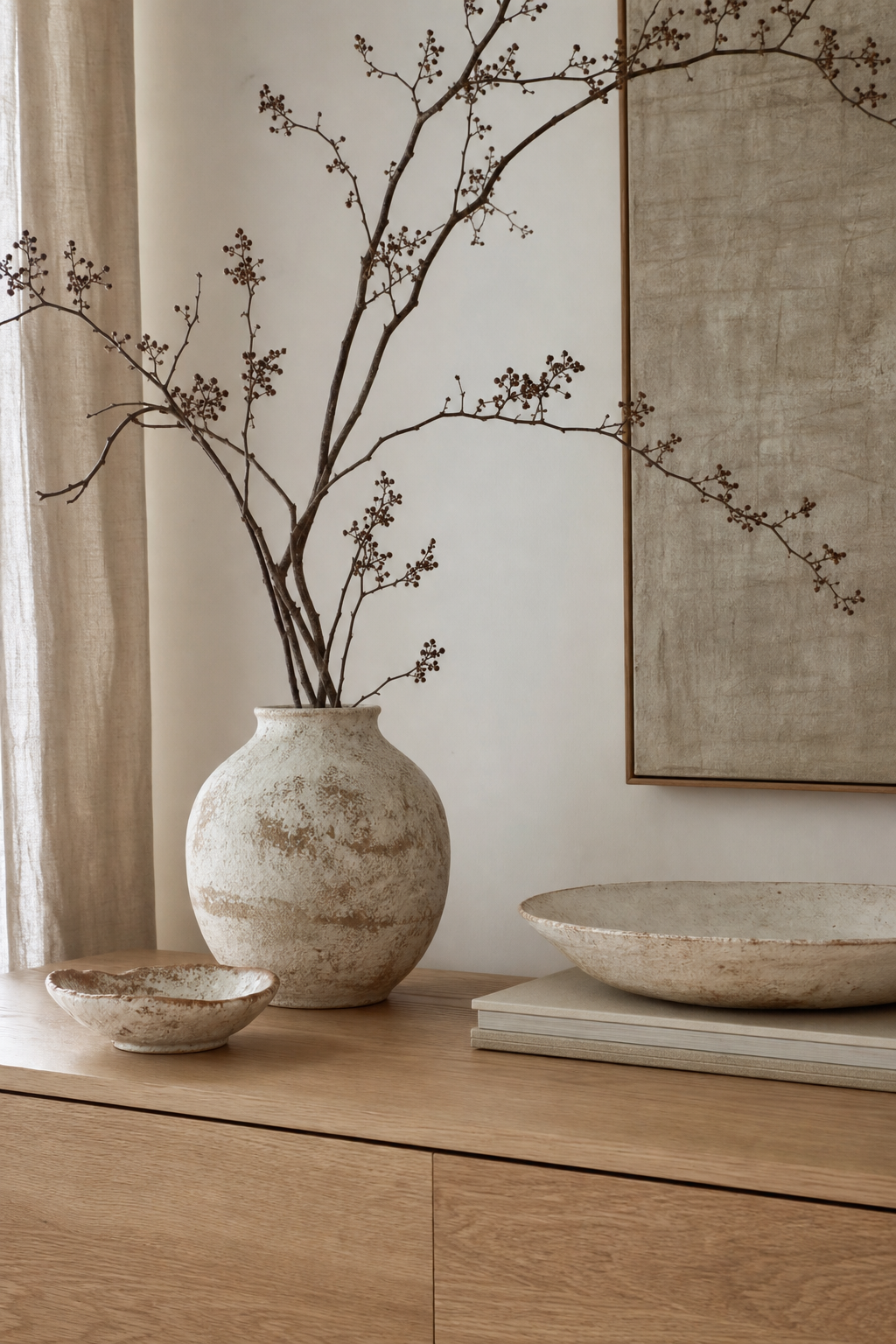
Handmade ceramics add warmth to Scandinavian interiors without visual clutter. A matte vase, small bowl, lamp base, or pitcher brings shape and imperfection to clean-lined rooms. Choose pieces in cream, smoke, clay, warm gray, or muted blue. Display them sparingly so each one has presence. Ceramics work especially well against pale wood, white walls, and wool textiles because they introduce a grounded, tactile quality. In a refresh, replace several small decorative objects with one stronger ceramic piece. It will look calmer and more expensive. The room gains personality through material and form rather than busy styling, which is exactly where Scandinavian design feels most confident.
Design A Calm Work Nook
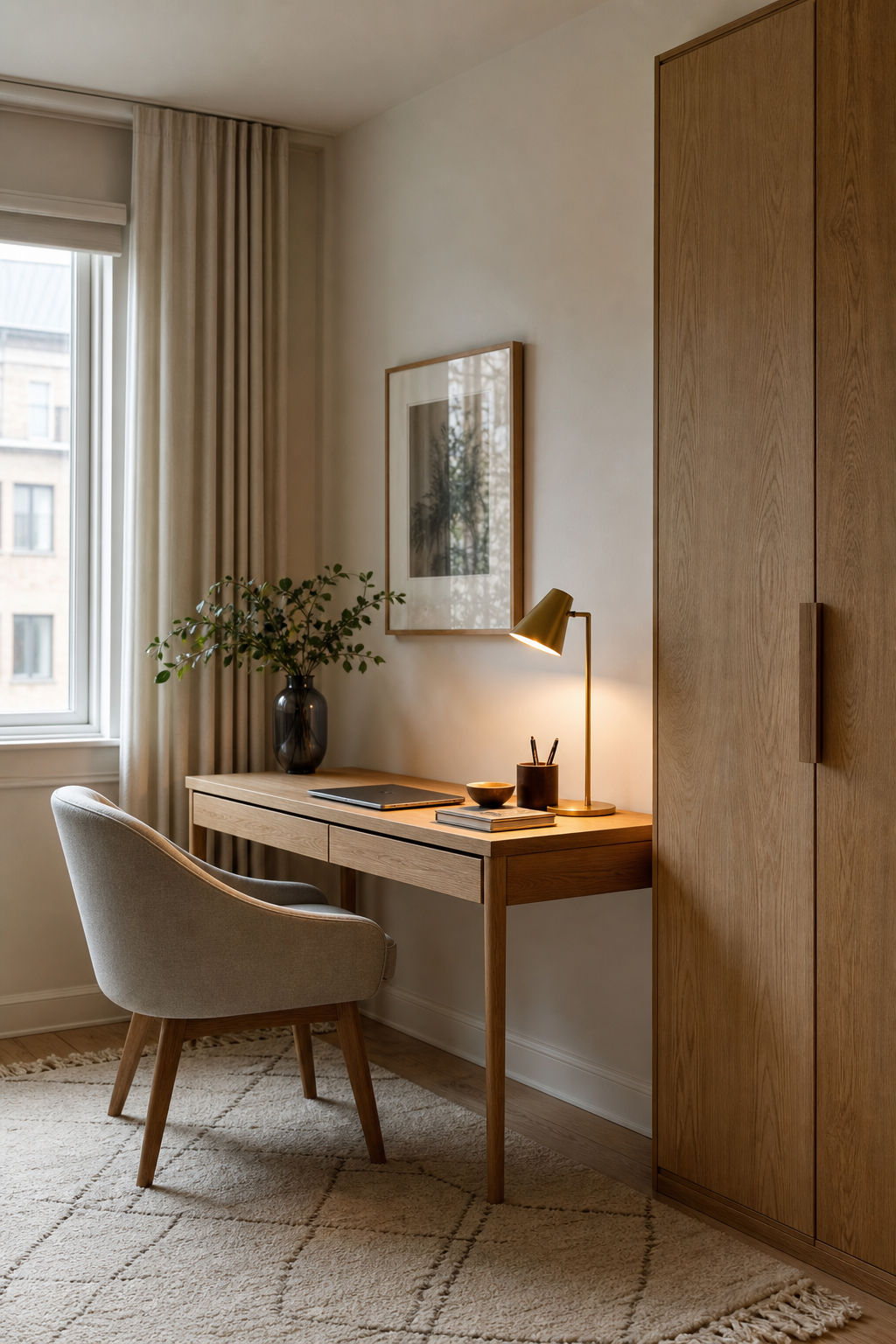
A Scandinavian work nook should support focus without feeling corporate. Use a narrow desk, comfortable chair, task lamp, and closed storage for papers and chargers. Keep the palette soft and materials natural: oak, white, linen, wool, and matte metal. If the desk is in a living room or bedroom, make sure it relates to the surrounding furniture so it does not feel like an afterthought. Good lighting is essential, especially for evening work. Leave the surface mostly clear except for daily essentials. A calm work nook can make a home refresh feel immediately more functional while preserving the peaceful mood of the room.
Bring Nature Indoors With Restraint
Nature is a major influence in Scandinavian interiors, but restraint keeps it elegant. Use one branch arrangement, a healthy plant, a stone bowl, or a woven basket rather than filling every surface. Natural elements should feel connected to the room, not scattered. A single sculptural branch in a ceramic vase can be more powerful than many small accessories. Plants should be placed where they can thrive. Materials such as wood, wool, leather, linen, and stone already bring nature into the home, so greenery can be minimal. This approach creates a fresh, grounded atmosphere while keeping the room easy to maintain. It feels calm because the natural details have space around them.
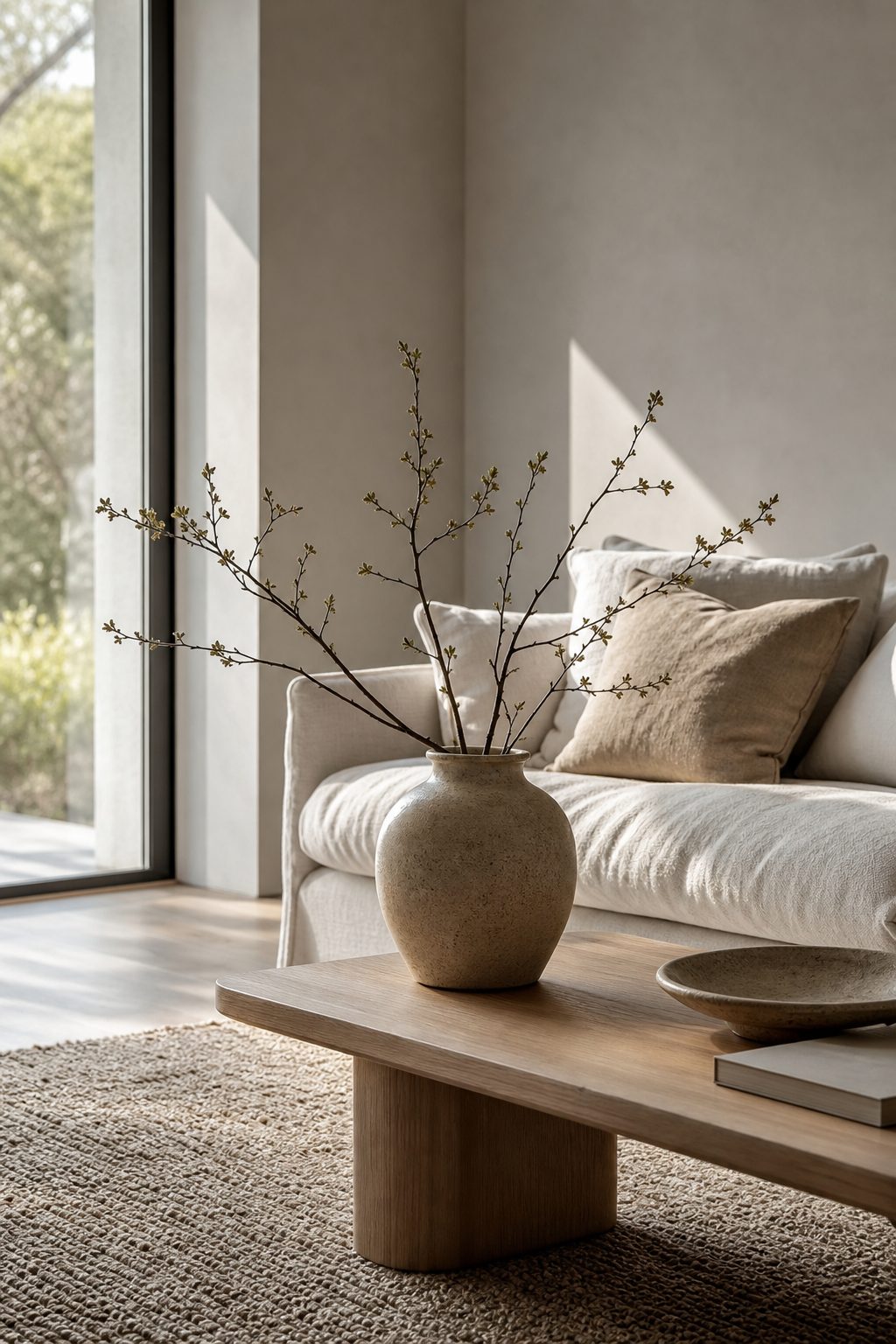
Try Warm Minimal Art
Art in a Scandinavian interior does not have to be dramatic. Warm minimal pieces can give a room focus while preserving its calm. Look for abstract works, quiet landscapes, line drawings, or textile art in soft neutrals and muted tones. The frame should be simple: pale wood, black, white, or natural oak. One larger piece often looks better than many small prints. Hang it where it balances furniture and light, not just where there is empty wall. Art can introduce color, movement, and personality without adding physical clutter. For a home refresh, a single thoughtful artwork can make a room feel finished and more personal.
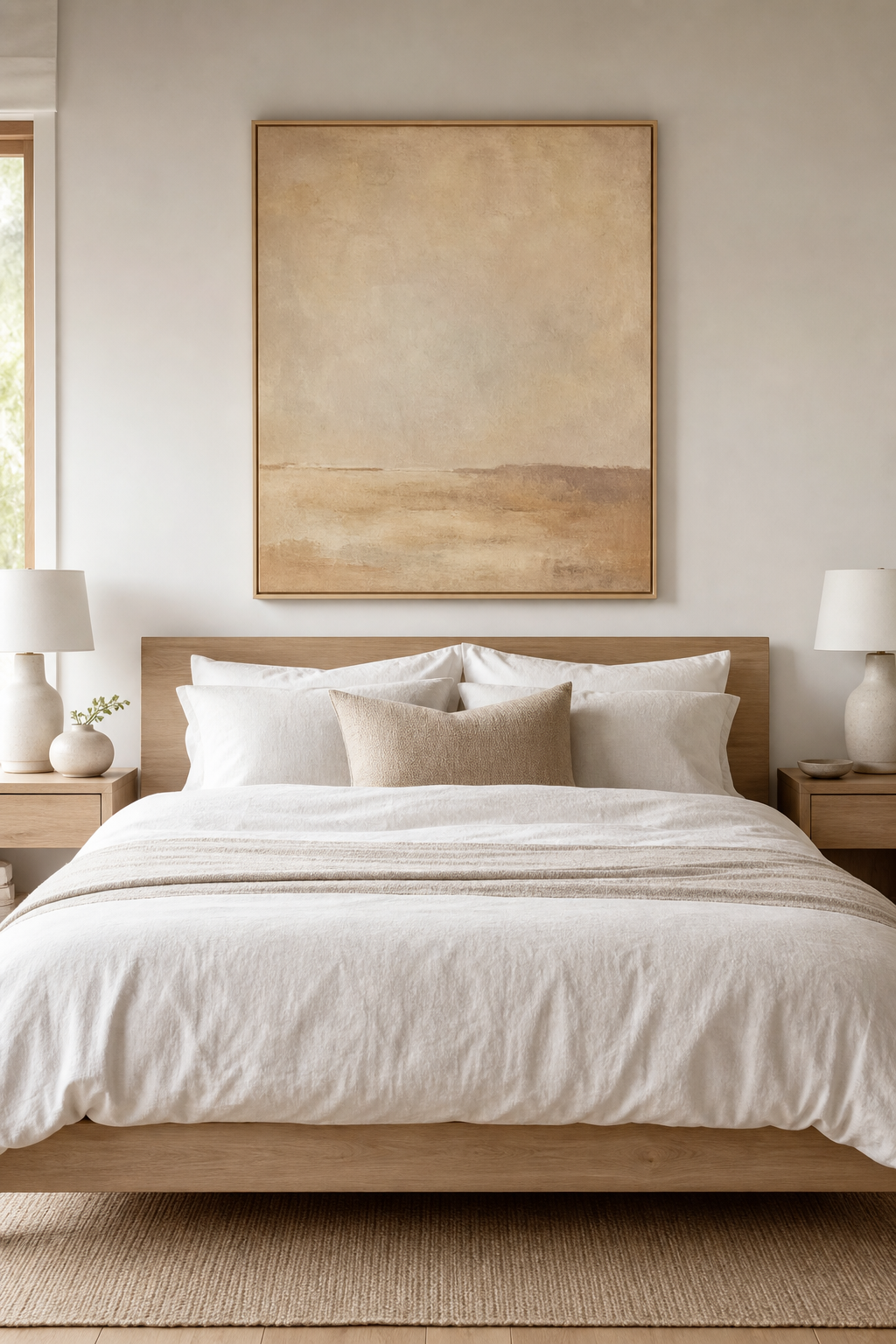
Use Rounded Edges For Softness
Rounded edges make Scandinavian interiors feel more human. A round dining table, curved chair back, oval mirror, soft-corner cabinet, or circular lamp can balance the straight lines of walls and floors. Curves are especially useful in small rooms because they improve movement and reduce visual sharpness. Keep the forms simple so the room still feels clean. A round table in a breakfast nook or an oval mirror in an entry can change the mood without adding clutter. This softness is subtle, but it matters. Scandinavian design is often described as minimal, yet the best rooms are never harsh. Rounded shapes help create that quiet comfort.
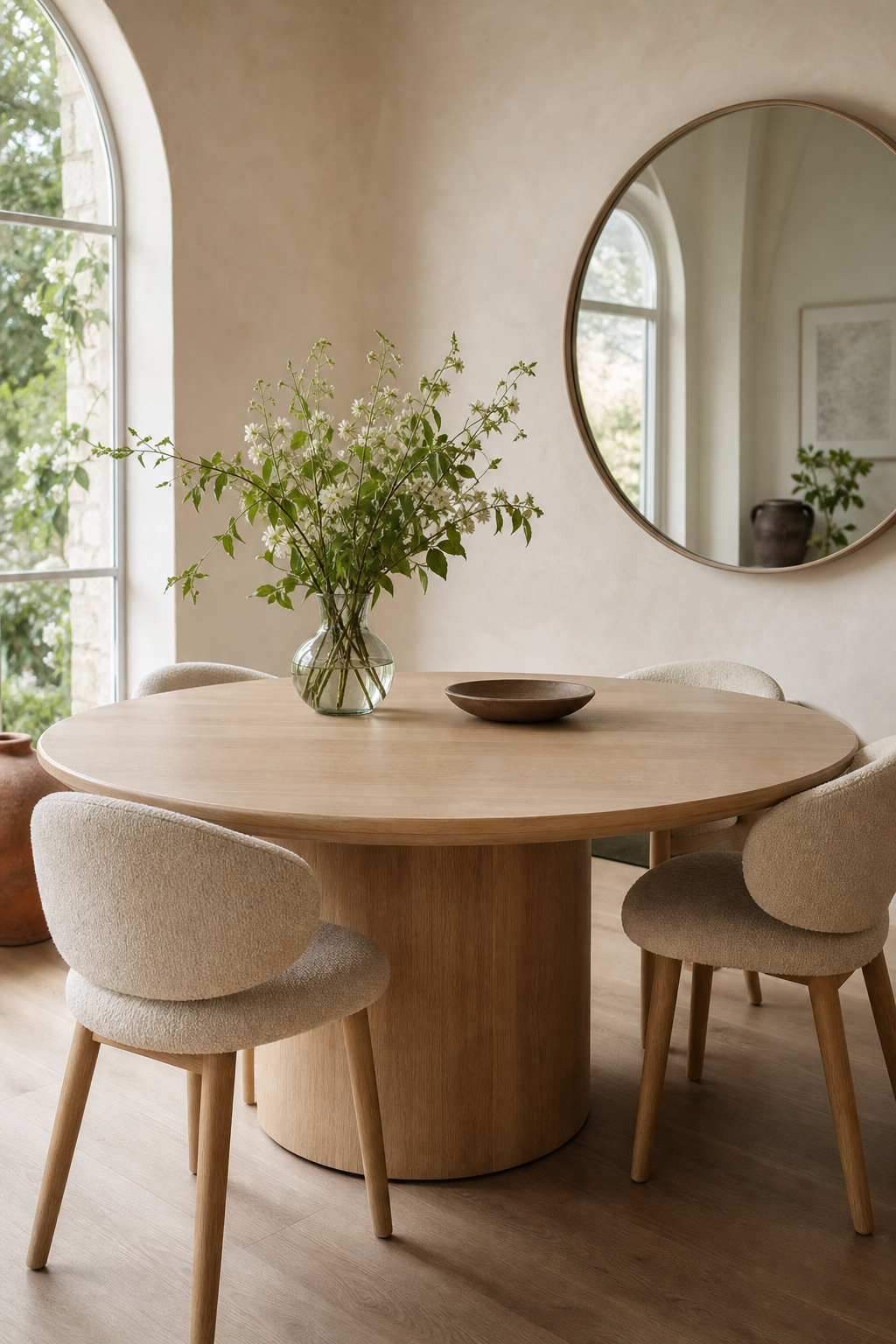
Make The Bedroom Quiet And Tactile
A Scandinavian bedroom should be simple enough for sleep and tactile enough to feel inviting. Start with pale walls, linen bedding, a wool throw, and wood furniture with gentle proportions. Keep bedside surfaces clear and lighting warm. A rug underfoot will soften sound and make mornings more comfortable. Avoid over-styling the bed with too many pillows. The room should look easy to use, not arranged for display. A quiet bedroom refresh can be very small: better bedding, softer lighting, and a calmer nightstand. These changes create the feeling Scandinavian interiors do so well, where beauty and rest are part of the same decision.
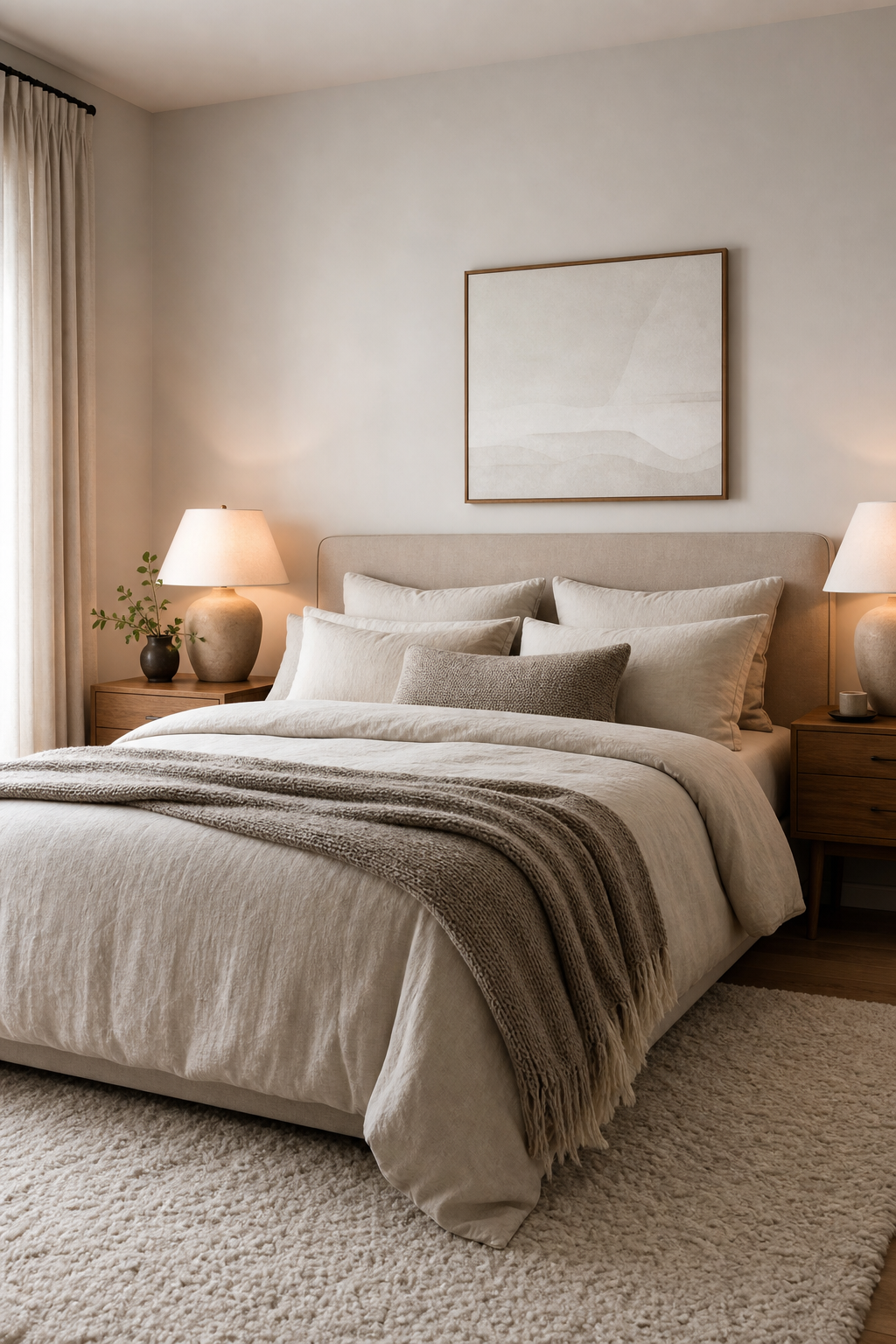
Finish With A Practical Edit
The final Scandinavian refresh is an edit. Remove objects that do not serve comfort, function, or meaning. Clear surfaces, simplify shelves, hide cords, and give everyday items a proper place. Then look at what remains: light, wood, textiles, useful furniture, and a few personal details. This editing process is not about making a home empty. It is about allowing the best choices to breathe. Scandinavian interiors work because they respect daily life while reducing unnecessary noise. Once the room is edited, cleaning becomes easier and the atmosphere feels calmer. The home looks refreshed because it functions better, not because it has been filled with new things.
A Scandinavian home refresh works best when beauty and function improve together. Start with light, wood, storage, texture, and warm lighting, then edit until the room feels calm rather than sparse. With a few thoughtful choices, the home can feel brighter, softer, and more useful without losing personality.