22 My Room Ideas To Inspire Your Next Home Refresh
Your room should feel personal without becoming visually noisy. A good refresh starts by choosing what the space needs most: better sleep, clearer storage, warmer light, a smarter desk, or a calmer first impression. These ideas are designed for bedrooms, guest rooms, dorm-inspired spaces, and personal retreats that need more polish without losing individuality. Use them as a practical design checklist, then adapt the details to the size, architecture, and routines of your own room.
Reset The Bed As The Main Design Anchor
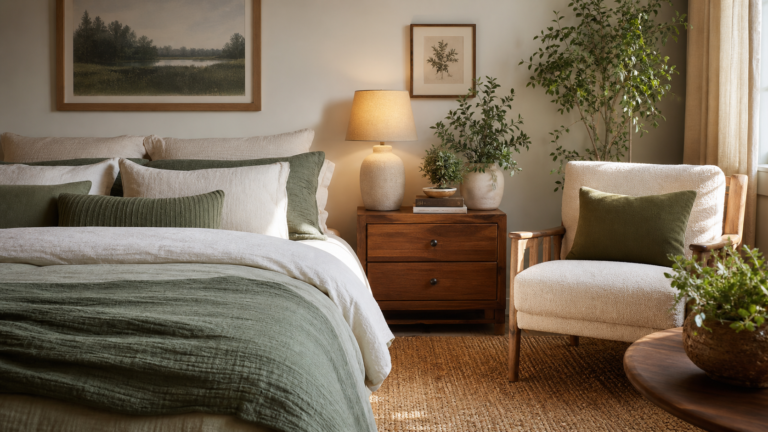
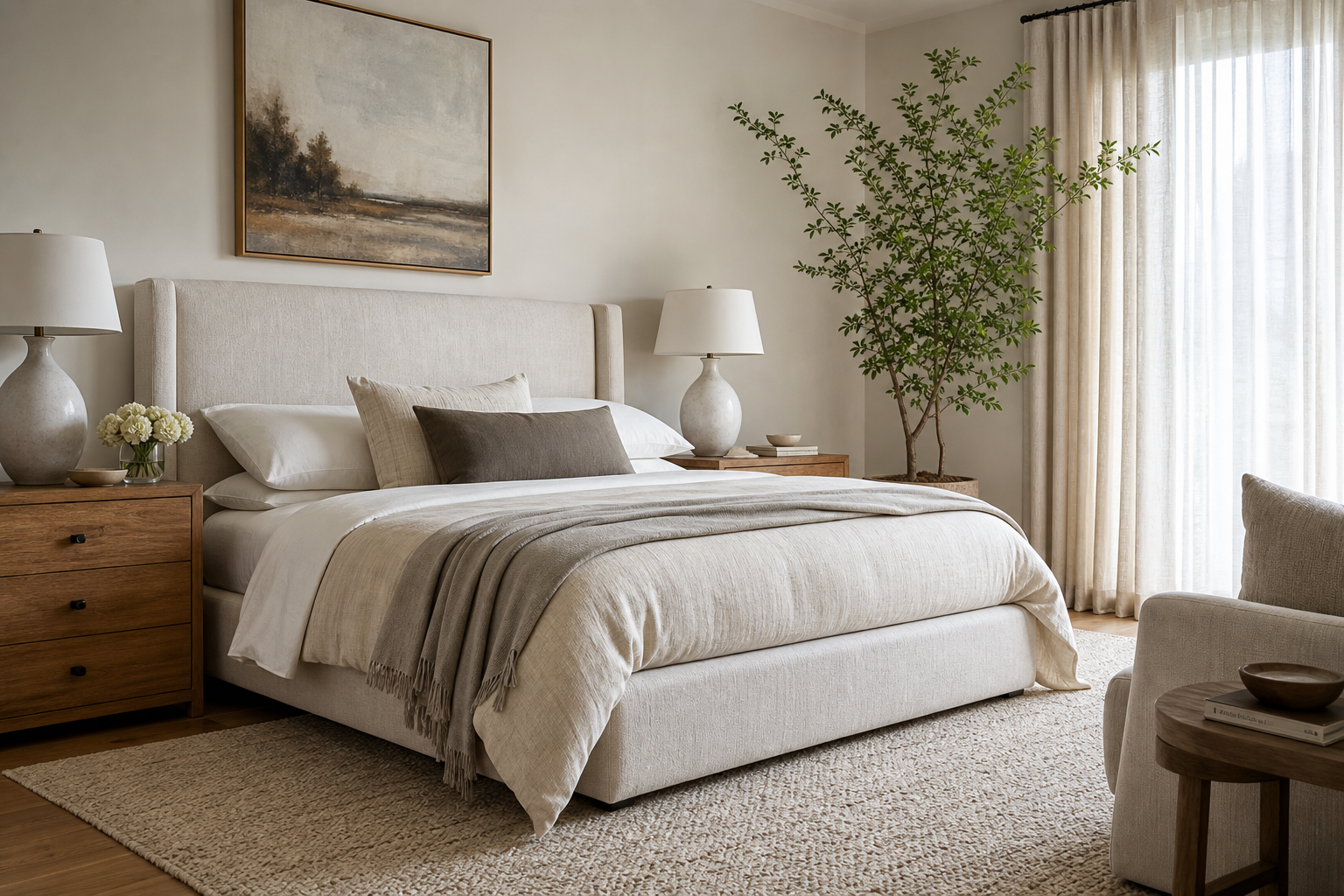
The bed is usually the largest object in the room, so let it set the tone. Center it on the strongest wall when possible, then build the rest of the layout around it. A simple upholstered or wood headboard gives the bed presence without visual clutter. Keep the bedding layered but edited: sheets, a duvet, a textured coverlet, and one long accent pillow are enough. Add matching or related lights on both sides so the bed feels intentional. Once the bed wall is calm and balanced, the rest of the room has a clearer job. It becomes easier to decide what should stay, move, or disappear.
Choose A Signature Color And Repeat It
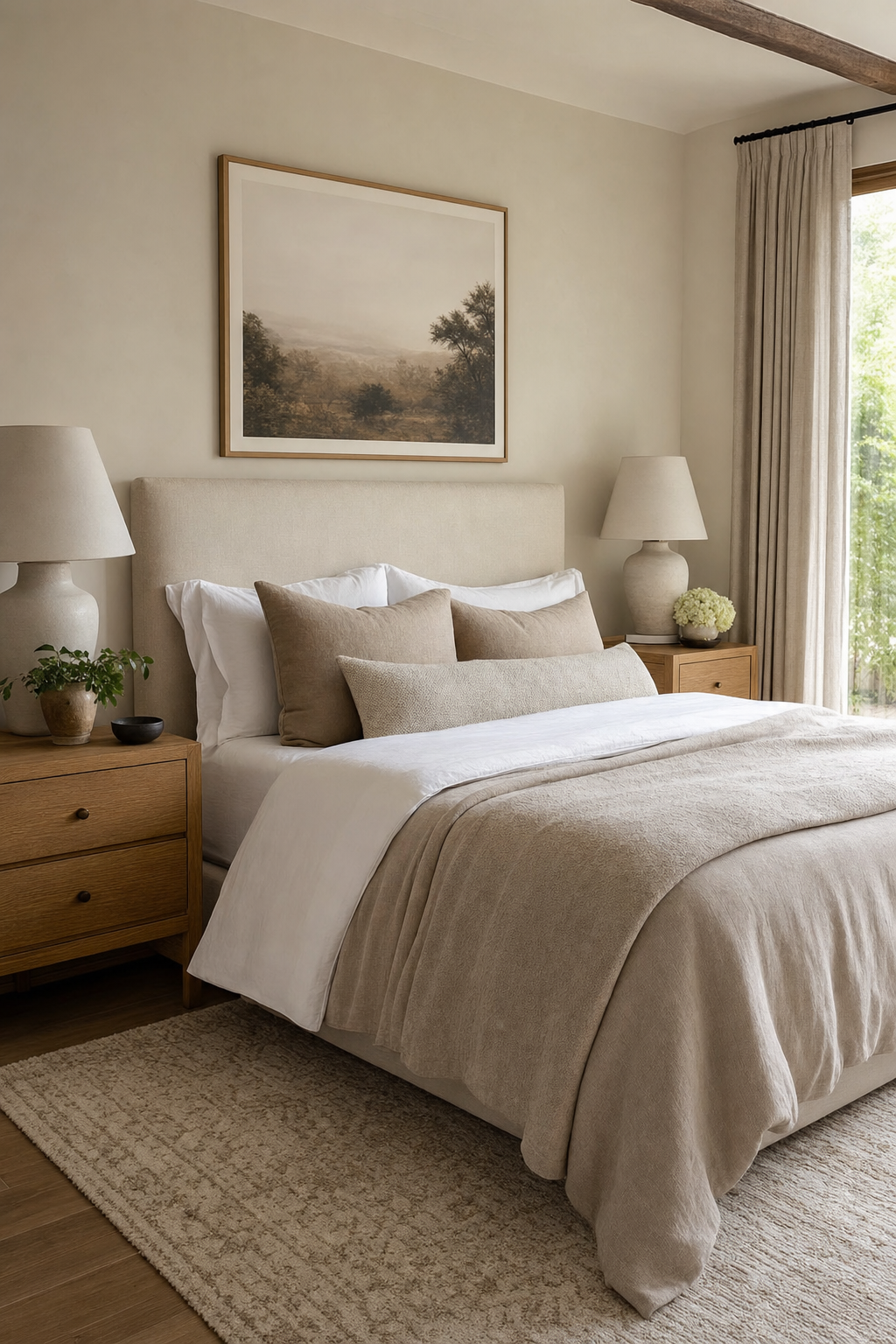
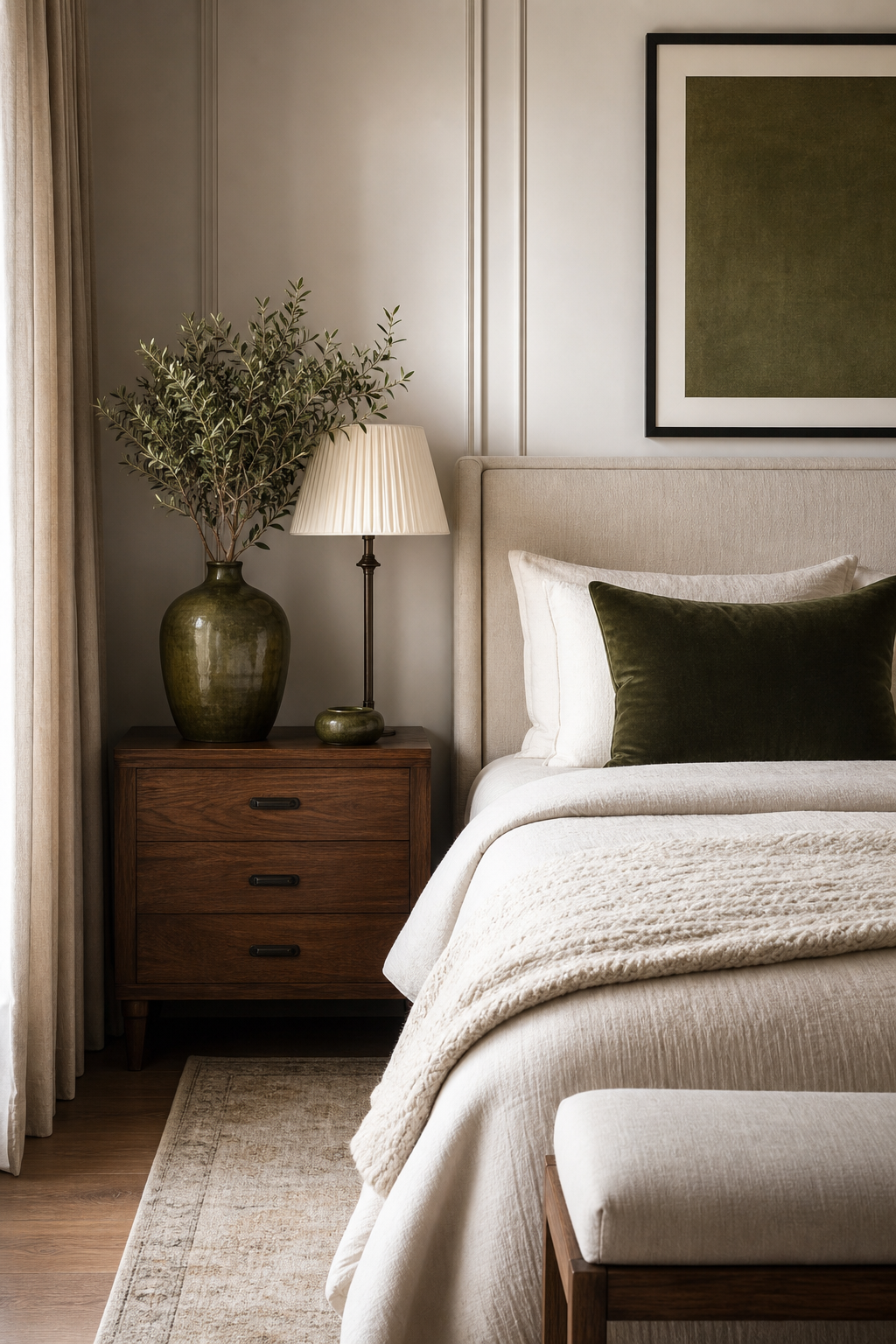
A personal room feels more designed when one color appears in several small places. Choose a signature shade such as olive, clay, dusty blue, chocolate, plum, or soft black, then repeat it through a pillow, artwork, throw, lamp base, or storage box. The color does not need to dominate the room; it simply needs enough repetition to feel deliberate. Keep larger surfaces calmer if you want flexibility later. This approach is especially useful when you already own mismatched pieces because the repeated color becomes a visual thread. The room starts to feel collected instead of accidental, while still reflecting your taste.
Create A Desk Zone That Looks Residential
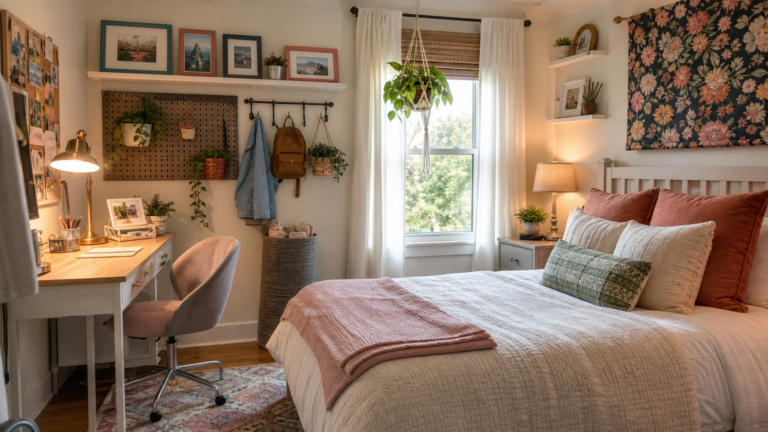
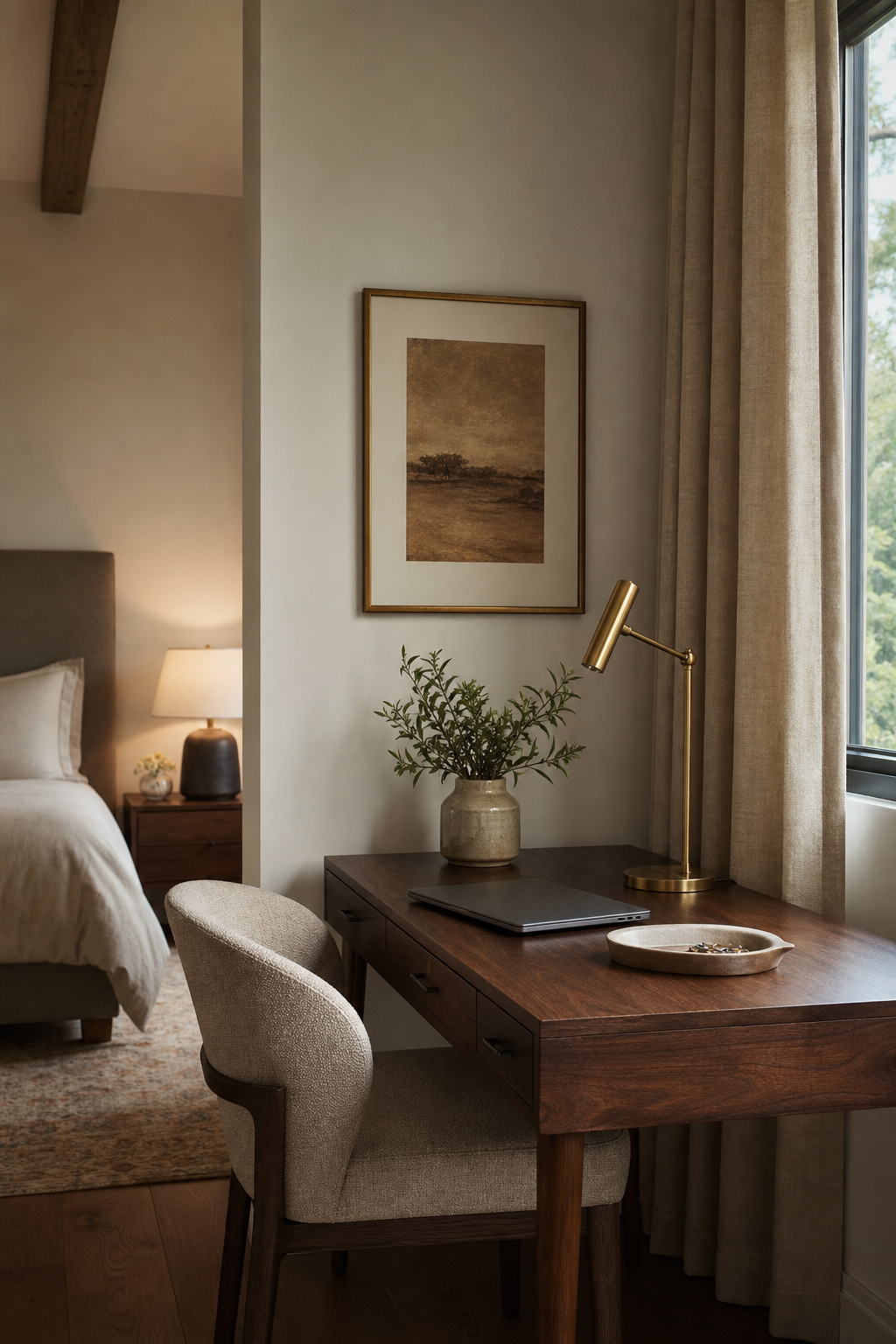
If your room includes a desk, make it feel like part of the decor rather than a separate office. Choose a desk in wood, painted metal, or a slim wall-mounted style that suits the room’s scale. Add a real lamp, a small tray, and closed storage for supplies so the surface can reset quickly. Keep the chair comfortable but not bulky, and tuck it in fully when not in use. A framed print, pinboard, or shelf above the desk can define the zone without crowding the walls. When the desk shares materials with the bed or nightstands, the whole room feels more cohesive.
Use A Rug To Make The Room Feel Finished
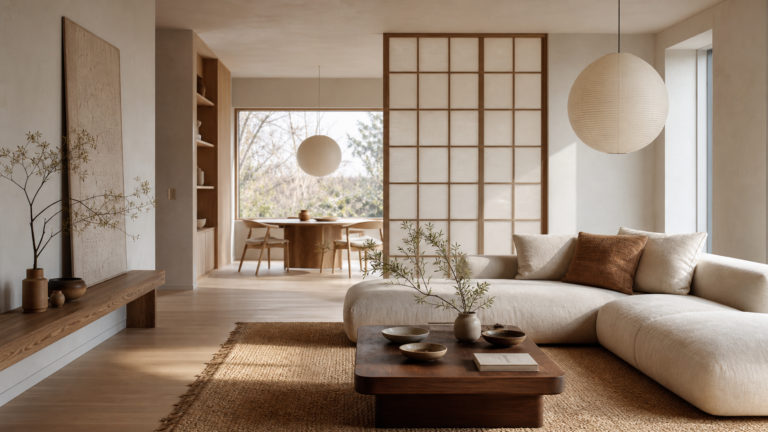
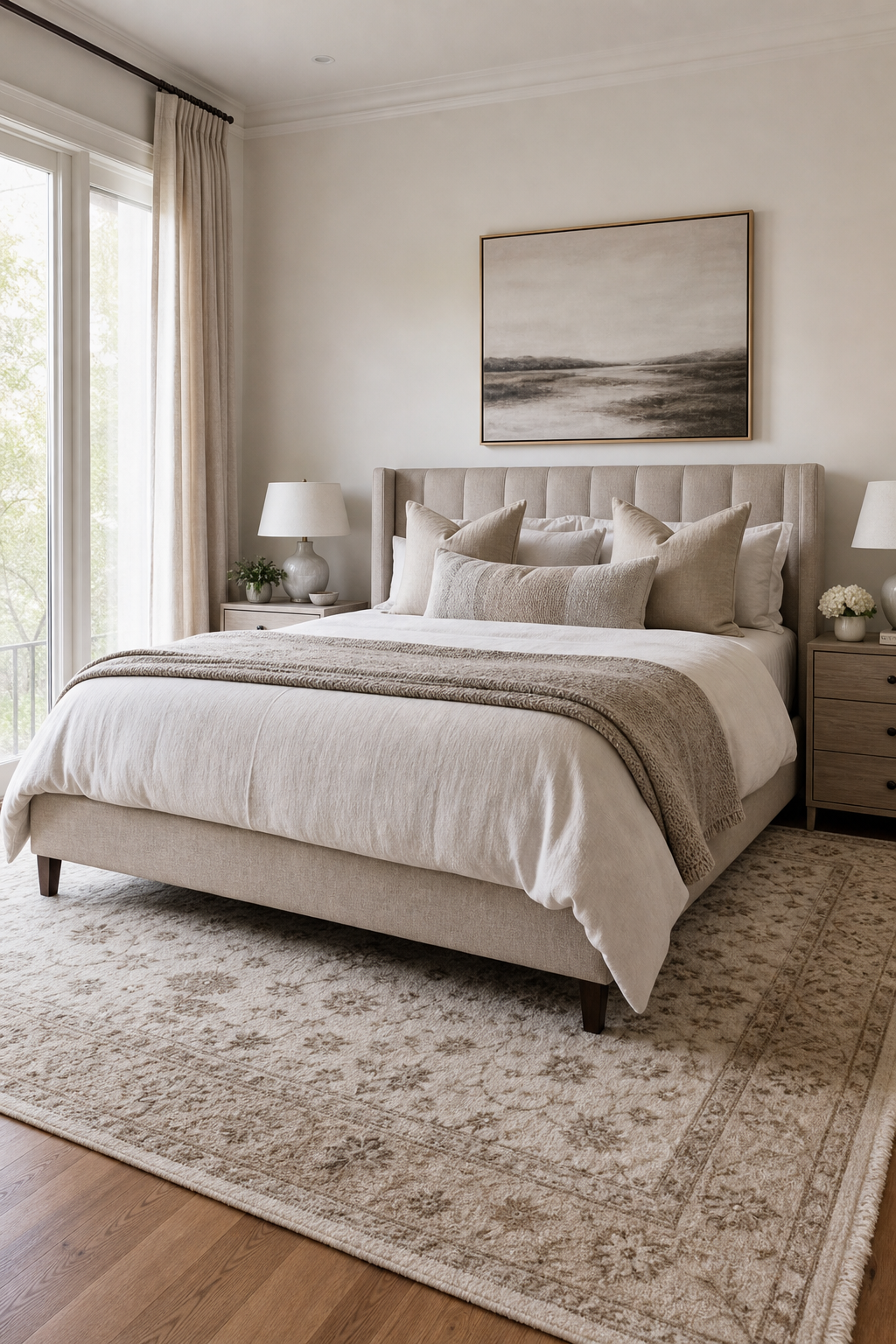
A rug gives a personal room softness, sound control, and a sense that the furniture belongs together. In a bedroom, place it under the lower portion of the bed so it extends beyond the sides and foot. In a room with a desk or reading chair, use the rug to connect those pieces visually to the bed instead of letting them float. Wool, jute, cotton, and low-pile vintage-style rugs are practical choices. Pattern can hide daily wear, while texture adds warmth to plain floors. The right rug makes the room feel less temporary and more like a designed retreat overall.
Swap Harsh Overhead Light For Layers
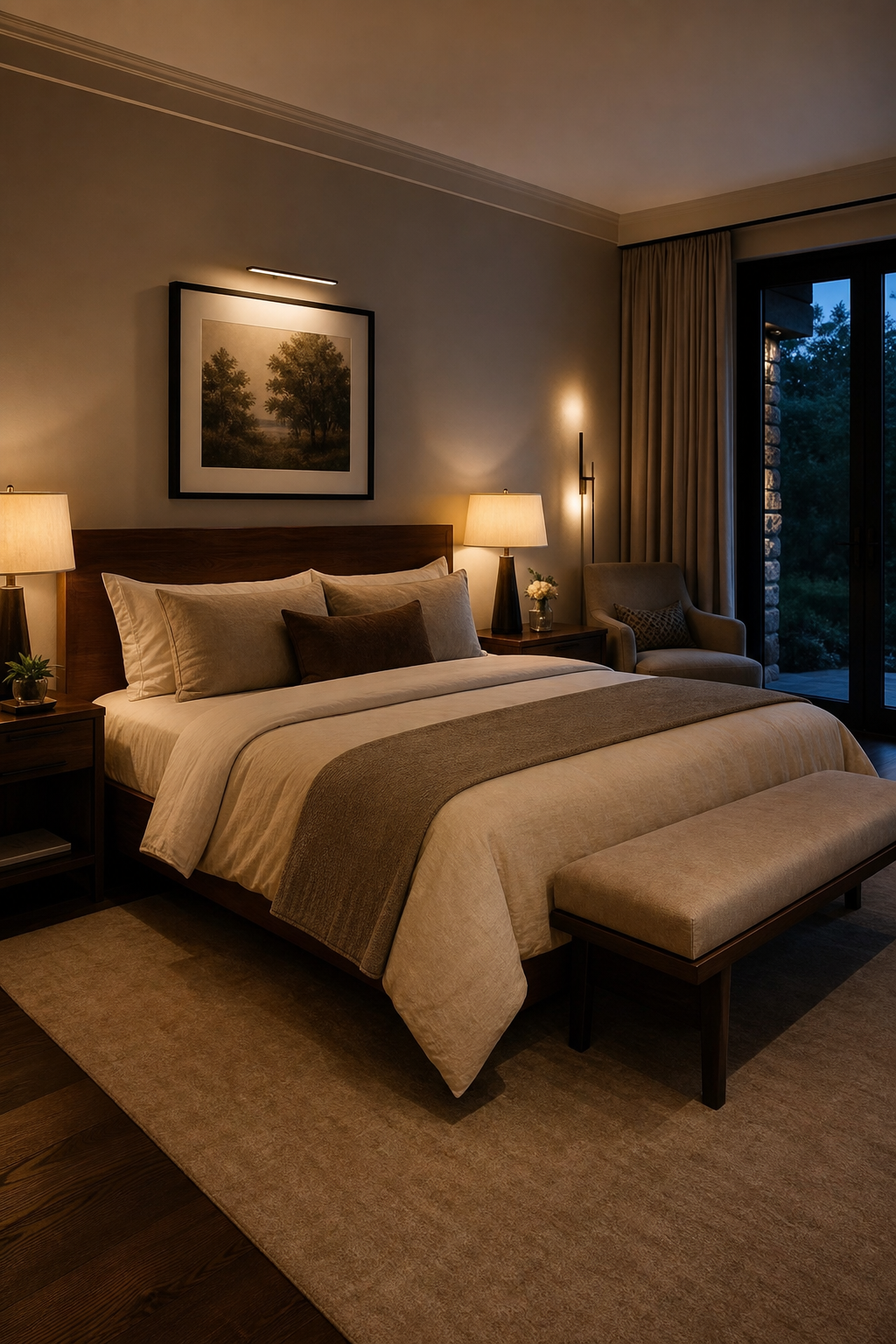
A room refresh often changes most at night, when lighting decides the mood. Instead of relying on one ceiling fixture, layer bedside lamps, sconces, a desk lamp, and possibly a small floor lamp. Use warm bulbs and shades that diffuse light rather than expose it. Task lighting should land where you read, work, or get ready; ambient lighting should soften the corners. If you can add dimmers, do it. Good lighting makes inexpensive furniture look better because it adds shadow, texture, and depth. The room will feel calmer, more expensive, and easier to use across different parts of the day.
Style Open Shelves With Breathing Room
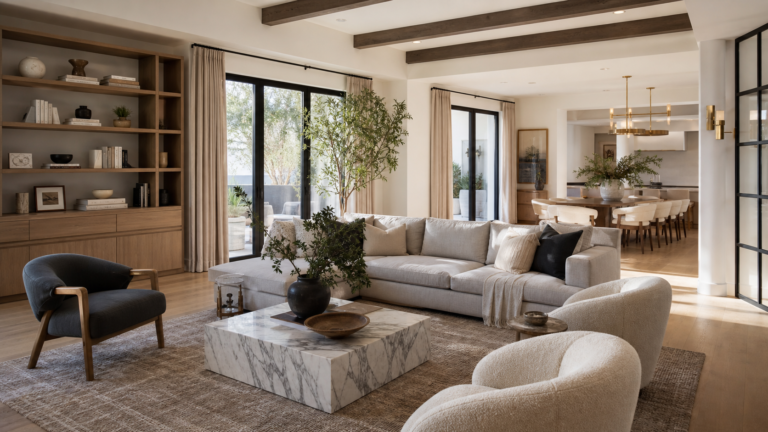
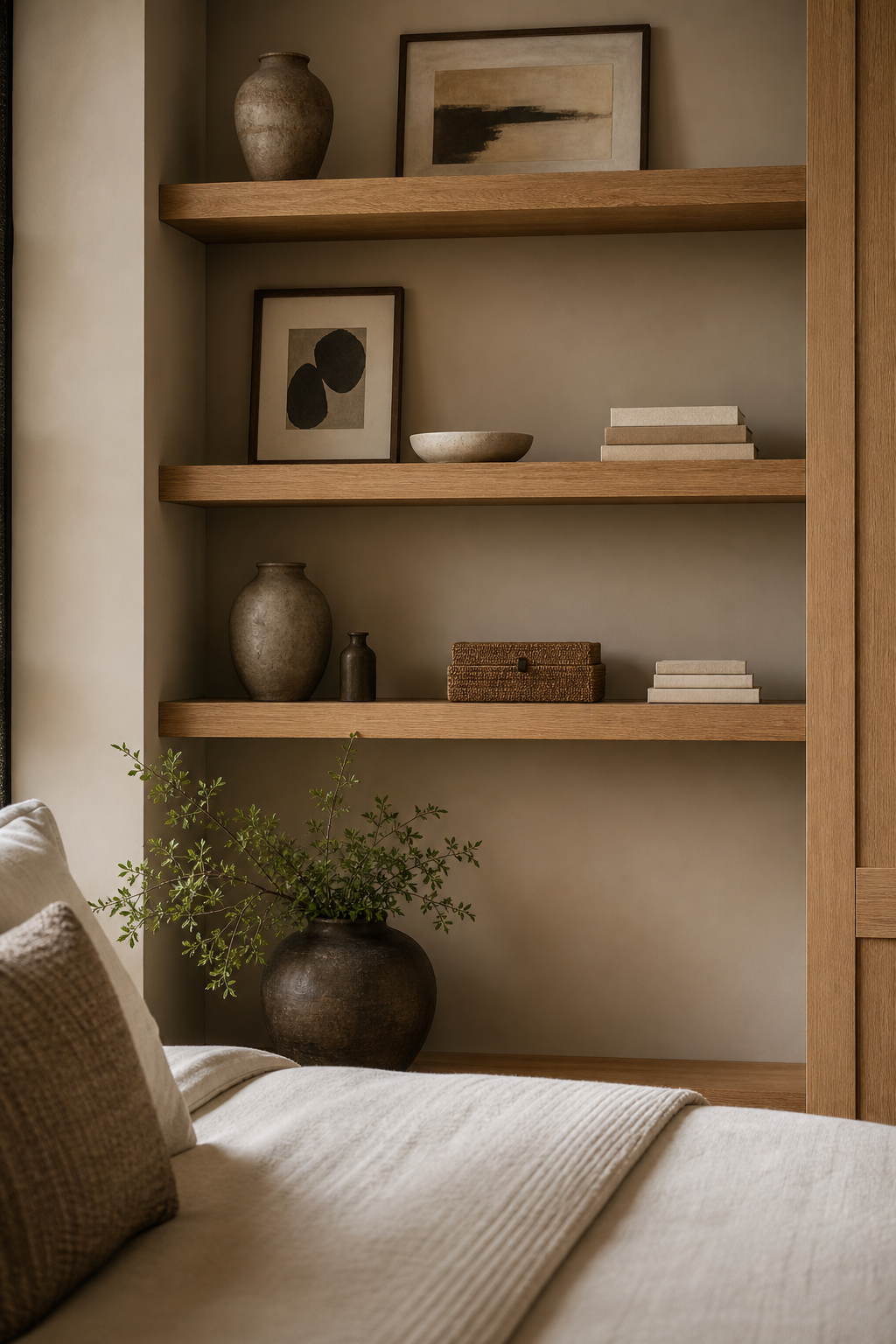
Open shelves can show personality, but they need editing. Start by grouping items by type: books, vessels, framed pieces, baskets, and small objects. Then leave intentional empty space so every shelf is not filled edge to edge. Use larger pieces instead of many tiny ones, and repeat a few materials such as wood, ceramic, woven fiber, or metal. If the shelves are near the bed, keep the palette calmer so the sleeping zone still feels restful. A few personal details matter more when they are not crowded. Styled shelves should tell a story without making the room harder to clean.
Add A Mirror Where It Helps The Routine
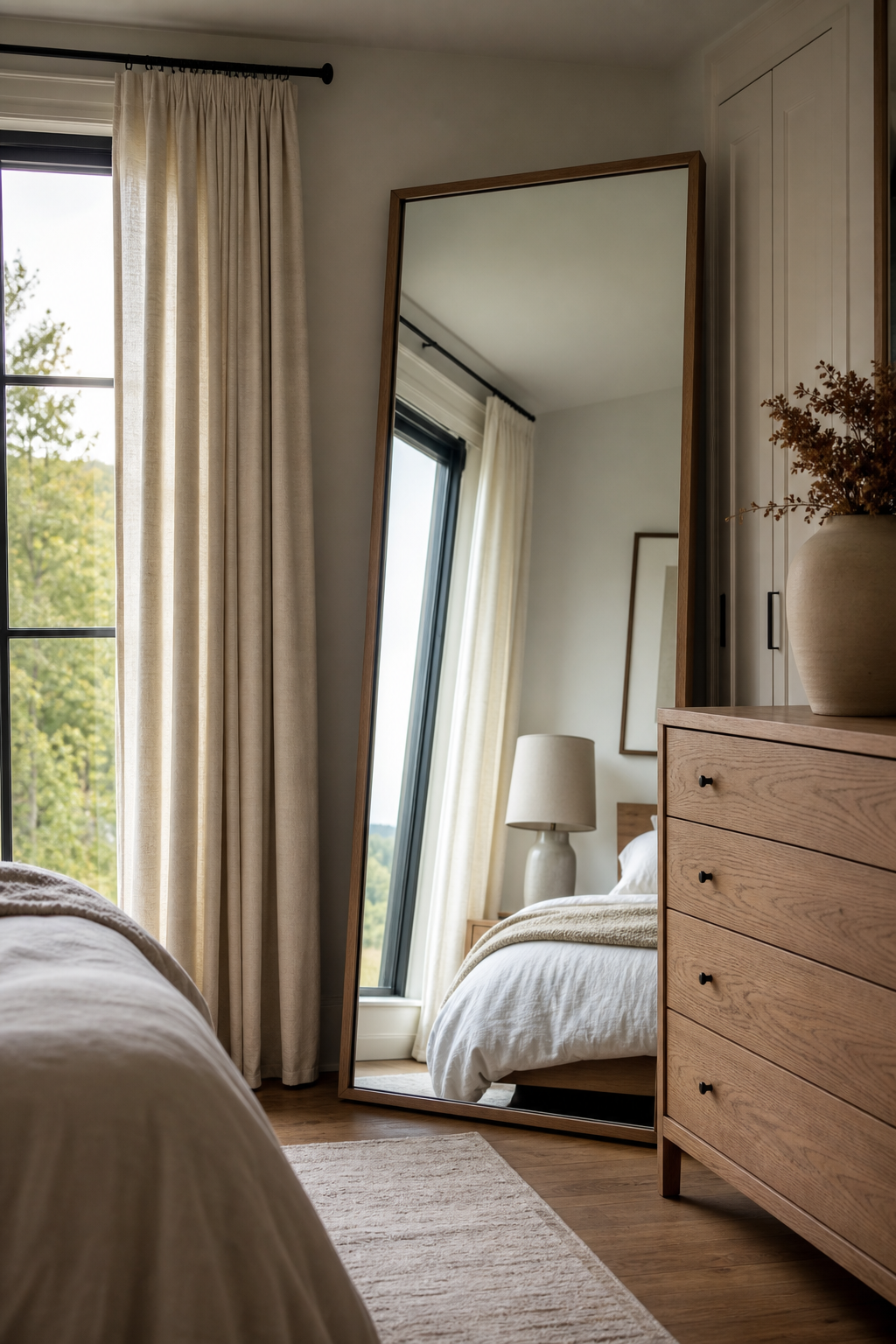
A mirror should do more than fill a wall. Place it where it supports getting dressed, reflects natural light, or improves the view into the room. A tall leaning mirror beside a closet is practical, while a wall mirror above a dresser can create a small getting-ready zone. Avoid reflecting messy storage, laundry, or a busy desk. The frame should relate to another material in the room, such as wood, brass, black metal, or painted trim. When a mirror is positioned thoughtfully, it makes the room feel brighter and more functional without adding another storage piece nearby. Even a modest mirror feels elevated when the sightline is calm.
Use Closed Storage For Visual Calm
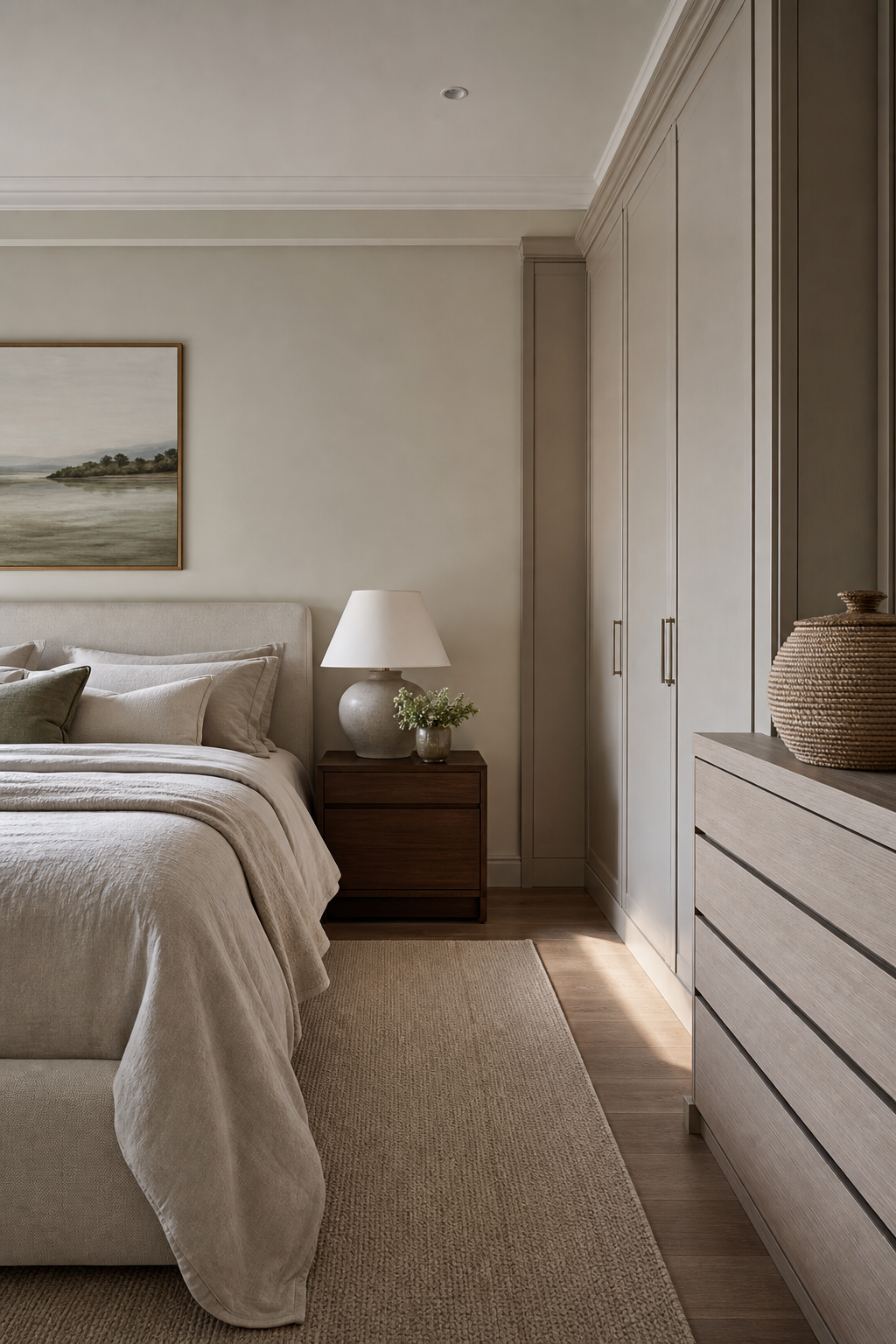
Personal rooms collect chargers, skincare, notebooks, accessories, laundry, and small daily objects. Closed storage keeps those things from becoming the room’s visual identity. Use drawers, lidded baskets, storage boxes, a skirted table, or a cabinet with doors. The goal is not to hide everything; it is to decide what deserves to be seen. Keep open surfaces for beautiful and useful pieces, then tuck the rest away. Matching storage can help, but material matters more than perfection. Woven baskets, painted boxes, wood drawers, and fabric bins all work when they match the room’s palette. Calm storage makes cleaning faster and styling easier.
Try A Headboard Wall With Art Above
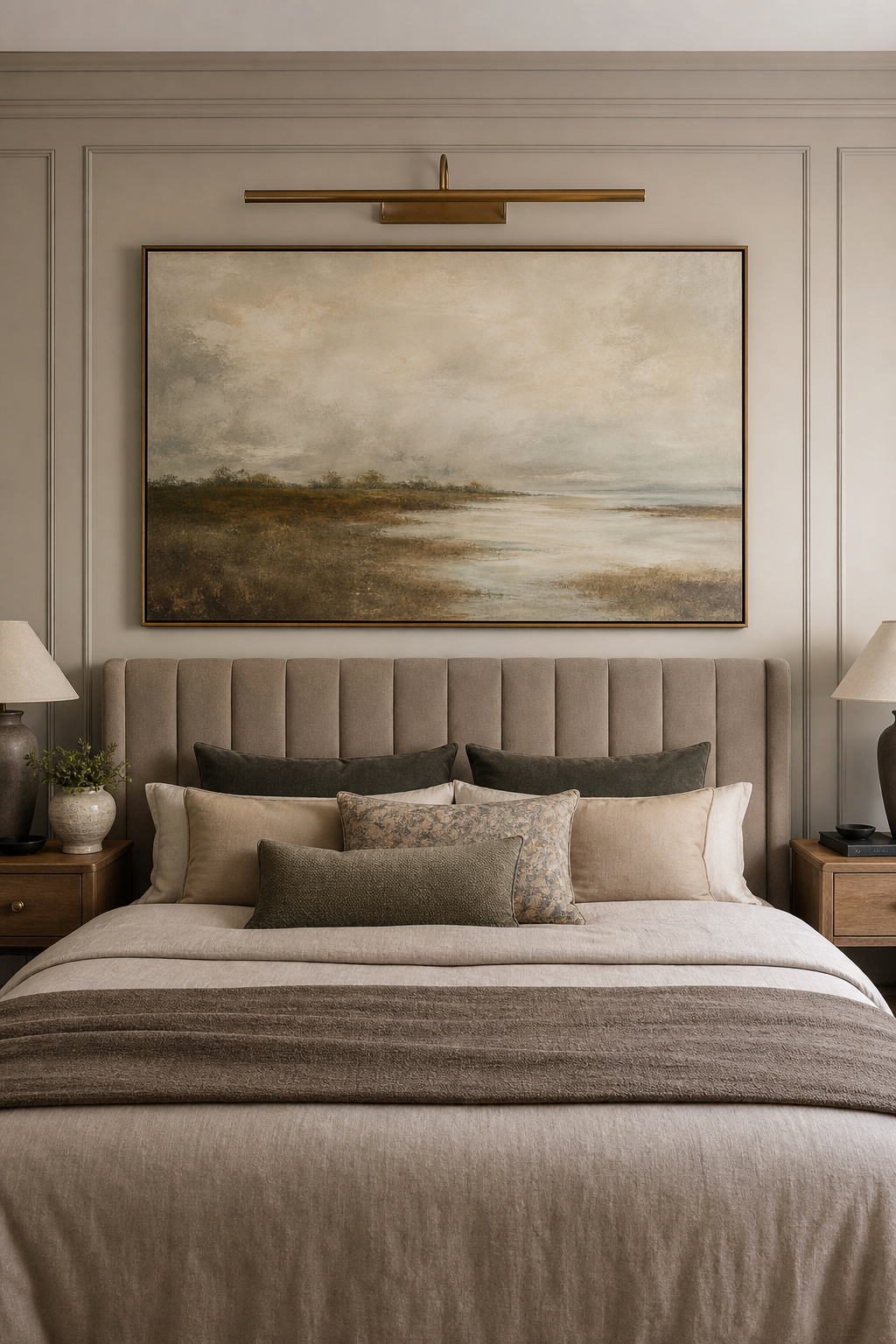
The wall above the bed is often the easiest place to create a polished focal point. Choose one large artwork, a pair of framed pieces, or a narrow picture ledge with edited art. Keep the installation wider than the pillows but narrower than the bed for good proportion. If the headboard is low, artwork can add height. If the headboard is tall, choose simpler art or place it slightly higher. Avoid small scattered frames that make the wall feel restless. A clear headboard wall gives the room a finished first impression, especially when the art connects to the bedding or rug colors.
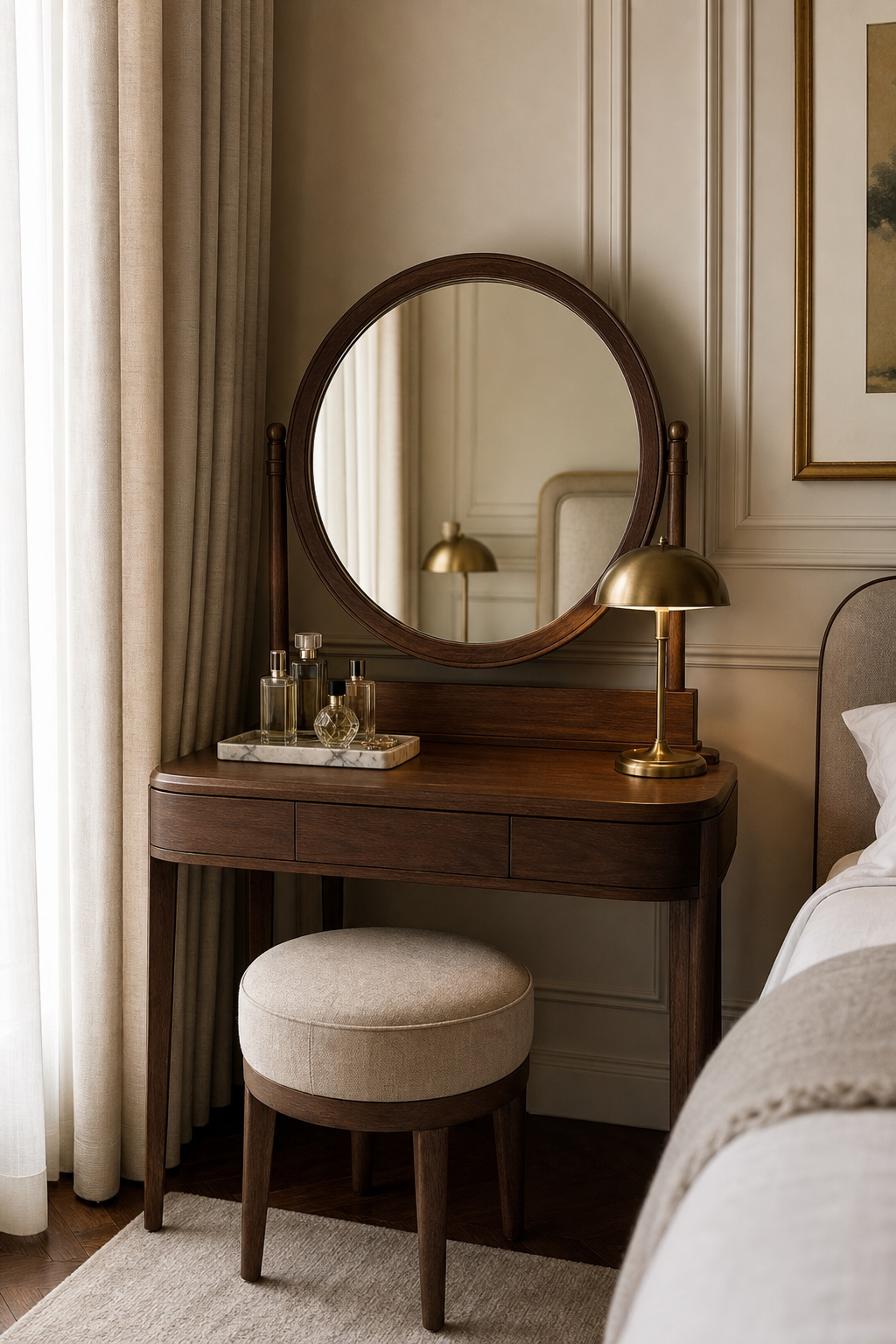
Make A Small Vanity Moment
A small vanity can fit into a bedroom without taking over. Use a narrow table, floating drawer, or dresser top with a mirror and a proper light source. Keep daily products in a tray or closed pouch so the surface stays composed. A stool that tucks underneath saves space and keeps the room flexible. If the vanity shares a wall with the desk, separate the zones with different lighting or a small piece of art. The point is to create a ritual spot that still looks like part of the room. A well-planned vanity adds function, polish, and a little quiet pleasure.
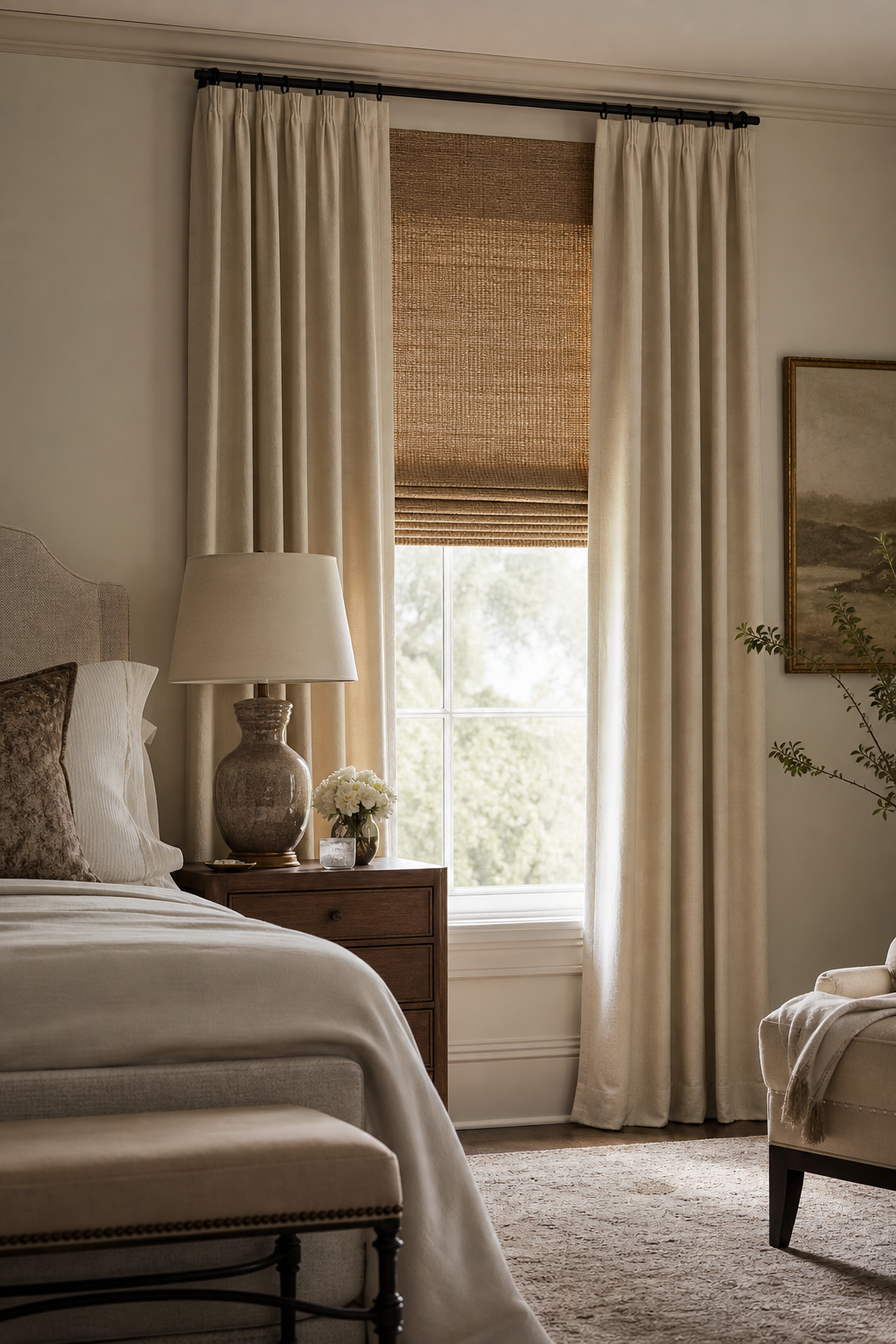
Layer Window Treatments For Privacy
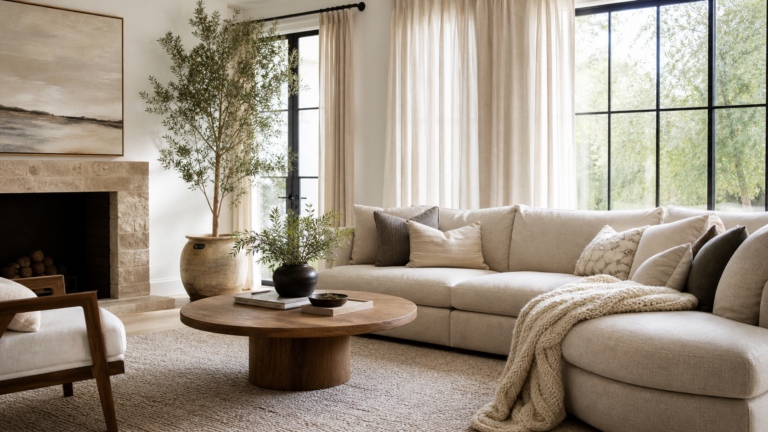
Window treatments can make a room feel softer and more private at the same time. Combine a woven or roman shade with linen curtains for depth and control. The shade handles privacy and daylight, while the curtains add height, texture, and a more finished edge. Mount the curtain rod high and slightly wider than the window to make the room feel taller. Choose fabrics that relate to the bedding instead of fighting it. This idea is especially useful if your room faces a street, courtyard, or neighboring window. The layered window instantly makes the room feel more considered and restful.
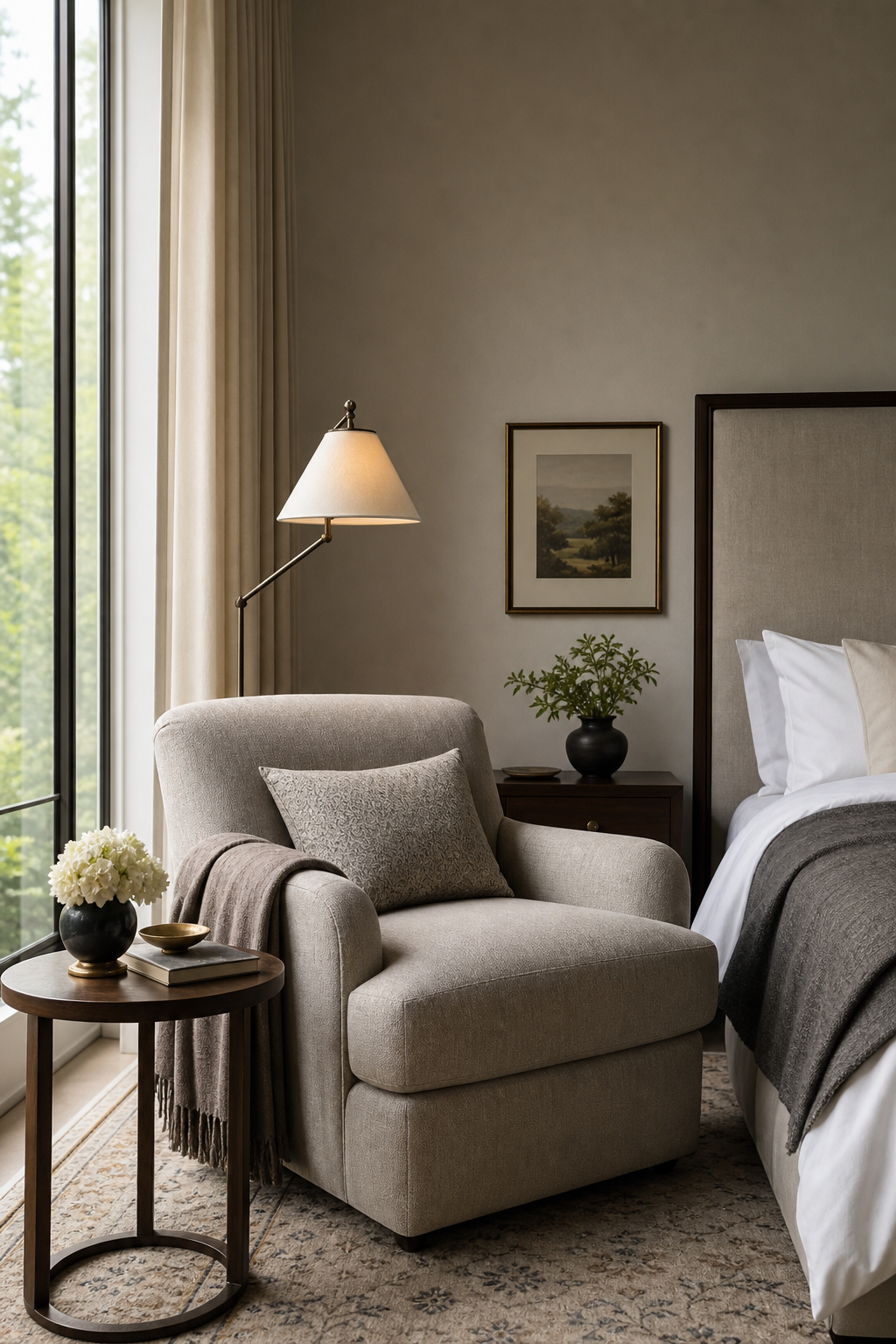
Bring In A Reading Chair If Space Allows
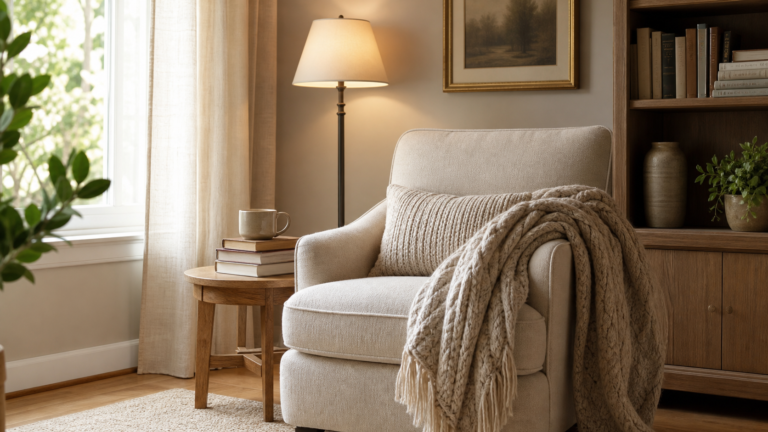
A reading chair can make your room feel like a retreat, but only if it has enough space to function. Choose a compact upholstered chair, slipper chair, or low lounge chair rather than a bulky recliner. Add a small table and lamp so the corner has a purpose. If the room is tight, place the chair near a window or beside a dresser where it does not interrupt the path to the bed. A throw and cushion can connect it to the bedding palette. The chair should invite use, not become a laundry station. When scaled properly, it adds comfort and visual depth.
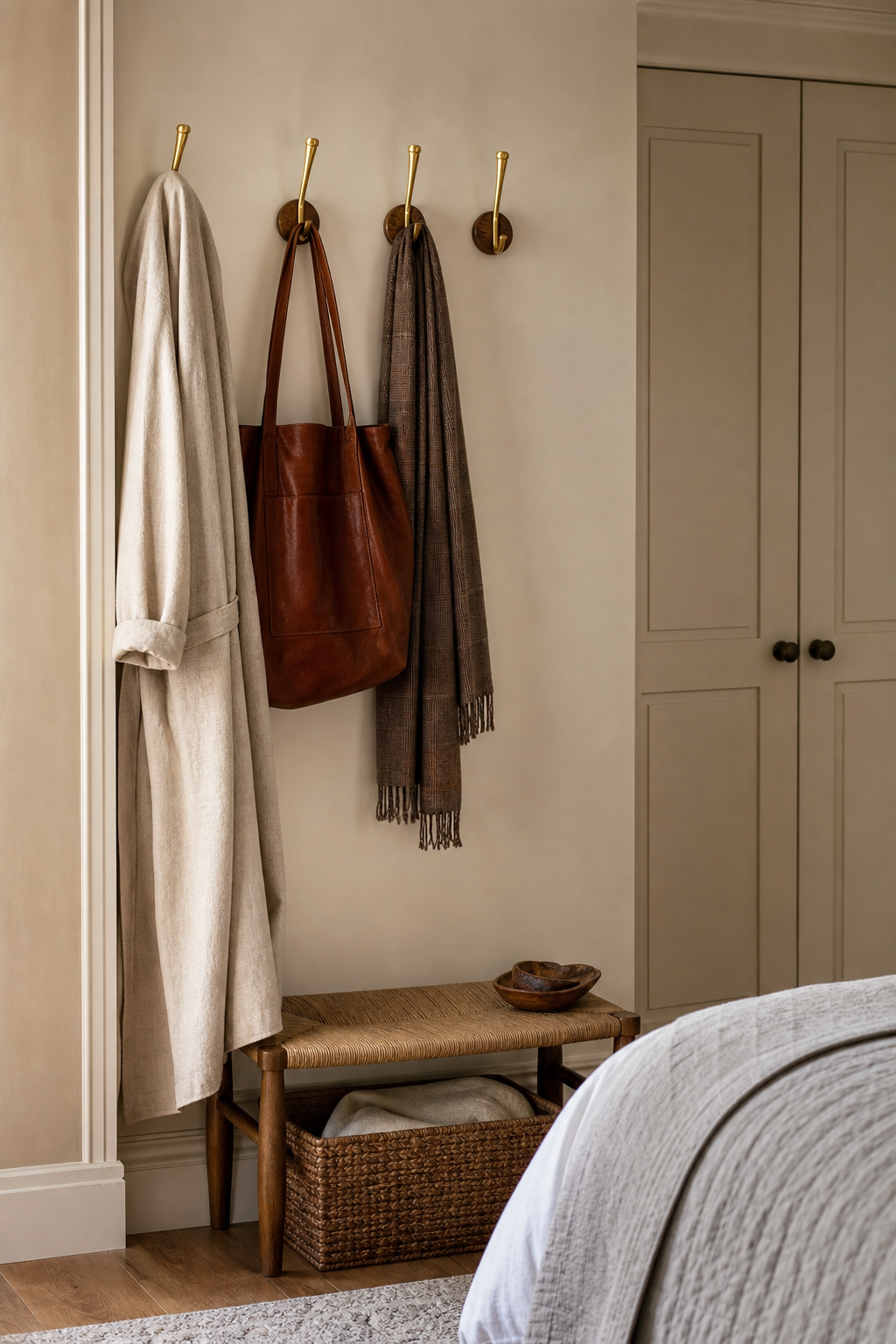
Use Hooks For Beautiful Daily Items
Hooks are underrated in personal rooms because they solve daily mess before it spreads. Use them for a robe, tote, hat, scarf, headphones, or a favorite jacket. The trick is to hang only attractive or frequently used items, not everything you own. Choose wood, brass, ceramic, or black metal hooks that suit the room’s hardware. Place them near the door, closet, or vanity where the habit naturally happens. A short row of hooks can act like functional wall decor when styled with restraint. It keeps the floor cleaner and gives everyday objects a proper pause point daily without needing another bulky piece of furniture.
Upgrade The Nightstand Into A Calm Station
A nightstand should support sleep, not collect clutter. Start with a lamp or sconce, then add a tray, small dish, book, and one personal object. Use the drawer for chargers, lip balm, tissues, and anything you reach for but do not need to see. If the nightstand is open, place a small basket on the lower shelf. Keep the height close to the mattress so it is comfortable to use. A beautiful nightstand does not require many accessories; it requires the right few. When the bedside station is calm, the whole room feels more restful at the exact moment you need it.
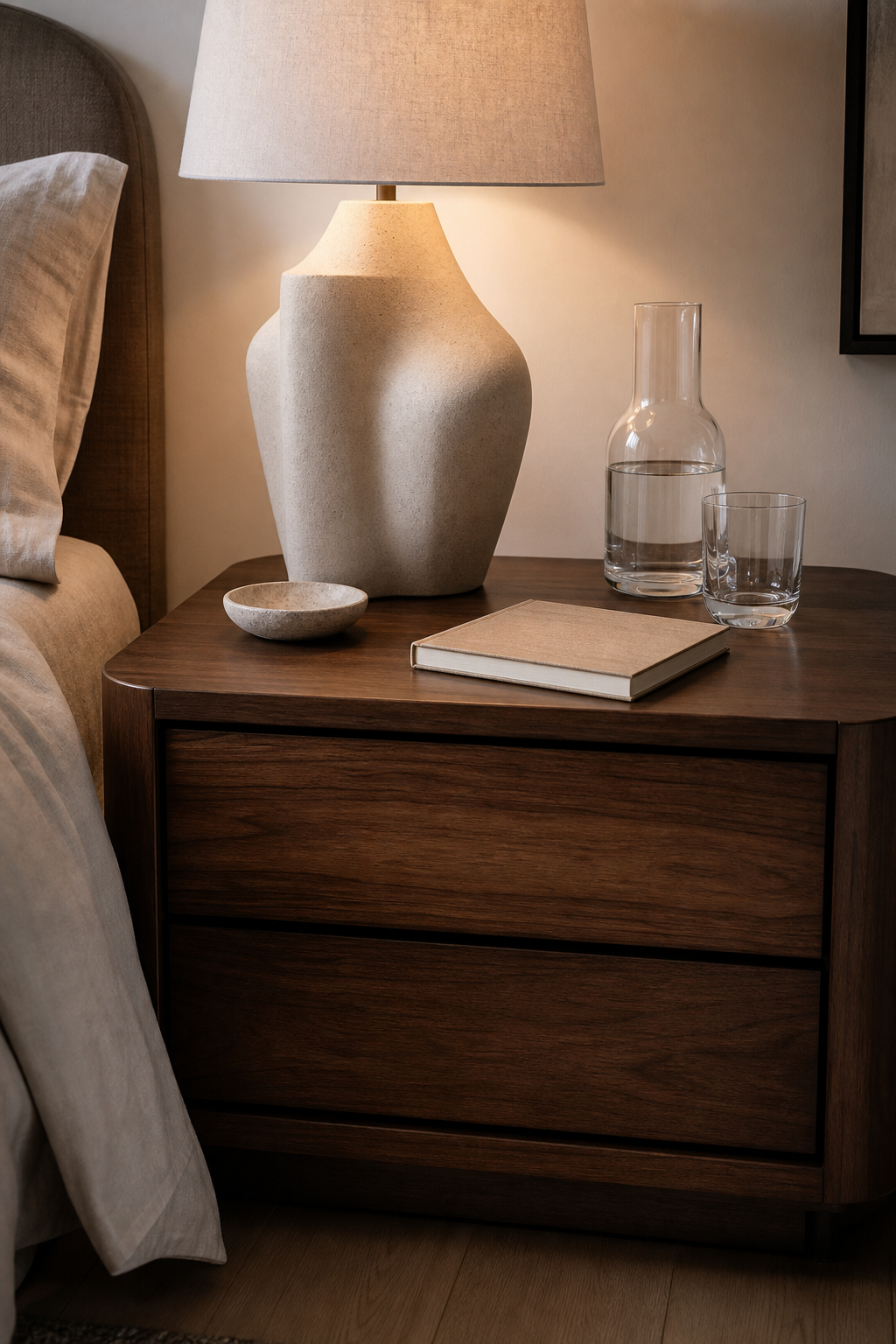
Use Bedding Texture Instead Of Busy Prints
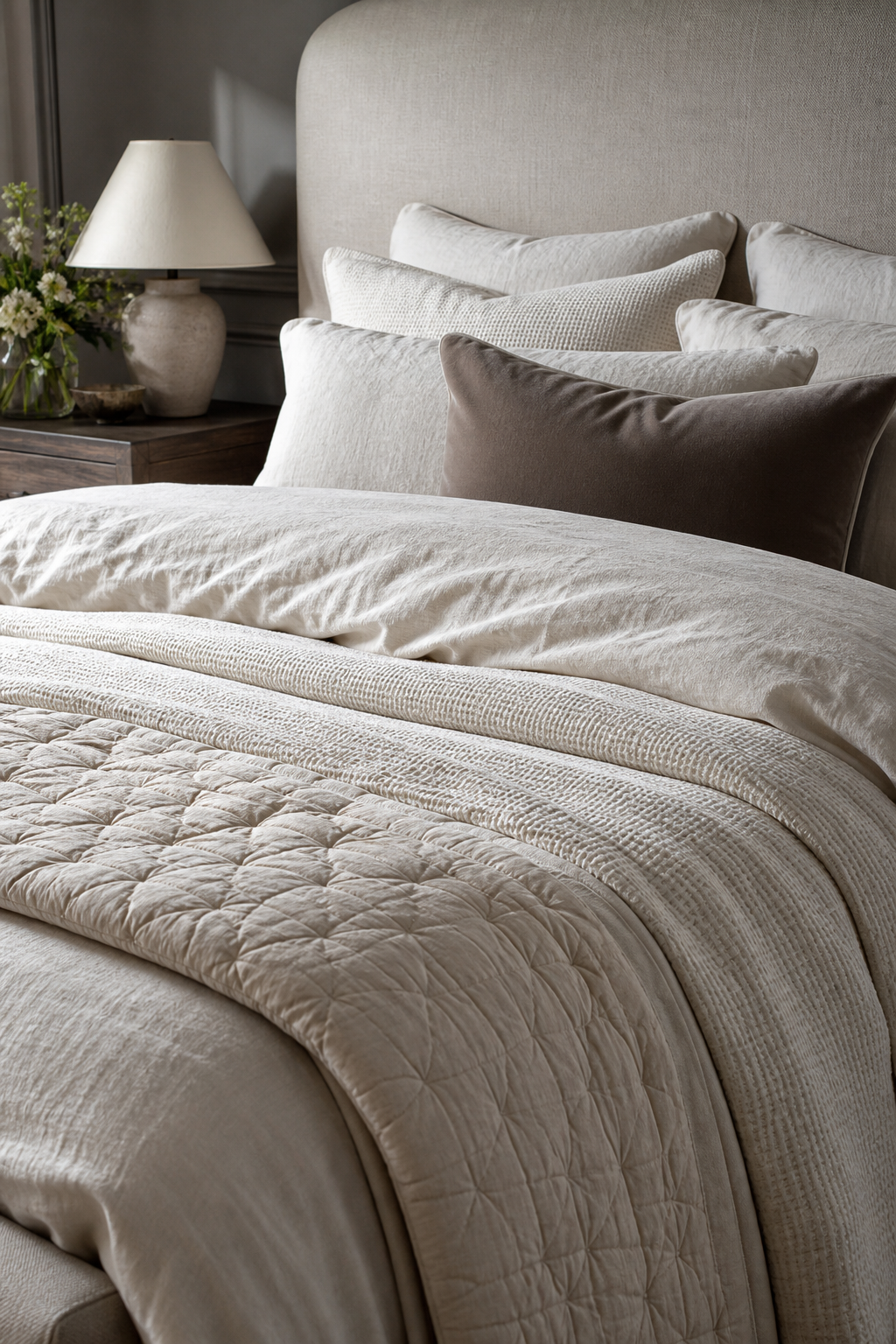
If your room already has books, desk items, shelves, or personal collections, bedding texture may work better than strong prints. Choose linen, matelassé, waffle cotton, washed percale, velvet, or a soft quilt to create interest without visual noise. Texture photographs beautifully and feels grown-up, but it still leaves room for personal color in smaller accents. Keep the palette tonal if you want a serene retreat, or add one deeper pillow for contrast. This is a useful refresh when you want the room to feel more stylish quickly. The bed becomes richer without making the entire space busier visually or competing with art and furniture.
Add A Plant With Real Scale
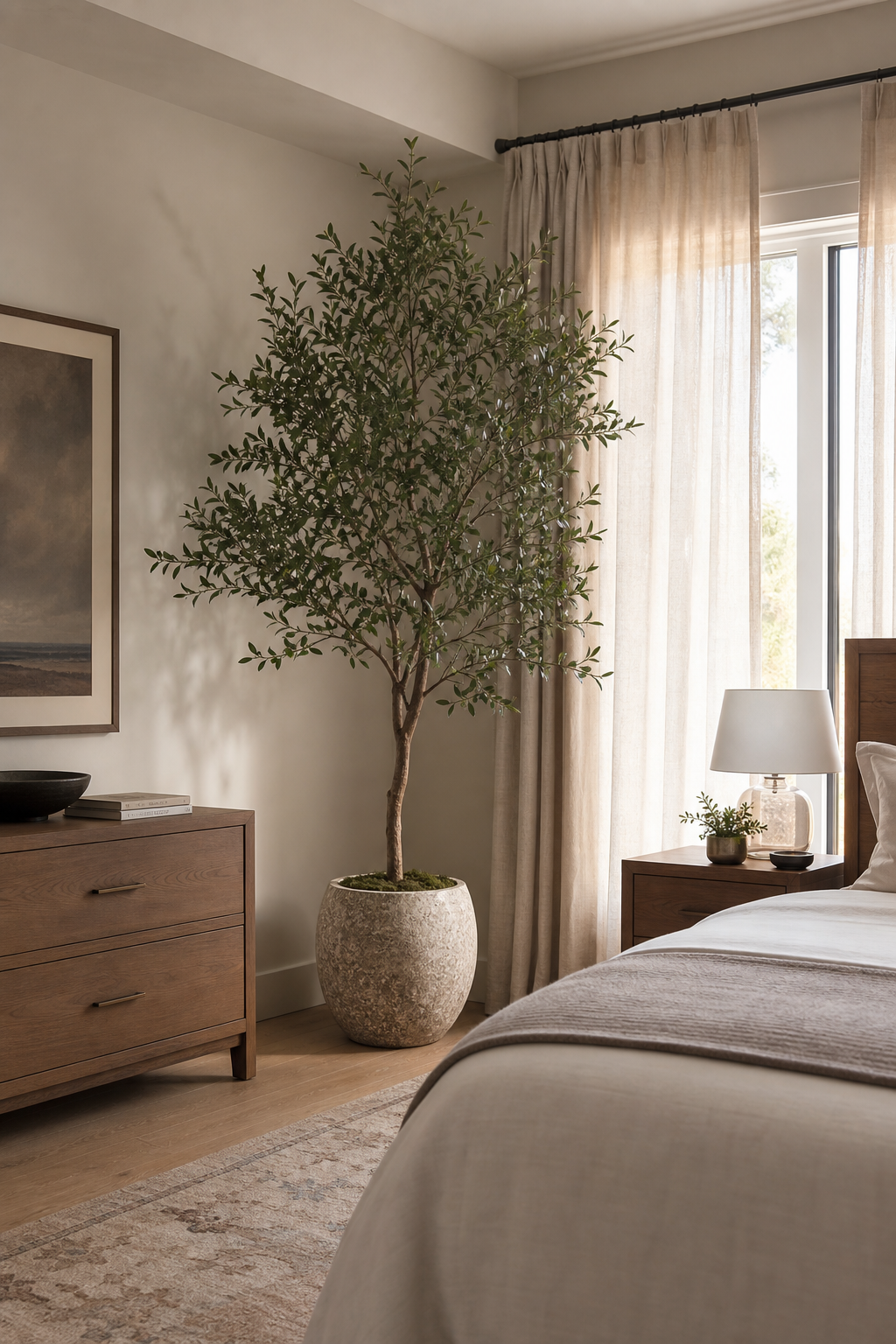
A plant can refresh a room instantly, but scale matters. One larger plant in a good pot often looks better than many small plants scattered across every surface. Place it near a window, beside a dresser, or in an empty corner that needs height. Choose a planter that relates to the room’s materials, such as ceramic, stone, terracotta, or woven fiber. If natural light is limited, use realistic preserved branches instead of struggling plants. Greenery softens straight furniture lines and brings life to neutral rooms. The key is to make it feel integrated, not like a last-minute accessory afterward. Give it breathing room so the shape reads clearly.
Try A Picture Ledge For Flexible Art
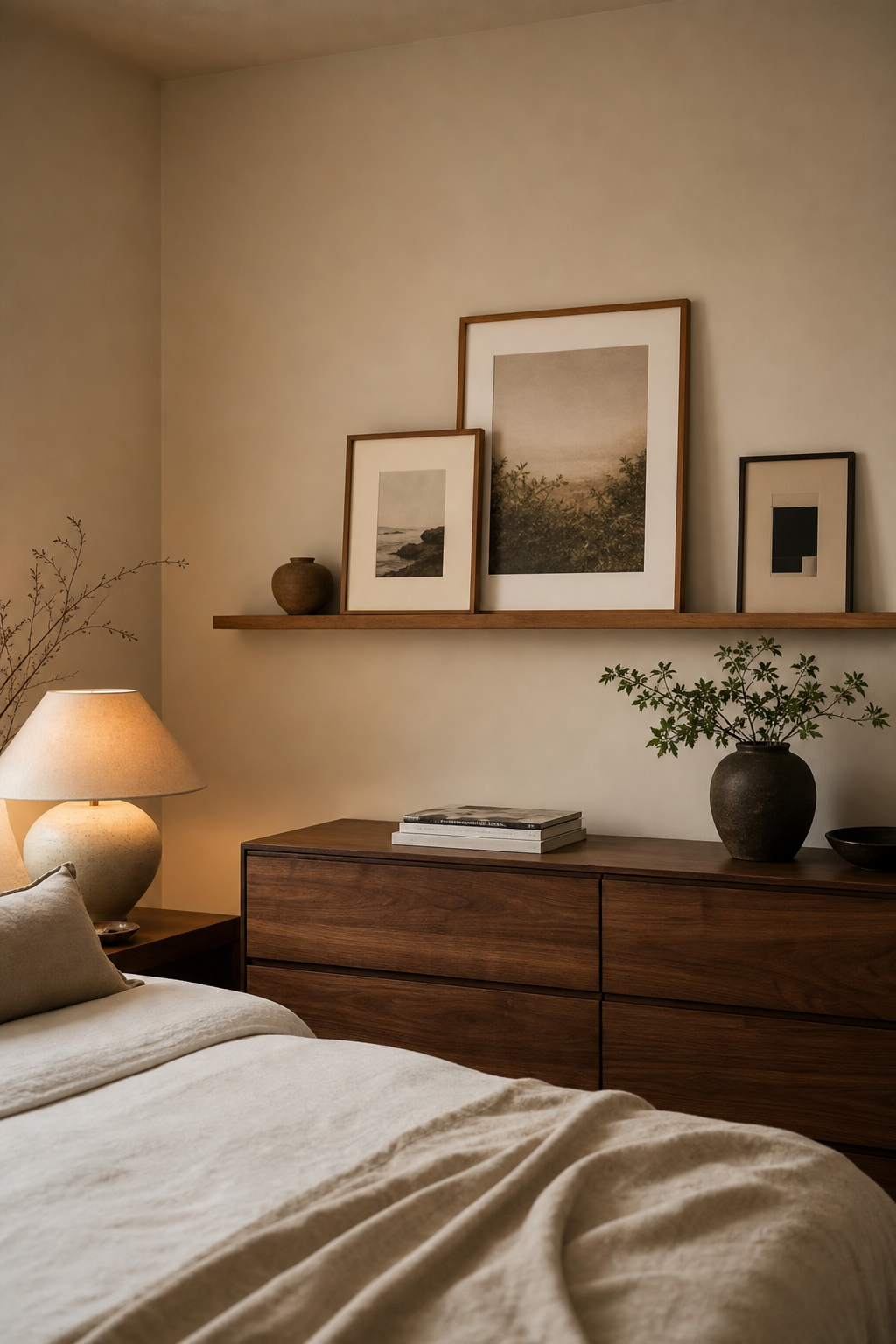
A picture ledge is perfect if your taste changes often or you do not want to commit to a full gallery wall. Install one above a desk, dresser, or headboard, then layer framed art with a small object or two. Keep the ledge edited so it does not become another shelf of clutter. The benefit is flexibility: you can rotate prints, photos, postcards, or small works without adding new holes. Use frames in related finishes for a more polished look. This idea gives a personal room character while keeping the wall composition tidy and easy to update seasonally as your palette or mood changes.
Make The Closet Area Feel Designed
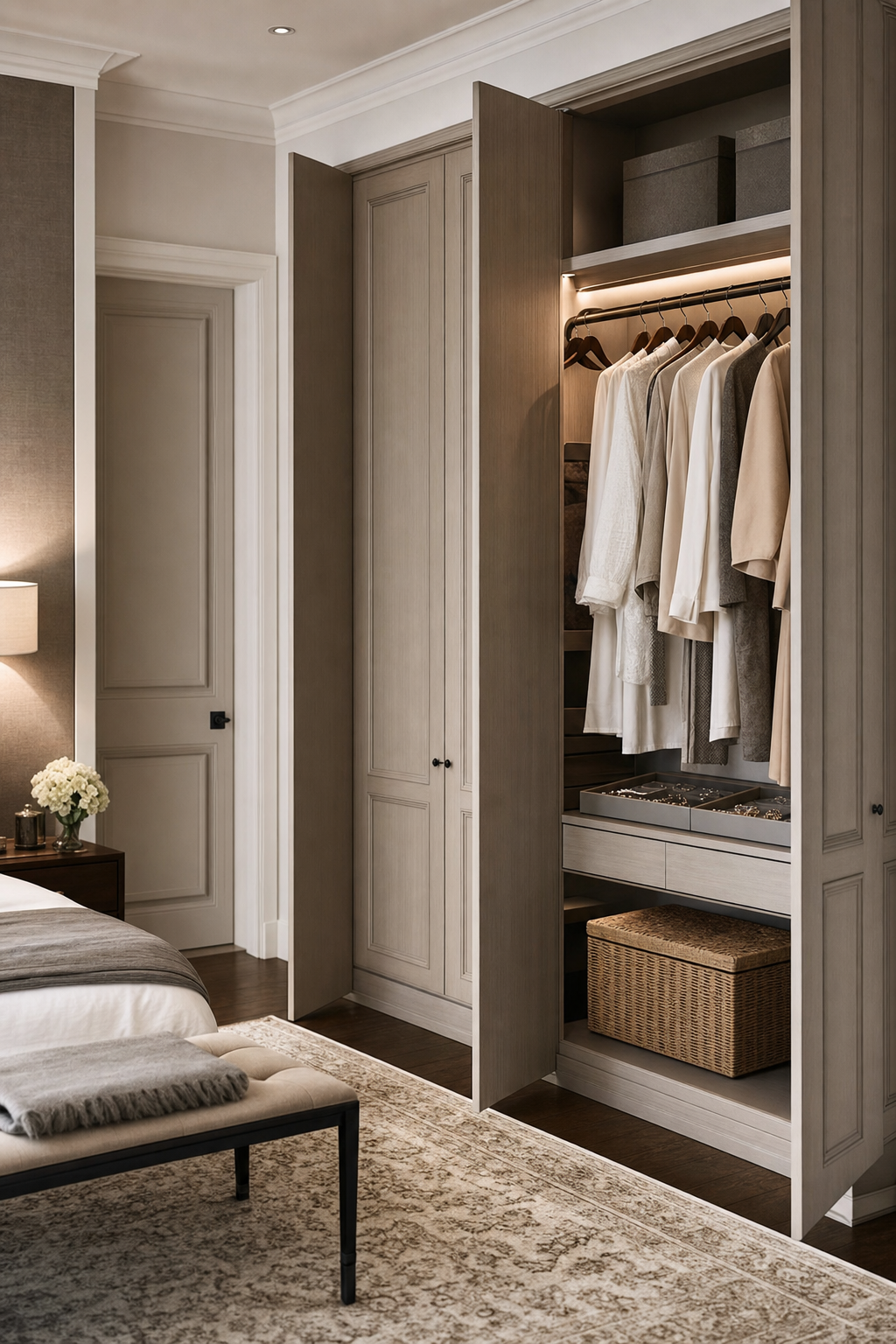
The closet area can affect the whole room, especially if the doors are visible from the bed. Upgrade it with matching hangers, baskets on upper shelves, better knobs, or a curtain in a fabric that works with the bedding. If the closet is open, edit the color story so clothing does not overwhelm the room. A small rug or runner nearby can make getting dressed feel more intentional. Add a mirror or hook where it supports the routine. Treating the closet as part of the design makes the room feel more polished and reduces the sense that storage is separate from style.
Style The Dresser Like A Quiet Focal Point
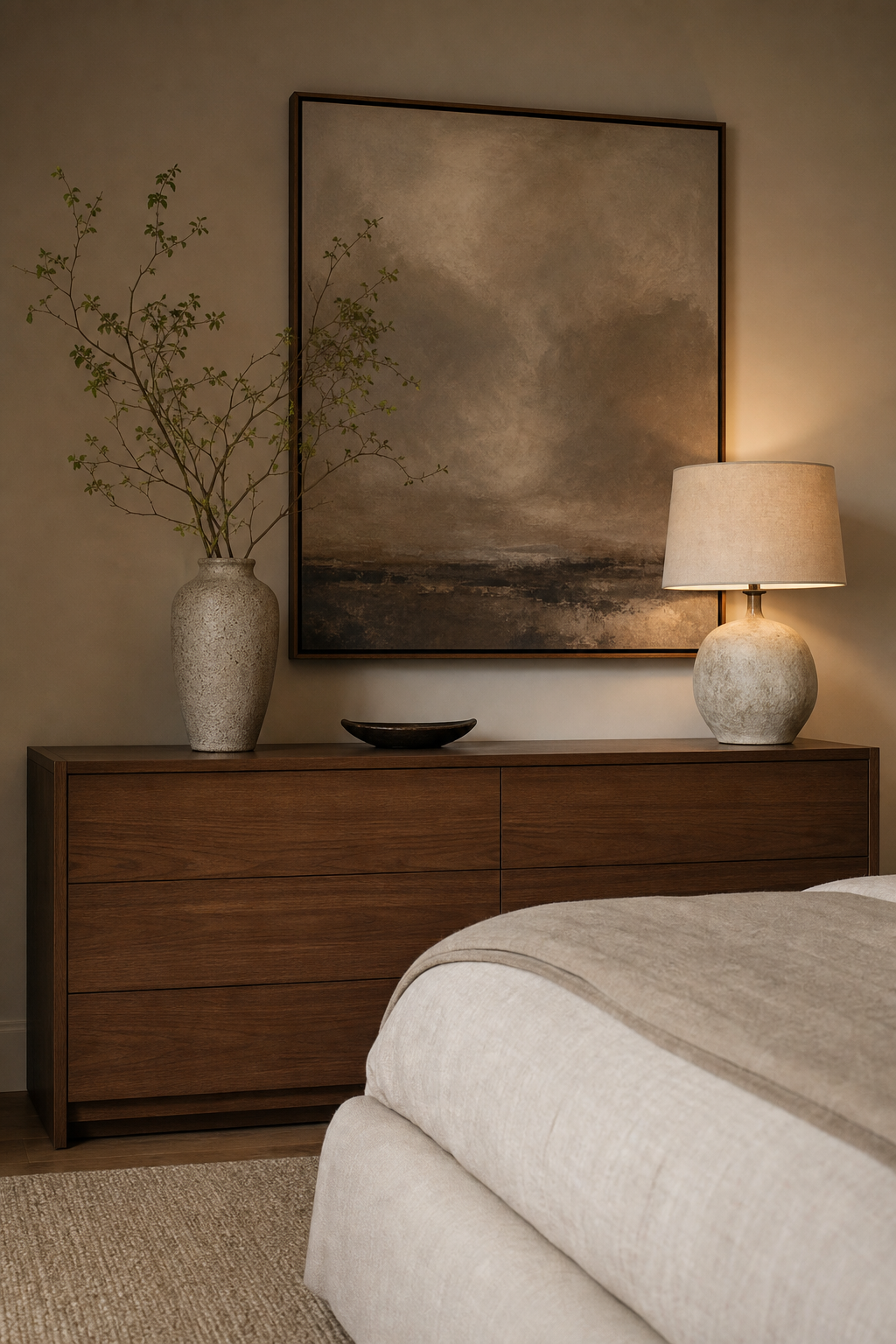
A dresser is often necessary, so make it feel intentional. Clear the top, then add a lamp, mirror or artwork, tray, and one sculptural object. Keep everyday items inside drawers or in a small lidded box. If the dresser is plain, upgrade the hardware or add a runner beneath it to give the area more weight. A branch arrangement or plant can bring height without clutter. The dresser should not compete with the bed, but it can create a second calm focal point. This is one of the fastest ways to make a room look more finished and cared for.
Leave One Surface Almost Empty
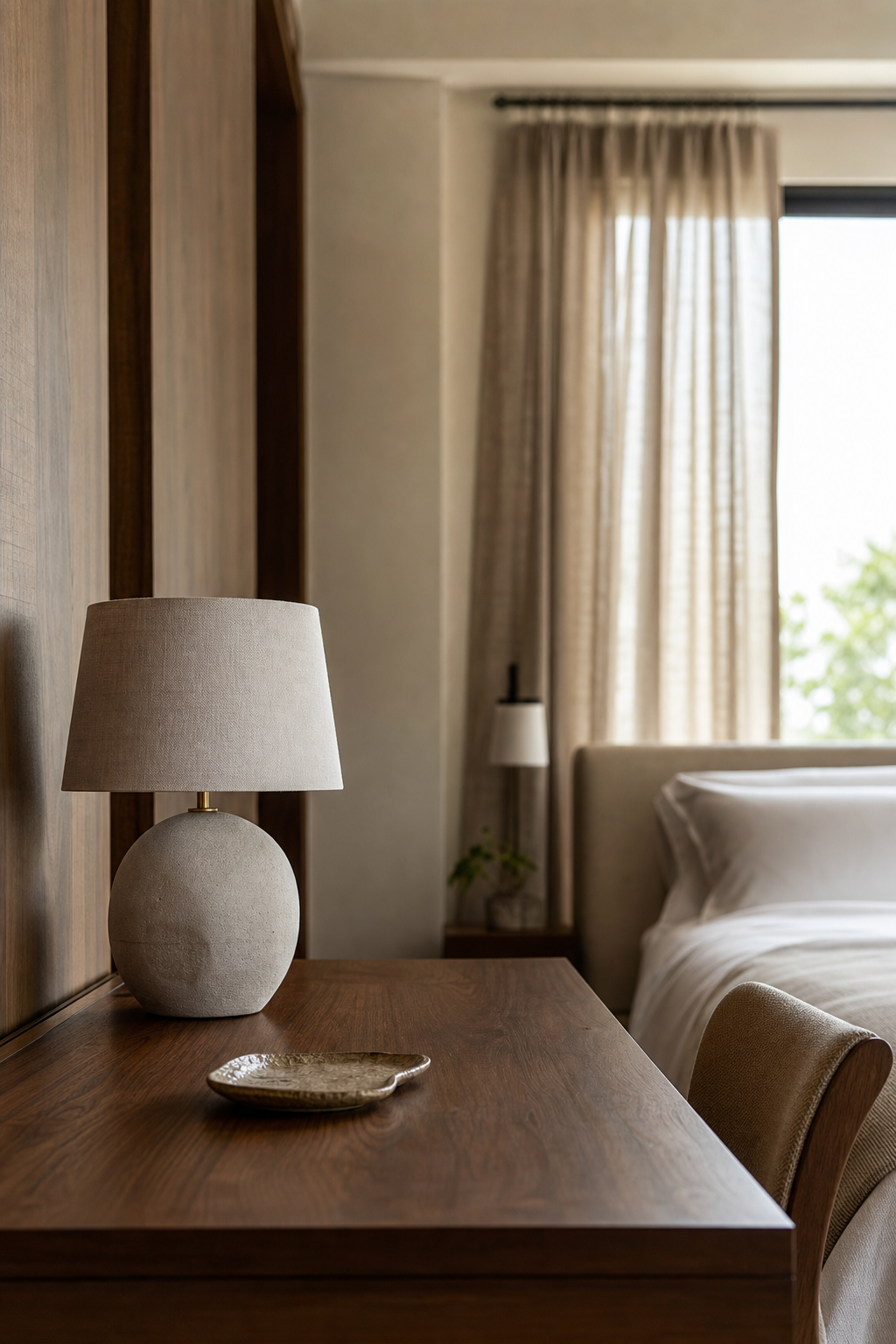
The most luxurious detail in a personal room may be restraint. Leave one surface almost empty: a nightstand with only a lamp and dish, a desk with only a tray, or a dresser with one lamp and one vessel. This gives the eye somewhere to rest and makes the decorated areas look more intentional. It also helps daily life, because you have a clean place to set down a book, cup, or folded sweater. A room full of personality still needs pause. Empty space is not unfinished; it is what lets the best pieces, textures, and habits breathe properly throughout the week.
Create A Soft Landing Zone By The Door
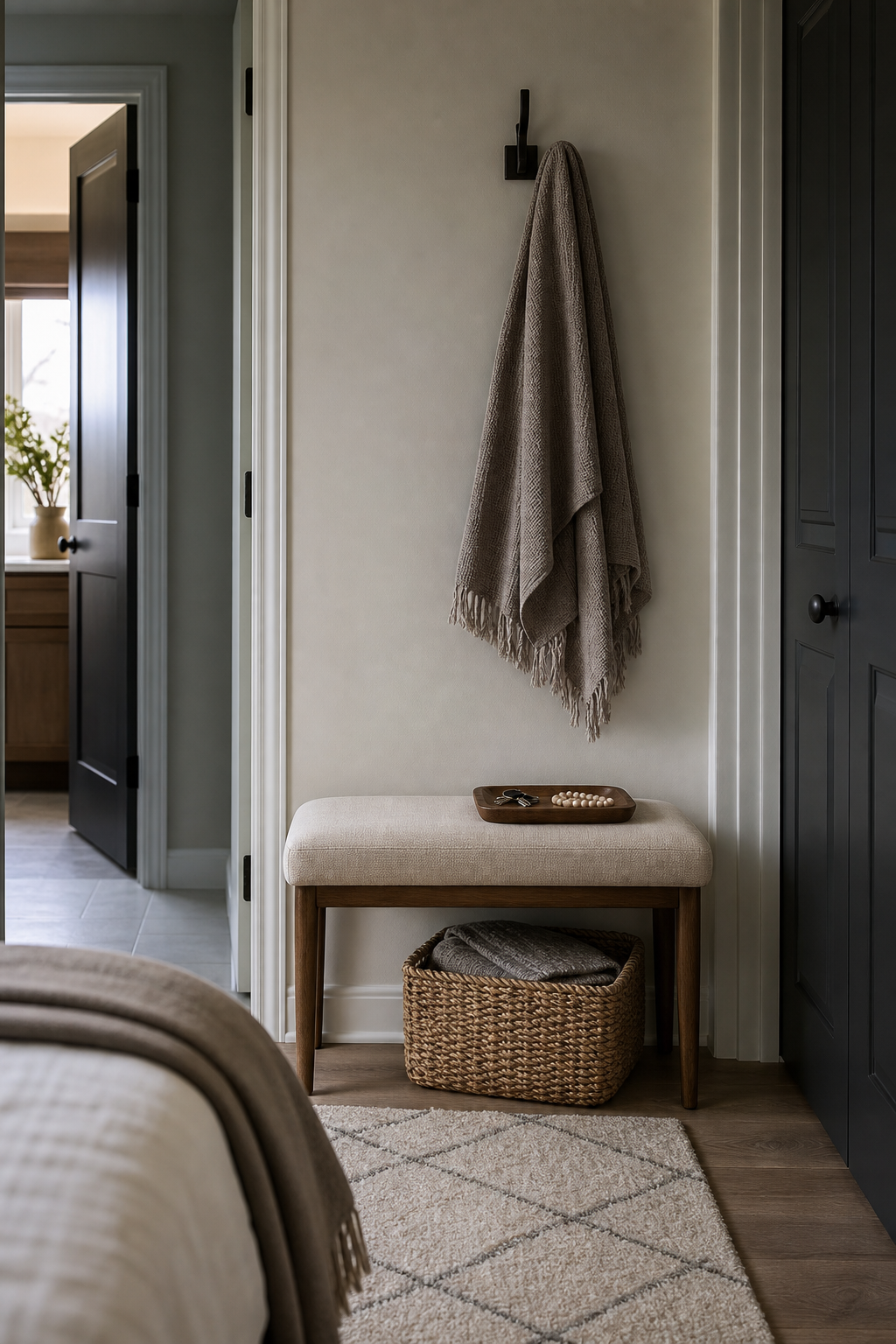
The area just inside the door sets the rhythm for the whole room. Add a small landing zone with a wall hook, shallow tray, slim bench, or narrow shelf so keys, jewelry, headphones, and bags do not migrate to the bed. Keep it compact and attractive, using materials that already appear elsewhere in the room. A woven basket underneath can hold slippers, scarves, or items that need to be returned. This is not a full entryway; it is a tiny pause point. When the door area has a purpose, the room feels more organized from the first step inside, immediately.
Finish With A Weekly Reset Basket
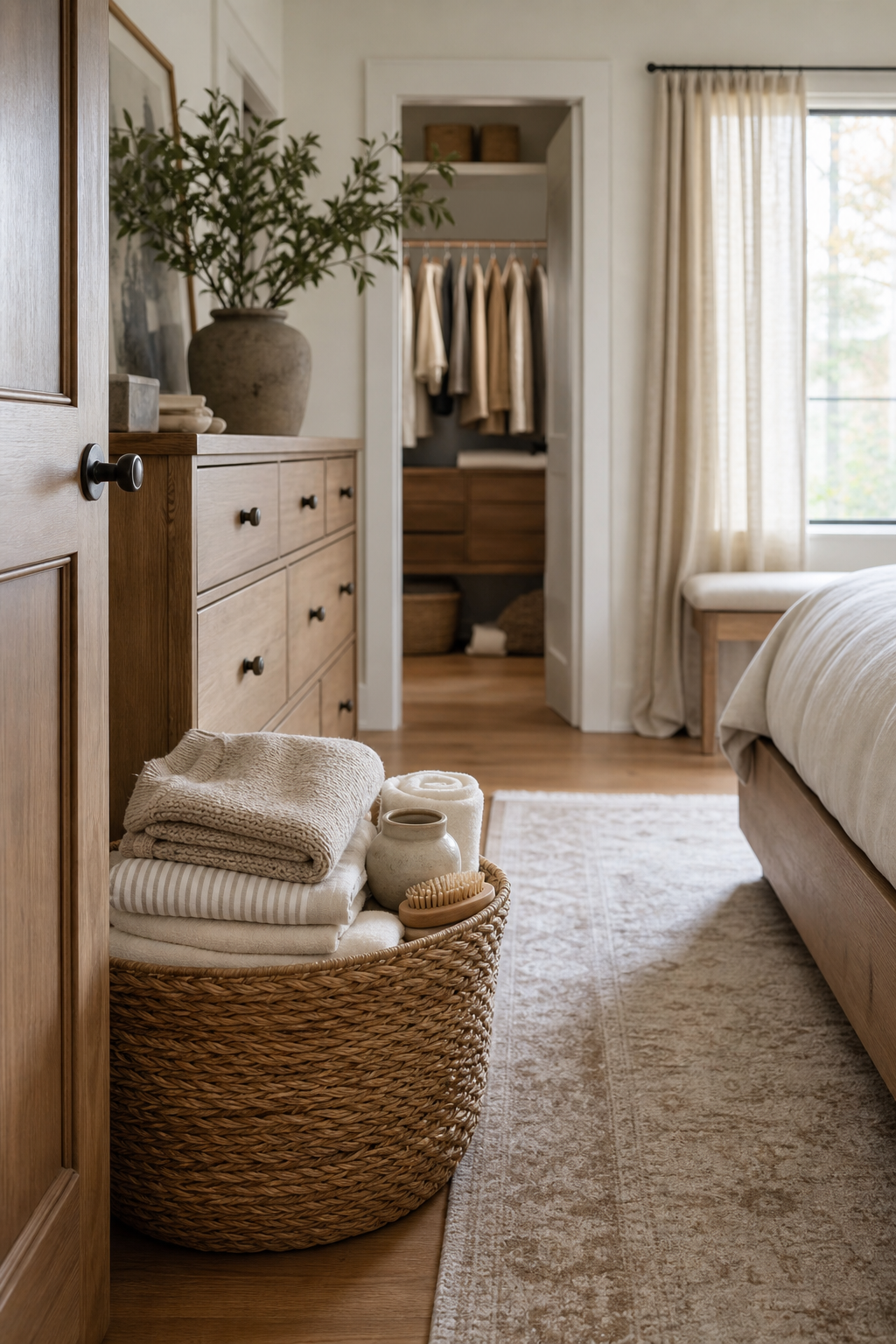
A weekly reset basket keeps a personal room from sliding back into clutter. Choose a beautiful basket for items that need to leave the room: dishes, papers, extra accessories, laundry, or things borrowed from other spaces. Empty it on a schedule instead of letting piles form on the floor or desk. Place it near the door or closet so it is easy to use. This is a practical idea, but it can still look good if the basket suits the room’s texture and palette. A room refresh lasts longer when there is a simple system for everyday drift nearby and easy to maintain.
A refreshed room should look better, but it should also make daily life easier. Start with the bed wall, improve the lighting, give clutter a closed home, and let personal details appear with space around them. When the room supports your routines and still feels like you, the refresh becomes more than decoration. It becomes a place you actually want to return to.