15 Room Decor Ideas To Inspire Your Next Home Refresh
A room refresh works best when it gives the space a clearer point of view. You do not need to replace every piece of furniture; often the strongest changes come from scale, lighting, textiles, and the way surfaces are styled. A taller curtain, better rug, larger artwork, or warmer lamp can make familiar furniture feel more intentional. These room decor ideas are designed for real homes where function still matters. Use them in a living room, bedroom, entry, dining corner, or quiet nook when a space feels flat, unfinished, or disconnected from the rest of your home.
Begin With One Clear Mood
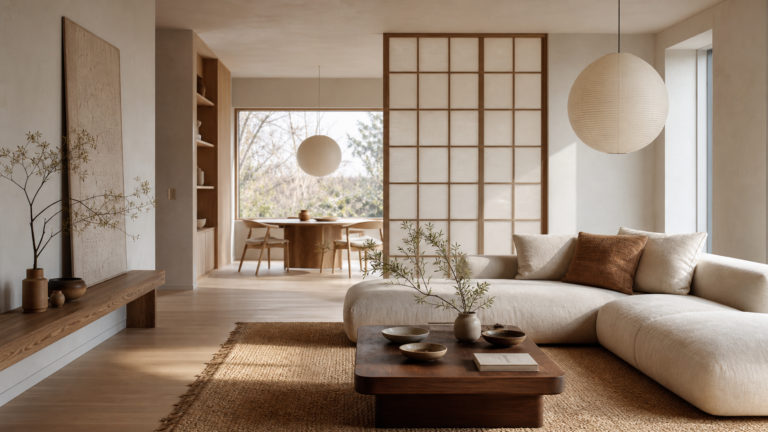
Before buying anything, decide what the room should feel like. Calm, cozy, tailored, airy, collected, dramatic, and playful all lead to different choices. A clear mood helps you edit colors, materials, art, and lighting so the room does not become a pile of unrelated accents. Choose three words and let them guide every decision. For example, warm, quiet, and collected might mean linen curtains, aged wood, ceramic lamps, and vintage art. Fresh, bright, and sculptural might point toward crisp walls, bold shapes, and fewer objects. A room feels designed when its details support the same emotional direction.
Raise The Curtain Rods
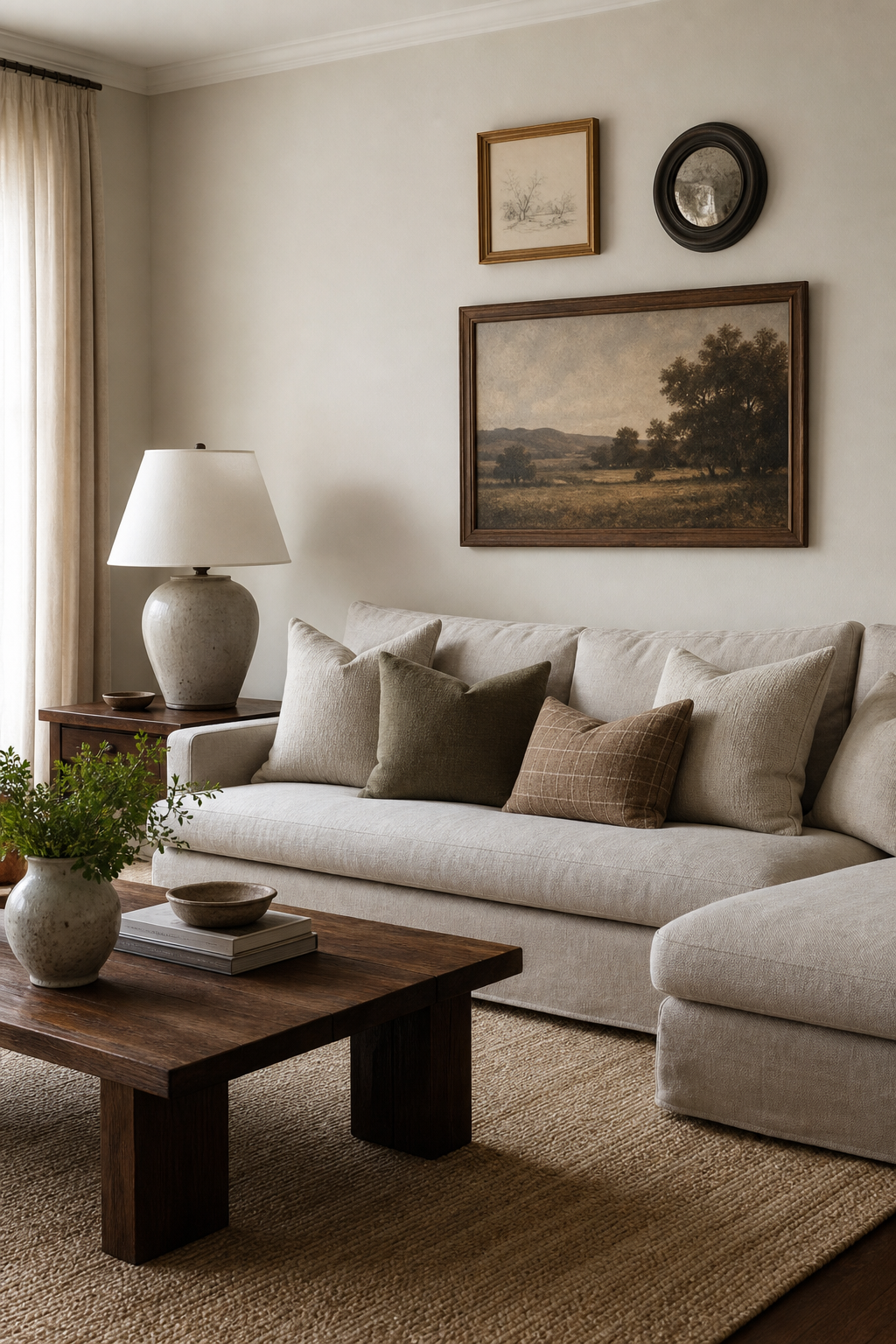
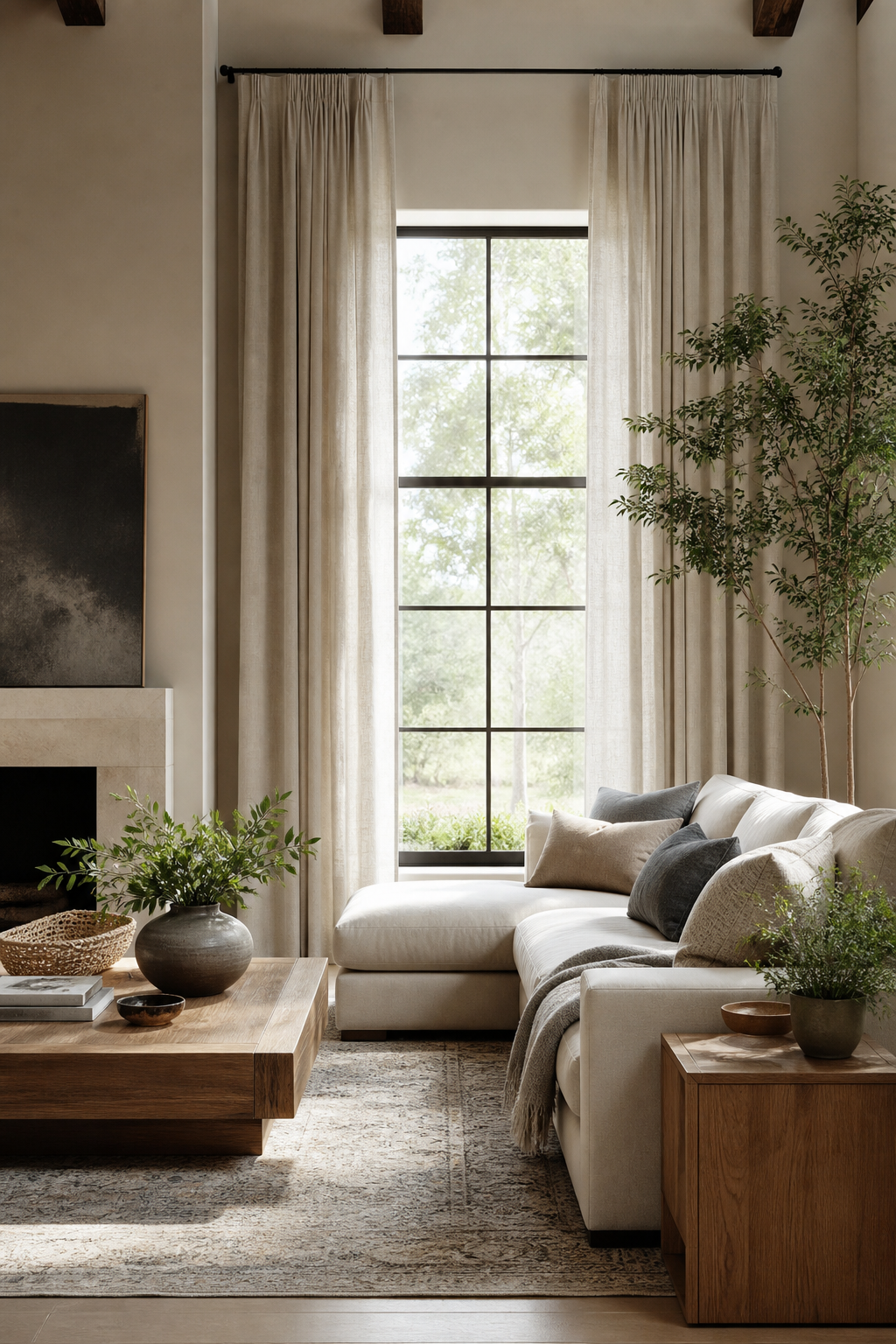
Tall curtains can make a room feel dramatically more finished. Mount the rod close to the ceiling and extend it wider than the window so the panels frame the light instead of covering it. Choose linen, cotton velvet, wool blend, or a subtle textured weave depending on the mood of the room. Fullness matters, so avoid panels that look thin or skimpy. Let the curtains just kiss the floor or break slightly for a softer look. This one change can make windows look larger, ceilings feel higher, and the entire room feel calmer and more elegant.
Ground The Room With A Better Rug
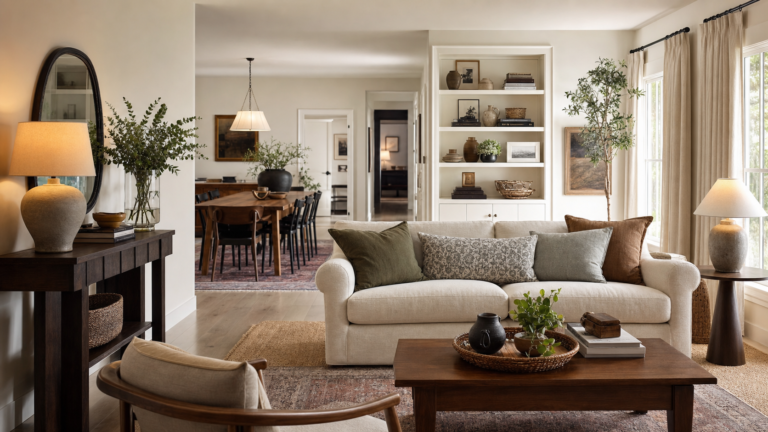
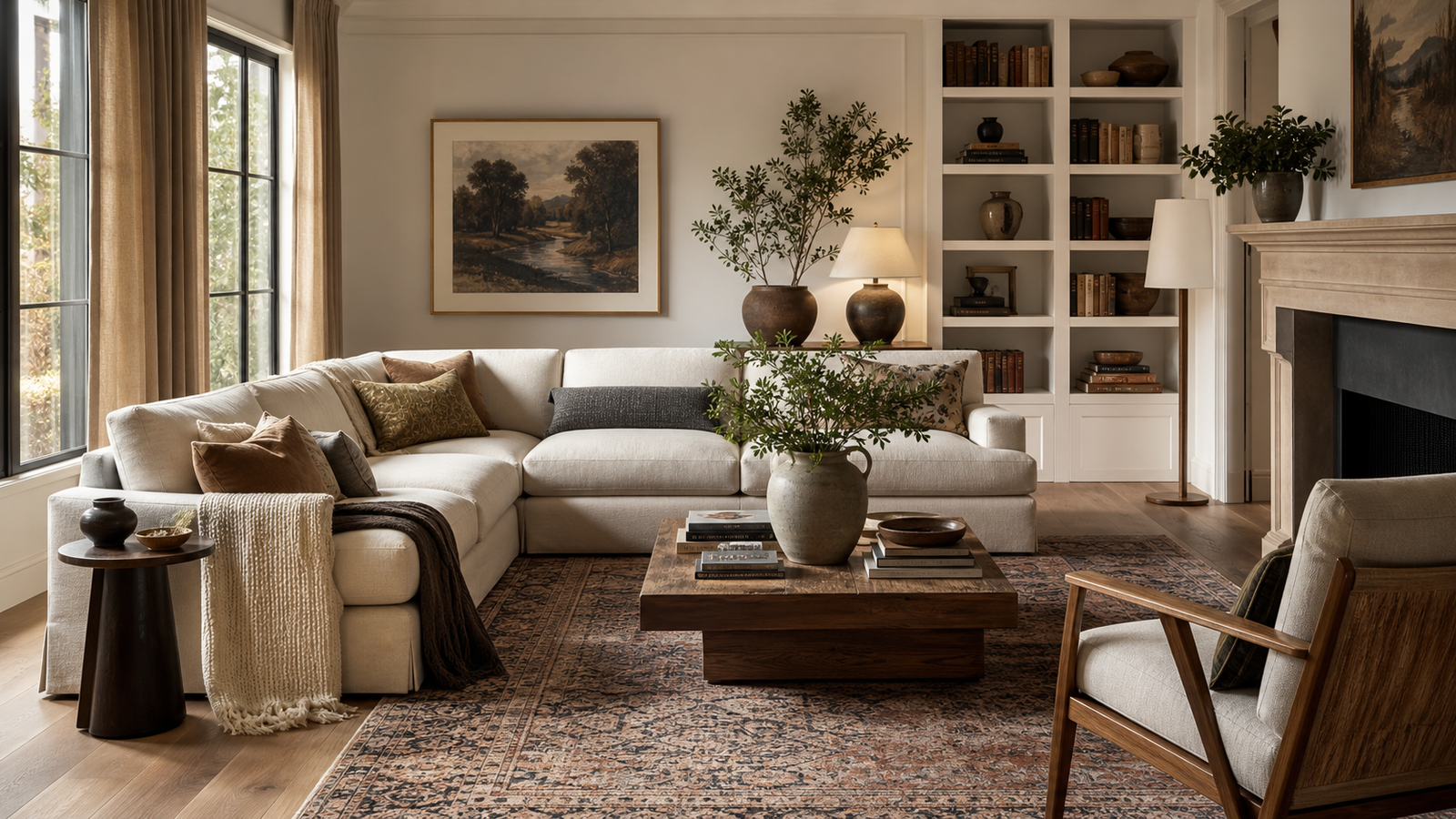
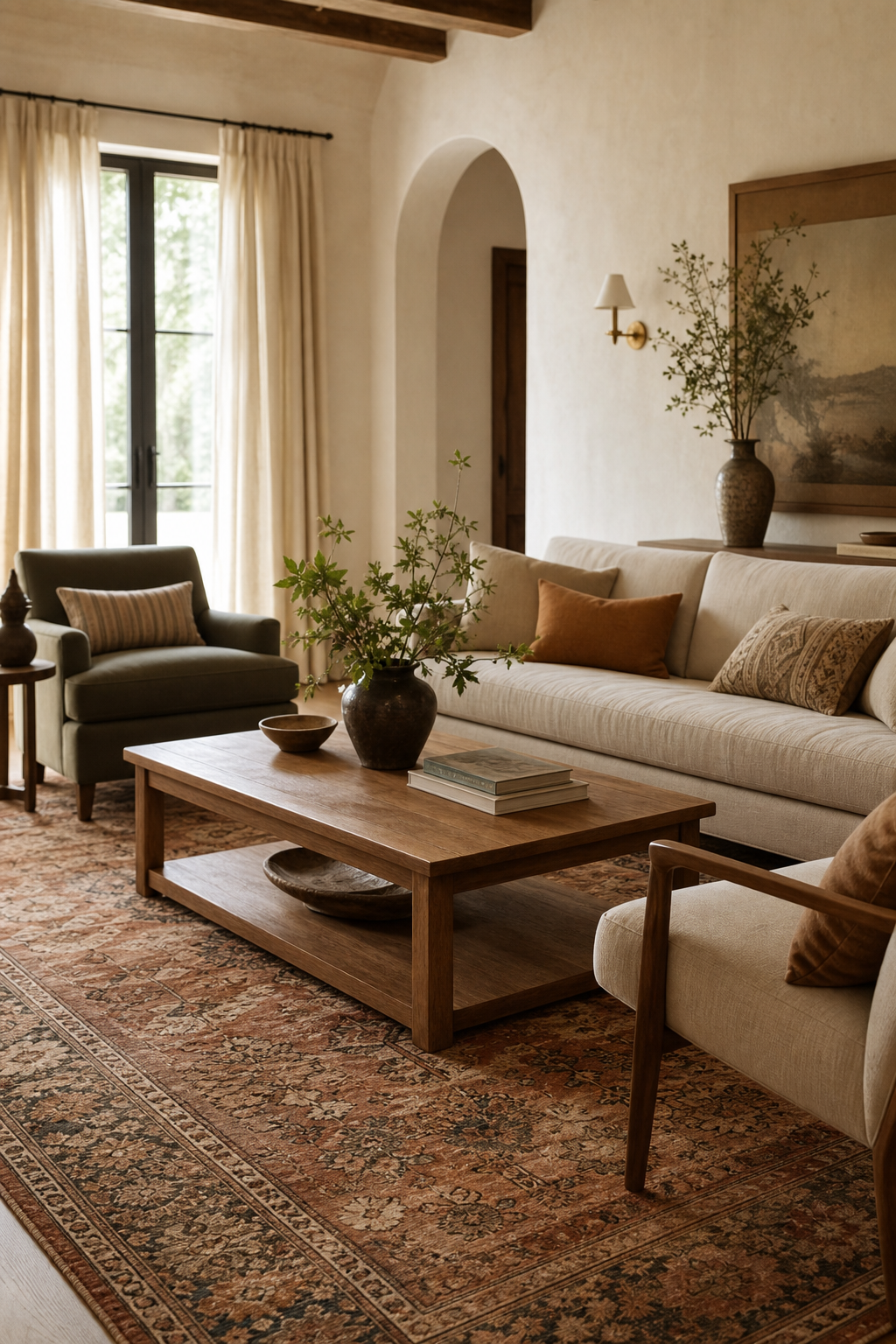
A rug has more influence than most small accessories because it sets the scale and palette for the room. If the rug is too small, the furniture can feel scattered. Aim for the front legs of the main seating pieces to sit on the rug, or go larger if the room allows. Wool, jute, flatweave, or vintage-inspired rugs can all work depending on the texture you need. Pattern is useful when upholstery is plain, while a quiet woven rug can calm a busy room. A better rug makes the room feel anchored and visually connected.
Style One Surface With Restraint
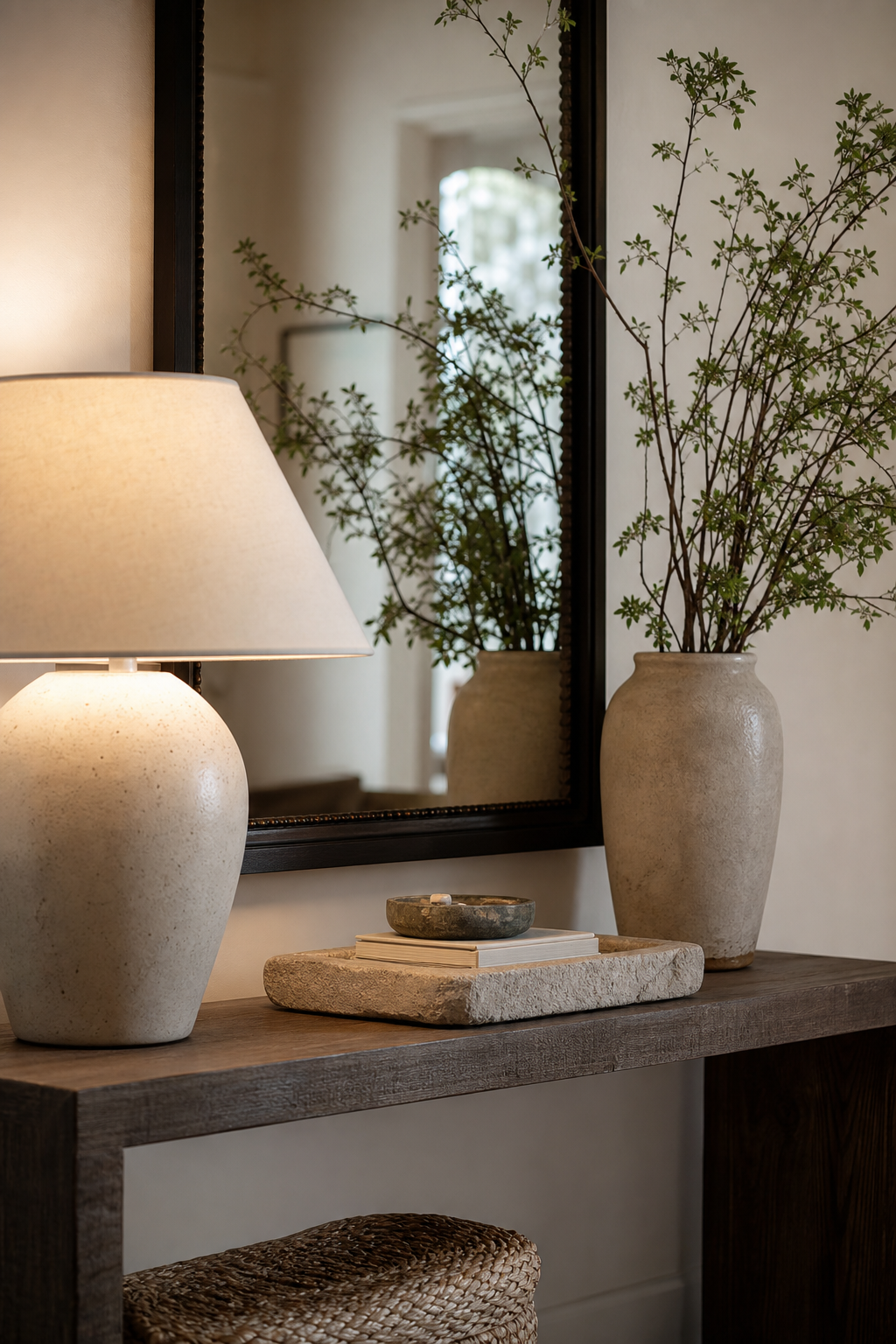
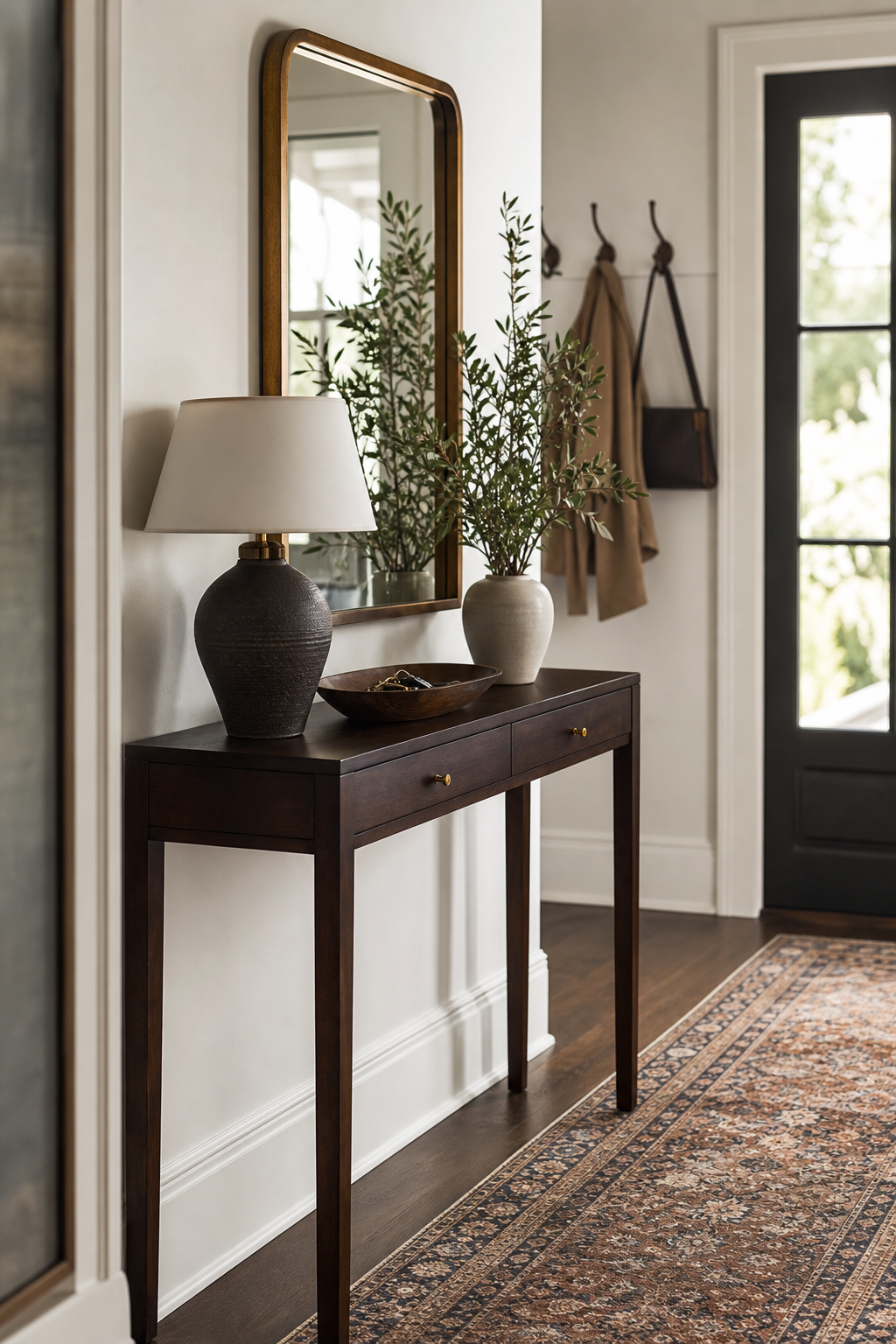
A dresser, console, sideboard, or coffee table can become a focal point when it is styled with breathing room. Start with one anchor, such as art, a mirror, or a lamp, then add a vessel, tray, stack of books, or low bowl. Vary the heights without filling every inch. The most polished surfaces usually have fewer pieces than expected. Choose materials that repeat elsewhere in the room, such as stone, ceramic, wood, glass, or metal. A restrained vignette makes the room feel cared for and reduces the temptation to let everyday clutter take over.
Add A Sculptural Lamp
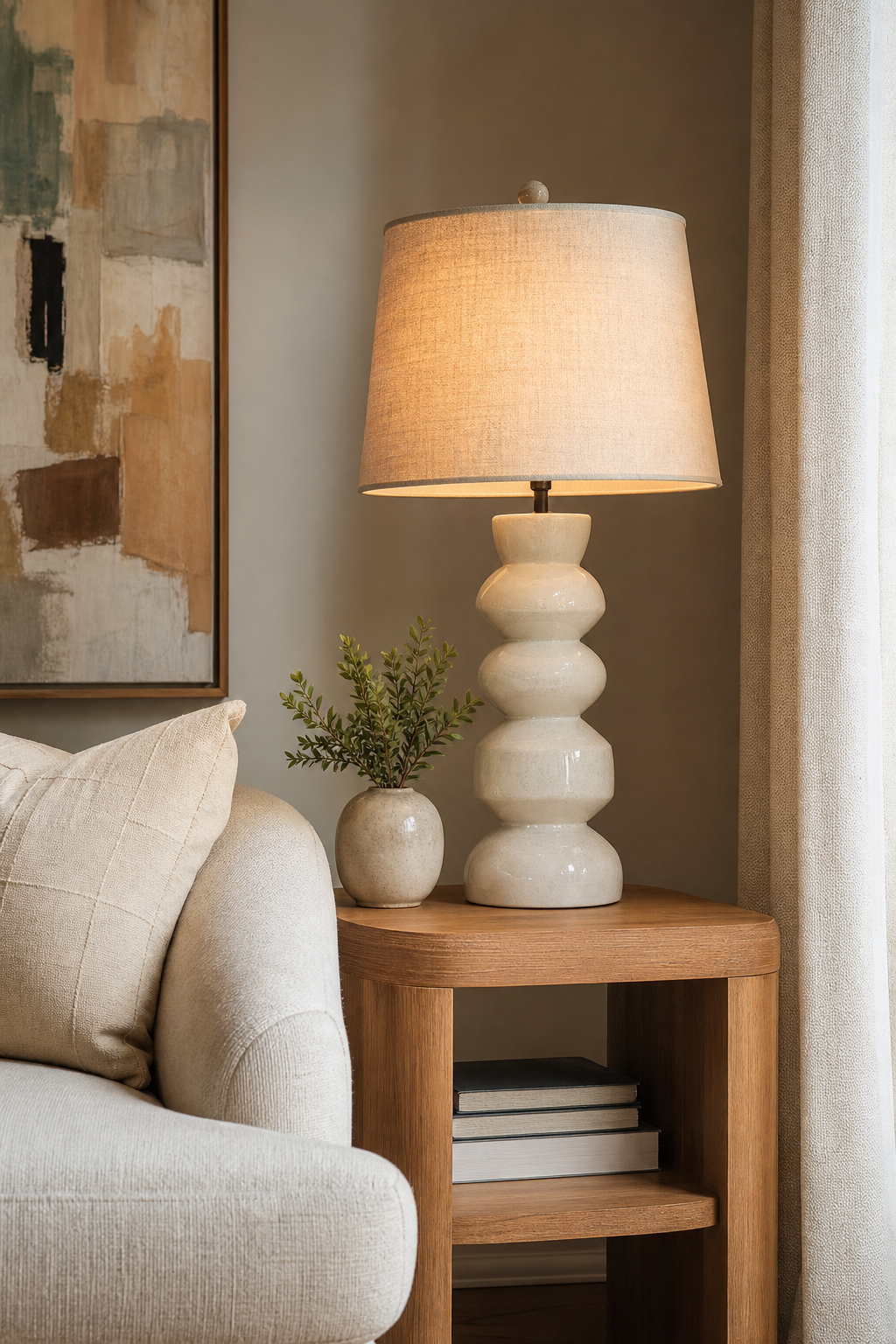
Lighting can be practical and decorative at the same time. A sculptural lamp brings height, shape, and atmosphere to a room that feels flat. Look for ceramic, stone, metal, wood, or glass bases with shades that diffuse light warmly. Place a larger lamp on a console, side table, nightstand, or dresser where it can create a soft pool of light. The scale should feel confident rather than tiny. A good lamp often does more for a room than another decorative object because it changes the mood after sunset and gives the space a more designed silhouette.
Bring In One Unexpected Accent Color
An accent color can wake up a room without overwhelming it. Choose one color that creates a little tension with the existing palette: oxblood, moss, smoky blue, butter yellow, rust, or aubergine. Use it sparingly through a pillow, vase, lampshade, small stool, or piece of art. Repeat it once across the room so it looks intentional. Keep the rest of the palette steady and let the accent do the work. This is especially useful in rooms that are tasteful but sleepy. One confident color choice can make the whole refresh feel sharper and more personal.
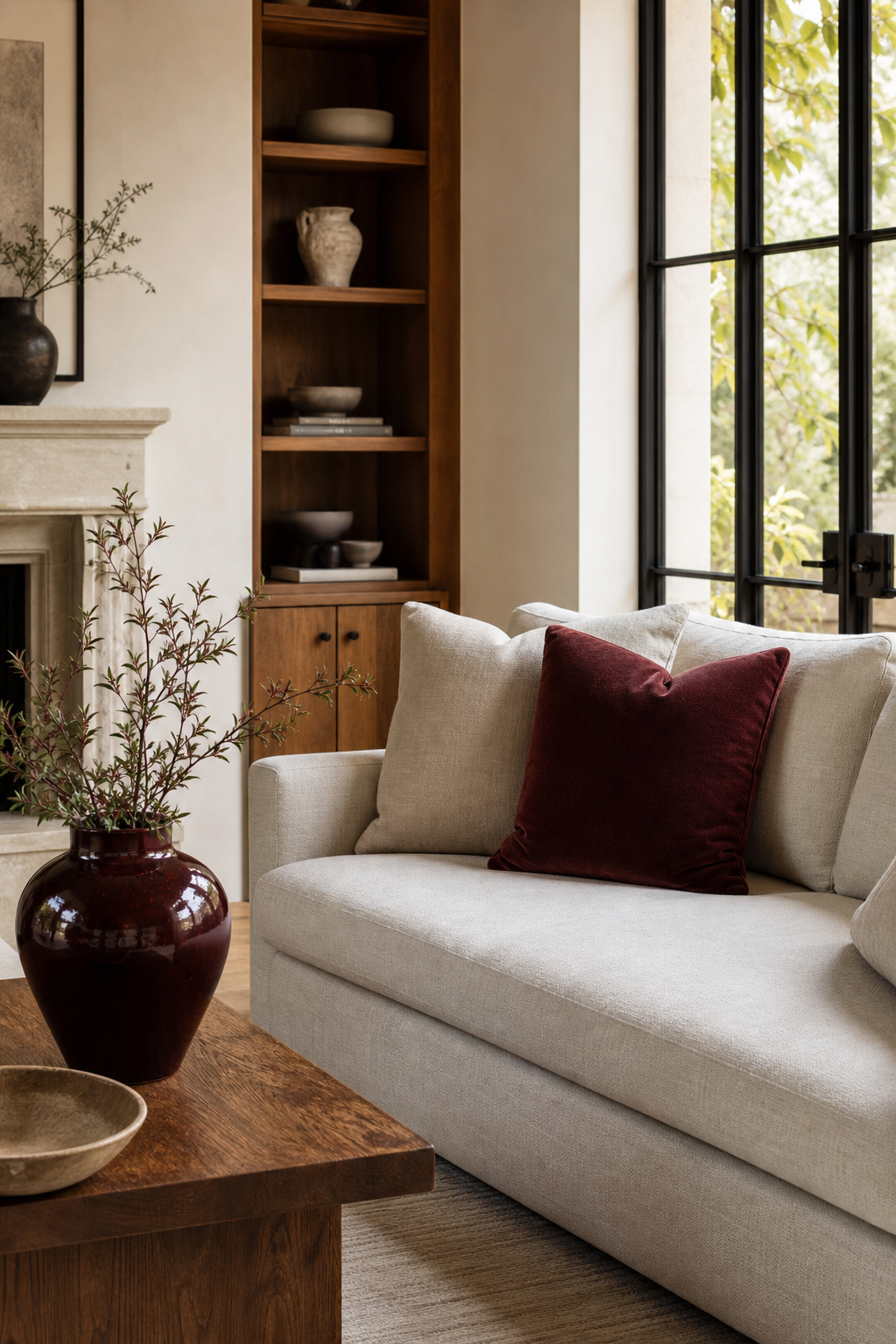
Use Art To Set The Tone
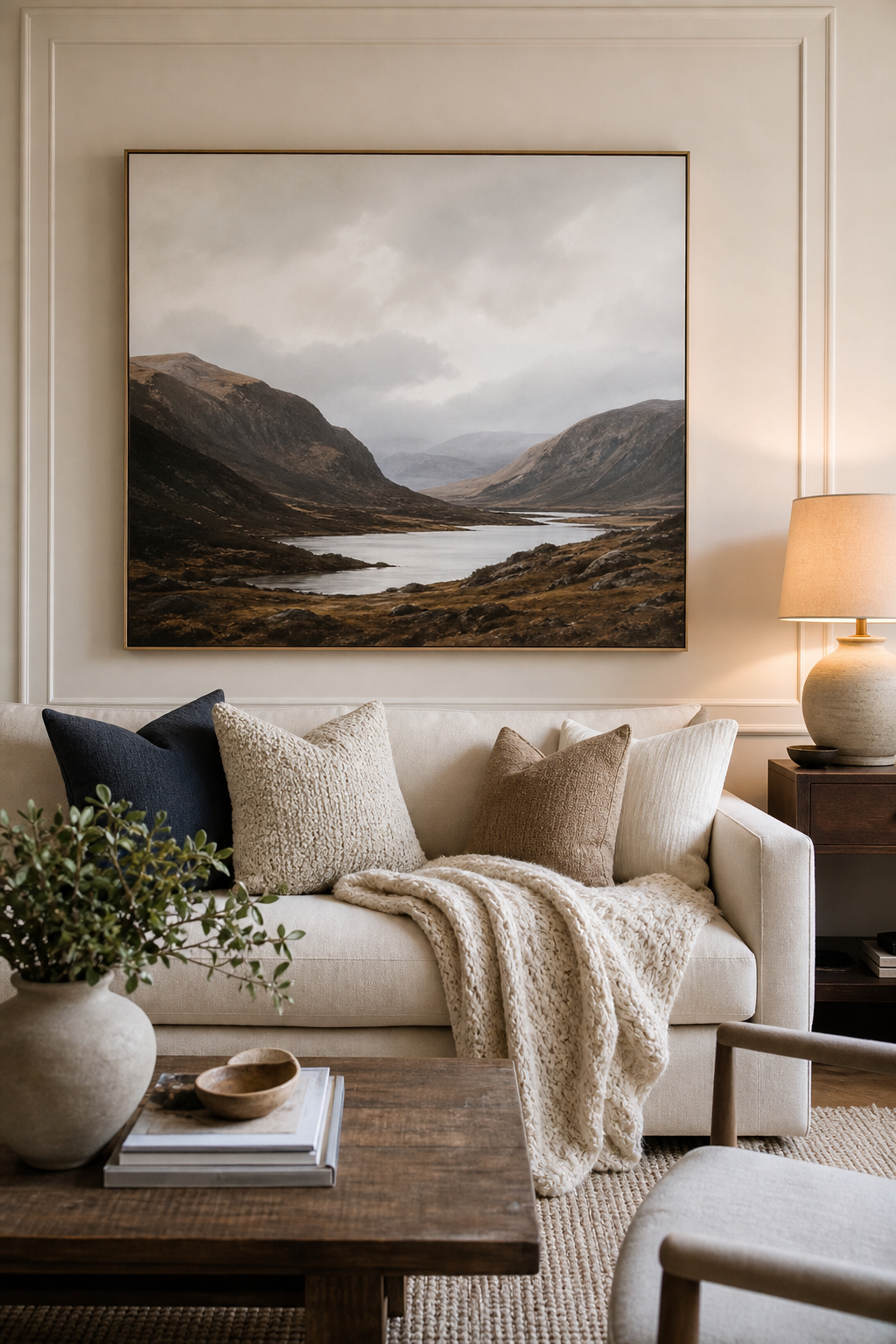
Art gives a room emotional direction, so choose it before filling the space with small accessories. A large landscape can soften a room, abstract art can make it feel contemporary, and black-and-white photography can sharpen a neutral palette. Scale matters more than quantity. One generous piece often looks more intentional than several small pieces floating alone. Hang art at a human height and choose frames that relate to the furniture or lighting finish. When the art sets the tone, the rest of the room becomes easier to edit because every detail has something to respond to.
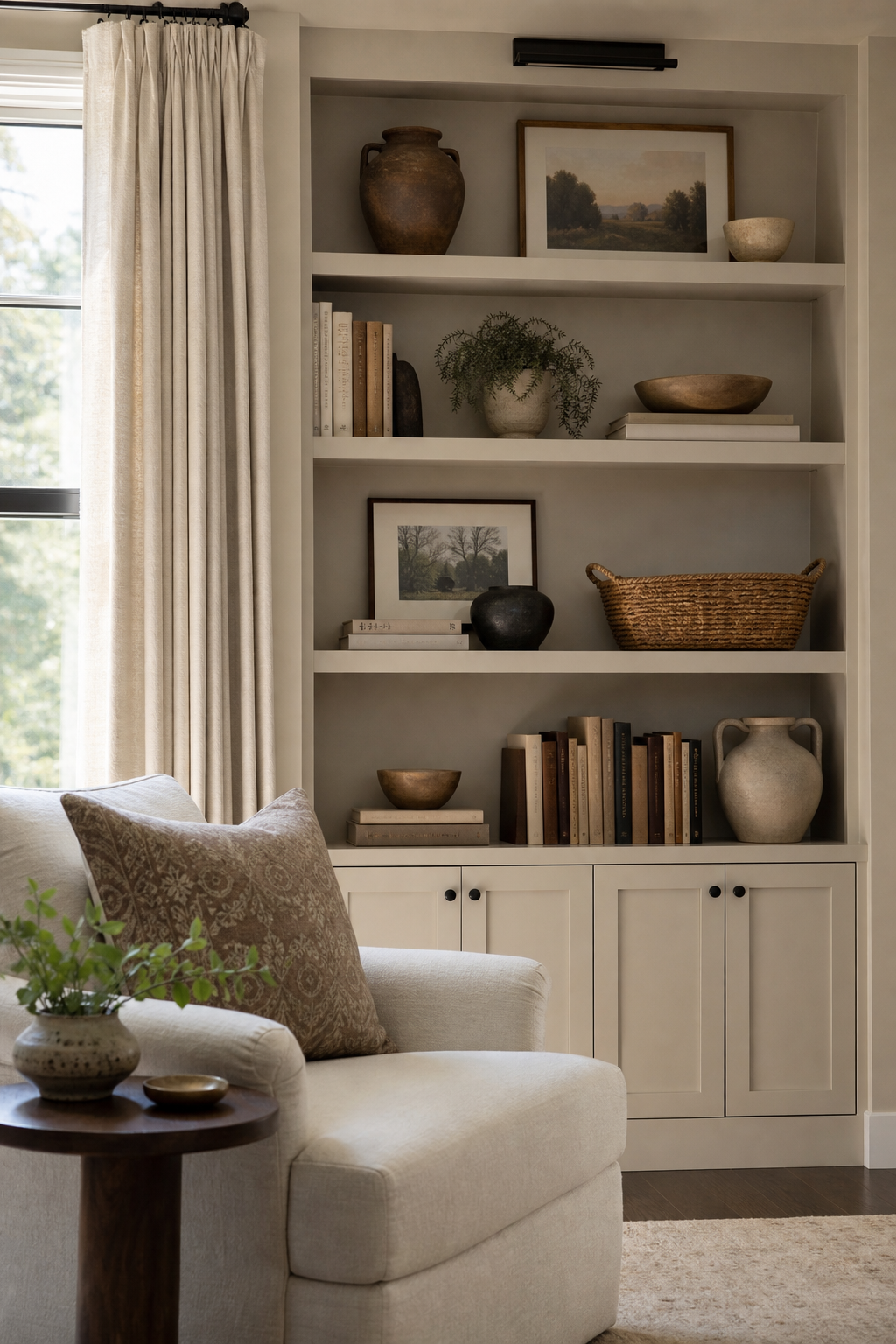
Edit Shelves Like A Composition
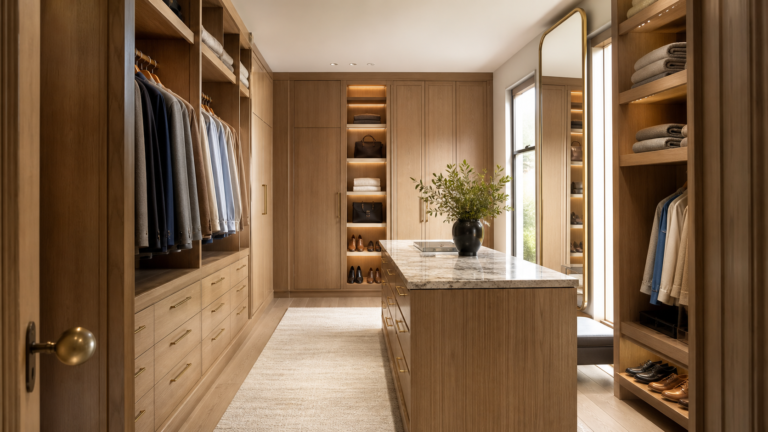
Shelves look best when they have rhythm instead of clutter. Remove everything first, then rebuild with books, pottery, framed art, boxes, and a few organic shapes. Mix vertical stacks with horizontal piles and leave some open space. Large objects usually look more polished than many tiny ones. Keep the color palette related to the room around it so the shelves feel integrated. Baskets and boxes can hide practical items while still adding texture. Edited shelves make a room feel collected and personal, but they also keep the visual noise low enough for the furniture and architecture to breathe.
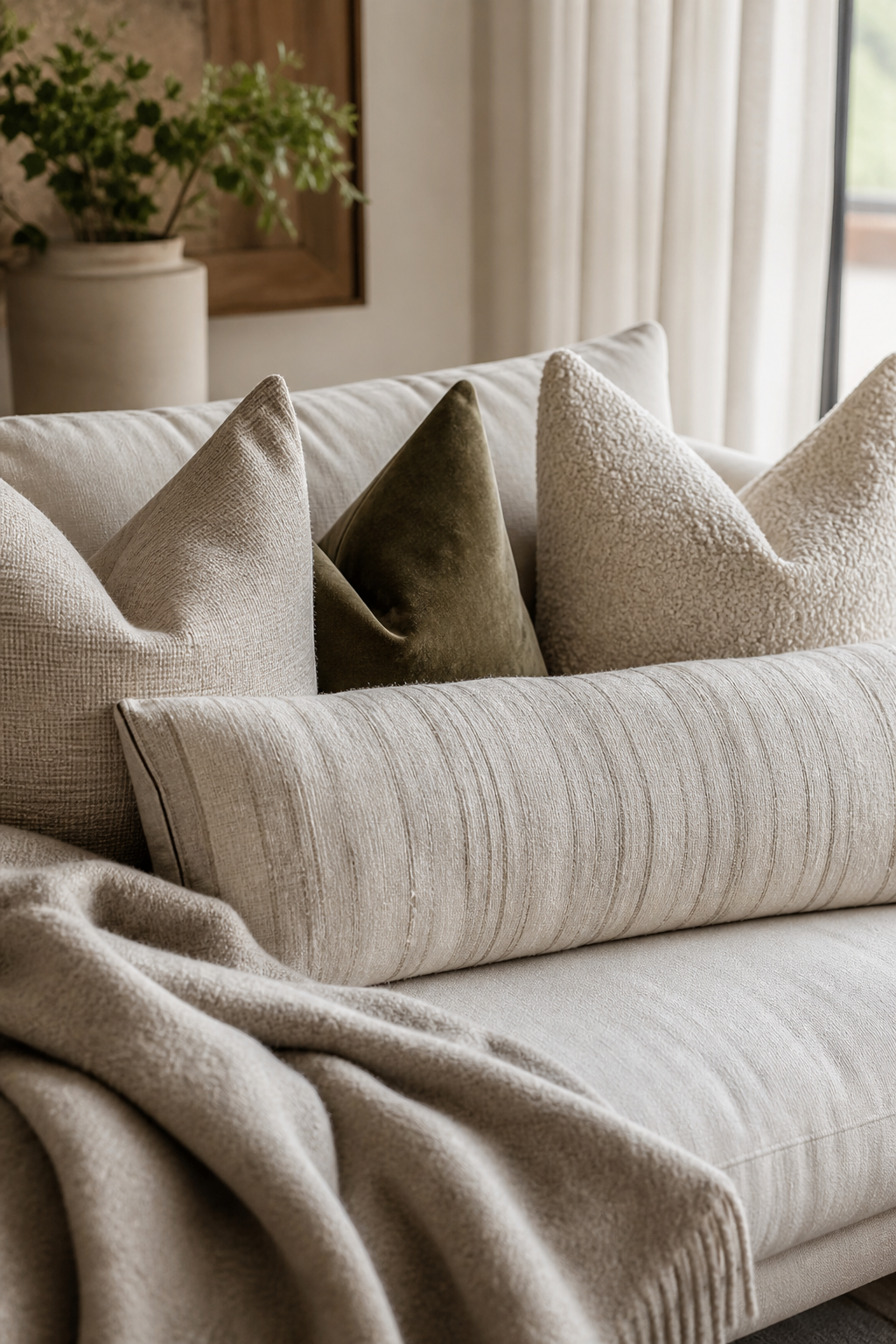
Layer Pillows By Texture
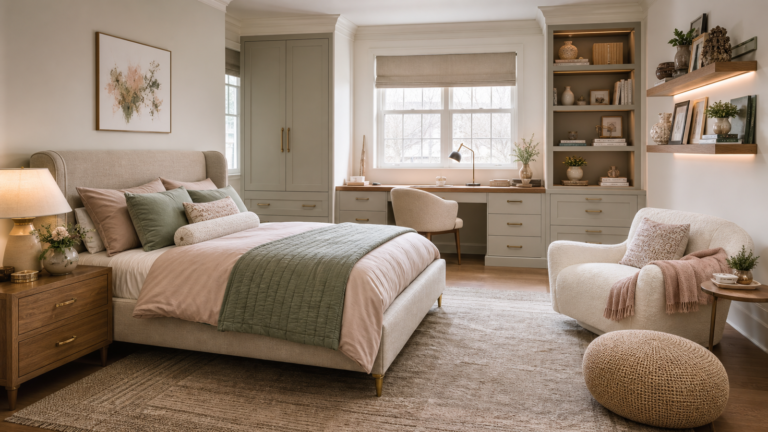
Pillows should add comfort and texture, not just color. Mix linen, velvet, wool, boucle, cotton, or embroidered fabric in a restrained palette. Vary the sizes so the arrangement looks relaxed but intentional. A large square pillow, a smaller patterned pillow, and one long lumbar can be enough for a sofa or bed. Avoid filling the seat so much that no one can sit comfortably. The best pillow combinations feel touchable and useful. They help connect the room’s palette while making furniture look deeper, softer, and more inviting.
Add Greenery For Shape
Greenery brings life to a room, but it looks best when chosen for shape rather than quantity. One olive tree, fern, branch arrangement, or sculptural plant can do more than several small pots scattered around. Place greenery where it breaks up straight lines: beside a cabinet, near a window, on a console, or in an empty corner. Use planters that relate to the room’s materials, such as ceramic, stoneware, woven fiber, or aged terracotta. The goal is a room that feels alive, not crowded. A strong plant adds movement and freshness to the whole composition.
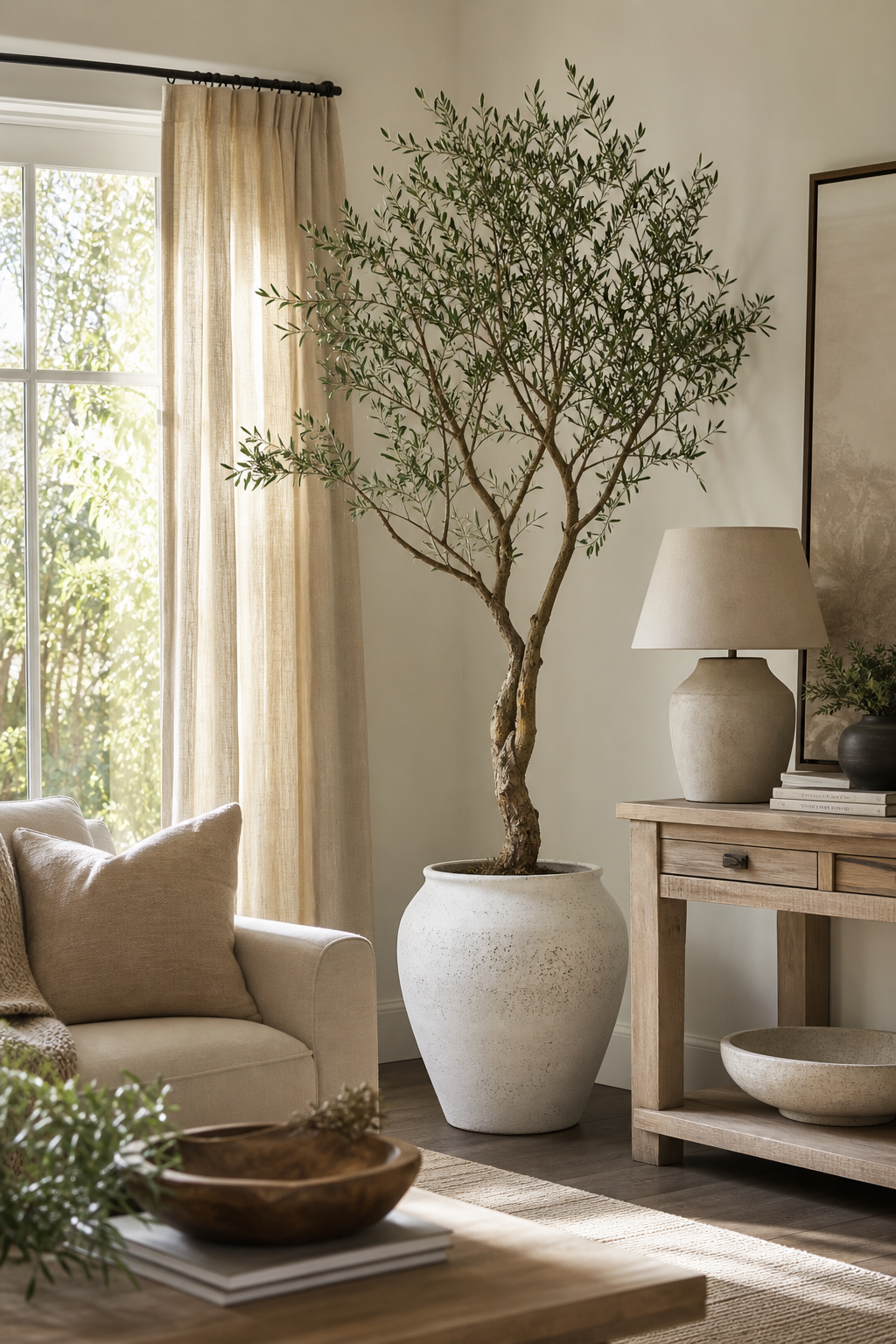
Create A Cozy Reading Spot
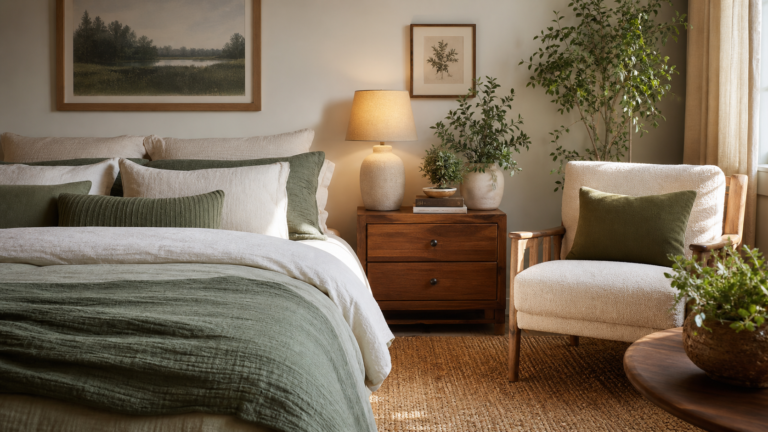
A reading spot gives a room a sense of purpose beyond general seating. Use a comfortable chair, small side table, lamp, and throw to create a destination in an empty corner. The chair does not need to be large, but it should feel inviting and scaled to the space. Add a footstool only if circulation allows. A reading corner can work in a bedroom, living room, hallway landing, or office. It makes the room feel more layered because it suggests a daily ritual. The best decor supports how you actually want to live.
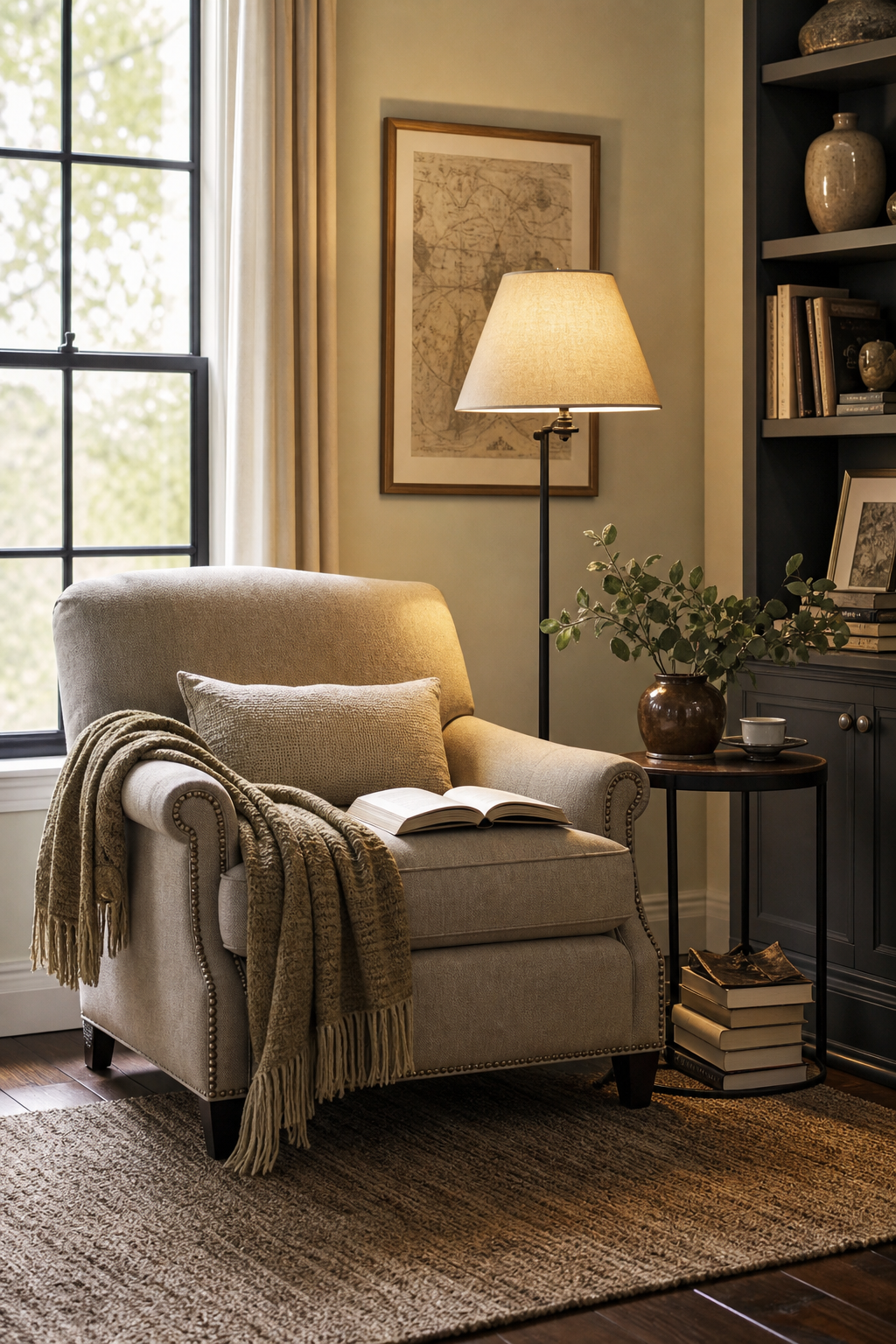
Use Trays To Gather Small Things
A tray can make ordinary items look intentional. Use one on a coffee table for remotes and a candle, on a dresser for perfume, or on an entry console for keys and sunglasses. Choose a material that adds something to the room: marble, rattan, lacquer, wood, metal, or stone. Limit the tray to a few objects so it does not become another clutter zone. This simple boundary is useful because it improves both function and presentation. Small things will always exist in a real home; the goal is to give them a better place to land.
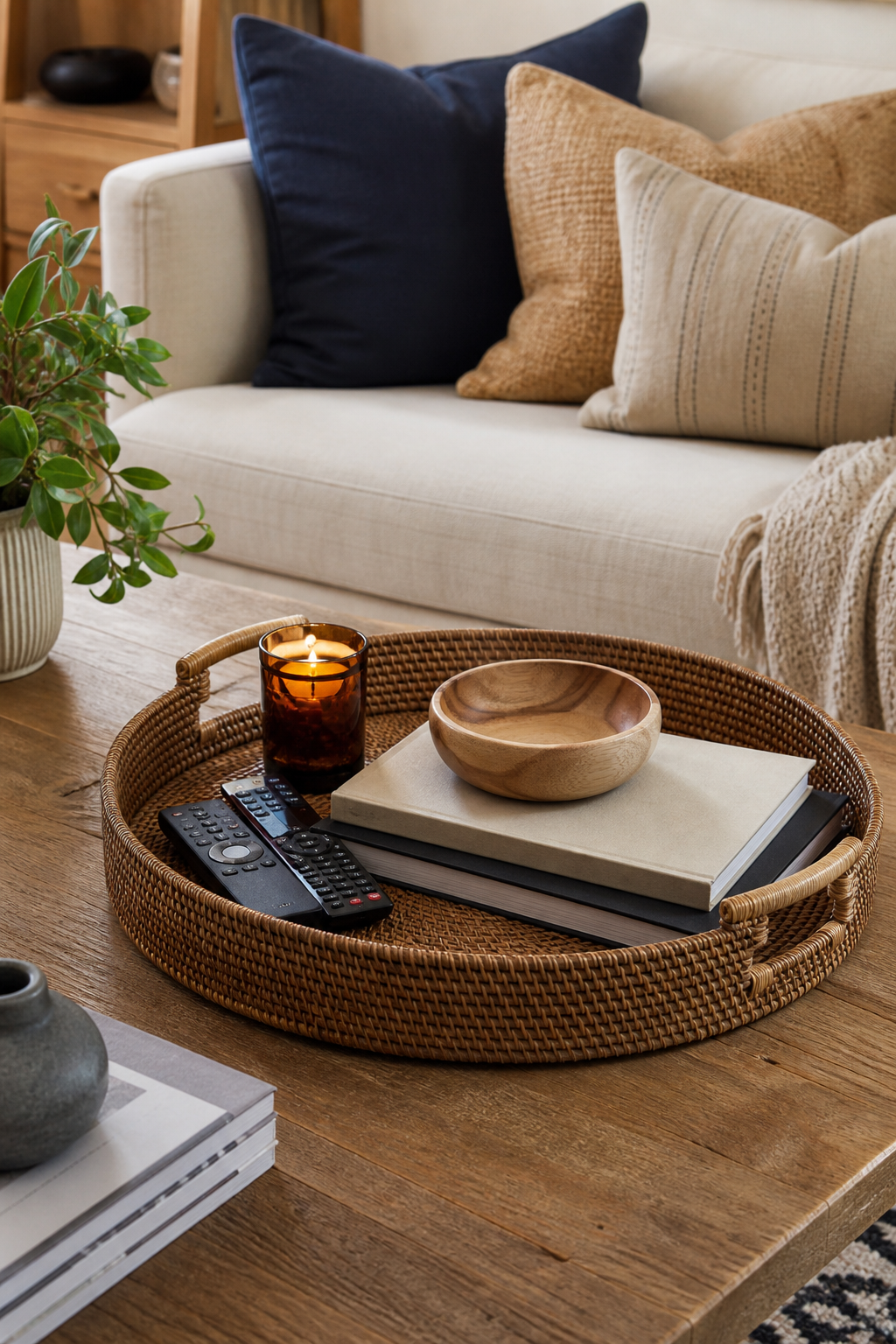
Repeat A Material Three Times
Rooms feel more cohesive when materials repeat with intention. If you use oak in a coffee table, echo it in a frame or side table. If brass appears in a lamp, repeat it in a mirror frame or small tray. If the room has black metal, bring it back through curtain rods or picture frames. Three quiet repetitions are usually enough. The pieces do not have to match exactly, but the undertone should feel related. This small design habit makes collected decor look deliberate and helps the room feel connected from one corner to another.
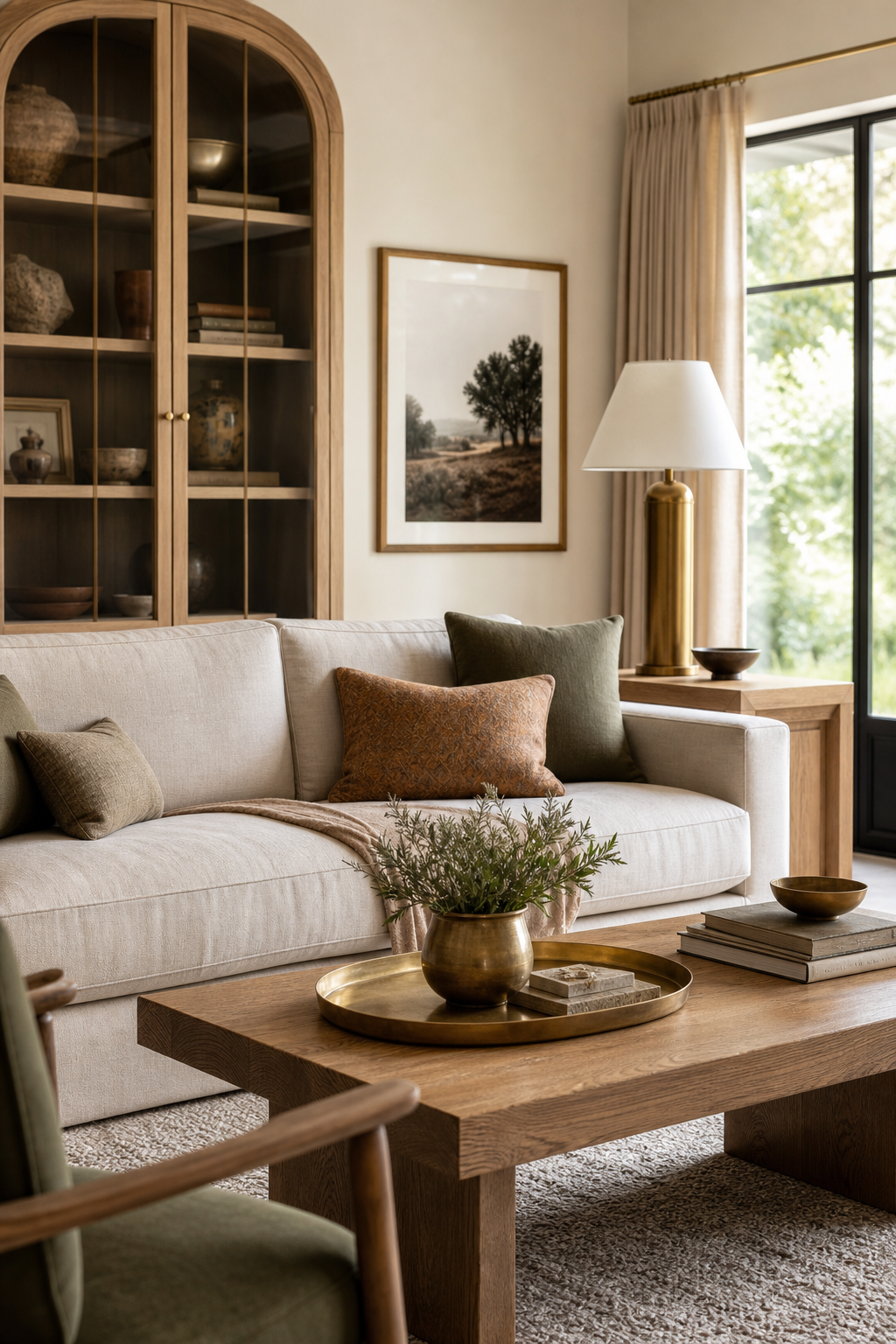
Make The Entry Feel Finished
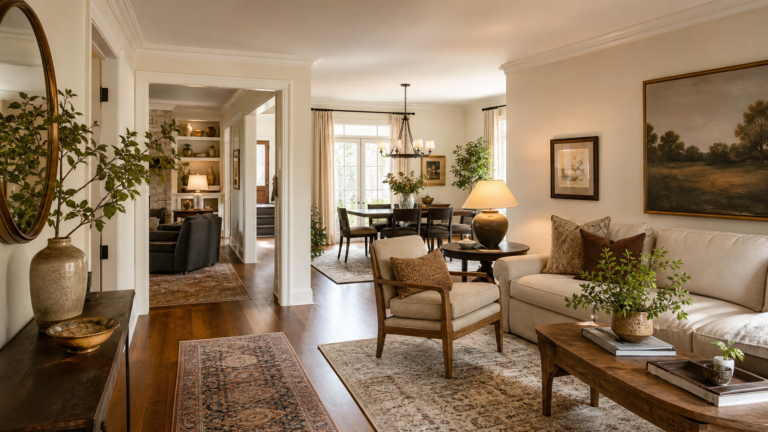
An entry or pass-through area can set the tone for the whole home. Even a narrow wall can hold a mirror, slim console, lamp, hook, or small bowl. Keep the arrangement practical so it handles keys, bags, and mail without becoming chaotic. A rug adds softness and helps the area feel distinct from the next room. If there is no room for furniture, use wall-mounted pieces instead. The entry should not feel like an afterthought. When it looks finished, the home feels more welcoming and the transition into the main room feels smoother.
Finish With Layered Evening Lighting
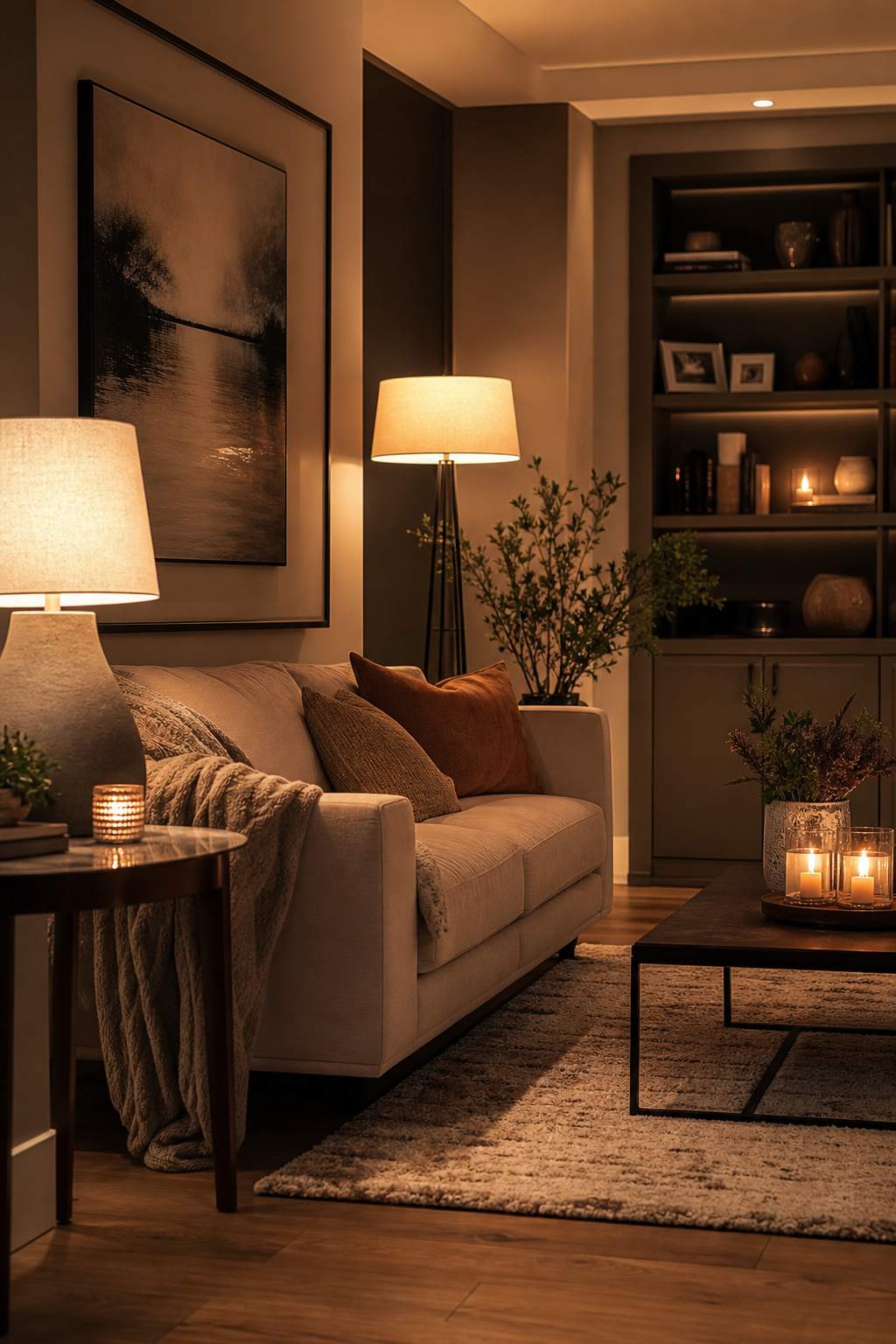
A room refresh is not complete until it feels good at night. Add at least two light sources beyond the ceiling fixture, such as table lamps, floor lamps, sconces, or picture lights. Warm bulbs and dimmers make colors softer and textures richer. Place light at different heights so the room glows instead of glaring. Evening lighting also makes shelves, art, and textiles feel more dimensional. Once the lighting is layered, the same furniture can feel more expensive and more comfortable. It is the final polish that turns a decorated room into a room people want to stay in.
The best room decor refreshes usually come from a few thoughtful changes rather than a complete redesign. Start with mood and scale, then look at the details that shape daily experience: lighting, textiles, surfaces, storage, and art. When every piece supports the same feeling, the room becomes easier to enjoy and easier to maintain. A taller curtain, stronger rug, edited shelf, sculptural lamp, or finished entry can shift the entire atmosphere. Choose one idea that solves what the room is missing, then build from there with restraint and intention.