25 Dopamine Decor To Inspire Your Next Home Refresh
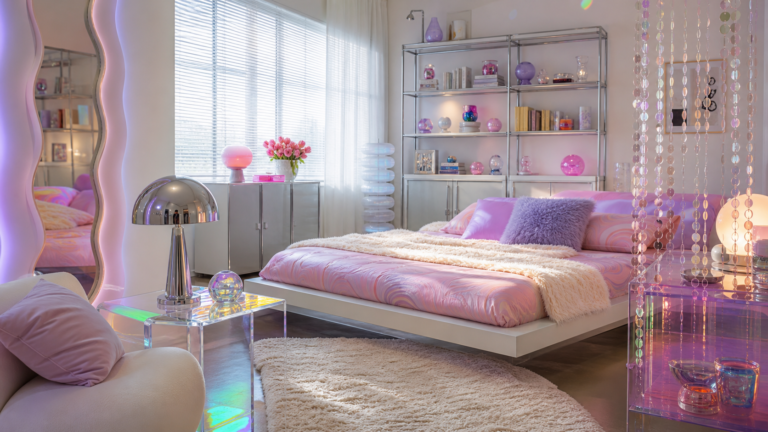
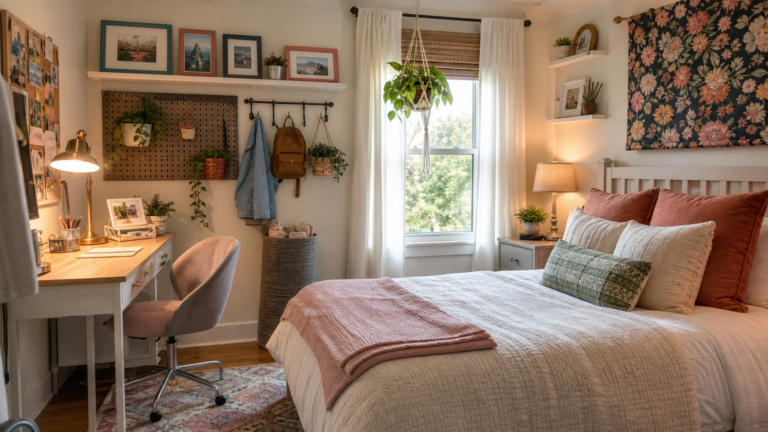
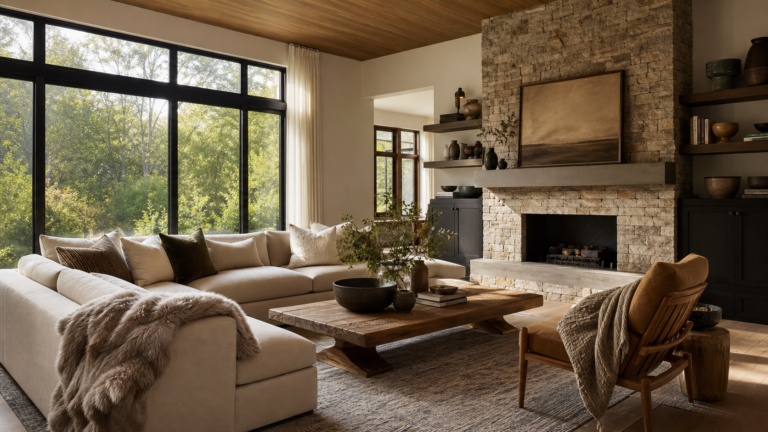
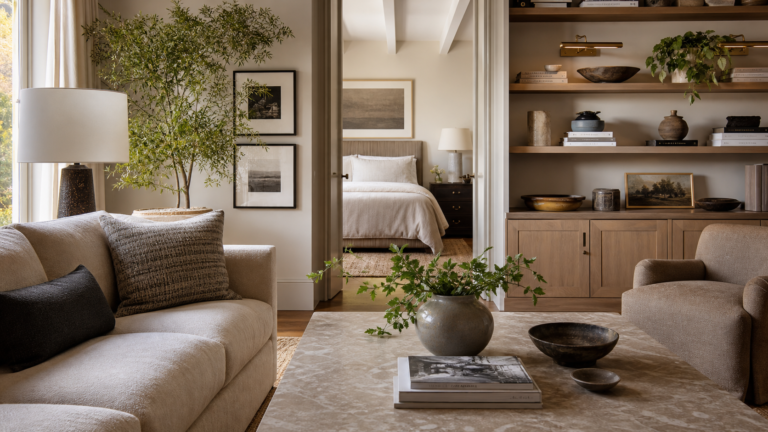
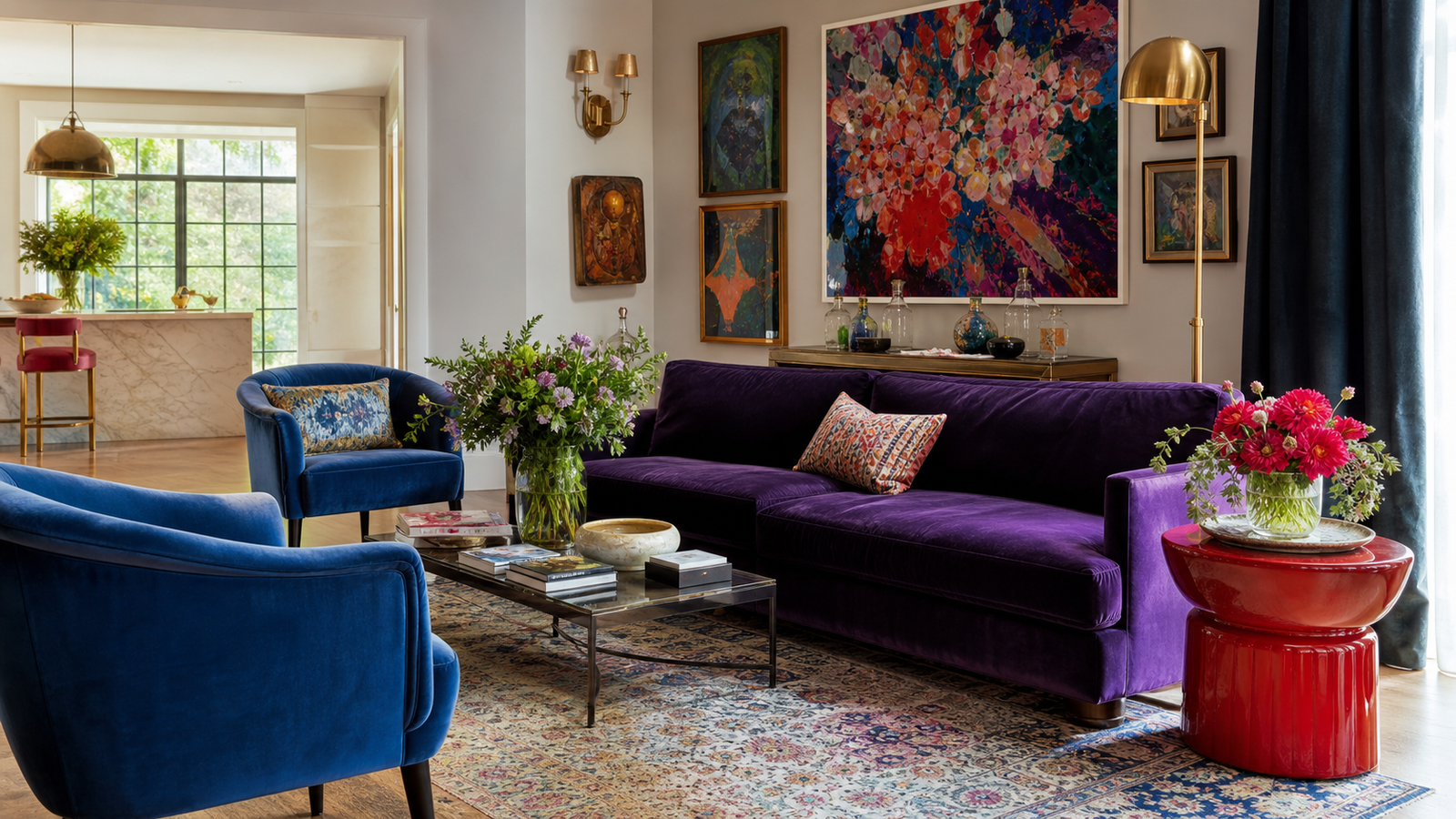
Dopamine decor is not about filling a room with loud color for the sake of novelty. At its best, it is a carefully edited expression of pleasure: a lacquered cabinet in a favorite shade, a velvet chair that catches the afternoon sun, a patterned rug that makes the room feel alive before anything else is added. The most successful spaces balance exuberance with discipline, pairing saturated color with handsome materials, confident proportions, and practical layouts. These 25 ideas approach dopamine decor through the lens of refined interiors, showing how color, texture, lighting, art, and furniture can refresh a home without losing elegance.
1. Start With A Jewel-Toned Sofa
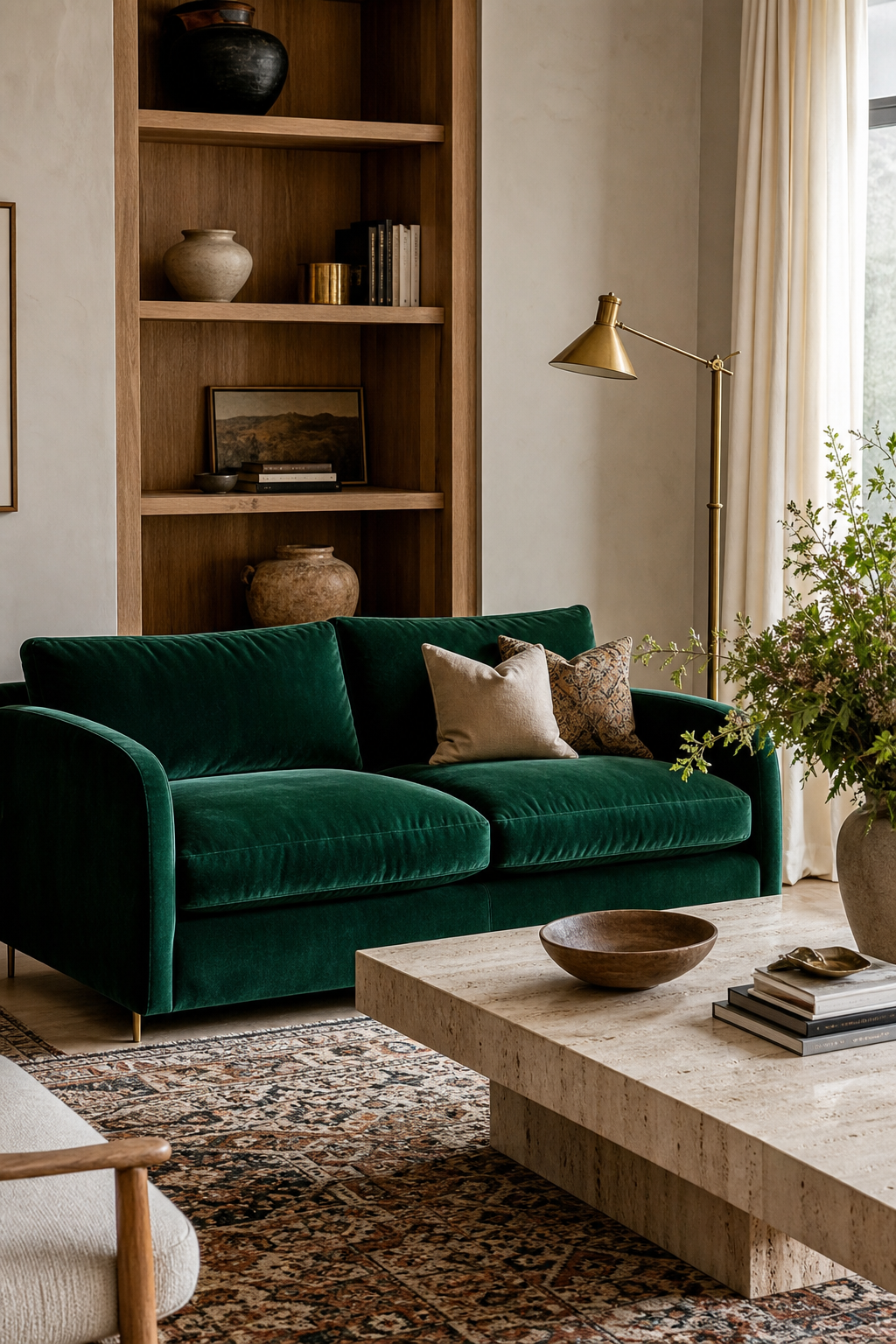
A jewel-toned sofa gives dopamine decor a sophisticated anchor rather than a scattered burst of color. Emerald green, sapphire blue, amethyst, or deep garnet velvet can transform a plain living room into a layered, editorial space while still feeling timeless. Keep the silhouette tailored, with a low back, slim arms, or a curved profile, so the color reads intentional rather than theatrical. Pair it with warm oak, travertine, or antique brass to soften the richness. A neutral wall color allows the upholstery to glow, while a patterned rug can echo the shade in smaller doses. For function, choose a performance velvet or tightly woven fabric if the room is used daily. The goal is a piece that feels indulgent, comfortable, and beautifully permanent.
2. Paint The Ceiling A Surprising Color
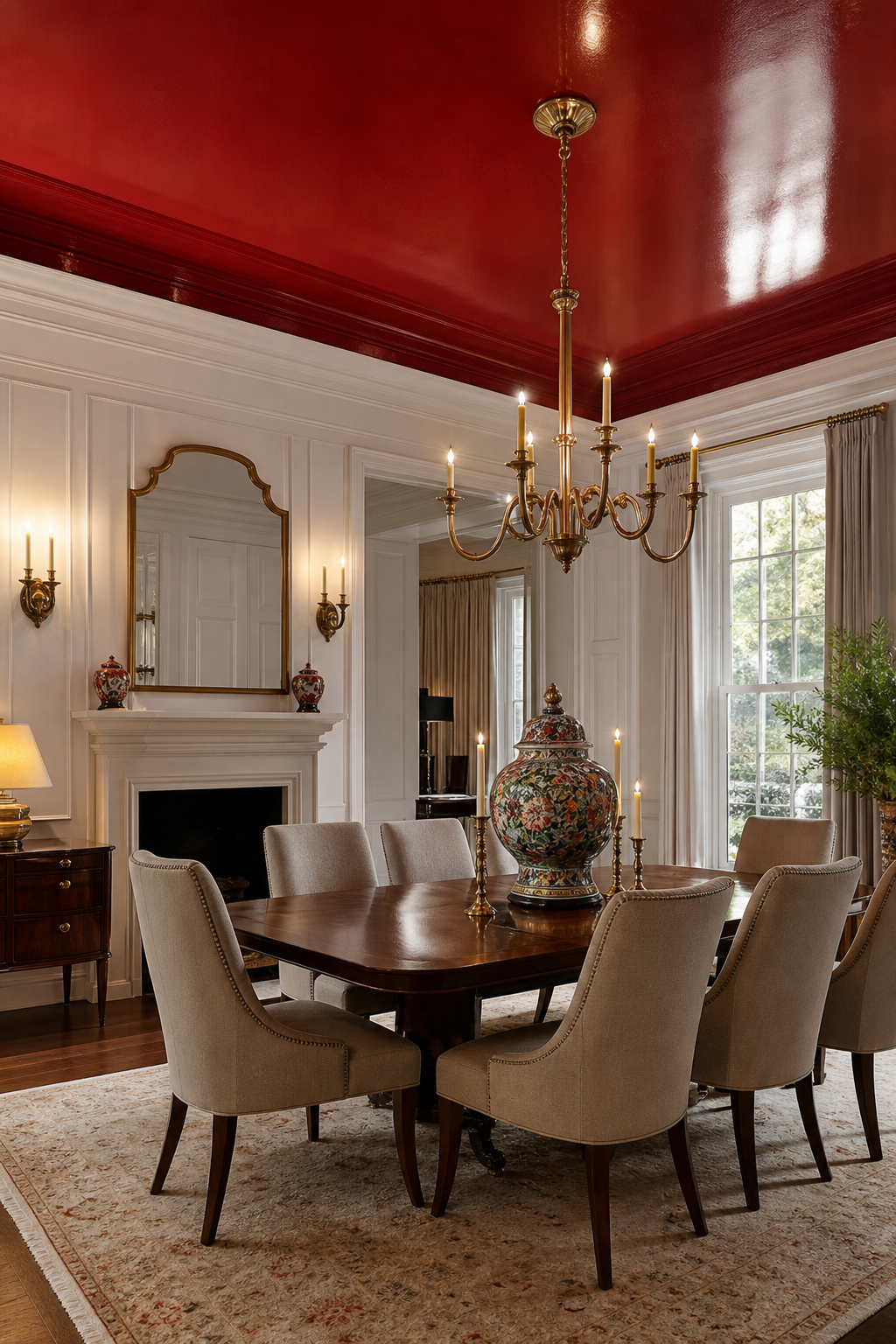
A colored ceiling is one of the most refined ways to introduce joy because it changes the atmosphere without crowding the room. In a dining room, a glossy tomato red ceiling can make candlelight feel warmer and more intimate. In a bedroom, powder blue overhead creates a calm, lifted effect, especially with white linen and pale wood furniture. For a bolder approach, try chartreuse, coral, or aubergine above crisp architectural moldings. The finish matters: matte feels soft and modern, while lacquer or high gloss adds evening glamour. Keep walls quieter if the ceiling is intense, and repeat the color once below eye level through piping, a lampshade, or a ceramic bowl. This creates cohesion while preserving the delight of looking up.
3. Layer Patterned Rugs With Confidence
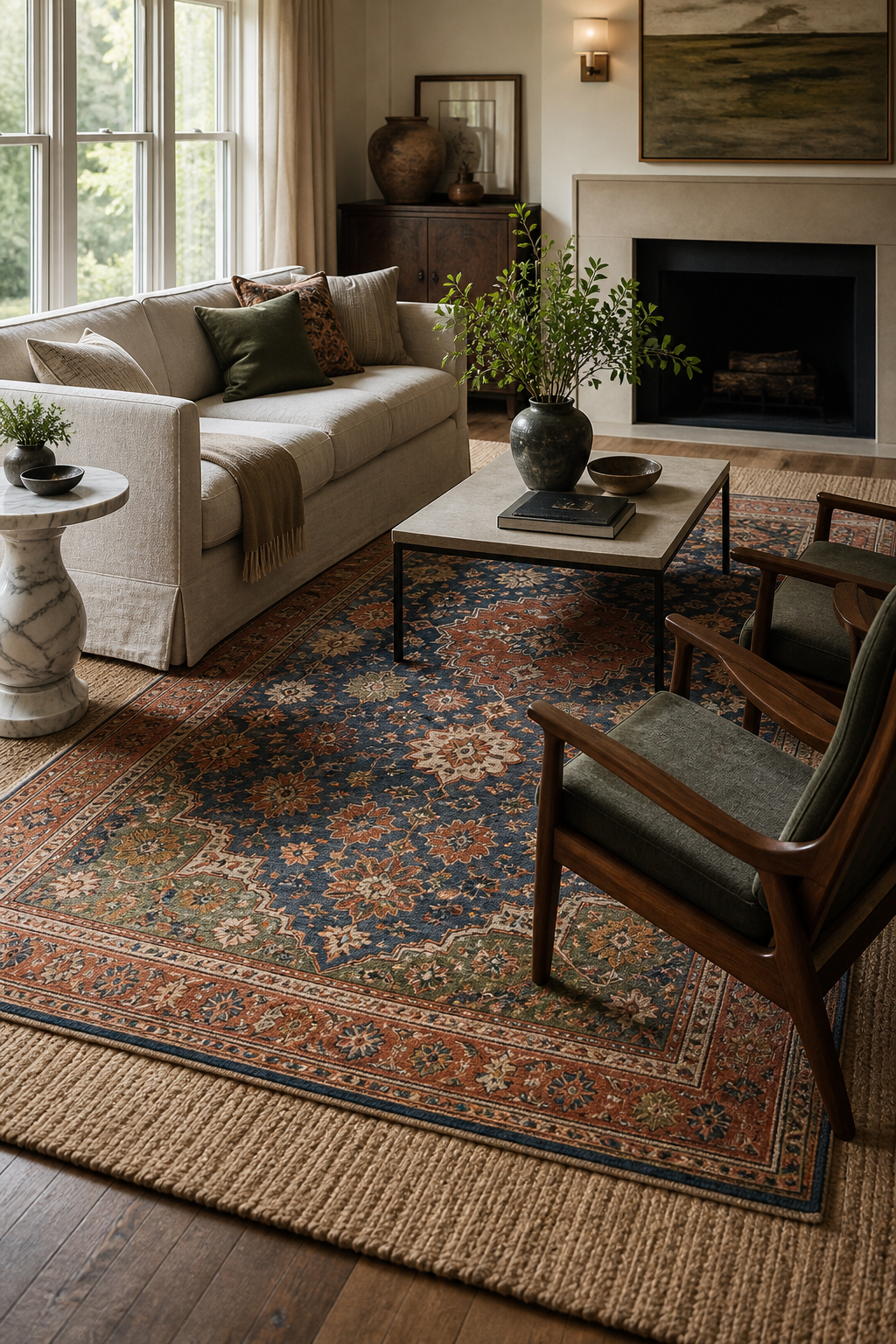
Pattern underfoot can shift an entire room from careful to charismatic. A dopamine-inspired rug does not have to be chaotic; the best examples use controlled repetition, saturated color, and a strong relationship to the furniture plan. Try a hand-knotted rug with cobalt, persimmon, olive, and cream beneath a simple linen sofa, or layer a striped flatweave over a larger natural fiber rug for casual polish. Let the rug define the seating area clearly, with front furniture legs resting on it to avoid a floating effect. If the room already has colorful upholstery, choose a rug with one shared tone and several quieter supporting shades. Wool, silk blends, and thick flatweaves add tactile depth, making the color feel collected and luxurious rather than decorative alone.
4. Choose Lacquered Accent Furniture
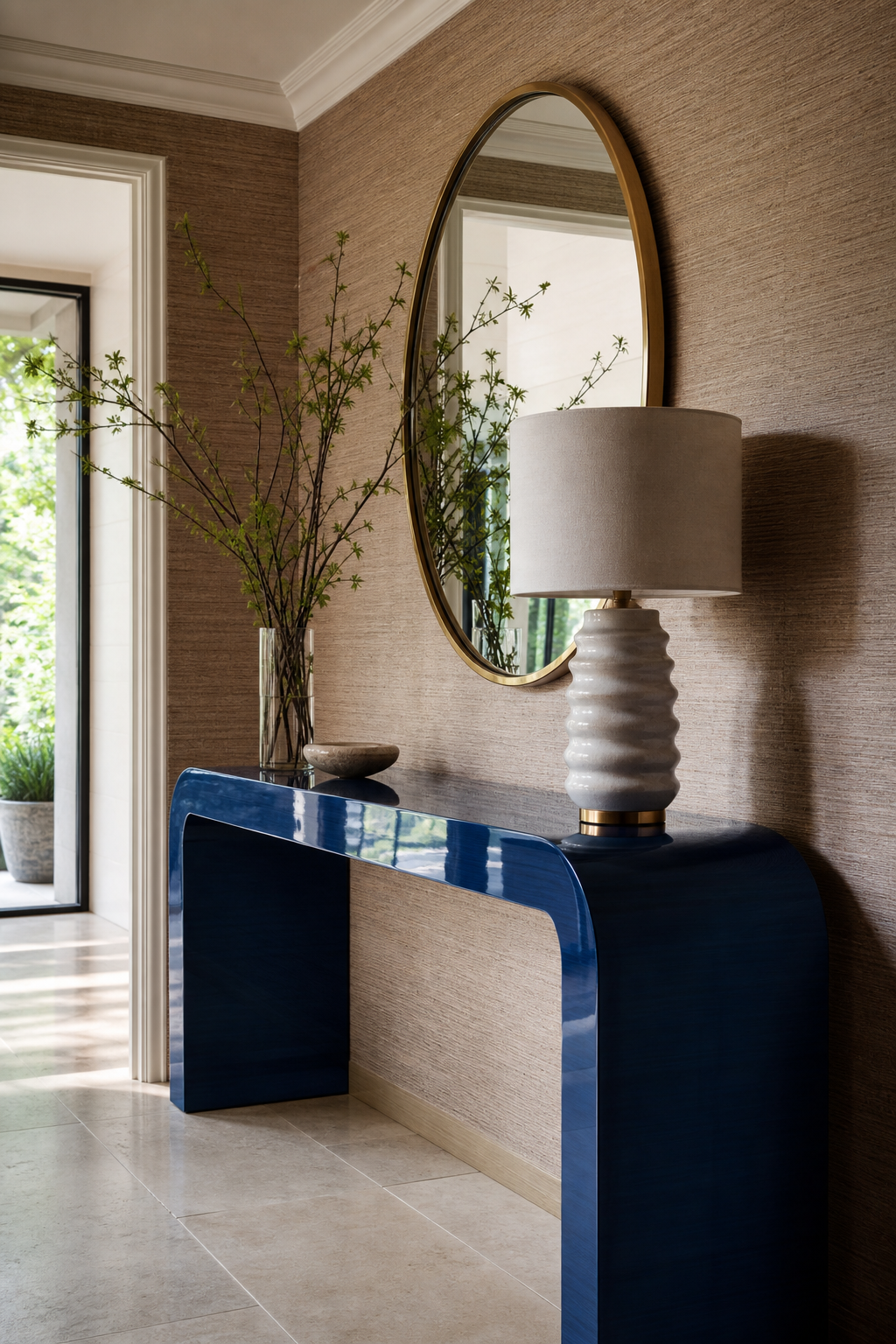
Lacquer brings color into a room with polish, depth, and a subtle sense of occasion. A glossy red console in an entry, a cobalt bedside table, or a butter-yellow drinks cabinet can feel joyful without overwhelming the architecture. Because lacquer reflects light, it works especially well in rooms that need brightness or a more finished edge. Keep surrounding textures tactile: grasscloth walls, wool upholstery, linen curtains, or honed stone will prevent the shine from feeling flat. Scale is important. One lacquered piece is often more elegant than several competing surfaces, particularly in open-plan spaces. Style it with restraint using a sculptural lamp, a ceramic tray, and a single branch arrangement. The result feels vivid, glamorous, and highly intentional.
5. Mix Citrus Shades With Natural Wood
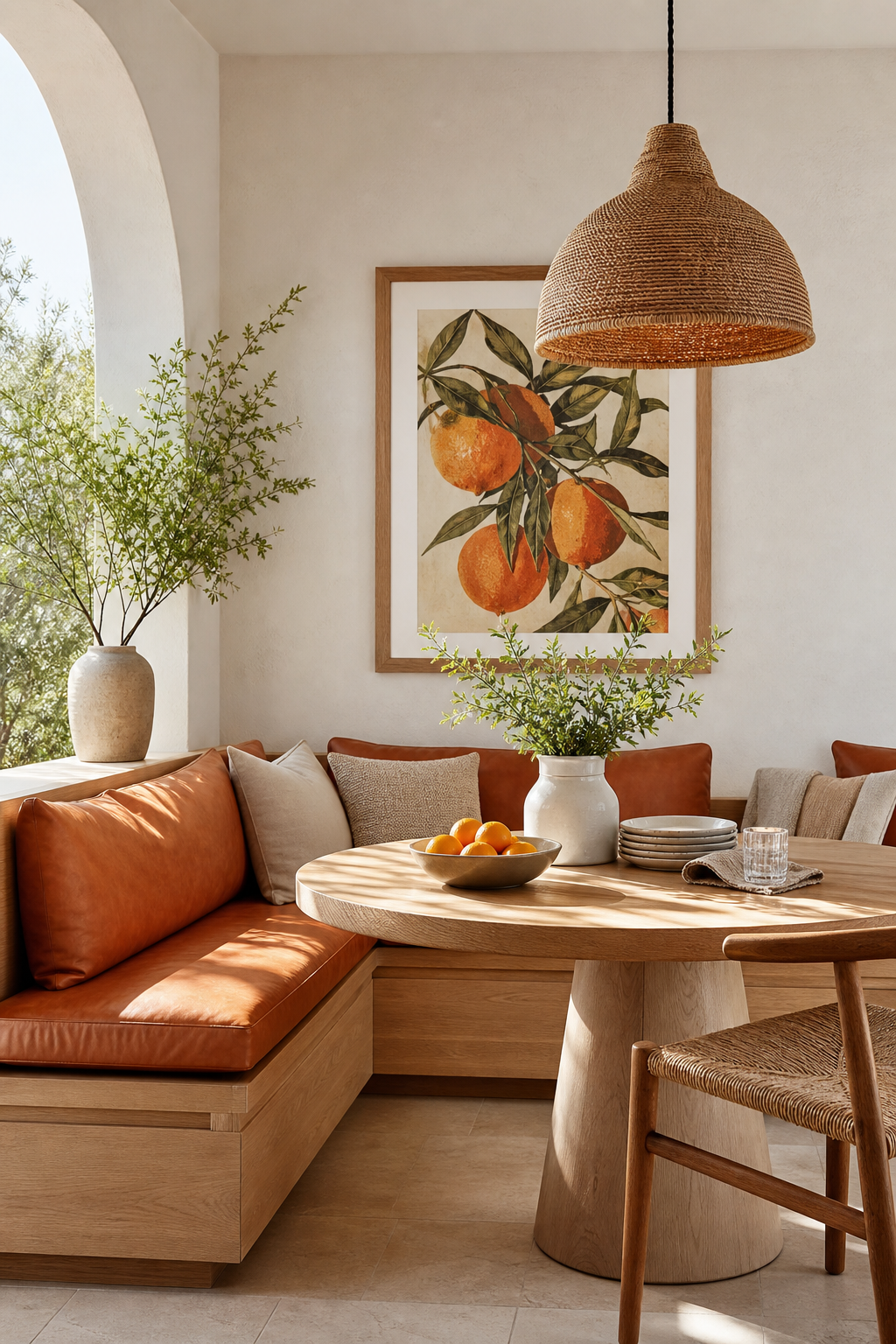
Citrus tones bring instant optimism, but they become far more livable when grounded by natural wood. Lemon, tangerine, and grapefruit shades look refined against oak, walnut, ash, or teak because the grain adds warmth and maturity. In a breakfast nook, try orange leather cushions on a built-in banquette with a pale oak table. In a study, a lemon-yellow chair can sit beautifully beside walnut shelving and a woven shade. Avoid using every citrus shade at equal strength. Choose one hero color, then introduce related tones through flowers, art, or tableware. Matte finishes and natural fibers keep the palette from becoming too sharp. This approach is sunny and energizing, yet still connected to craftsmanship and everyday comfort.
6. Add A Statement Color Block Wall
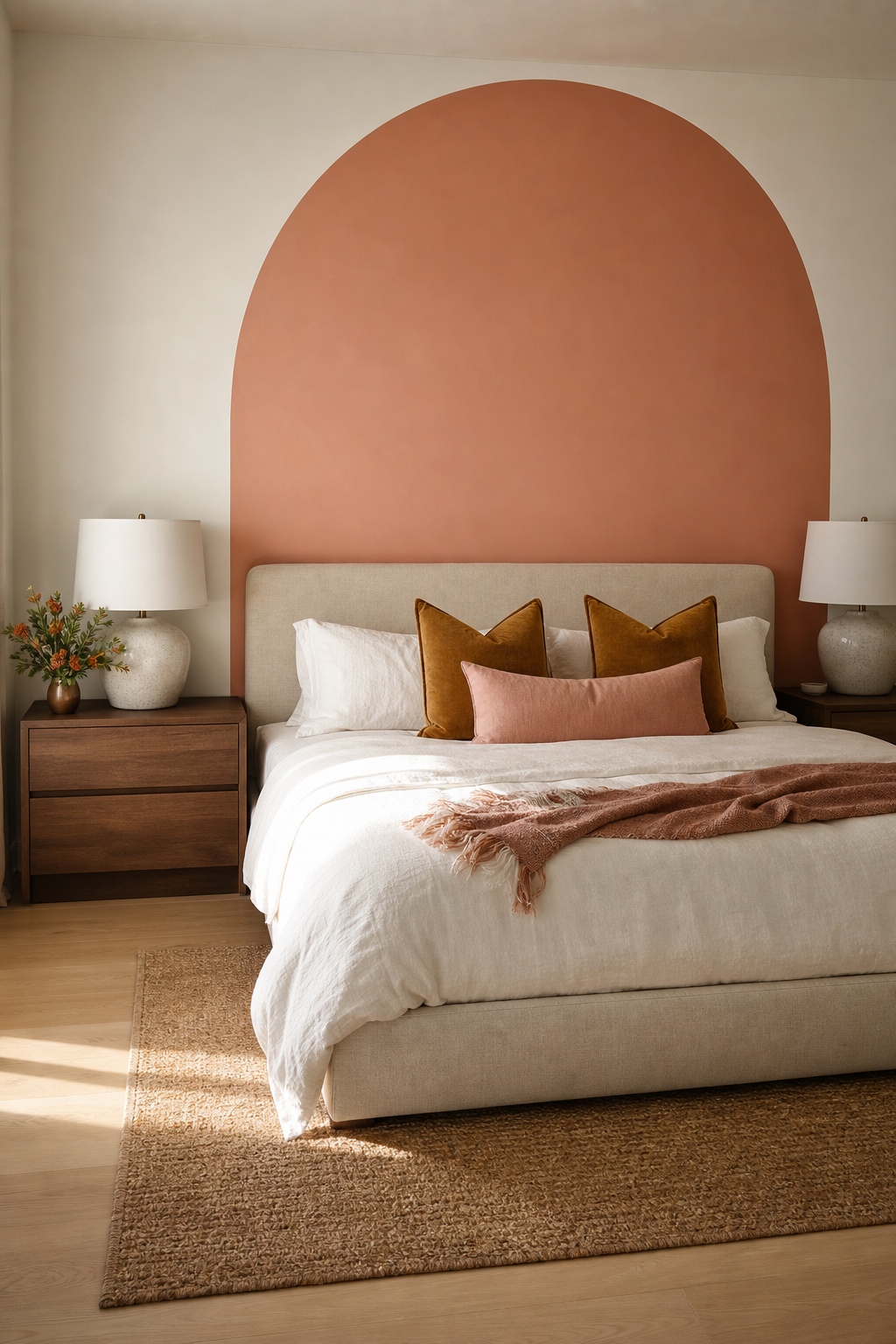
A color block wall can make a room feel architectural, especially when the shape responds to furniture rather than sitting randomly on the surface. Frame a bed with a wide arch of coral paint, create a deep teal rectangle behind a console, or wrap a reading corner in ochre from baseboard to picture rail. The key is precision: sharp edges, considered proportions, and colors that relate to the room’s textiles. A muted base wall lets the stronger block feel elevated. This technique is useful when a room lacks moldings or built-ins, because paint can provide structure at a modest cost. Pair the block with sculptural lighting and restrained furniture so the graphic gesture remains the main event.
7. Bring In Sculptural Lighting
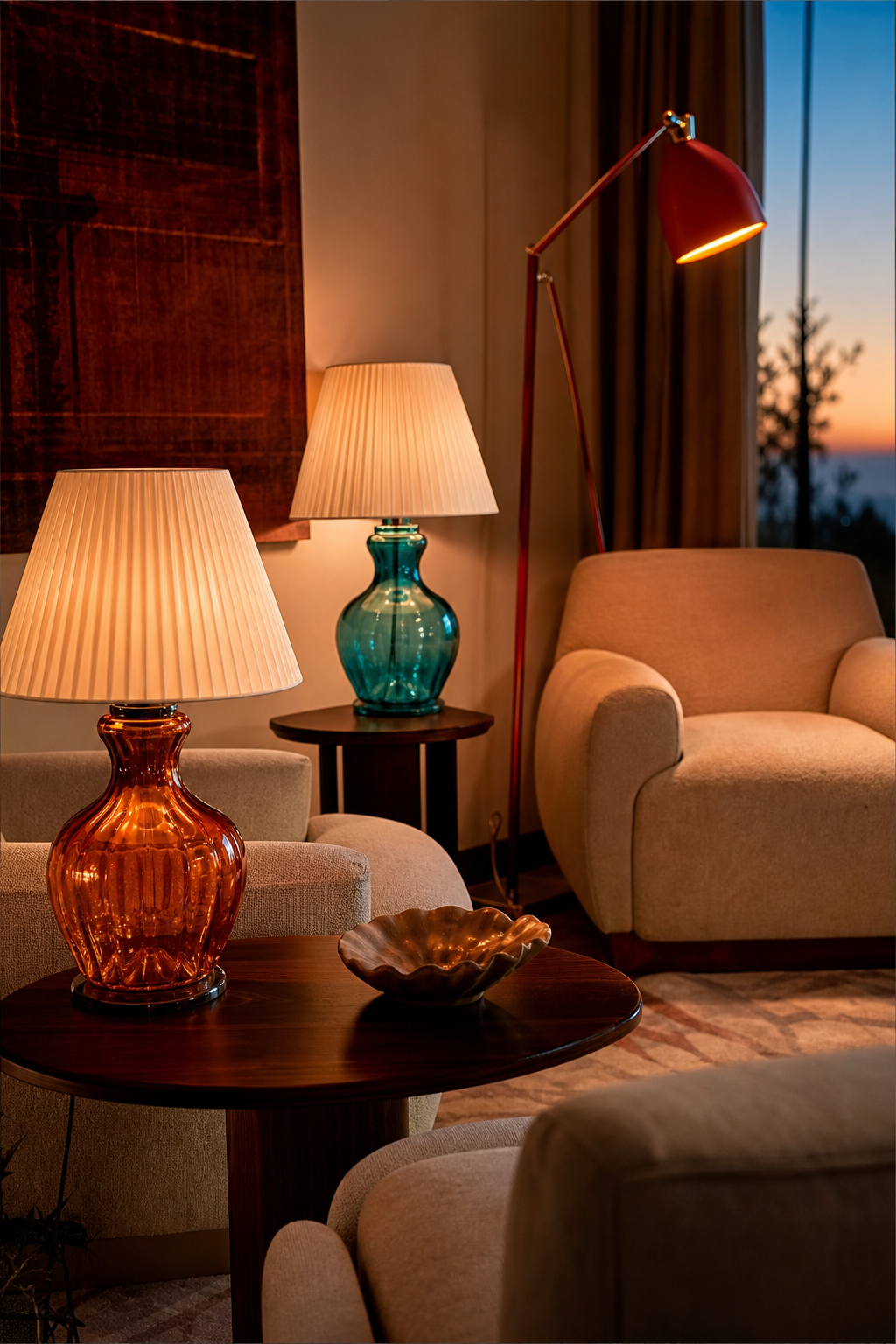
Lighting is one of the most elegant routes into dopamine decor because it affects both color and mood. Look for lamps and pendants with sculptural forms, colored glass, pleated shades, or enamel finishes. A Murano-style glass table lamp in amber or turquoise can make a neutral room feel collected, while a red metal floor lamp adds graphic energy beside a tailored armchair. Warm bulbs are essential; cool light can make saturated color feel harsh and unflattering. Use multiple levels of lighting rather than relying on one ceiling fixture: sconces, table lamps, picture lights, and floor lamps each create different pockets of atmosphere. A joyful room should glow in the evening, not simply look bright during the day.
8. Curate A Joyful Gallery Wall
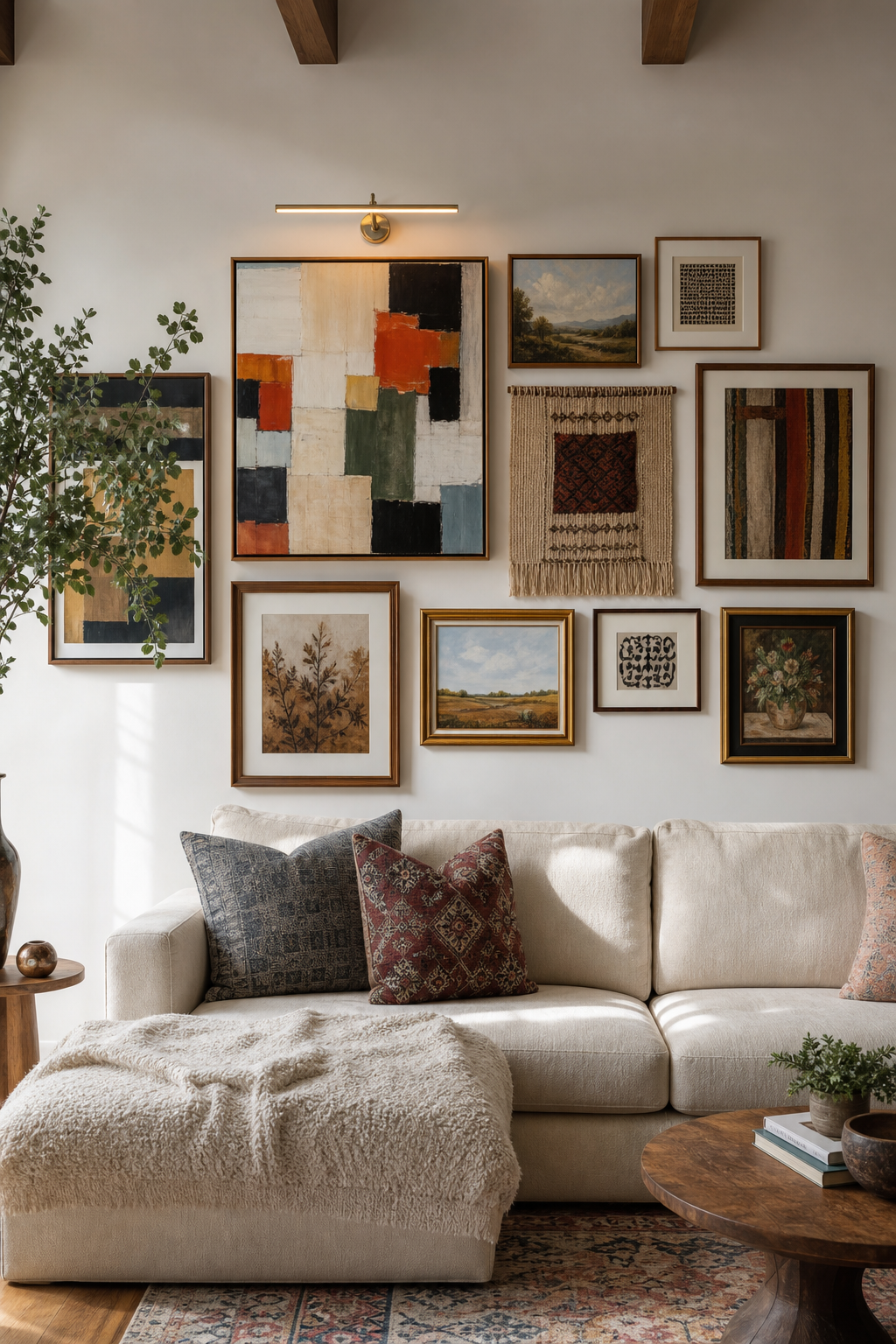
A gallery wall can carry enormous personality when it is curated with discipline. Combine abstract works, small landscapes, textile pieces, and framed photographs, but keep one unifying thread such as a shared color family, frame finish, or spacing rhythm. Dopamine decor favors art that sparks feeling, so do not be afraid of saturated pink, blue, yellow, or green. The layout should still respect the furniture below it. A gallery over a sofa should be wide enough to feel connected, while an entry wall can be denser and more salon-like. Mix frame profiles for depth, but avoid making every frame compete. Add a picture light or nearby sconce to give the collection a museum-quality presence after dark.
9. Use Colorful Stone As A Focal Point
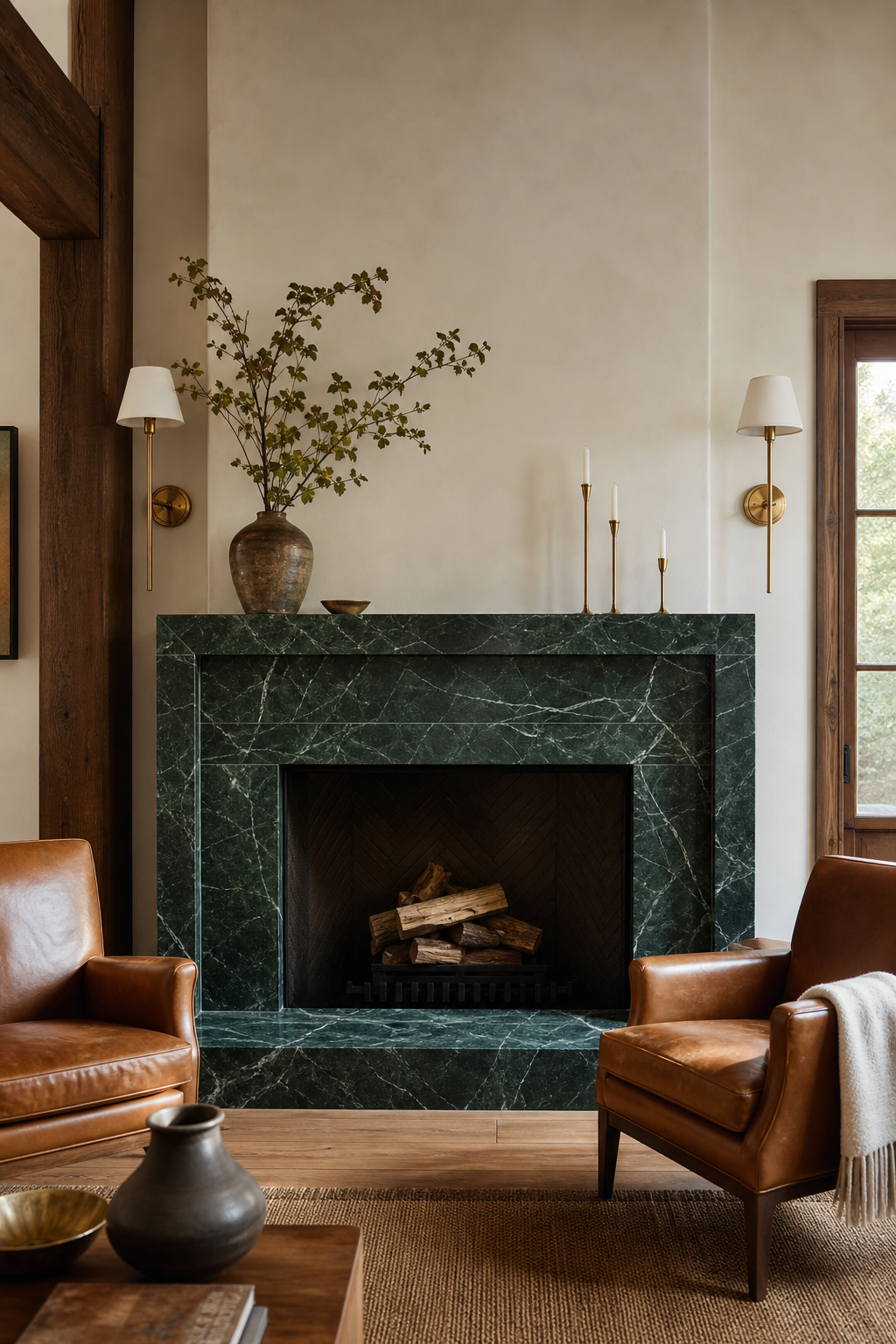
Colorful stone gives dopamine decor a luxurious, permanent quality. Rosso marble, green onyx, breccia, or richly veined quartzite can become the defining feature of a kitchen island, fireplace surround, powder room vanity, or side table. Because stone has natural movement, it offers color without appearing flat or overly designed. Let the material breathe by pairing it with simpler cabinetry, quiet hardware, and balanced lighting. A deep green marble fireplace looks particularly strong against warm white walls and cognac leather seating, while pink stone can soften a powder room with brass fixtures and plaster walls. Use honed finishes for a quieter look and polished finishes when reflection and drama suit the room.
10. Refresh The Bedroom With Saturated Bedding
Bedding is a flexible way to experiment with color while keeping the room serene. Instead of choosing a full matching set, build layers: a crisp white fitted sheet, a saffron linen duvet, berry velvet pillows, and a striped cotton coverlet at the foot of the bed. Saturated bedding works best when the headboard and nightstands provide structure. Consider a channel-tufted headboard in oatmeal, walnut bedside tables, and ceramic lamps with soft shades. Texture is what keeps the palette elevated. Washed linen, brushed cotton, velvet, and matelasse each absorb light differently, giving the bed depth. Keep the surrounding surfaces edited so the color feels inviting at the end of the day rather than visually noisy.
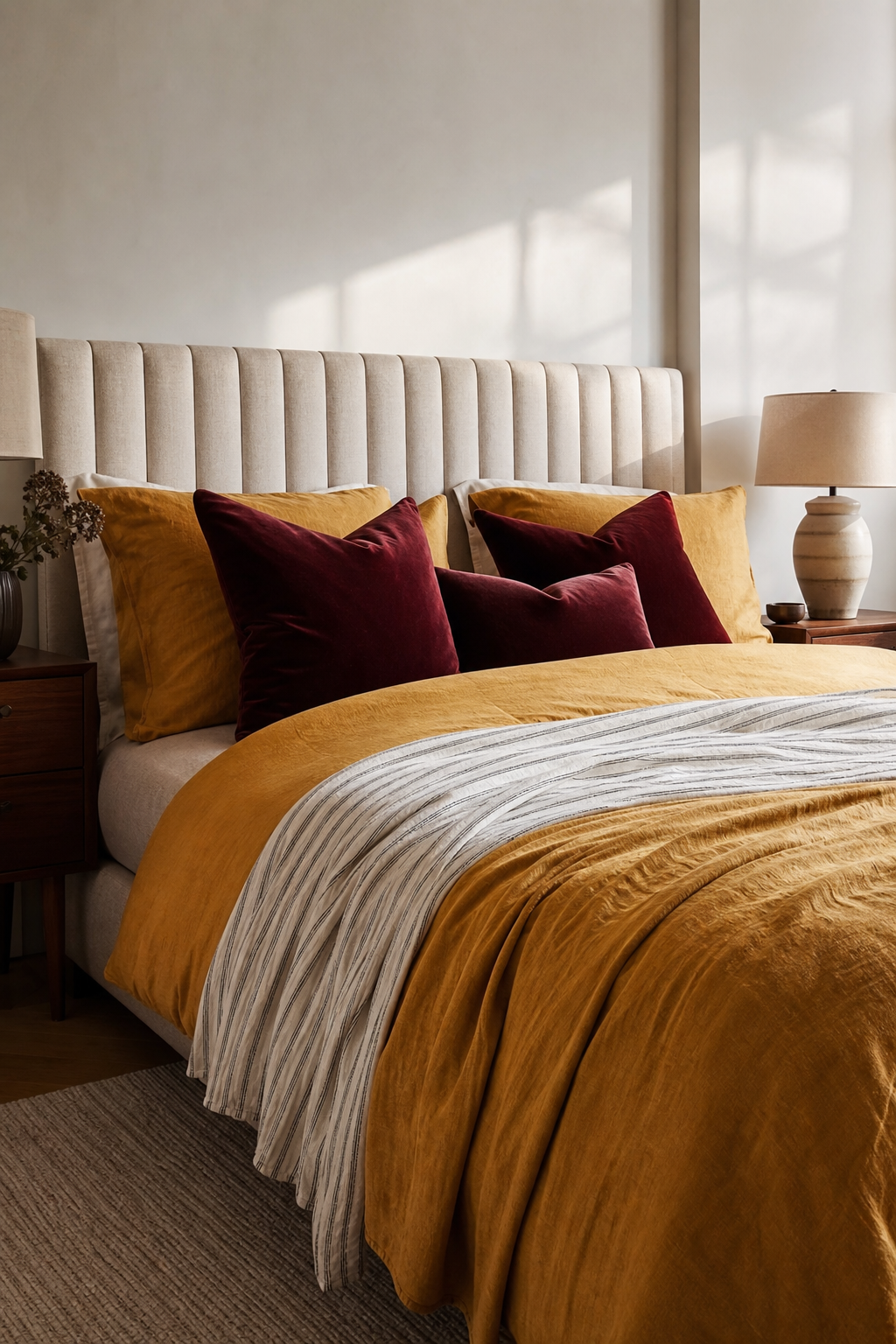
11. Style Open Shelves With Color Rhythm
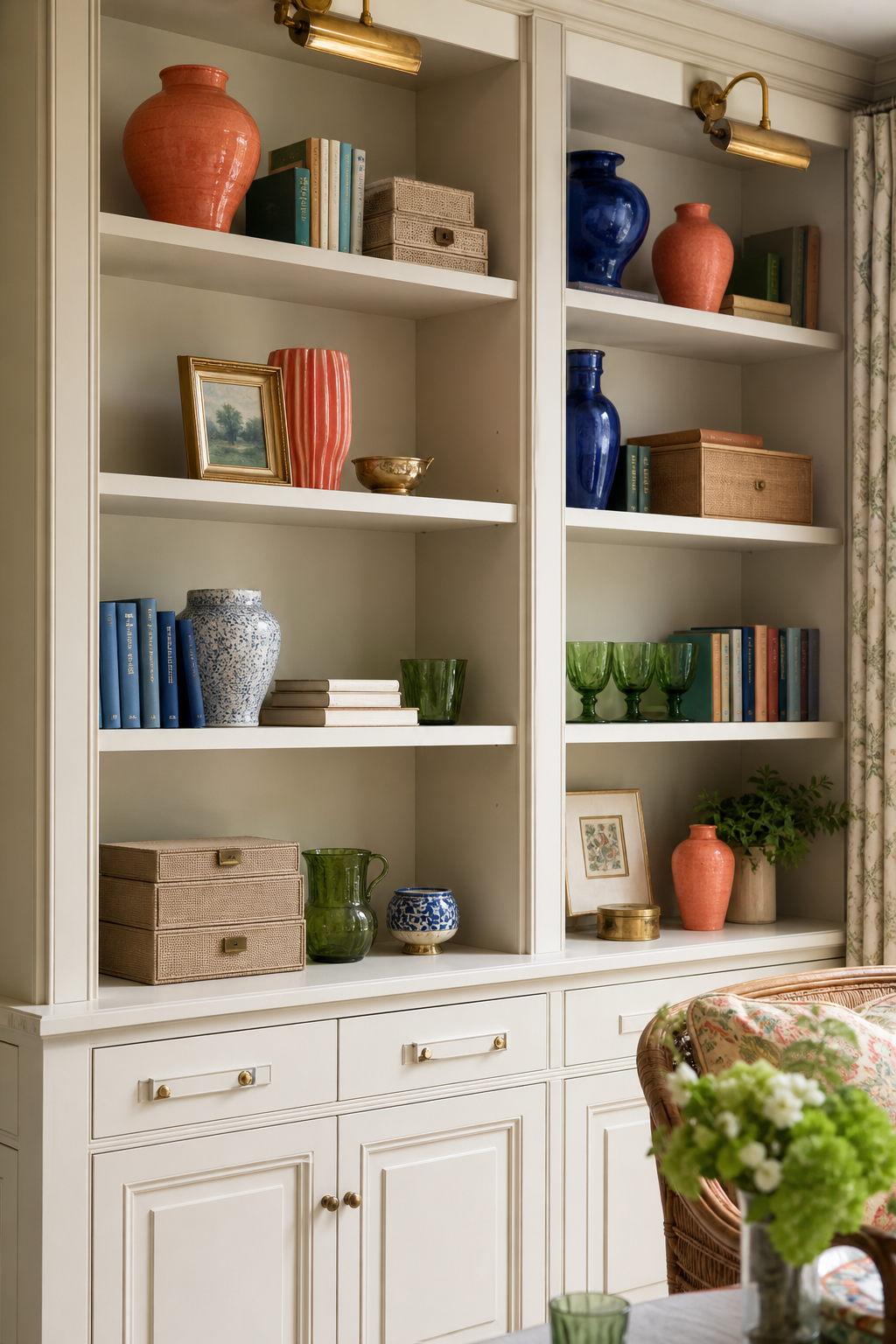
Open shelves can look either lively or cluttered depending on rhythm. For a dopamine decor refresh, arrange books, ceramics, glassware, and objects by tone rather than strict category. A row of coral books can balance a cobalt vase on the opposite shelf, while green glass can echo a plant or artwork nearby. Leave negative space so every color has room to register. Vary height and finish: matte pottery, glossy glass, woven boxes, and a small framed piece all create texture. In a kitchen, colorful bowls and pitchers are useful as well as decorative. In a living room, mix personal pieces with art books and sculptural objects. The shelves should feel collected over time, not staged in a single afternoon.
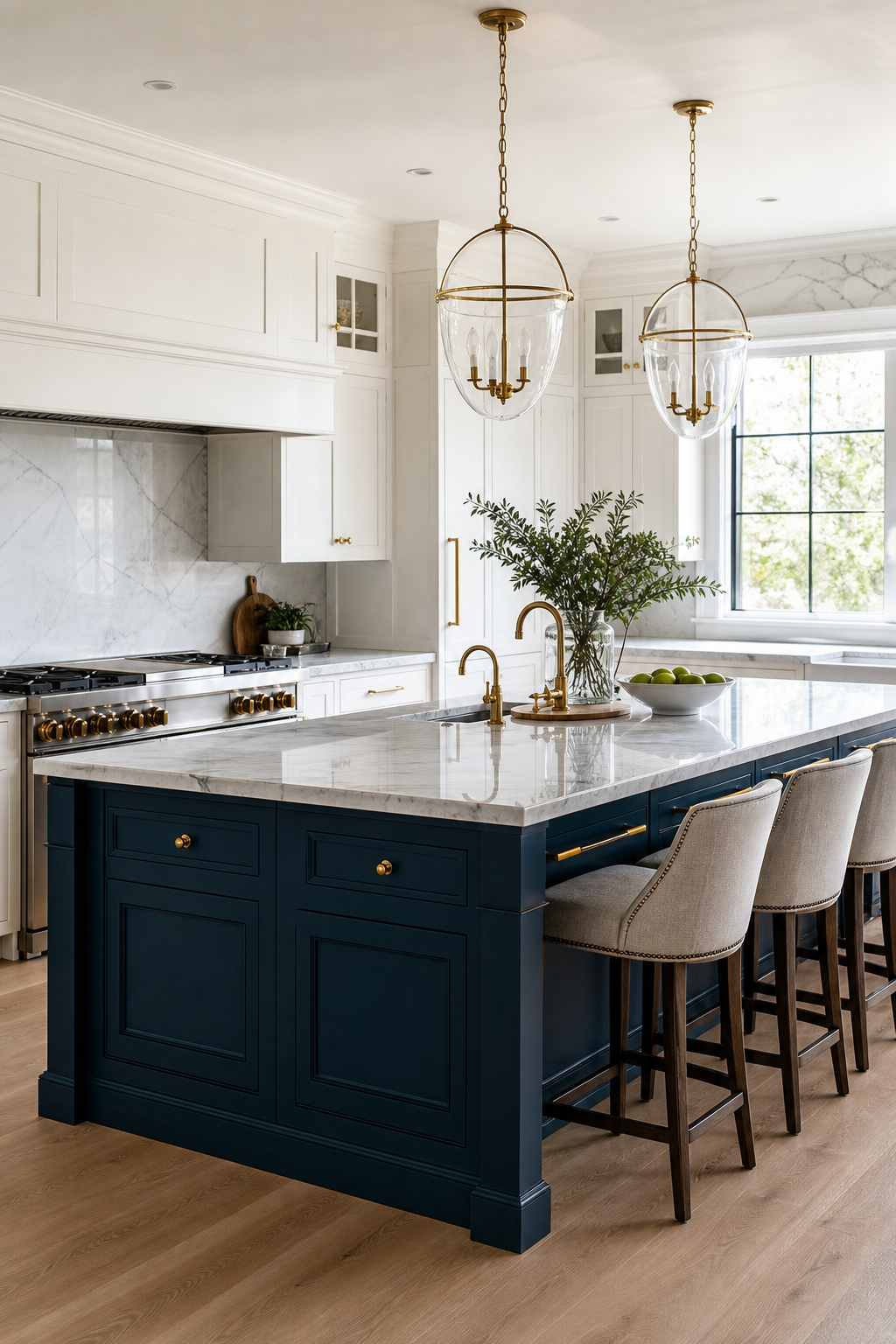
12. Try A Painted Kitchen Island
A painted kitchen island brings color into the busiest room without committing every cabinet to the same statement. Deep peacock blue, olive green, aubergine, or warm terracotta can look exceptional beneath stone counters and pendant lighting. The island should relate to something else in the room: veining in the marble, a pantry door, bar stool upholstery, or a small artwork. Keep perimeter cabinetry quieter in white, mushroom, pale oak, or soft gray to preserve balance. Hardware can sharpen the look, with unlacquered brass for warmth or polished nickel for a cleaner edge. A colorful island is especially effective in open-plan homes because it visually anchors the kitchen while still allowing the space to feel sociable and elegant.
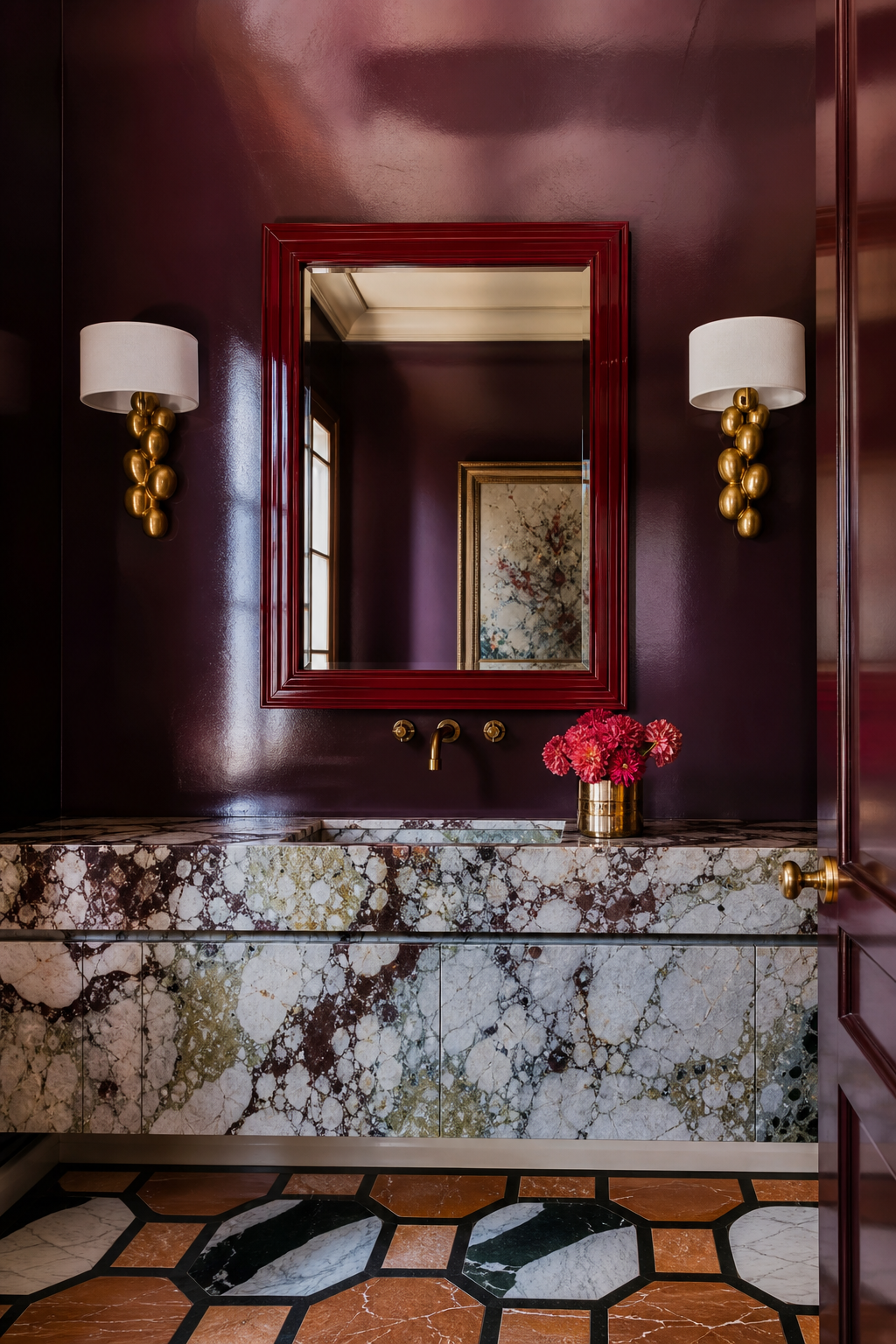
13. Make The Powder Room Unapologetically Bold
A powder room is the ideal place to embrace dopamine decor at full strength. Because it is small and used briefly, it can handle wallpaper, saturated paint, colored stone, and decorative lighting in a way that might feel too intense elsewhere. Try lacquered plum walls with a marble basin, or botanical wallpaper with a glossy red mirror. Scale matters more than restraint here. A large pattern can actually make the room feel grander if the repeat is confident and the lighting is flattering. Use a sculptural sconce at face height, a handsome faucet, and a framed mirror with presence. Even practical pieces, such as the towel ring and waste bin, should feel considered. This tiny room can become the home’s most memorable jewel box.
14. Choose Dining Chairs In Mismatched Tones
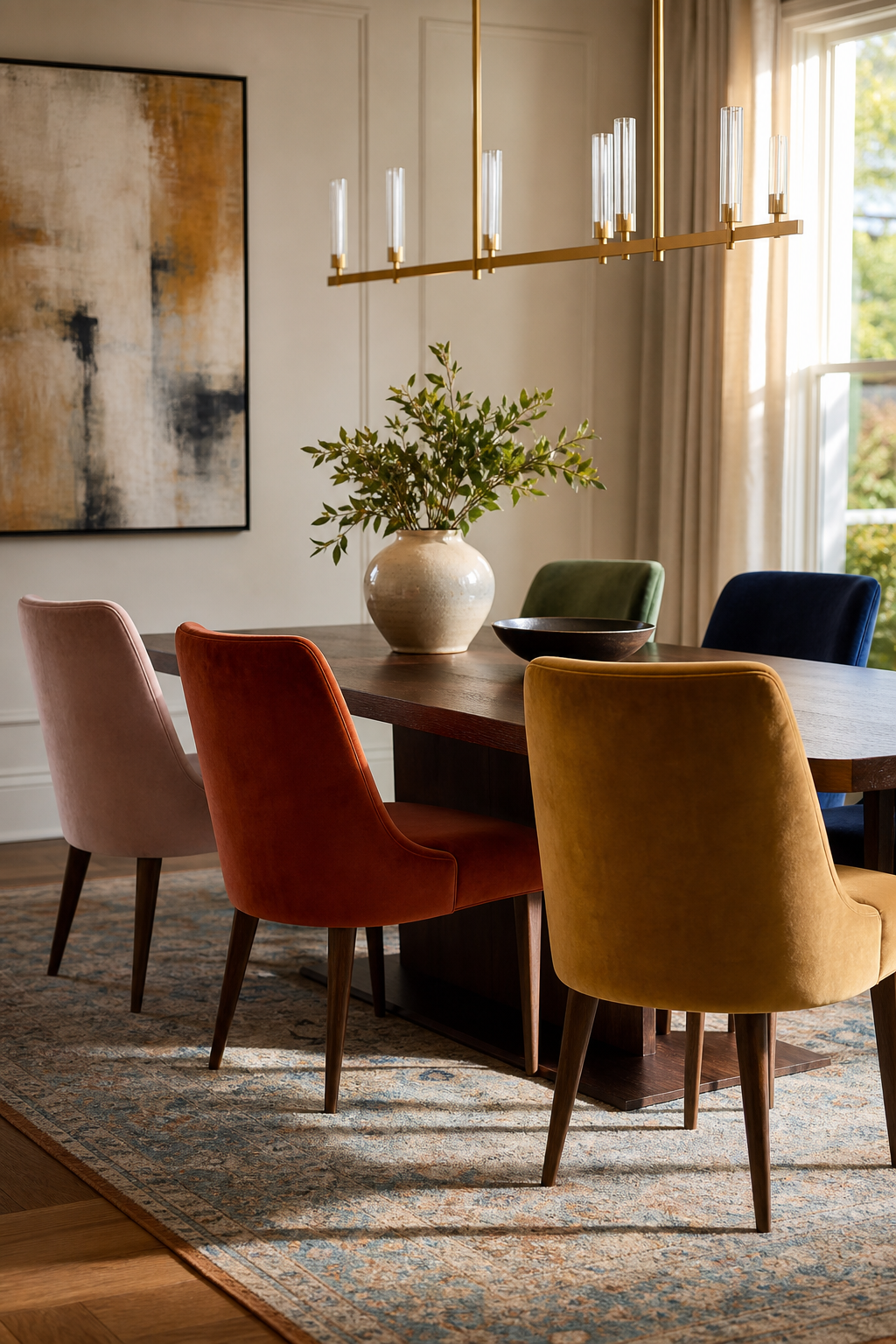
Mismatched dining chairs can feel refined when the silhouettes are consistent and the palette is deliberately edited. Keep the chair shape, height, or upholstery material the same, then vary the color across a considered range: ochre, rust, rose, moss, and ink blue, for example. Around a dark wood or marble table, this creates a quietly joyful rhythm without sacrificing formality. Velvet adds depth for evening dining, while leather is practical and develops character over time. If the room has strong wallpaper or art, pull chair colors from those elements so the composition feels connected. A linear chandelier or pair of pendants will unify the arrangement overhead. The result is sociable, layered, and far more personal than a perfectly matched set.
15. Add A Color-Drenched Reading Nook
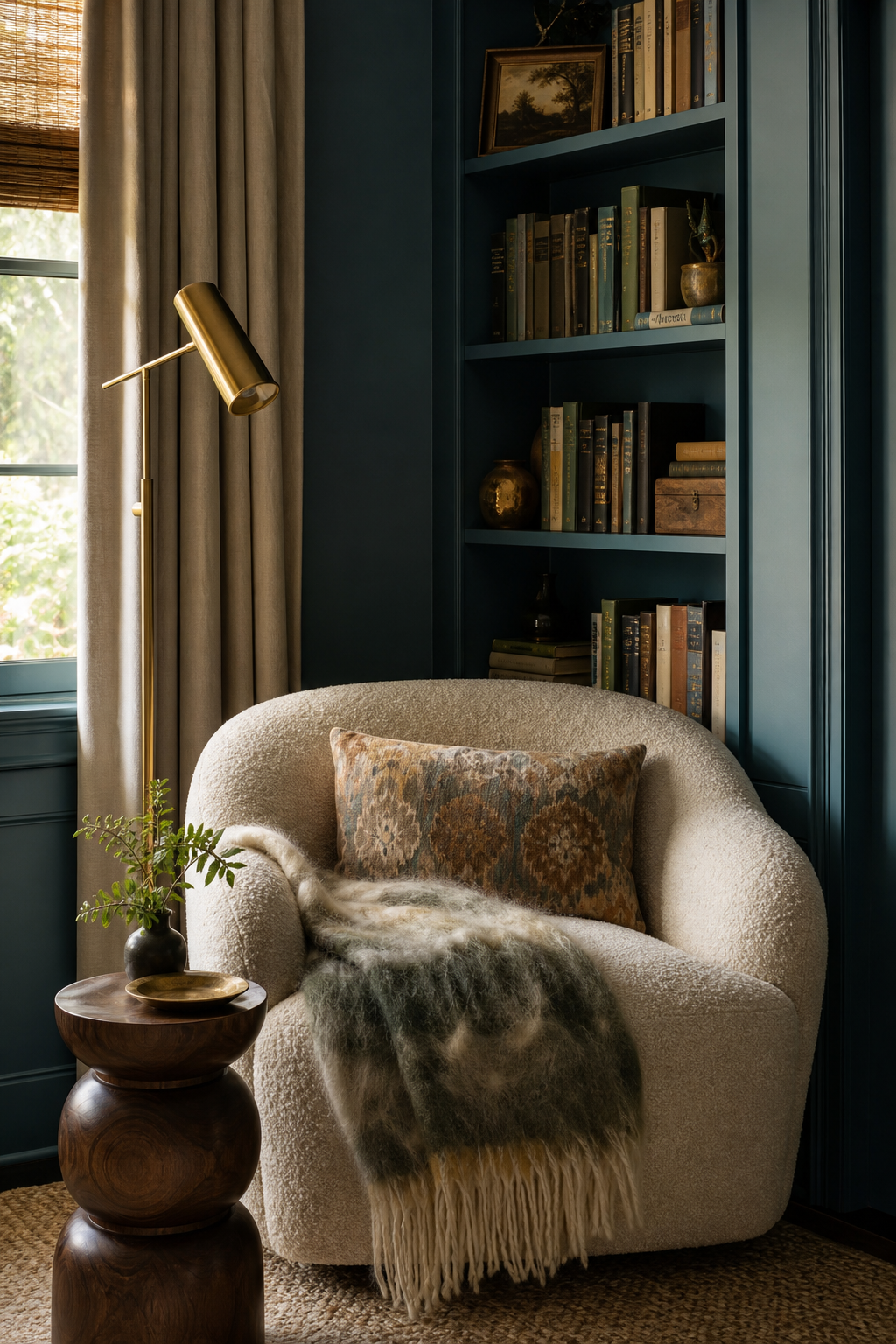
A reading nook can carry a more immersive palette than an entire living room because its purpose is focused and intimate. Paint the walls, trim, and shelving in one saturated shade such as teal, raspberry, olive, or aubergine. This color-drenching technique blurs architectural lines and makes even a small corner feel enveloping. Add a deep armchair in a contrasting texture, perhaps boucle, velvet, or worn leather, then bring in a directional floor lamp and a small table for books or tea. A patterned cushion or mohair throw can introduce one additional note of color. Function matters: the chair should be genuinely comfortable, the light should fall over the shoulder, and the table should sit within easy reach.
16. Swap Plain Curtains For Colorful Drapery
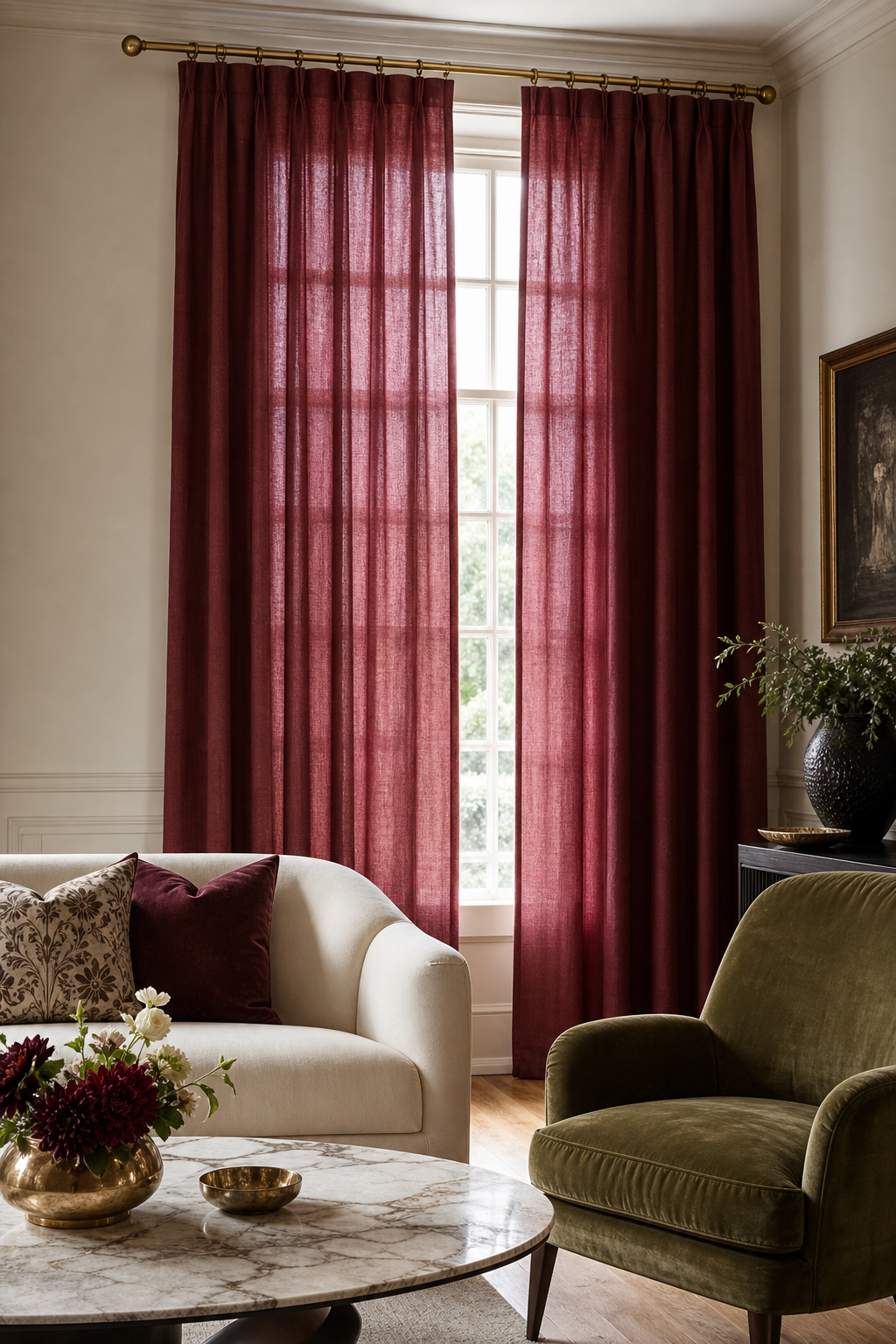
Curtains cover a large visual surface, so changing them can alter a room more dramatically than new accessories. For dopamine decor with polish, consider full-length drapery in raspberry linen, olive velvet, saffron cotton, or a small-scale patterned fabric. Hang the rod high and wide to make windows feel generous and to let the fabric stack away from the glass. Lining is worth the investment; it improves the fall, protects the color, and gives the room a more tailored finish. If the walls are neutral, colored curtains can provide the main decorative statement. If the room is already layered, choose a fabric that repeats one existing shade. The movement of fabric in natural light gives color a softness paint cannot always achieve.
17. Introduce Playful Tile In A Practical Zone
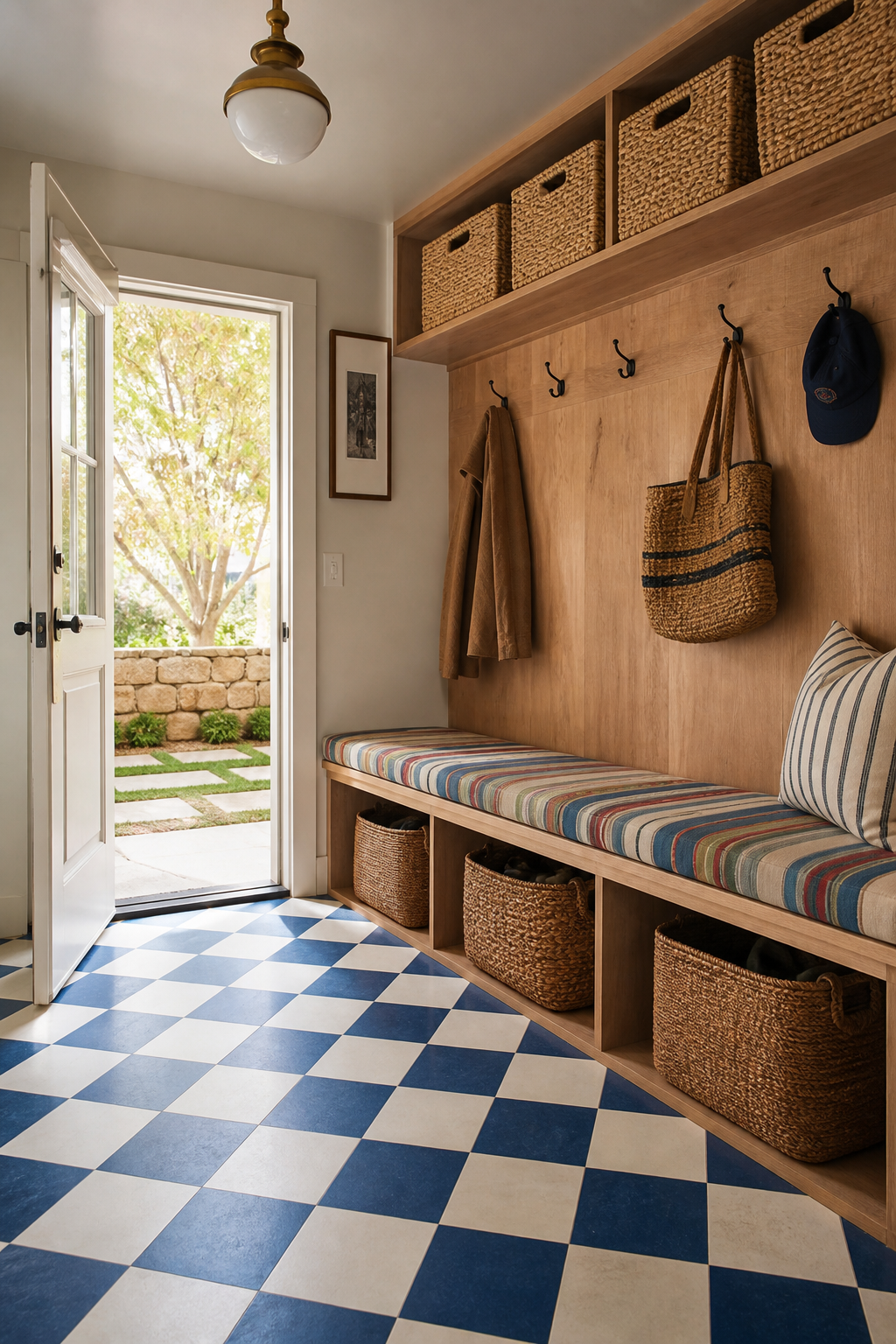
Tile is especially effective for dopamine decor because it brings color into areas that need durability. A striped backsplash, checkerboard floor, or hand-glazed shower wall can feel joyful while serving a clear function. In a mudroom, try cobalt and white checkerboard tile with oak hooks and woven baskets. In a kitchen, a zellige backsplash in pistachio or sky blue adds depth through its irregular surface. In a bathroom, a border of coral or green can frame quieter field tile beautifully. Consider grout color carefully; a matching grout softens the effect, while contrast makes the pattern more graphic. Because tile is permanent, use samples in the actual room before committing, watching how the glaze changes from morning to evening.
18. Let Flowers Influence The Palette
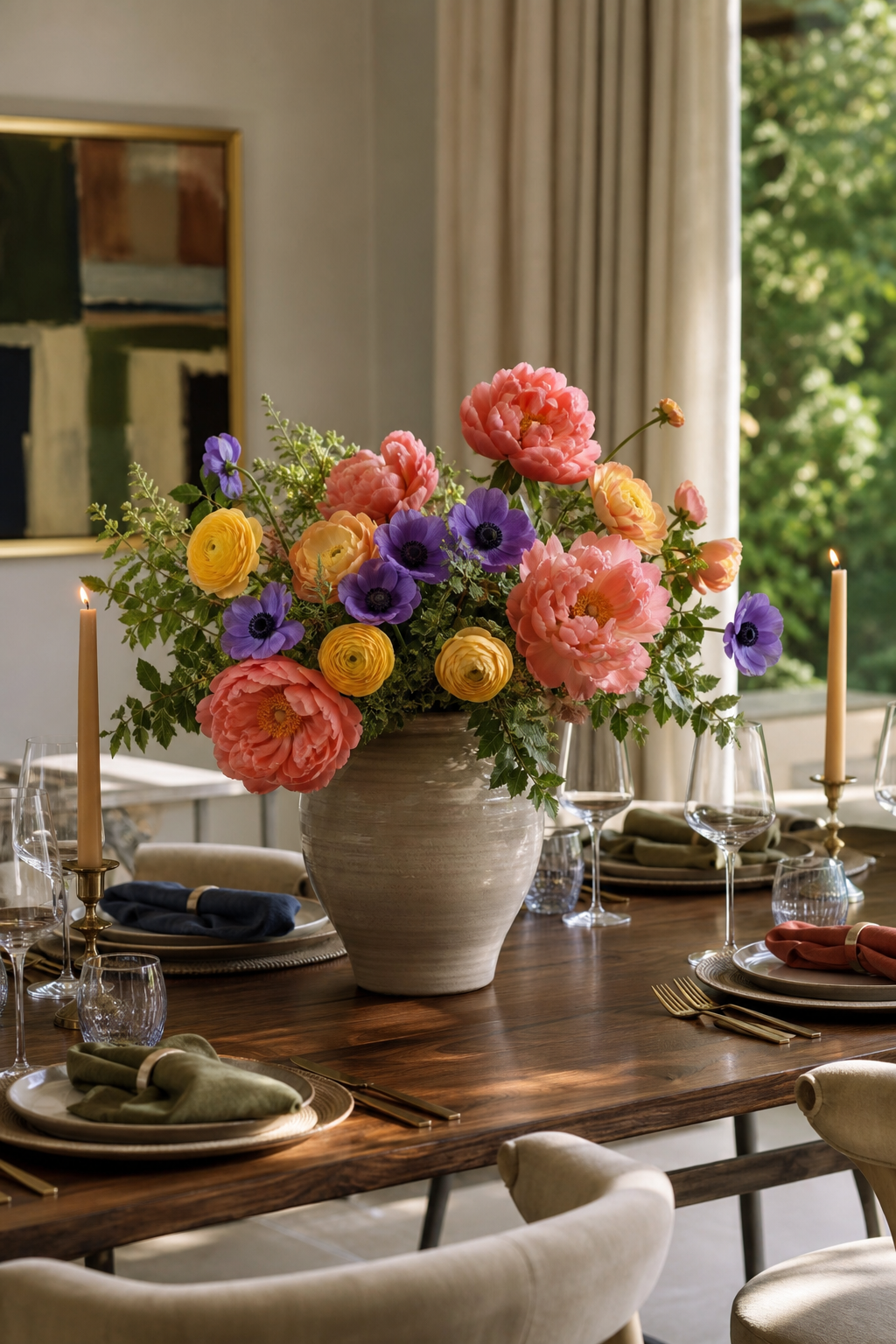
Fresh flowers are not just finishing touches; they can teach a room how to use color. A vase of coral peonies, yellow ranunculus, purple anemones, or blue hydrangeas can inspire cushion choices, artwork placement, or table linens. This approach keeps dopamine decor feeling natural rather than forced, because floral color already contains variation, softness, and contrast. Use vessels that support the mood: colored glass for lightness, ceramic for texture, or silver for formality. In a dining room, repeat one floral shade in napkins or candles. In a bedroom, a small arrangement can connect bedding to an artwork above the headboard. Seasonal flowers also allow the home to shift throughout the year without requiring major purchases or permanent changes.
19. Use One Electric Accent In A Neutral Room
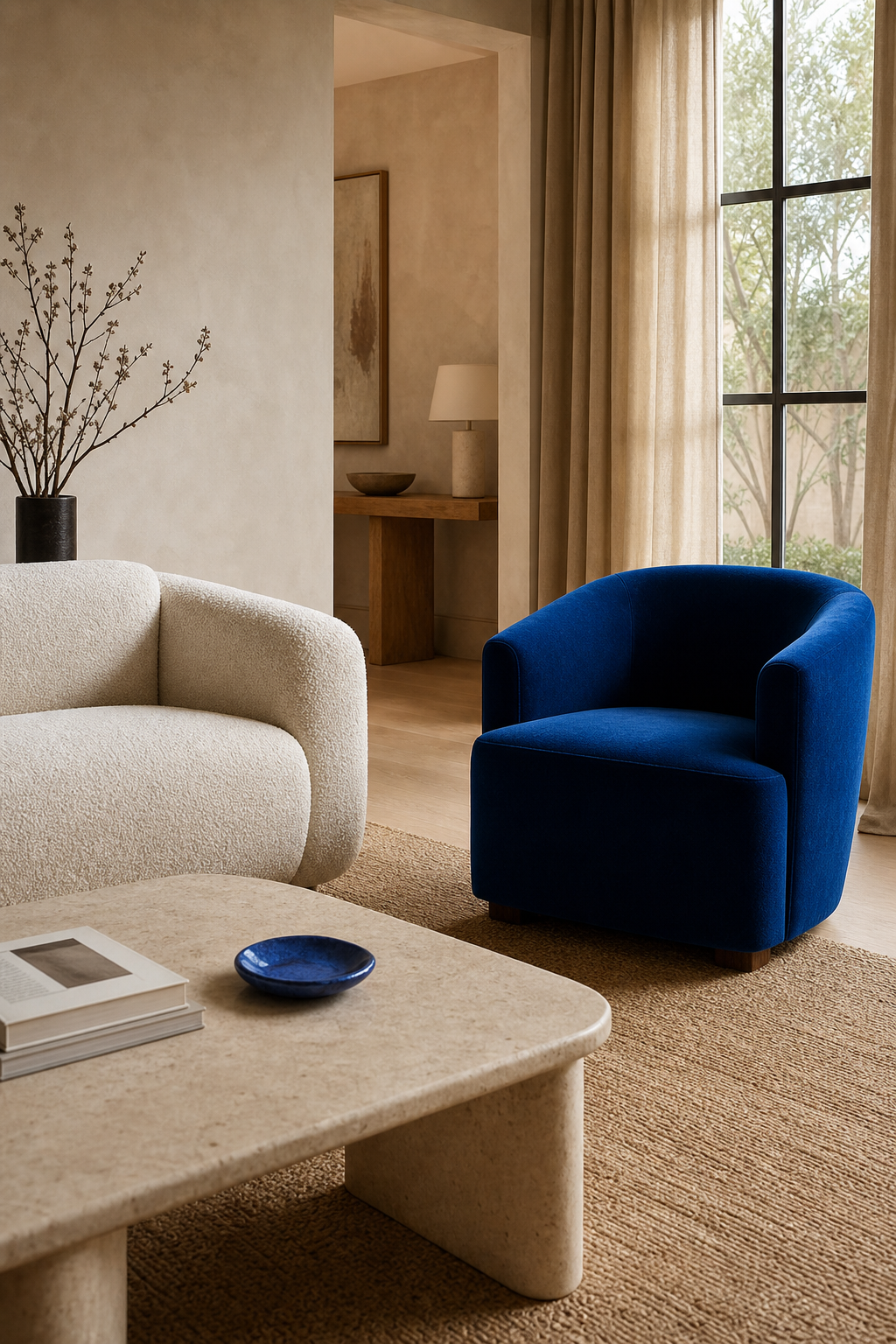
A single electric accent can be more powerful than a room full of competing color. In a mostly neutral interior, introduce one vivid piece: a cobalt armchair, acid yellow lamp, fuchsia ottoman, or lacquered green cabinet. The surrounding materials should be calm but not bland. Think limewashed walls, pale oak floors, boucle upholstery, linen curtains, and honed stone. This contrast allows the accent to feel almost art-like. Placement is important. Set the bold piece where the eye naturally lands, such as beside a fireplace, at the end of a hallway, or near a large window. Repeat the color only once in a subtle detail, such as a book spine or ceramic dish, so the room feels composed rather than accidental.
20. Paint Interior Doors In Confident Color
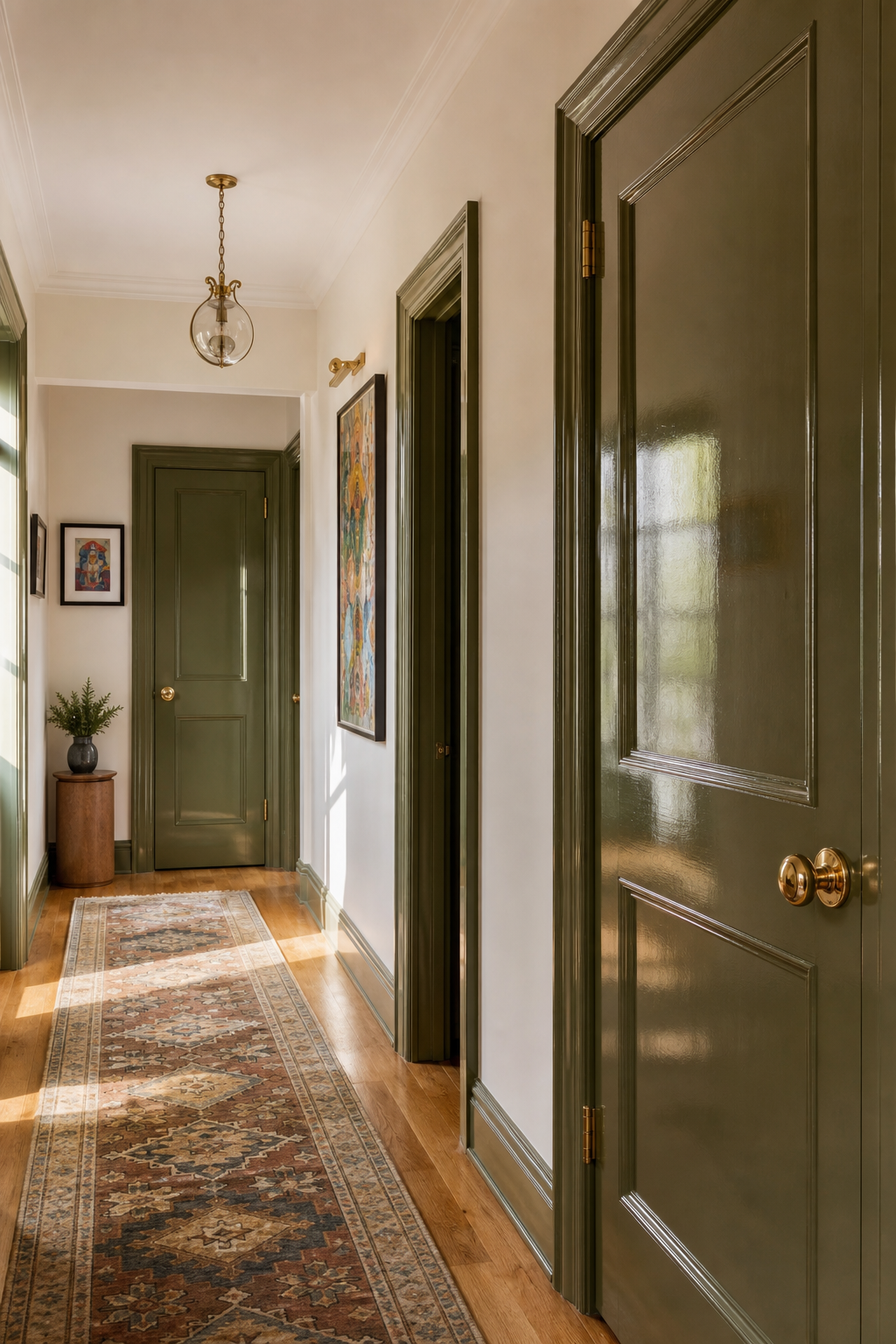
Interior doors are often ignored, yet they offer a sophisticated opportunity for color. A hallway with glossy olive doors, a bedroom with a blush closet door, or a pantry door in deep aubergine can make architecture feel custom. This works particularly well in homes with simple white walls, where colored doors add rhythm without requiring new furniture. Consider the finish carefully. Satin is practical and forgiving, while high gloss creates a dressier, more reflective surface. Hardware should be upgraded if the door becomes a feature; brass, bronze, or polished nickel can sharpen the effect. For continuity, repeat the color family in a runner, artwork, or lamp shade nearby. The change is precise, architectural, and surprisingly transformative.
21. Bring Color To The Home Office
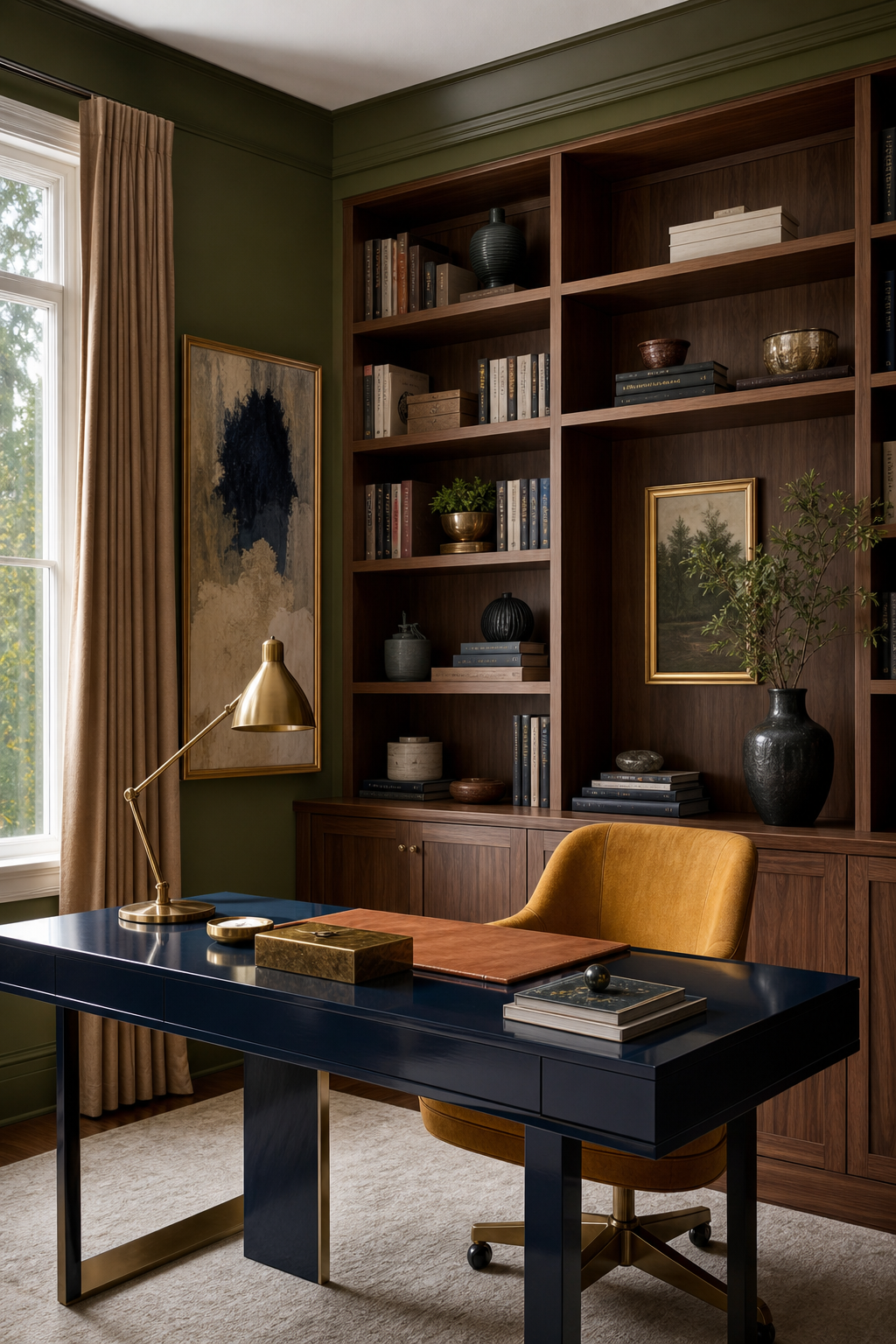
A home office should support concentration, but that does not mean it needs to be visually flat. Dopamine decor can make workspaces feel more personal and energizing when color is used around the task zone. Try a lacquered desk in deep blue, a moss green wall, or a saffron upholstered desk chair against walnut shelving. Keep the desktop clear and tactile with a leather blotter, ceramic cup, and warm metal lamp. Good lighting is essential: combine natural light with a focused task lamp and a softer ambient source for late hours. If video calls are part of the routine, style the background with books, art, and one bold object rather than visual clutter. The room should feel creative, capable, and calm.
22. Add Stripes For Cheerful Structure
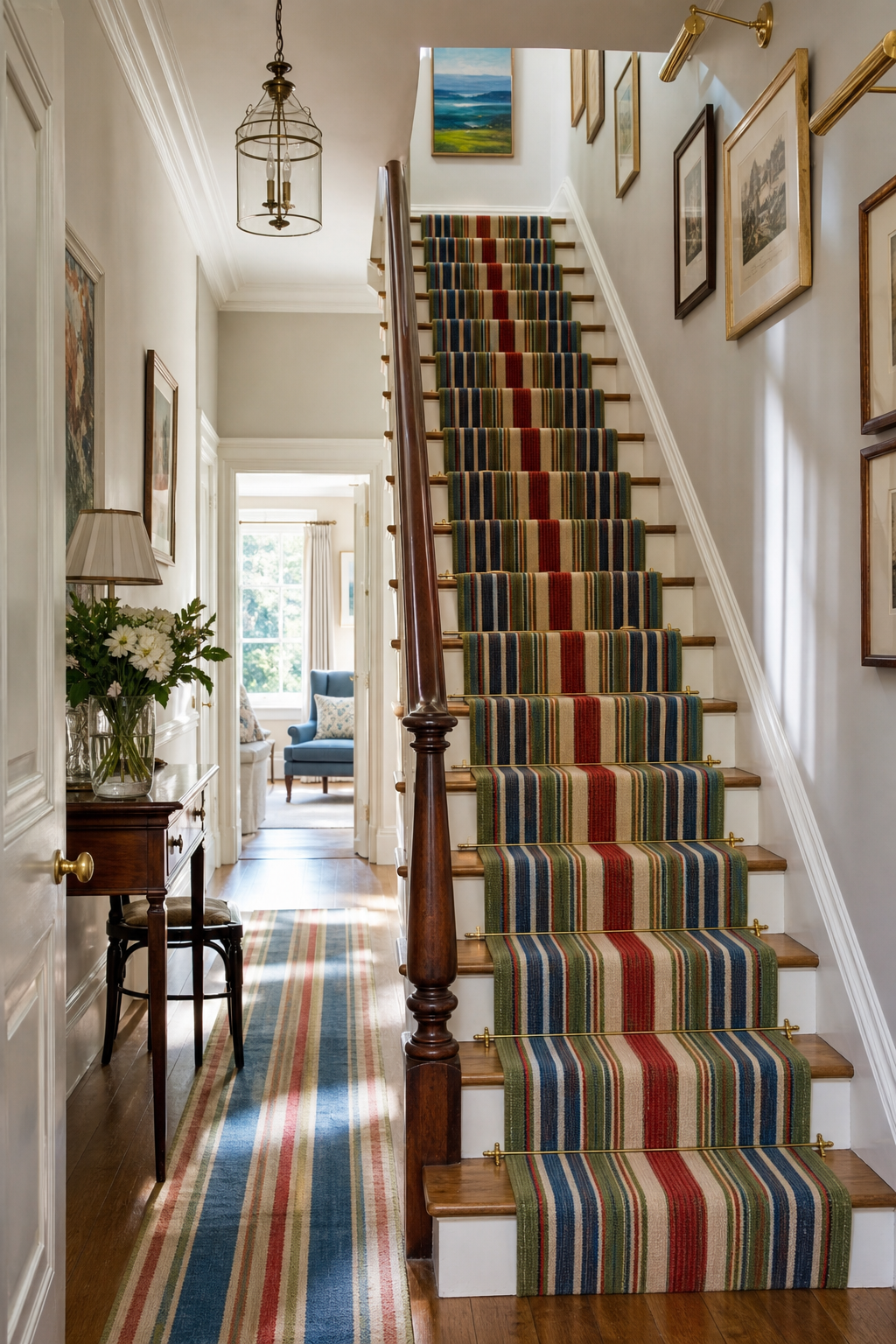
Stripes bring energy and order at the same time, which makes them especially useful in dopamine decor. A striped banquette cushion, stair runner, headboard, or Roman shade can introduce multiple colors while keeping the eye organized. Wider stripes feel bold and architectural, while narrow ticking stripes are softer and more traditional. For a high-end look, choose quality fabrics with good weight and clear color rather than novelty prints. In a hallway, a striped runner can lengthen the space and hide daily wear. In a bedroom, striped upholstery adds freshness beside plain bedding. Balance stripes with solids, rounded forms, and natural materials so the room does not feel overly graphic. The appeal lies in cheerful precision.
23. Use Colorful Mirrors To Bounce Light
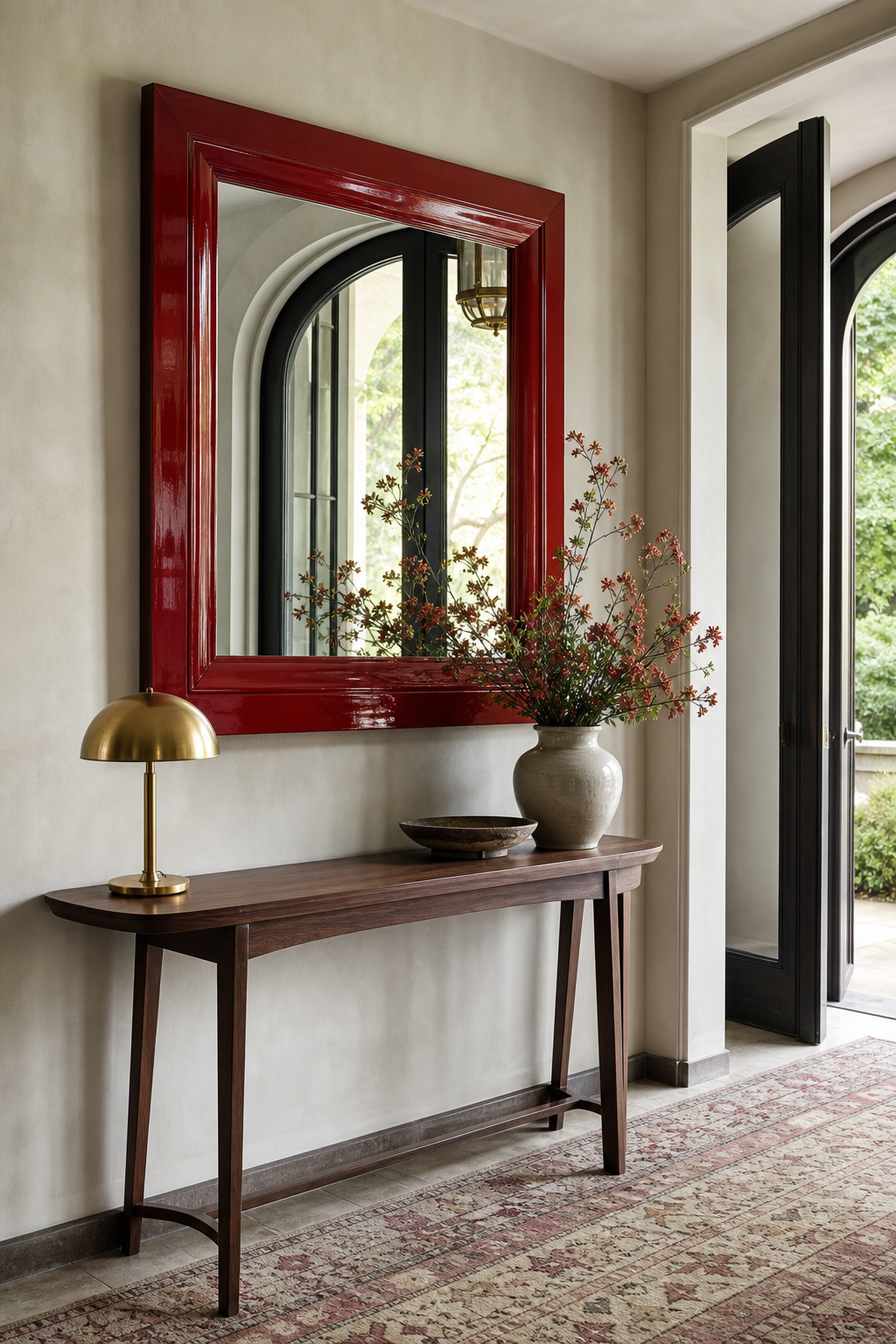
A mirror with a colored frame can act as both light source and decorative punctuation. In an entry, a lacquered red mirror above a slim console creates instant personality. In a bathroom, a powder blue frame can soften marble and chrome. In a bedroom, a wavy green mirror introduces playfulness without taking up much visual weight. Mirrors are particularly useful in smaller rooms because they amplify natural light and reflect nearby color back into the space. Scale should be generous enough to feel purposeful; a tiny colorful mirror can look tentative. Pair the frame color with one nearby object, such as a lamp base, vase, or cushion. This small repetition makes the choice feel designed rather than impulsive.
24. Style A Colorful Bar Corner
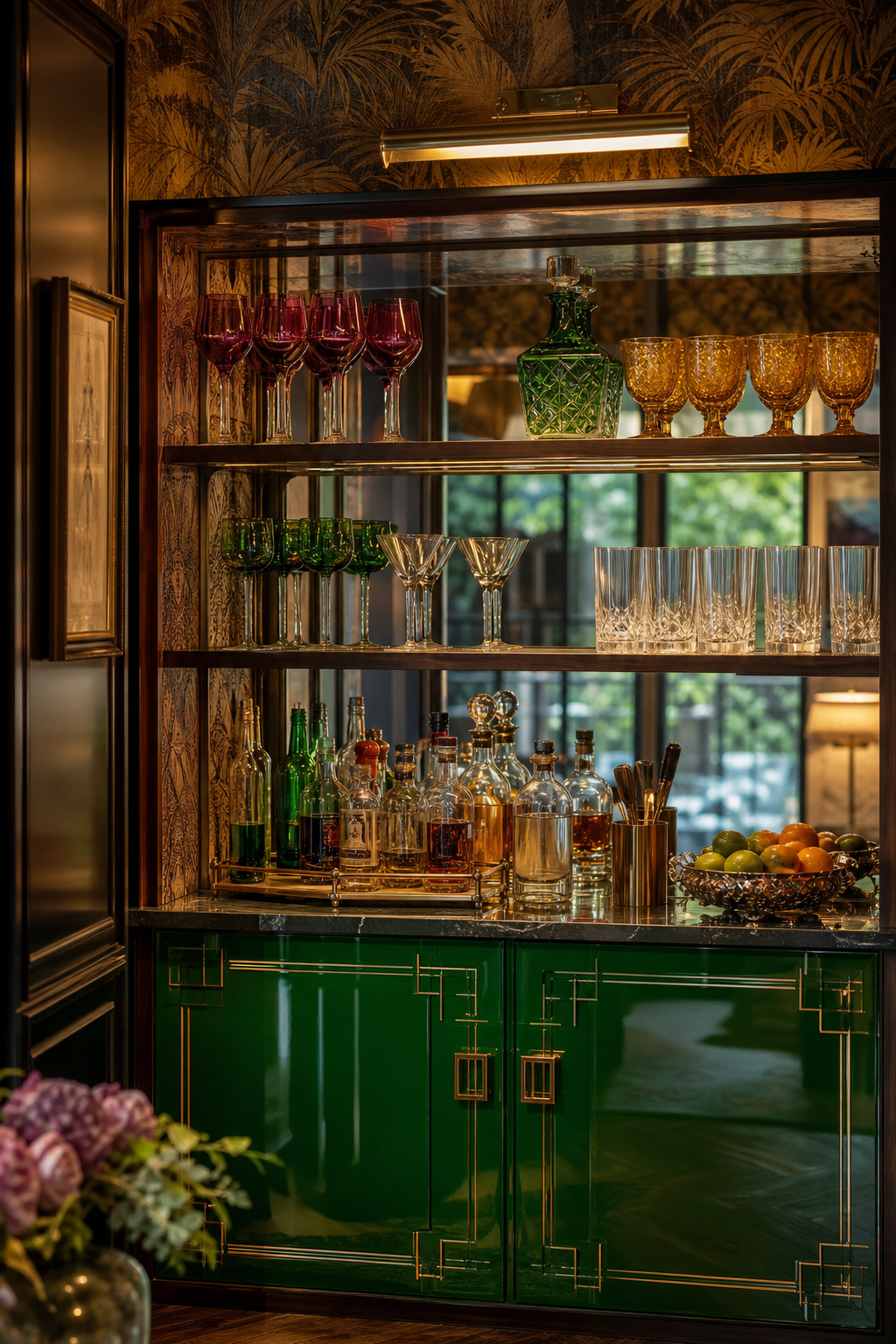
A bar corner is naturally suited to dopamine decor because it celebrates ritual, hospitality, and sparkle. Use a lacquered tray, colored glassware, patterned wallpaper, or a small cabinet in a vivid finish to create a moment that feels festive even when closed. Jewel-toned coupes, amber tumblers, and a decanter can sit beautifully against mirrored backing or dark wood. Add a picture light or small shaded lamp so the area glows in the evening. Function should guide the styling: keep bottles grouped neatly, provide room for mixing, and include a small dish for citrus or garnishes. Whether it is a full built-in bar or a console in a dining room, color makes the corner feel intentional and inviting.
25. Finish With Unexpected Color Pairings
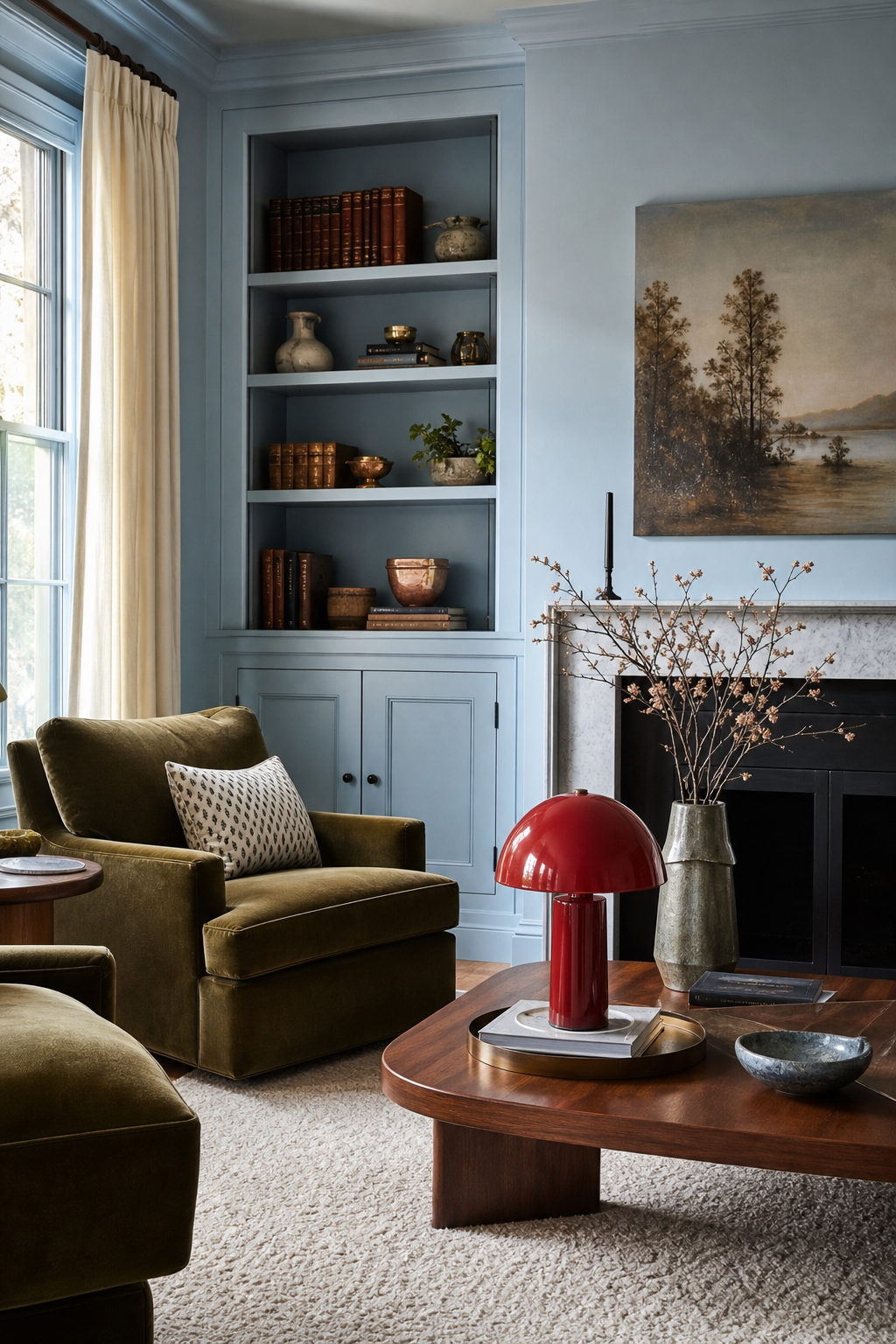
The most memorable dopamine decor often comes from pairings that feel slightly unexpected but visually grounded. Try lilac with olive, tomato red with pale blue, saffron with chocolate brown, or turquoise with burgundy. The trick is to vary intensity and texture. A tomato red lamp against pale blue walls feels crisp; the same red on a velvet sofa beside glossy blue cabinets may feel too competitive. Use one color as the dominant note and the other as an accent, then add neutrals with substance: walnut, cream wool, blackened metal, or honed limestone. Testing swatches together in daylight and evening light is essential. When the balance is right, the room feels personal, layered, and quietly brave.
Dopamine decor succeeds when joy is treated as a design material, not an afterthought. A room can be colorful and still be disciplined, practical, and luxurious when its palette is supported by quality furniture, tactile fabrics, thoughtful lighting, and a clear layout. Begin with the gesture that feels most natural for your home, whether that is a velvet sofa, a painted door, a patterned rug, or a single electric lamp. From there, repeat color with restraint, vary texture generously, and let the room evolve into something more personal, more polished, and more alive.