15 House Decorating Ideas To Inspire Your Next Home Refresh
A house refresh feels strongest when the rooms start speaking the same design language. That does not mean every space needs matching furniture or one strict color palette. It means the entry, living room, kitchen corner, dining area, bedroom, hallway, and shelves all share a sense of intention. The best house decorating ideas improve both mood and function: better lighting, clearer surfaces, warmer textiles, stronger scale, and details that make everyday routines feel calmer. Use these ideas when your home feels almost right but a little unfinished. Each one can stand alone, or you can repeat a few across several rooms for a more connected refresh.
Start At The Front Door
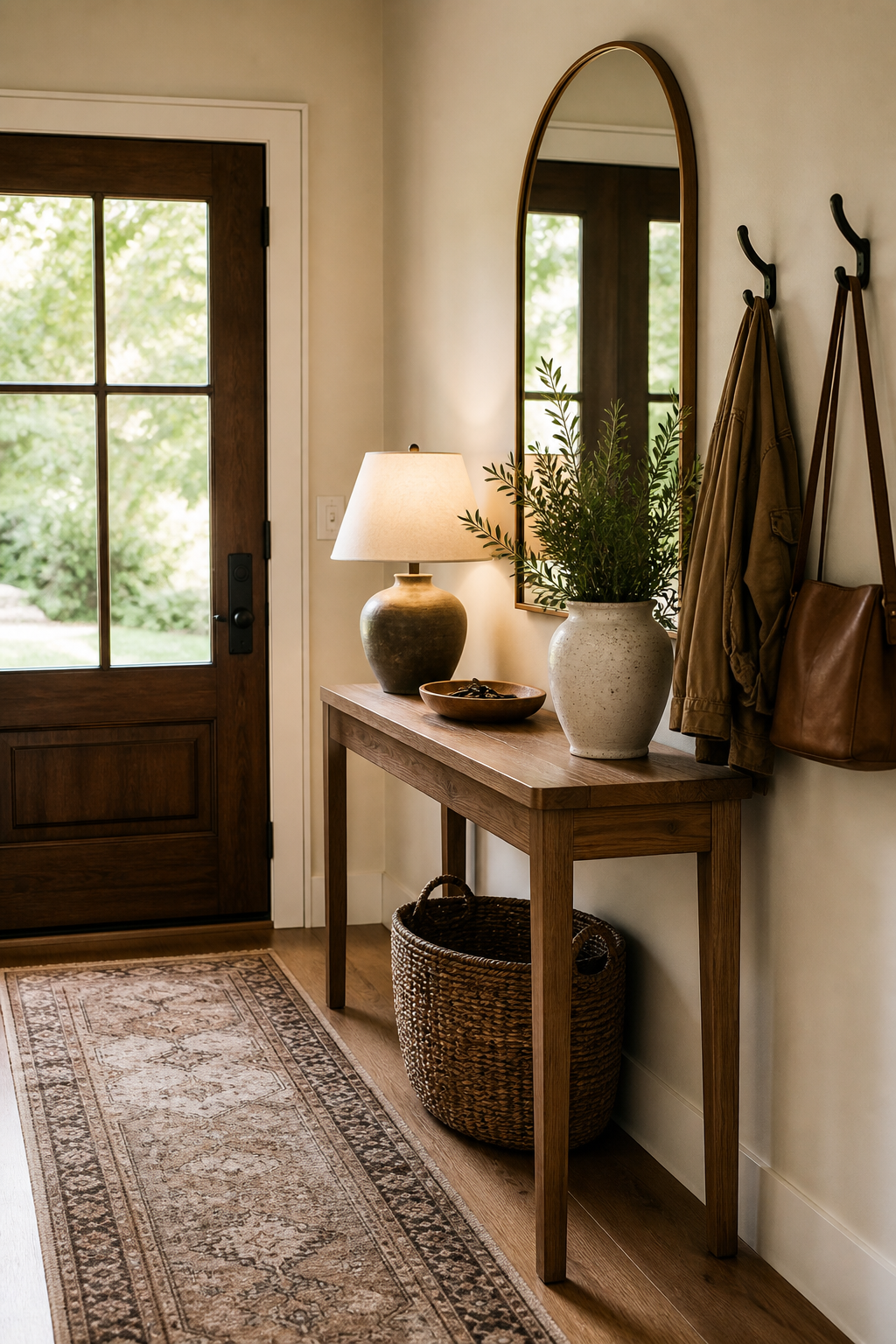
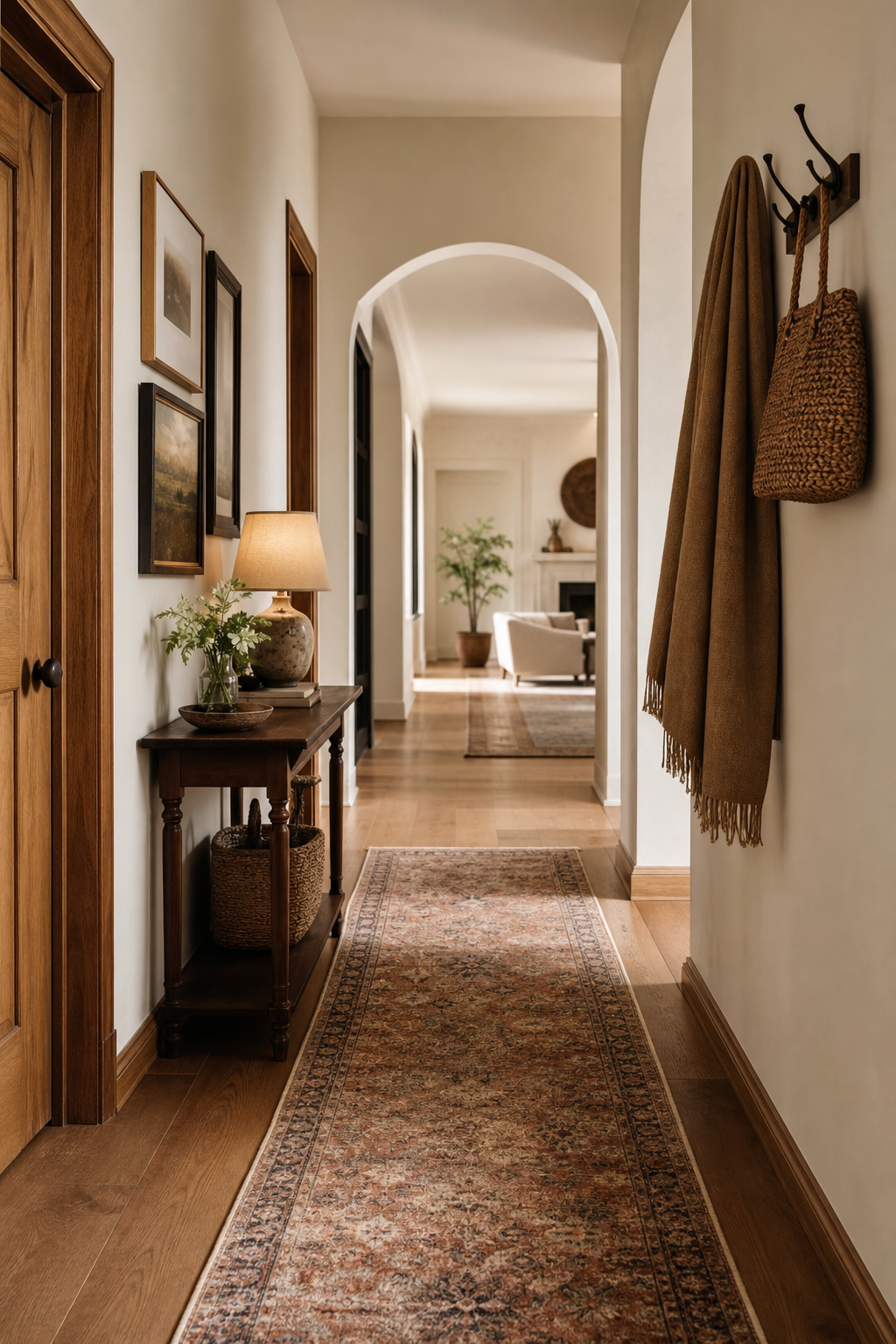
The entry sets expectations for the rest of the house, so make it feel considered before you tackle every room. A slim console, mirror, small lamp, bowl for keys, and durable runner can turn a pass-through wall into a useful welcome moment. If the space is tight, use hooks, a wall-mounted shelf, or a narrow bench instead of bulky furniture. Keep the palette related to the rooms beyond it so the transition feels natural. A finished entry does more than look pretty. It creates a daily landing zone and gives the whole home a clearer first impression.
Choose A Whole-Home Color Thread
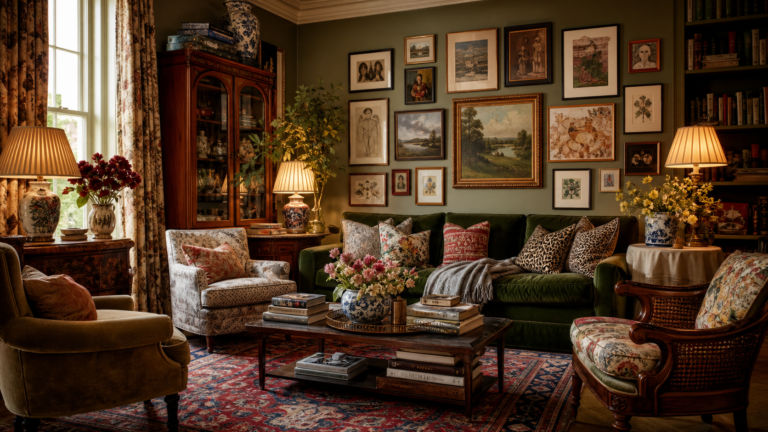
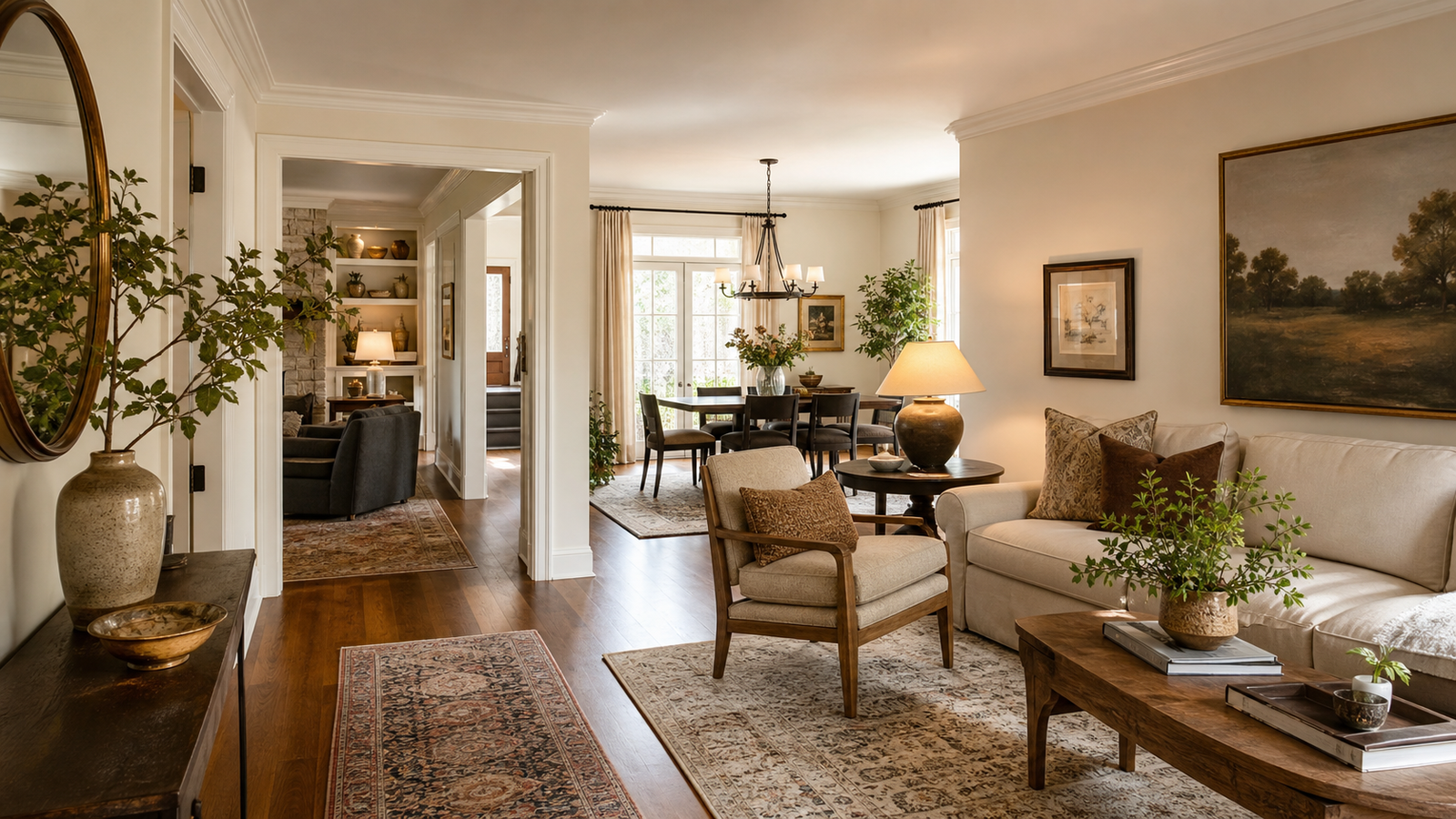
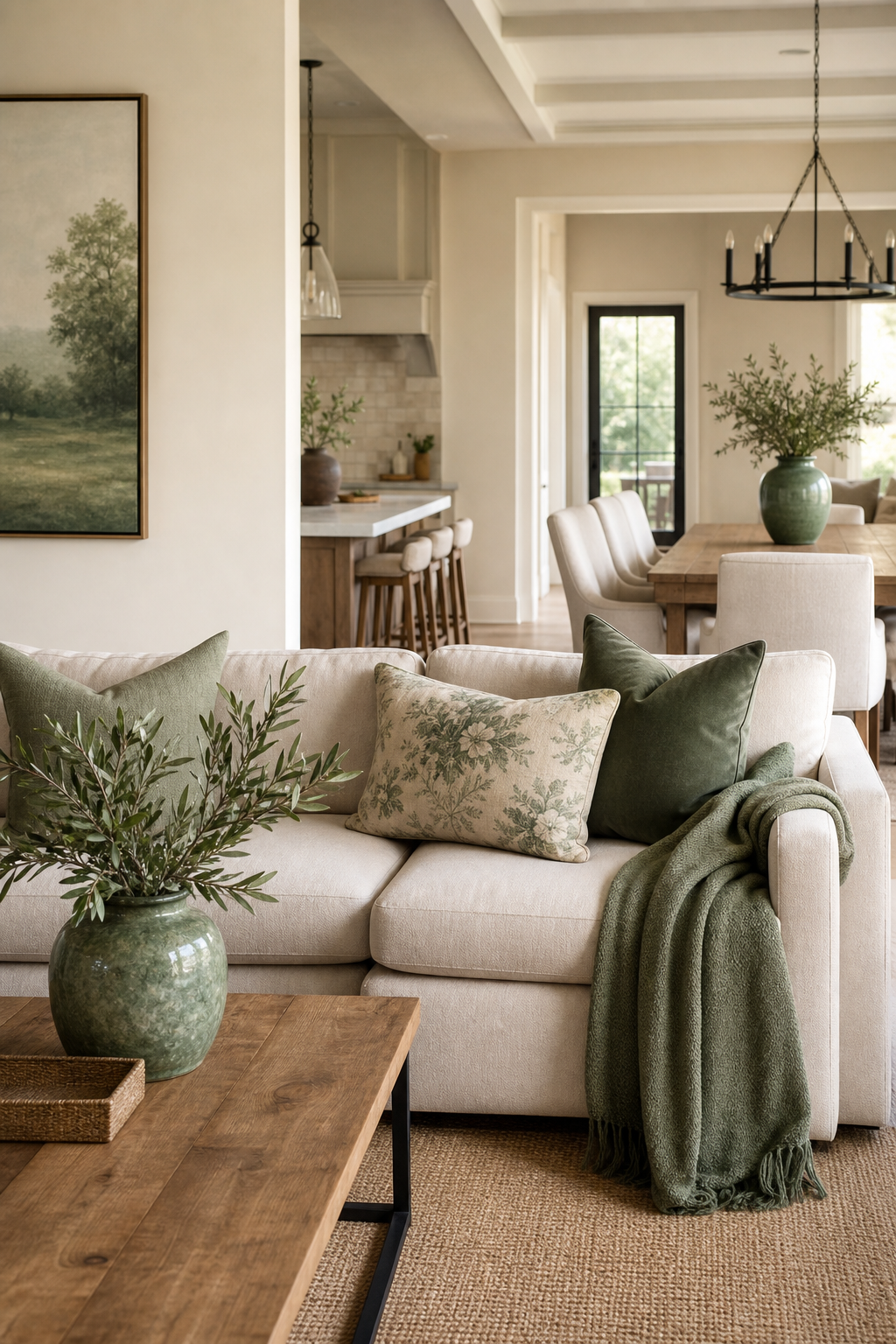
A home feels more cohesive when one color thread appears from room to room. It can be a soft neutral, warm wood tone, muted green, deep blue, black accent, or aged brass finish. The point is not to repeat the exact same shade everywhere, but to create a quiet connection. Try using the color in the entry rug, living room pillows, dining art, and bedroom throw. When each room has its own personality but shares one familiar note, the house feels collected rather than random. This is one of the simplest ways to make older pieces and new additions work together.
Anchor Each Main Room With A Rug
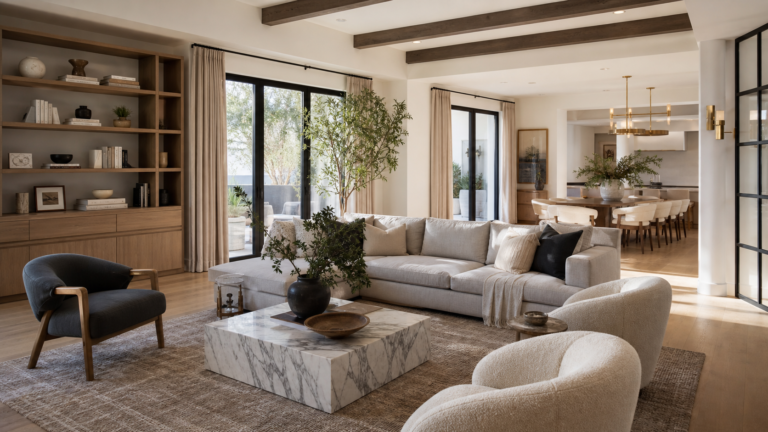
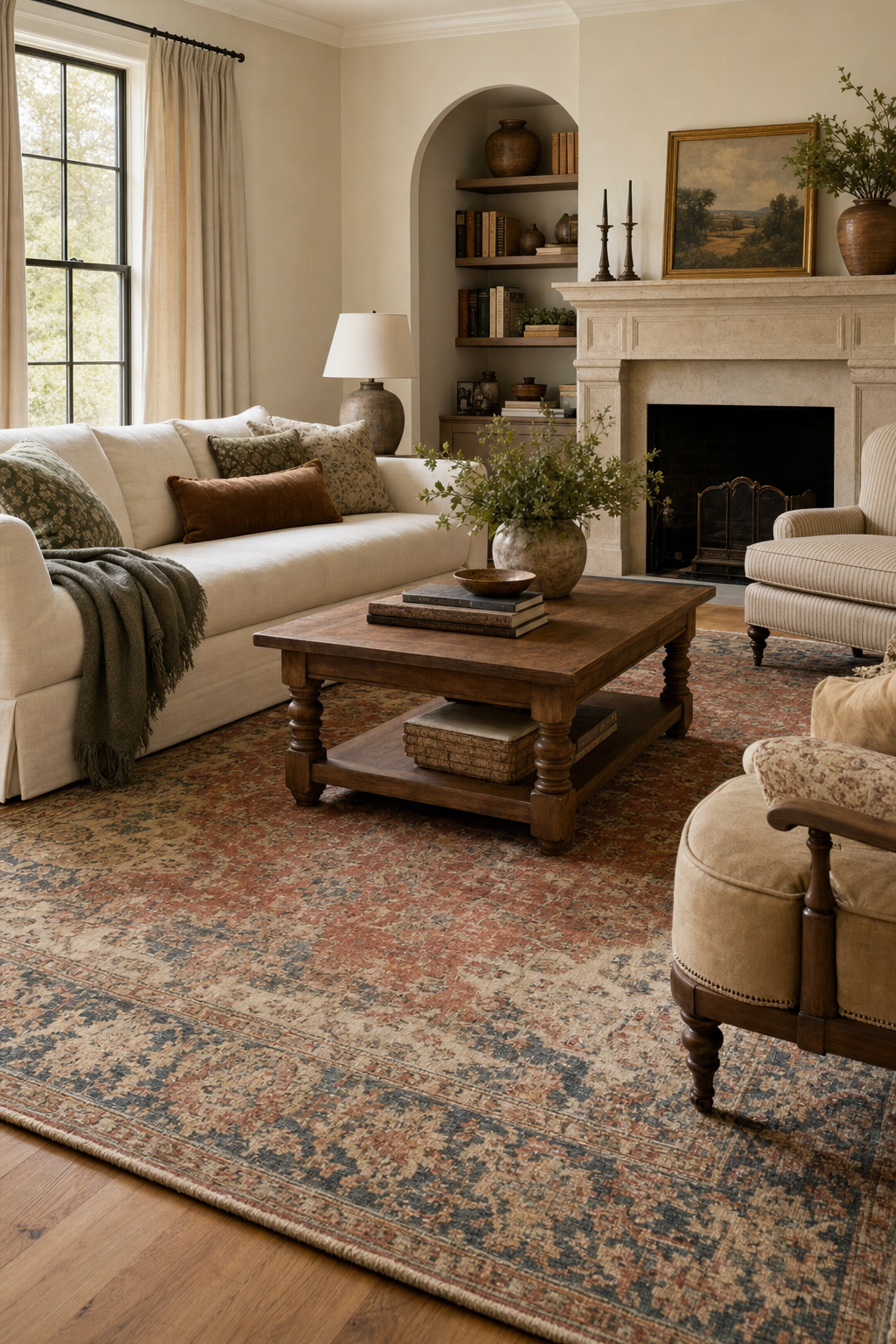
Rugs help define zones and make furniture feel intentional. In a living room, choose a rug large enough for at least the front legs of the sofa and chairs. In a dining room, make sure chairs can slide back while staying on the rug. In a bedroom, let the rug extend beyond the sides and foot of the bed so the room feels generous. Pattern can hide wear in busy areas, while a quiet wool or jute rug can calm a colorful room. A good rug adds warmth, texture, and a visual boundary that makes open-plan spaces easier to understand.
Upgrade The Everyday Lighting
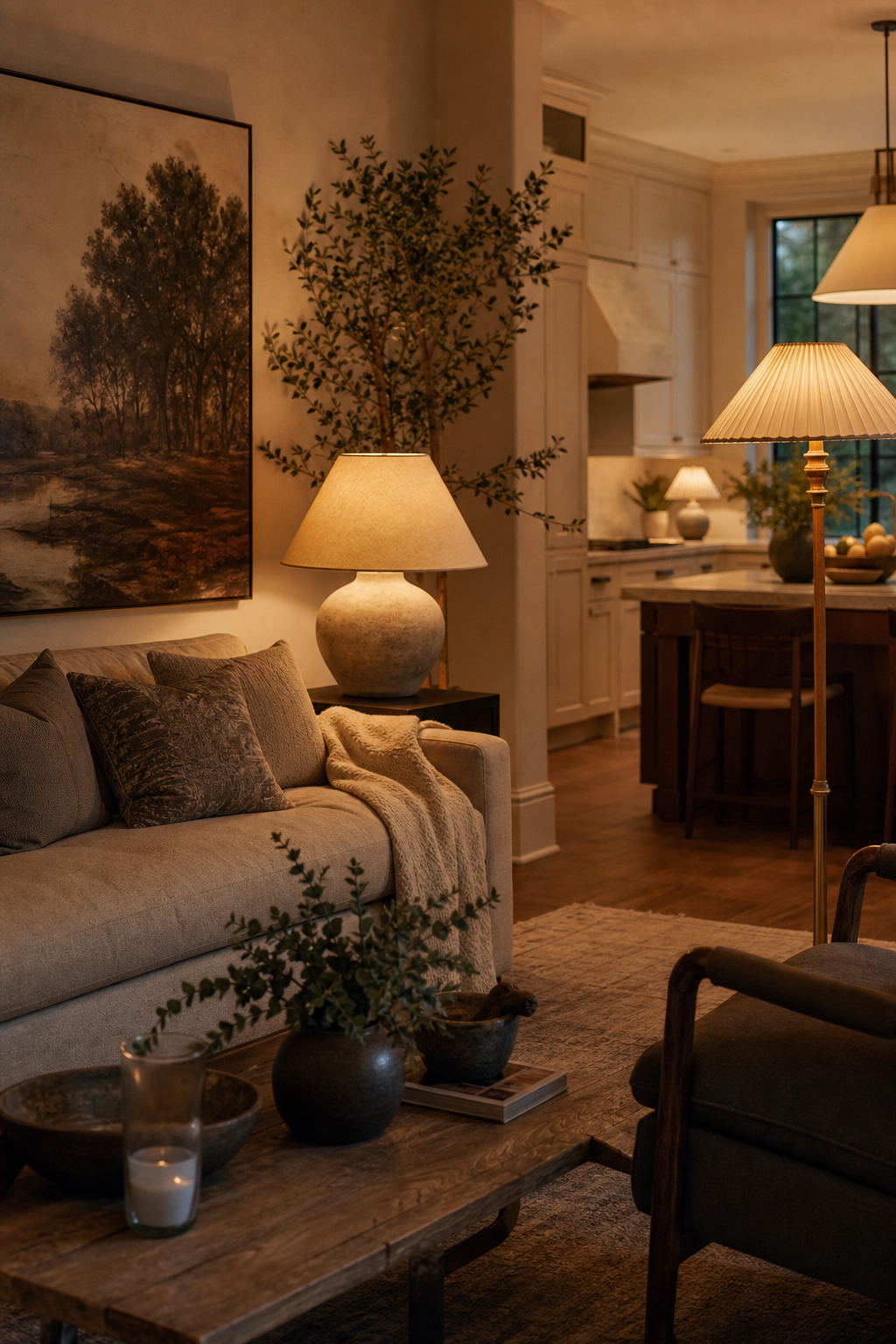
Lighting changes the way every room feels after sunset. Replace harsh bulbs with warm ones, then add table lamps, floor lamps, sconces, or picture lights where the house currently relies on overhead fixtures. A lamp on an entry console, a shaded lamp beside the sofa, and a small lamp in the kitchen can make the home feel softer and more layered. Choose lamps with sculptural bases so they work as decor during the day too. When light comes from several heights, rooms feel more comfortable, colors look richer, and the whole house feels more expensive without a major renovation.
Give The Living Room One Strong Focal Point
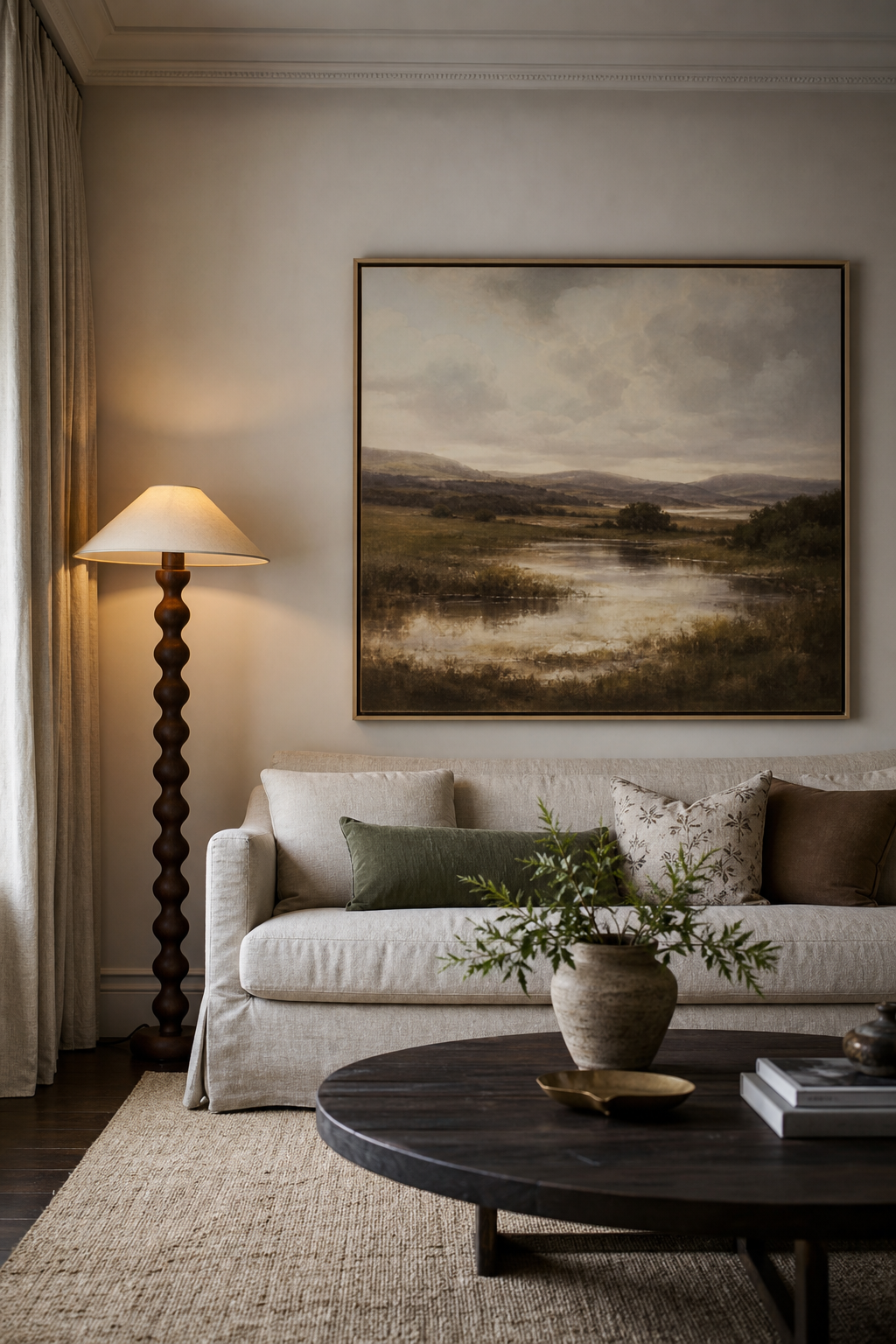
A living room can feel scattered when every wall and surface competes for attention. Choose one focal point and let the rest of the room support it. That might be a fireplace, large artwork, a beautiful sofa, built-in shelves, or a pair of windows with full curtains. Once the focal point is clear, arrange seating toward it and edit nearby accessories. Use scale confidently: one large piece of art often looks better than several tiny pieces. A strong focal point helps the room feel calm, finished, and easier to decorate because every choice has a visual anchor.
Style Shelves With Fewer Larger Pieces
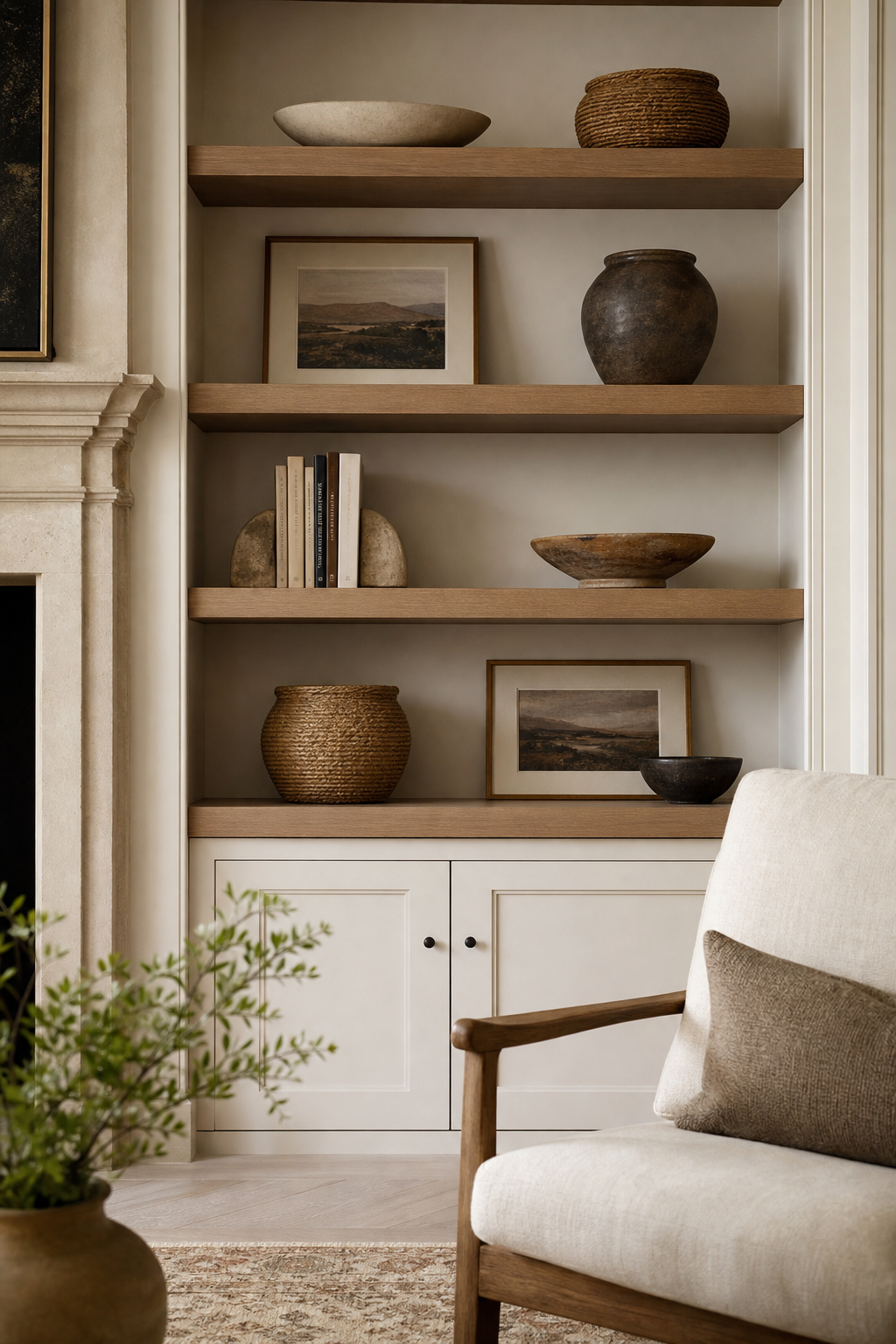
Shelves often become crowded because small objects are easy to add and hard to edit. For a more polished look, remove everything and rebuild with fewer, larger pieces. Mix books, ceramic vessels, framed art, baskets, sculptural bowls, and one or two organic elements. Leave open space so the shelves feel intentional rather than packed. Repeat a few materials from the room, such as wood, brass, stoneware, or black metal. Baskets and boxes can hide practical items while adding texture. Well-edited shelves make the whole house feel calmer because they reduce visual clutter without removing personality.
Make The Dining Area Feel Used And Loved
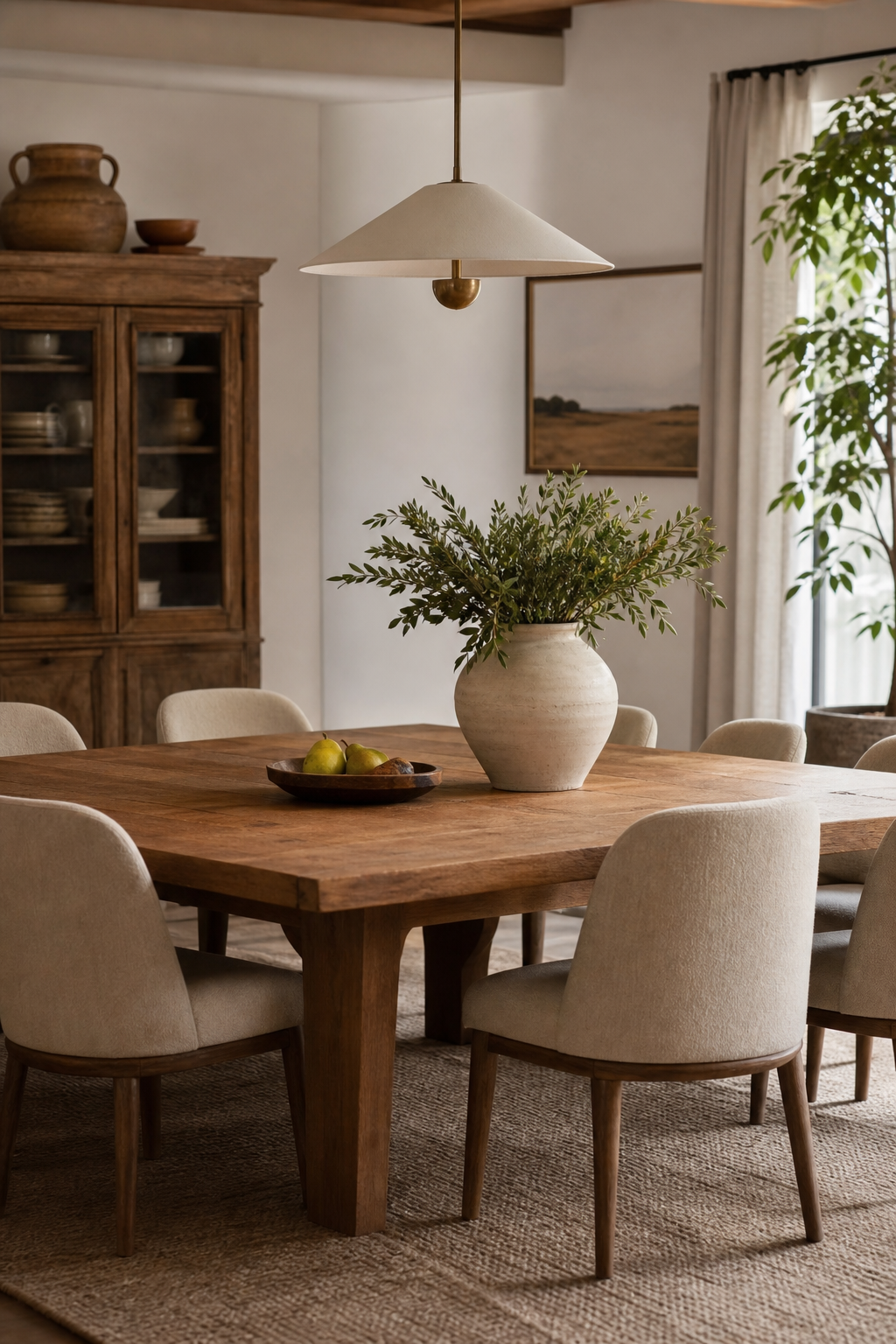
A dining area should feel welcoming even when dinner is not on the table. Add a grounded rug, a pendant or lamp-like light fixture, comfortable chairs, and one simple centerpiece that can stay out every day. A bowl of fruit, low vase, or pair of candlesticks is enough. If the room feels bare, bring in art, a cabinet, or a mirror to add height and personality. Avoid styling the table so heavily that it becomes impractical. The best dining rooms look ready for real life: polished, warm, and easy to clear when people sit down.
Soften The Kitchen With Decor That Works
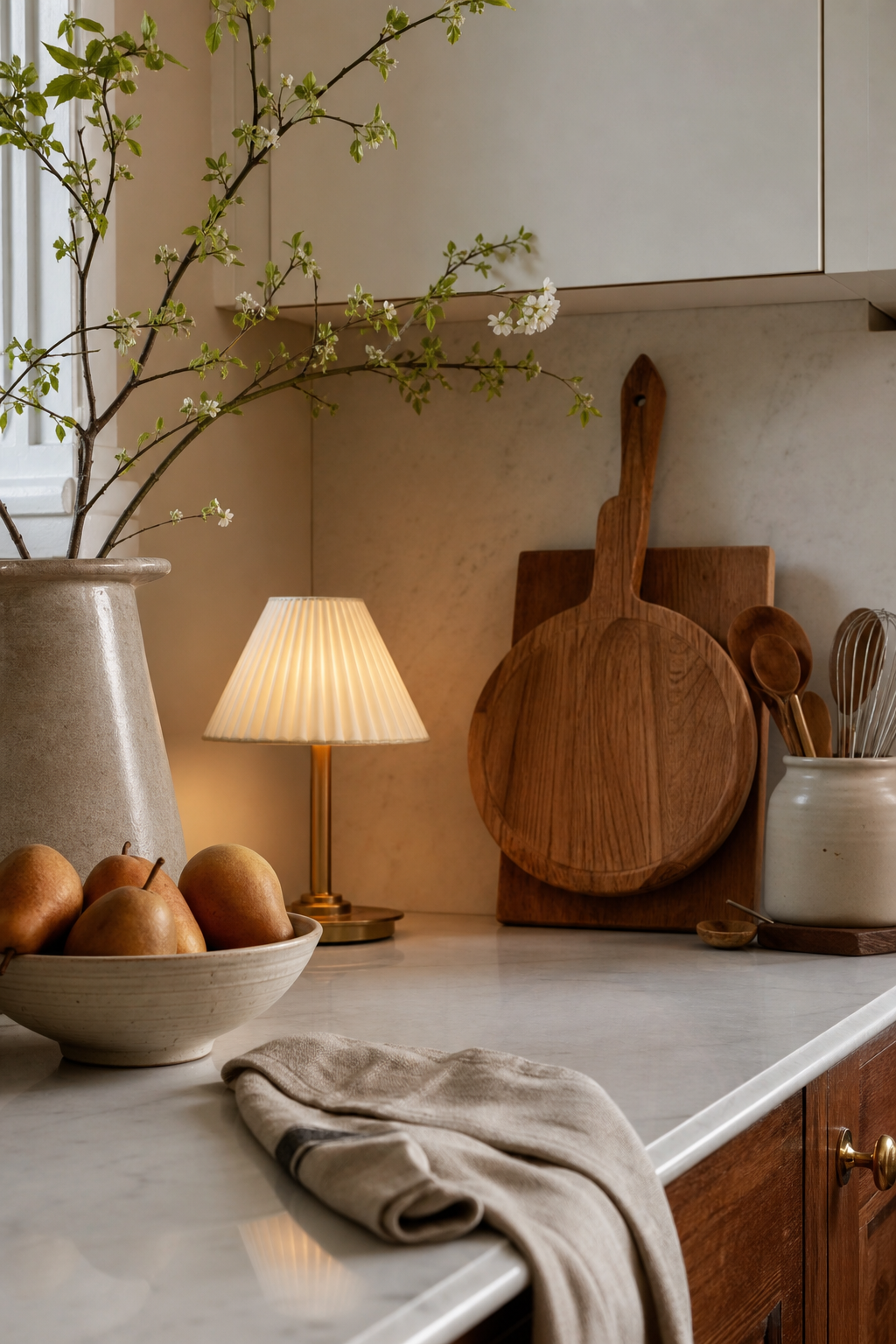
Kitchens feel more inviting when practical objects are chosen with care. A small lamp, wood cutting boards, a crock of utensils, a ceramic fruit bowl, linen towel, or simple branch arrangement can soften hard surfaces without crowding the counters. Keep the decorating functional and grouped so prep space stays clear. If the kitchen opens to another room, repeat a material from that space, such as oak, brass, black metal, or stoneware. This makes the kitchen feel connected to the rest of the house. The goal is a warm working room, not a staged countertop with no room to cook.
Layer The Bedroom Beyond Bedding
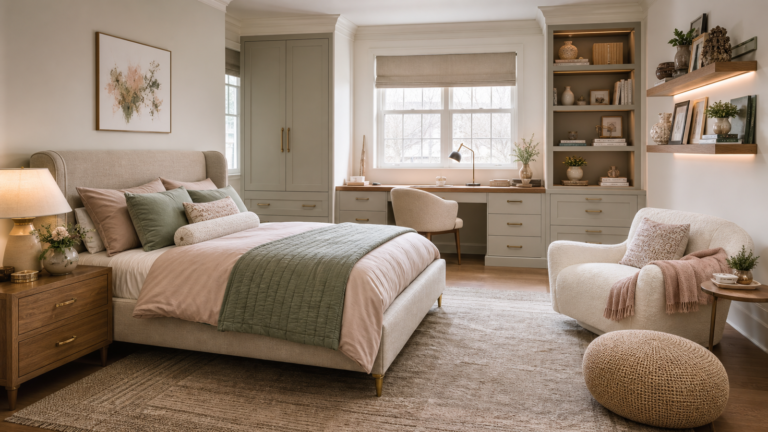
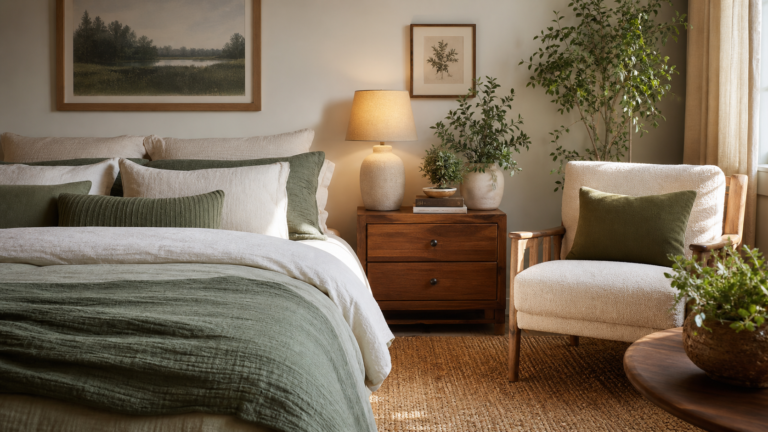
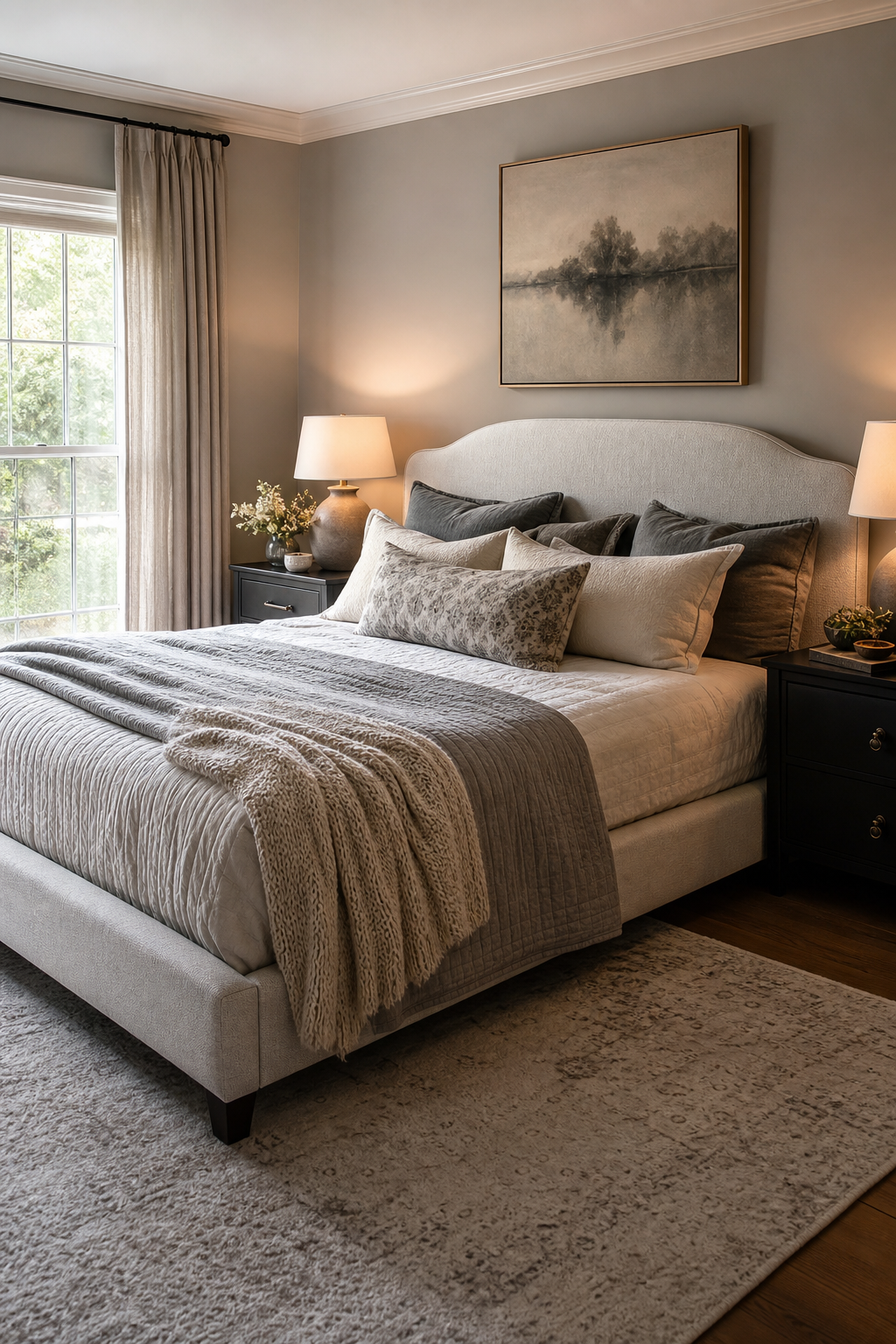
A bedroom refresh should go beyond new sheets. Look at the full composition: bedside lighting, art over the bed, curtains, rug, throw, pillows, and the surface of each nightstand. Choose bedding that feels comfortable first, then add texture through a quilt, coverlet, lumbar pillow, or woven blanket. A rug under the bed makes the room feel softer and helps the furniture feel grounded. Keep nightstands edited so the room stays restful. When the bedroom has lighting, texture, and symmetry in the right places, it starts to feel like a retreat rather than a storage room with a bed.
Treat Hallways Like Small Rooms
Hallways are often ignored, but they help connect the whole house. Add a runner, art, a narrow console, wall hooks, picture lights, or a small bench if space allows. Even one framed piece and a warm runner can make a hallway feel intentional. Keep the scale slim so circulation stays easy. If the hallway is dark, use mirrors or warm wall lighting to make it feel less forgotten. Decorating these in-between spaces creates continuity because the home no longer feels like a set of separate rooms divided by blank passages.
Repeat Natural Materials
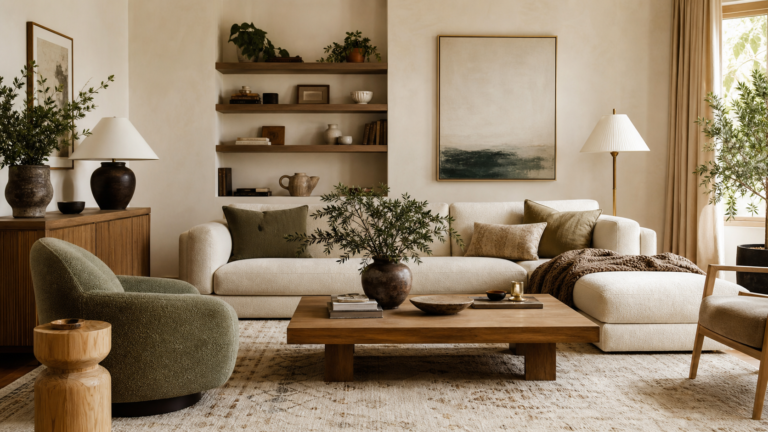
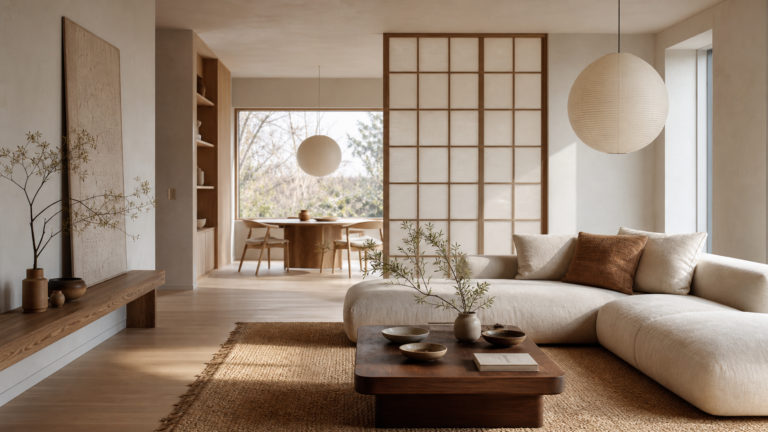
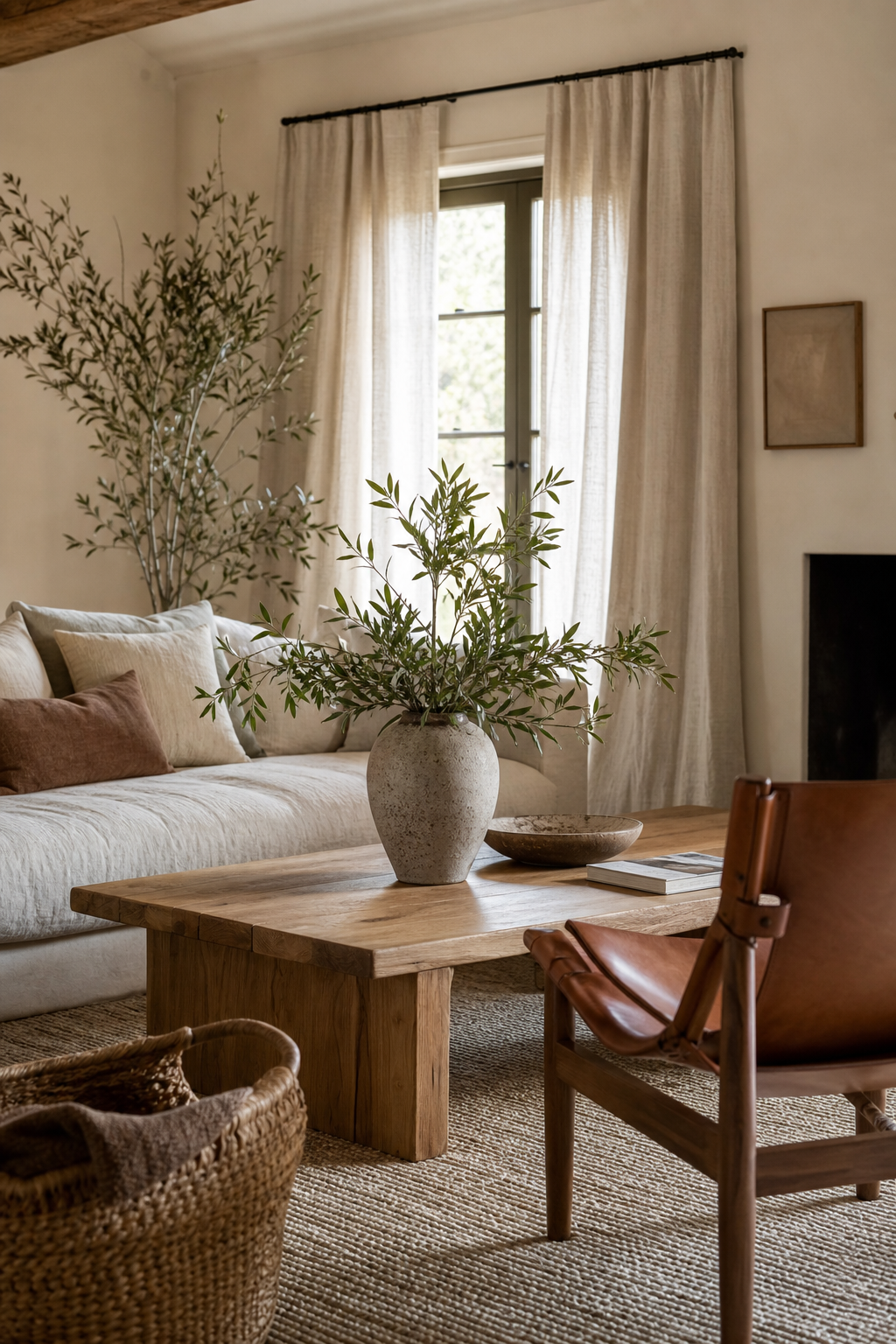
Natural materials make a house feel warmer and more grounded. Use wood, stone, linen, wool, rattan, leather, ceramic, and woven fiber in a way that repeats gently across rooms. A wood coffee table, woven basket, stoneware vase, linen curtain, and wool rug can all support one another without matching. Repetition is what makes the mix feel intentional. If a room feels cold, add more texture before adding more color. Natural materials also age well, which helps the home feel collected over time rather than locked to one quick trend.
Create A Useful Drop Zone
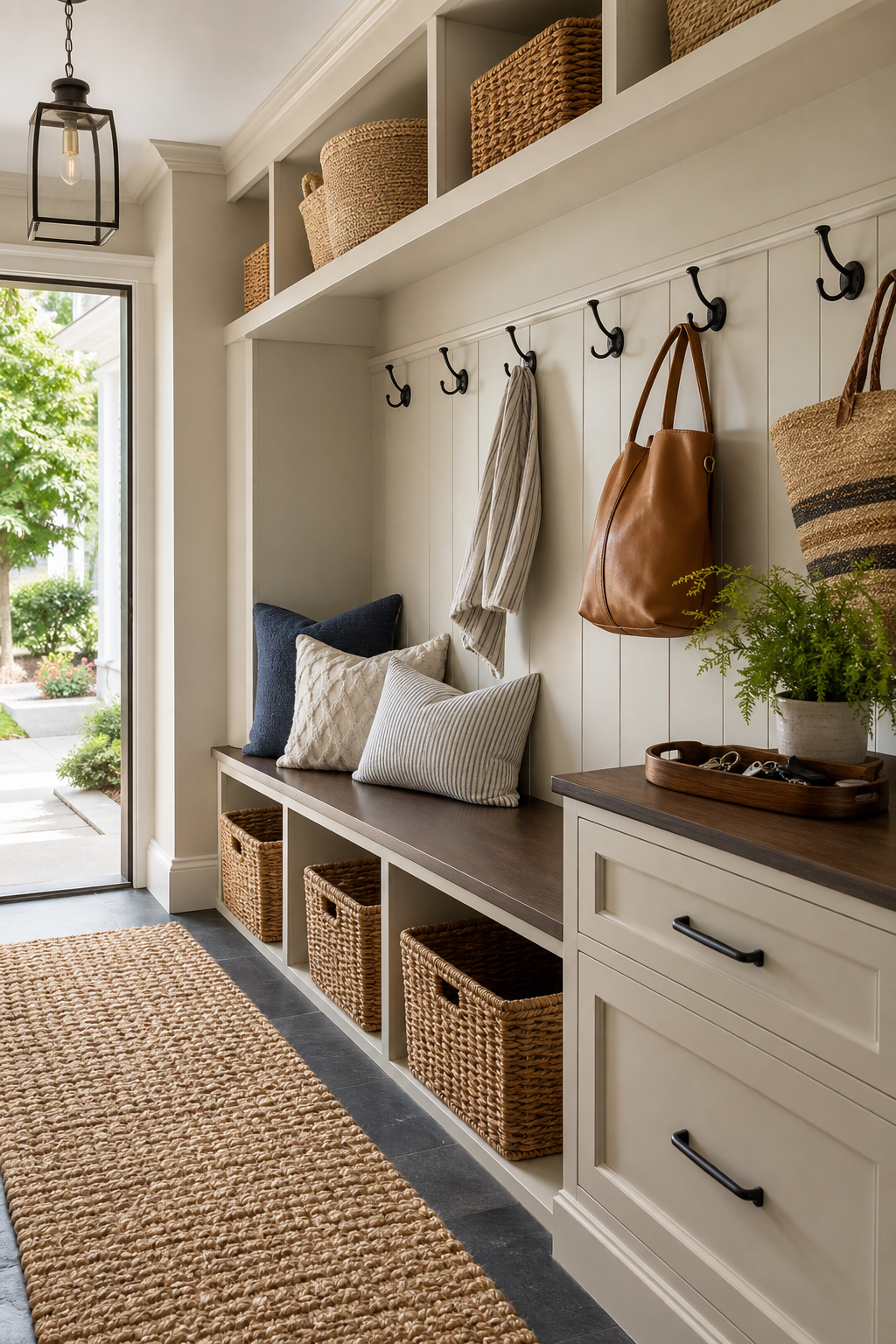
Every house needs a place where daily items can land without spreading everywhere. A drop zone might live near the entry, kitchen, mudroom, laundry room, or hallway. Use a tray for keys, a basket for bags, hooks for coats, and a small drawer or box for mail. Keep the design attractive enough that the area feels like part of the decor, not a pile of errands. When practical systems look good, they are easier to maintain. A useful drop zone protects the rest of the home from clutter while making the daily routine smoother.
Use Mirrors To Move Light
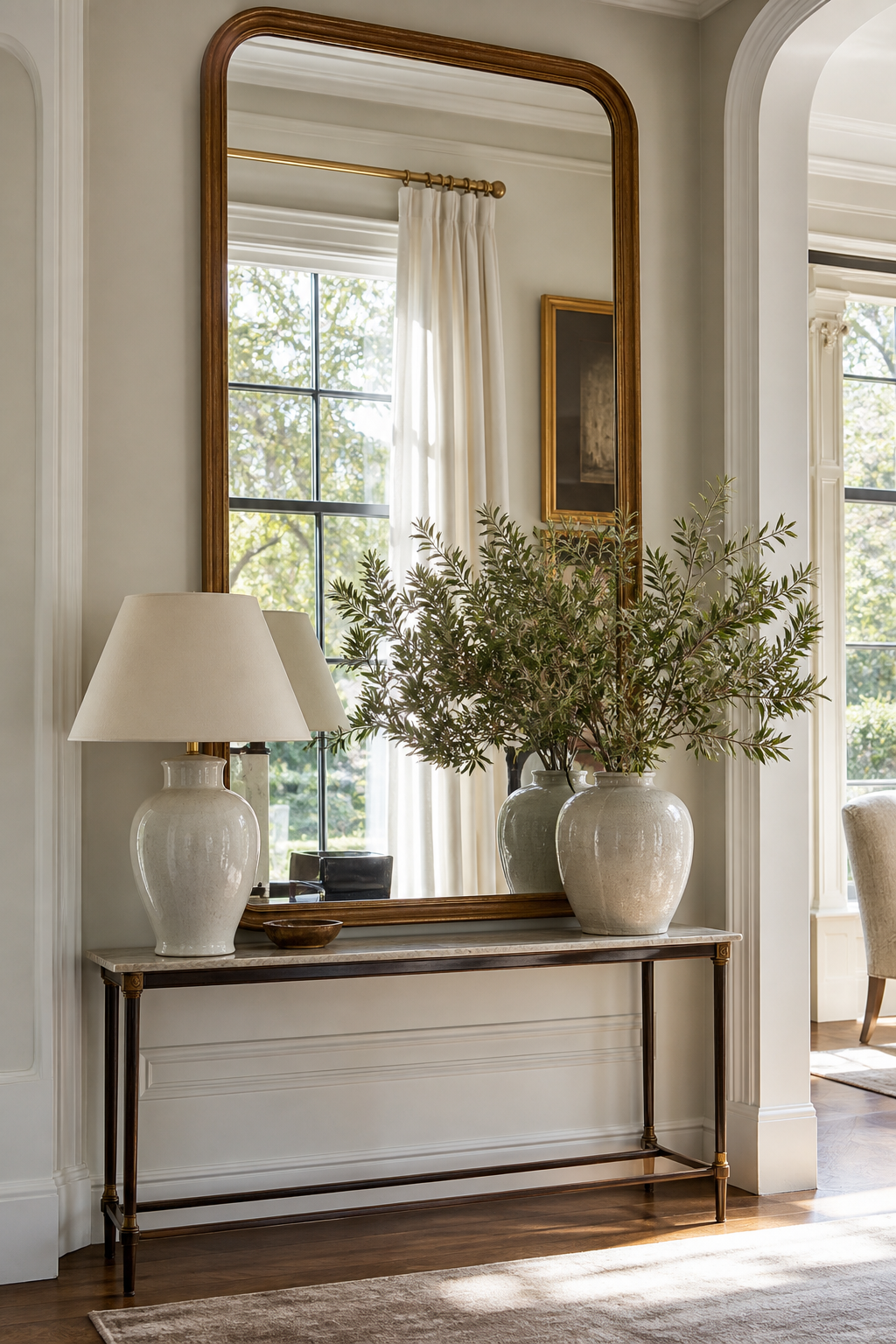
Mirrors are useful when a room needs more brightness, height, or visual depth. Place a mirror opposite a window to bounce light, above a console to finish an entry, or behind a lamp to double the glow in the evening. Choose a frame that relates to the room’s other materials, such as wood, brass, black metal, or plaster. Avoid hanging mirrors where they reflect clutter or awkward blank corners. Used thoughtfully, a mirror can make a small room feel more open and make a dark space feel more alive without changing the architecture.
Edit Surfaces Before Adding More Decor
Before buying new accessories, edit the surfaces you already have. Coffee tables, consoles, dressers, shelves, kitchen counters, and nightstands can all become too full. Remove anything that does not serve a purpose, support the palette, or add real beauty. Then rebuild each surface with one anchor, one practical object, and one softer element such as a plant, candle, or textile. The result should leave breathing room. Editing is powerful because it makes the home feel cleaner and more intentional immediately. Sometimes the best decorating idea is not adding something new, but letting the right pieces stand out.
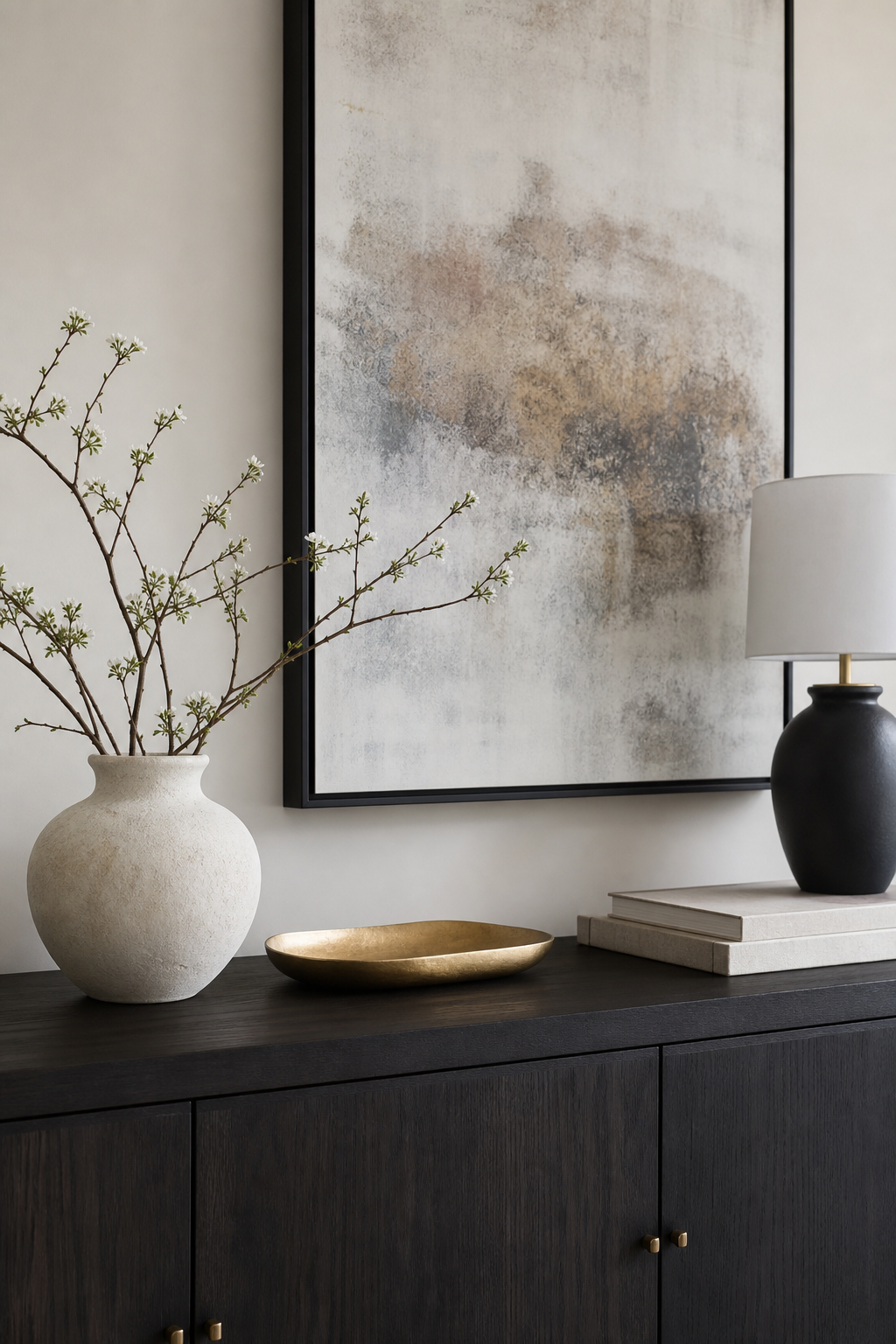
Finish With Scent And Texture
The final layer of house decorating is sensory. Add texture where people touch the home: a softer throw, better hand towels, a wool rug, linen napkins, or a woven basket by the sofa. Then choose one subtle scent through a candle, diffuser, fresh branches, or clean laundry products. Keep it gentle so the house feels fresh rather than perfumed. These small details matter because they shape how the home feels in use, not just how it photographs. A refresh is complete when the rooms look connected, function better, and feel good to move through every day.
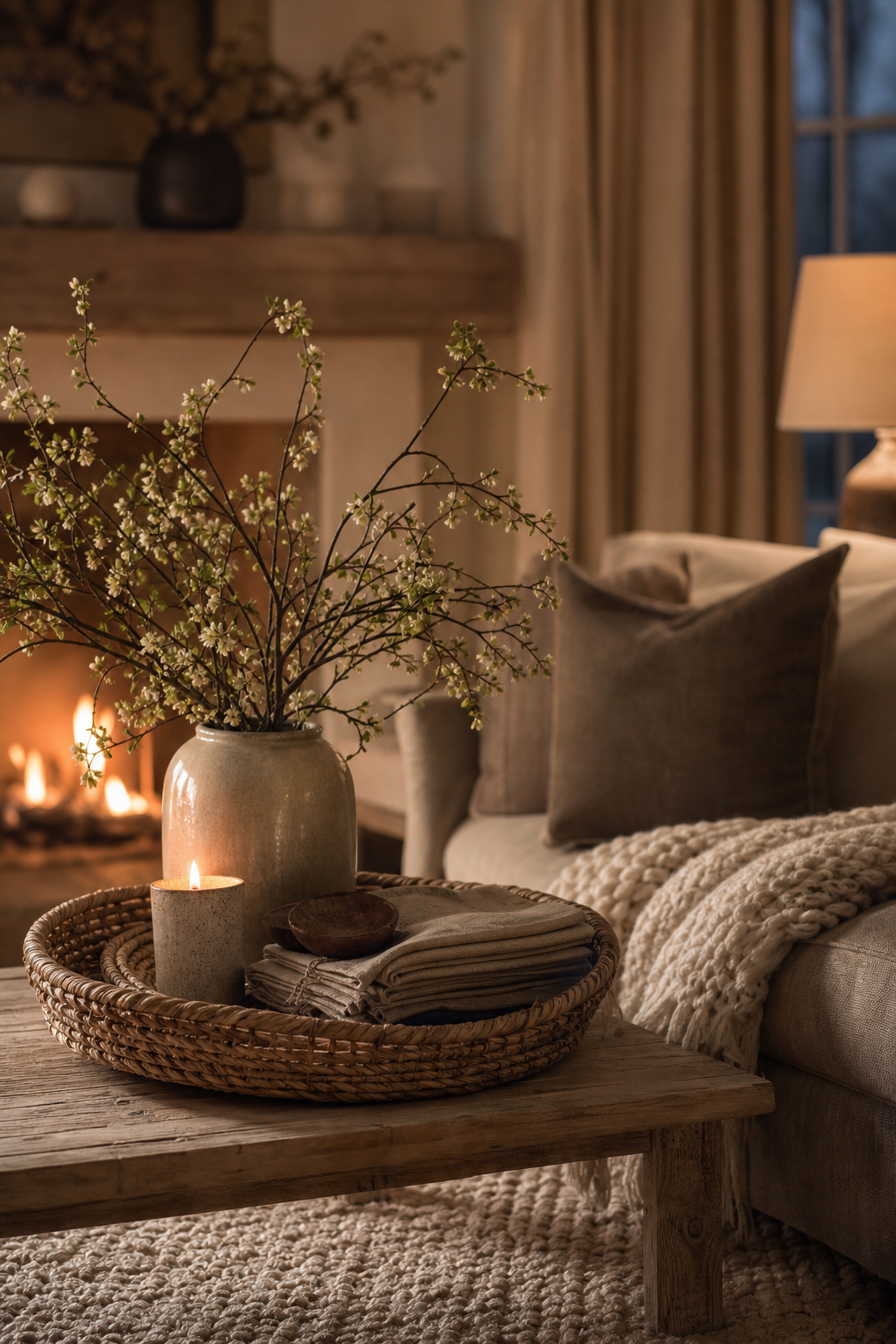
A thoughtful house refresh does not have to happen all at once. Start where the home greets you, then work through the rooms and passages that shape daily life. A better entry, stronger rug, warmer lamp, edited shelf, softer bedroom, or finished hallway can change the way the whole house feels. The most successful house decorating ideas are practical enough to live with and polished enough to make ordinary routines feel better. Choose the changes that solve real problems first, then repeat colors, materials, and lighting choices so every space feels like part of the same home.