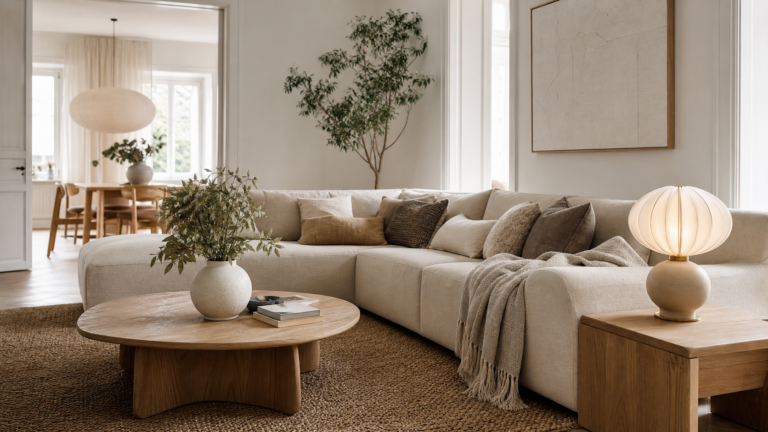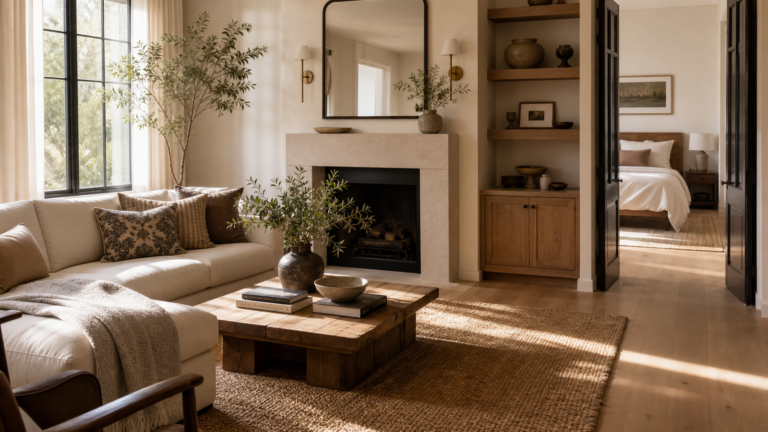
25 Dream Room Decor To Inspire Your Next Home Refresh
A dream room does not come from buying every beautiful object at once. It comes from choosing pieces that make the room feel layered, personal, comfortable, and quietly useful. The best refreshes usually begin with atmosphere: better lighting, a stronger rug, calmer storage, more tactile bedding, or art that gives the room a point of view. Dream room decor should feel elevated, but it should still support real life. These ideas focus on details that change how a room looks and how it feels, from the first morning light to the last lamp you turn off at night.
1. Start With a Hotel-Level Bed
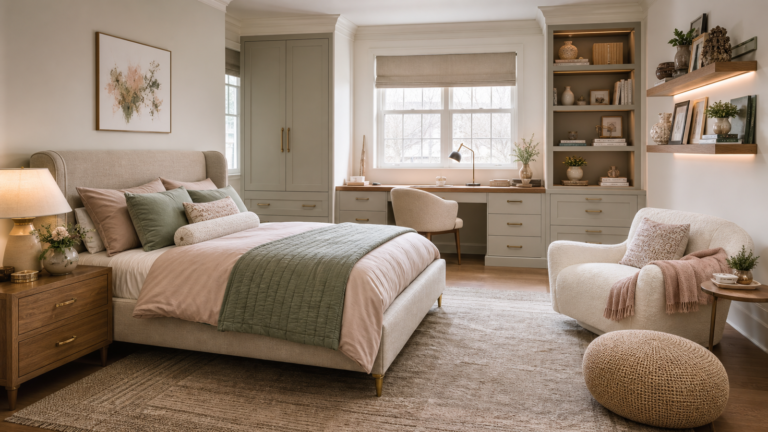
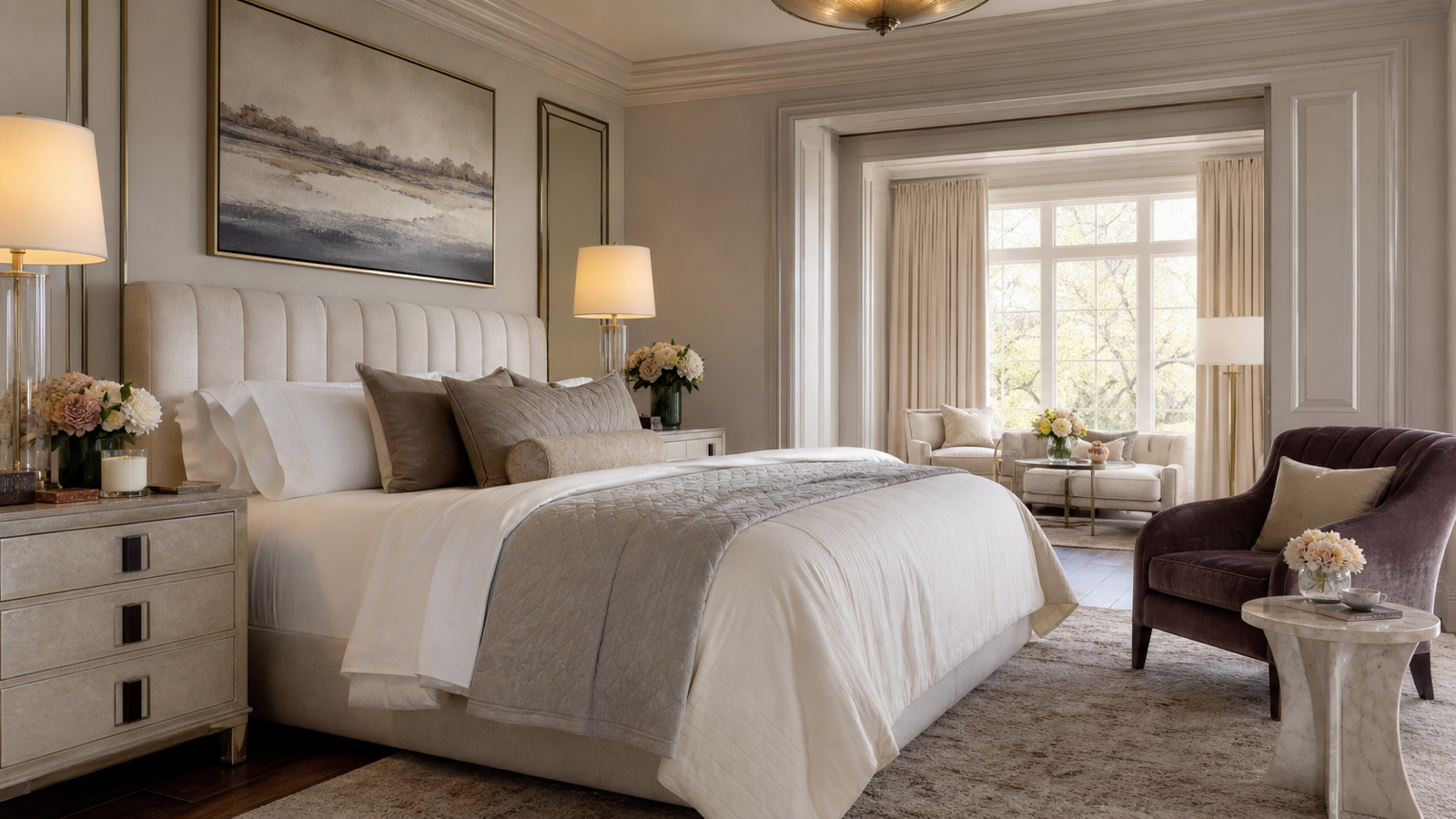
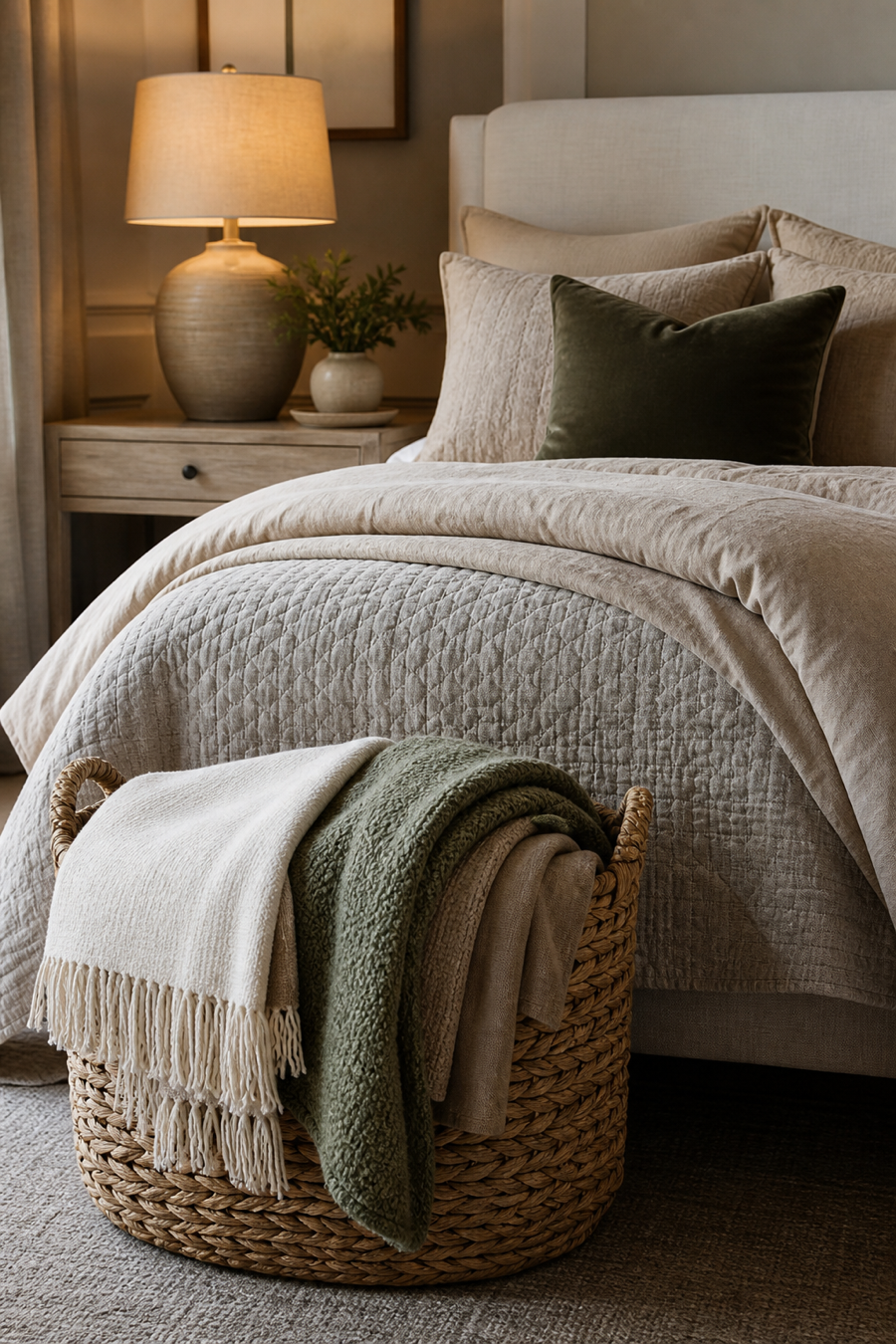
The bed is usually the emotional center of a dream room, so make it feel deliberate before decorating anything else. Choose crisp sheets, a substantial duvet, two sleeping pillows, and a few supportive shams instead of a scattered pile of cushions. A quilt or throw folded across the foot gives the room a finished layer without making daily upkeep impossible. Keep the palette quiet, then add depth through texture: linen, cotton percale, matelasse, bouclé, or velvet. When the bed looks generous and inviting, the rest of the room instantly feels more considered, even if the furniture is simple. The effect should feel restful, tailored, and easy to reset each morning.
2. Add a Reading Chair With Presence
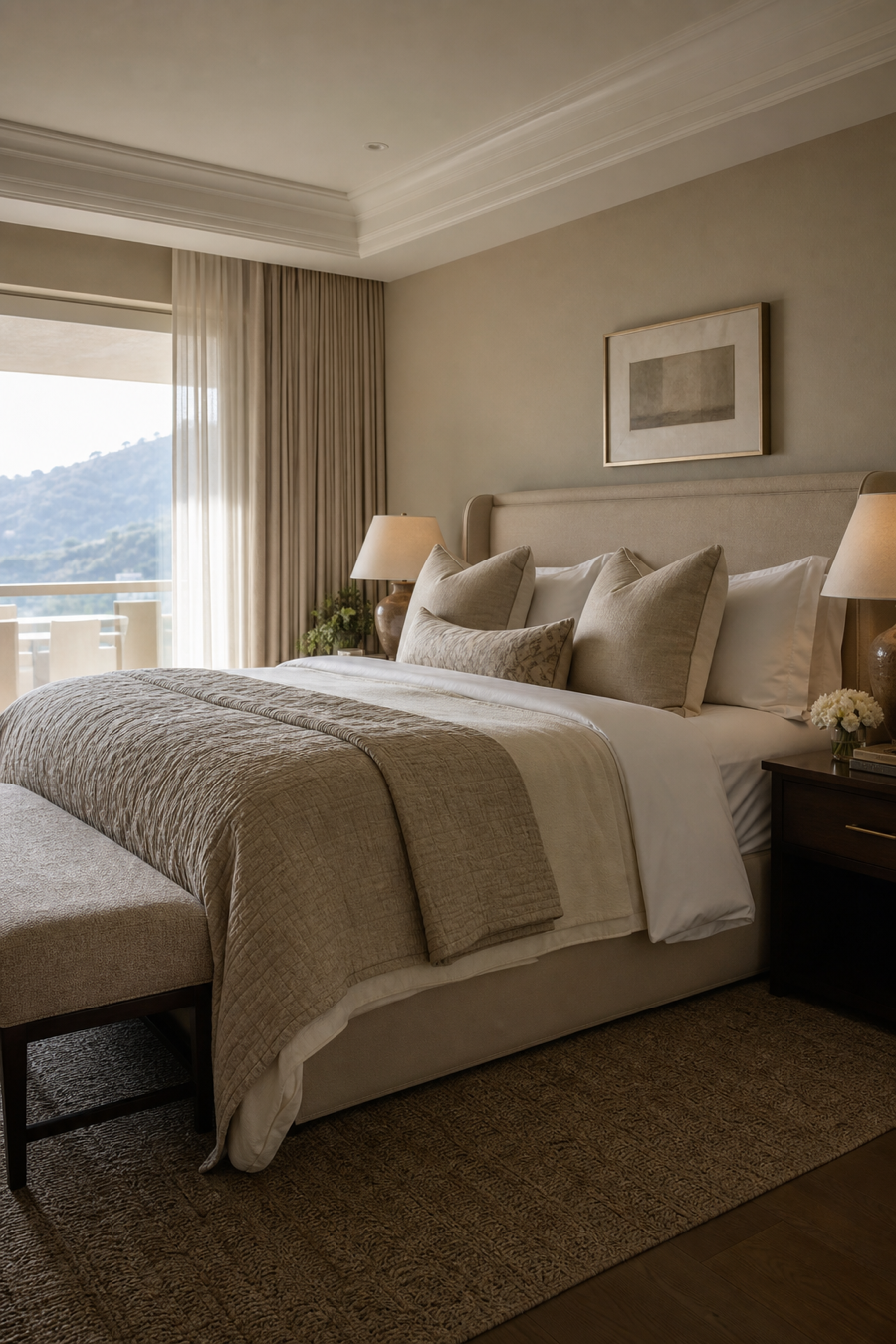
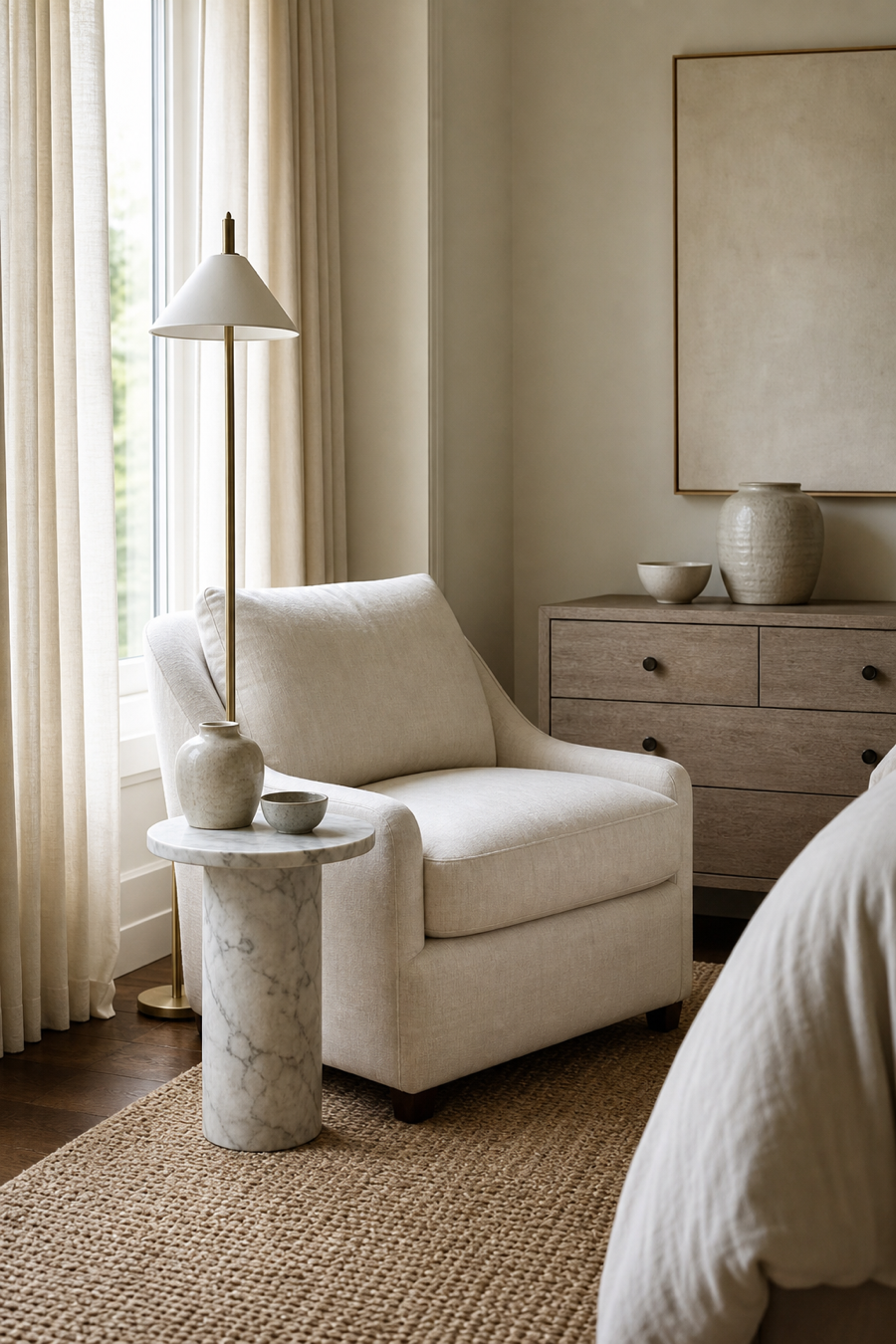
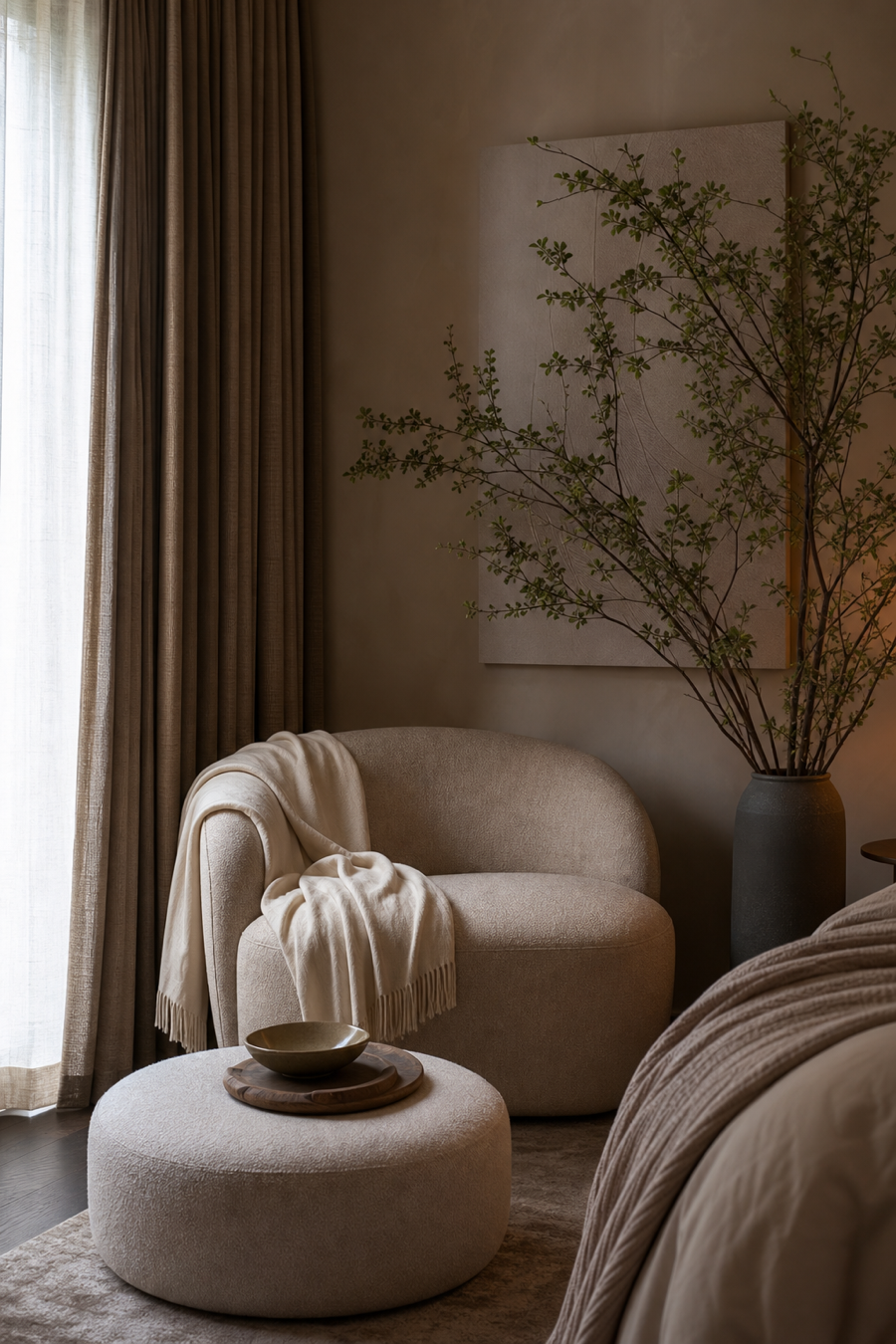
A single beautiful chair can make a bedroom or living room feel complete. Place it where it has a reason to exist: beside a window, near a bookcase, across from a bed, or in an empty corner that needs shape. Choose upholstery that invites touch, such as velvet, linen, wool, or soft leather. Add a small table close enough for a drink, then finish with a lamp that makes the chair useful at night. The point is not to fill space. It is to create a small destination inside the room, a place that suggests rest even when no one is sitting there.
3. Layer Lighting at Three Heights
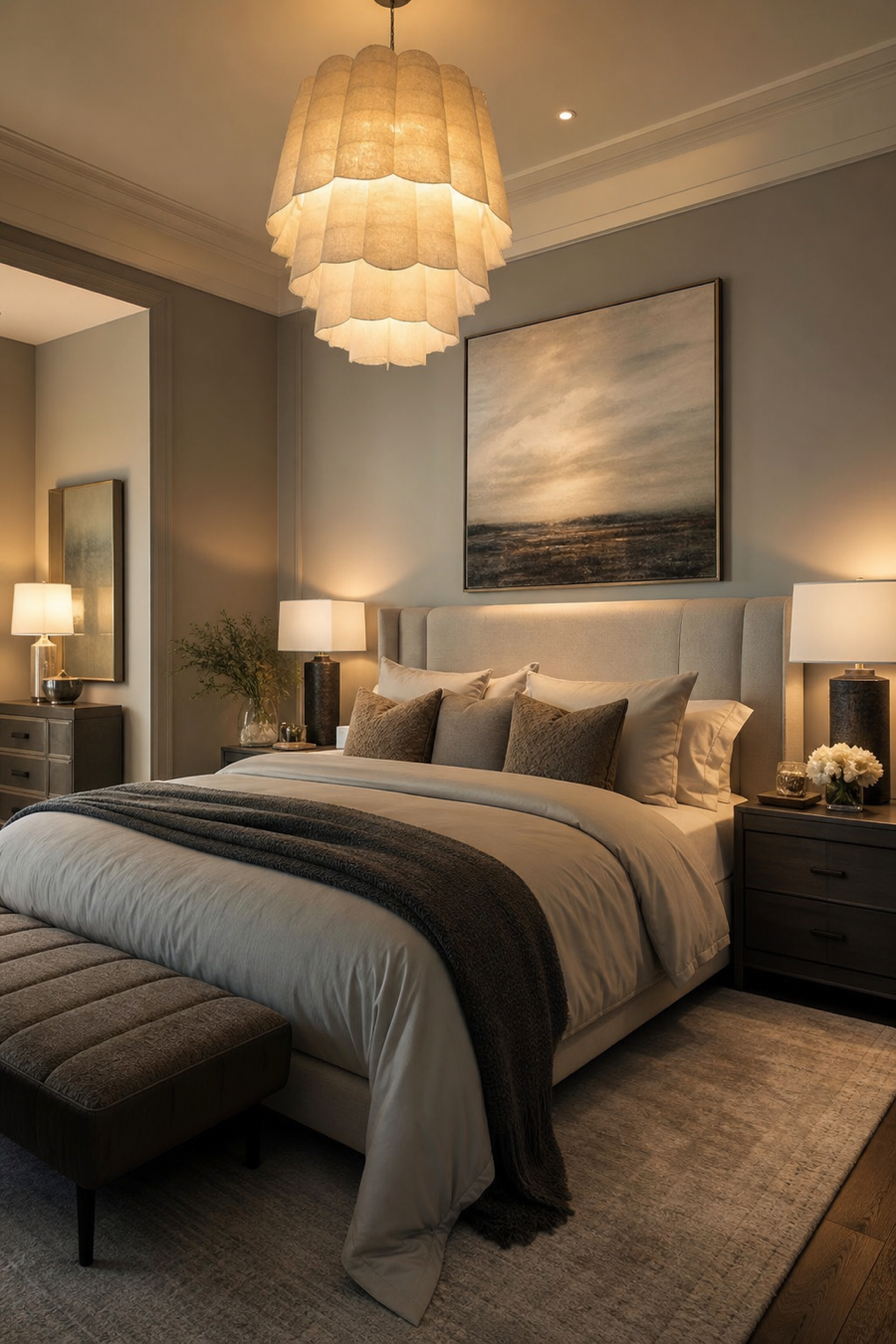
Dream rooms rarely rely on one overhead fixture. They feel rich because light comes from several heights: ceiling, eye level, and low glow. Keep the overhead light soft or sculptural, then add table lamps, wall sconces, or a floor lamp where tasks actually happen. A small shaded lamp on a dresser can make the room feel warmer than a bright ceiling fixture ever will. Use matching bulbs so the color temperature feels consistent. Lighting should make the surfaces look better and the people in the room feel calmer. It is decor, mood, and function in one decision. Dimmer switches make every layer more flexible through the evening.
4. Choose One Oversized Artwork
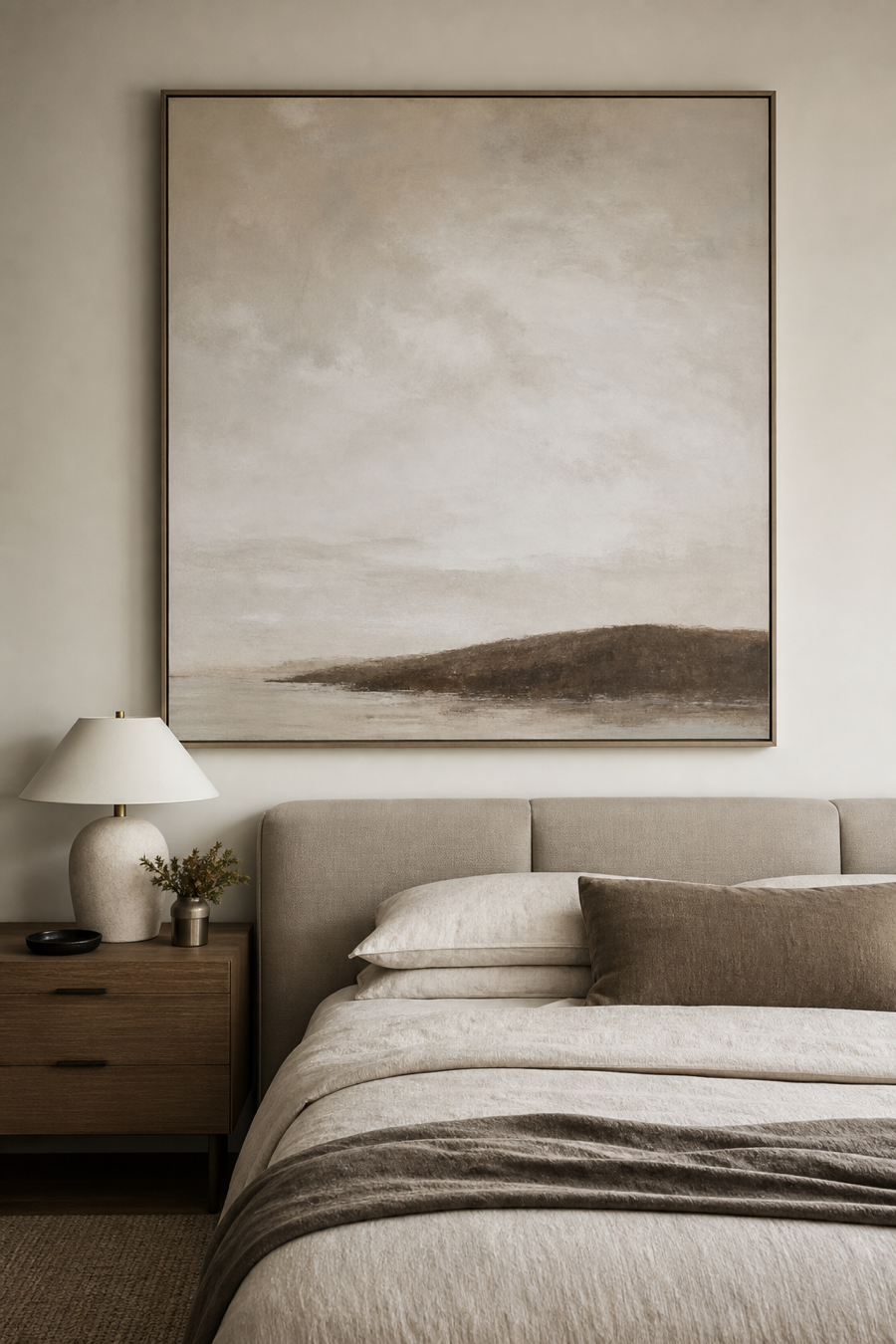
Small art can feel charming, but one oversized piece gives a room confidence. Hang it above a bed, console, sofa, or dresser where it can set the tone for the whole space. The subject does not need to be loud. A muted landscape, abstract painting, textile panel, or black-and-white photograph can create calm drama. Keep the frame quality high and the placement intentional, with enough breathing room around the piece. Oversized art also reduces the need for many small accessories. The room feels more edited because the eye has somewhere meaningful to land. It gives the refresh a point of view instead of a pile of objects.
5. Upgrade the Rug Before the Accessories
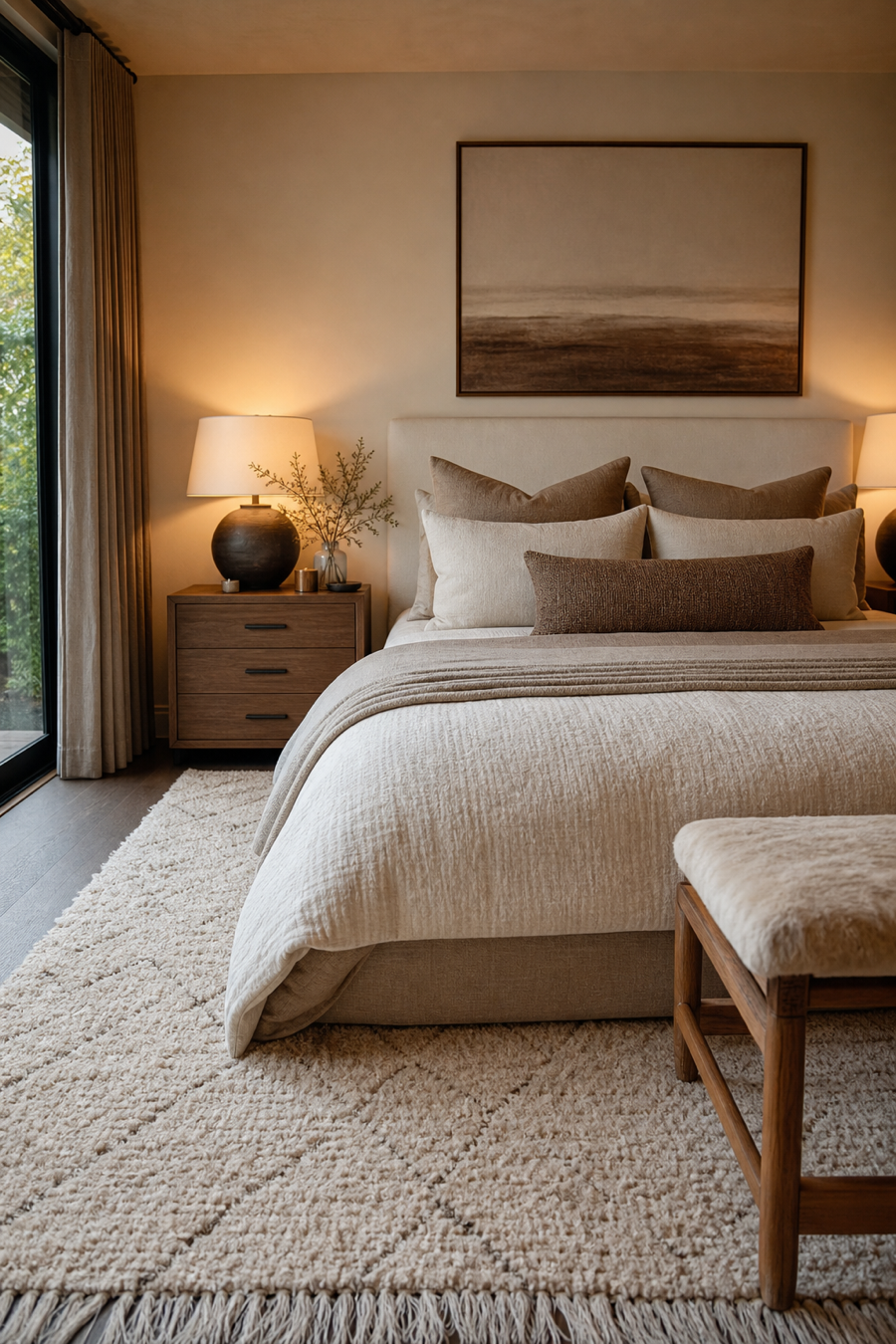
A thin or undersized rug can make even expensive furniture look temporary. For a dream room refresh, choose the largest rug that fits the layout and allows furniture to connect. In a bedroom, the rug should extend beyond the sides and foot of the bed so your first step feels soft. In a sitting area, front legs should rest on the rug to hold the grouping together. Look for wool, jute, silk blends, or vintage-style patterns with subtle variation. Once the rug is right, smaller decor choices become easier because the room already has warmth, scale, and texture. That foundation makes every later detail feel richer and more grounded.
6. Style the Nightstand Like a Tiny Vignette
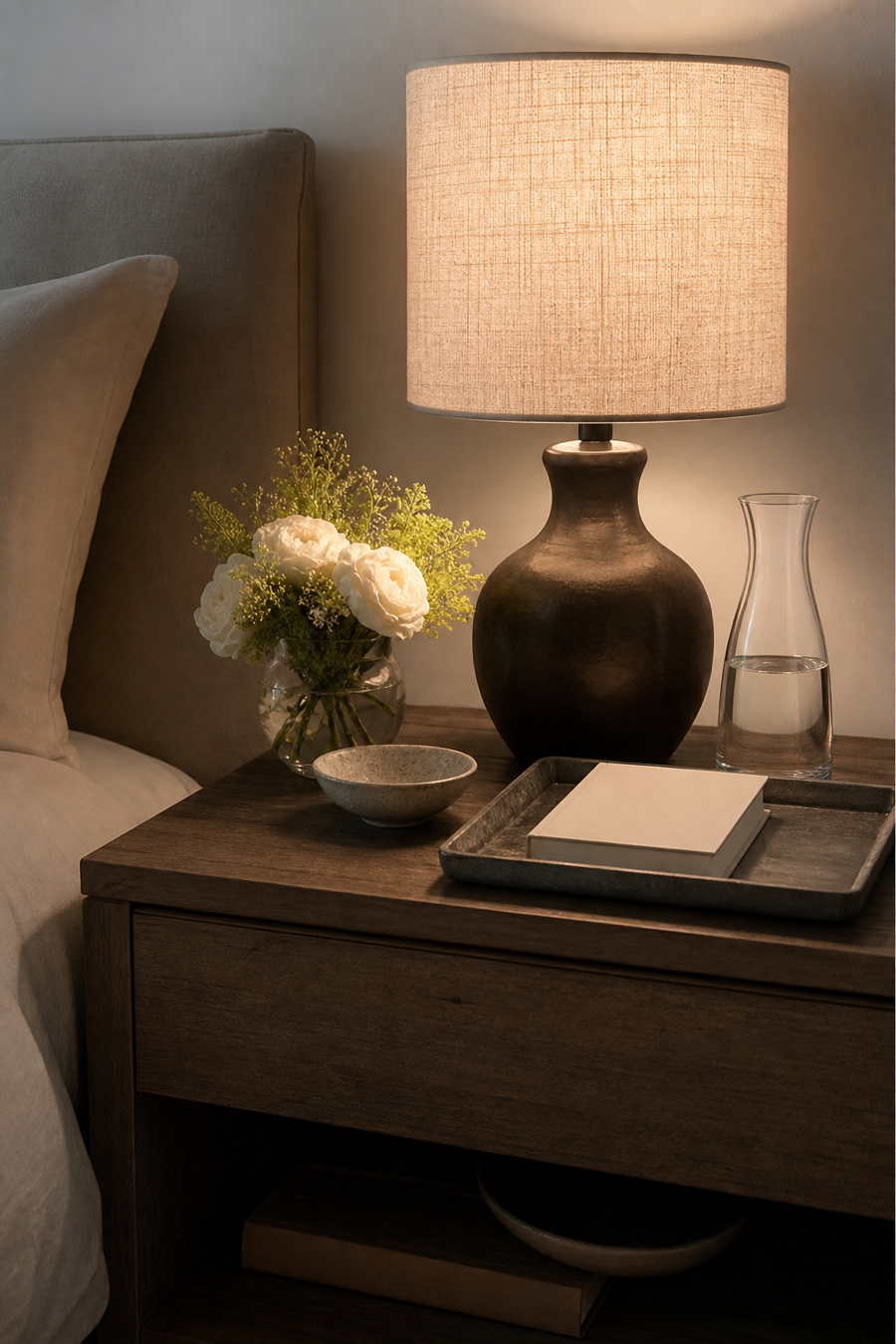
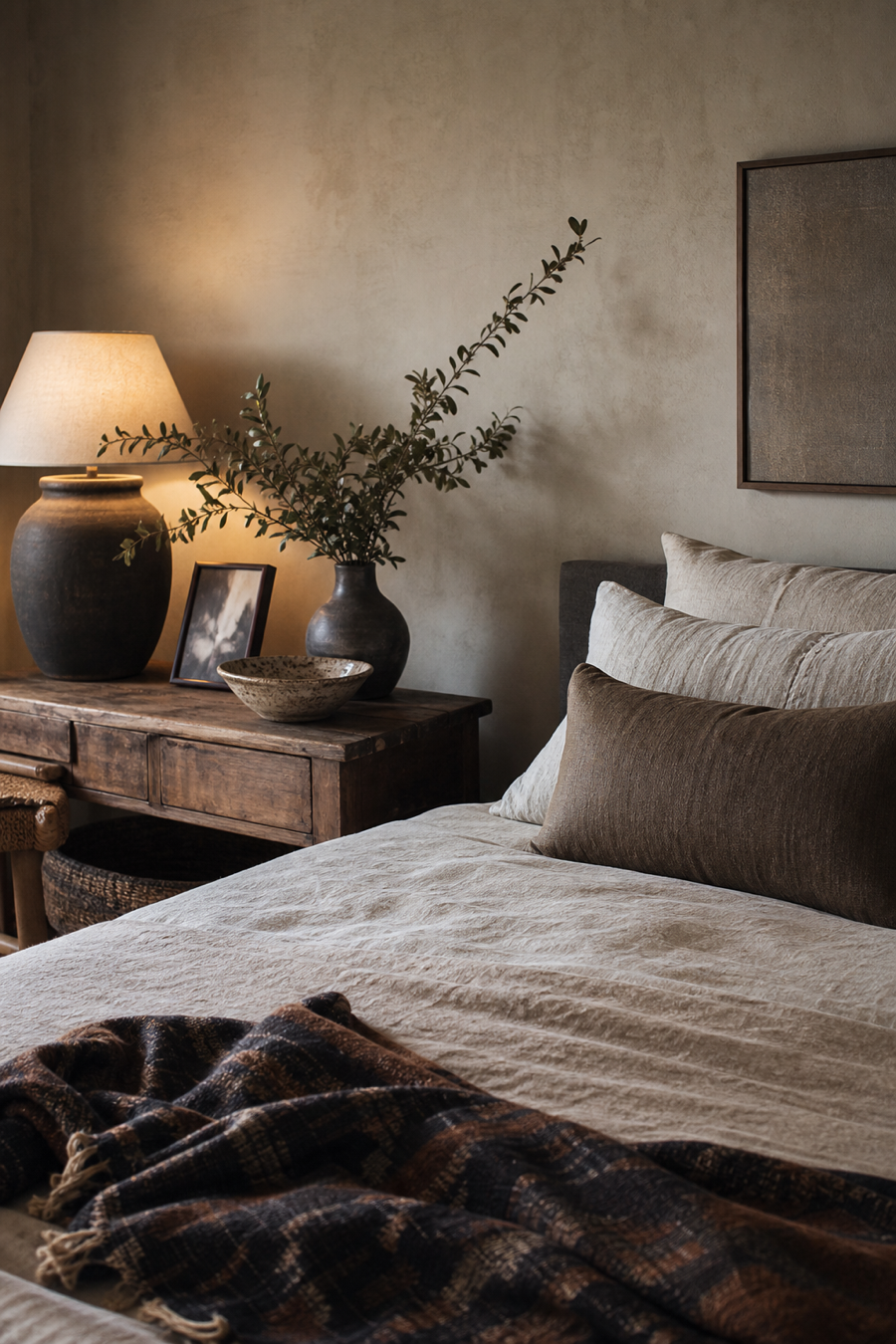
A nightstand works hard, but it should not become a storage spillover. Keep the useful items, then style them with restraint. A lamp, a small tray, a water carafe, one book, and a little bowl for jewelry can look elegant and still support daily routines. If you use flowers or branches, keep them low enough that they do not compete with the lamp. Leave visible empty space on the surface. That negative space is what makes the vignette feel luxurious. The goal is a nightstand that looks peaceful at bedtime and still has room for real life. A small drawer insert can keep practical pieces hidden but close.
7. Bring in Drapery That Touches the Floor
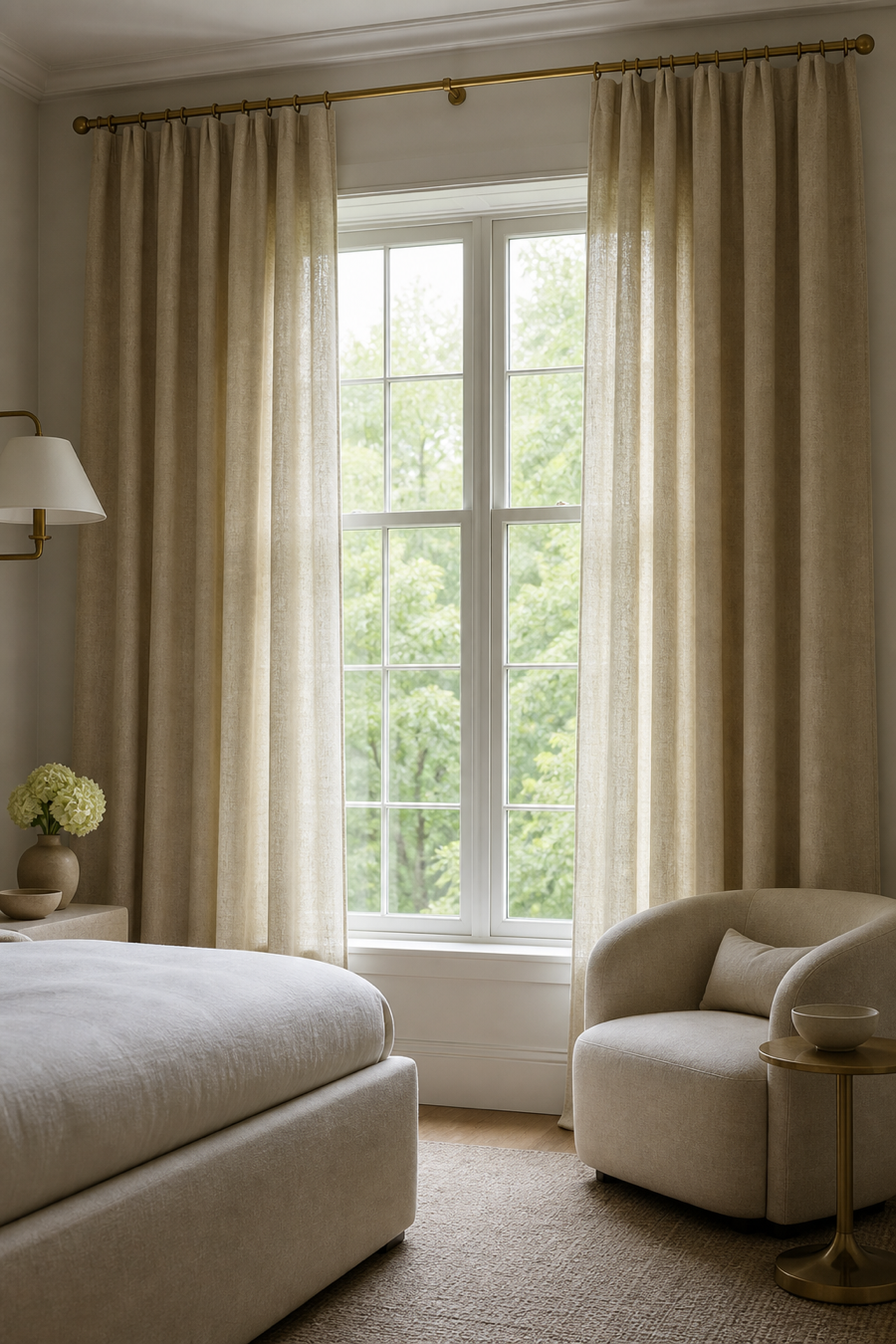
Drapery changes the architecture of a room more than most accessories. Hang the rod high and wide so the window looks taller and the fabric clears the glass when open. Let the panels touch or softly break at the floor for a tailored finish. Linen, wool, or lined cotton can add movement and softness without feeling heavy. If privacy matters, layer sheers beneath heavier panels. The fabric should support the room’s color story rather than shout over it. Good drapery makes light feel more beautiful, softens hard edges, and gives even a simple room a custom look. It also makes ceilings feel higher without changing the architecture.
8. Create a Dresser Moment
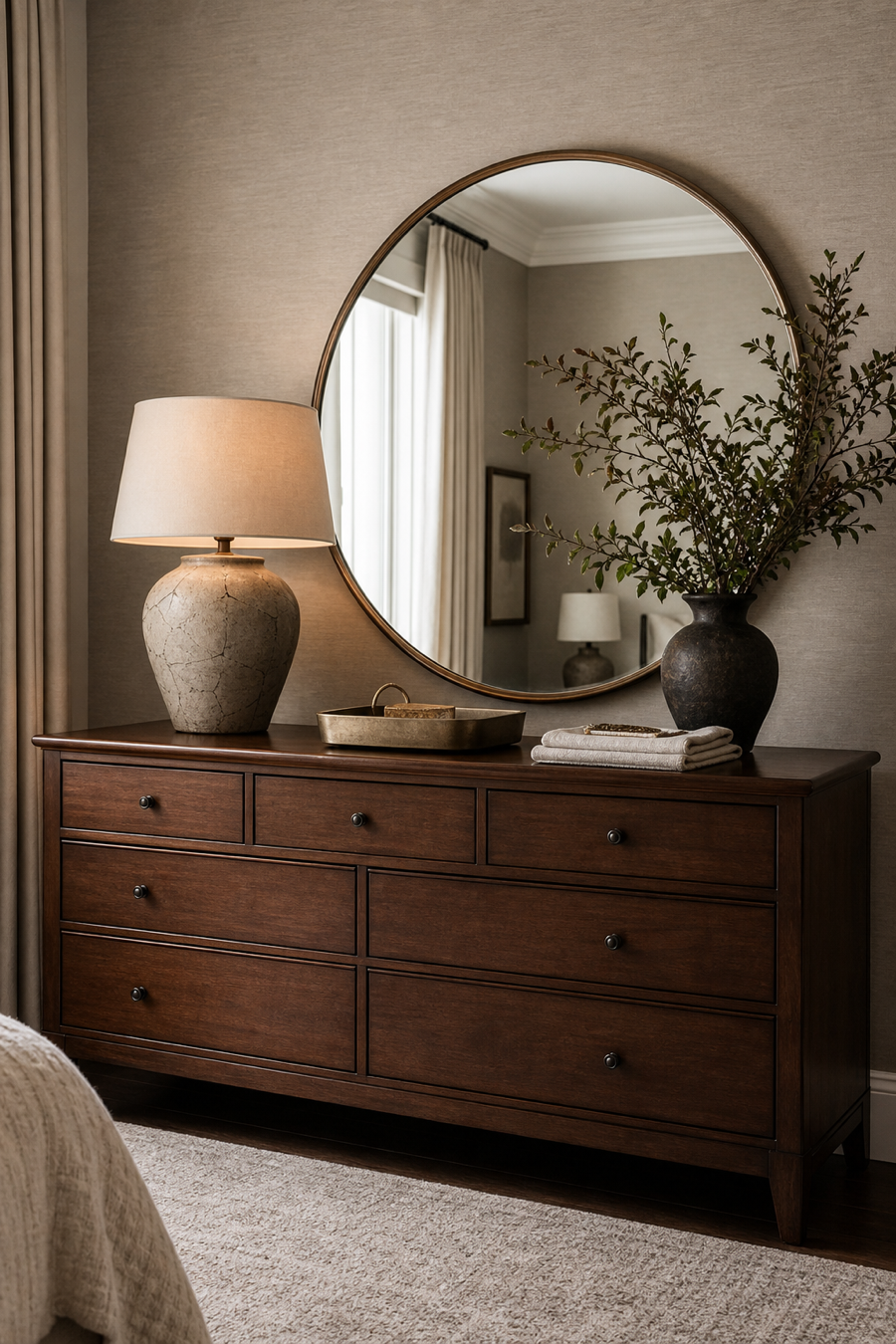
A dresser can be more than storage if the top is styled with purpose. Start with a mirror or artwork to give it height, then add a lamp, a tray, and one sculptural object. Keep daily items contained instead of scattered. If the dresser is long, balance one tall element with a lower stack of folded textiles, books with blank covers, or a ceramic vessel. The surface should feel useful but not crowded. This is especially helpful in bedrooms where wall space is limited. A well-styled dresser turns an ordinary storage piece into a graceful focal point. Keep hardware clean and beautiful so the piece earns attention.
9. Use Mirrors to Borrow Light
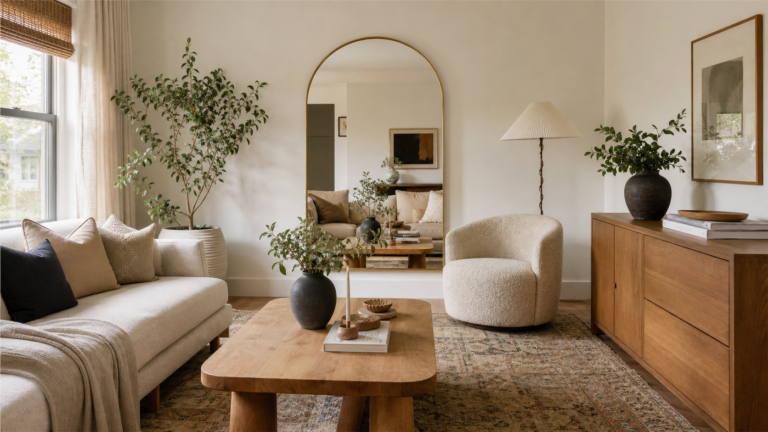
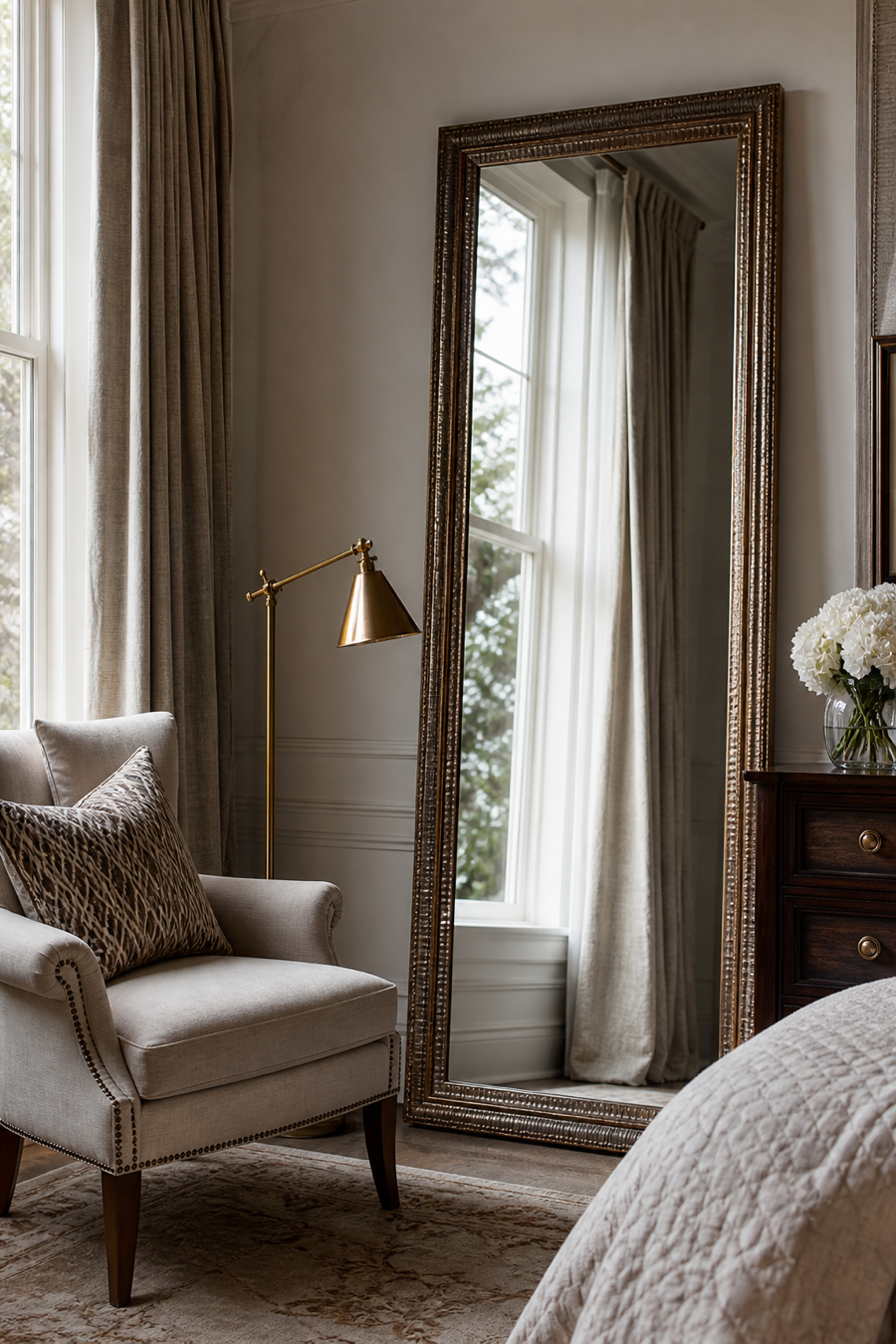
Mirrors are most powerful when they reflect something beautiful. Place one opposite a window, near a lamp, or where it can capture artwork, greenery, or a graceful doorway. Avoid hanging a mirror simply because a wall is empty. The frame should connect to another material in the room, such as brass, blackened metal, oak, or carved wood. A tall leaning mirror can also add architecture to a plain corner while making the room feel larger. The best mirror placement feels quiet but strategic. It adds light, depth, and a sense of polish without adding clutter. At night, it can double the glow from a nearby lamp.
10. Add a Bench at the Foot of the Bed
A bench gives the bed a finished edge and adds a useful place to sit, fold throws, or set a tray. Choose a length that feels related to the bed, usually a little narrower than the mattress. Upholstered benches add softness, while wood or woven benches bring texture and casual warmth. If the room is small, try a slimmer stool pair instead of one long piece. The bench should not block circulation or become a laundry landing zone. Styled simply, it makes the room feel more complete and helps the bed read as part of a larger composition. Choose performance fabric if the bench will be used every day.
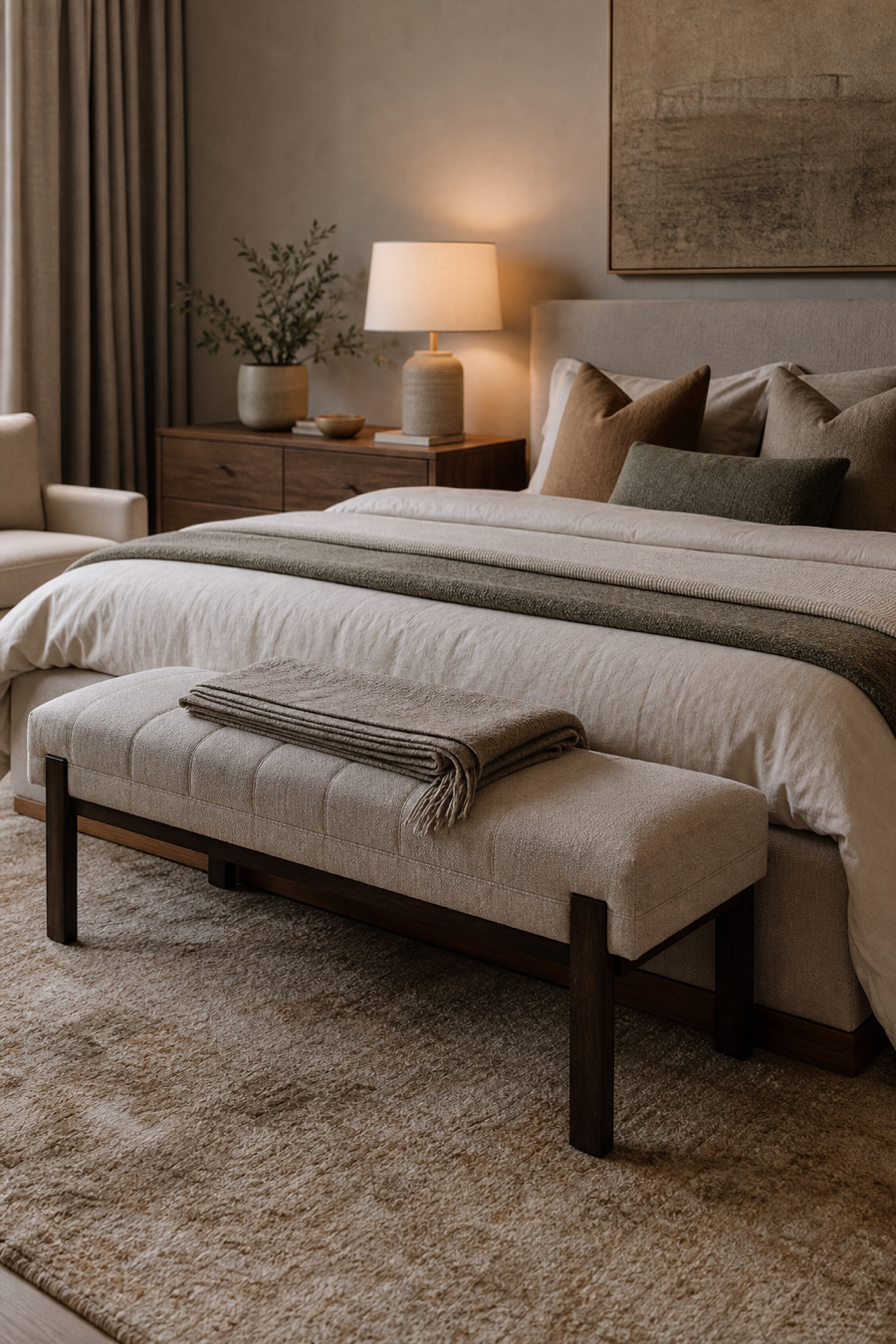
11. Make Storage Look Built In
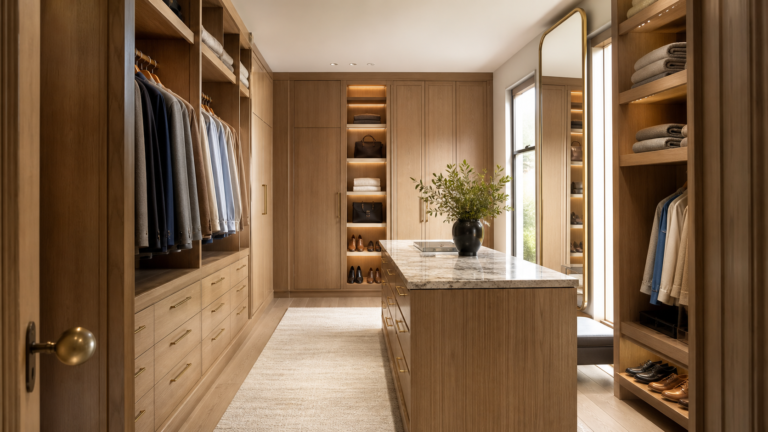
Dream room decor depends on calm surfaces, and calm surfaces require storage that does not look like an afterthought. Use closed baskets, lidded boxes, wardrobes, skirted tables, or wall-to-wall shelving to hide the everyday pieces that create visual noise. If freestanding storage is necessary, choose finishes that match the room’s main materials. A pair of woven baskets under a console can look intentional; a random plastic bin never will. The goal is not perfection. It is giving every recurring object a home so the room can return to a polished baseline quickly after use. This is the hidden discipline behind rooms that photograph beautifully.
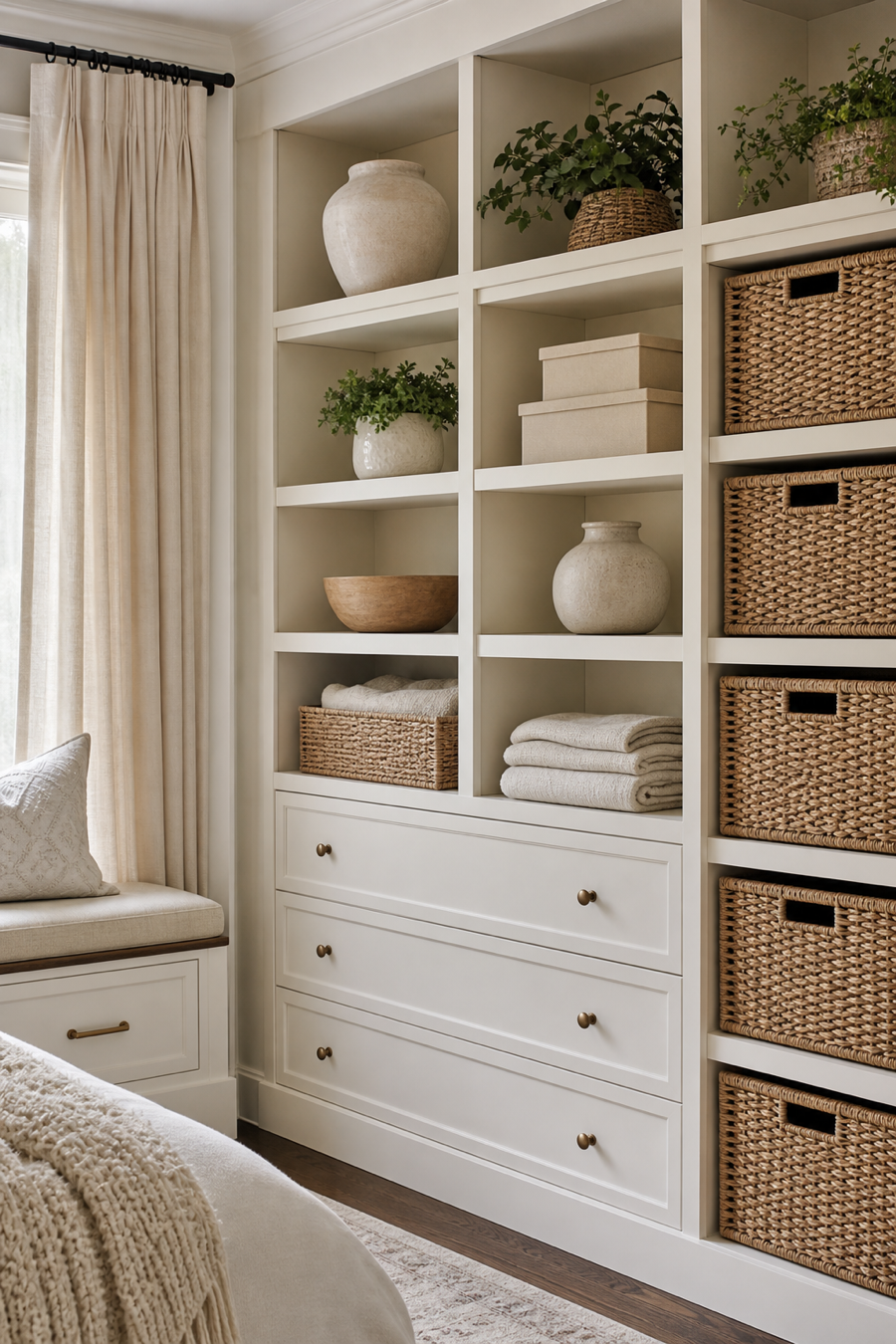
12. Bring Texture to the Walls
Paint is not the only way to make walls feel finished. Grasscloth, limewash, plaster, picture molding, or fabric panels can give a dream room depth before any furniture arrives. Choose texture that suits the room’s mood. Grasscloth feels tailored and warm, limewash feels soft and atmospheric, and molding adds quiet structure. Keep the color restrained if the texture is already active. Wall texture is especially useful in bedrooms because it creates a cocoon effect without needing many accessories. It makes light move across the surface, which gives the room a richer feeling throughout the day. It is a quiet upgrade with an unusually strong visual payoff.
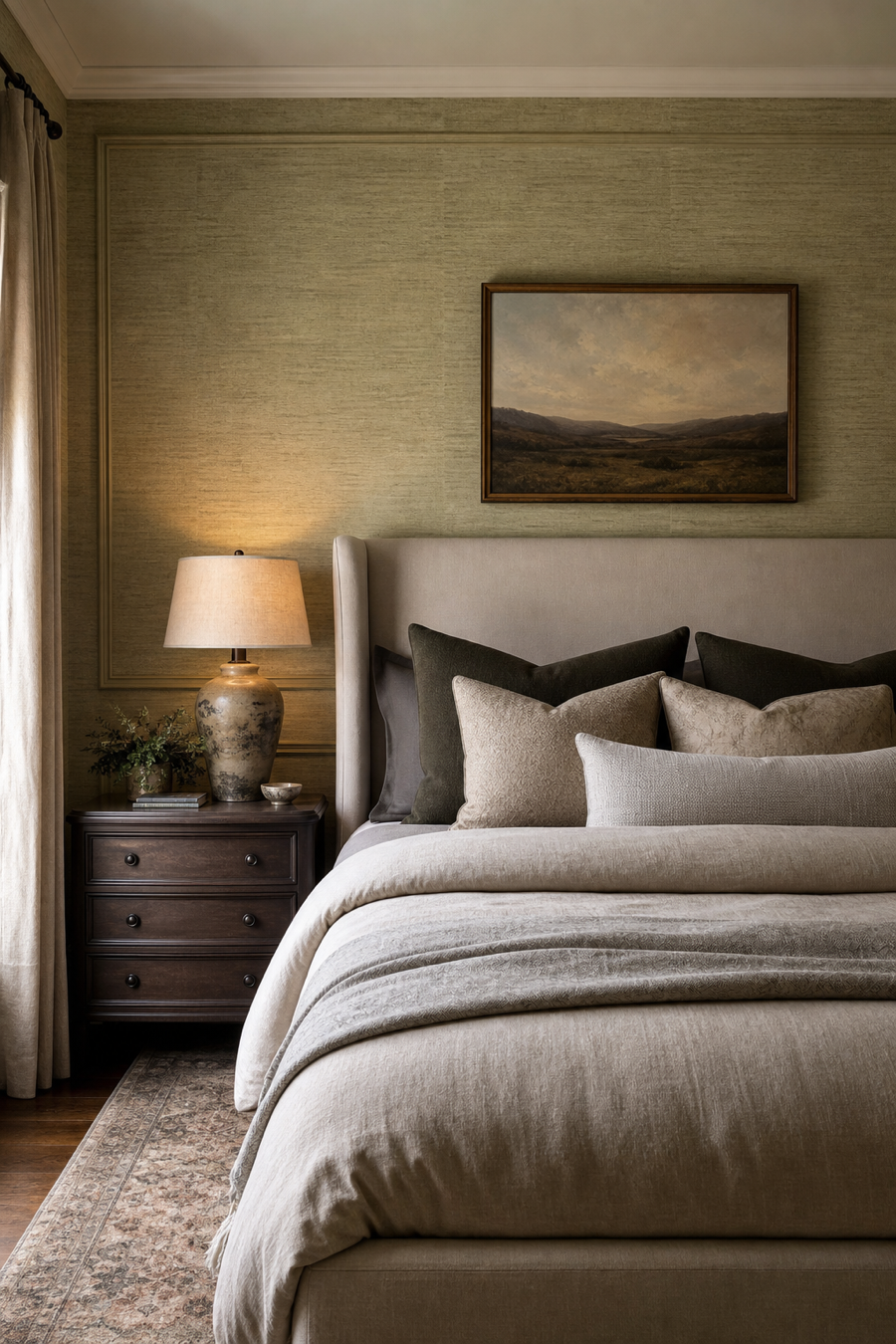
13. Style Shelves With Breathing Room
Shelves can make a room feel personal, but they lose their charm when every inch is filled. Start with a few larger objects instead of many tiny pieces: a vase, a bowl, a framed photograph turned away from readable detail, a lidded box, and a plant. Vary height and shape, then leave open space around each grouping. Repeat one color or material across the shelves so the arrangement feels connected. If books are used, turn unreadable spines inward or choose plain covers. The result should feel collected and calm, not like a shop display. Edit once more after styling; shelves usually improve when one item leaves.
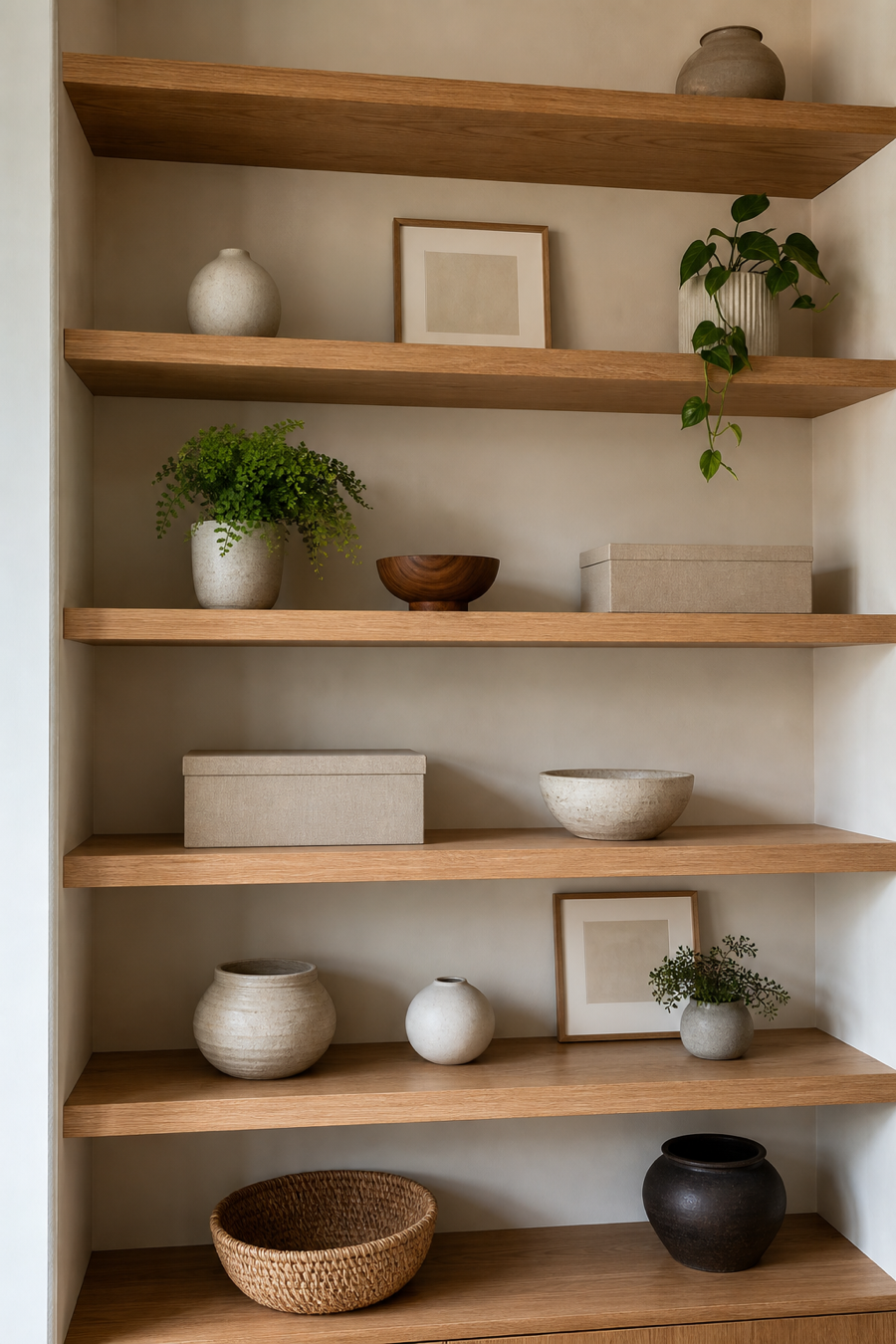
14. Add One Rich Accent Color
A dream room can be neutral without being flat. Choose one richer accent color and repeat it lightly through the space. Deep olive, oxblood, ink blue, tobacco, plum, or muted terracotta can bring maturity when used with restraint. Try it on a pillow, a lampshade, a throw, a small ottoman, or artwork. The accent should feel like a thread, not a theme. Keep the larger pieces quieter so the color has somewhere to breathe. This approach lets the room feel refreshed and personal without requiring a full repaint or new furniture plan. That restraint keeps the color sophisticated instead of decorative.
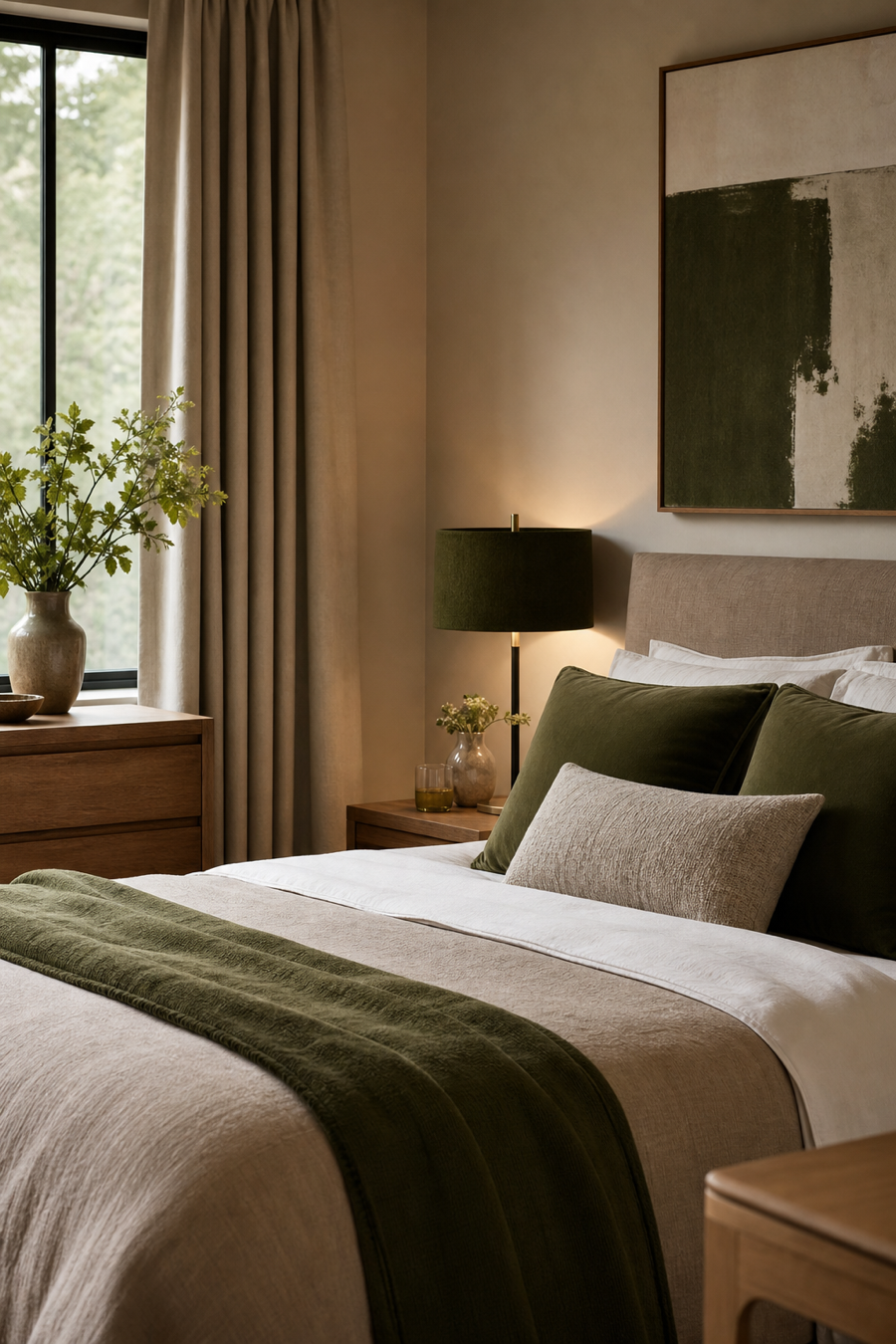
15. Use Scent as Part of the Room
Scent is invisible decor, but it shapes how a room is remembered. Choose one subtle fragrance family that suits the space, such as cedar and fig for a bedroom, citrus and herbs for a dressing area, or amber and tea for a sitting room. Use a candle, diffuser, linen spray, or fresh branches, but avoid mixing several strong scents at once. Keep the vessel attractive enough to sit out, or tuck it into a tray with other small objects. The best scent detail feels understated. It supports the atmosphere without announcing itself the moment someone enters. Fresh air and clean linens should still lead the experience.
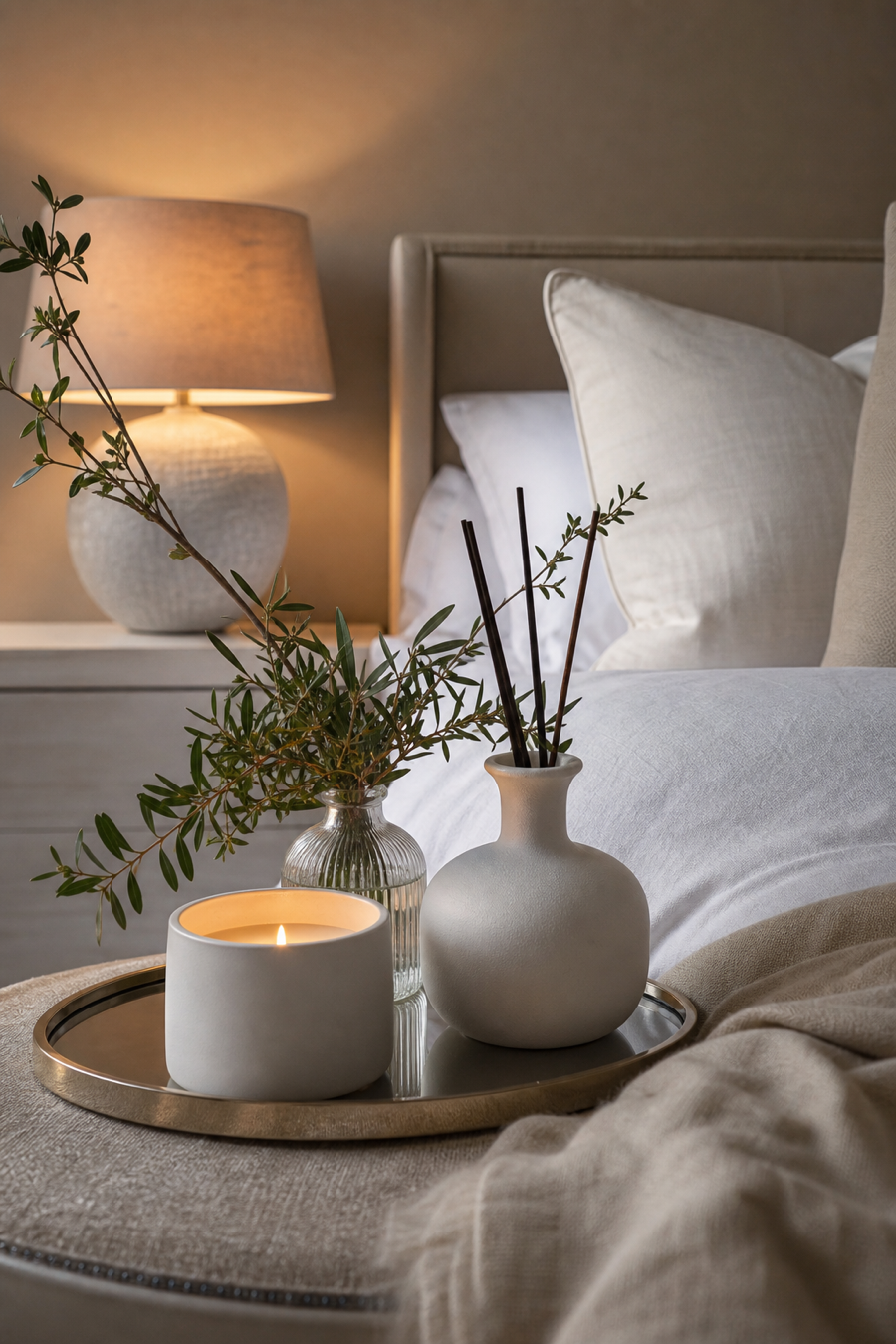
16. Add a Tray to Control Small Objects
Small objects look messy when they float separately across a surface. A tray gives them boundaries and makes everyday items feel intentional. Use one on a dresser, desk, coffee table, or nightstand to gather a candle, bowl, remote, perfume bottle with no label, or reading glasses. The material should add something to the room: lacquer for shine, marble for weight, rattan for warmth, or leather for softness. Do not overload it. The tray should create order, not become a miniature storage closet. This tiny move can make a room feel cleaner in seconds. It is one of the simplest ways to make maintenance feel elegant.
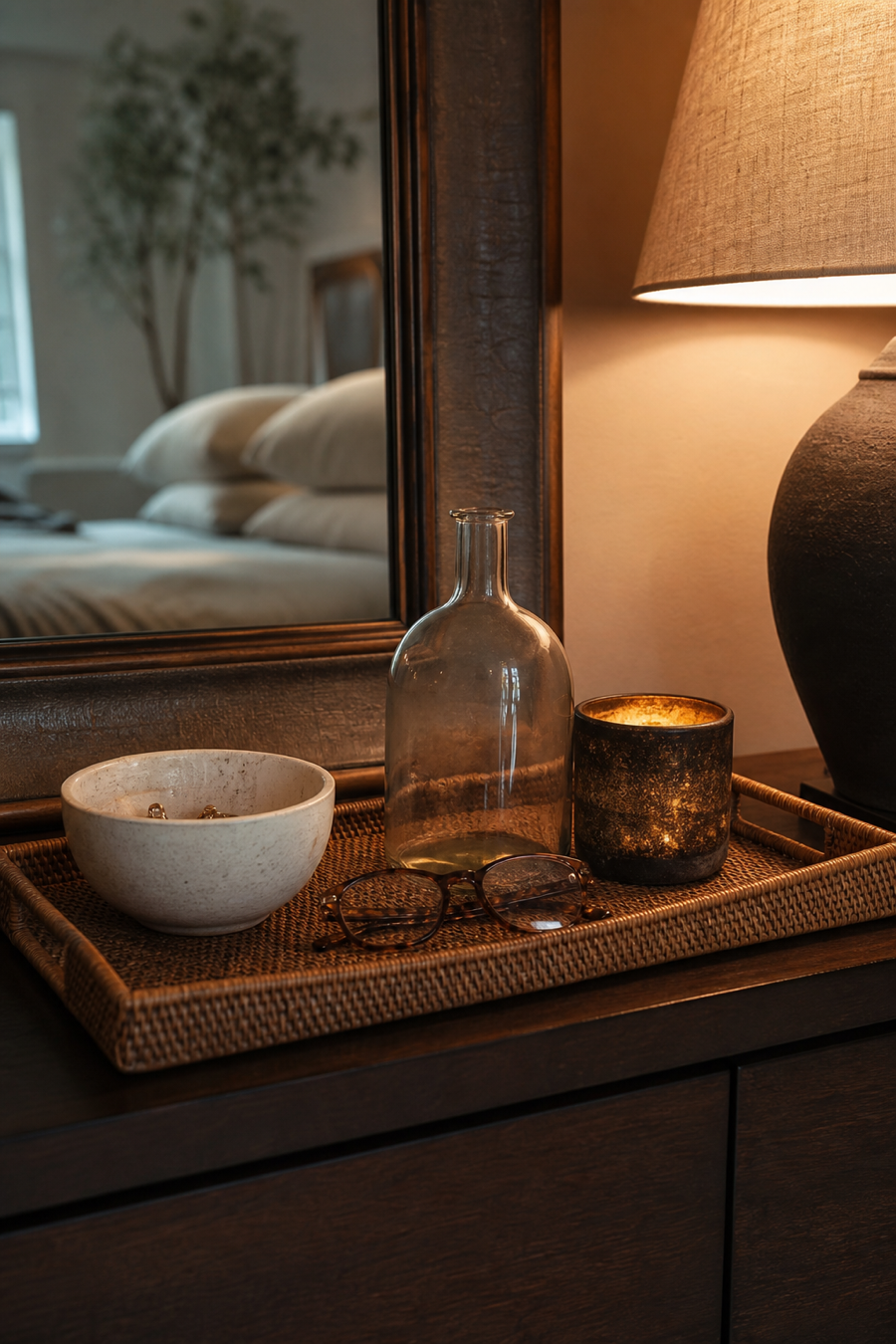
17. Mix Old and New Pieces
A room filled only with new pieces can feel polished but thin. Add something with age, patina, or a handmade quality to give the decor depth. This might be a vintage stool, antique mirror, old landscape painting, weathered wood box, hand-thrown vase, or inherited side table. Pair it with cleaner modern pieces so the room does not become nostalgic or cluttered. The contrast makes both sides better. New upholstery feels fresher beside antique wood, and an old object looks more intentional when it is given space. Dream rooms usually feel collected, not purchased in one afternoon. Let the older piece show wear; that imperfection is often the charm.
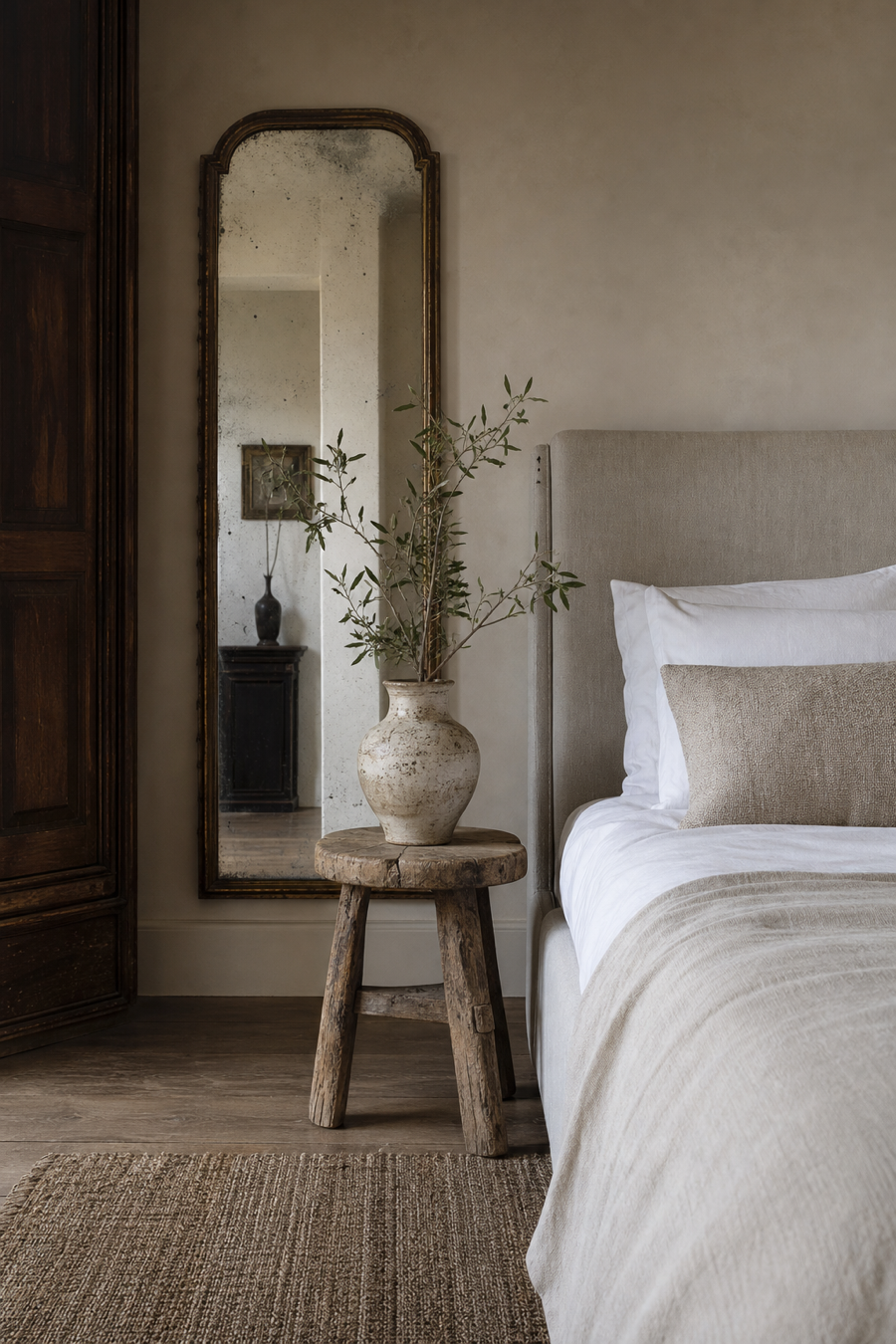
18. Make the Desk Feel Serene
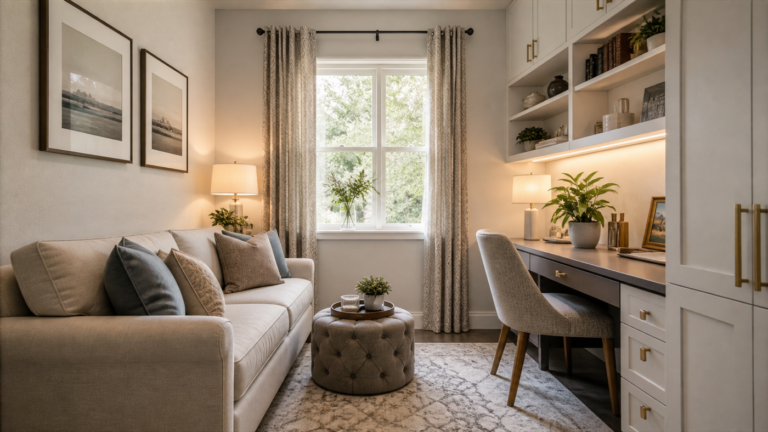
If the room includes a desk, treat it as decor instead of allowing it to become a tangle of chargers and papers. Choose a beautiful lamp, a proper chair, a small bowl, and one lidded box for office supplies. Keep cords hidden with a cable channel or a basket beneath the surface. Place art or a mirror above the desk so it feels integrated with the room. A calm desk is especially important in bedrooms, where work energy can disrupt rest. With the right styling, it becomes a useful writing spot rather than a visual burden. Keep only the tools you truly use within arm’s reach.
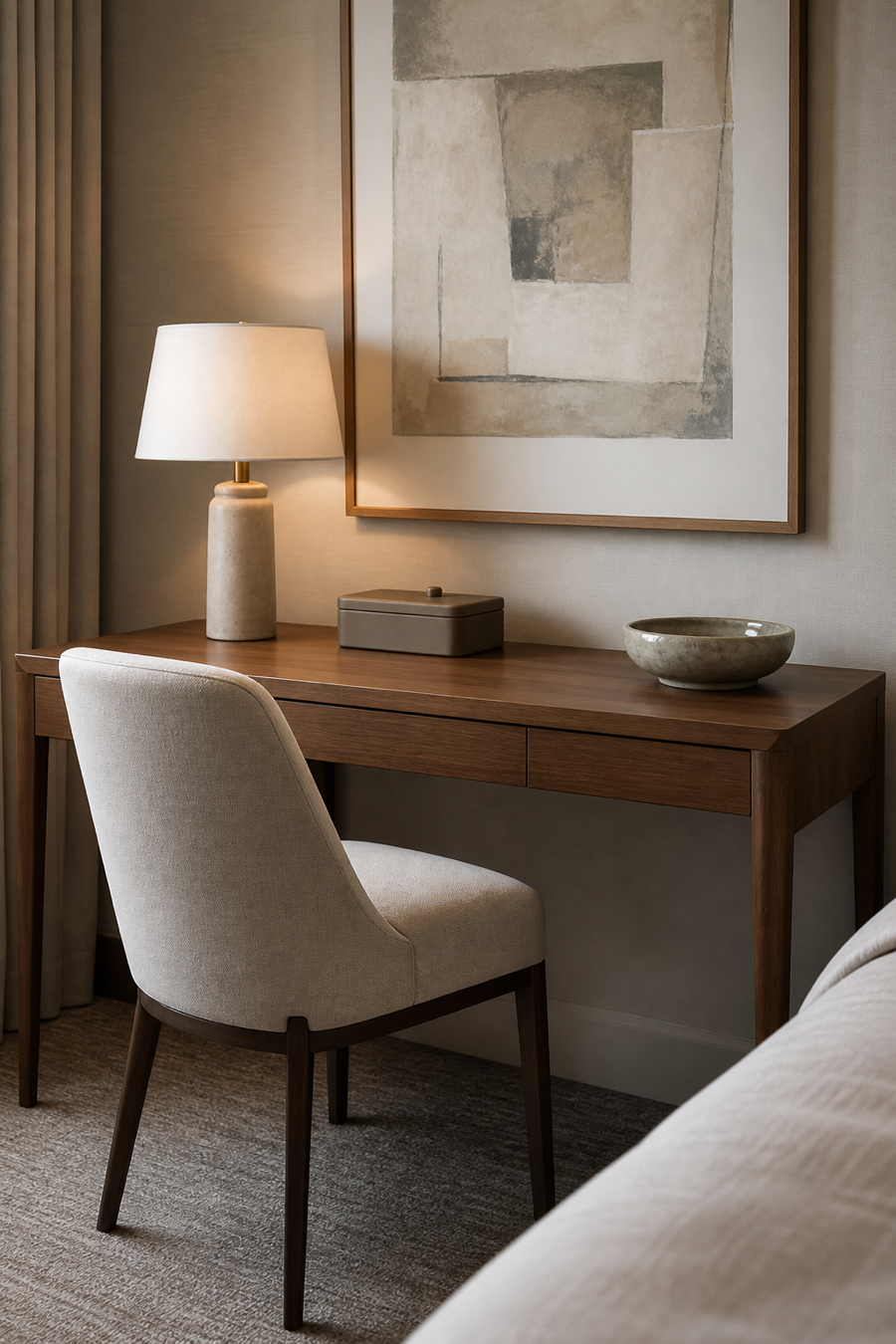
19. Use Plants With Sculptural Shape
Greenery can refresh a room quickly, but the shape matters more than the quantity. Choose one sculptural plant, tree, or branch arrangement that gives the room movement. Olive trees, ficus, monstera, tall branches, or a simple fern in a beautiful pot can soften straight furniture lines. Place greenery where it benefits from light and has enough space to be seen. A plant wedged into a crowded corner will not feel luxurious. Use a planter that relates to the room’s materials, such as aged terracotta, stone, ceramic, or woven fiber. One strong plant often works better than five small ones.
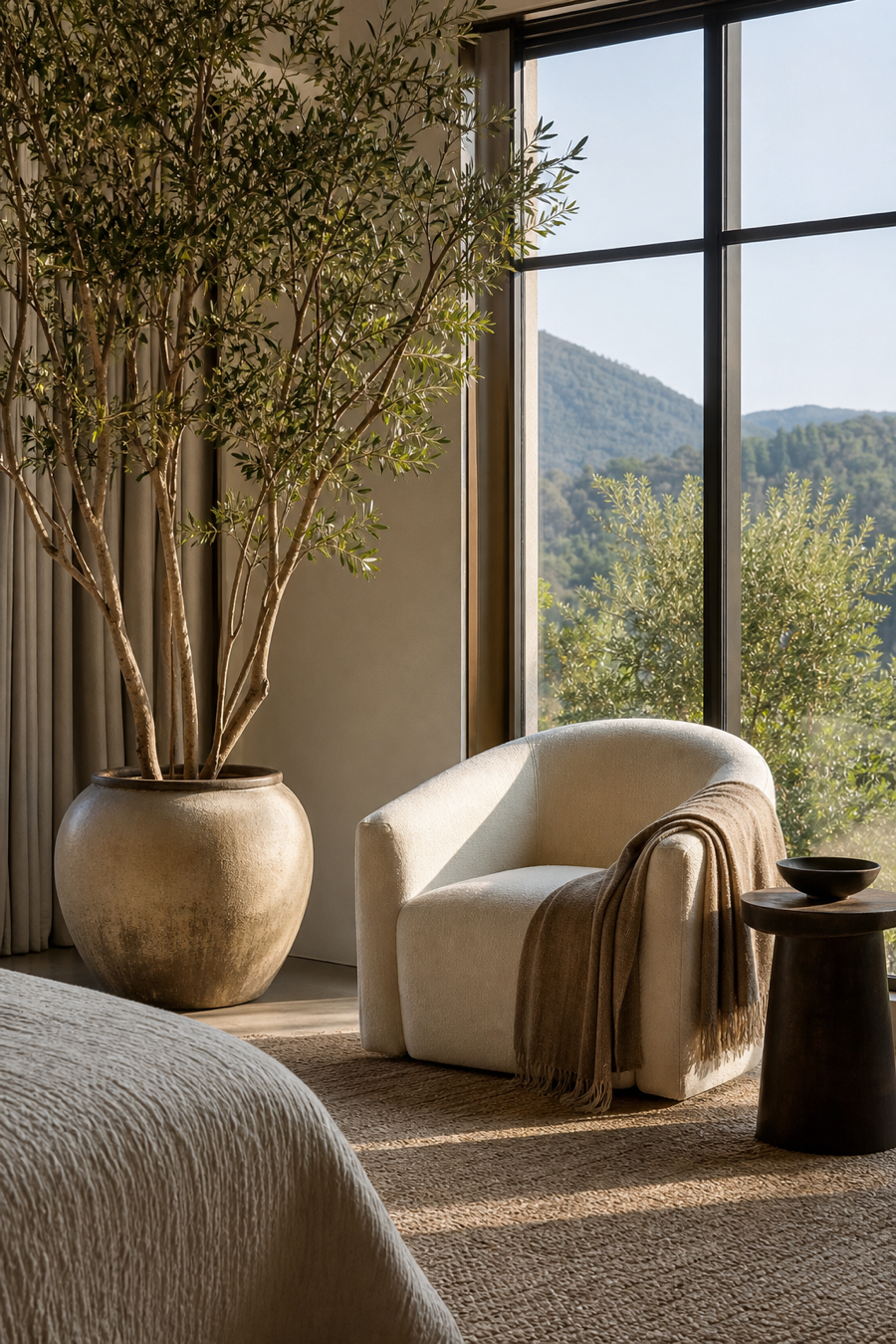
20. Make the Ceiling Part of the Design
The ceiling is often ignored, yet it can change the whole mood of a room. Add a sculptural pendant, subtle beams, a soft painted tint, grasscloth, or simple molding if the architecture allows. In a bedroom, a warmer ceiling color can make the space feel more enveloping. In a sitting room, a pendant can create a central gesture without adding floor clutter. Keep the treatment balanced with the rest of the design. The ceiling should enhance the room, not distract from it. When handled thoughtfully, it makes the space feel custom from every angle. It is the detail people feel before they consciously notice it.
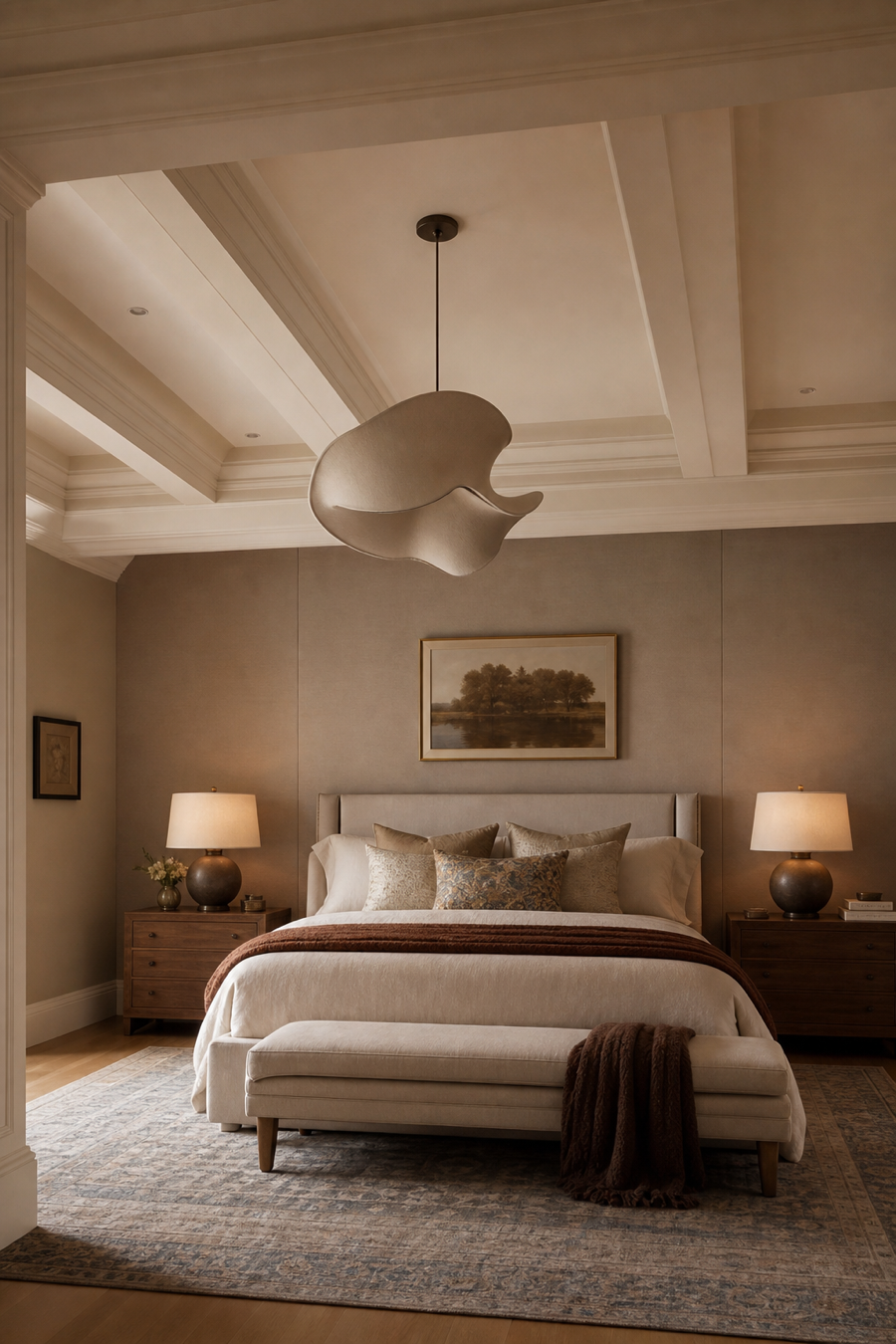
21. Create a Calm Coffee Table Edit
In a sitting area, the coffee table should feel composed but useful. Start with a low tray, then add a ceramic bowl, a small floral arrangement, a sculptural object, and one book with a plain cover or no visible title. Vary the heights without blocking conversation across the table. Leave enough open surface for a drink or snack. If the room already has strong color, keep the table quiet. If the room is neutral, the table can carry a richer material such as marble, dark wood, or aged brass. This small edit gives the entire seating area polish. A table that can still function always looks more confident.
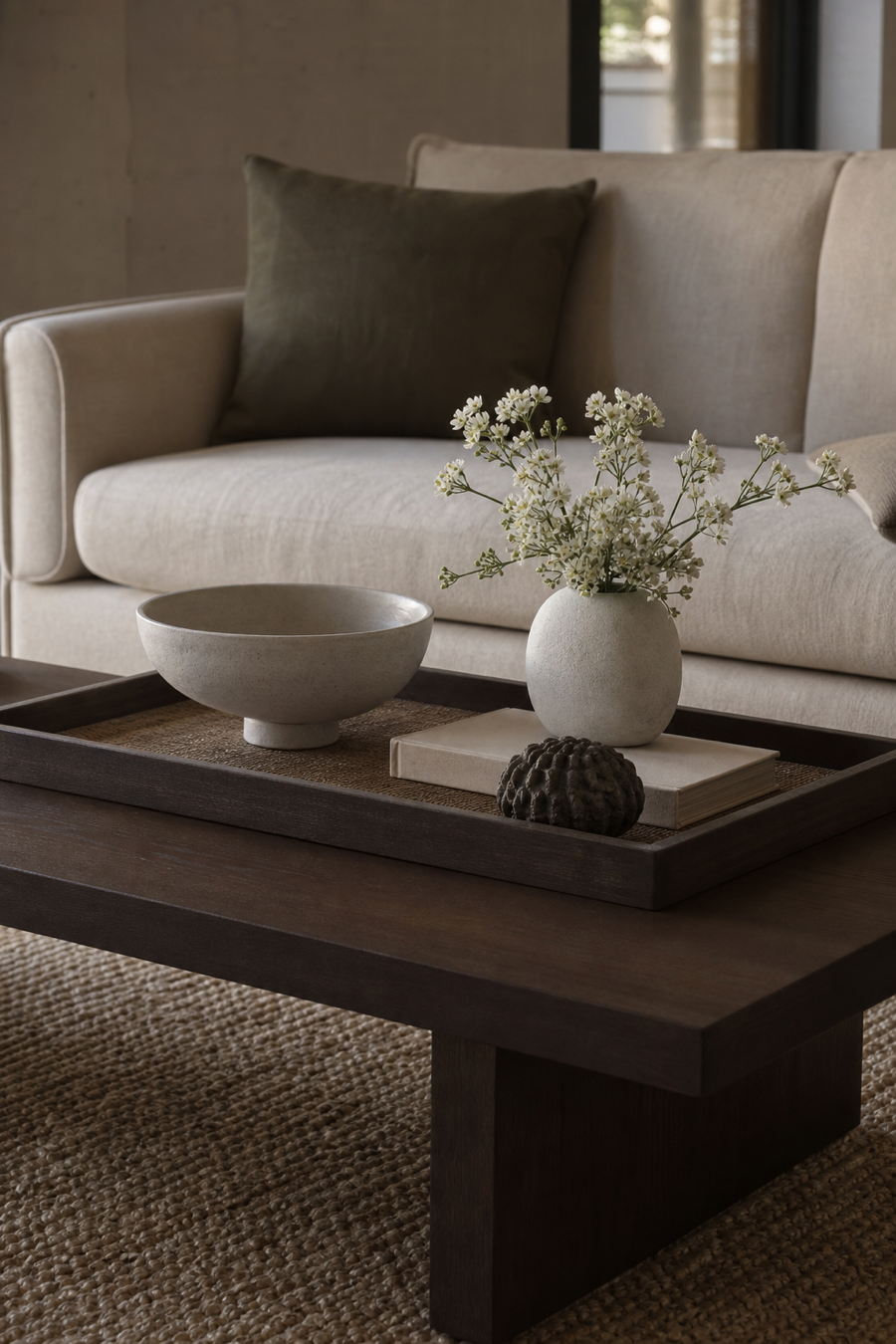
22. Add Softness to Hard Corners
Rooms feel dreamy when hard edges are balanced by softness. Look for corners where architecture, furniture, or storage creates too many straight lines. Add a fabric shade, a rounded ottoman, a draped throw, a full curtain panel, a curved chair, or a plant with loose branches. The goal is not to make everything rounded. It is to prevent the room from feeling rigid. This is especially useful in newer homes with crisp walls and square windows. A few soft shapes can make the decor feel more relaxed, more expensive, and easier to live with. The room will feel composed, but never stiff or overly staged.
23. Keep Technology Visually Quiet
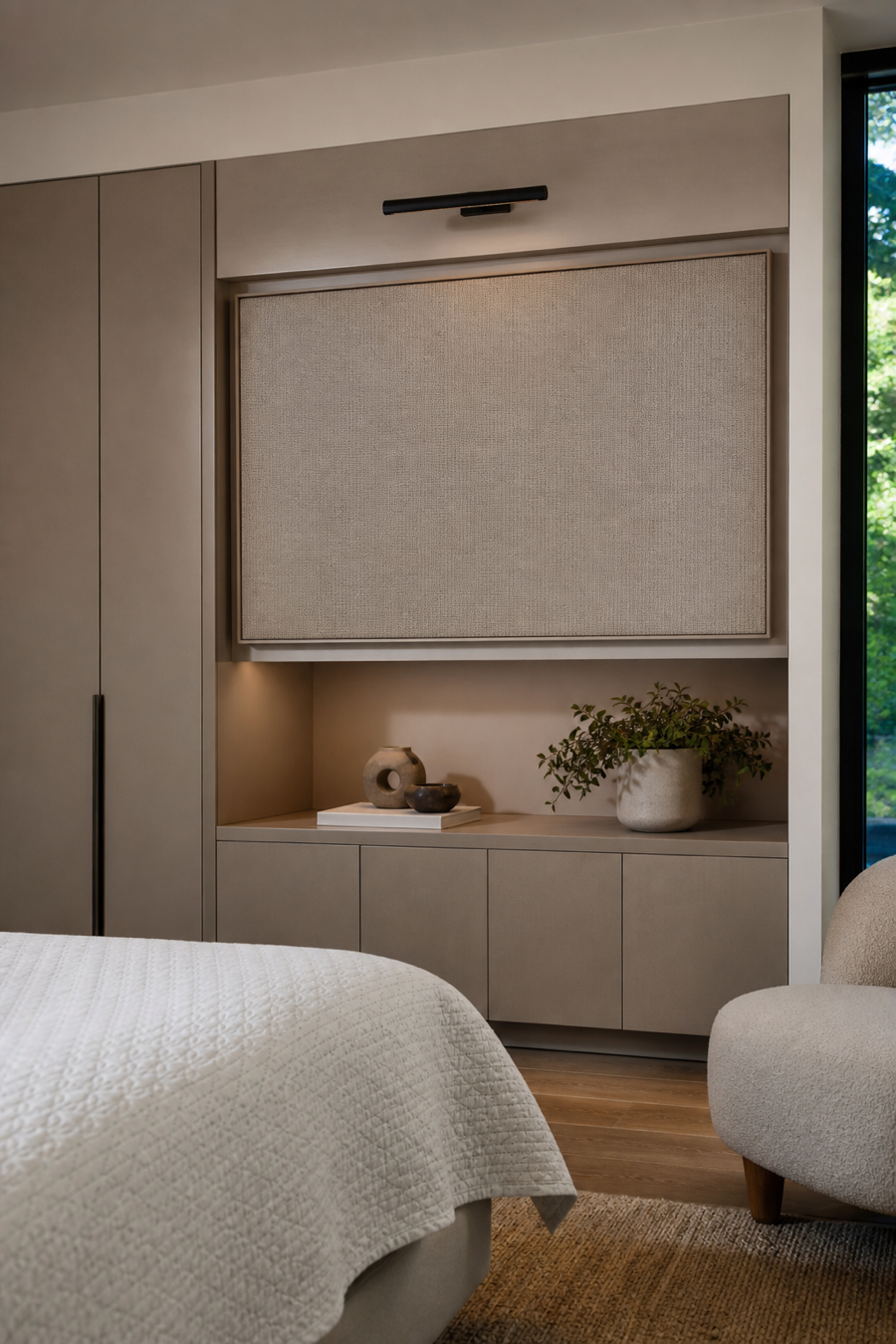
Technology is part of modern rooms, but it does not need to dominate the decor. Hide chargers in drawers, route cords behind furniture, choose a fabric-covered speaker, and place screens where they are useful without becoming the focal point. If a television is necessary, surround it with darker shelving, art, or closed storage so it recedes. In a bedroom, avoid placing devices directly beside every decorative object. Give technology a planned home and the room will feel calmer. Dream room decor is not about pretending life is analog. It is about keeping function from stealing the atmosphere. The quieter the devices feel, the stronger the decor becomes.
24. Refresh With Seasonal Textiles
Textiles are the easiest way to refresh a room without changing the furniture. Swap a heavy winter throw for washed linen, add a velvet pillow in cooler months, or bring in a lighter quilt when the room needs air. Keep the base palette consistent so seasonal changes feel intentional rather than random. Store extra textiles neatly in a bench, basket, or closet so the room does not become crowded. The best seasonal refresh is subtle. It changes the hand-feel, warmth, and mood of the room while preserving the overall design language you already built. This keeps the room responsive without making it feel constantly redone.
25. Finish With a Personal Signature
The final layer should make the room feel like it belongs to someone, not like a showroom. Add one personal signature: a framed family photograph turned softly away from readable detail, a favorite handmade bowl, travel pottery, a meaningful textile, or a small collection displayed with restraint. Keep it edited so the object has room to matter. Personal decor works best when it is surrounded by calm choices, because the story can be seen clearly. A dream room is not perfect because every surface is styled. It feels complete because beauty, comfort, and memory are all present. That final note is what makes the refresh feel truly yours.
A dream room refresh works best when the upgrades are layered with intention. Begin with comfort and atmosphere, then build toward storage, lighting, art, texture, and personal details. You do not need to replace every piece to change how a room feels. A better rug, softer drapery, warmer lamps, calmer surfaces, and one meaningful object can shift the entire mood. The most luxurious rooms are not the busiest. They are the ones where every detail has a reason, every surface can breathe, and daily life feels a little more graceful.