16 Bed Ideas For A Dreamy Bedroom Upgrade
The bed is the largest visual decision in most bedrooms, and it quietly determines how the rest of the room feels. A low platform bed creates ease, a tall upholstered headboard adds softness, and a canopy introduces architecture without changing the walls. The right choice should support sleep, storage, scale, and the mood you want to feel every evening. These bed ideas focus on refined upgrades that look beautiful but still work in real homes. Use them to rethink the frame, headboard, bedding, lighting, and nearby furniture so the entire bedroom feels calmer, more finished, and more personal.
1. Choose a Tall Upholstered Headboard for Soft Architecture
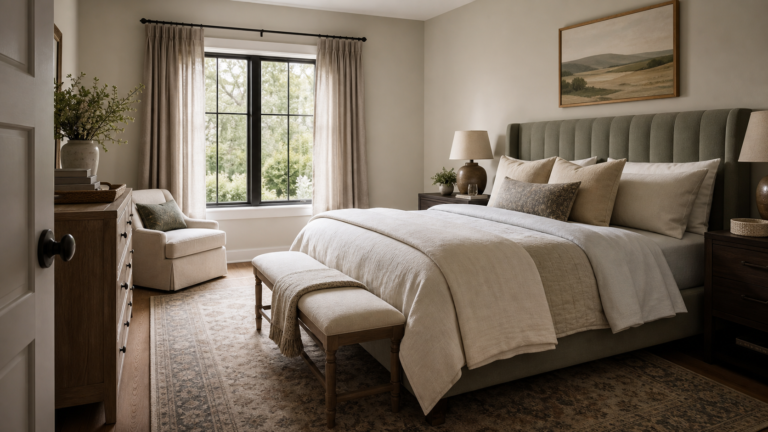
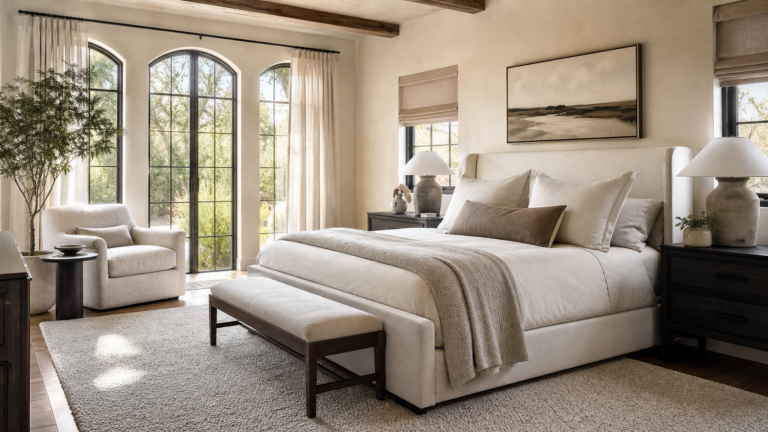
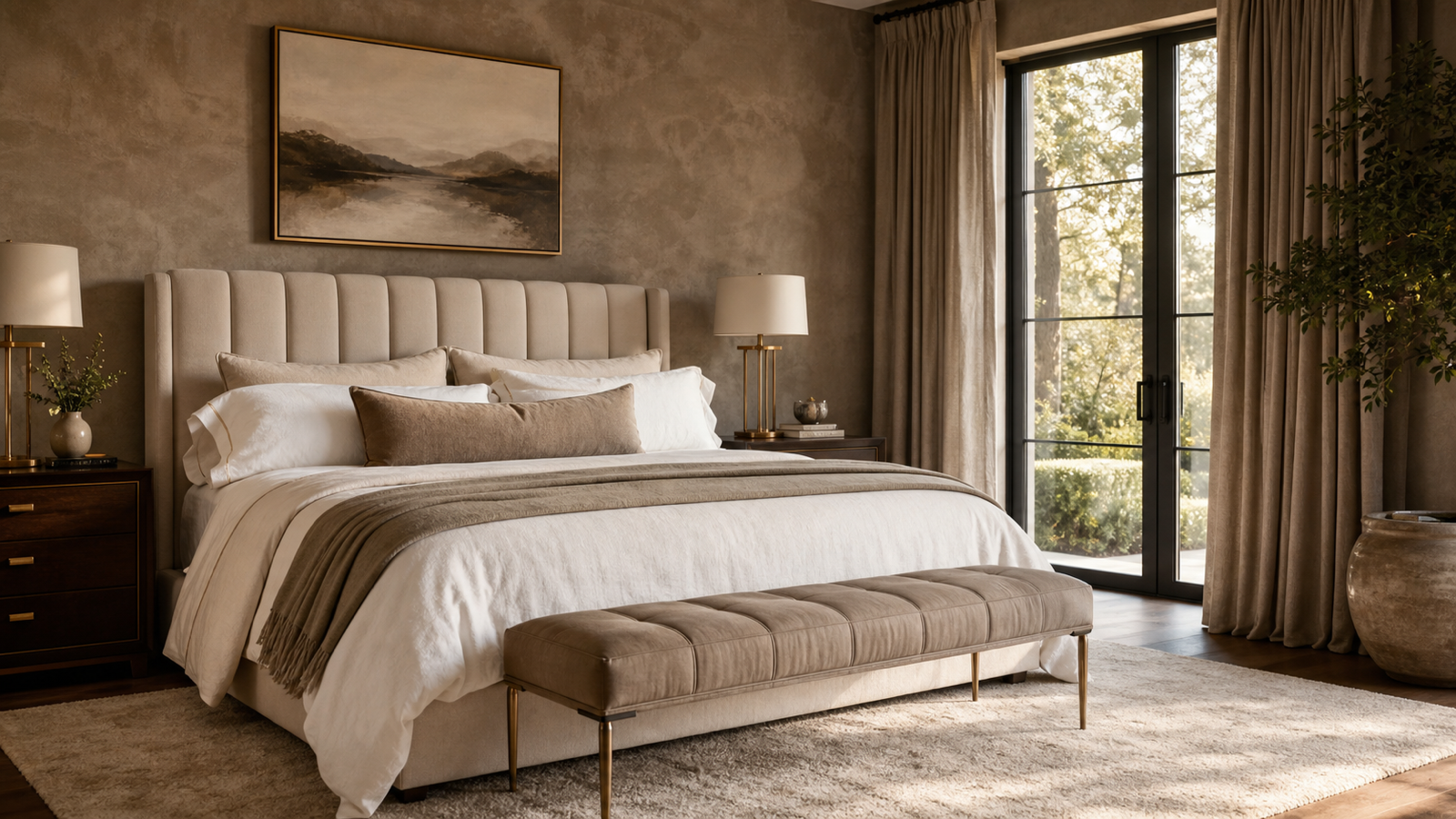
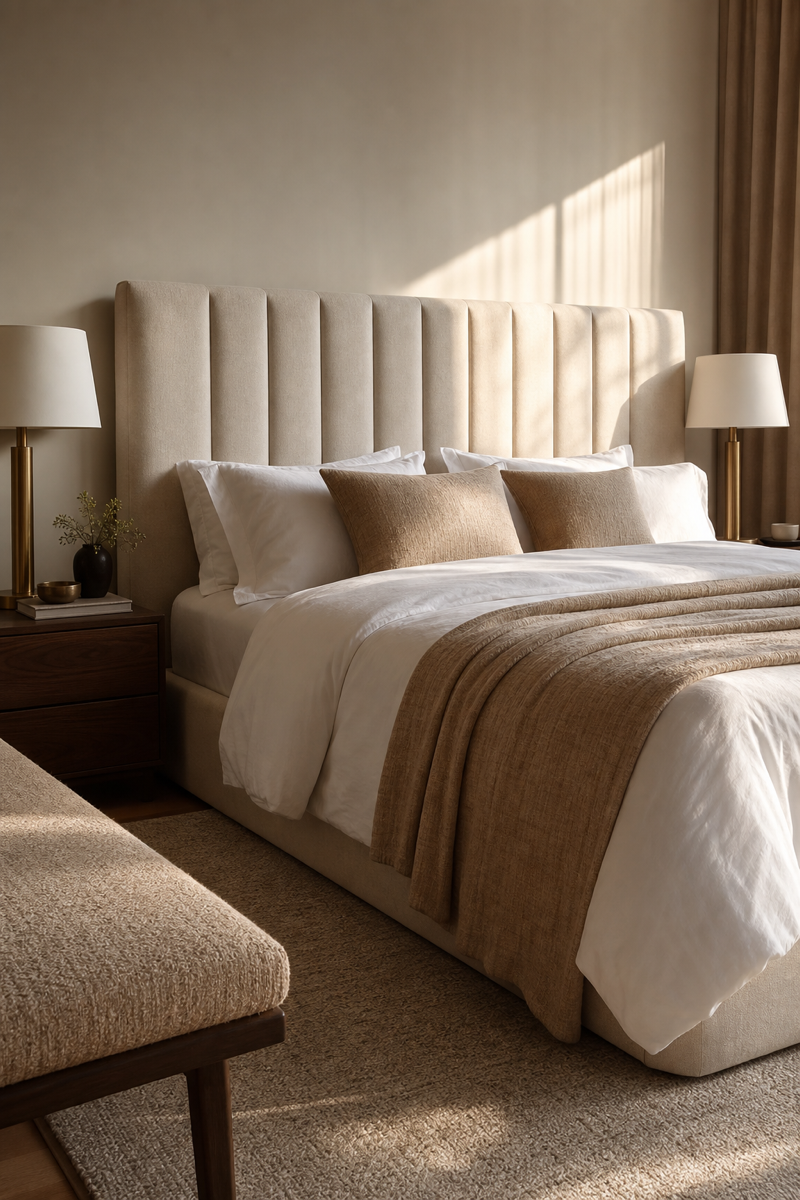
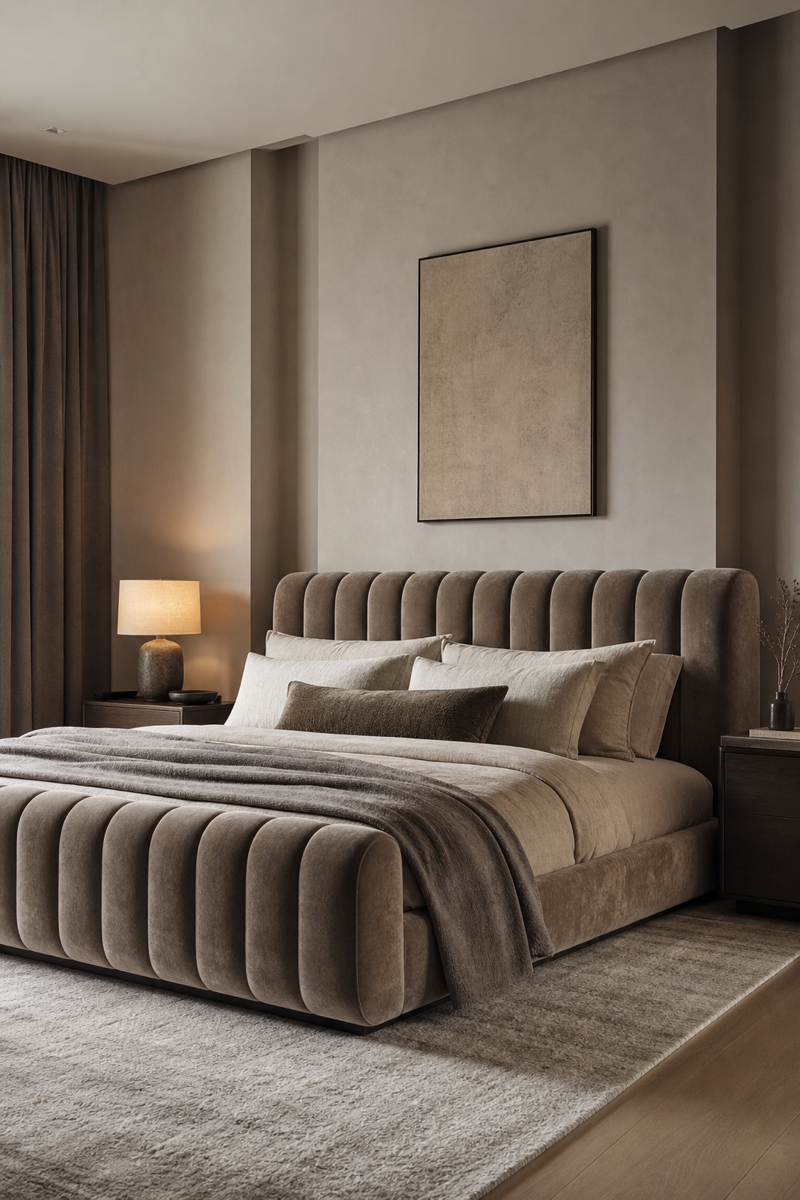
A tall upholstered headboard gives the bed presence without making the room feel heavy. It works especially well in bedrooms with plain walls, because the fabric adds softness, height, and a clear focal point. Choose linen, velvet, boucle, or wool in a tone that relates to the bedding rather than competing with it. For a tailored look, keep the headboard wider than the mattress by a few inches on each side. Vertical channels feel elegant and elongating, while a single panel looks quieter and more hotel-like. Pair it with low nightstands, warm lamps, and bedding that has enough texture to keep the whole composition from feeling flat.
2. Try a Low Platform Bed for a Calm Modern Mood
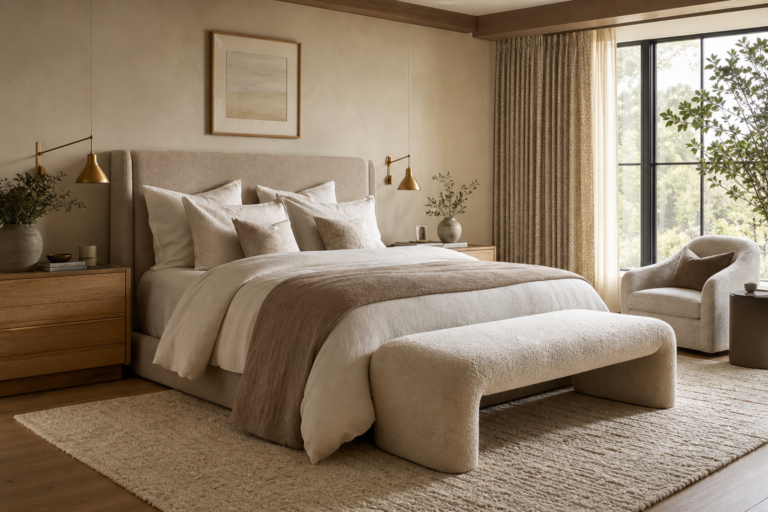
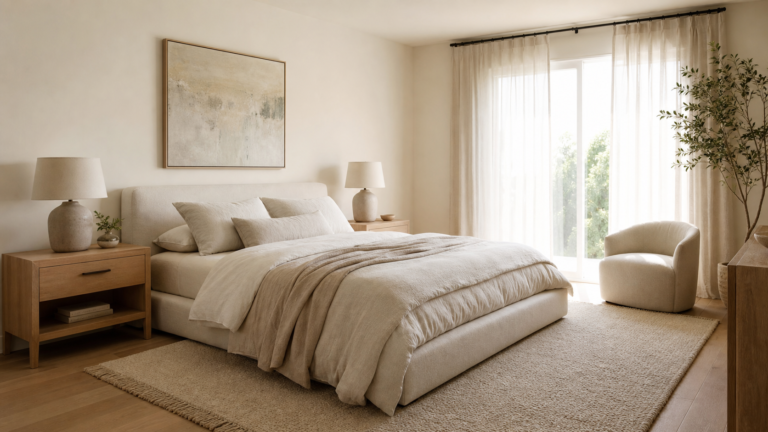
A low platform bed can make a bedroom feel serene, grounded, and more spacious. The key is choosing substantial materials so the look feels intentional rather than unfinished. Oak, walnut, or softly upholstered rails add warmth, while a generous rug keeps the low profile from feeling stark. Because the bed sits closer to the floor, the surrounding pieces should stay low as well: simple nightstands, wide lamps, and art hung at a measured height. Layer the bedding casually with a textured coverlet and relaxed pillows. This approach is ideal for modern bedrooms where the goal is quiet comfort, clean lines, and an easy sense of retreat.
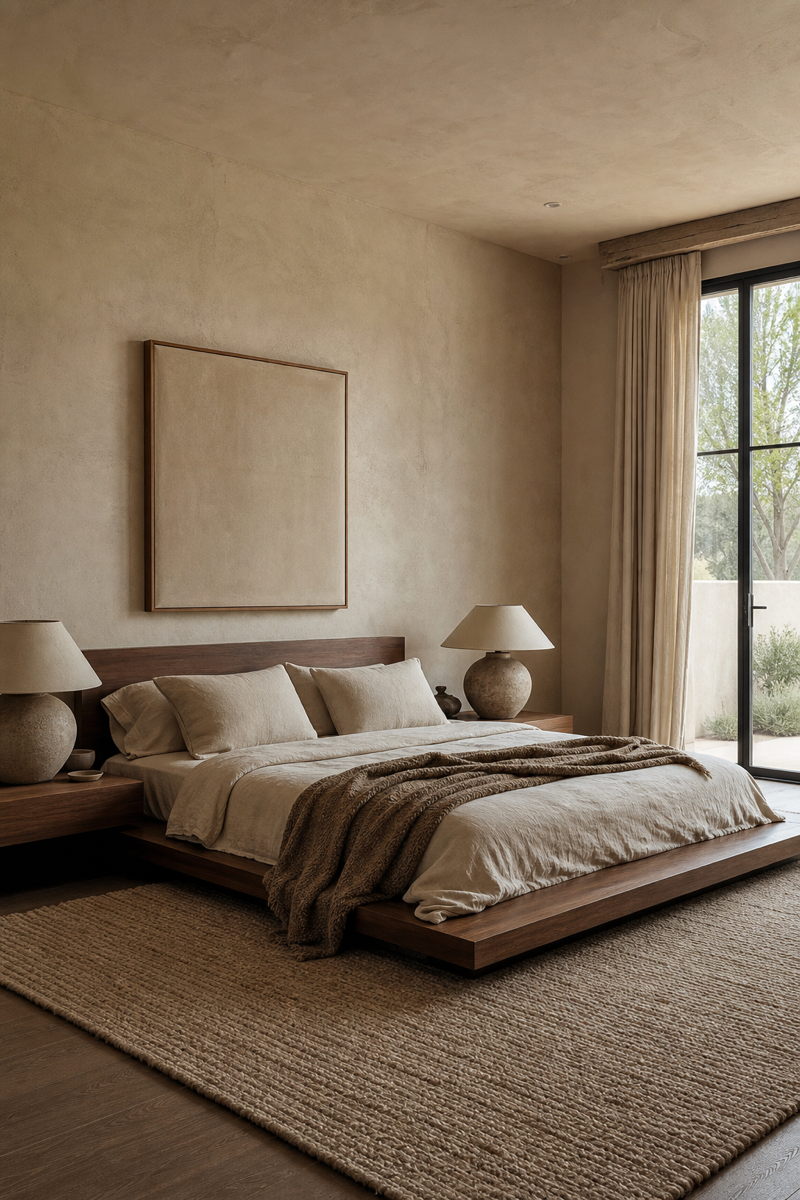
3. Add a Canopy Bed for Instant Bedroom Drama
A canopy bed creates architecture inside the room, which is useful when the bedroom lacks molding, beams, or a strong focal wall. For a fresh luxury look, choose a slim metal or wood frame instead of heavy carved posts. Leave the canopy bare for a cleaner silhouette, or add sheer panels only if the room can handle the extra softness. Balance the height with simple bedding and uncluttered nightstands. A canopy works beautifully with high ceilings, but it can also make an average room feel more intentional when the frame is narrow and the color blends with the palette. Let the structure be the statement.
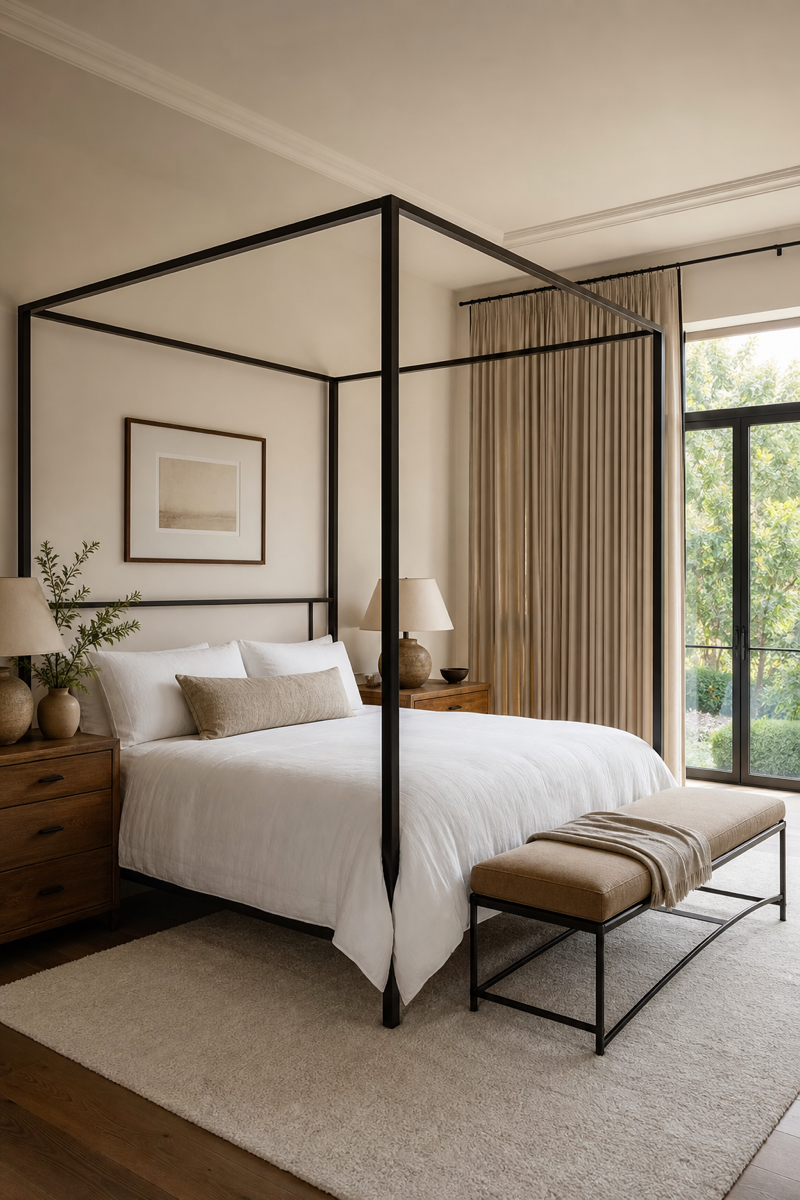
4. Use a Curved Headboard to Soften Straight Lines
Bedrooms often include many rectangles: doors, windows, dressers, nightstands, rugs, and art. A curved headboard interrupts those lines and immediately makes the bed feel more graceful. Choose a rounded or camelback shape in a tactile fabric, then keep the surrounding furniture simpler so the silhouette can breathe. This idea is especially effective in smaller rooms, where a curve can feel less imposing than a square upholstered wall. Add round lamps, an oval mirror, or a soft-edged bench if you want to echo the shape subtly. The effect is romantic but still sophisticated when the palette stays quiet and the fabric quality is high.
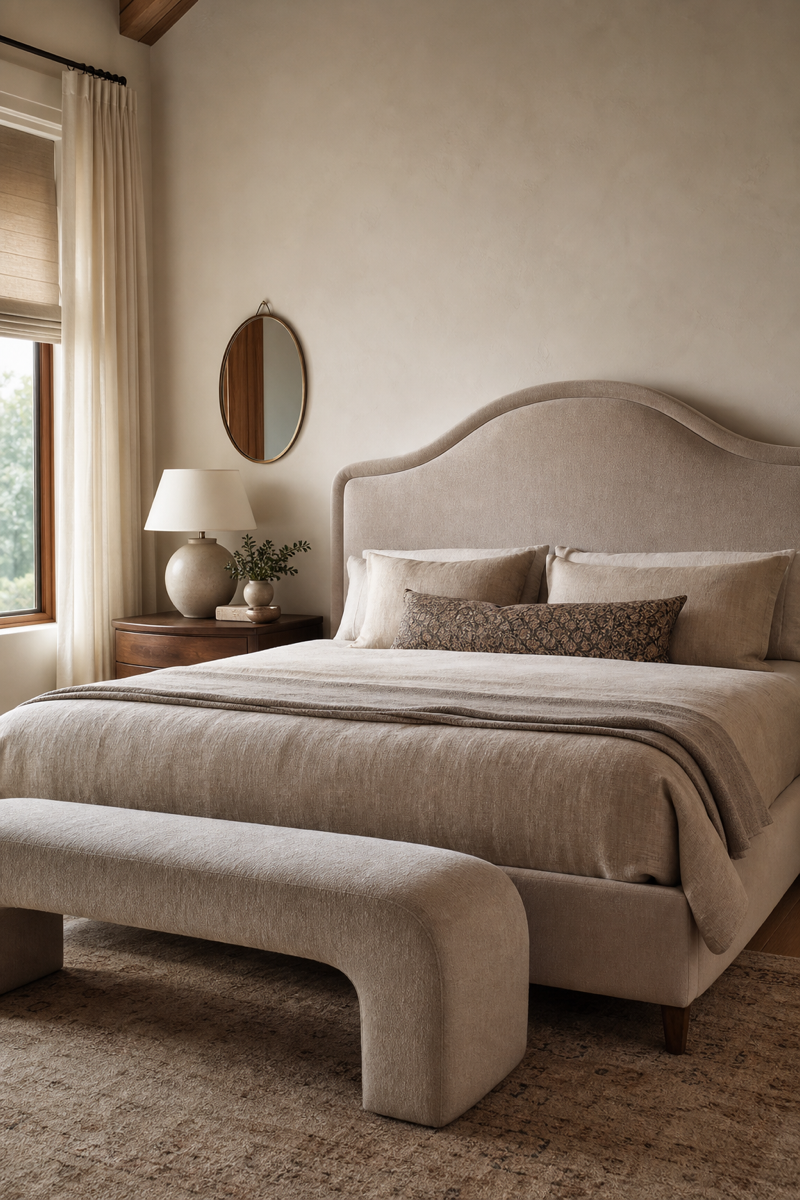
5. Layer White Bedding With Warm Neutrals
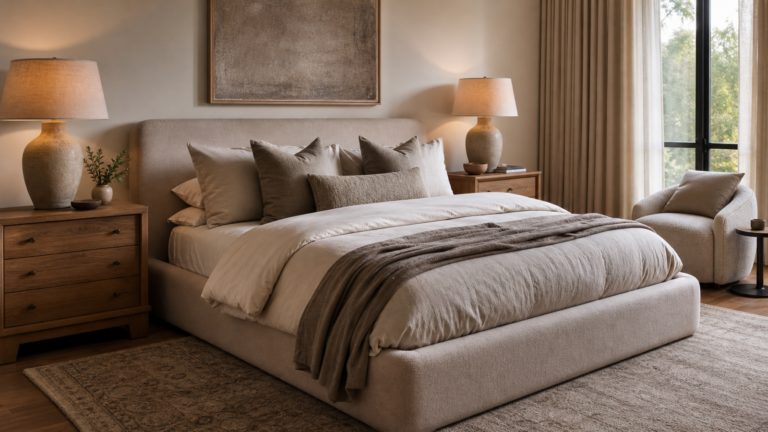
White bedding feels dreamy when it is layered instead of left stark. Start with crisp sheets, then add a quilt, duvet, or coverlet in a slightly warmer tone such as ivory, oatmeal, stone, or pale clay. Mix pillow sizes and textures, but keep the arrangement usable so the bed is not exhausting to remake every morning. A throw folded across the foot brings weight and prevents the white from feeling too bright. This approach is especially useful when the bed frame is simple or existing. Better bedding can change the room quickly, and the layered neutrals photograph beautifully in both morning and evening light.
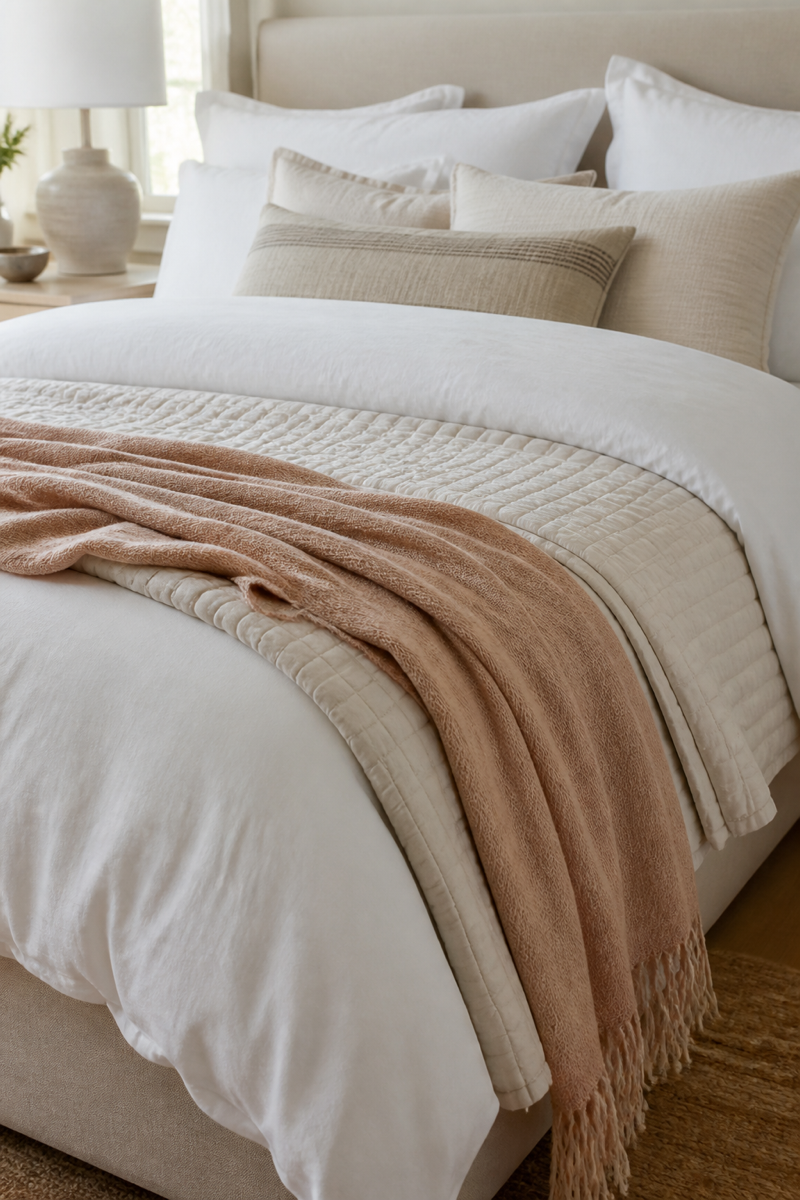
6. Place a Bench at the Foot of the Bed
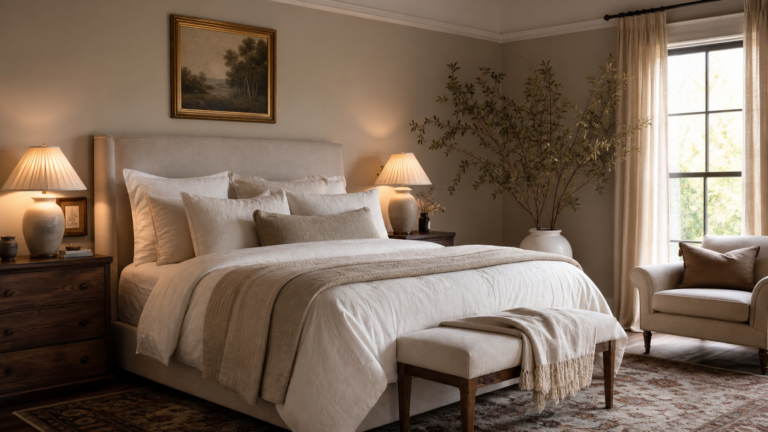
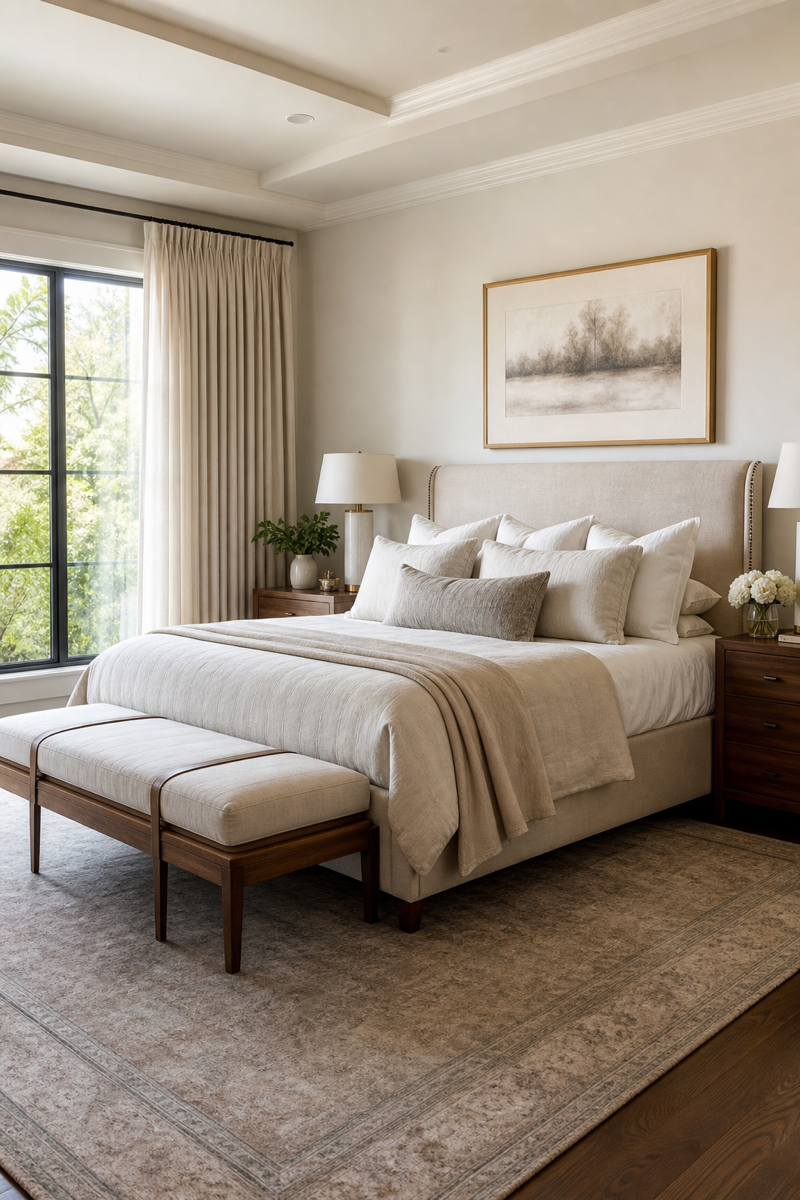
A bench gives the bed a finished edge and adds function without taking over the room. It is useful for dressing, folding throws, or keeping decorative pillows off the floor at night. Choose a bench that is narrower than the mattress and low enough that it does not compete with the bedding. Upholstered styles add softness, while wood or leather versions bring structure. In a compact bedroom, try two small stools instead of one long piece. The bench should relate to another material in the room, such as the headboard fabric, nightstand wood, or rug tone. When done well, it makes the whole bed wall feel considered.
7. Select a Storage Bed That Still Looks Elegant
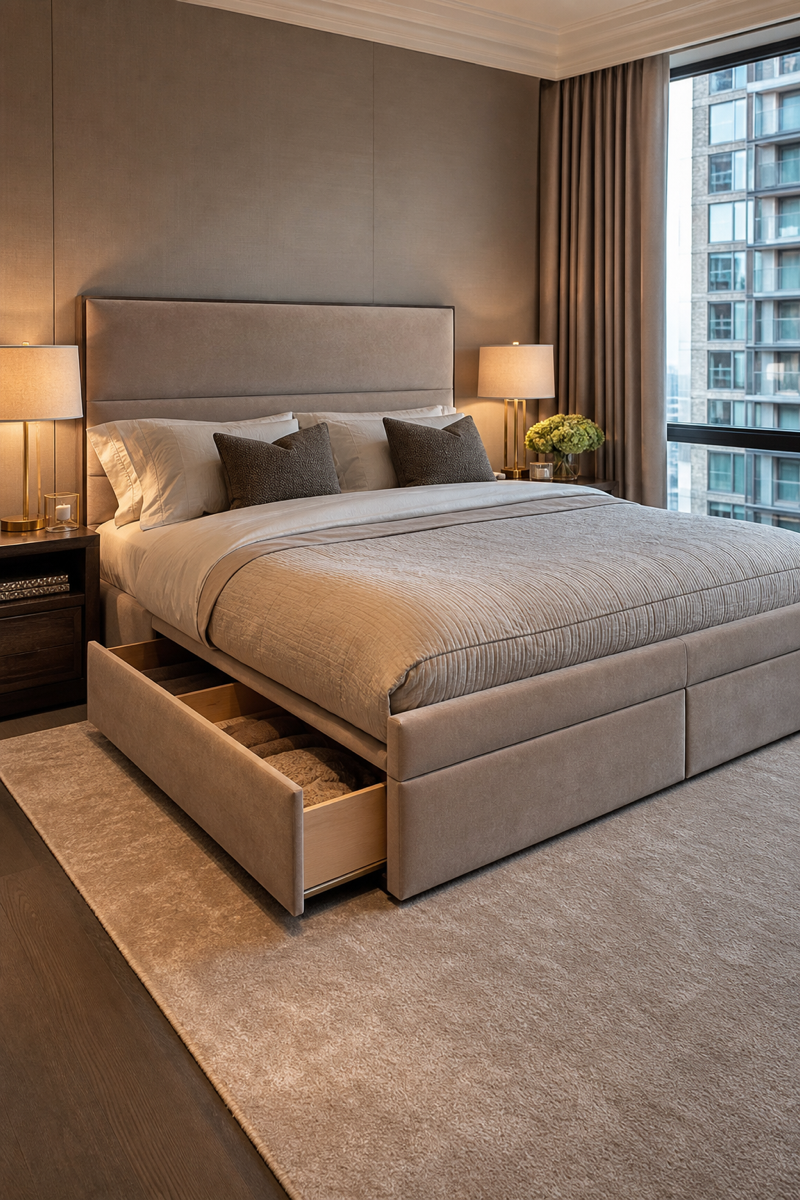
Storage beds can be beautiful when the storage is quiet and the proportions are right. Avoid bulky bases with obvious hardware, and look for upholstered drawers, lift-up platforms, or wood frames with integrated fronts. This is a smart upgrade for apartments, guest rooms, and bedrooms without generous closets. Keep bedding tailored so the practical base does not appear messy, and use a rug large enough to soften the visual weight. If drawers open from the sides, leave enough clearance around the bed before committing. The luxury is in making the room work harder while still looking calm, balanced, and uncluttered.
8. Frame the Bed With Matching Sconces
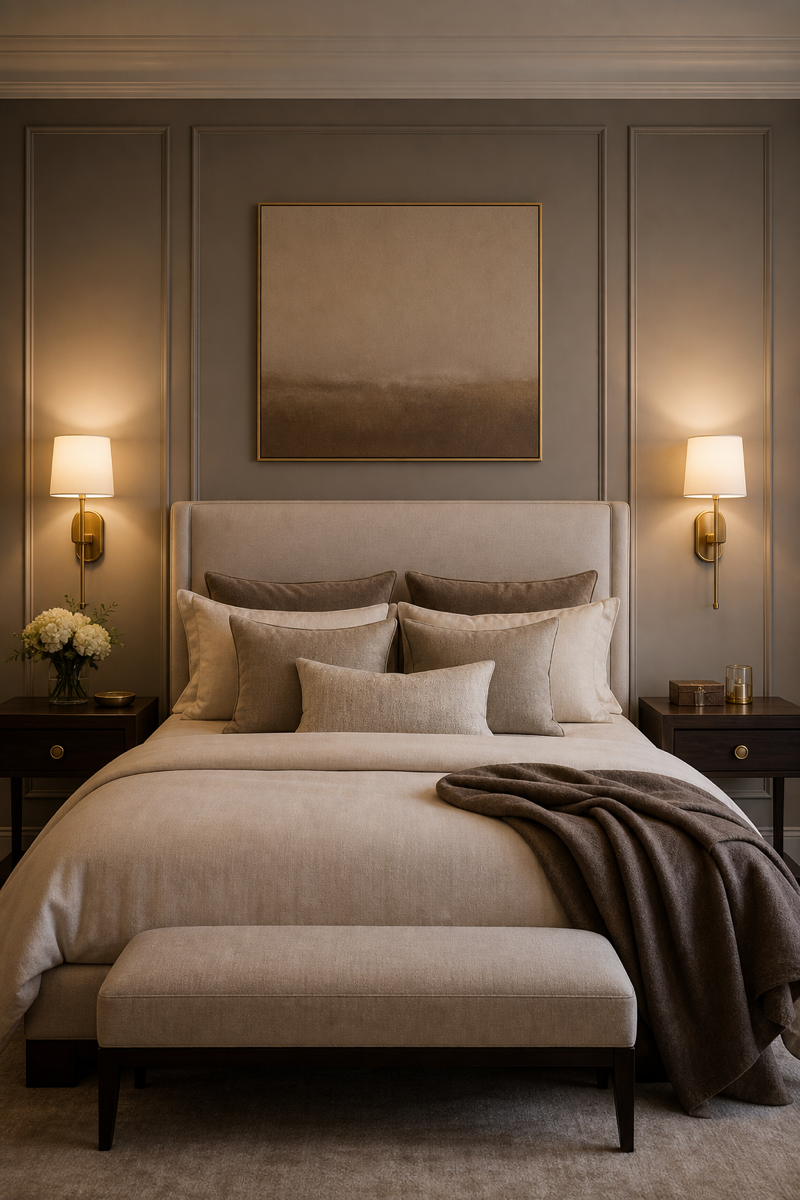
Wall sconces free up nightstand space and make the bed feel intentionally framed. Choose adjustable sconces for reading, or shaded sconces for a softer hotel effect. The mounting height matters: the light should fall where you read without shining directly into your eyes. Matching sconces bring symmetry, but the nightstands beneath them do not have to match perfectly if their scale is aligned. This upgrade is especially useful in narrow bedrooms where table lamps crowd the surface. Add dimmers if possible, because the best bedroom lighting should move from practical to atmospheric. The bed instantly feels more tailored when the light is built into the composition.
9. Try a Wood Spindle or Slat Bed for Texture
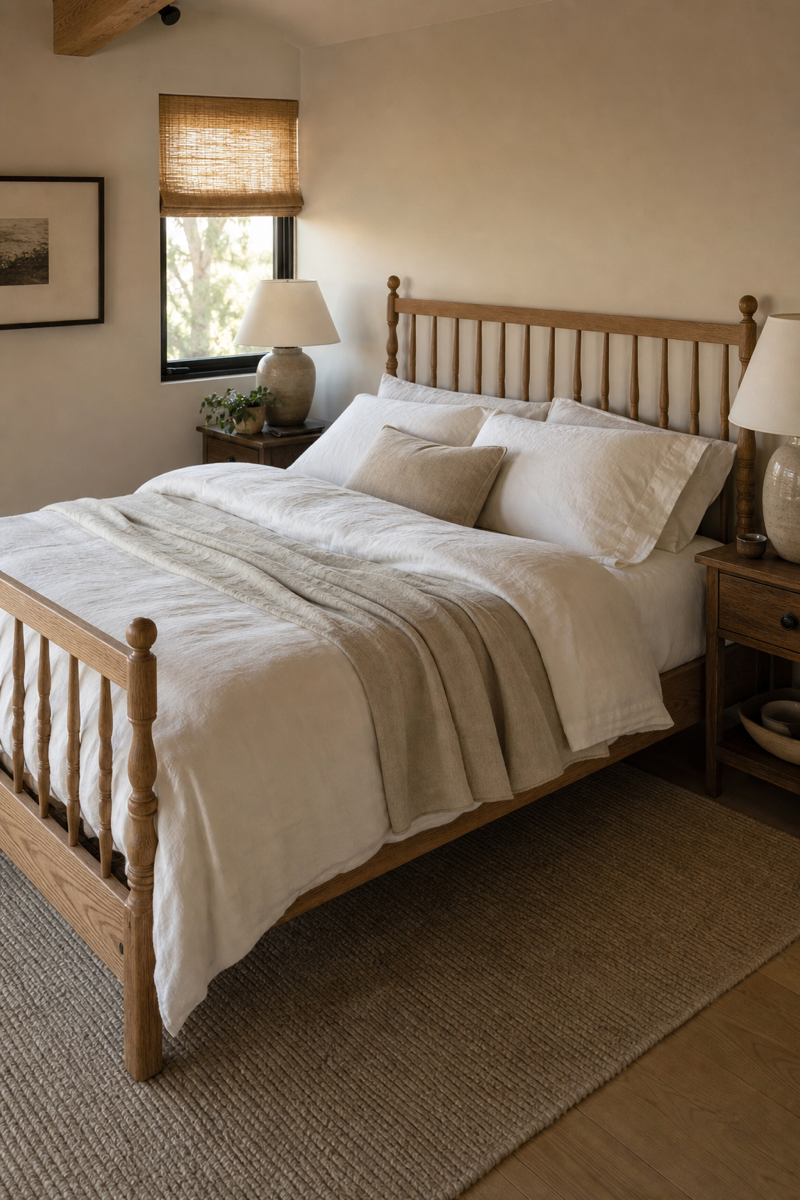
A wood spindle or slat bed brings rhythm and craftsmanship to the bedroom. It is a strong choice when upholstered pieces feel too soft or when the room needs more natural texture. Look for rounded edges, visible grain, and a finish that complements the floor rather than matching it exactly. Because the frame has detail, keep the bedding relaxed and the pillows simple. A woven shade, ceramic lamp, or wool rug will support the organic feel without turning the room rustic. This bed style works well in coastal, Scandinavian, and transitional interiors, especially when balanced with crisp linens and a few refined metal accents.
10. Create a Daybed Moment in a Small Room
A daybed can make a small bedroom, office, or guest room work beautifully as a flexible space. Place it lengthwise against the wall and treat it like a sofa during the day with bolsters, large back pillows, and a tailored cover. At night, the same piece becomes a comfortable bed without the room feeling permanently crowded. Choose a frame with a finished side rail, because it will be visible from the doorway. Add a swing-arm sconce or small table nearby for reading. This idea is practical, but it can still feel luxurious when the textiles are substantial and the palette is cohesive.
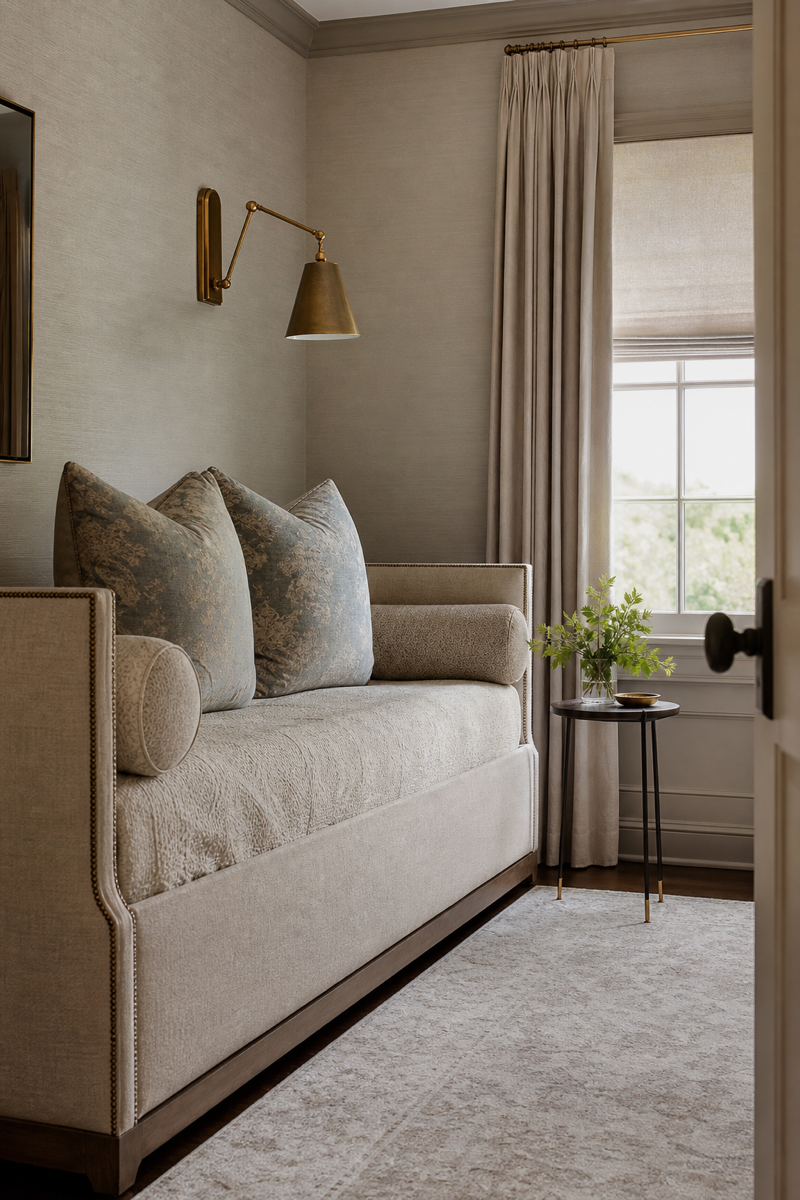
11. Use a Statement Bed Frame in a Quiet Room
If the bedroom is otherwise restrained, the bed frame can carry the personality. A carved wood frame, channel-tufted bed, leather-wrapped platform, or dramatic fabric silhouette can become the main design gesture. The trick is editing everything else around it. Keep nightstands clean, art simple, and bedding tonal so the frame feels intentional rather than loud. Repeat one material from the bed somewhere else in the room, such as leather on a tray or wood in a picture frame. Statement beds work best when they are supported by negative space. Let the form be seen, and resist filling every nearby surface.
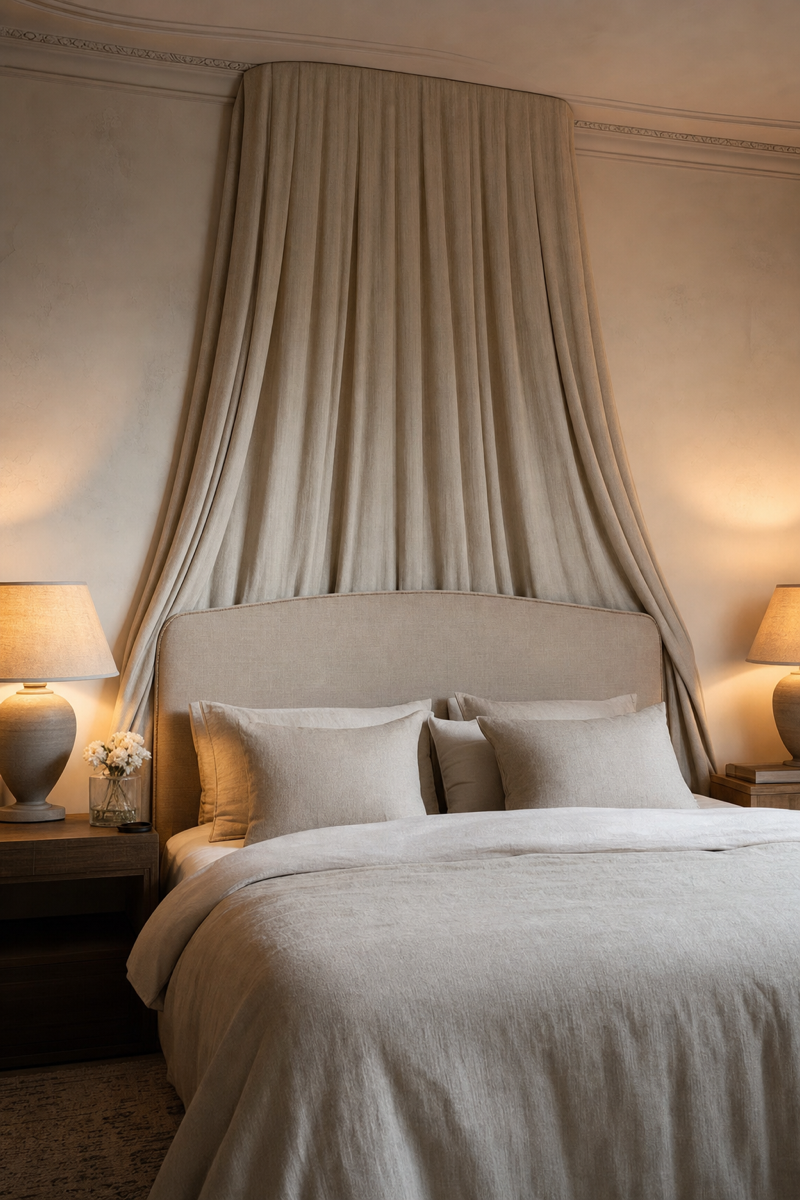
12. Add a Bed Crown or Fabric Panel Behind the Bed
A fabric panel behind the bed can create the romance of a canopy without requiring a full frame. Install a tailored panel, wall-mounted canopy crown, or ceiling-hung fabric drop behind the headboard to add softness and height. Keep the fabric simple: linen, cotton velvet, or wool in a solid tone usually feels more timeless than a busy print. This idea works beautifully for children’s rooms, guest rooms, and primary bedrooms that need more vertical interest. Pair it with understated bedding so the fabric panel feels architectural, not theatrical. The result is cozy, enveloping, quietly dramatic, and especially useful when the wall needs depth.
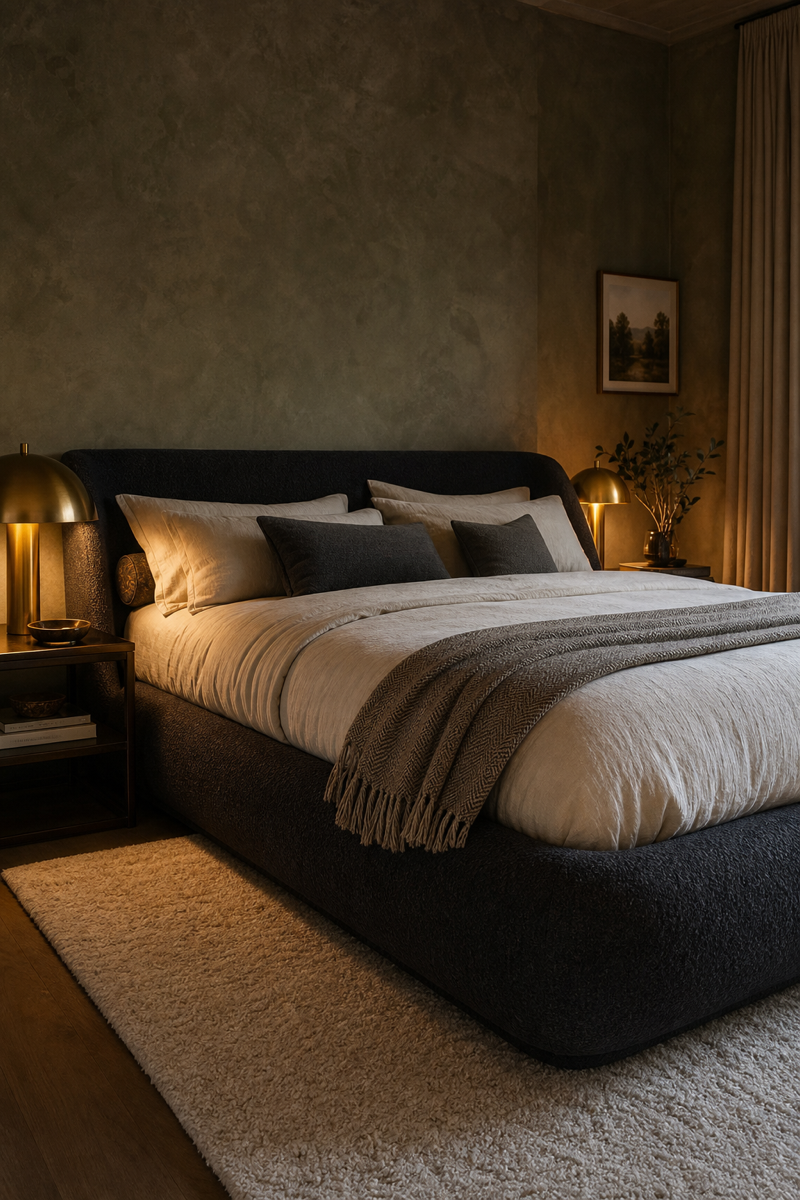
13. Choose a Dark Bed for a Cocooning Effect
A dark bed can make the bedroom feel enveloping when it is balanced with softness. Charcoal upholstery, espresso wood, or deep brown leather creates depth and looks especially refined against warm white, taupe, plaster, or muted green walls. To keep the room from feeling heavy, use lighter bedding and add contrast through lamps, art, or a pale rug. Dark beds are practical too, since they hide wear better than very pale fabrics. The mood should be restful, not gloomy. Think of the bed as the grounding note, then let the linens, lighting, and drapery bring lift around it with quiet contrast.
14. Make Twin Beds Feel Grown-Up
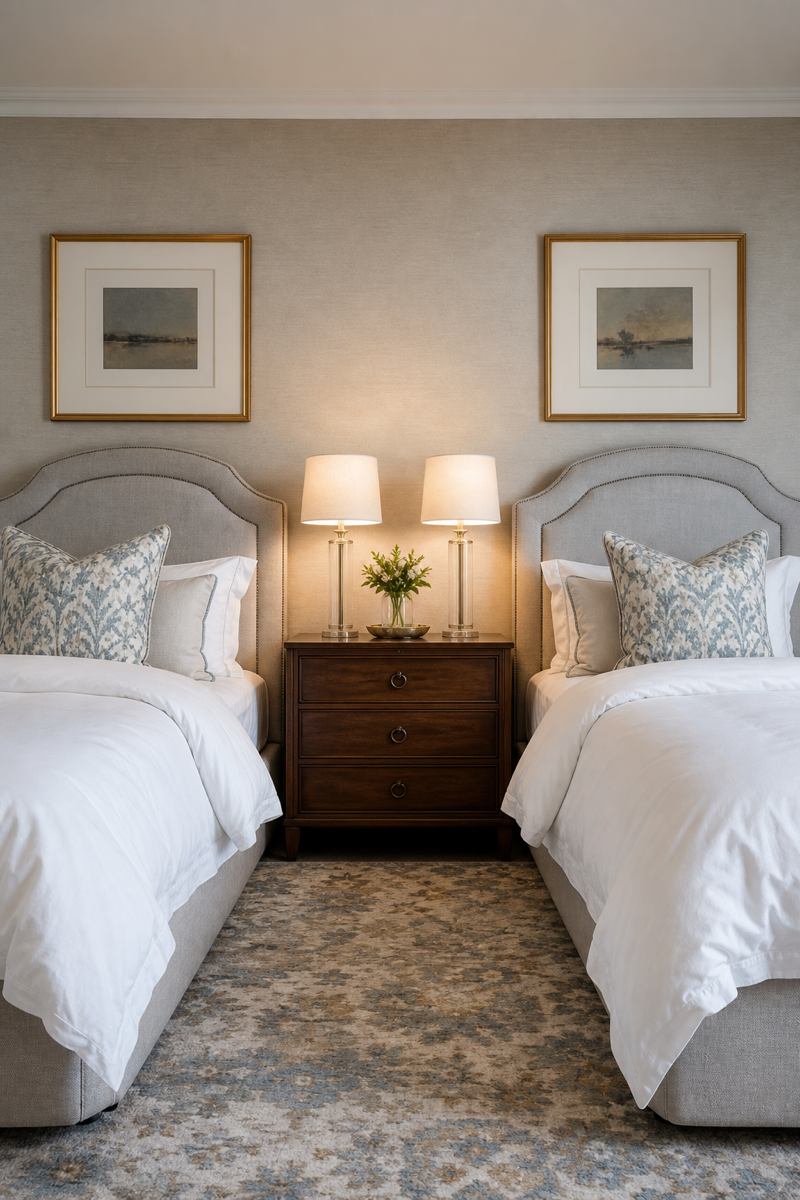
Twin beds can feel sophisticated when they are treated with the same discipline as a primary bedroom. Use matching headboards, one substantial table between them, and lamps with enough scale to avoid a dorm-room effect. Keep the bedding crisp and consistent, then introduce personality through a shared rug, art, or patterned pillows. This setup is ideal for guest rooms, vacation homes, and children’s rooms that need longevity. Upholstered headboards make the pair feel softer, while wood frames look classic and durable. The beds should relate clearly to each other, but the room still needs negative space so the symmetry feels calm.
15. Let the Bed Float Under a Window
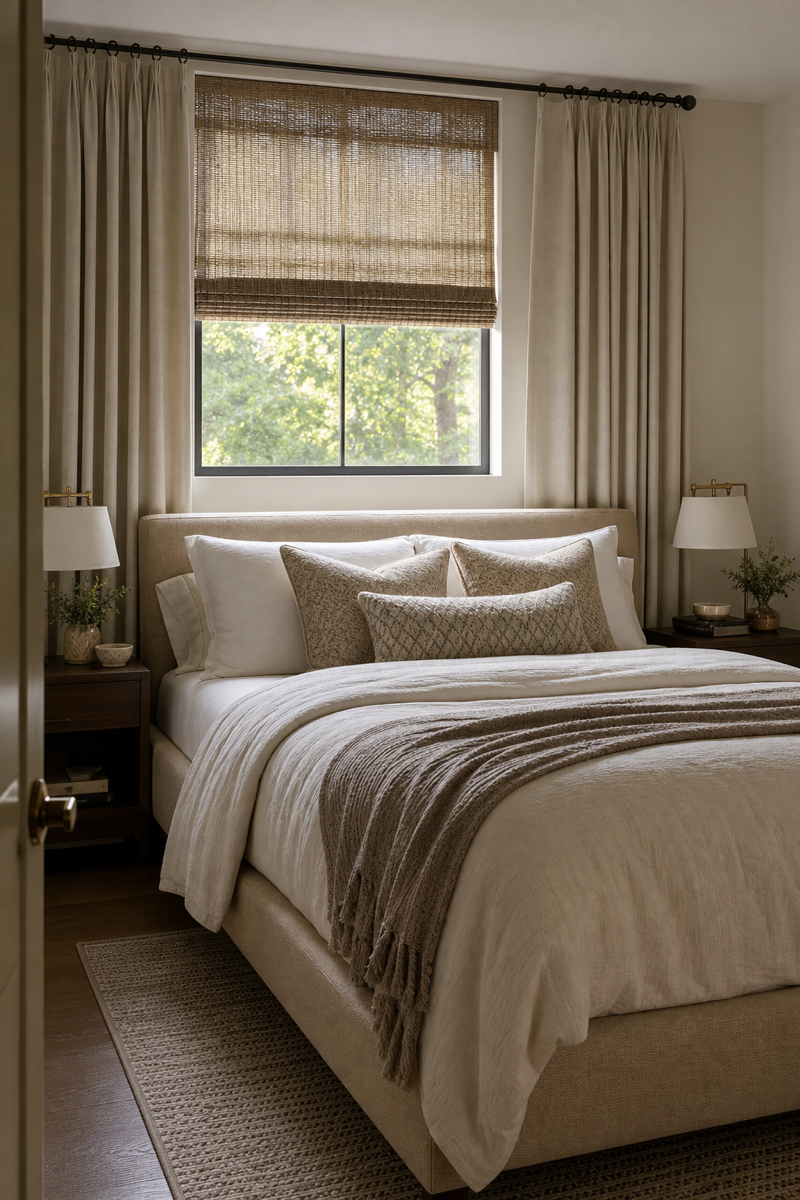
Placing a bed beneath a window can look beautiful when it is handled deliberately. Choose a low or shaped headboard that does not block too much light, and frame the window with drapery or woven shades so the placement feels intentional. Nightstands should be narrow enough to preserve access to the wall and windows. This layout can solve tricky rooms where the longest uninterrupted wall is not available. Use layered bedding to make the bed feel cozy against the glass, and consider lamps with opaque shades to reduce glare at night. The result feels charming, airy, and more relaxed than a standard bed wall.
16. Finish the Bed With One Intentional Throw
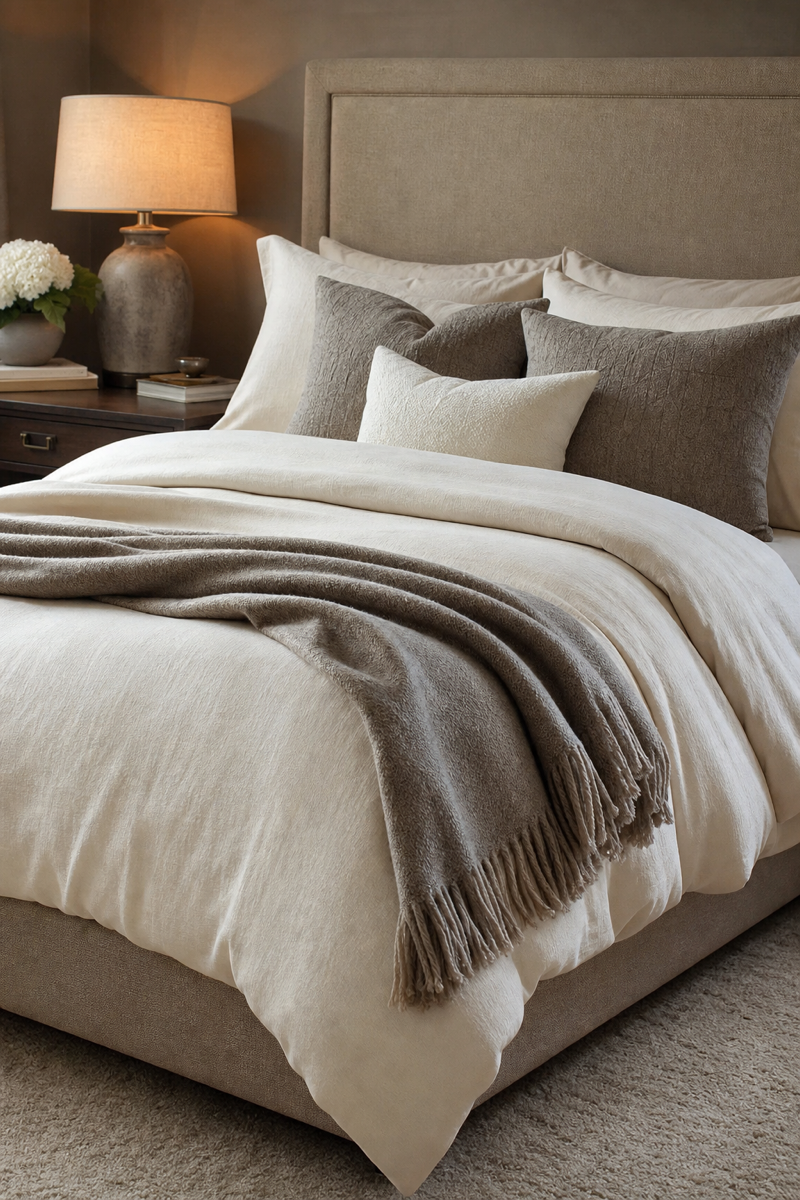
A throw is a small detail, but it can make the bed look styled rather than simply made. Choose one with enough weight to drape naturally, such as cashmere, wool, cotton waffle, or a soft alpaca blend. Fold it neatly across the foot for a tailored room, or let it fall more casually for a relaxed bedroom. The color should connect to something already present: the rug, art, lampshade, or headboard. Avoid piling on several throws, which can look cluttered and impractical. One beautiful layer adds movement, warmth, and a final touch of texture without making the bed feel overdecorated.
A dreamy bed is not only about the frame. It is the relationship between scale, fabric, light, storage, and the rituals that happen around sleep. Start with the idea that solves your room’s biggest need, whether that is softness, structure, extra storage, or a stronger focal point. Then refine the layers around it: bedding that feels good to touch, lighting that flatters the evening, and nearby furniture that supports real routines. When the bed is chosen and styled with intention, the whole bedroom becomes easier to settle into.