18 Room Decor Inspiration To Inspire Your Next Home Refresh
A successful home refresh rarely depends on replacing everything. The most beautiful rooms usually come from sharper choices: a better furniture layout, a richer material mix, a more intentional lighting plan, or a color palette that finally feels settled. These room decor inspiration ideas are designed for homes that want polish without feeling overdone, with details that bring comfort, structure, and quiet luxury into everyday living.
1. Layer A Living Room With Quiet Contrast
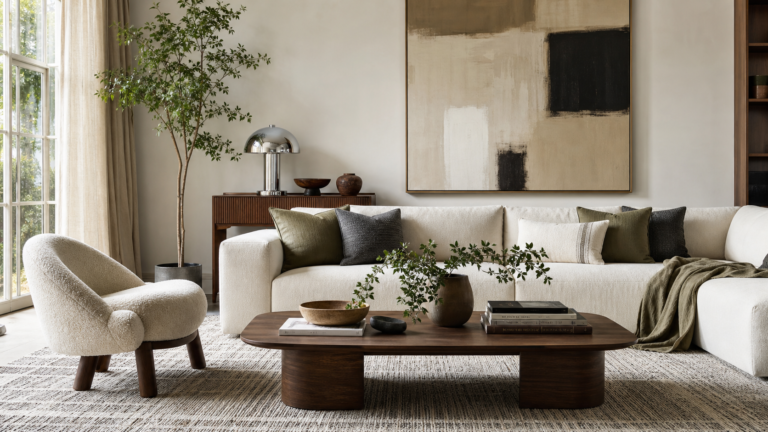
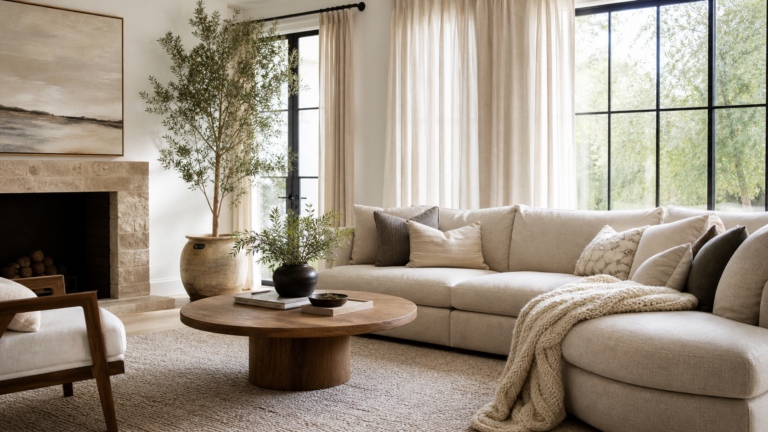
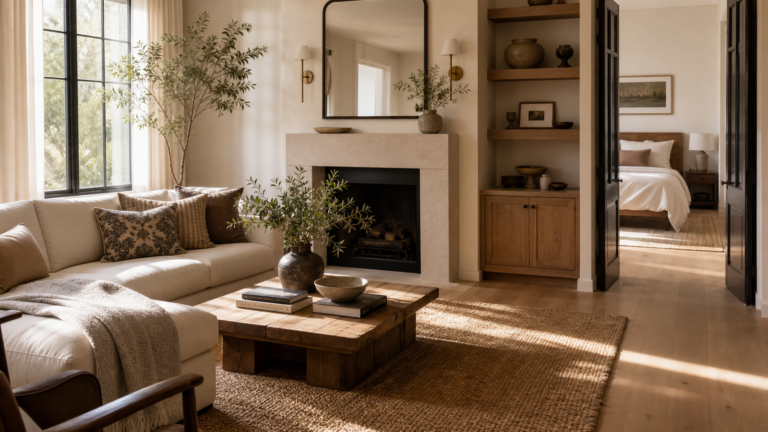
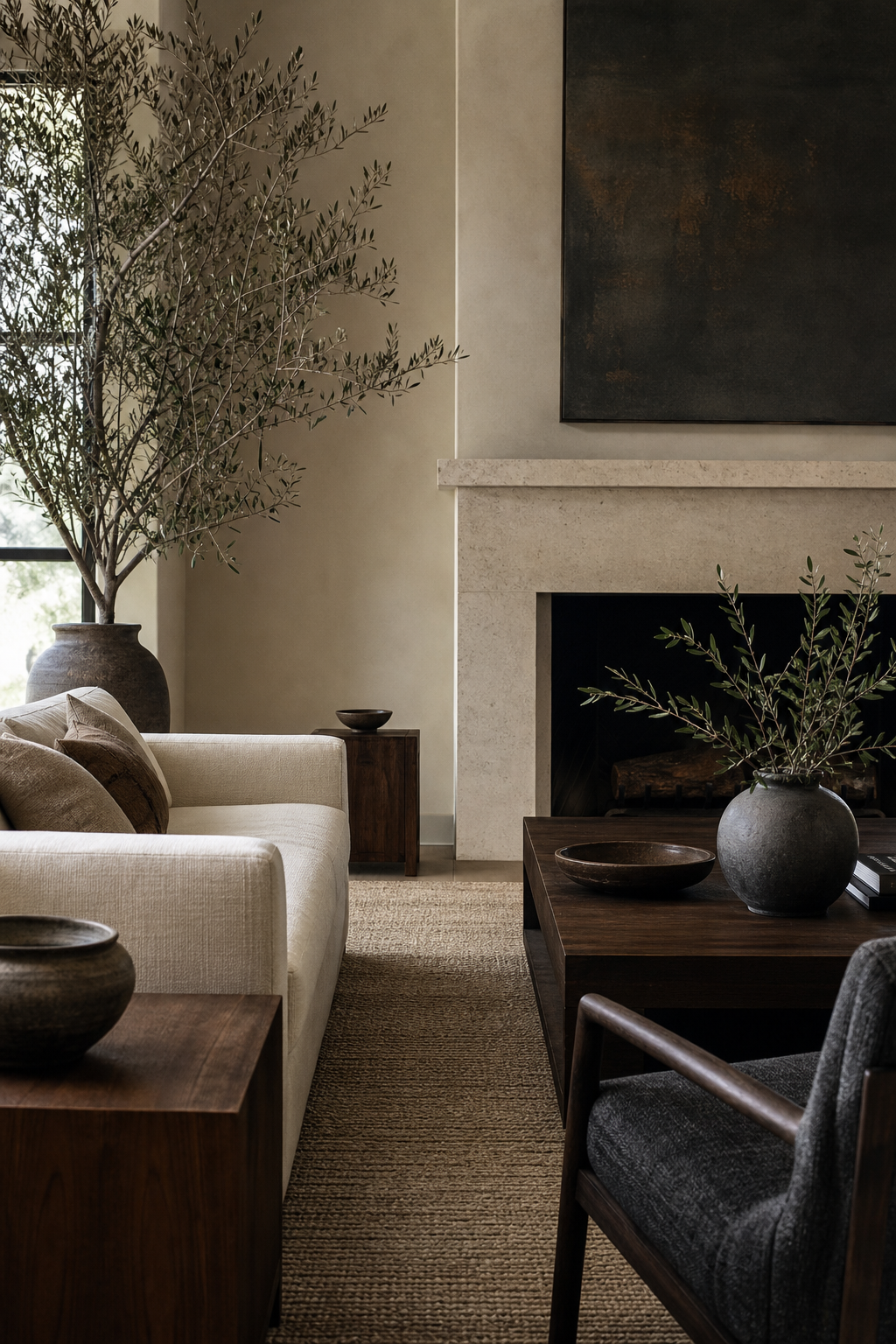
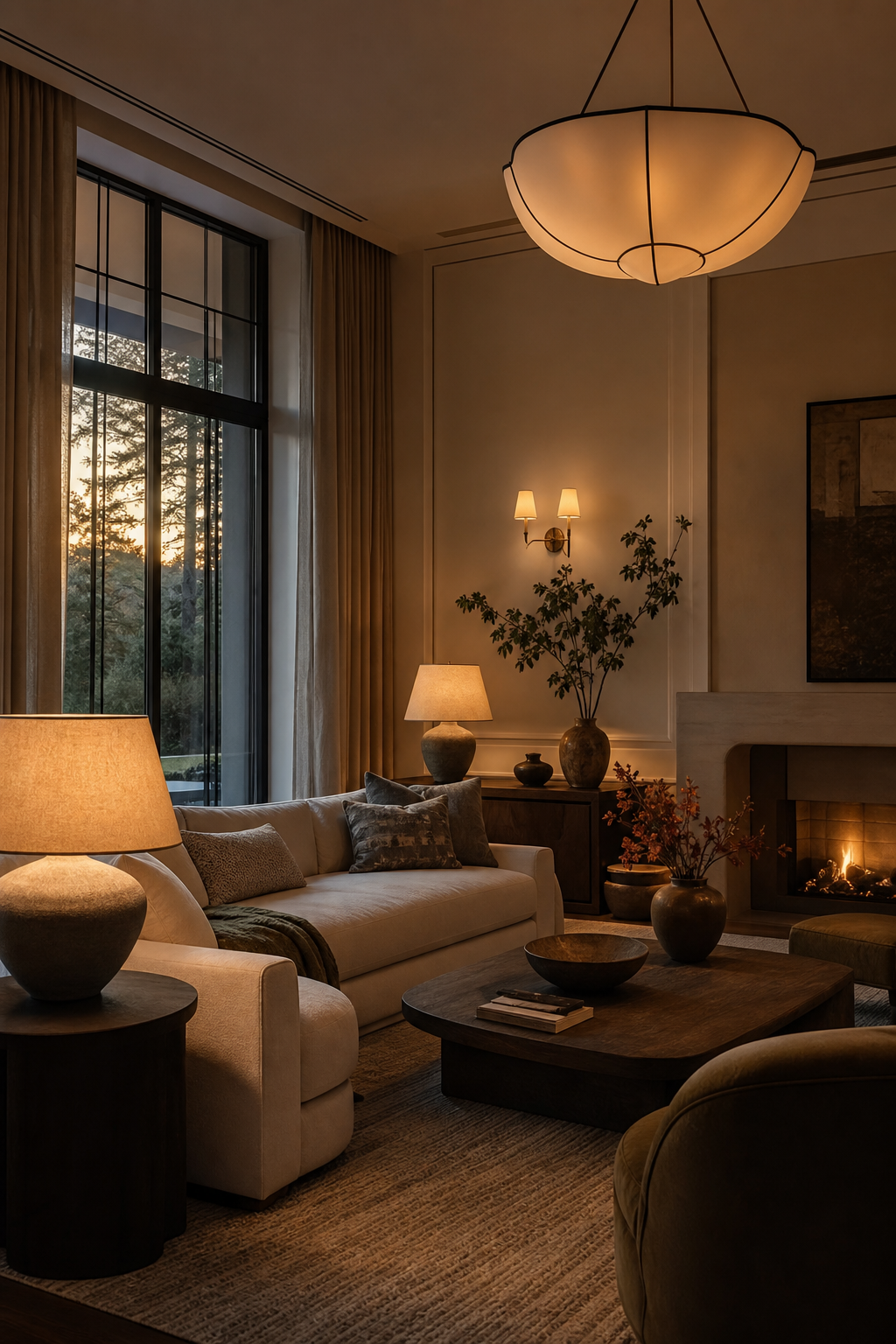
For a living room that feels composed rather than decorated, begin with a restrained palette and build contrast through material. A warm ivory sofa against walnut side tables, a honed limestone fireplace, and a charcoal wool rug creates depth without relying on loud color. Keep the layout conversational, with chairs angled toward the sofa instead of pushed flat against the walls. Add interest through mixed textures: boucle, brushed brass, blackened metal, glazed ceramic, and softly veined stone. Lighting should come from several points, such as a shaded floor lamp, table lamps, and discreet picture lights over art. The result is a room that feels expensive because every surface has been considered, yet still comfortable enough for long evenings and casual gatherings.
2. Create A Bedroom That Feels Tailored And Calm
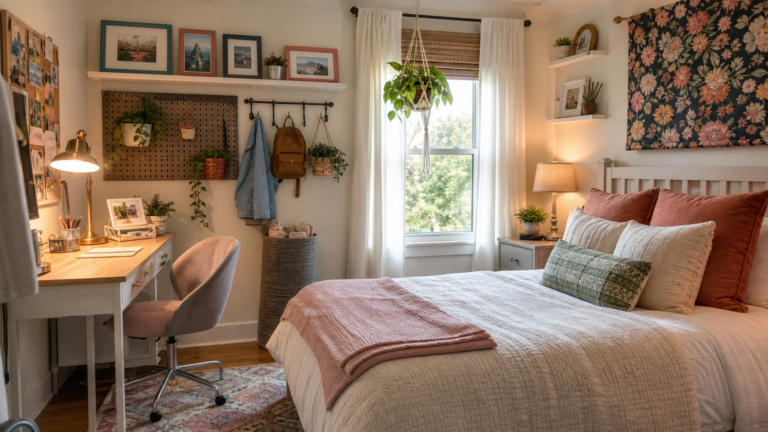
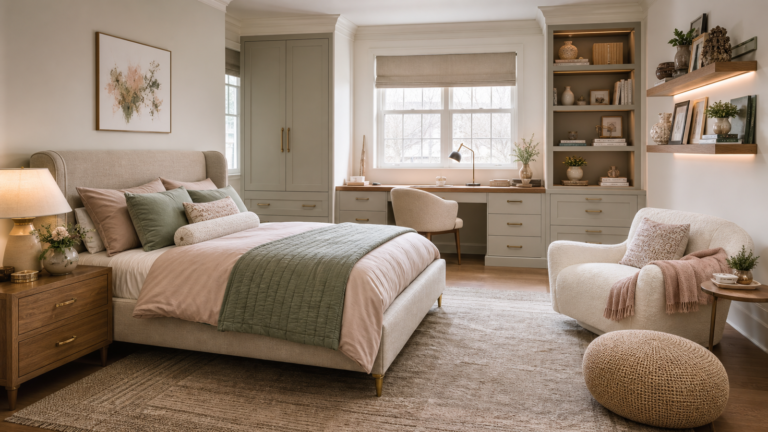
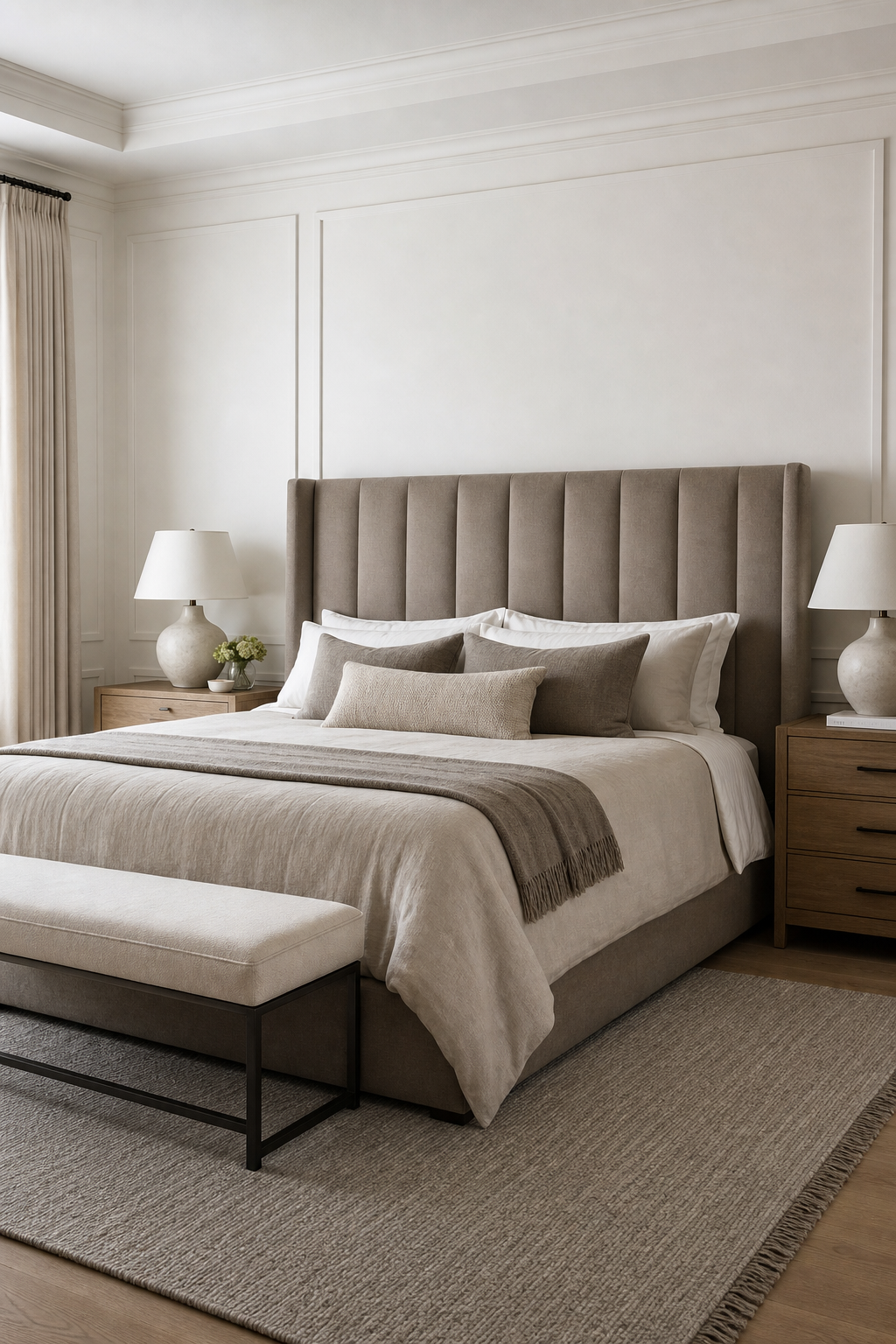
A refined bedroom starts with proportion. Choose a headboard that is tall enough to anchor the wall, then balance it with generous bedside tables and lamps that feel substantial rather than decorative. Soft taupe, chalk white, mushroom, and muted clay tones create a restful backdrop, especially when layered with washed linen, cashmere, and a wool throw. Instead of filling the room with small accessories, use fewer pieces at a larger scale: a framed textile above the bed, a ceramic lamp, a sculptural bench, or one elegant branch arrangement. Keep the floor warm with a rug that extends beyond the bed on all sides. This makes the room feel quieter, more luxurious, and deliberately planned.
3. Give The Dining Room A Sculptural Centerpiece
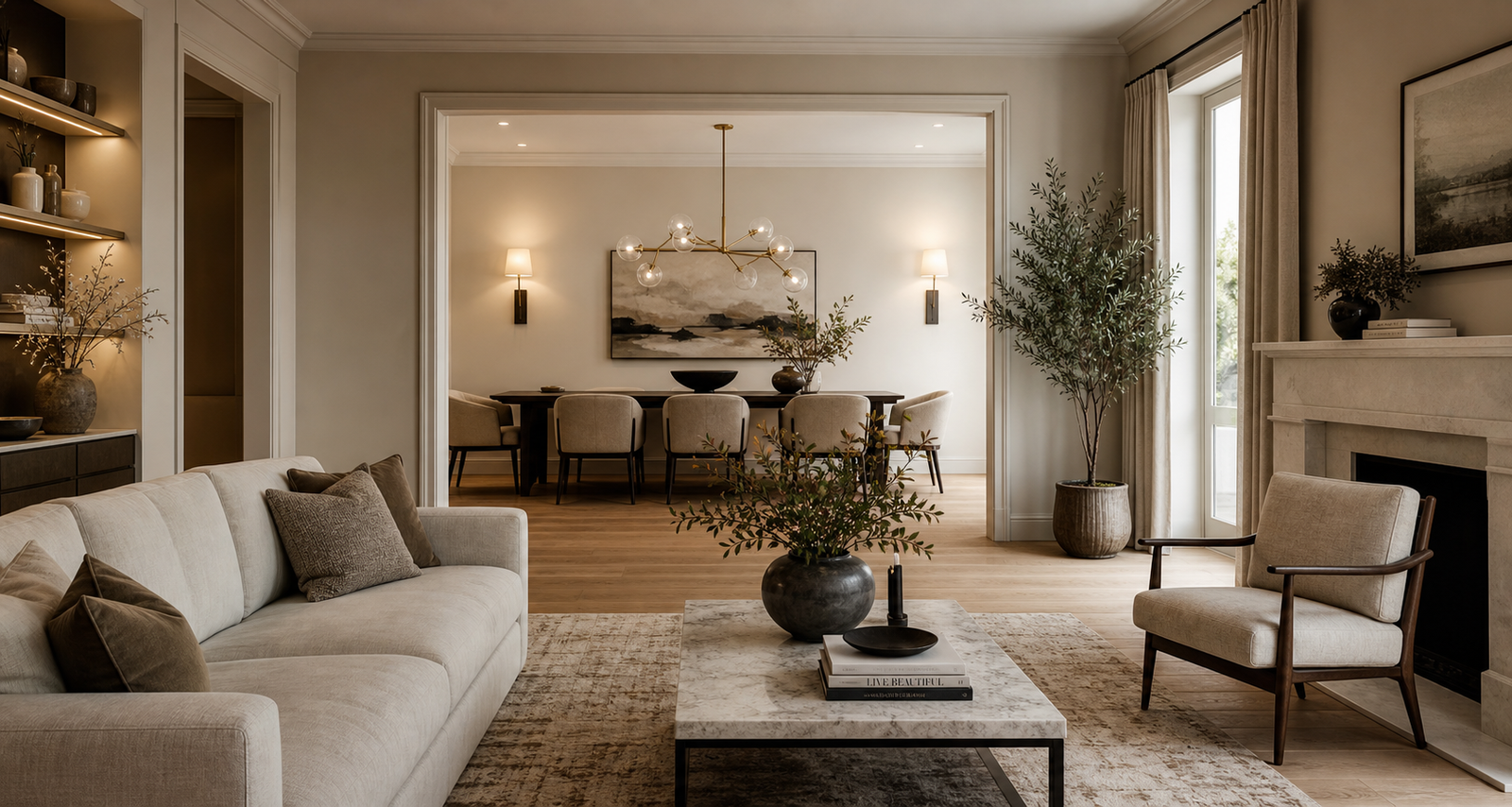
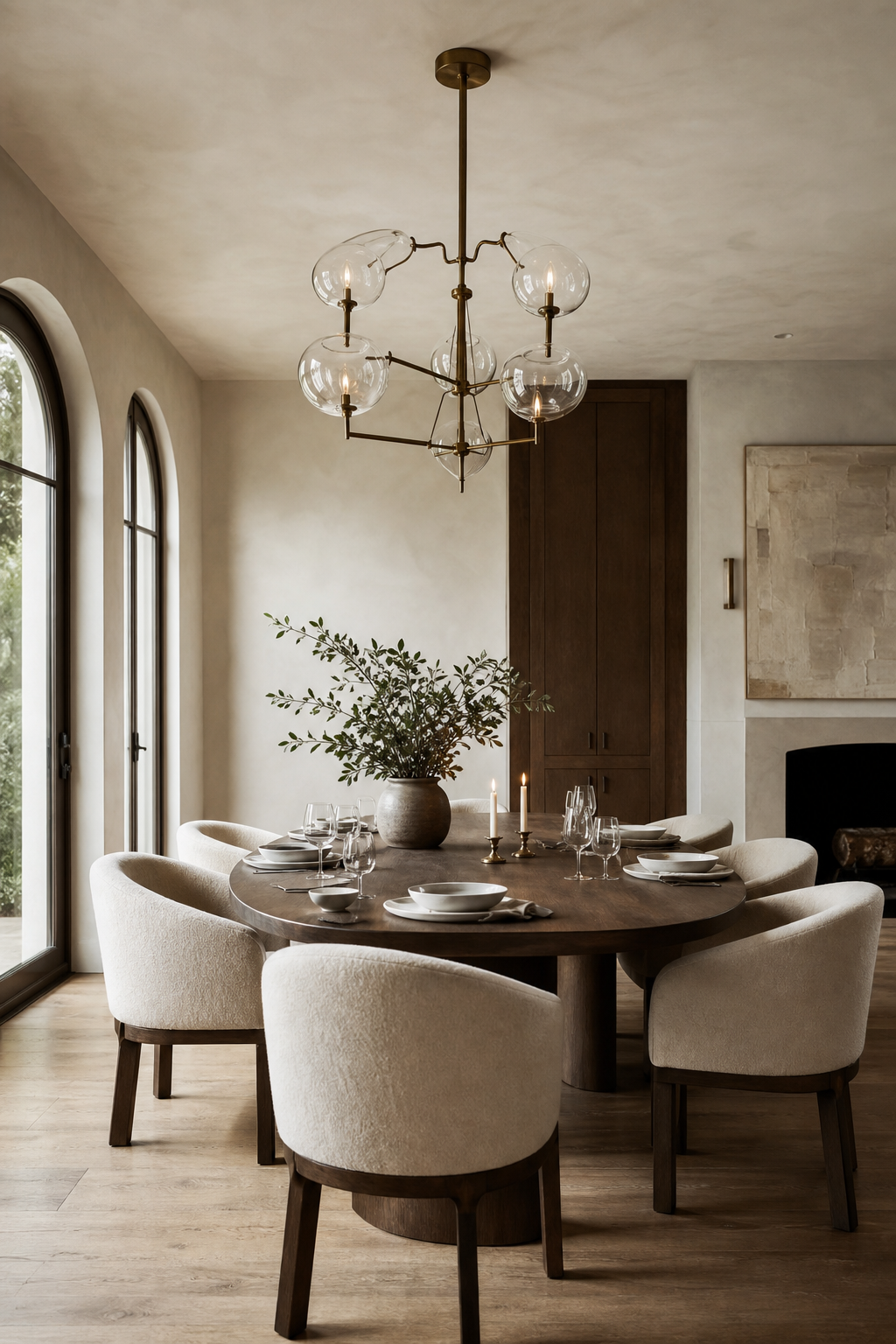
A dining room becomes memorable when the table and lighting have a strong relationship. A substantial oval table in smoked oak, travertine, or dark walnut softens circulation while still feeling formal. Above it, choose a sculptural chandelier that sits low enough to create intimacy but high enough to preserve sightlines. Upholstered dining chairs in mohair, leather, or linen bring comfort and texture, especially when contrasted with stone, wood, or plaster walls. Keep the tabletop restrained: a shallow bowl, taper candles, and seasonal branches are often more elegant than a busy arrangement. If the room allows, add a sideboard with art above it to create a second focal point. The space should feel ready for dinner without looking staged.
4. Use A Statement Rug To Organize An Open Space
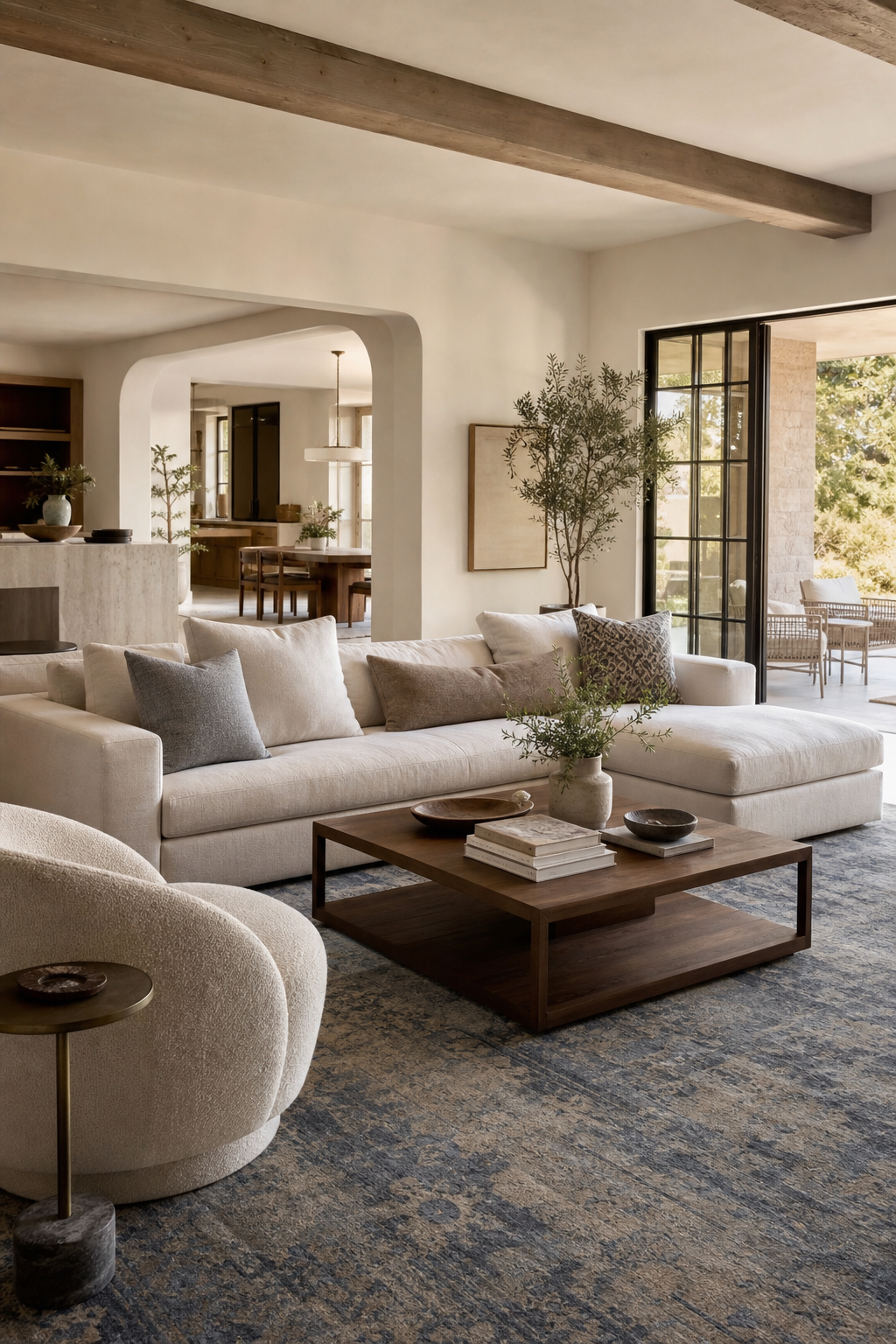
In an open-plan home, a rug is more than decoration; it is architecture for the floor. Choose a rug large enough to hold the front legs of every major seating piece, or ideally all of them, so the room reads as one complete arrangement. A hand-knotted wool or silk-blend rug with subtle variation can soften hard surfaces such as oak flooring, marble, and steel-framed windows. Pattern should support the palette rather than dominate it: faded indigo, warm stone, tobacco, olive, or soft black can add sophistication. Once the rug is in place, arrange furniture around it with clear walking paths. The room will immediately feel more grounded, especially when repeated tones appear in pillows, art, and accessories.
5. Refresh Shelving With Artful Negative Space
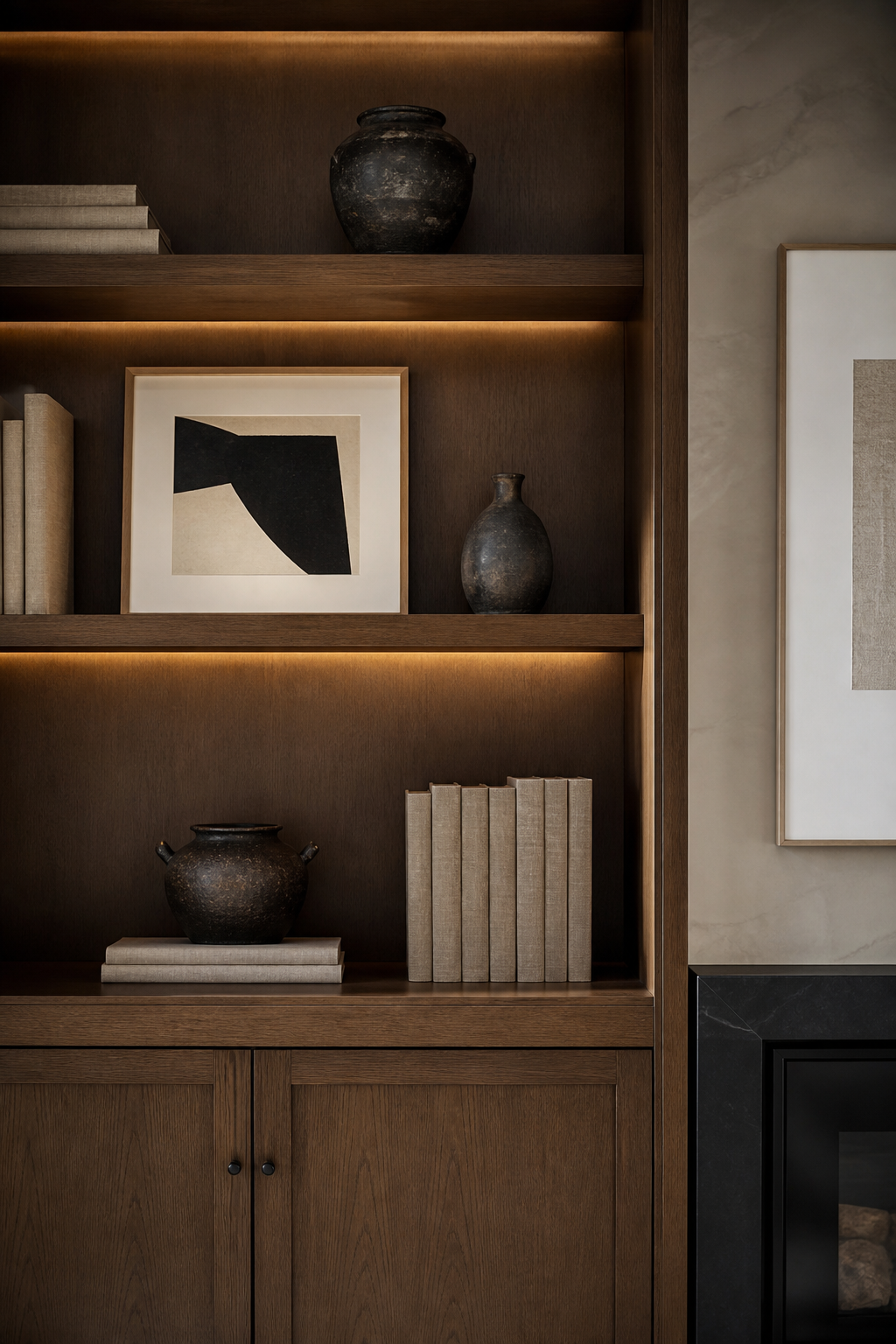
Beautiful shelves depend as much on restraint as on objects. Remove anything that feels too small, too shiny, or too repetitive, then rebuild the composition with books, ceramics, framed art, baskets, and sculptural vessels. Vary height and depth so the eye moves naturally across each shelf. A stack of art books can support a small bowl, while a leaning frame can break the rhythm of vertical spines. Use negative space deliberately; a half-empty shelf often looks more sophisticated than one filled edge to edge. For a warmer effect, integrate picture lights or discreet LED strips in a soft temperature. The shelving should feel collected over time, with materials such as linen, clay, oak, stone, and aged metal doing most of the work.
6. Add Depth With Limewash Or Plaster Walls
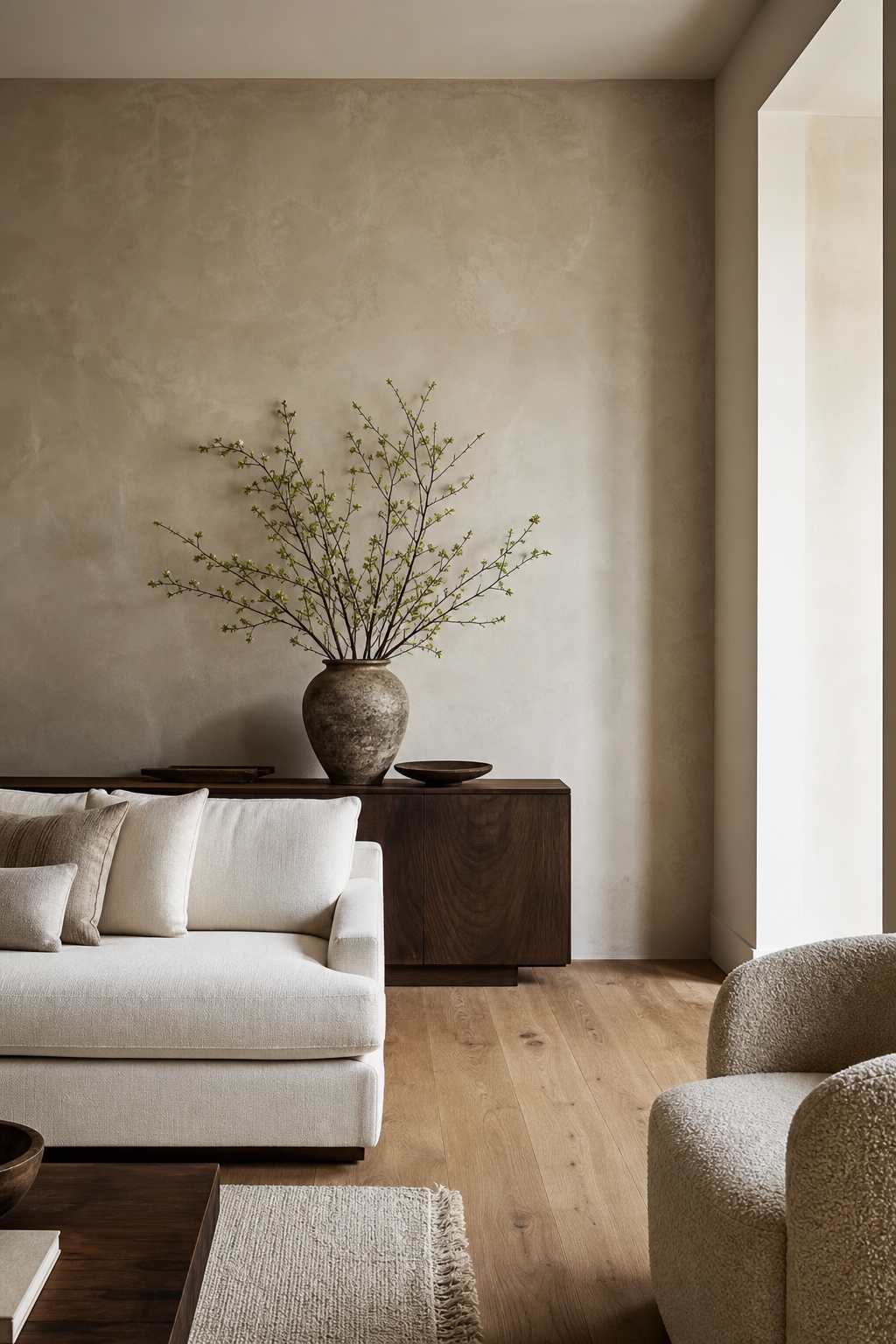
Walls can change the entire mood of a room when they have movement. Limewash, mineral paint, or fine plaster gives a surface subtle variation that flat paint cannot replicate. In a living room, warm greige plaster can make white upholstery feel softer and dark wood feel richer. In a bedroom, pale clay or misty gray creates a cocooning backdrop without closing in the space. The key is to keep other finishes honest and tactile: linen curtains, woven shades, natural oak, matte ceramics, and stone lamps. Avoid overly glossy accents that fight the softness of the wall finish. With the right lighting, especially from sconces and low lamps, textured walls create quiet drama from morning to evening.
7. Make The Entryway Feel Intentional
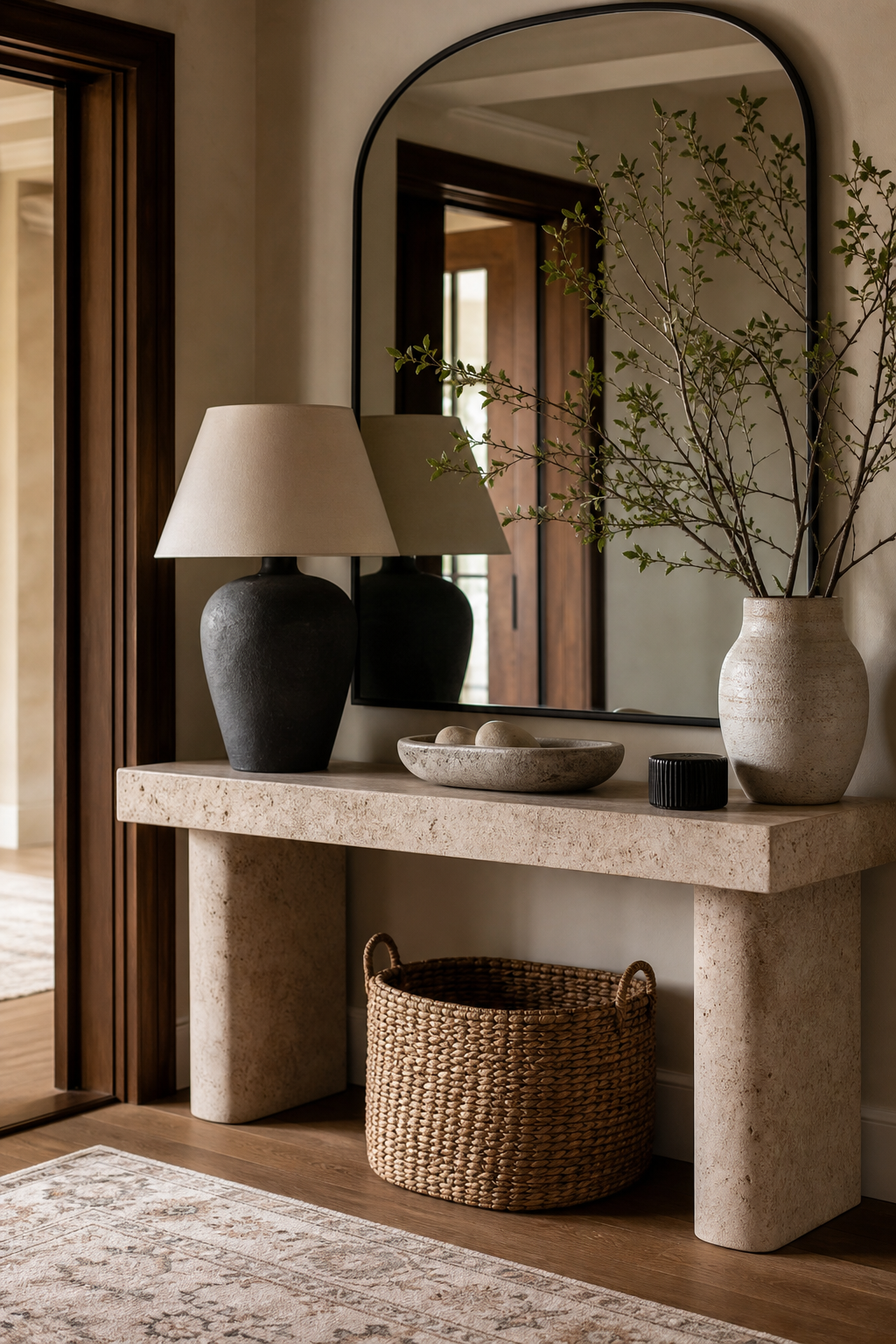
The entryway sets the tone for the rest of the home, even when it is compact. Start with a console that suits the architecture: travertine for a modern home, antique wood for a traditional one, or blackened metal for a sharper city apartment. Above it, hang a mirror or art piece large enough to feel architectural. A catchall tray, a sculptural lamp, and a vase with branches provide function without clutter. Underfoot, a runner in wool, jute, or vintage pattern adds warmth and handles daily traffic. If space allows, add a slim bench or upholstered stool for practicality. The best entryways feel edited, useful, and quietly welcoming, never like a dumping ground for keys and shoes.
8. Bring Hotel Polish To The Bathroom
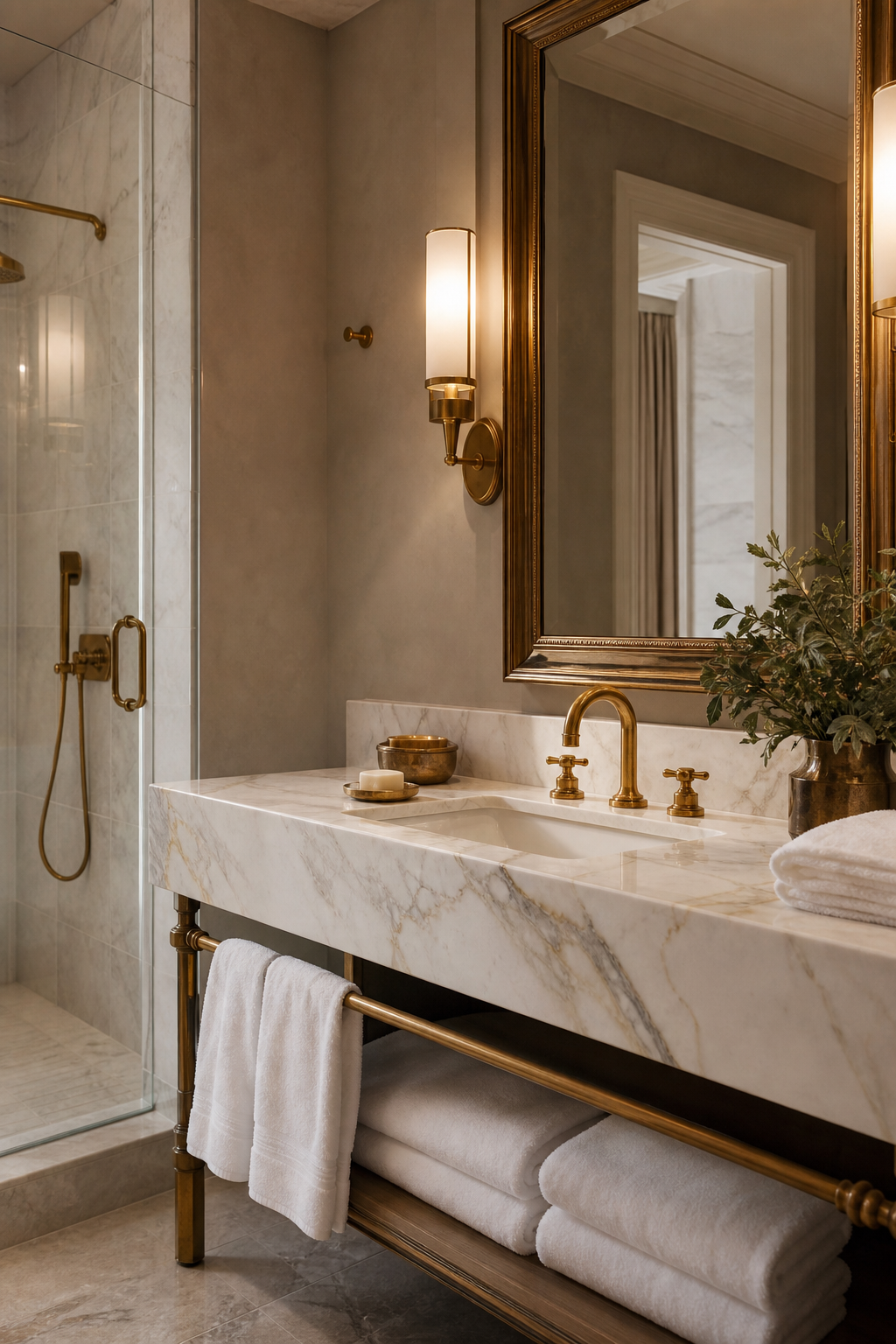
A bathroom refresh feels luxurious when the practical details are elevated. Replace ordinary hardware with unlacquered brass, polished nickel, or matte black fittings, depending on the room’s undertone. Add a framed mirror instead of a basic sheet mirror, and use sconces at face height for flattering light. Stone, zellige, marble, and microcement all bring texture, but they should be balanced with soft elements such as thick towels, a small stool, and a woven hamper. Keep countertop styling minimal: a tray, hand soap, a small vase, and perhaps one lidded container. If the bathroom has a window, relaxed linen shades can soften the tile. The aim is a space that feels calm, clean, and thoughtfully appointed.
9. Style A Reading Corner With Purpose
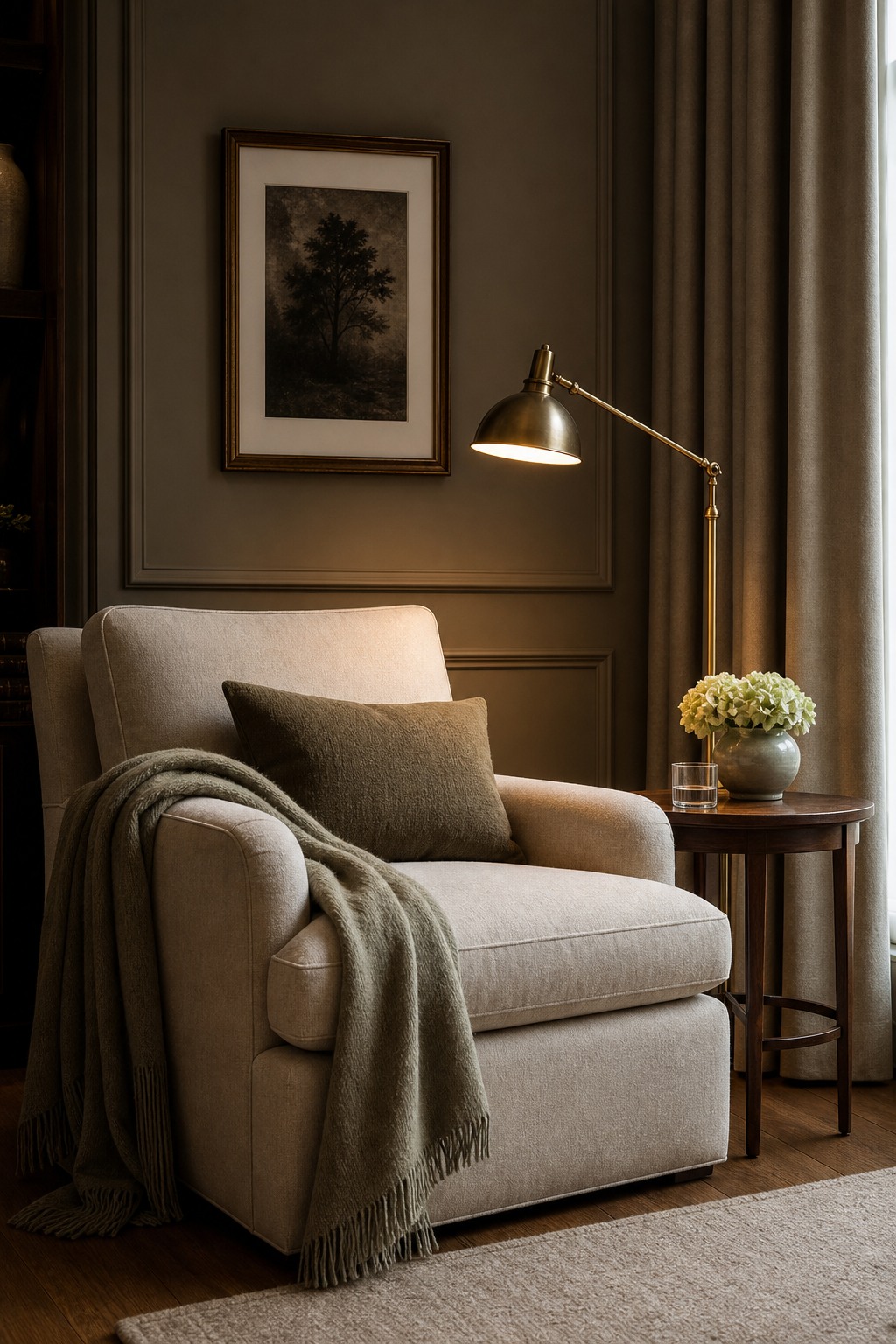
A reading corner should feel like a destination, not leftover space. Choose a chair with real comfort, such as a deep linen club chair, a leather sling chair, or a compact chaise, then pair it with a table large enough for a book, cup, and lamp. The lighting matters most: a floor lamp with an adjustable shade or a wall-mounted reading light creates function and atmosphere. Add a small rug if the corner sits outside the main seating zone, and soften the arrangement with a wool throw or lumbar pillow. A nearby stack of books, a framed print, or a plant can finish the vignette. Keep the palette related to the larger room so the corner feels integrated rather than ornamental.
10. Warm Up The Kitchen With Natural Texture
Kitchens can feel stark when every surface is hard and polished. Bring warmth through texture rather than clutter. Woven counter stools, honed stone, handmade tile, oak shelves, linen cafe curtains, and ceramic lighting all soften cabinetry and appliances. If the kitchen is mostly white, add contrast with aged brass hardware, dark bronze fixtures, or a warm wood island. Keep styling practical: a fruit bowl, a cutting board, a crock of wooden utensils, and a few handmade mugs are enough. Under-cabinet lighting should be warm and even, never harsh or blue. A small vintage runner can also make the room feel more lived-in, especially in a galley or along the sink wall.
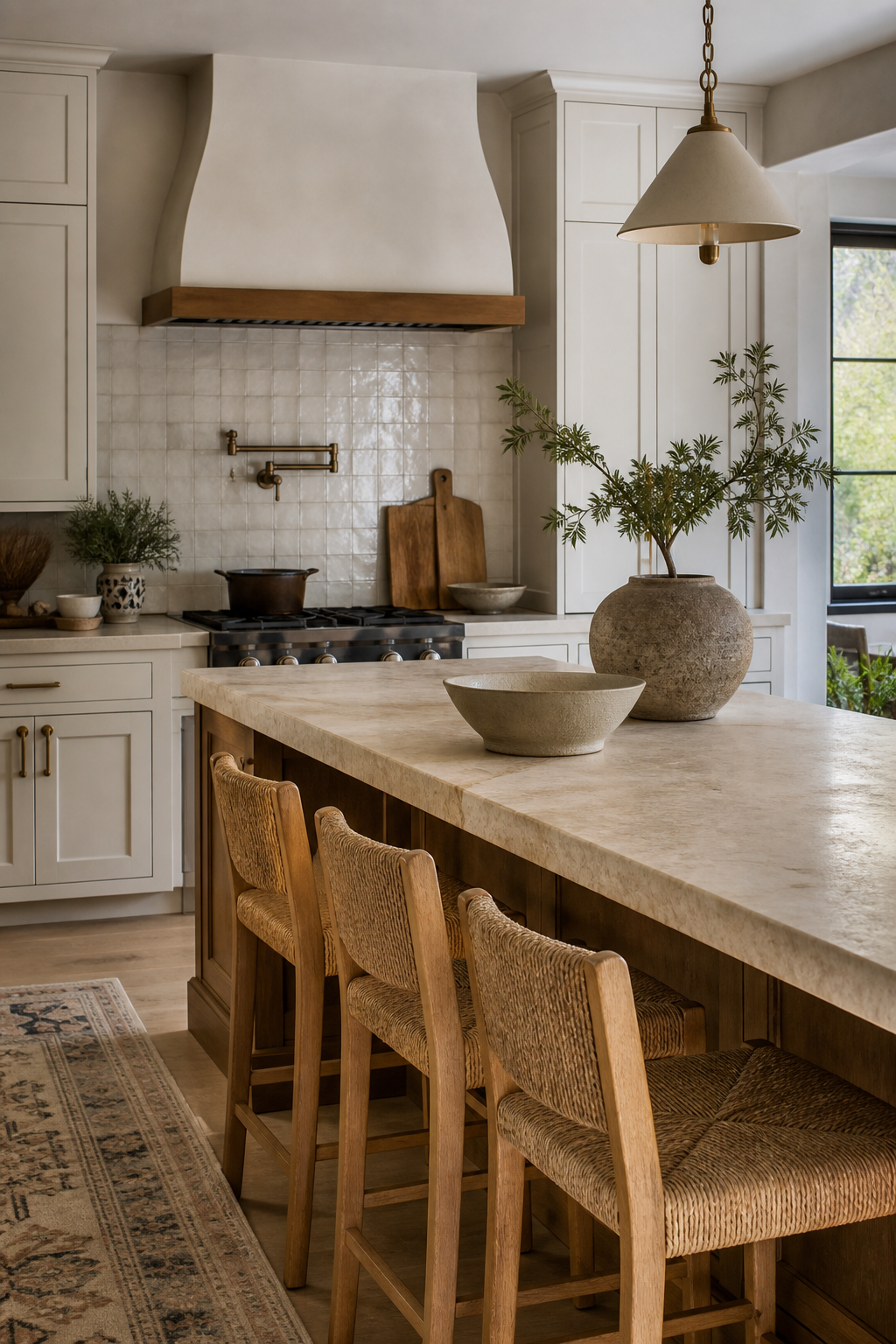
11. Choose Curtains That Add Architecture
Curtains are one of the fastest ways to make a room feel taller and more finished. Mount the rod close to the ceiling and extend it beyond the window frame so the fabric stacks outside the glass. This preserves natural light while giving the wall a more generous proportion. Linen, wool sateen, silk blend, or cotton velvet can all work, depending on the mood of the room. For a relaxed space, choose soft linen in bone or oatmeal. For a formal dining room, a heavier fabric in olive, smoke, or deep clay can add drama. The hem should either kiss the floor or break slightly. Avoid skimpy panels; fullness is what makes curtains feel designed rather than added later.
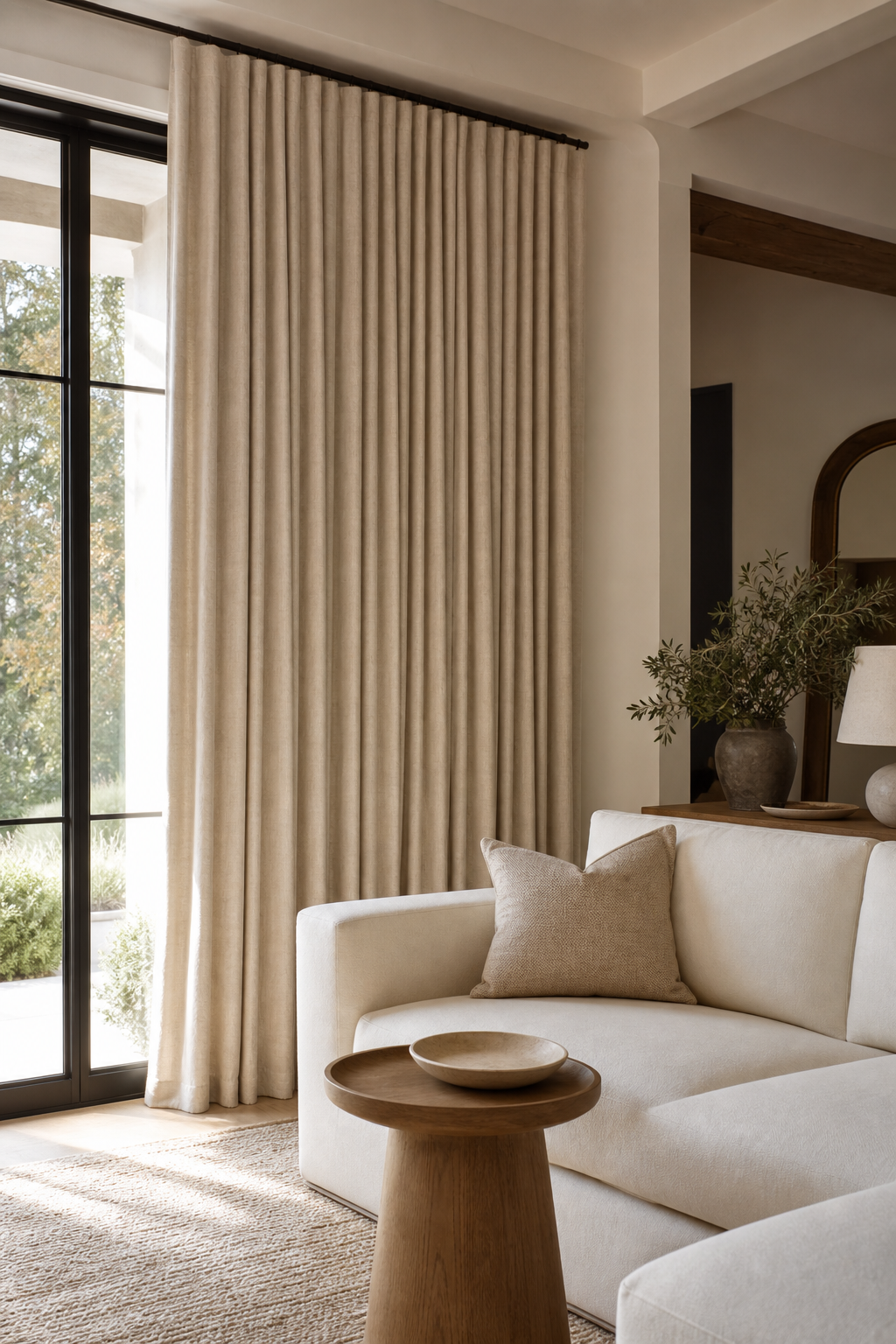
12. Introduce Color Through Upholstery
Color feels most sophisticated when it appears in a material with depth. Instead of painting an entire room a bold shade, consider an upholstered chair, bench, headboard, or ottoman in moss velvet, oxblood leather, ink linen, or dusty blue wool. These tones bring character while remaining grounded. In a neutral living room, a pair of olive mohair chairs can add richness without interrupting the calm. In a bedroom, a muted blue headboard can feel serene against warm white walls. Repeat the color once or twice in smaller notes, such as art, a book cover, or a ceramic glaze. This keeps the palette intentional. The room gains personality, but the architecture and furniture still remain the focus.
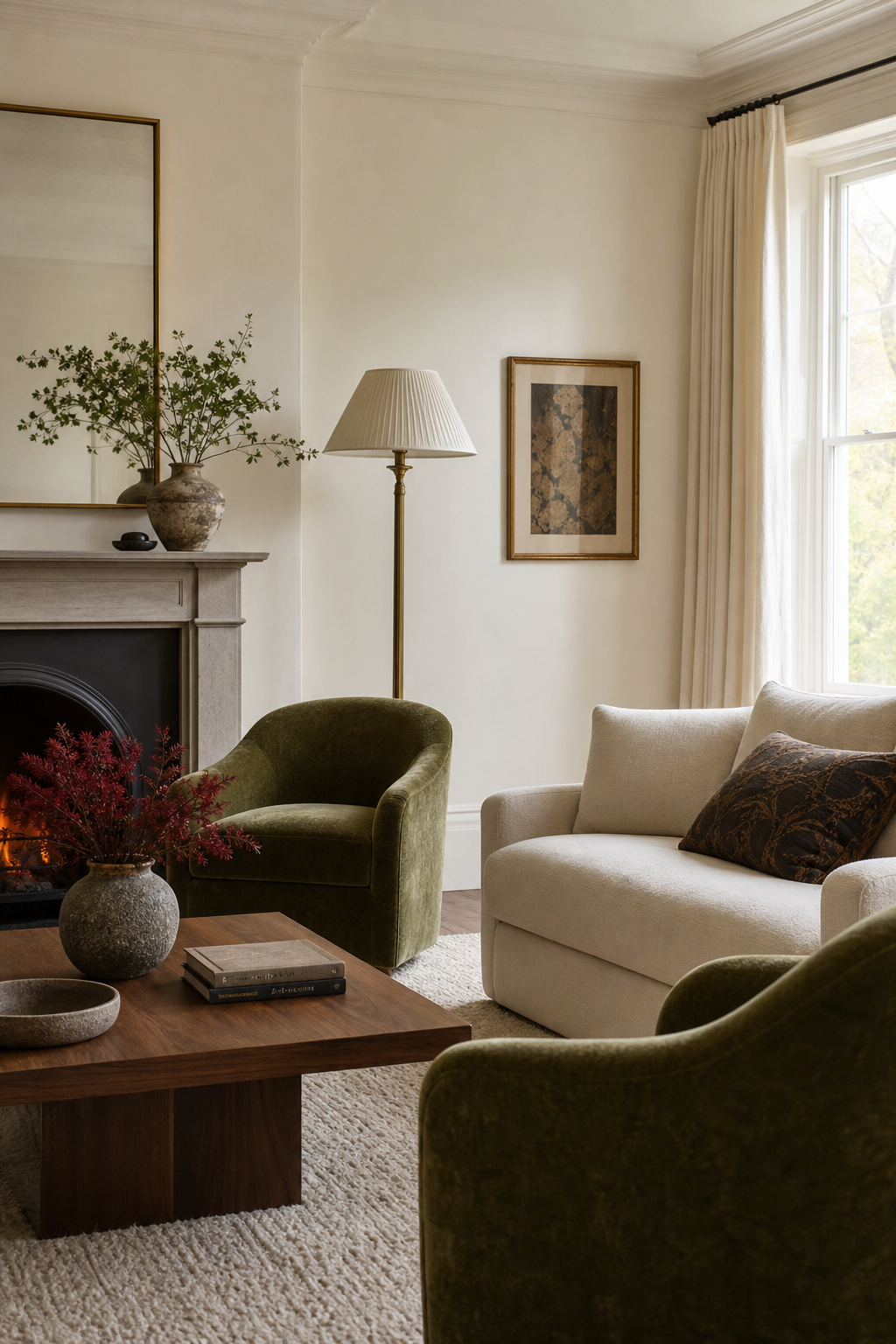
13. Use Mirrors To Shape Light
A mirror should do more than fill a wall. Place it where it can reflect something worth seeing: a window, a chandelier, a piece of art, or a garden view. In darker rooms, an antiqued mirror can add glow without looking too crisp, while a clean black or brass frame suits more modern spaces. Oversized mirrors work beautifully above mantels, consoles, and dining sideboards, but scale is essential. The mirror should relate to the furniture beneath it, not float awkwardly. In a narrow hallway, a tall mirror can expand the sense of space and provide function. For a softer result, avoid placing mirrors opposite cluttered zones. Let them multiply light, architecture, and the best details in the room.
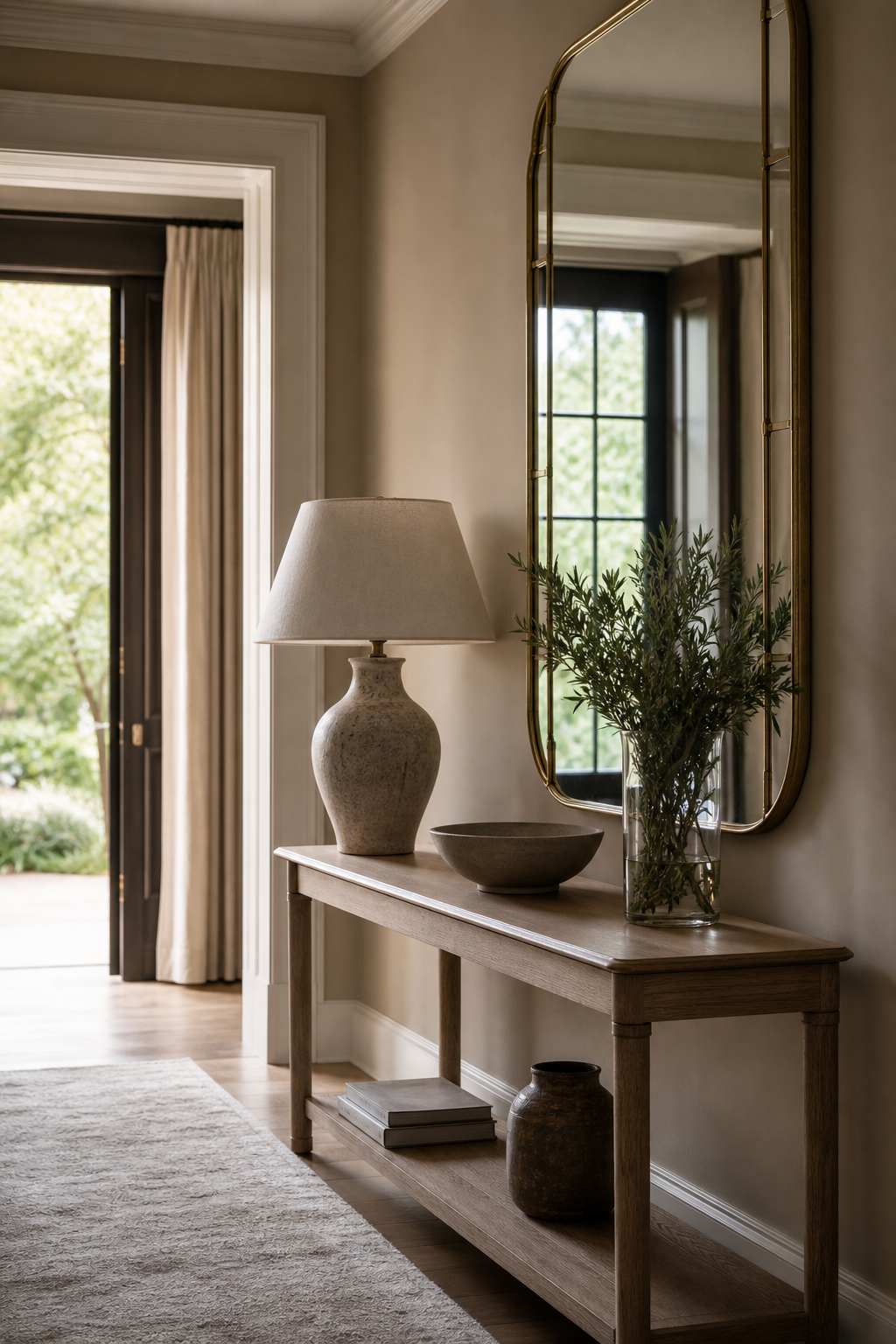
14. Build A Home Office With Residential Warmth
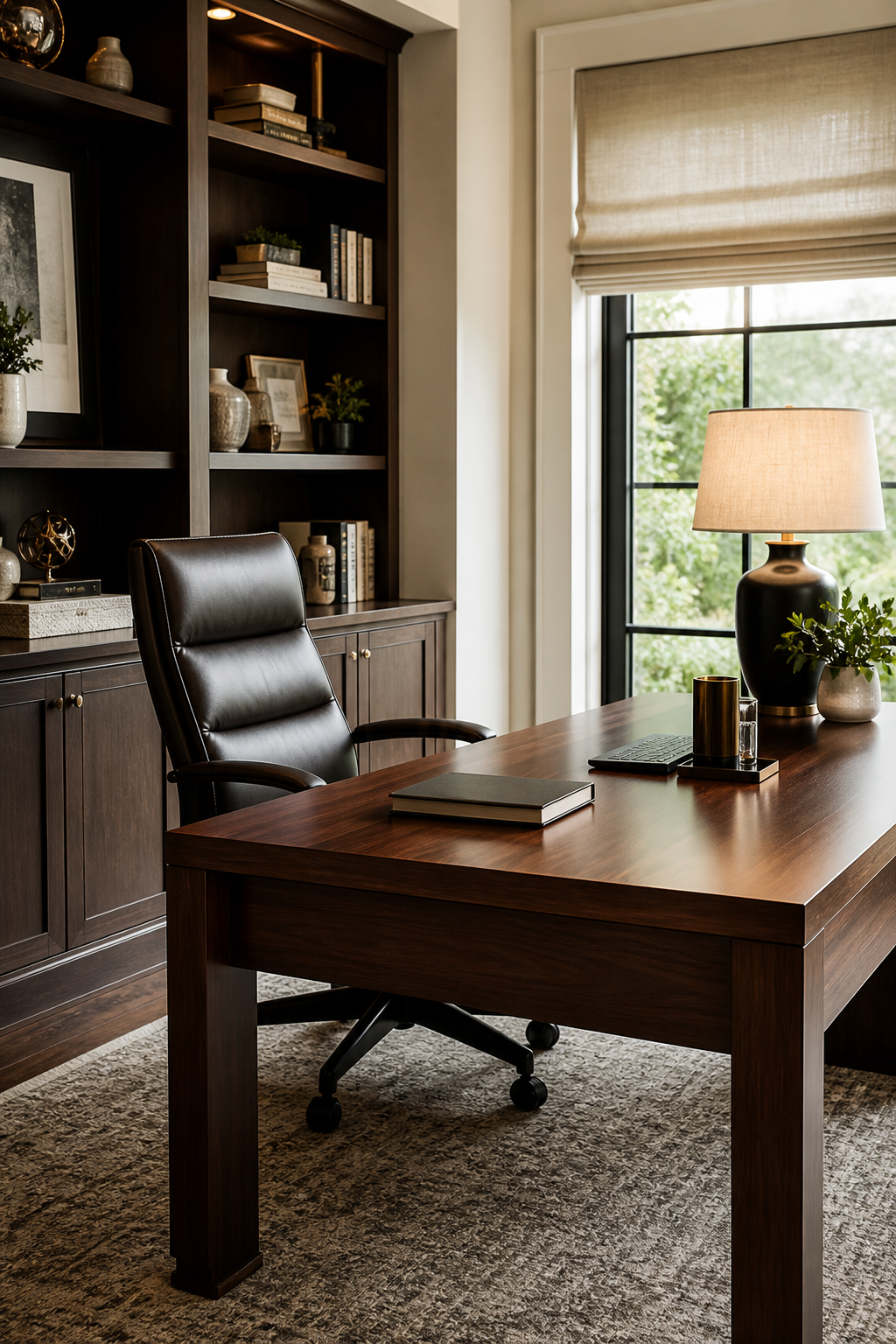
A home office should support focus without feeling corporate. Start with a desk that has presence, such as oak, walnut, lacquer, or leather-wrapped wood, then choose a chair that is ergonomic but visually refined. Storage should be close enough to function, yet concealed enough to keep the room calm. Built-in shelves, woven boxes, and closed cabinetry prevent paper from becoming the dominant texture. Layer the lighting with a shaded desk lamp and overhead light on a dimmer. Art, a small rug, and a few tactile objects can make the workspace feel personal. Colors like warm gray, deep green, tobacco, and ivory work especially well because they feel grounded on camera and pleasant in person.
15. Make A Small Room Feel Deliberate
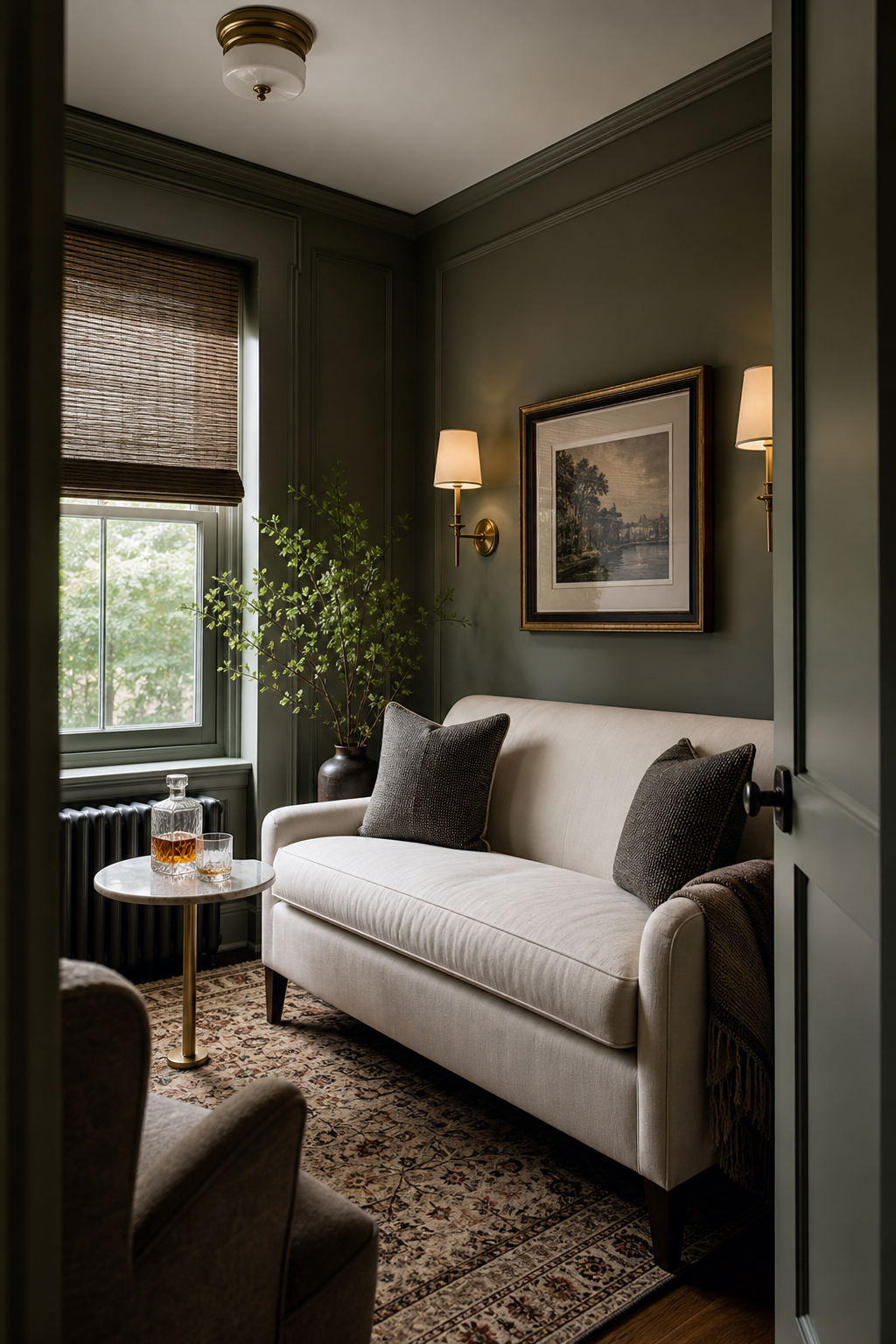
Small rooms often become charming when you lean into their scale instead of trying to erase it. Choose fewer pieces, but make each one count: a tailored loveseat, a wall-mounted sconce, a narrow drink table, and one generous artwork can feel more luxurious than several undersized items. Built-in seating or floating shelves can free up floor space while adding function. A deeper wall color, such as smoky green, warm aubergine, or cocoa, can make the room feel enveloping rather than cramped. Keep fabrics tactile and lighting soft. If storage is needed, use skirted tables, closed cabinets, or benches with hidden compartments. The goal is not to make the room look large, but to make it feel complete.
16. Refresh The Coffee Table With Edited Styling
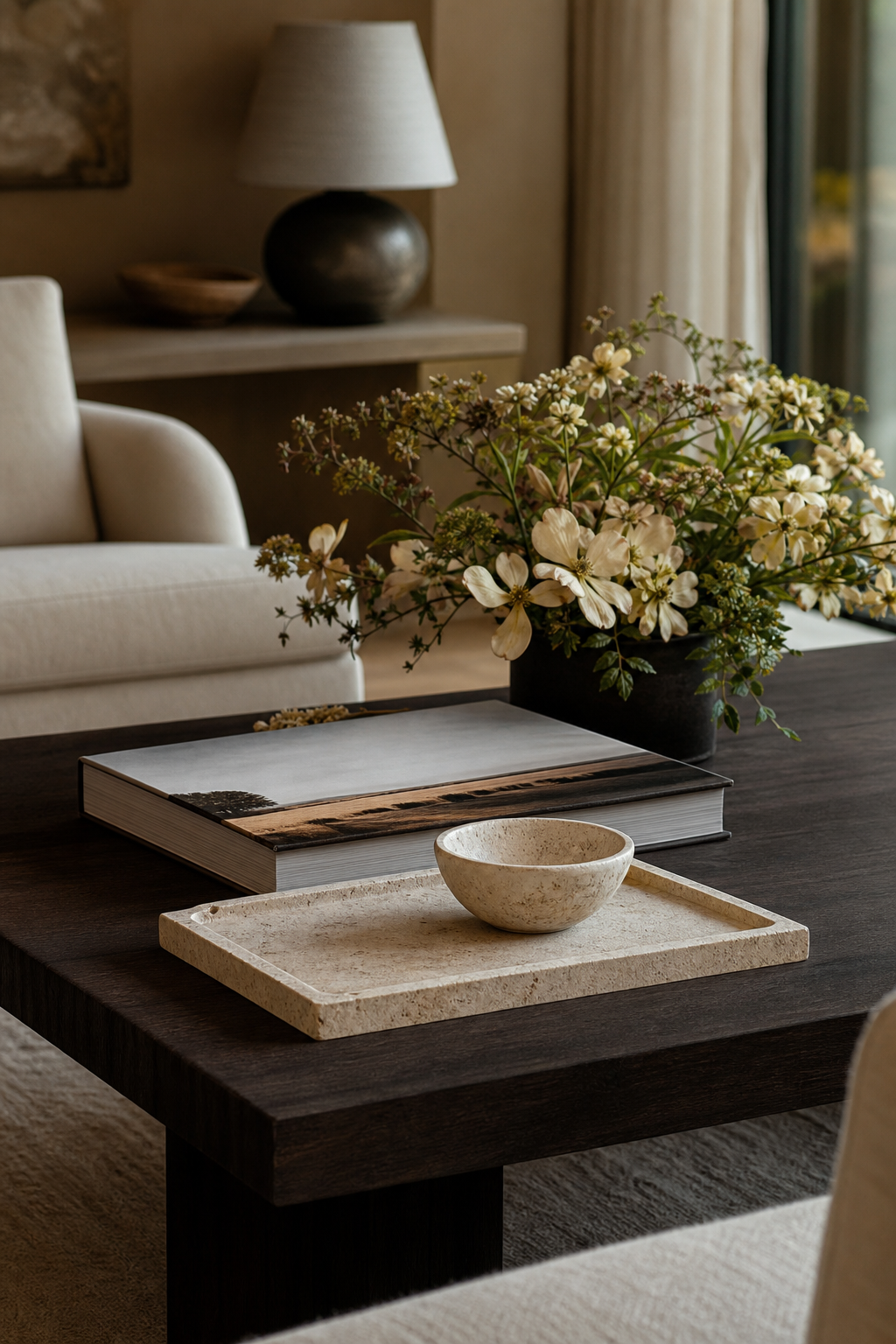
A coffee table should look beautiful and still leave room for living. Begin with a tray or large book to create structure, then add objects with varied height and texture: a low bowl, a candle, a ceramic vessel, or a small floral arrangement. Mix finishes carefully, such as travertine with dark wood, glass with brass, or matte clay with polished stone. Leave open surface area so the table does not feel like a display shelf. The shape of the table should guide the styling. A round table benefits from triangular groupings, while a rectangular table can handle a longer composition. Seasonal branches, sculptural fruit, or fresh flowers can soften the arrangement. Editing is what makes the final look feel expensive.
17. Add Character With Vintage Pieces
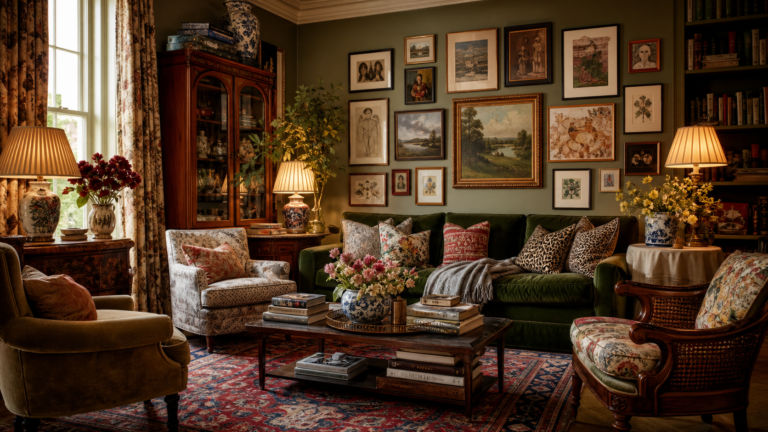
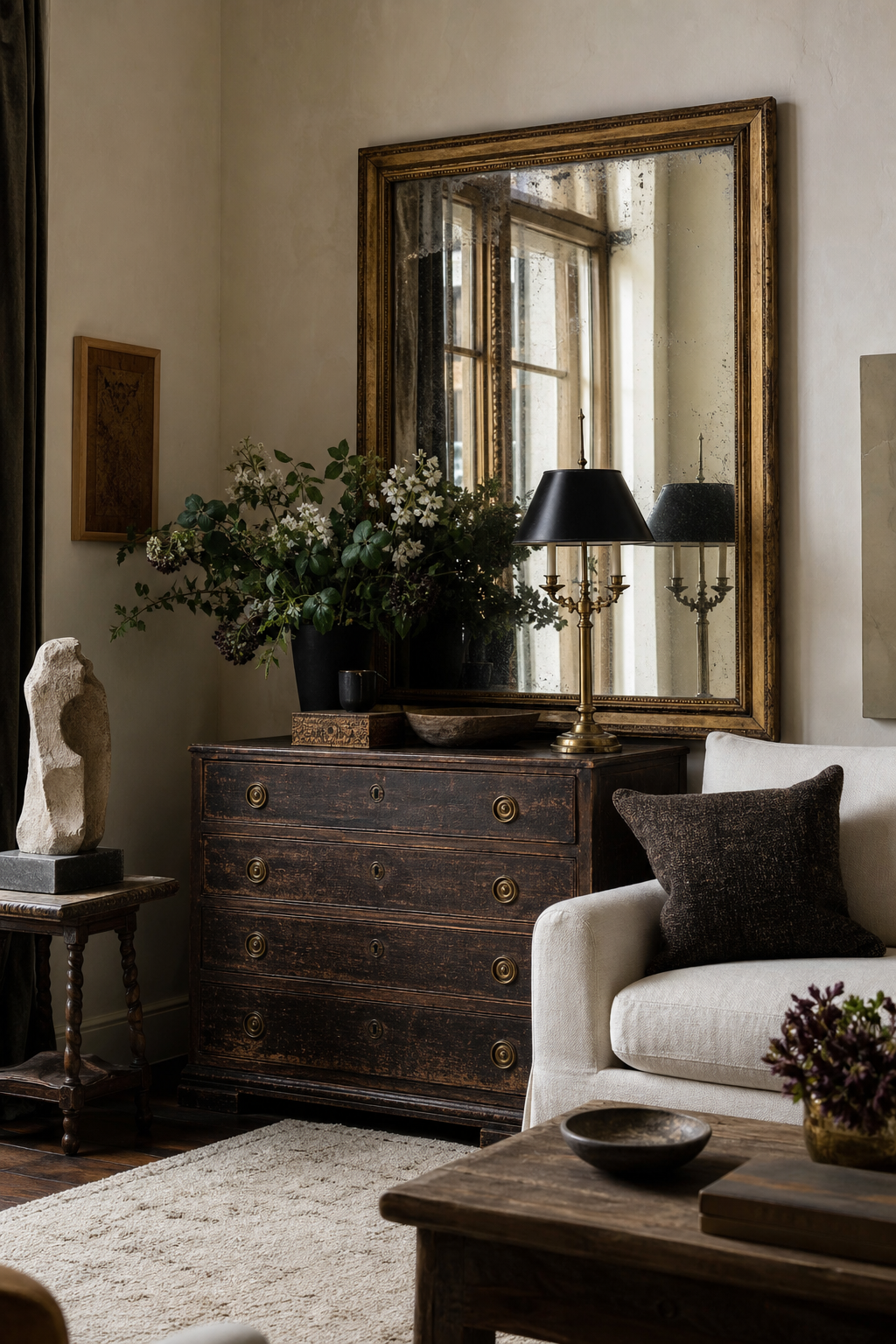
Vintage furniture and accessories give a room the layered quality that new pieces alone rarely achieve. A 1940s chest, an antique mirror, a weathered farmhouse table, or a pair of mid-century chairs can break the perfection of a freshly decorated space. The key is balance. Pair patinated wood with clean upholstery, or place an antique sideboard beneath contemporary art. Avoid turning the room into a period set by mixing eras confidently and limiting ornate details. Even small pieces, such as a vintage lamp, carved stool, or old textile, can add soul. Look for materials that age well: walnut, oak, brass, leather, iron, and wool. These elements make a room feel personal, collected, and quietly luxurious.
18. Finish With Lighting That Feels Layered
Lighting is often the difference between a furnished room and a finished one. Every major space benefits from at least three layers: ambient light, task light, and accent light. A ceiling fixture may provide the general glow, but table lamps, floor lamps, sconces, picture lights, and under-shelf lighting create mood and dimension. Use warm bulbs and dimmers wherever possible, especially in dining rooms, bedrooms, and living areas. The fixtures themselves should relate to the room’s materials: plaster with linen, brass with walnut, bronze with stone, or ceramic with oak. Avoid relying on recessed lights alone, which can flatten a room and cast unflattering shadows. Thoughtful lighting makes textures richer, corners softer, and the entire home feel more considered.
A thoughtful home refresh is less about chasing a new look and more about refining the atmosphere of each room. When color, texture, lighting, scale, and function work together, even familiar furniture can feel elevated. Start with the space that affects your daily rhythm most, then edit, layer, and adjust until the room feels both beautiful and genuinely livable.