15 Aesthetic Room Ideas To Inspire Your Next Home Refresh
An aesthetic room refresh works best when it feels personal, calm, and useful at the same time. Instead of chasing every trend, focus on the elements that change how the room feels each day: light, texture, proportion, color, and the small surfaces you touch often. These ideas are designed for real homes, from a bedside corner to a living room shelf, with practical styling moves that make a space feel more polished without losing warmth.
Soften the Bedside Corner
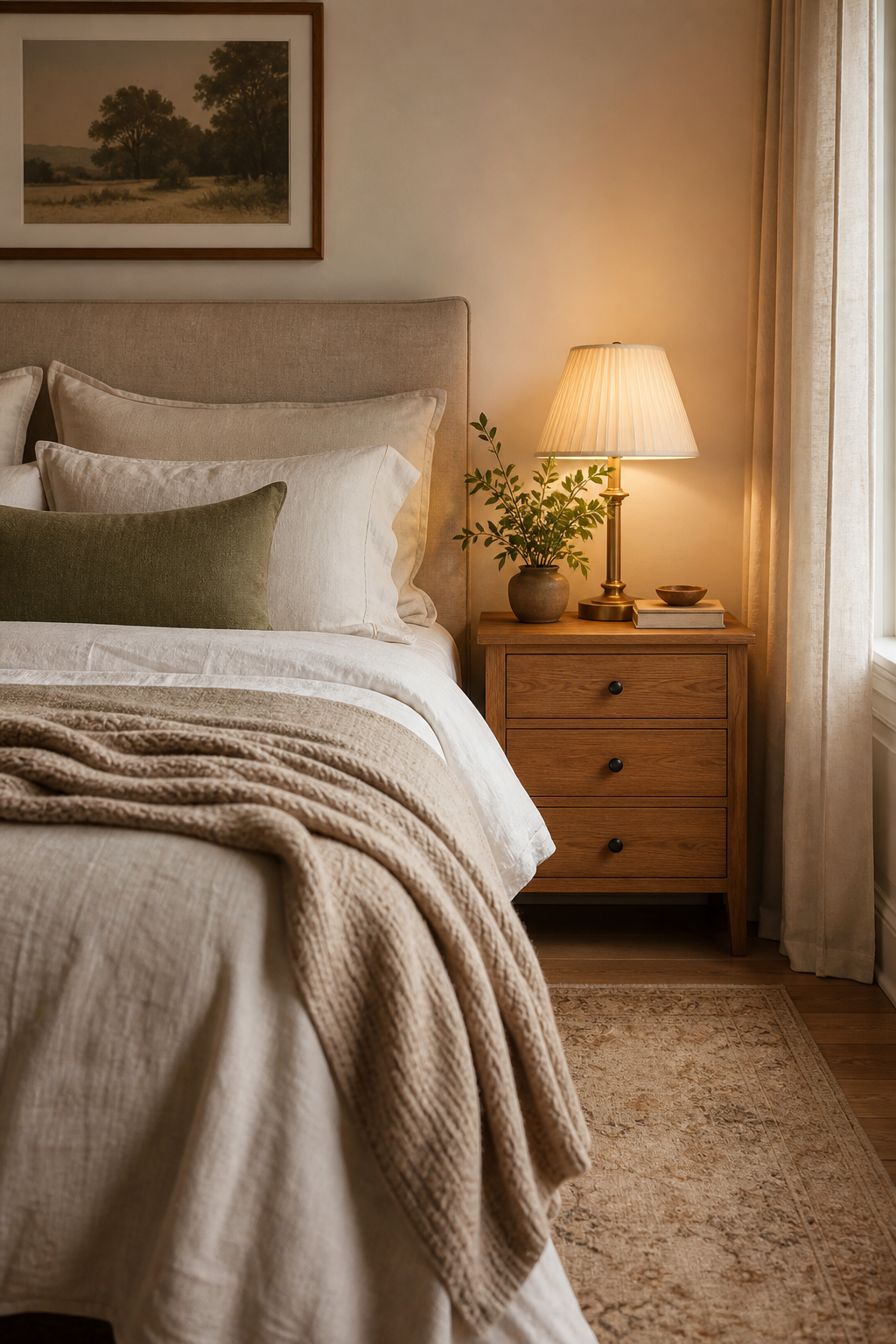
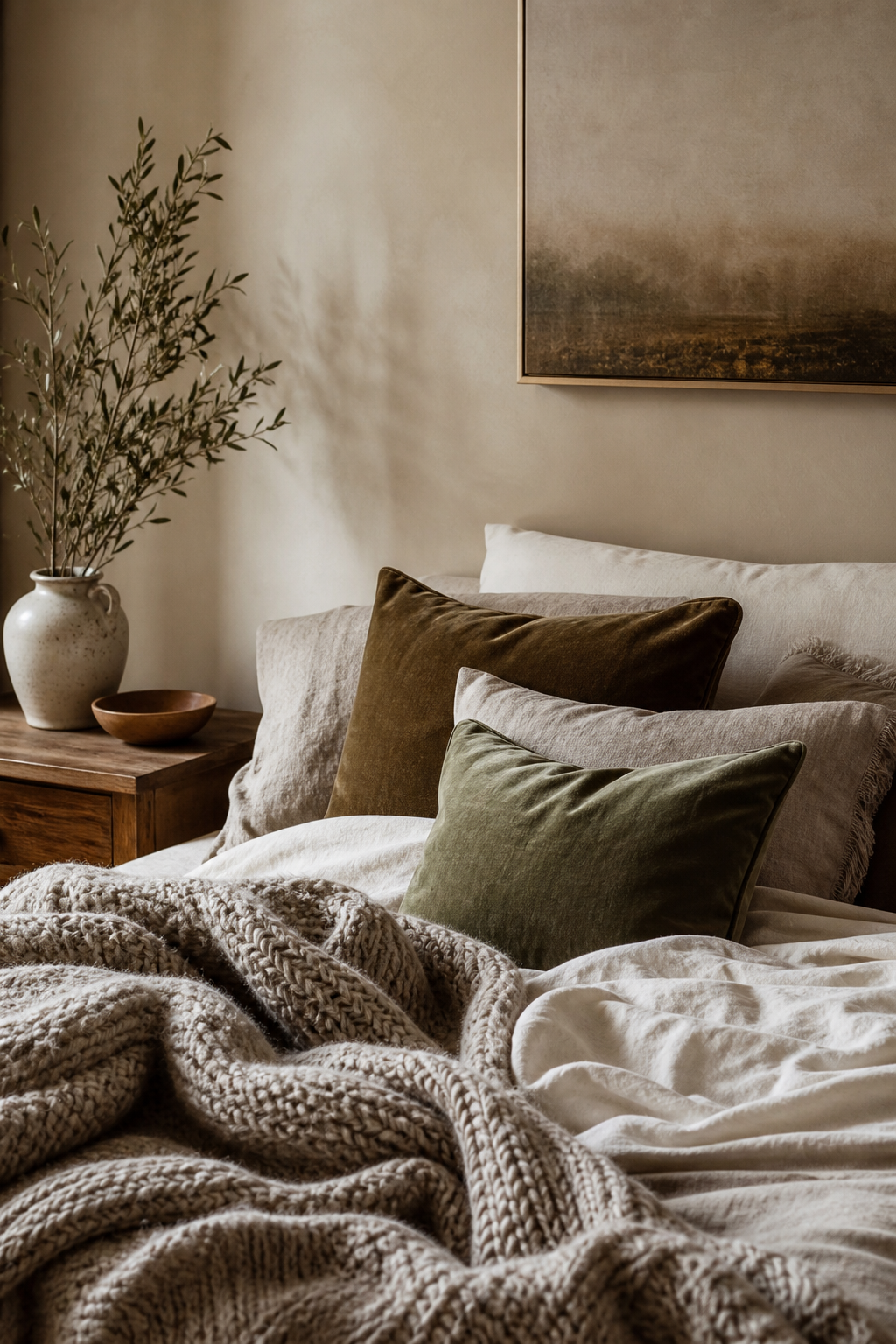
A room refresh often starts with the corner you see first in the morning. Layer linen bedding, a textured throw, and one grounded accent pillow, then give the nightstand enough breathing room for a lamp, a small vase, and one useful tray. The point is not to style every inch; it is to make the area feel calm and finished. Warm wood, pleated shades, and soft brass details add quiet character without feeling trendy. If the wall above the bed feels empty, choose one framed landscape or abstract piece with muted color. Keep cords hidden and the bedside surface edited so the whole corner feels intentional instead of collected by accident.
Style Shelves With Shape and Space
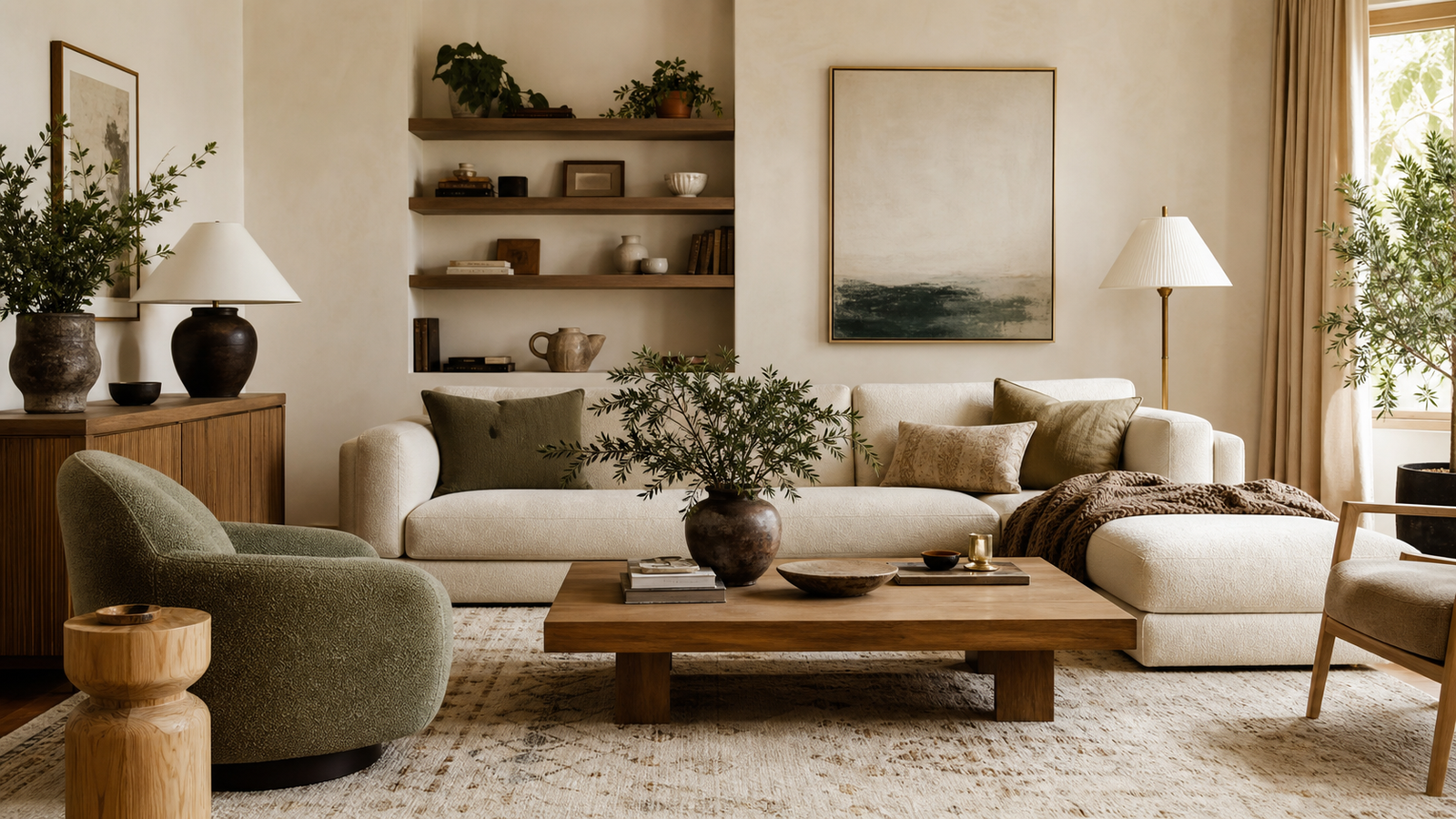
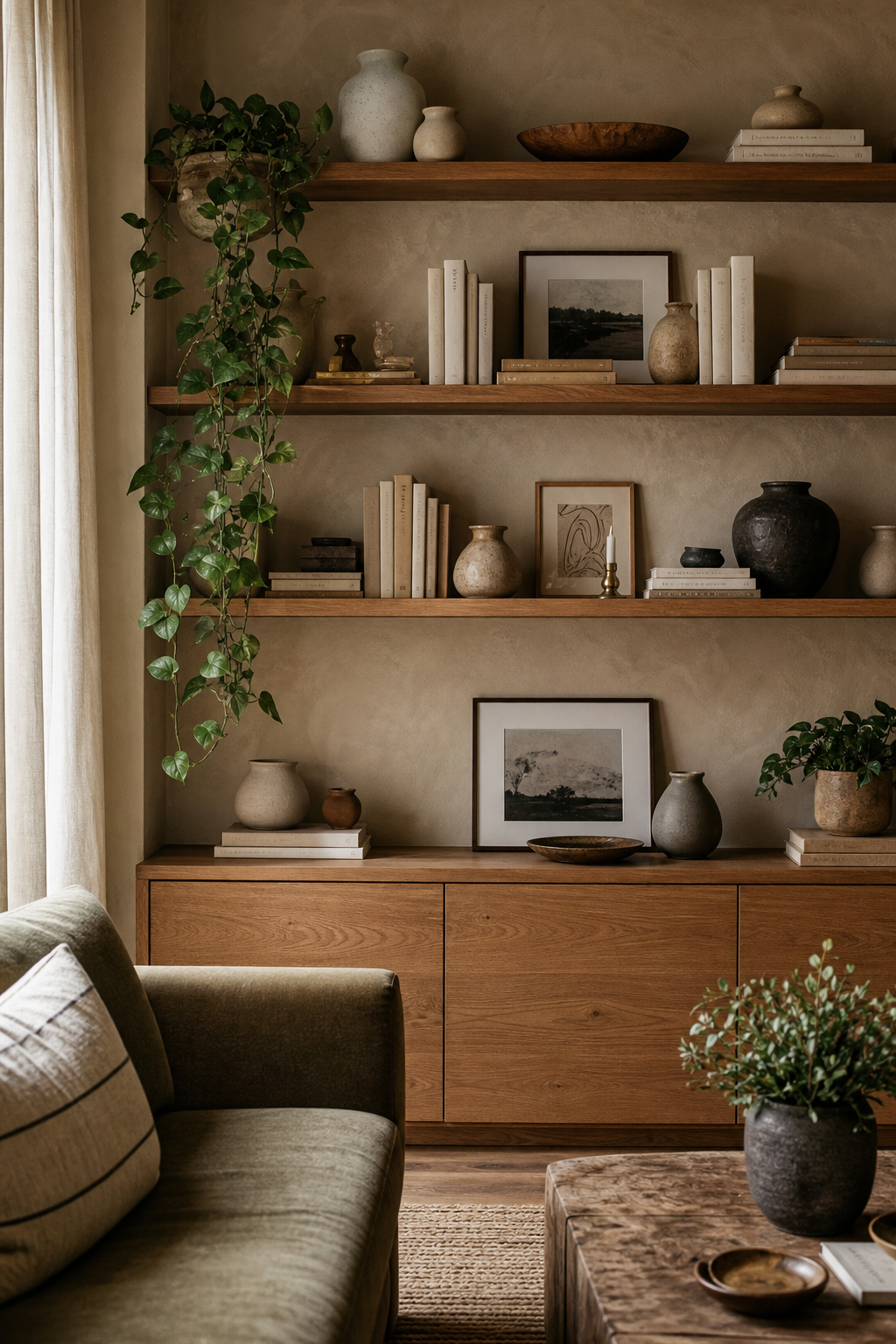
Shelves look more aesthetic when they are treated as composition rather than storage. Start by removing anything that feels visually noisy, then rebuild with a mix of vertical books, low bowls, framed art, ceramic vessels, and greenery. Leave open space around the objects so each shape can be seen. A good shelf has rhythm: tall beside short, matte beside glossy, dark beside pale. Keep book spines mostly neutral or turn a few around if the colors fight the room. Plants and branches help relax the arrangement, but one trailing plant is usually stronger than several tiny pots. The final result should feel personal, not staged, with room for the eye to rest.
Create a Reading Chair Moment
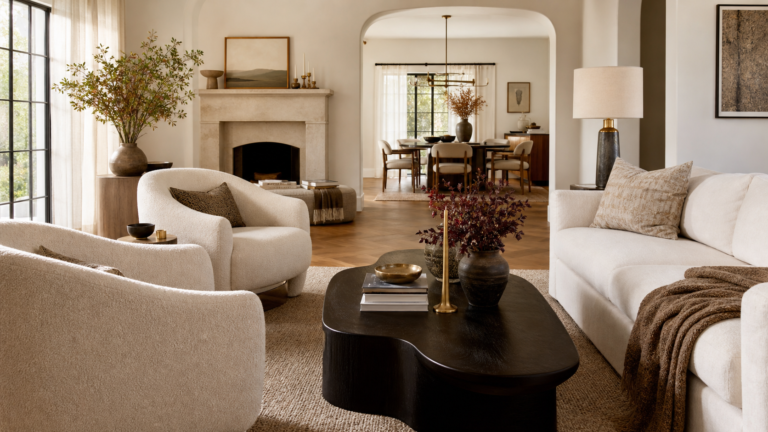
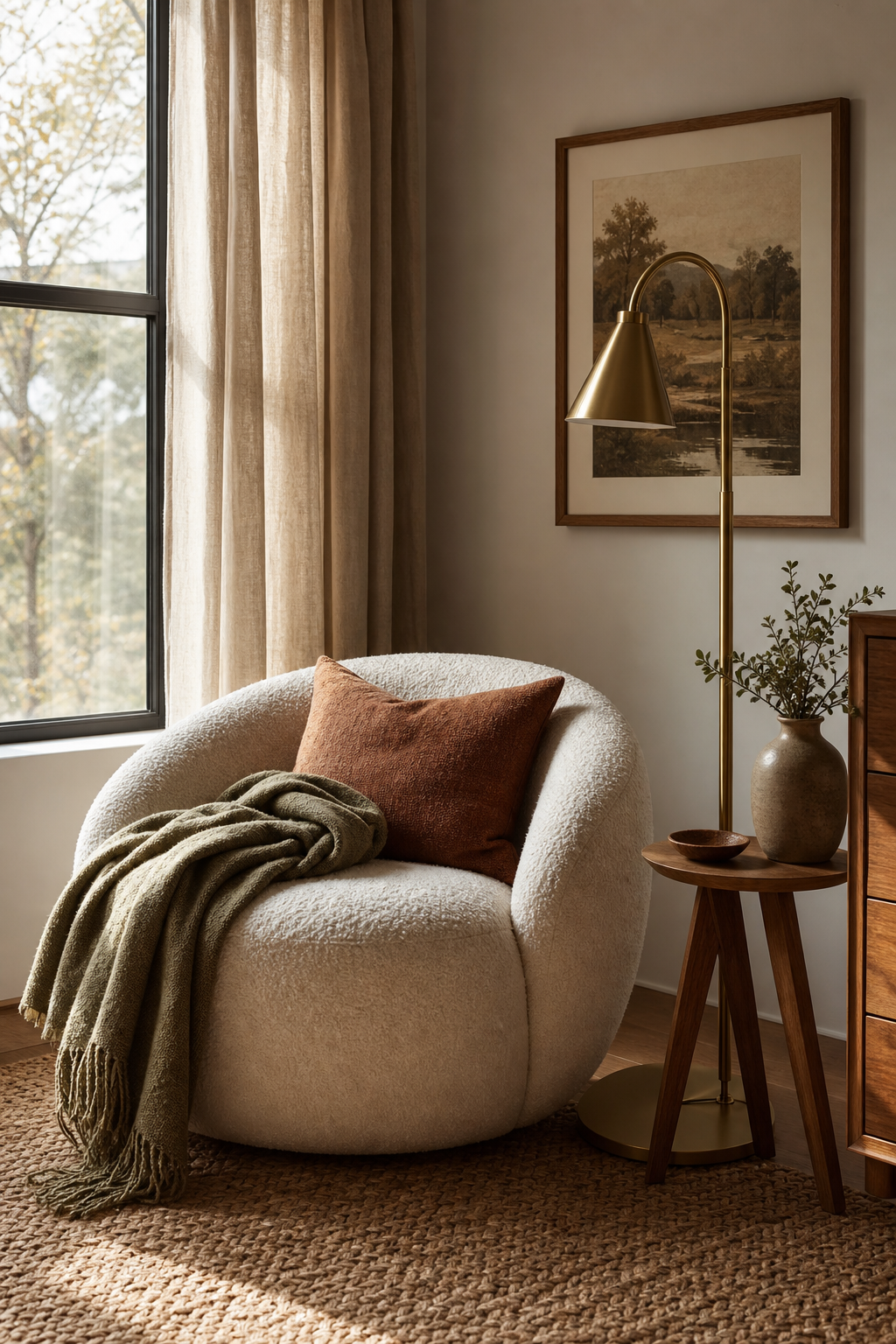
A single chair can change the mood of a room if it is given a real purpose. Place it near natural light, add a slim floor lamp, and include a small table that can hold a book, tea, or a candle. Boucle, linen, velvet, or a softly textured weave will make the corner feel inviting without overwhelming the room. The chair does not have to match the sofa; in fact, a slightly different fabric or muted color often makes the space feel more collected. Anchor it with a small rug or let it sit partly on the room rug so it feels connected. This is an easy refresh because it adds function and atmosphere at once.
Layer Rugs for Instant Depth
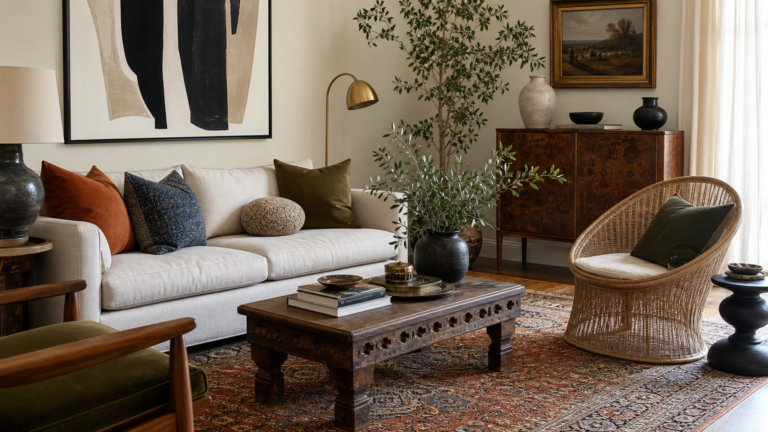
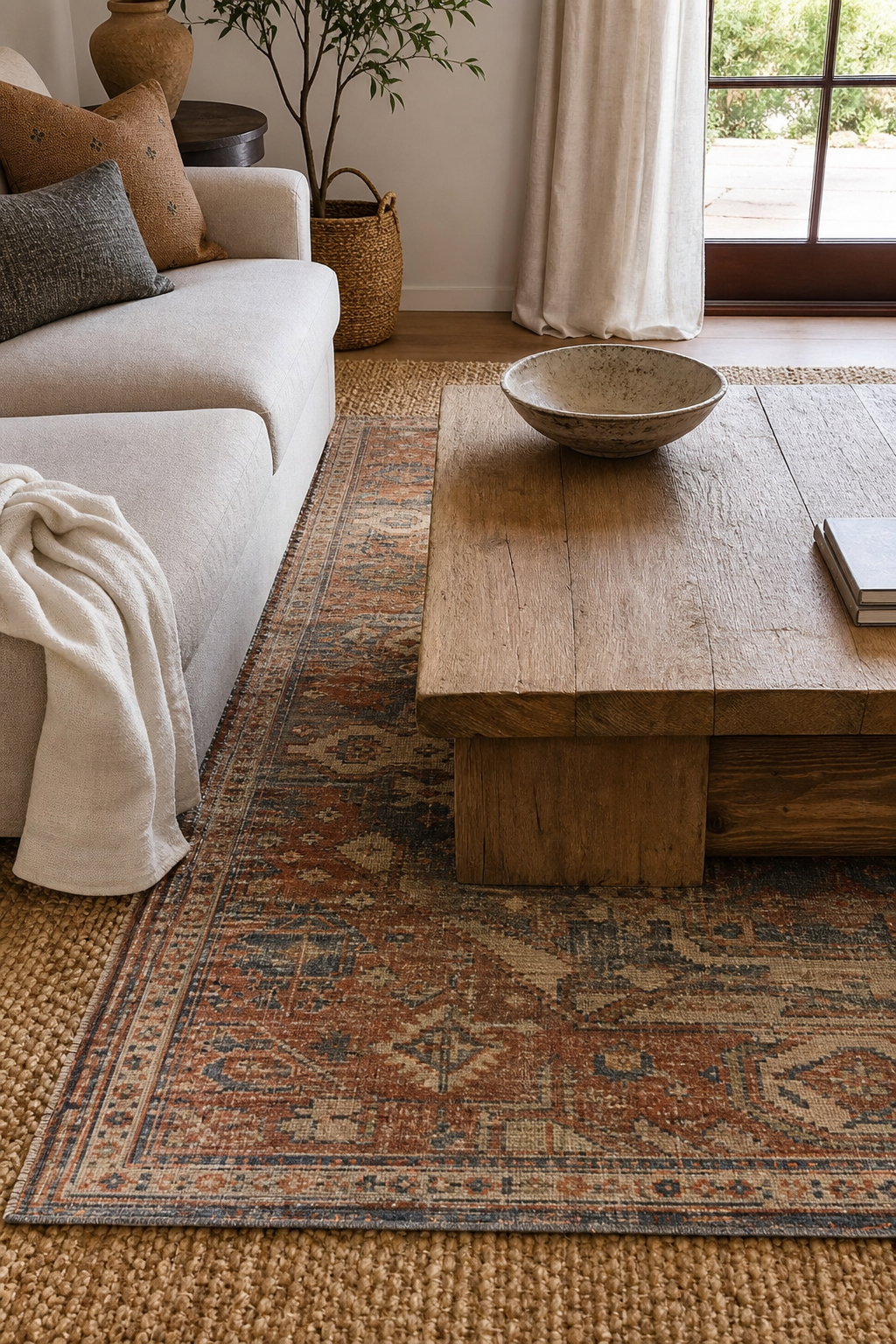
Layered rugs can make a room feel warmer and more designed, especially when the furniture already feels simple. Use a natural fiber rug as the base for texture and scale, then place a vintage-inspired or softly patterned rug on top for color and personality. The top rug should relate to at least one accent in the room, such as a pillow, artwork, or wood tone. Avoid high contrast patterns if the room is meant to feel restful. A low coffee table helps hold the layers together visually. This idea works well in living rooms, bedrooms, and reading corners because it adds softness underfoot while making the layout feel more intentional.
Refresh the Wall With Art You Actually Love
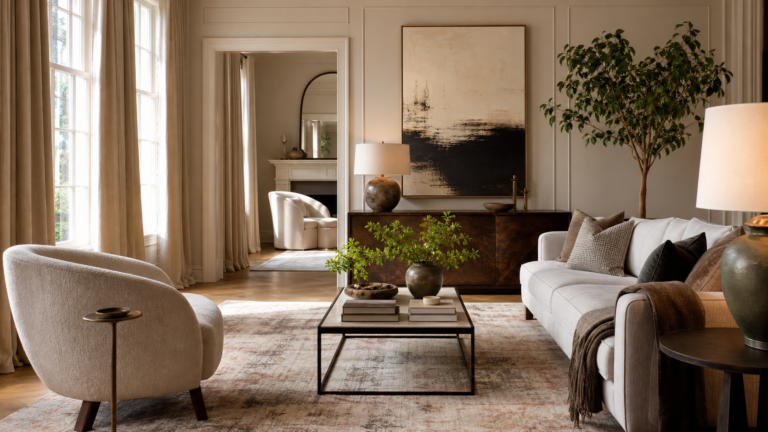
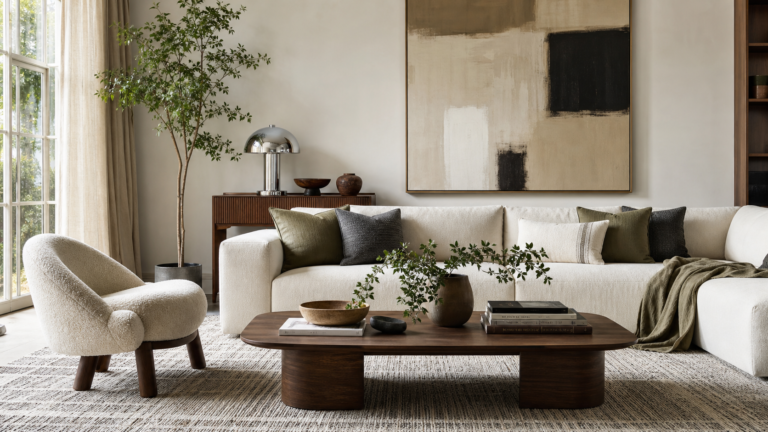
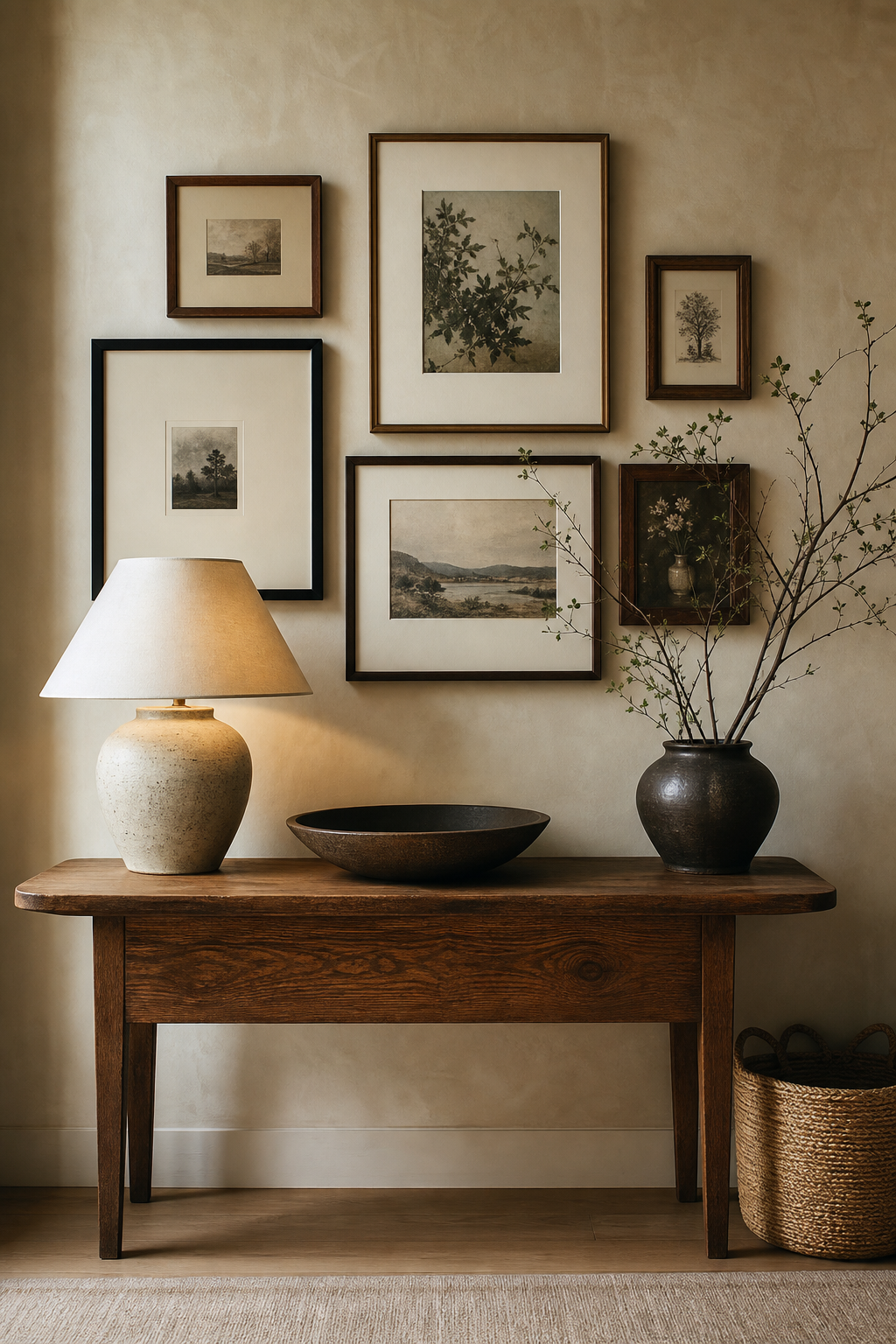
Art is one of the fastest ways to change a room, but it works best when the scale is right. Above a console, sofa, or bed, choose either one large piece or a small group with enough shared tone to feel connected. Mix frame finishes carefully: oak, black, and antique brass can work together when the art itself stays quiet. Avoid hanging everything too high; most rooms look better when art relates to the furniture below it. A console table beneath the arrangement can carry a lamp, bowl, and branches so the wall becomes a complete moment. The goal is a room that feels lived in and personal, not decorated from a single set.
Let Linen Curtains Change the Light
Curtains affect more than privacy. They change how light enters the room, how tall the windows feel, and how soft the space sounds. For an aesthetic refresh, hang linen or linen-blend panels high and wide so the fabric frames the window instead of covering it. A sheer layer can filter glare during the day, while heavier panels add warmth in the evening. Choose a color close to the wall for a calm effect, or a slightly deeper flax tone for gentle contrast. Hardware matters too: slim brass, bronze, or black rods feel finished without drawing too much attention. This one change can make even simple furniture look more elevated.
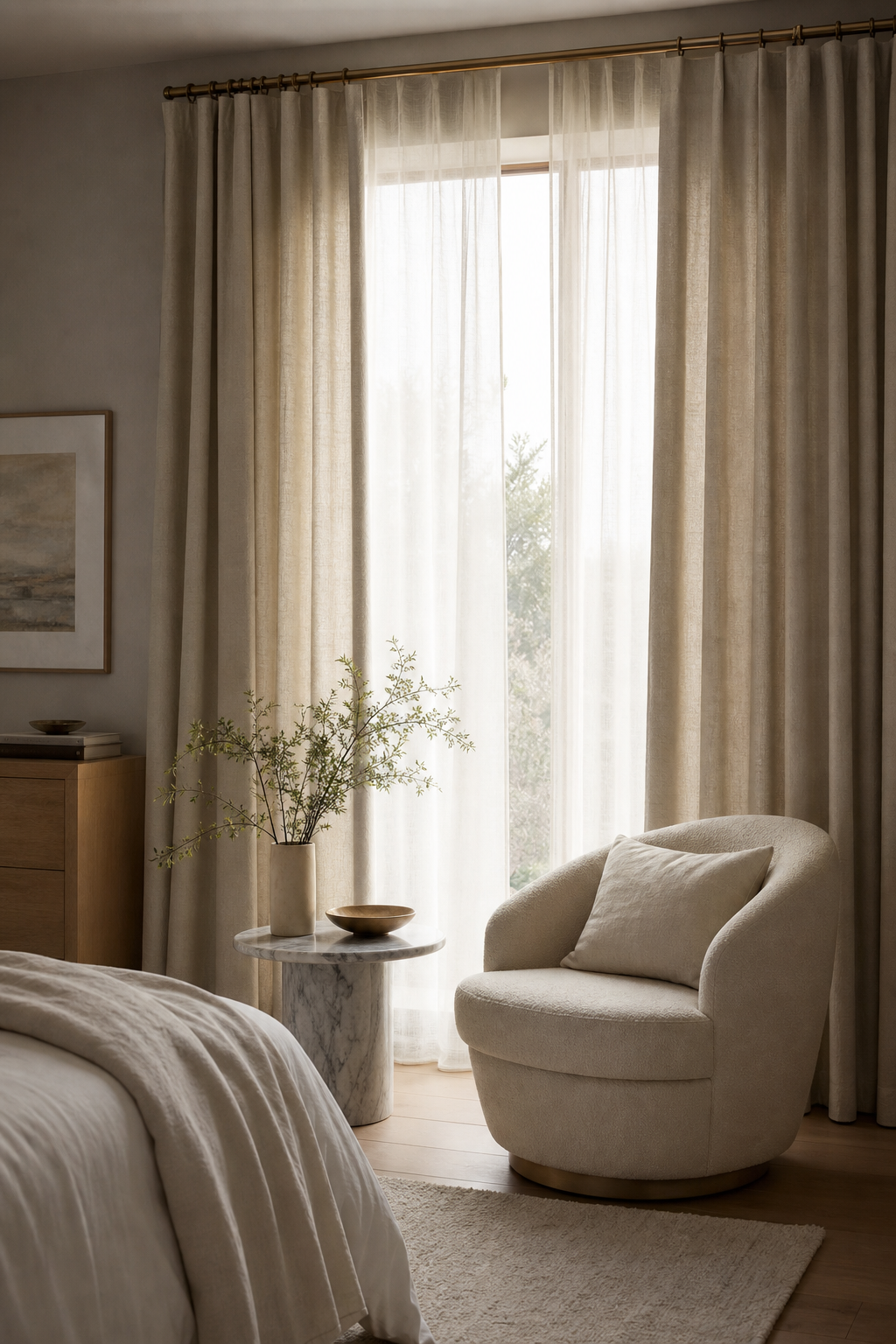
Use One Muted Accent Color
Aesthetic rooms often work because the color palette is disciplined. Instead of adding many bright accents, choose one muted color and repeat it lightly. Sage, rust, clay, dusty blue, olive, or warm ochre can bring life to a neutral room without making it feel busy. The color might appear on a chair, pillow, vase, or art detail, then echo once more somewhere smaller. Keep the surrounding furniture and textiles quieter so the accent feels deliberate. This approach is especially useful when you want a home refresh but do not want to repaint or replace large pieces. One thoughtful color can shift the entire mood.
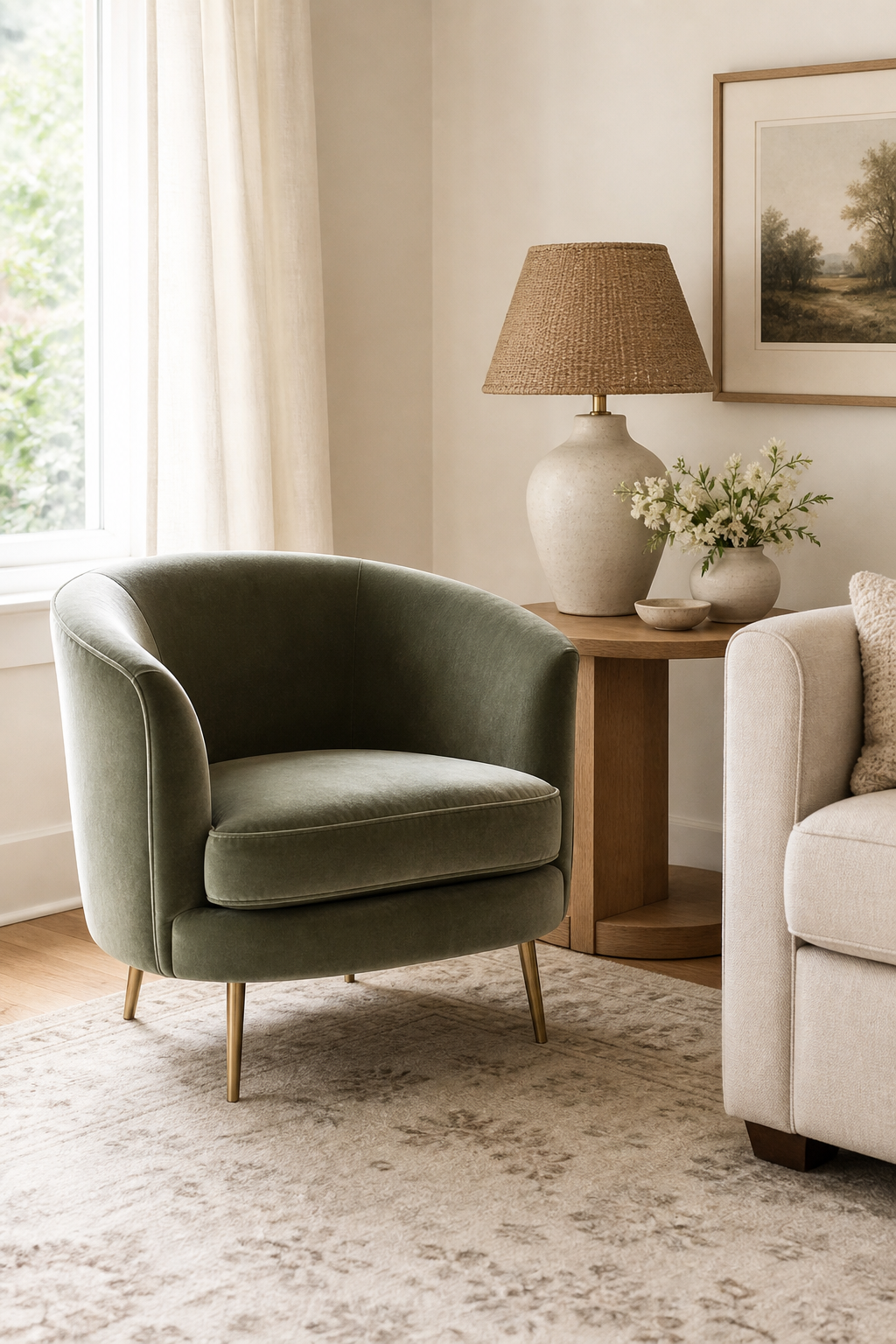
Edit the Nightstand Like a Tiny Still Life
A nightstand is small, which is why clutter shows quickly. Treat it like a tiny still life with one lamp, one organic element, one tray or dish, and only the books or objects you truly use. A pleated shade, ceramic base, or warm wood surface adds enough texture that the arrangement does not need much else. Keep the height of the lamp in proportion to the bed and headboard; tiny lamps often make a bedroom feel unfinished. If you need storage, choose drawers instead of an open table. A calm nightstand makes the whole room feel fresher because it removes visual noise from the place closest to rest.
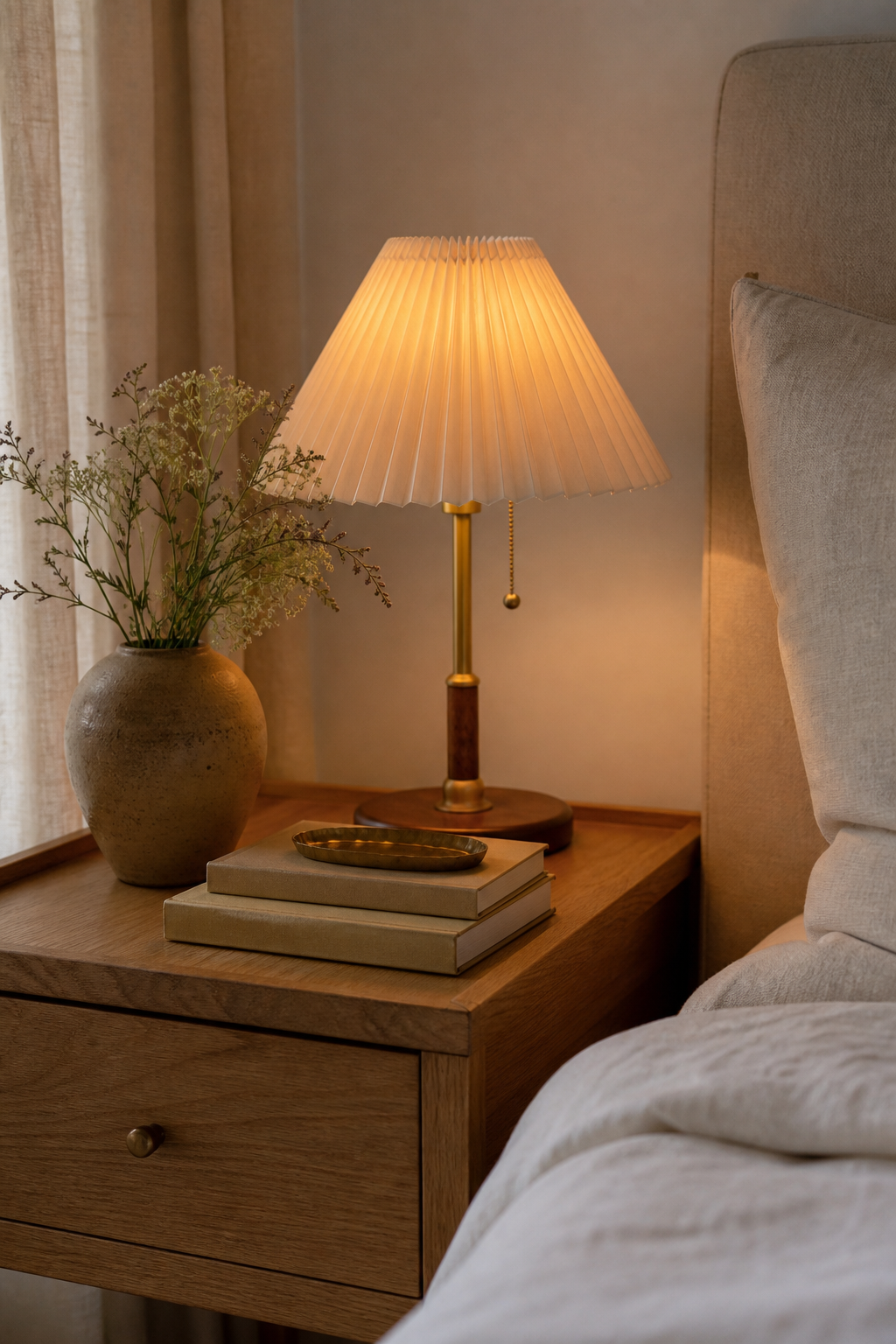
Bring In Plants With Sculptural Planters
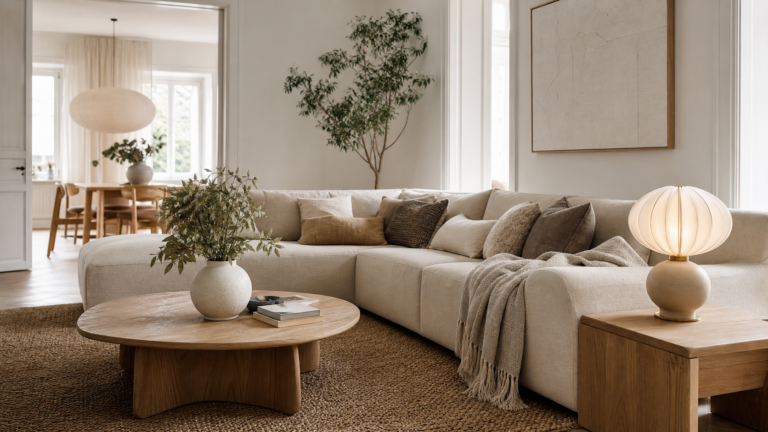
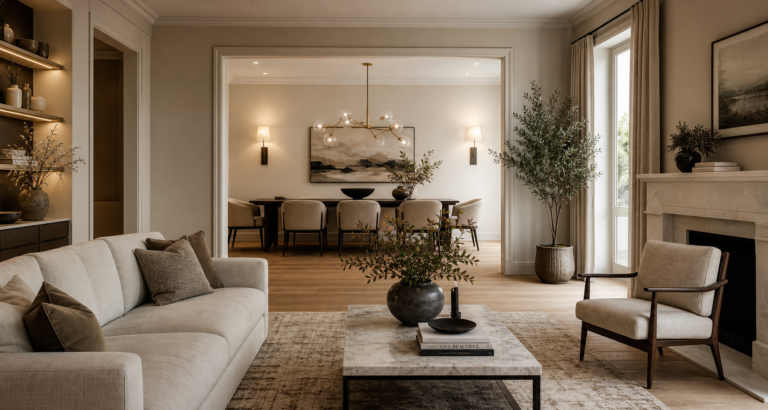
Plants refresh a room immediately, but the planter is part of the design. Choose clay, stone, ceramic, or woven textures that suit the room instead of leaving plants in nursery pots. One larger plant often looks more polished than several small ones scattered around. An olive tree, rubber plant, ficus, or trailing pothos can add movement and soften hard corners. Place greenery where it receives the right light and where its shape balances the furniture. In a neutral room, plants add color without requiring a bold palette. Keep the styling simple around them so leaves and branches can become the natural focal point.
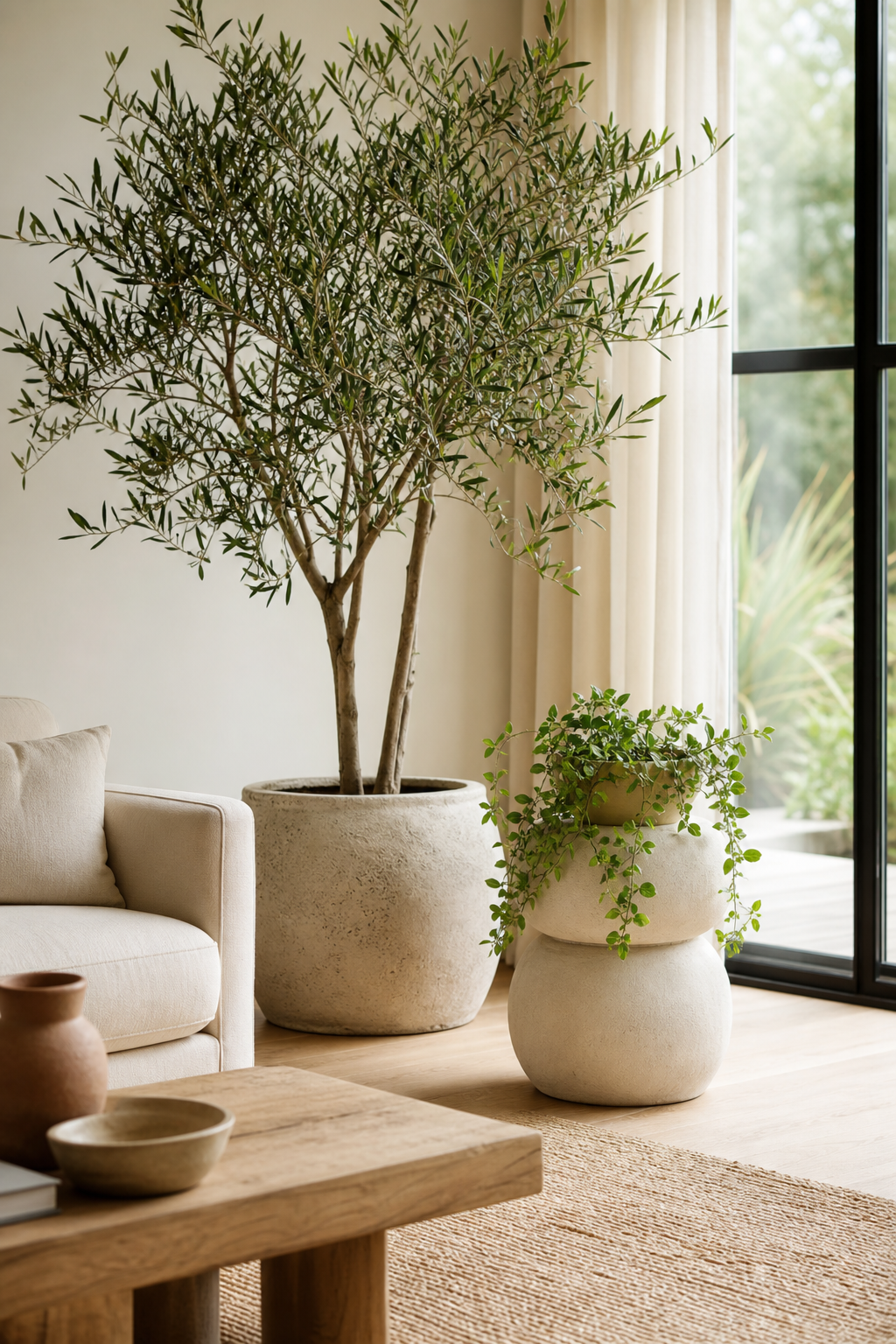
Style a Coffee Table Tray
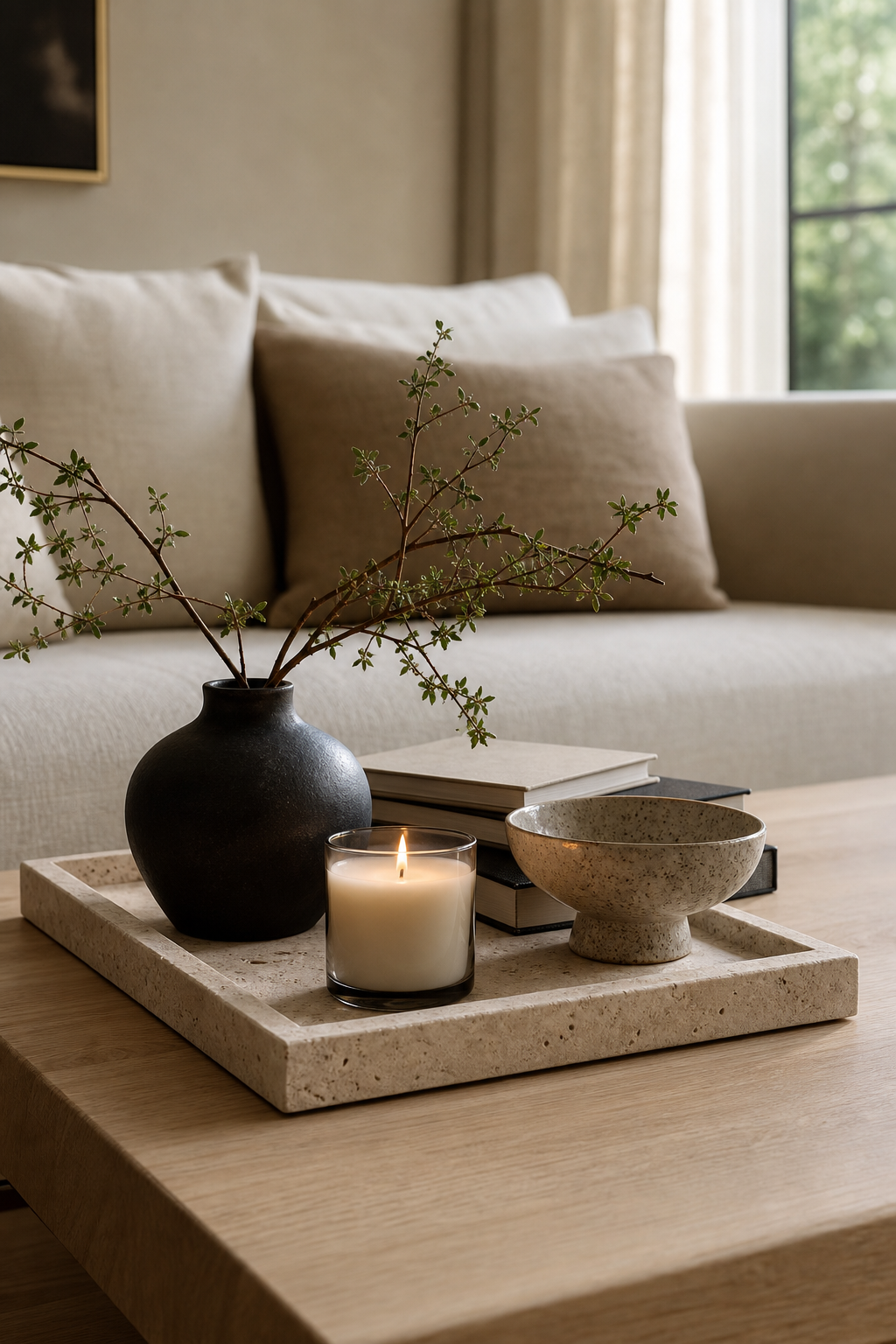
A tray is useful because it gathers small objects into one intentional composition. On a coffee table, try a stone or wood tray with a candle, a low bowl, a small vase, and a short stack of books with quiet covers. Vary the heights so the arrangement feels relaxed rather than flat. Leave enough empty table surface for daily life; a beautiful room still needs space for a cup or remote. If the sofa and rug are neutral, the tray is a good place to bring in black ceramic, travertine, brass, or a green branch. This kind of refresh is small, affordable, and surprisingly effective.
Layer Lighting Instead of Relying on Overhead Fixtures
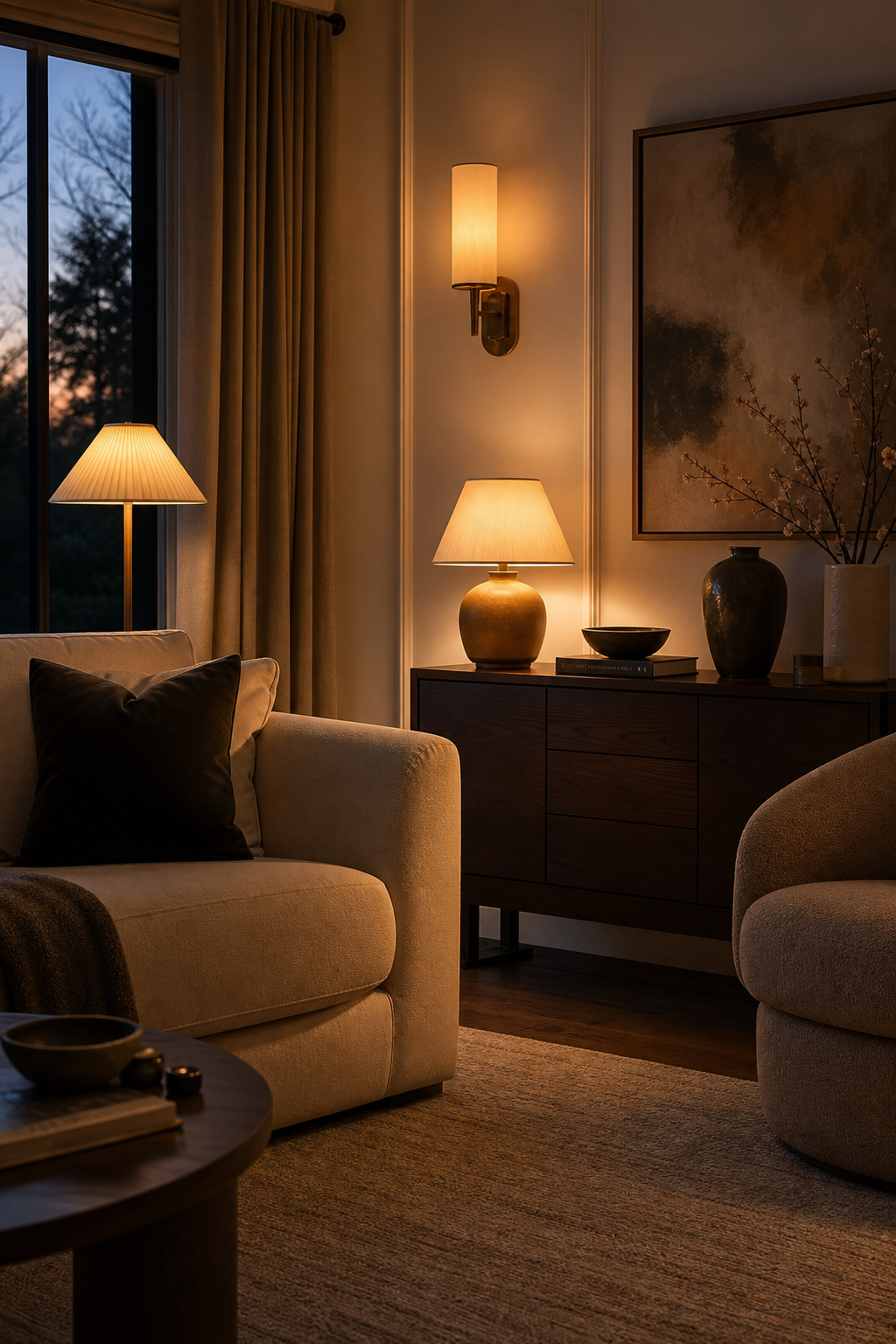
Aesthetic rooms rarely depend on one ceiling light. They feel better because the light comes from several lower sources: a table lamp, a wall sconce, a floor lamp, or a shaded picture light. Warm bulbs and dimmers make the room feel softer in the evening and more flattering at every hour. Think of lighting as zones. A reading corner needs task light, a console needs glow, and a sofa area benefits from a lamp close enough to use. Choose shades that diffuse light rather than expose harsh bulbs. Even without buying new furniture, better lighting can make the room feel warmer, calmer, and more expensive.
Add Texture Before Adding More Decor
When a room feels flat, the answer is often texture rather than more objects. Linen, boucle, velvet, nubby wool, raw wood, woven baskets, and handmade ceramics all add depth without clutter. Try a chunky throw over bedding, velvet pillows on a simple sofa, or a ribbed vase on a plain table. Keep the palette close so the textures do the work. This makes the room feel layered but still restful. Texture is also practical because it softens sound and makes a space more comfortable to use. Before buying decorative pieces, ask whether the room needs something tactile, something matte, or something with a natural irregular edge.
Refresh a Desk So It Feels Calm
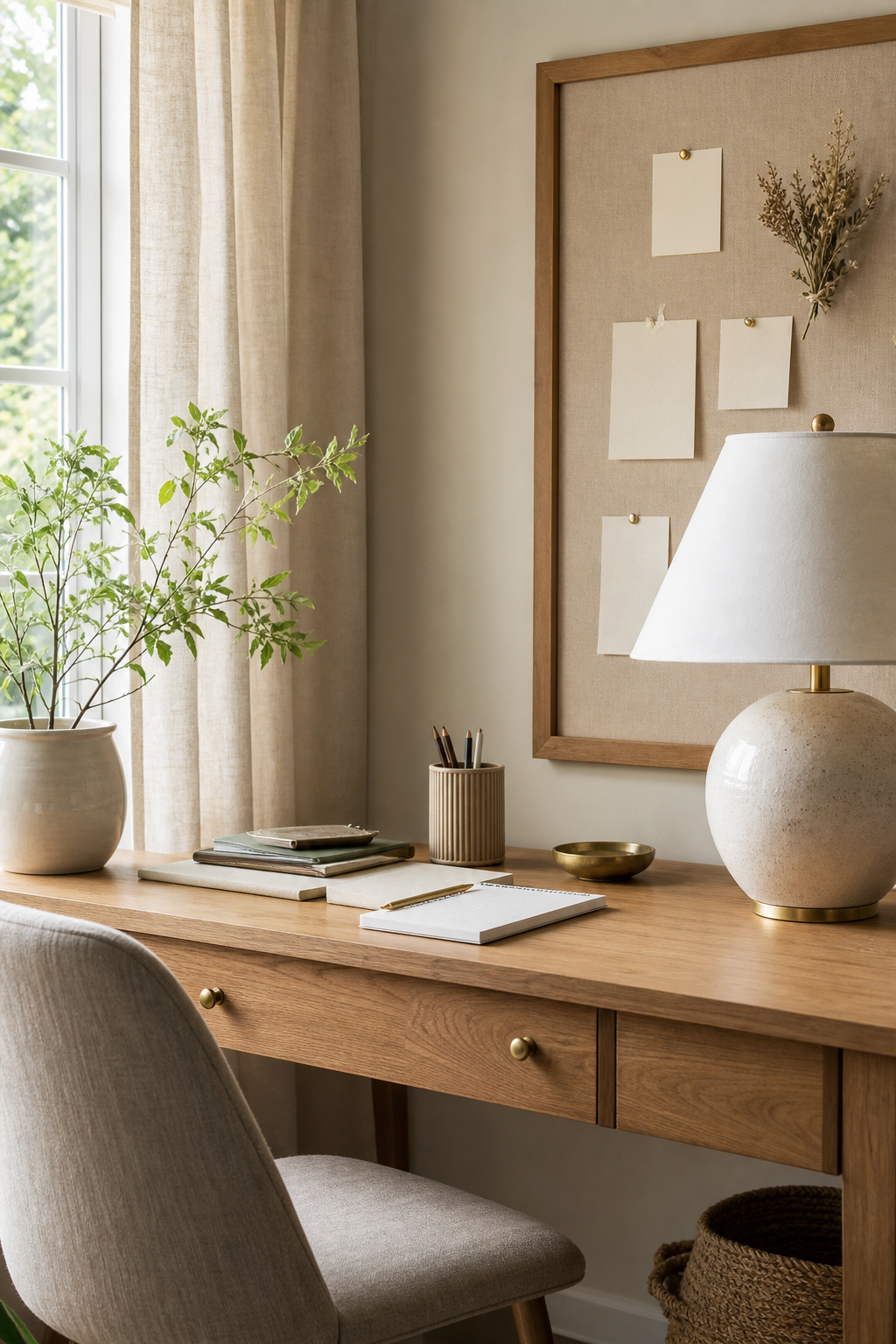
A desk can be part of an aesthetic room if it is edited like the rest of the home. Start with a clean surface, then add a lamp, a small plant or branch, a pencil cup, and a tray for daily papers. Hide cords and avoid letting office supplies spread across the room. A fabric pinboard with mostly blank notes or tonal inspiration can look softer than a busy bulletin board. Choose an upholstered chair if the desk sits in a bedroom or living area. Natural light helps, but a warm lamp is essential for evenings. The goal is a workspace that supports focus without making the room feel like an office.
Use a Mirror to Borrow Light
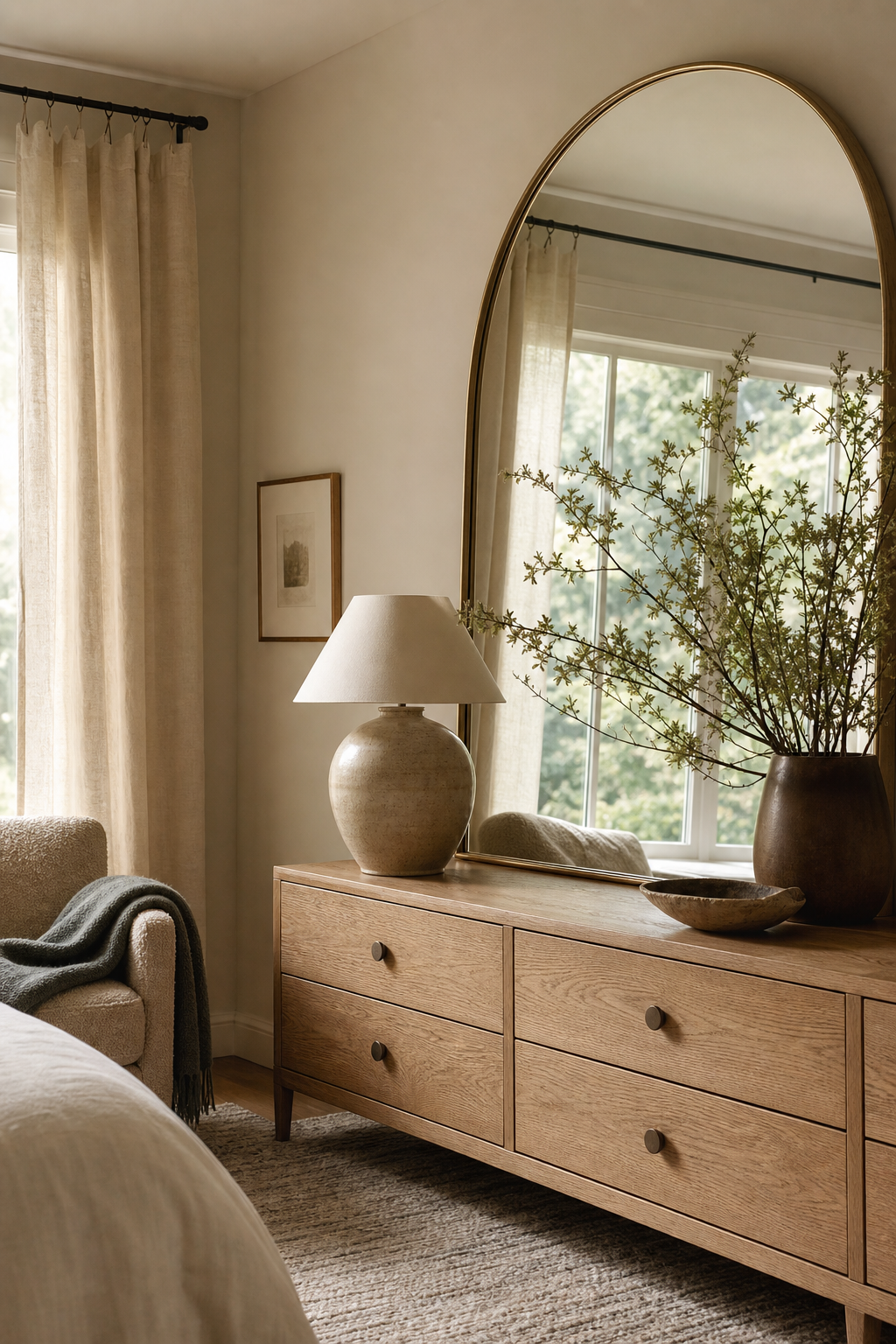
A mirror can refresh a room by moving light around and adding height. An oversized arched mirror above a dresser, console, or mantel feels softer than a sharp rectangle, while a simple round mirror can break up too many straight lines. Place it where it reflects a window, art, greenery, or a calm part of the room rather than clutter. The frame should relate to other finishes, such as brass, oak, black, or aged bronze. Keep the surface below the mirror styled lightly with a lamp, branches, and one bowl. When used thoughtfully, a mirror makes the room feel brighter and more spacious without adding visual noise.
Leave More Empty Space Than You Think
A room refresh is not only about adding things. Often, the most aesthetic change is editing the layout so the best pieces have space around them. Pull furniture slightly away from walls when possible, clear pathways, and remove small items that do not support the mood of the room. A sofa, one accent chair, a table, a lamp, a plant, and one strong artwork may be enough. Empty wall and floor space makes texture, shape, and light more noticeable. It also makes a room easier to live in. Before buying anything new, try removing five objects, straightening the layout, and letting the room breathe for a day.
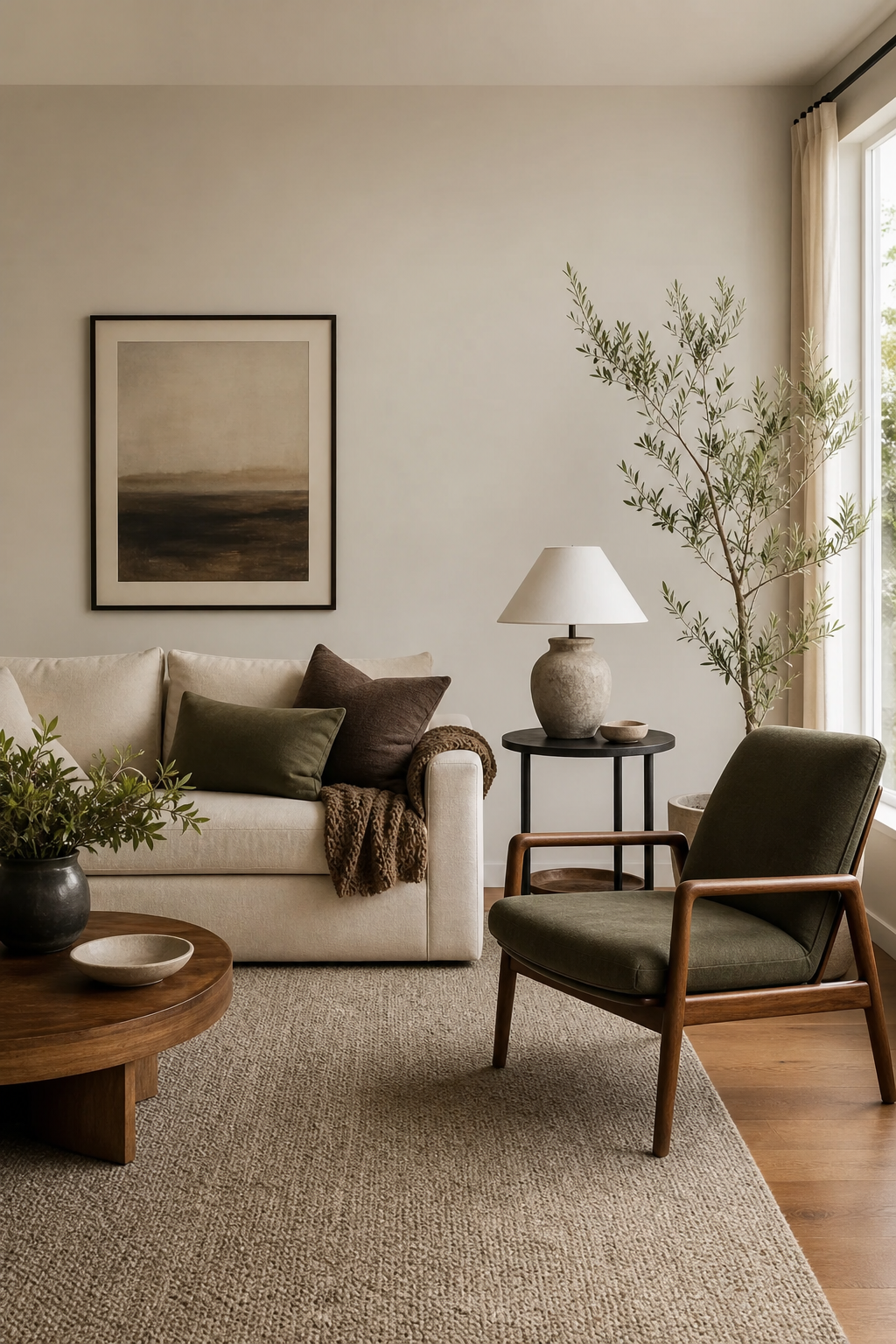
The most beautiful room refreshes usually come from editing before adding. Better lighting, softer textiles, cleaner surfaces, natural materials, and a few thoughtful focal points can shift the whole atmosphere of a home. Choose the idea that solves the biggest visual irritation first, then build slowly. Aesthetic rooms feel effortless when every object has enough space, every texture has a purpose, and the room still works for daily life.