17 Aesthetic Room Decor To Inspire Your Next Home Refresh
Aesthetic room decor works best when it feels collected rather than copied. The goal is not to fill every corner with trends, but to create a room with atmosphere, texture, proportion, and small moments that feel personal. A home refresh can start with one lamp, a better rug size, a quieter palette, or shelves that finally look intentional. These ideas focus on elevated but livable details that can work across bedrooms, living rooms, reading corners, dining nooks, and small apartments. Each one is simple enough to try, but polished enough to change the way the whole room feels.
Build A Palette Before You Shop
Aesthetic rooms feel calm because the colors have been edited before the decorating begins. Choose a base shade, a warm material, and one accent color, then let those three notes guide every purchase. Ivory walls, walnut furniture, and muted sage accessories will feel more intentional than a room filled with unrelated pretty things. If you already own several colors, group them by temperature and remove the piece that feels least connected. The palette does not need to be bland; it needs discipline. Once the colors agree, even inexpensive frames, pillows, candles, and ceramics start to look curated. That small boundary keeps the refresh focused and prevents impulse pieces from diluting the final mood.
Layer Lighting At Three Heights
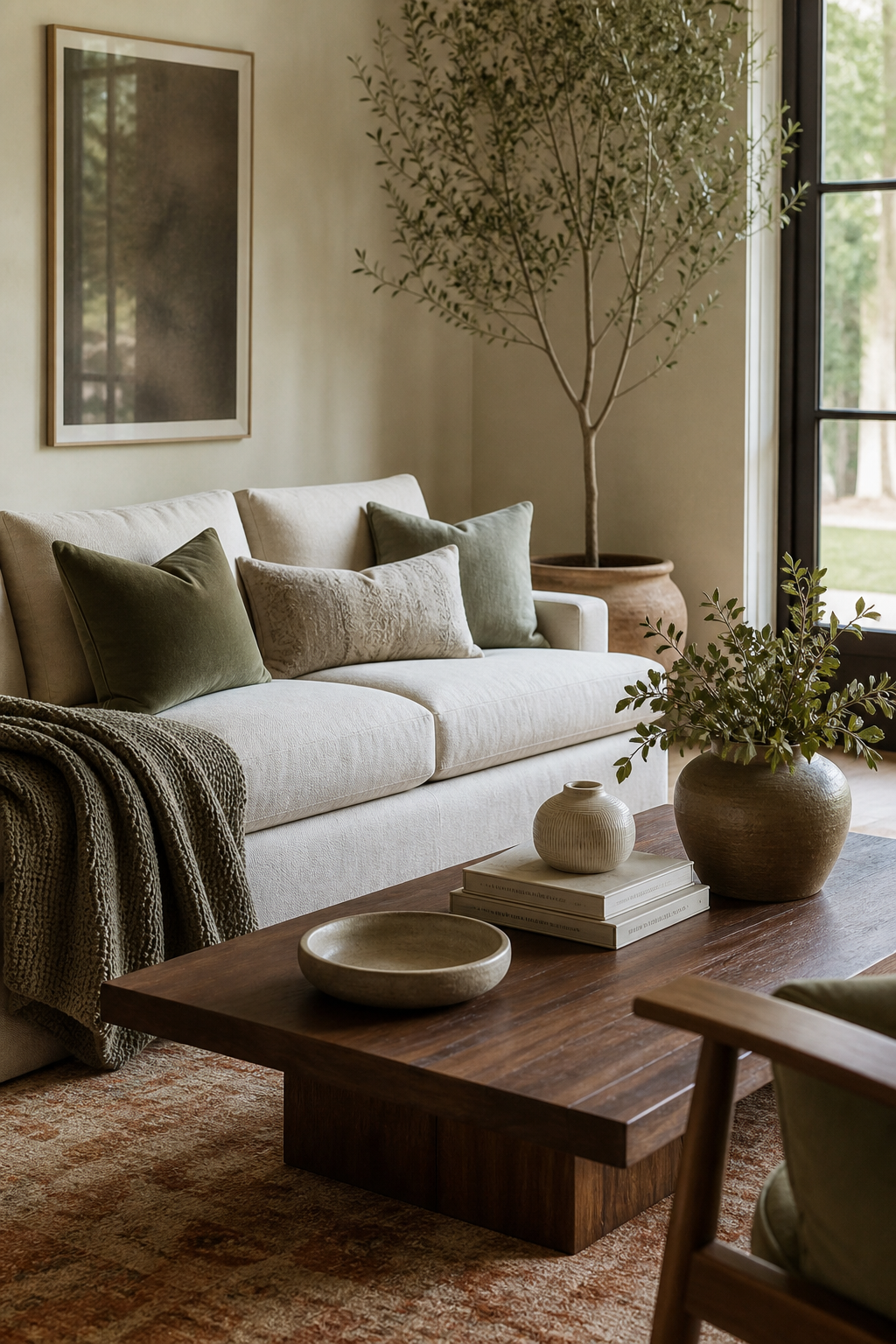
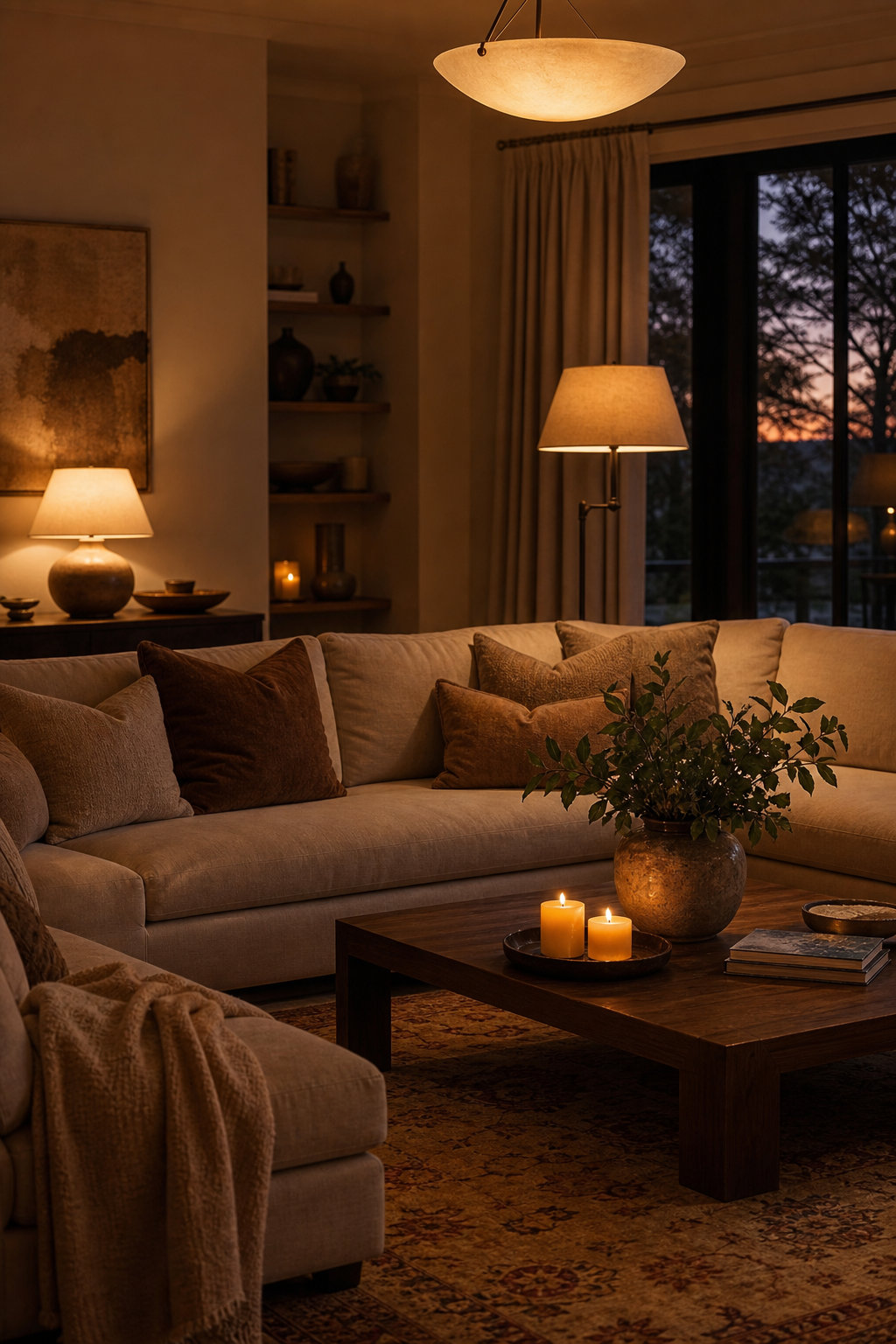
Lighting gives a room its mood long before accessories do. Use three heights whenever possible: overhead light for general brightness, table or floor lamps for the middle layer, and candles or low accent lamps for atmosphere. This keeps the room flattering at night and prevents the flat feeling that comes from one harsh ceiling fixture. Warm bulbs are essential, especially around mirrors, art, and upholstered furniture. Choose lamps with sculptural bases or textured shades so they work as decor even when turned off. A room with layered lighting feels more expensive, softer, and easier to enjoy after sunset. Use dimmers where you can, because control is what makes lighting feel truly luxurious.
Style Shelves With Breathing Room
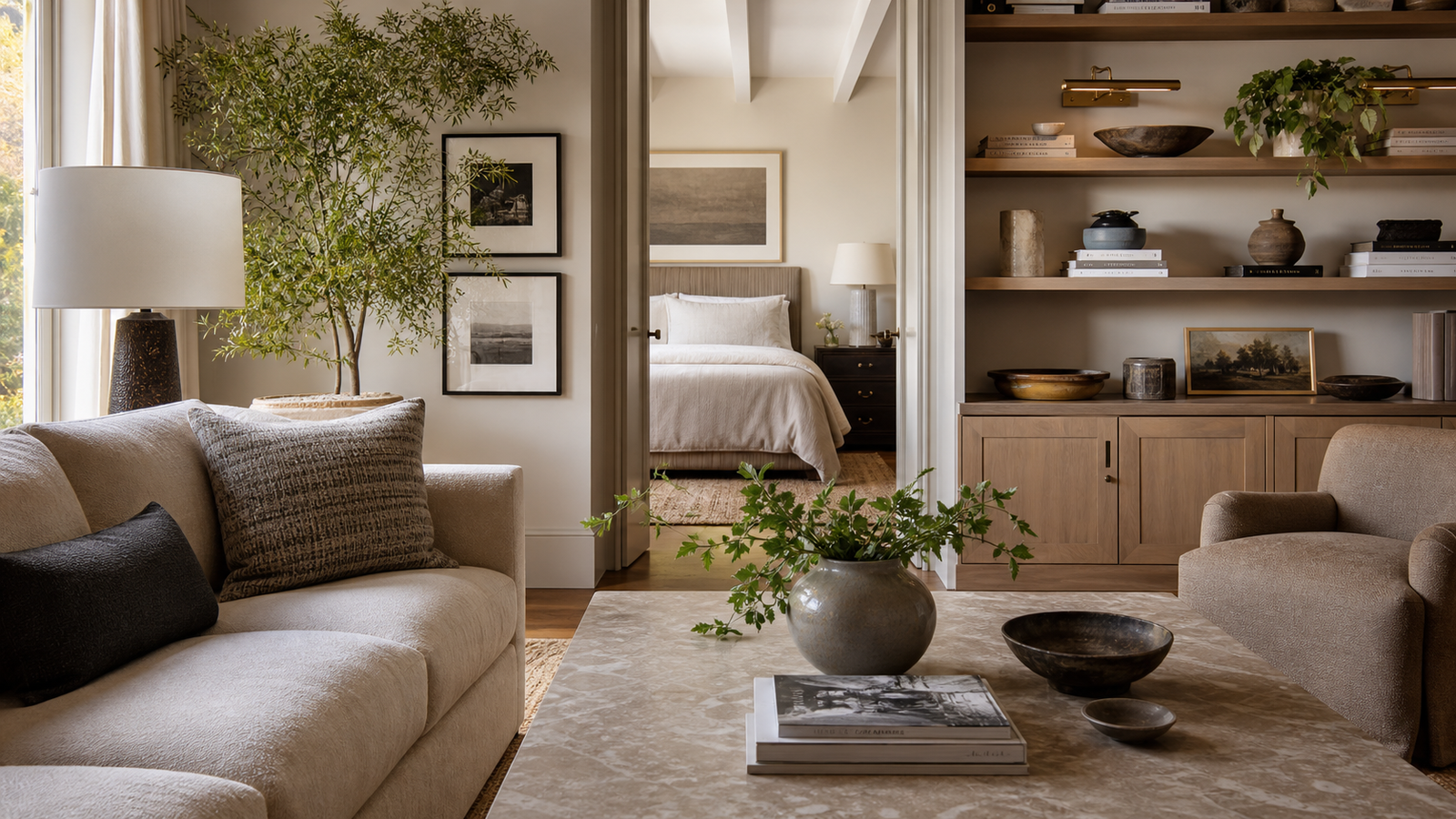
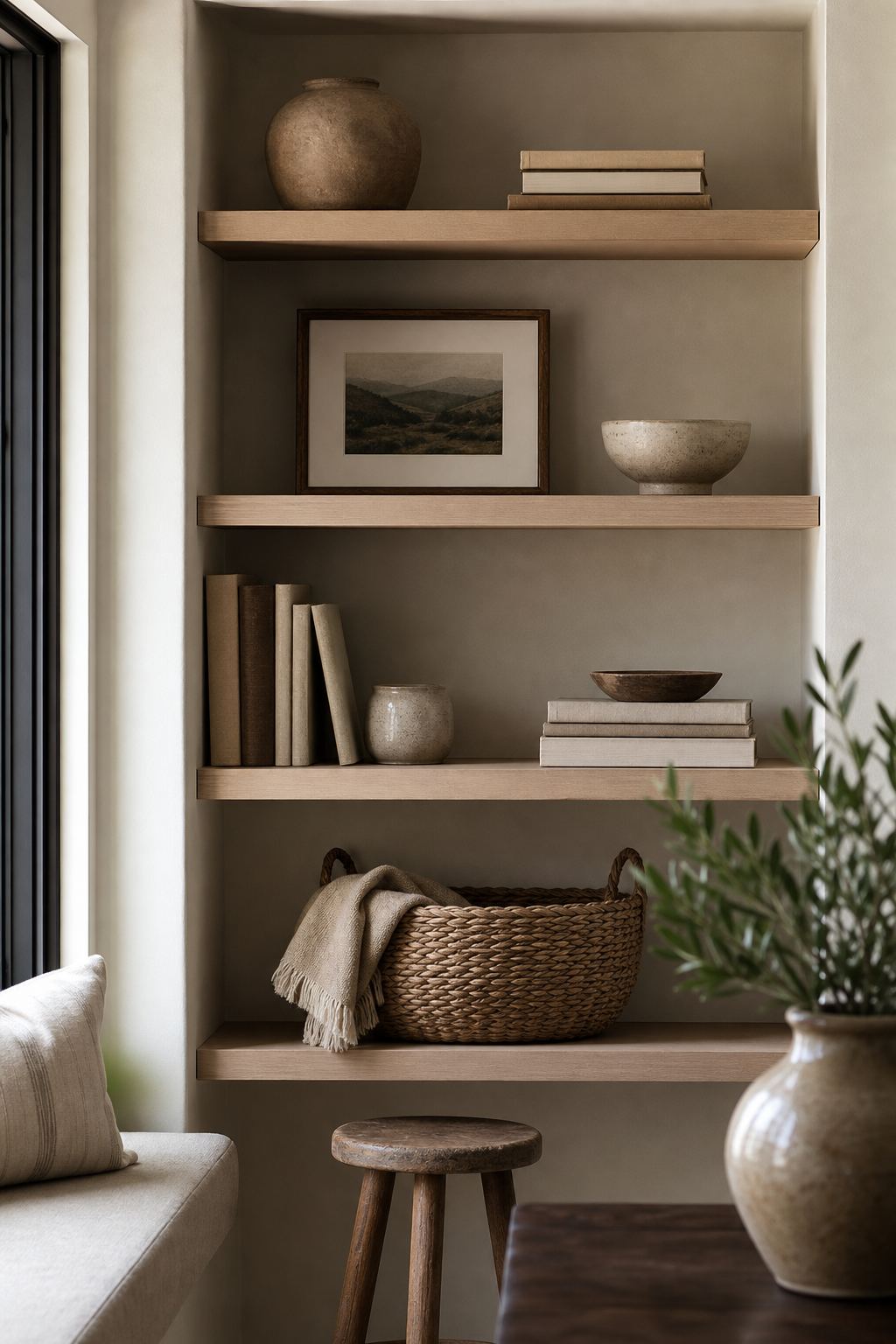
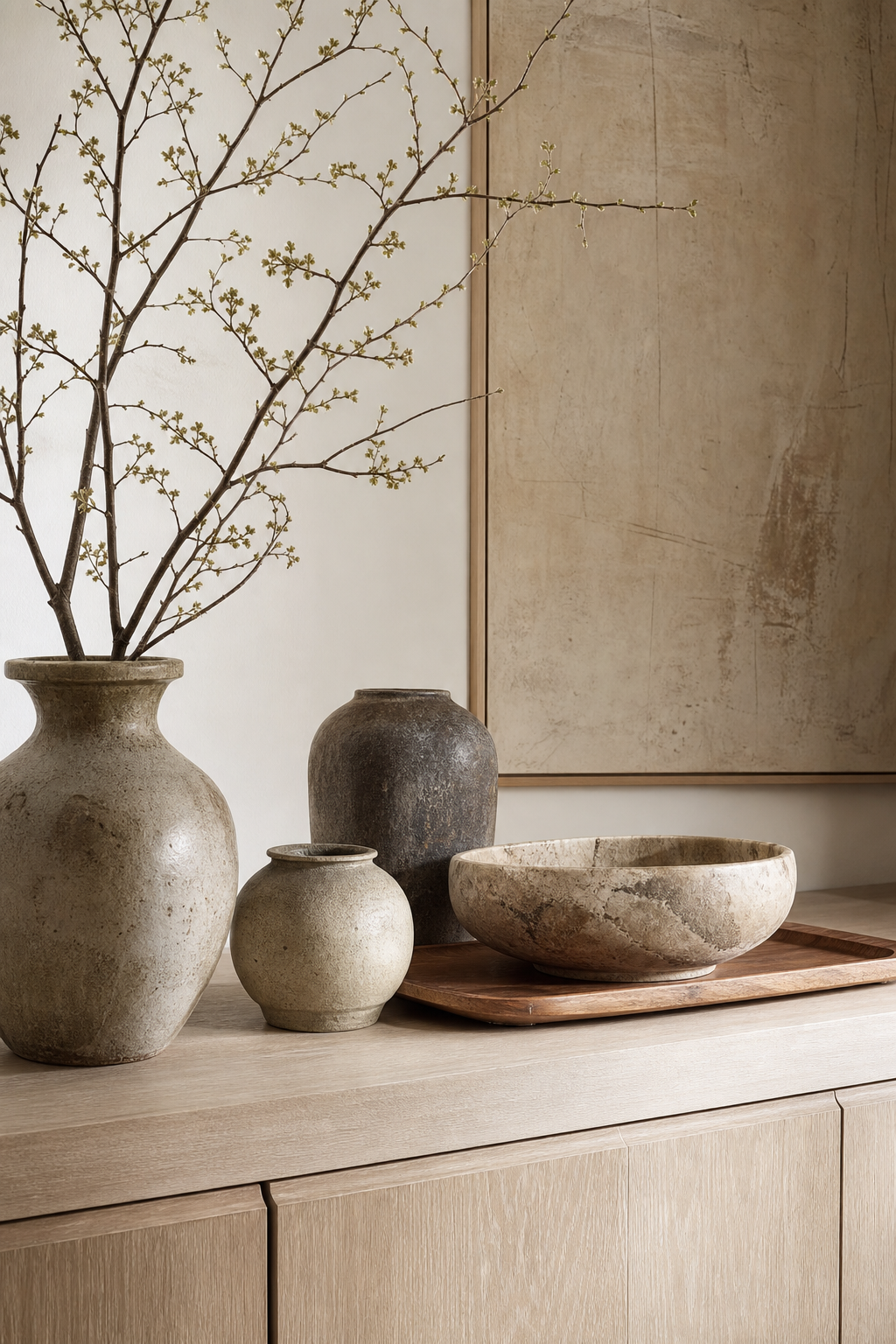
Shelves look more aesthetic when they are allowed to breathe. Start by removing everything, then return pieces in small groups with mixed heights and materials. Stack a few books horizontally, place a ceramic bowl on top, add one framed piece, and leave open space around it. Repeat colors rather than objects so the arrangement feels connected without becoming symmetrical. Avoid lining up many tiny accessories, which can look busy even when each item is beautiful. The most polished shelves usually combine books, art, ceramics, baskets, and one organic element, such as branches or a trailing plant. The empty spaces are as important as the objects because they give the eye somewhere to pause.
Choose One Sculptural Lamp
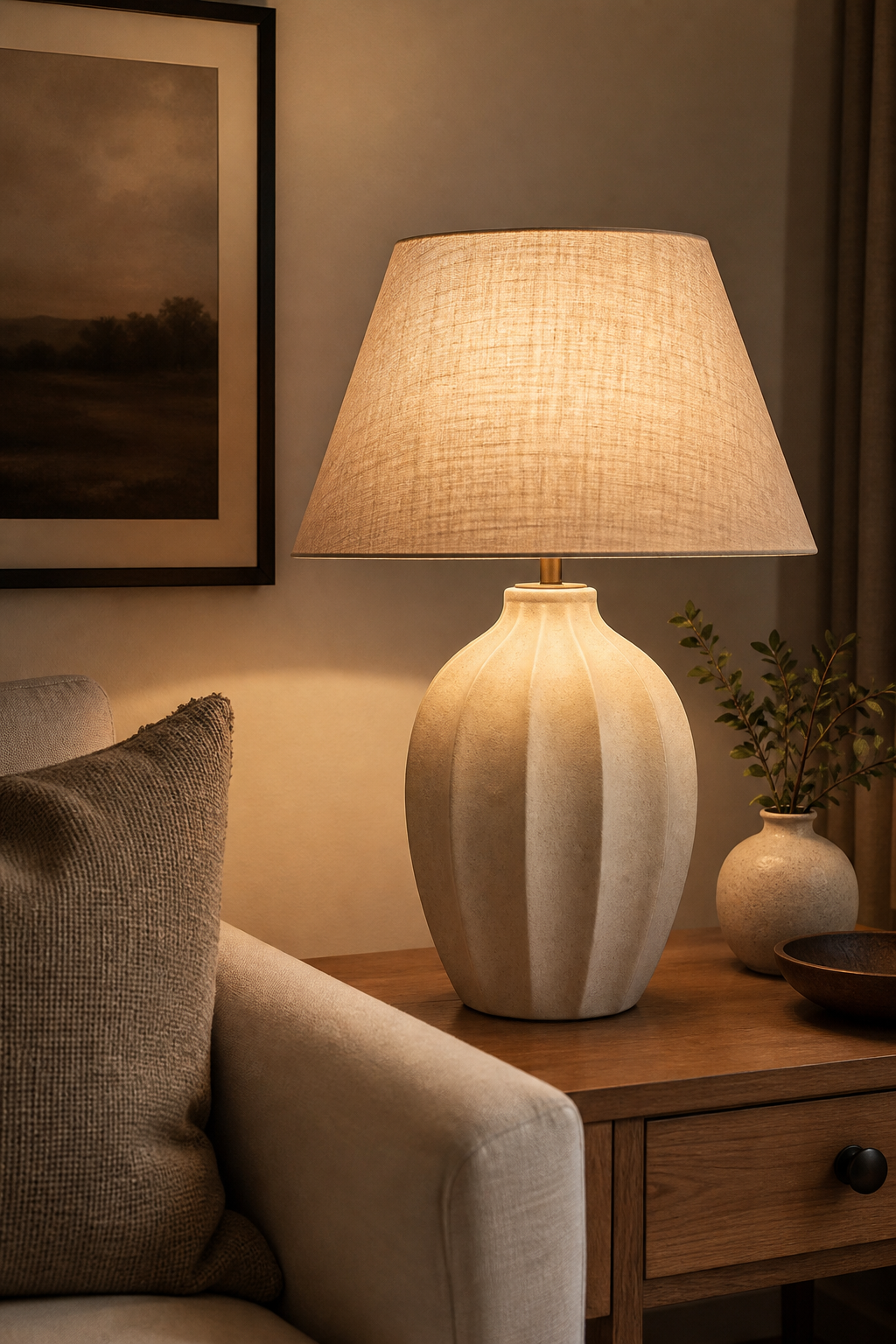
A sculptural lamp can refresh a room faster than a cluster of small accessories. Look for a base with real presence: ceramic, stone, plaster, dark metal, or turned wood. The shade should diffuse light softly and feel proportionate to the table or console beneath it. In a bedroom, one special lamp can elevate a plain nightstand. In a living room, it can anchor a side table beside the sofa. Keep the surrounding styling restrained so the lamp has room to matter. When the shape is strong and the light is warm, the whole corner feels more designed. This is especially helpful in rentals, where lighting can add architecture without any renovation.
Use A Rug To Define The Zone
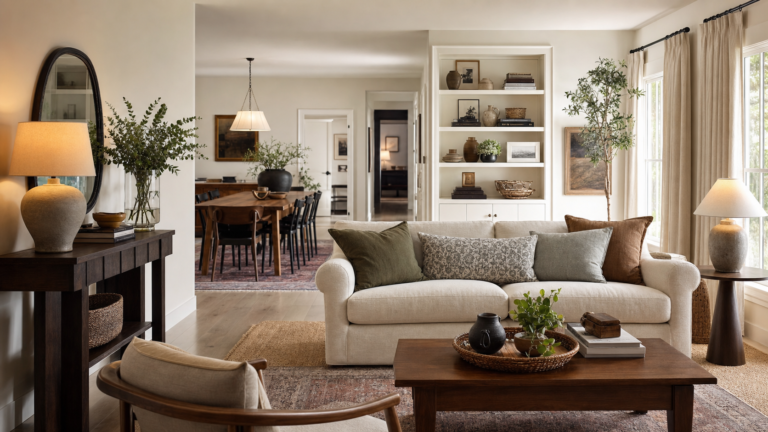
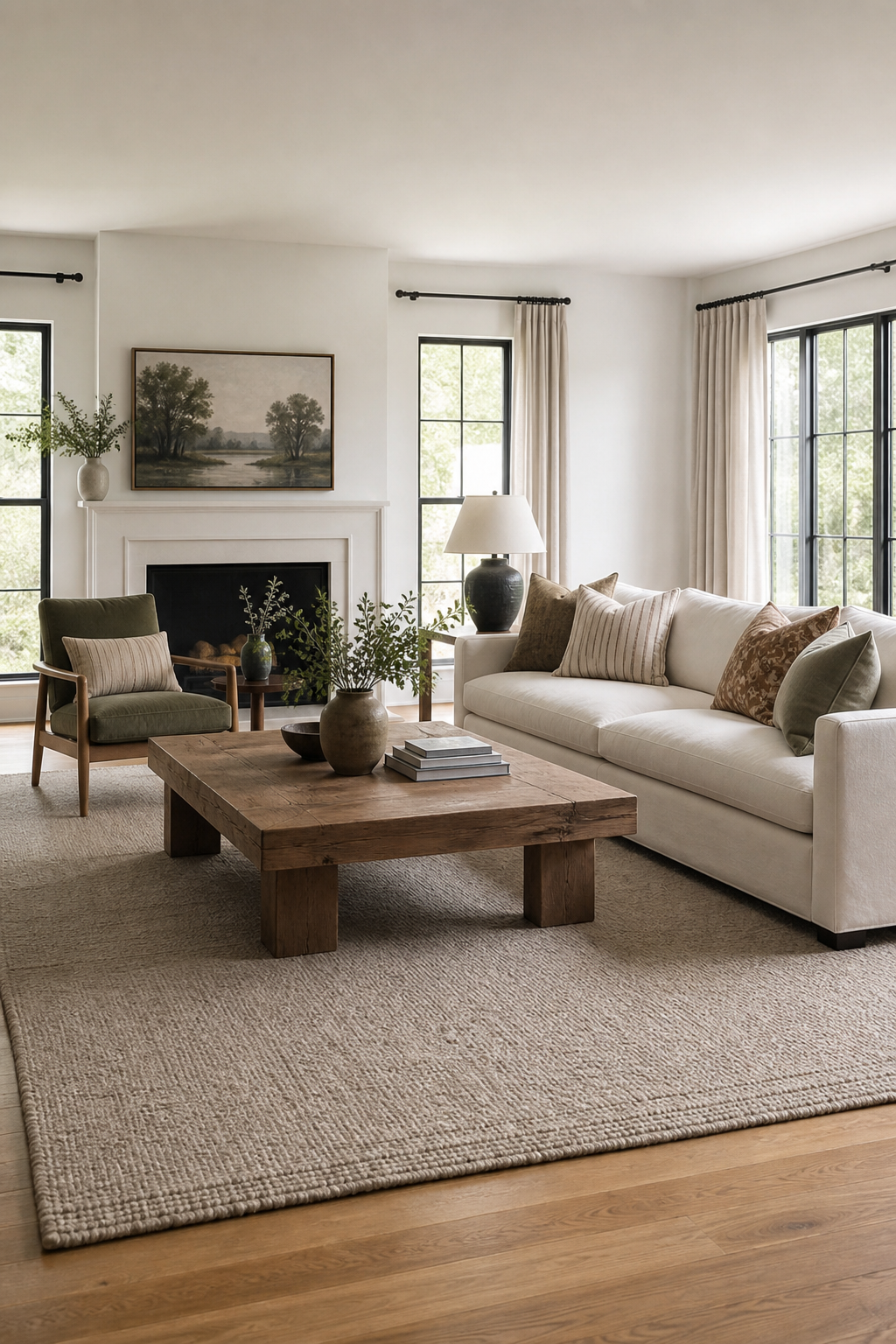
A rug is not only a soft layer; it tells the eye where the room begins and ends. In a living room, the front legs of the sofa and chairs should usually sit on the rug. In a bedroom, the rug should extend beyond the sides of the bed. In a dining nook, chairs should remain on the rug when pulled back. Choose a texture or quiet pattern that supports the palette rather than shouting over it. A properly scaled rug makes furniture look intentional, improves acoustics, and gives the room the grounded feeling that aesthetic decor often needs. It also helps separate functions in open-plan homes where one room serves several purposes.
Make Art Feel Collected
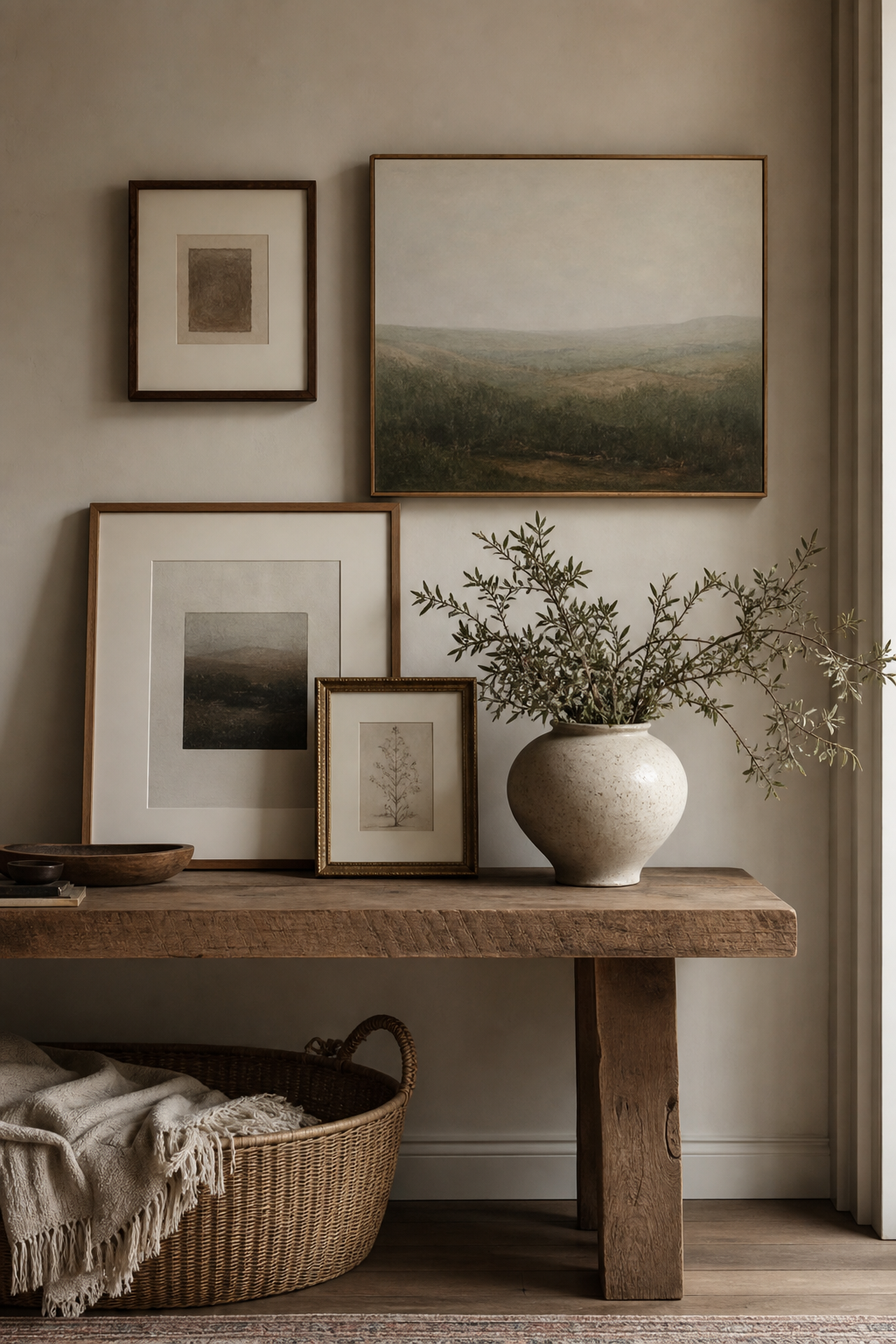
Art should feel like part of the room’s story, not a last-minute attempt to fill the wall. Mix one larger piece with one or two smaller works, or lean framed art casually on a console for a softer look. Choose subjects and colors that echo the room without matching it exactly. A landscape can add depth, an abstract can introduce movement, and a textile piece can bring softness. Keep frames consistent enough to relate, but not so identical that the wall feels store-bought. The best art arrangement adds personality while keeping the room composed. Leave a little imperfection in the mix so the arrangement feels personal rather than showroom perfect.
Add Texture With Textiles
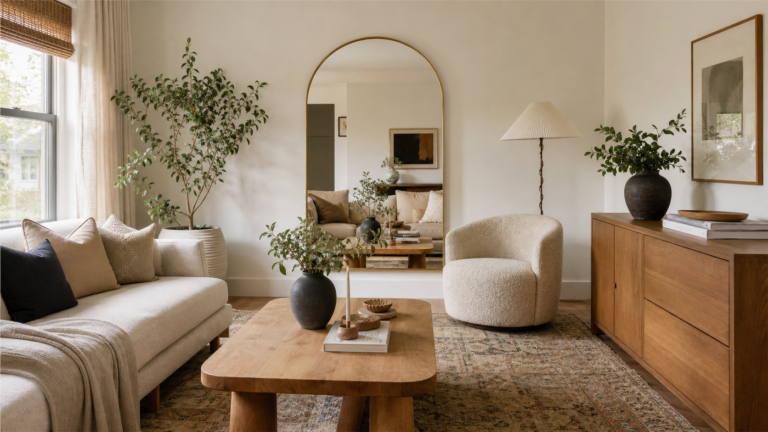
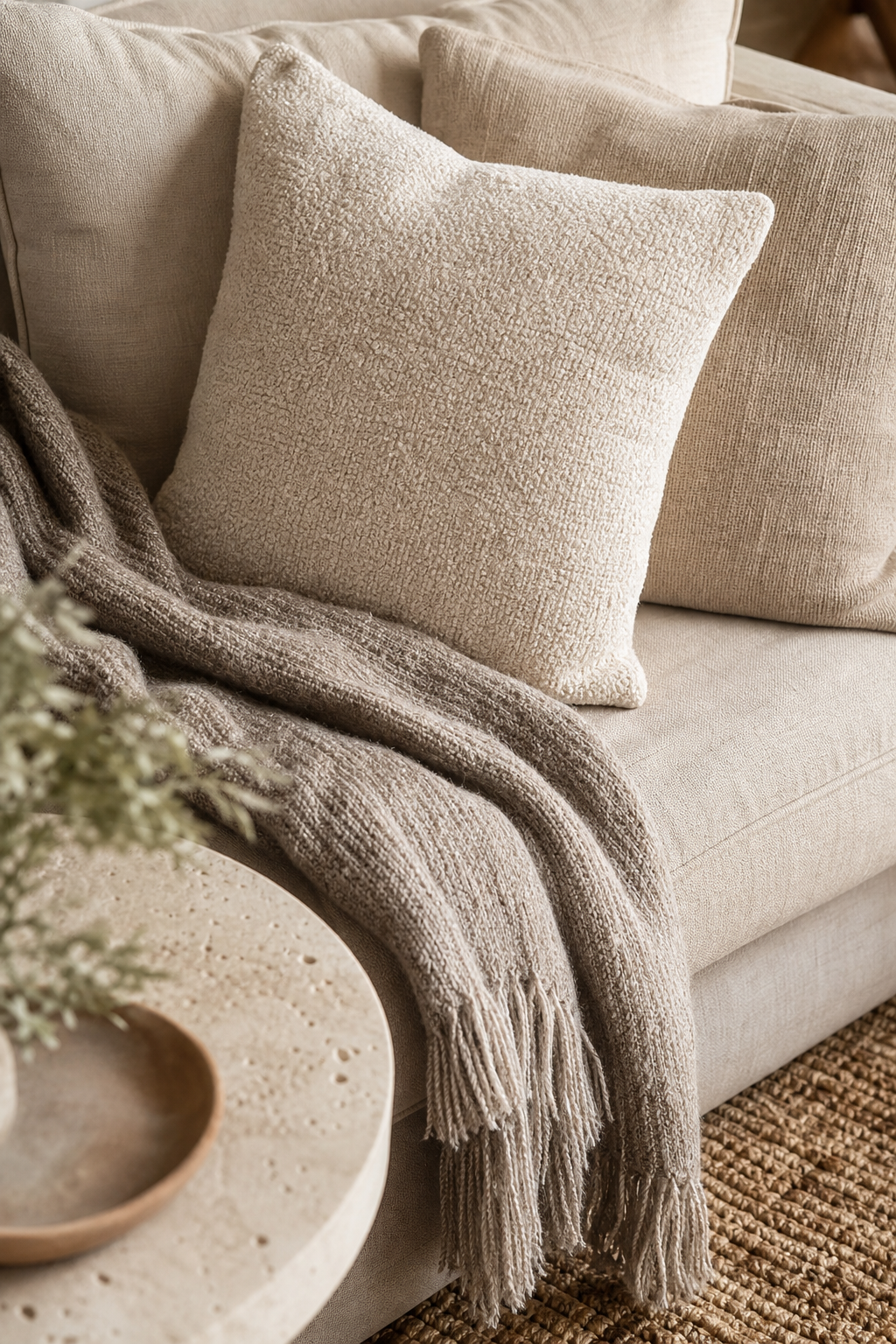
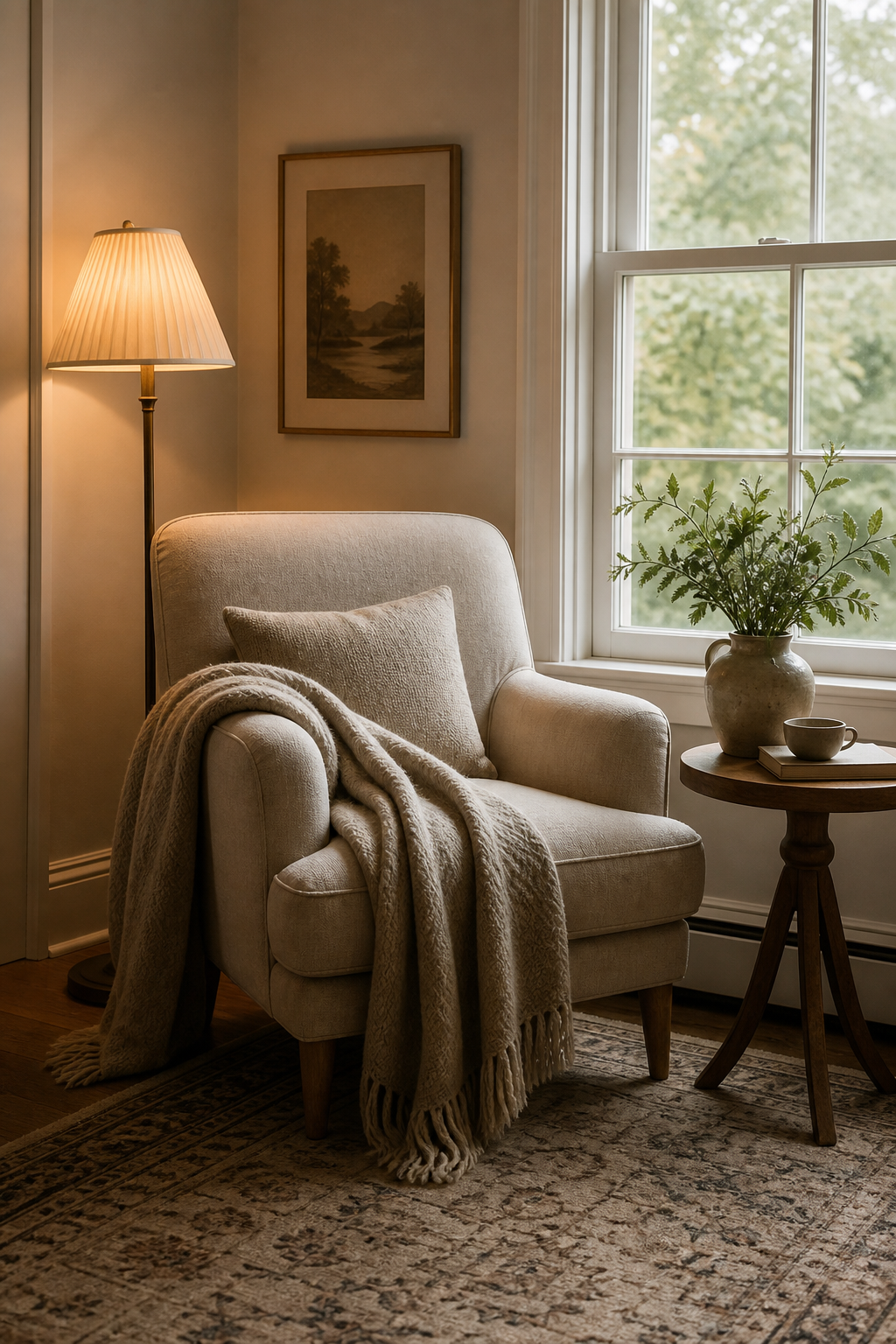
If a room feels flat, textiles are usually the simplest fix. Mix smooth cotton, nubby linen, boucle, wool, velvet, or woven jute in controlled amounts. The trick is to vary texture while keeping the palette calm. A boucle pillow beside a linen cushion, a wool throw over a cotton sofa, or a woven shade near crisp curtains can make the room feel richer without adding more color. Avoid using too many patterned textiles at once unless the rest of the room is very quiet. Texture creates the tactile, layered quality that makes aesthetic decor feel warm. These quiet contrasts photograph beautifully and make the room feel more comfortable in person.
Create A Styled Coffee Table Moment
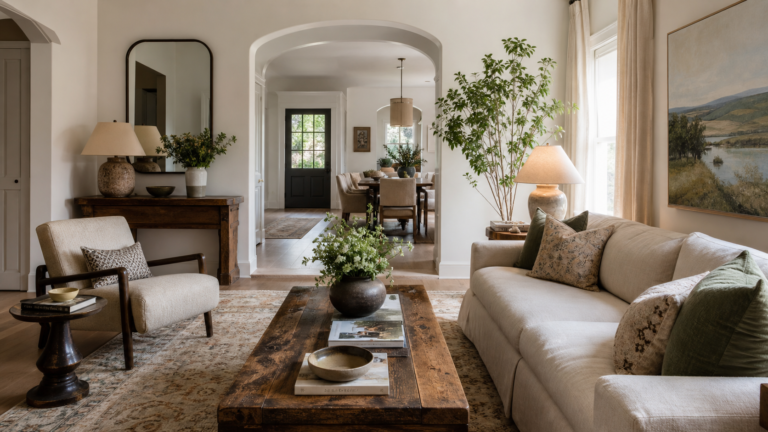
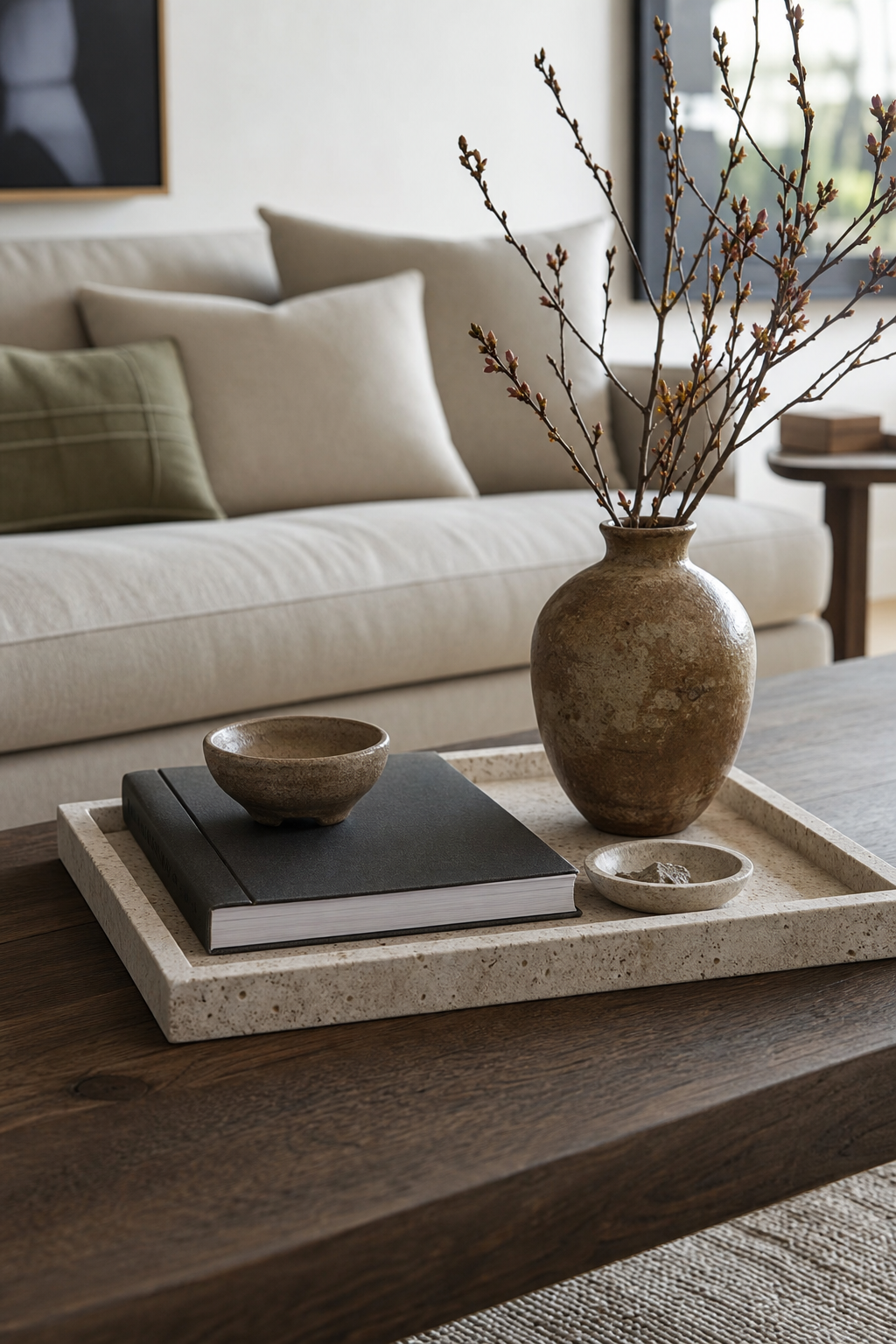
A coffee table should look attractive but still work for daily life. Start with a tray or a large book to create structure, then add one vessel, one low object, and something organic. The organic element might be branches, a small plant, or a bowl of seasonal fruit. Keep enough open surface for a drink or remote, because a table that cannot be used will not stay beautiful. Vary heights, but avoid blocking conversation across the room. A thoughtful coffee table moment gives the seating area a finished focal point without overwhelming the space. The result should look composed from across the room and still feel practical up close.
Upgrade Everyday Storage
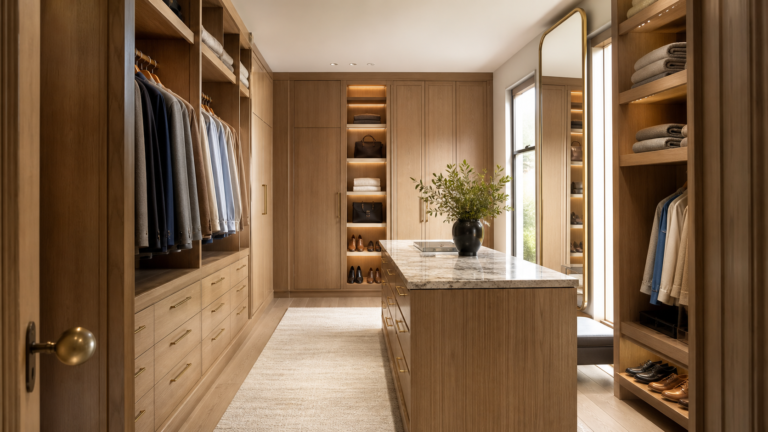
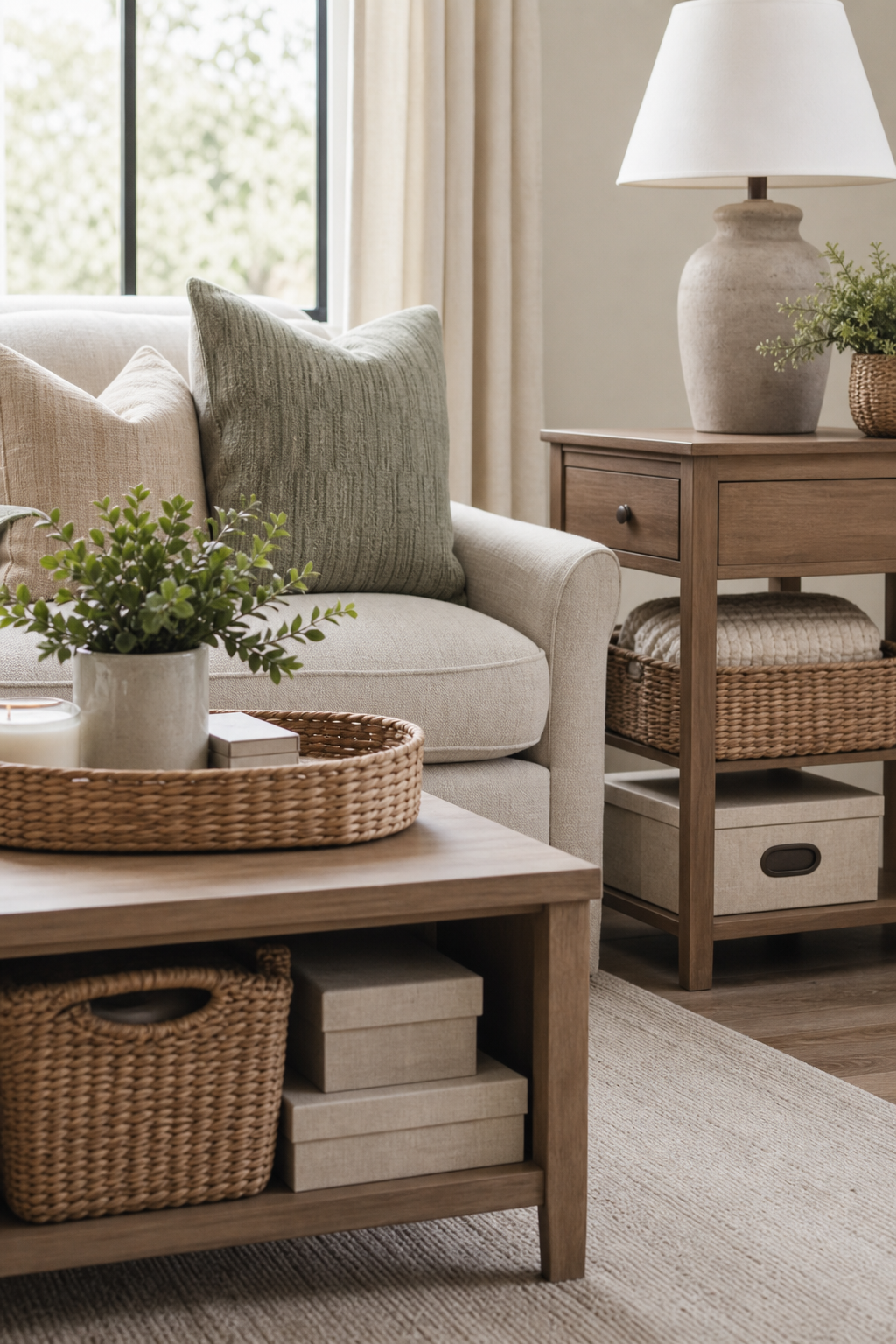
Storage can be part of the aesthetic instead of something to hide. Use lidded boxes for remotes and chargers, woven baskets for throws, closed cabinets for visual clutter, and trays for smaller daily items. Materials matter here because storage pieces are often left in plain sight. Choose wood, seagrass, linen, leather, lacquer, or stone rather than flimsy plastic. In small rooms, a storage ottoman or cabinet-style side table can do two jobs without adding bulk. When practical objects have attractive homes, the room stays calmer and the decorative pieces can actually stand out. This approach makes tidying faster because the room already tells each item where to return.
Design A Cozy Corner
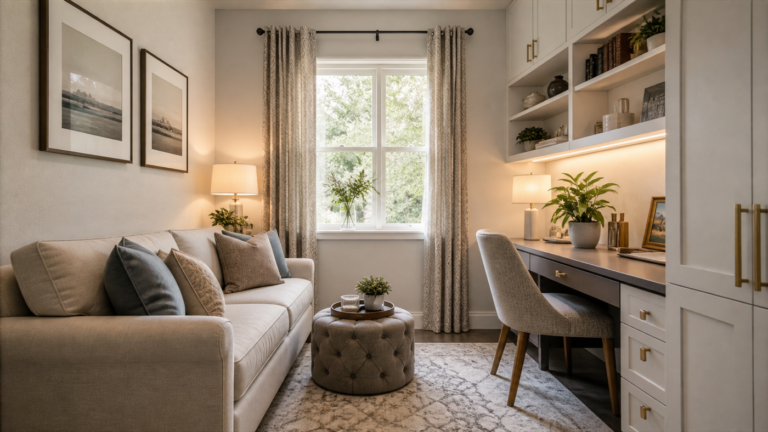
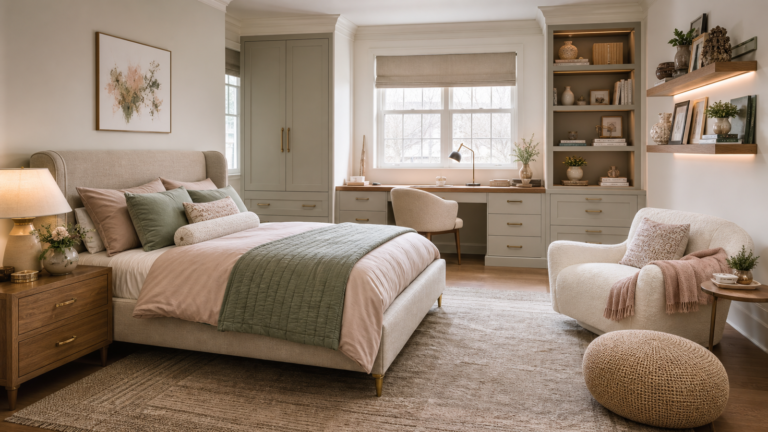
Every room benefits from a smaller destination within the larger layout. A cozy corner might be a reading chair by the window, a floor cushion beside low shelves, or a petite writing table with a warm lamp. Keep the ingredients simple: comfortable seating, a surface for a cup or book, good light, and one soft textile. This kind of corner makes a room feel lived in rather than merely styled. It also helps larger spaces feel more intimate. Choose pieces that repeat the room’s palette so the corner feels connected, not like an afterthought. Even a compact corner can change the way you use the room at the end of the day.
Use Mirrors To Borrow Light
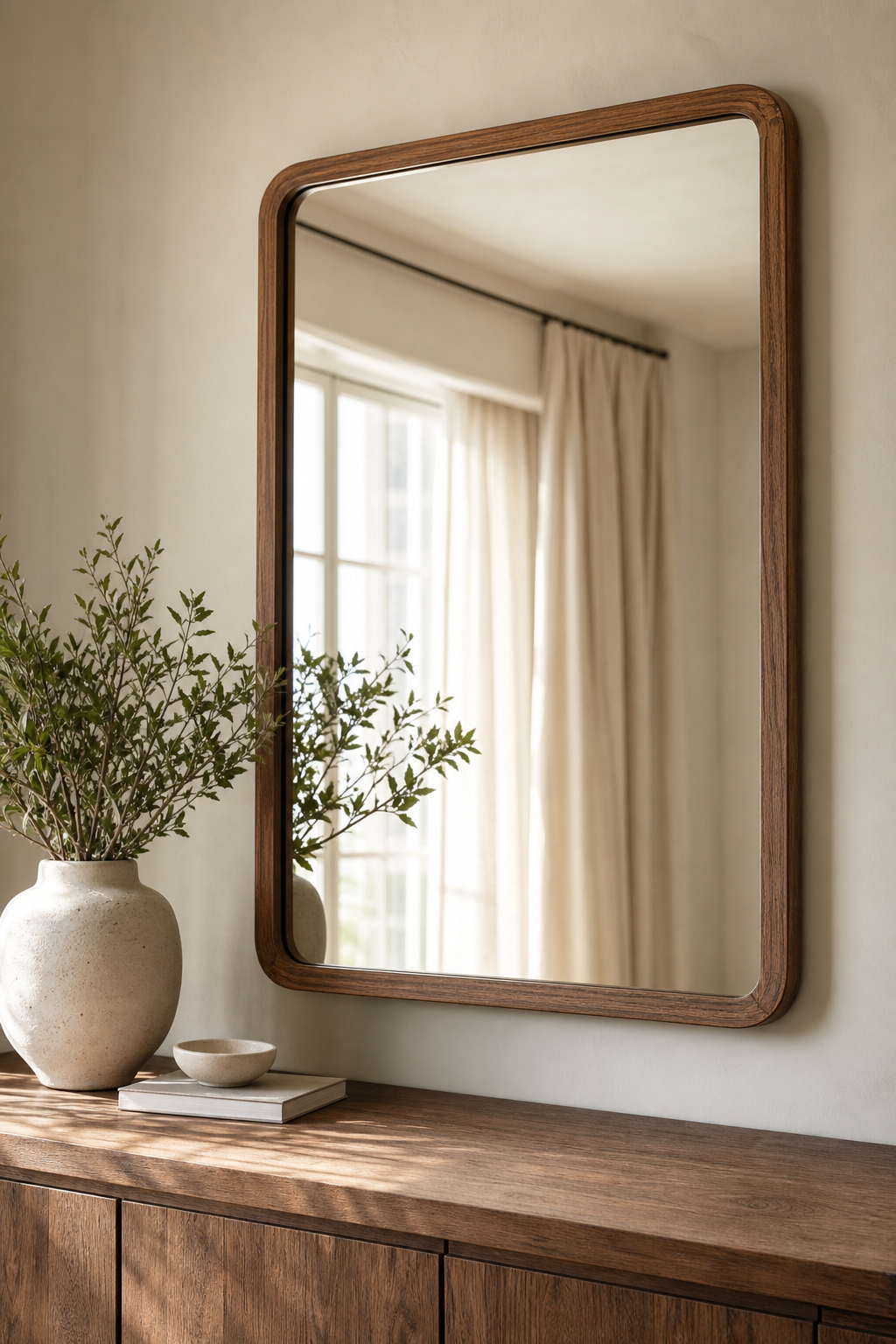
Mirrors are most effective when they reflect something worth seeing. Place one where it can borrow window light, double a view of curtains, or catch a piece of art. Avoid reflecting cluttered counters, open closets, or busy doorways. A rounded mirror can soften a room with many straight furniture lines, while a tall mirror can make a small bedroom or entry feel more generous. Frame finish matters too: warm wood feels relaxed, black adds definition, and brass brings a subtle glow. Used thoughtfully, a mirror becomes both practical and atmospheric. The reflection should make the room feel brighter, quieter, and more generous from your usual viewpoint.
Bring In One Organic Shape
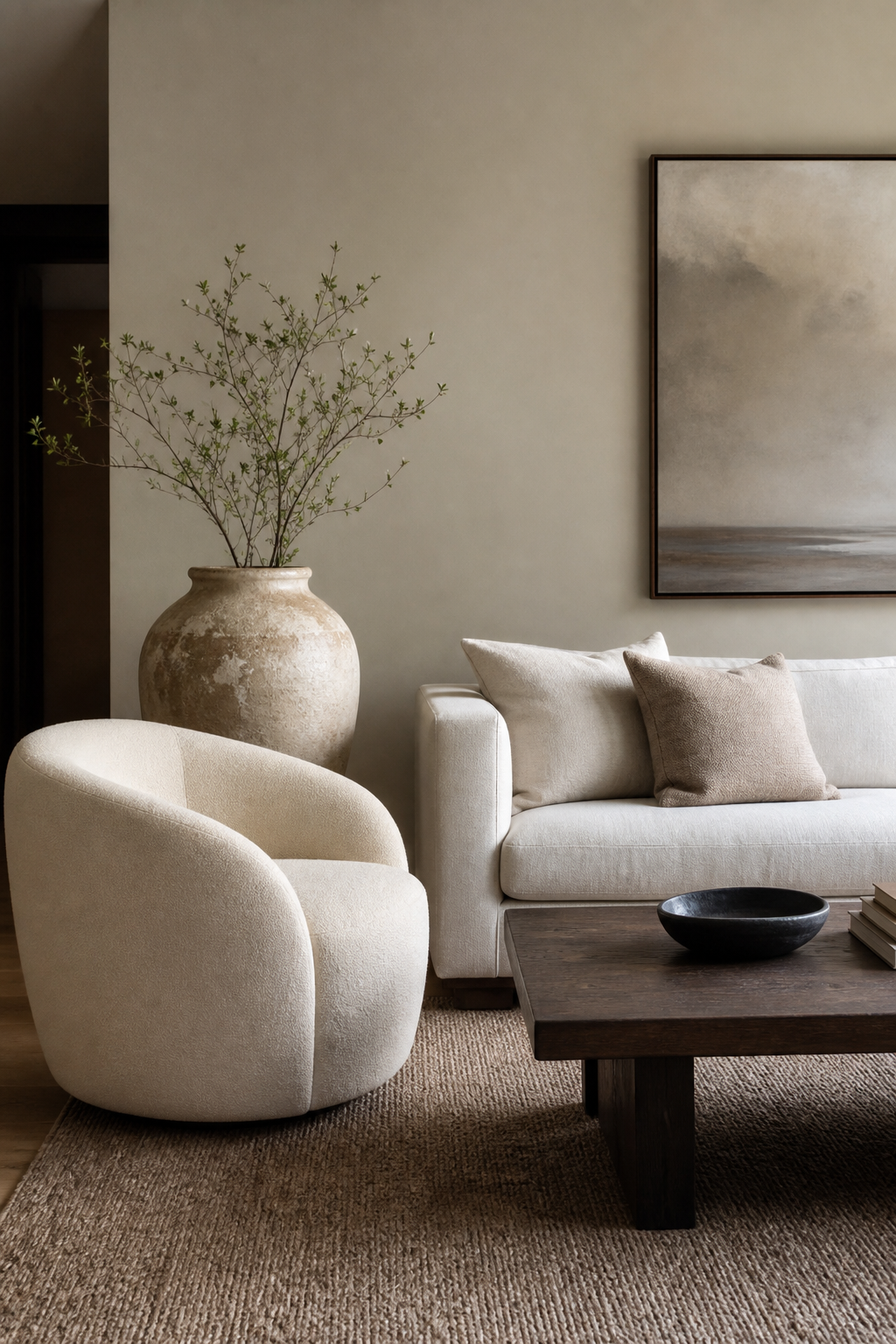
Rooms full of rectangles can feel stiff, even when the decor is beautiful. Add one organic shape to loosen the composition. It could be a round side table, a wavy mirror, a curved chair, an irregular ceramic vase, or a branch arrangement. The shape should contrast with the room’s clean lines without turning into a novelty. Curves are especially useful near square sofas, boxy beds, straight shelves, and rectangular art. They guide the eye gently around the room and make the space feel more relaxed, which is often what separates an aesthetic room from a showroom. One graceful curve is often enough to make the whole arrangement feel more human and relaxed.
Refresh The Entry View
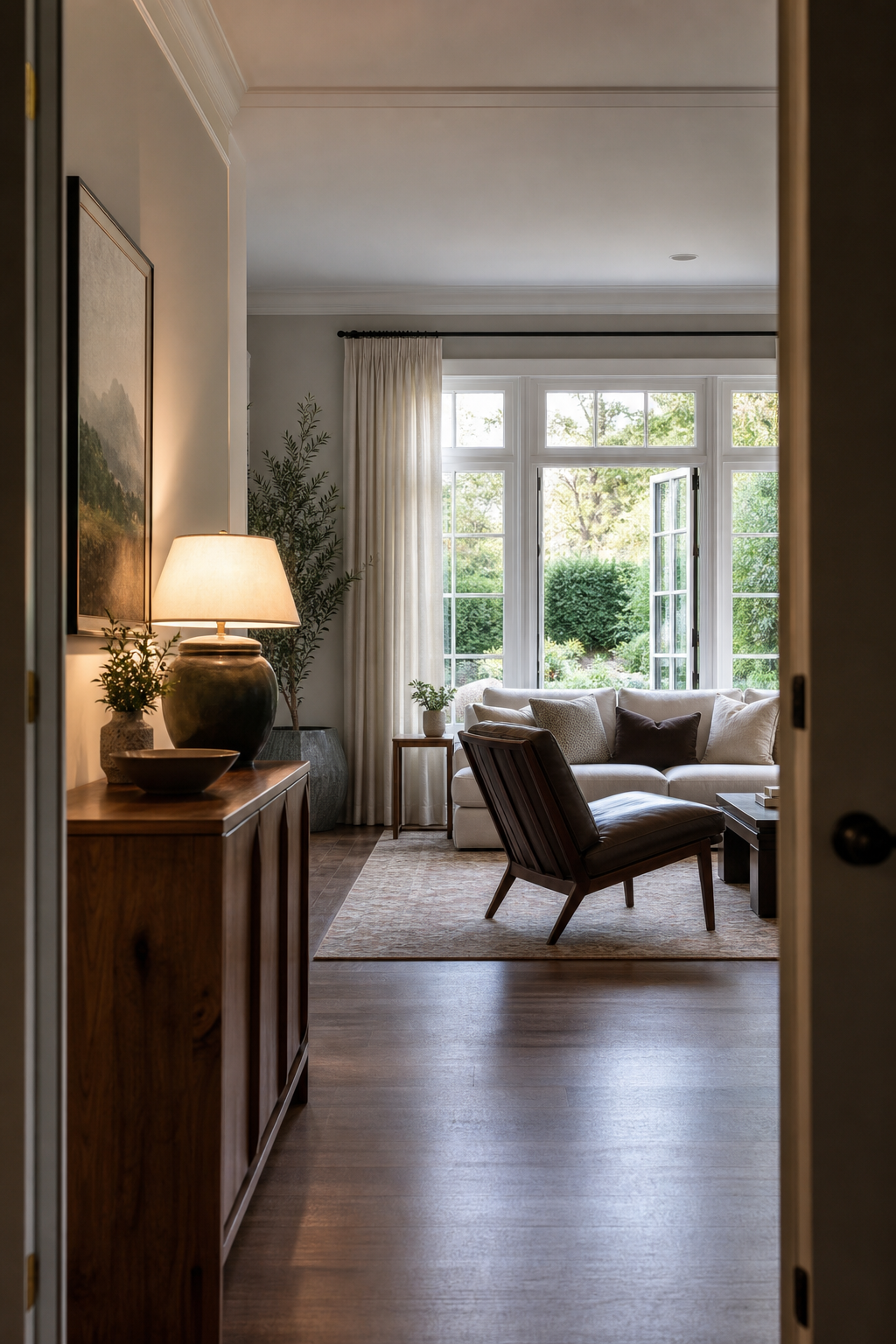
The first view into a room sets the mood. Stand in the doorway and notice what you see first: the back of a sofa, a blank wall, an overloaded surface, or a beautiful vignette. A small adjustment can change the entire impression. Angle a chair, add art above a console, place a lamp where it glows in the evening, or move clutter out of the sightline. If the room opens from a hallway, treat that view like a composed photograph. Aesthetic decor is not only about individual objects; it is about what the eye experiences in sequence. This doorway test is one of the fastest ways to find the next worthwhile change.
Keep Decorative Objects In Families
Small decor becomes easier to style when objects belong to clear families. Instead of scattering random accessories, group ceramics together, keep metals in related finishes, and repeat wood tones intentionally. A shelf might hold three handmade vessels, a console might combine two stone pieces and one branch arrangement, and a bedside table might use a lamp, tray, and bowl in similar warm tones. This creates order without making the room look overly matched. Editing by family also helps you decide what to remove. If an object does not relate by color, material, or shape, it may belong somewhere else. Families create repetition, and repetition is what makes simple decor feel deliberate instead of sparse.
Let Greenery Stay Minimal
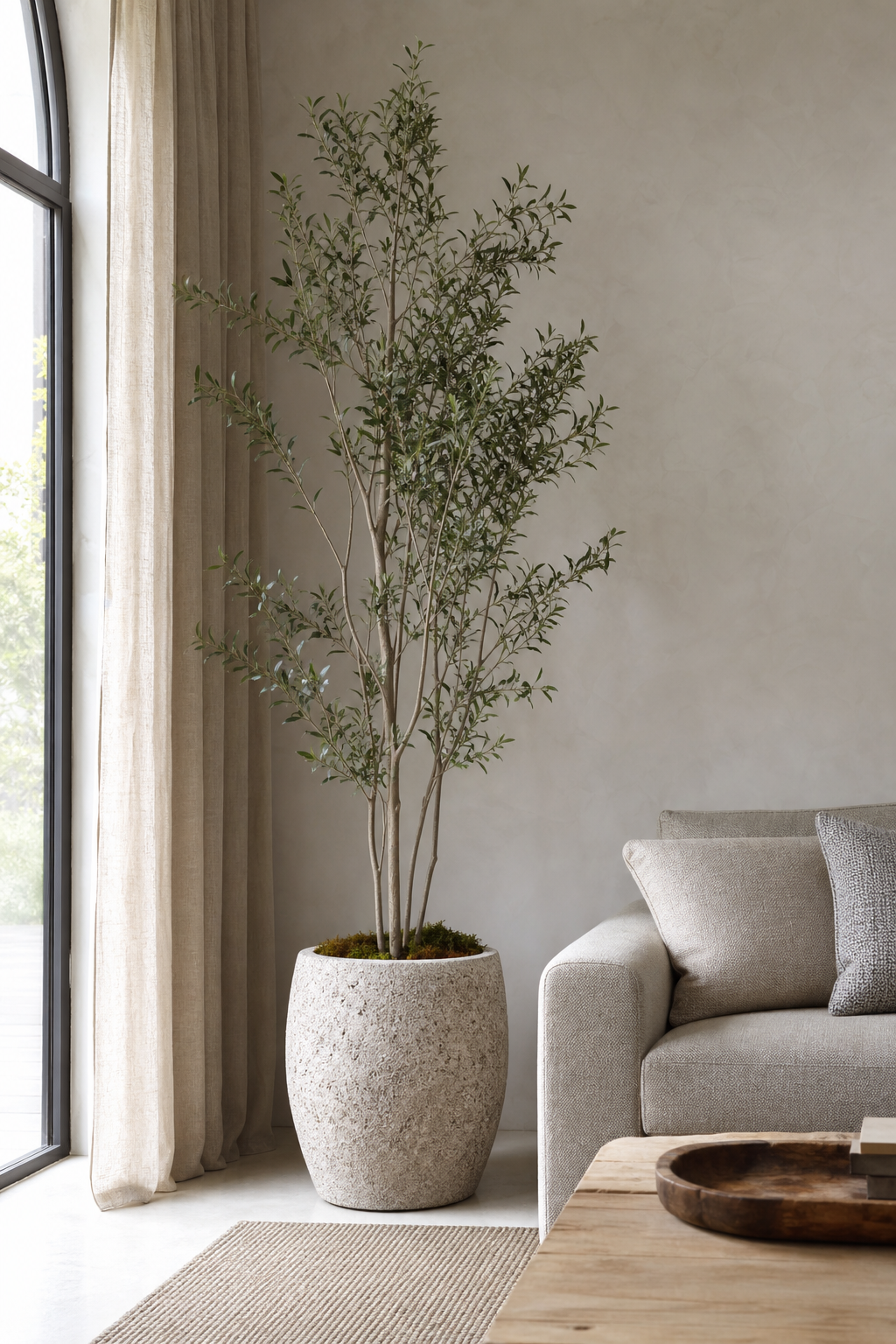
Greenery adds life, but too many small plants can make a room feel scattered. Choose one strong botanical moment instead: a tall tree in a textured planter, a single trailing plant on a shelf, or branches in a heavy vase. The planter should be as considered as the plant itself, especially in a refined room. Stone, terracotta, ceramic, or woven containers usually feel more elevated than thin plastic. Place greenery where it balances architecture or softens an empty corner. A minimal approach keeps the room fresh while preserving the calm, edited quality of the decor. Leave space around the plant so its silhouette reads clearly against the wall or window.
Make The Bed Or Sofa The Anchor
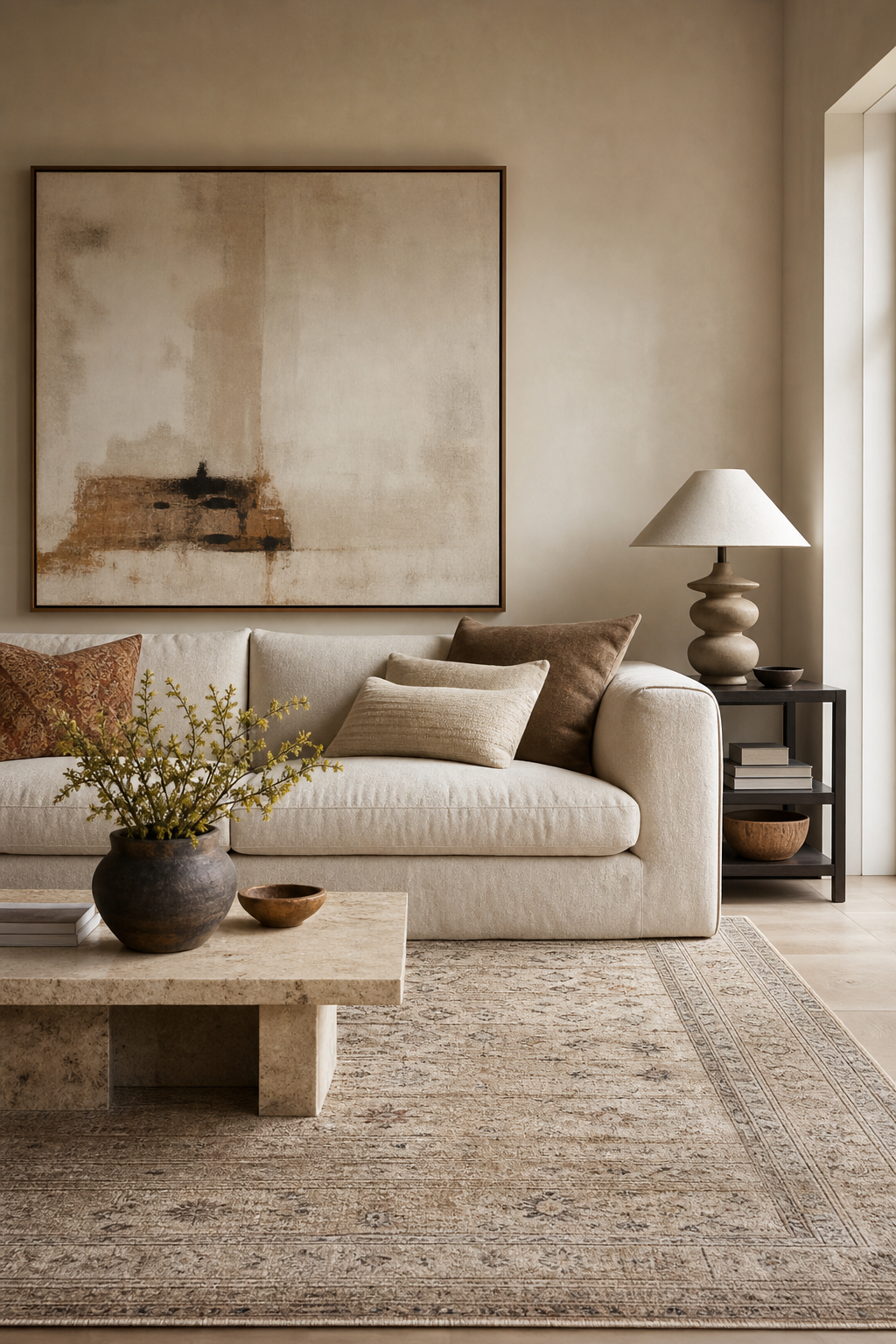
Every room needs an anchor, and in most spaces it will be the bed or sofa. Treat that piece as the visual center, then let the surrounding decor support it. In a bedroom, layered pillows, a throw, lamps, and art should frame the bed rather than compete with it. In a living room, the sofa can be grounded with a rug, side table, lamp, and one strong artwork. Avoid decorating every wall equally. When the anchor is clear, the room feels calmer and more expensive because the eye knows where to land first. This hierarchy keeps the supporting pieces from competing with the room’s most important furniture.
Edit Until The Room Feels Easy
The final layer of aesthetic room decor is editing. Remove one object from each surface and see whether the room improves. Check whether every pillow is comfortable, every lamp is useful, and every decorative piece adds shape, texture, color, or meaning. A room should not feel like it is working too hard to impress. The most memorable spaces often have fewer pieces, better placement, and a stronger sense of rhythm. When the layout feels easy to move through and the surfaces feel calm, the room becomes more than styled. It becomes a place you actually want to live in. That ease is the detail guests feel immediately, even when they cannot name what changed.
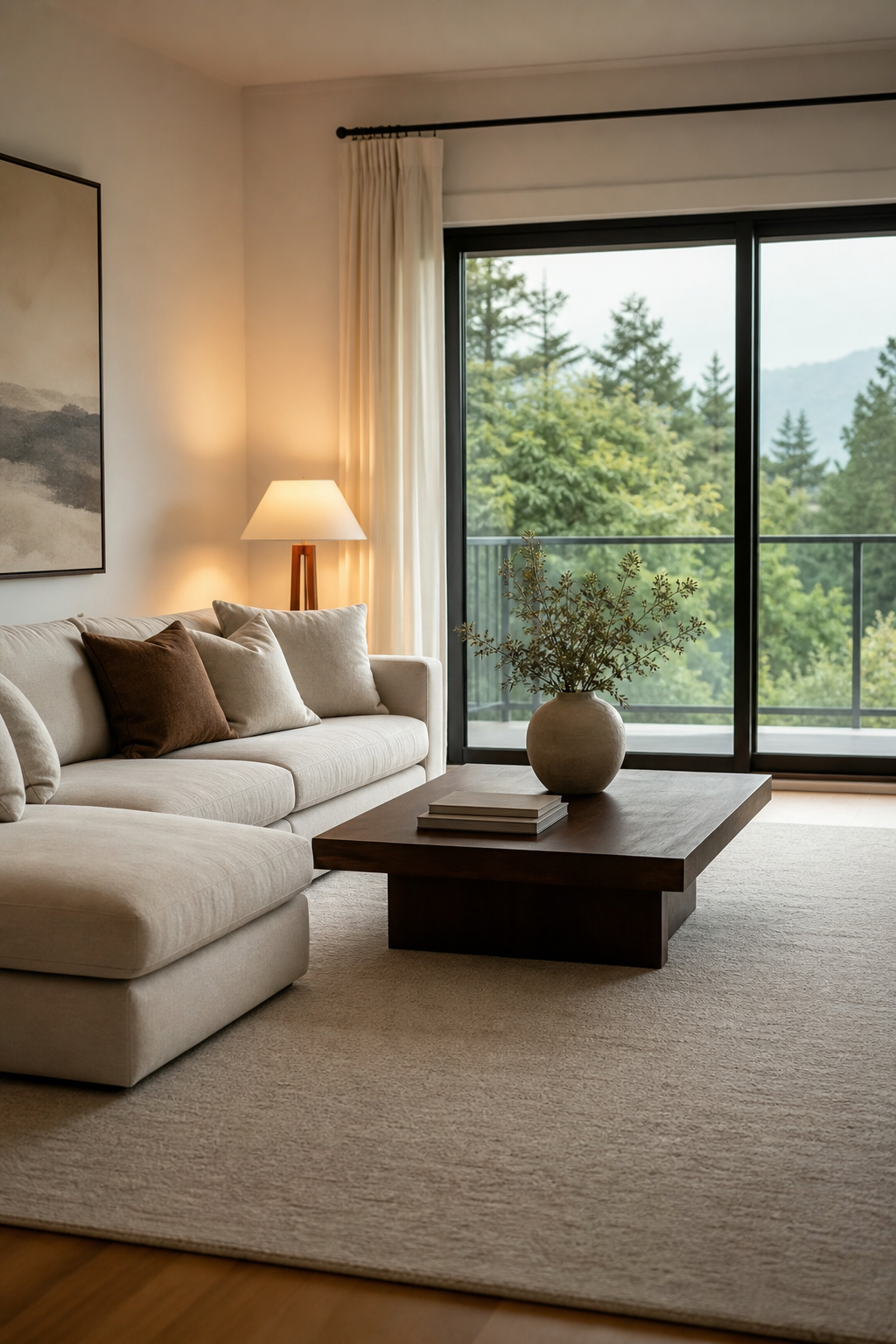
A home refresh does not have to mean starting over. The strongest aesthetic room decor usually comes from clearer choices: a palette that holds together, lighting that flatters the evening, storage that keeps daily life under control, and a few sculptural pieces with room to breathe. Start with the view you notice most, then adjust one layer at a time. When the room feels useful, personal, and visually calm, the refresh has done its job.