25 Minimalist Living Room Ideas For A Cozy Designer Look
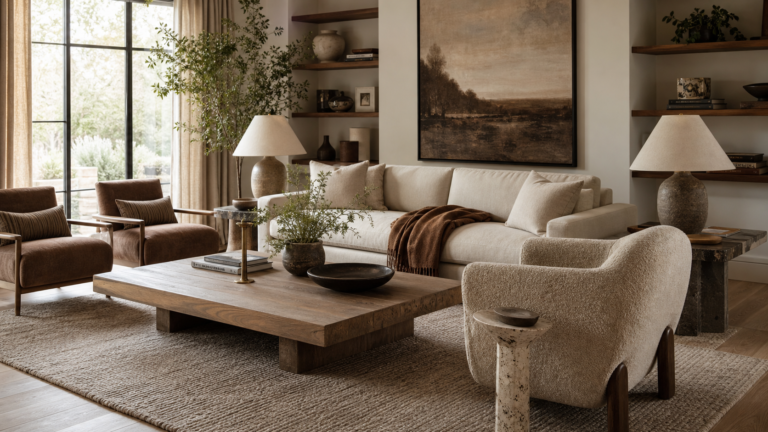
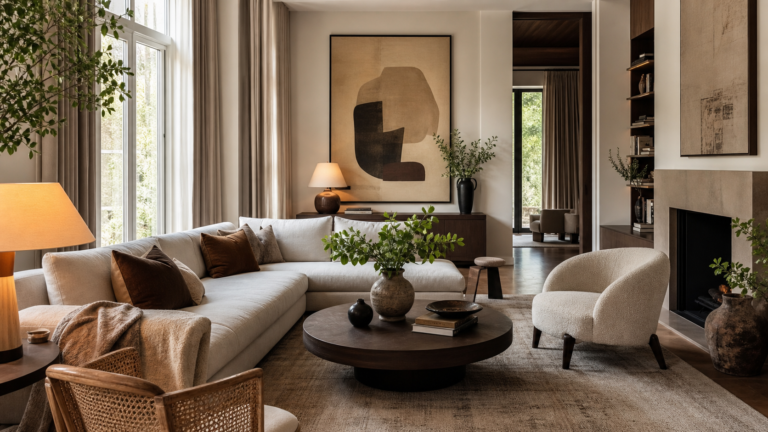
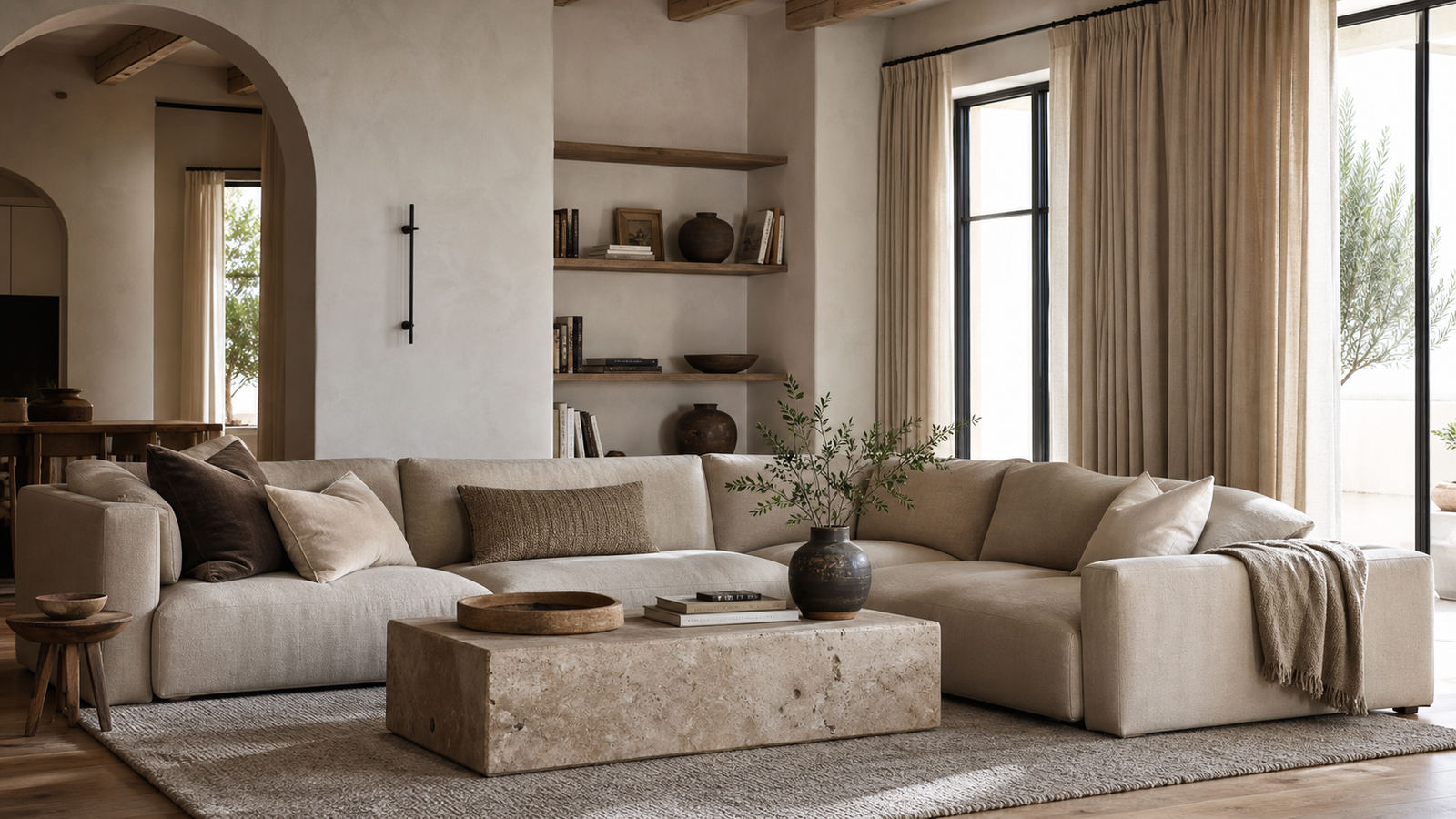
A minimalist living room can still feel warm, layered, and deeply comfortable. The difference is restraint: fewer pieces, better materials, softer light, and thoughtful negative space. These minimalist living room ideas show how to create a cozy designer look with quiet color, tactile fabrics, natural wood, sculptural furniture, and styling that feels edited instead of empty.
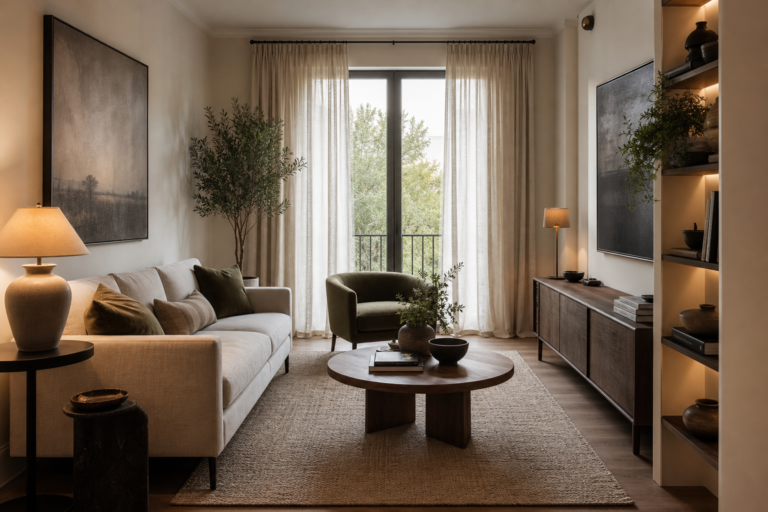
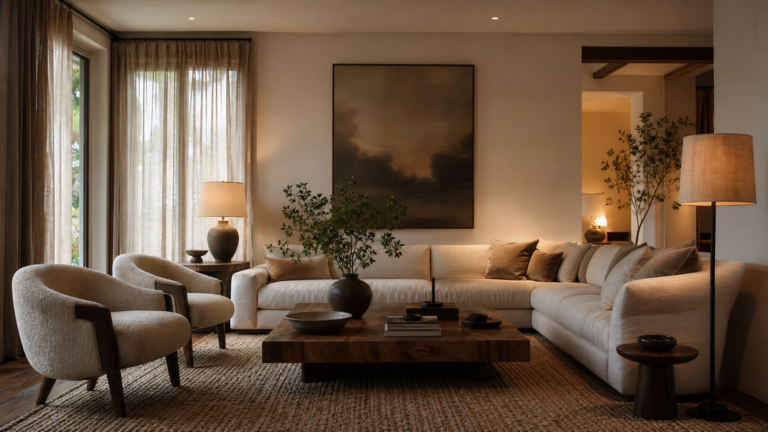
Start With A Soft Neutral Sofa
Start With A Soft Neutral Sofa gives a minimalist living room enough warmth without adding visual noise. The key is to choose fewer pieces with better texture, proportion, and finish, then leave breathing room around them so every shape feels deliberate. Use natural materials such as linen, wool, oak, stone, ceramic, leather, or plaster to keep the room from feeling flat. A cozy designer look also depends on scale: one generous rug, one calm focal point, and lighting at more than one height will make the space feel complete. Keep surfaces edited, but avoid making them empty; one useful object and one sculptural detail are usually enough for a room that feels lived-in and refined.
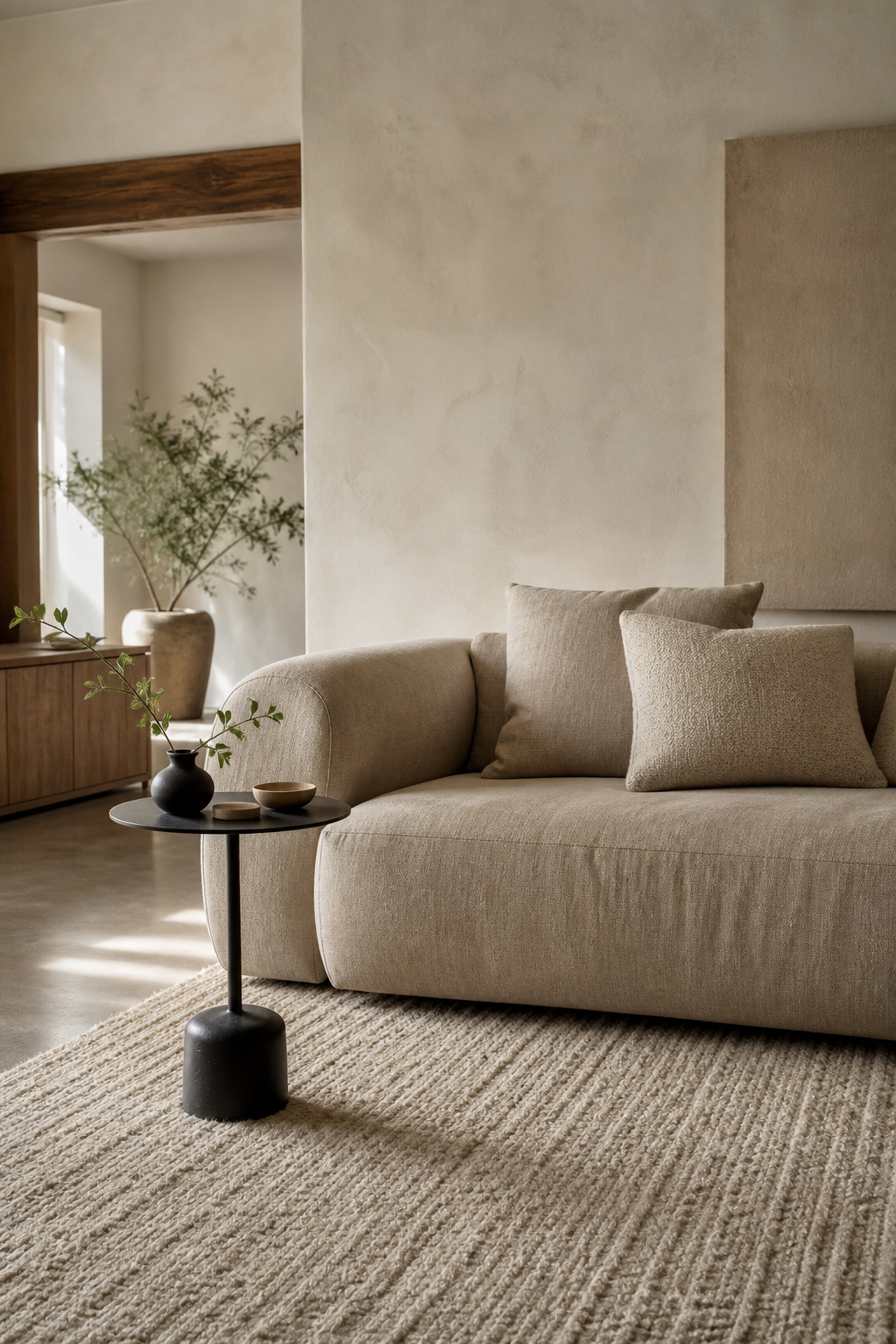
Use One Sculptural Lounge Chair
Use One Sculptural Lounge Chair gives a minimalist living room enough warmth without adding visual noise. The key is to choose fewer pieces with better texture, proportion, and finish, then leave breathing room around them so every shape feels deliberate. Use natural materials such as linen, wool, oak, stone, ceramic, leather, or plaster to keep the room from feeling flat. A cozy designer look also depends on scale: one generous rug, one calm focal point, and lighting at more than one height will make the space feel complete. Keep surfaces edited, but avoid making them empty; one useful object and one sculptural detail are usually enough for a room that feels lived-in and refined.
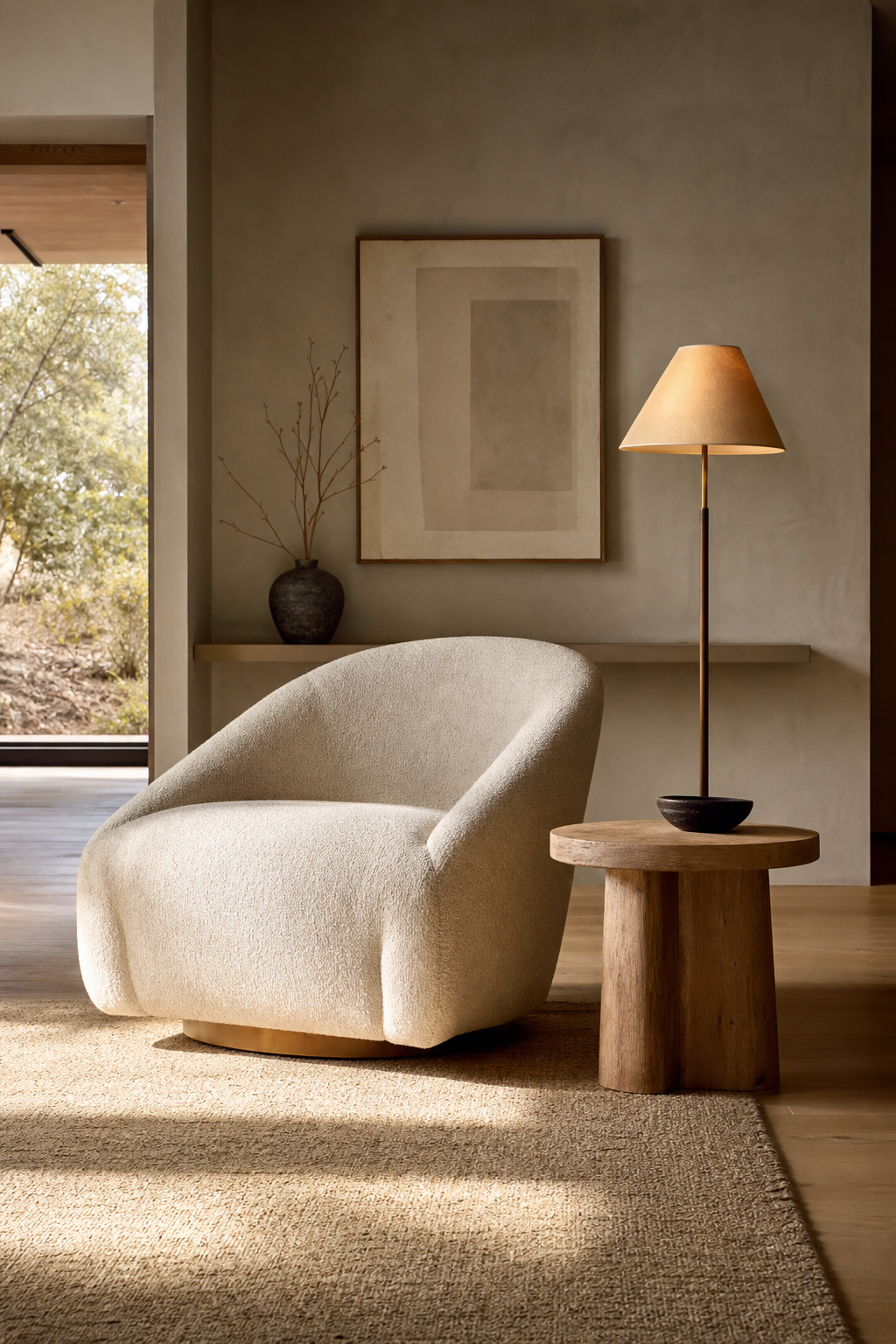
Layer A Textured Rug Over Wood Floors
Layer A Textured Rug Over Wood Floors gives a minimalist living room enough warmth without adding visual noise. The key is to choose fewer pieces with better texture, proportion, and finish, then leave breathing room around them so every shape feels deliberate. Use natural materials such as linen, wool, oak, stone, ceramic, leather, or plaster to keep the room from feeling flat. A cozy designer look also depends on scale: one generous rug, one calm focal point, and lighting at more than one height will make the space feel complete. Keep surfaces edited, but avoid making them empty; one useful object and one sculptural detail are usually enough for a room that feels lived-in and refined.
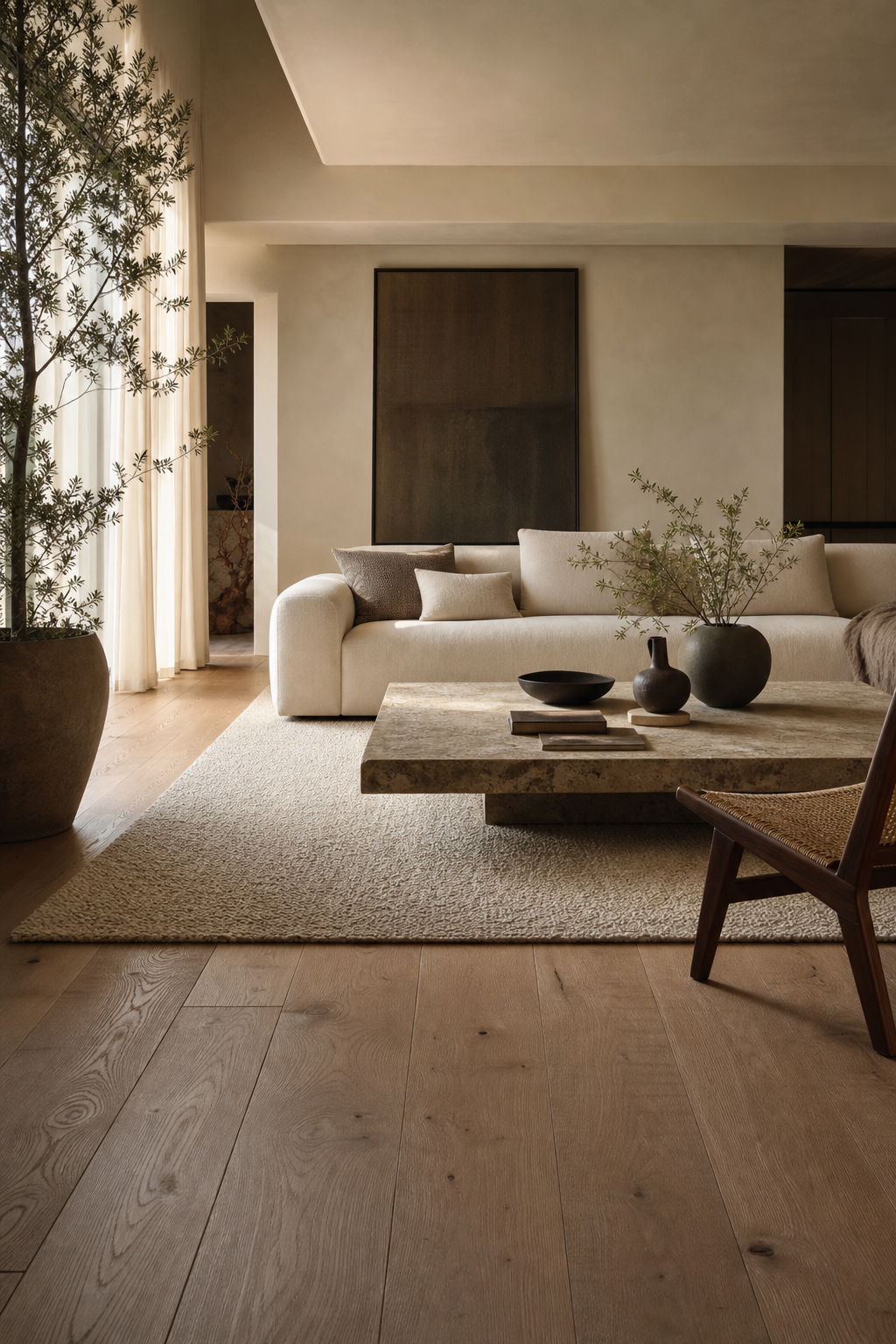
Choose A Stone Coffee Table
Choose A Stone Coffee Table gives a minimalist living room enough warmth without adding visual noise. The key is to choose fewer pieces with better texture, proportion, and finish, then leave breathing room around them so every shape feels deliberate. If the palette is very pale, vary the textures instead of adding more colors; matte, woven, nubby, smooth, and veined surfaces create depth quietly. A cozy designer look also depends on scale: one generous rug, one calm focal point, and lighting at more than one height will make the space feel complete. Keep surfaces edited, but avoid making them empty; one useful object and one sculptural detail are usually enough for a room that feels lived-in and refined.
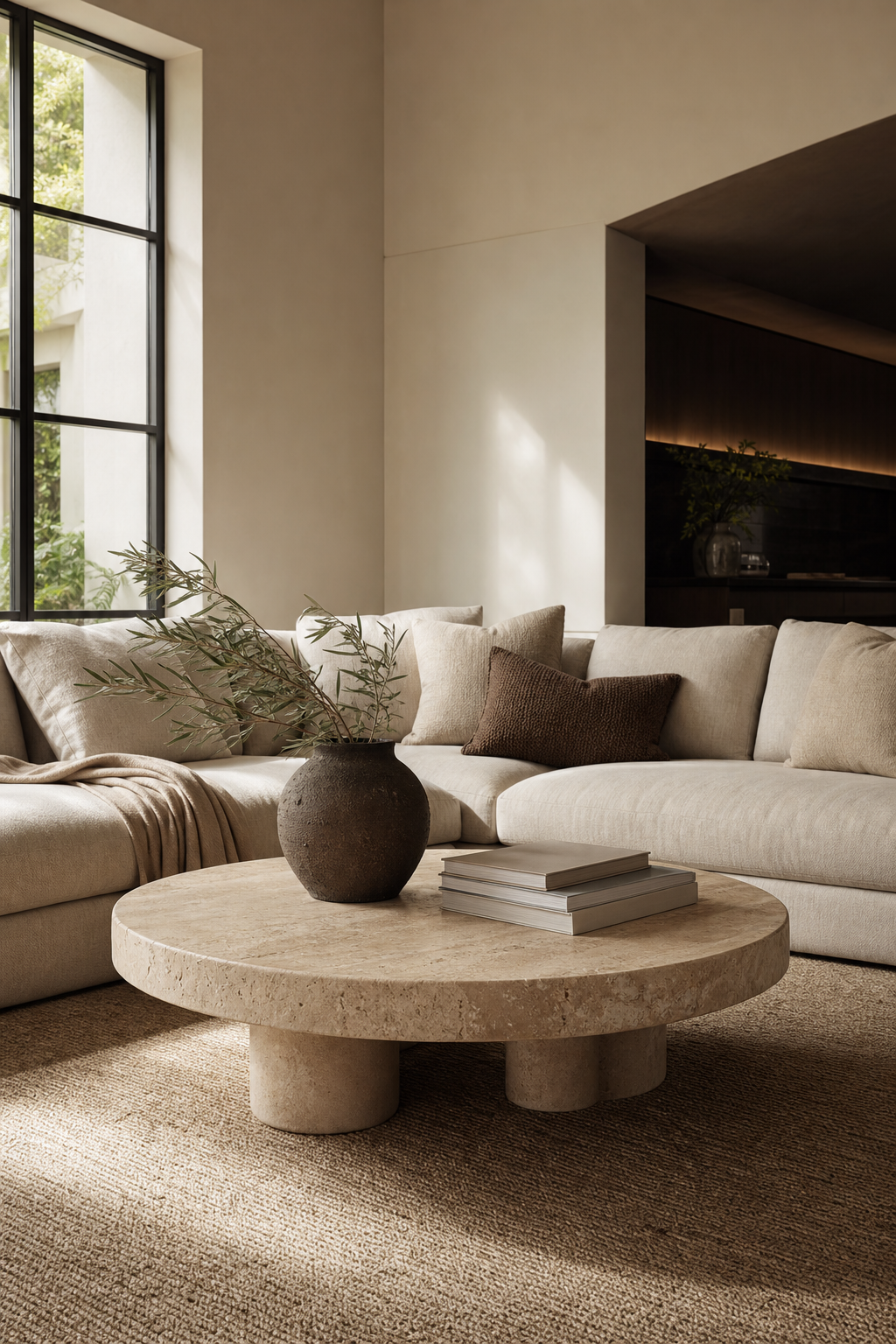
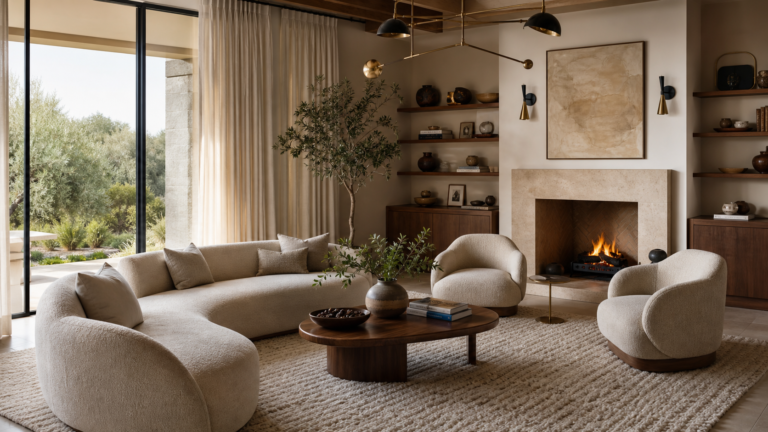
Keep The Fireplace Wall Quiet
Keep The Fireplace Wall Quiet gives a minimalist living room enough warmth without adding visual noise. The key is to choose fewer pieces with better texture, proportion, and finish, then leave breathing room around them so every shape feels deliberate. Use natural materials such as linen, wool, oak, stone, ceramic, leather, or plaster to keep the room from feeling flat. This works in apartments as well as larger homes because the effect comes from proportion, layout, and material restraint rather than excess furniture. Keep surfaces edited, but avoid making them empty; one useful object and one sculptural detail are usually enough for a room that feels lived-in and refined.
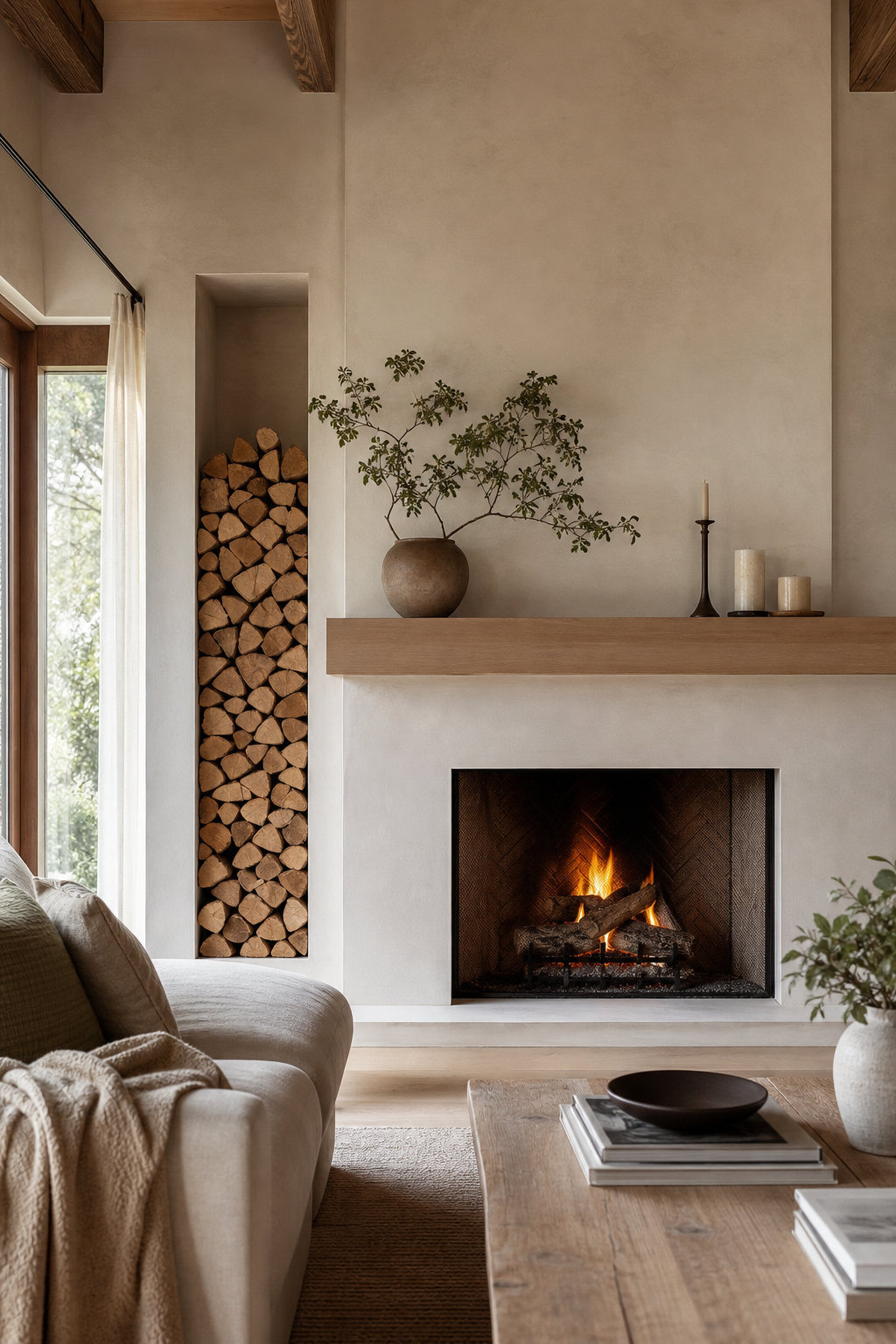
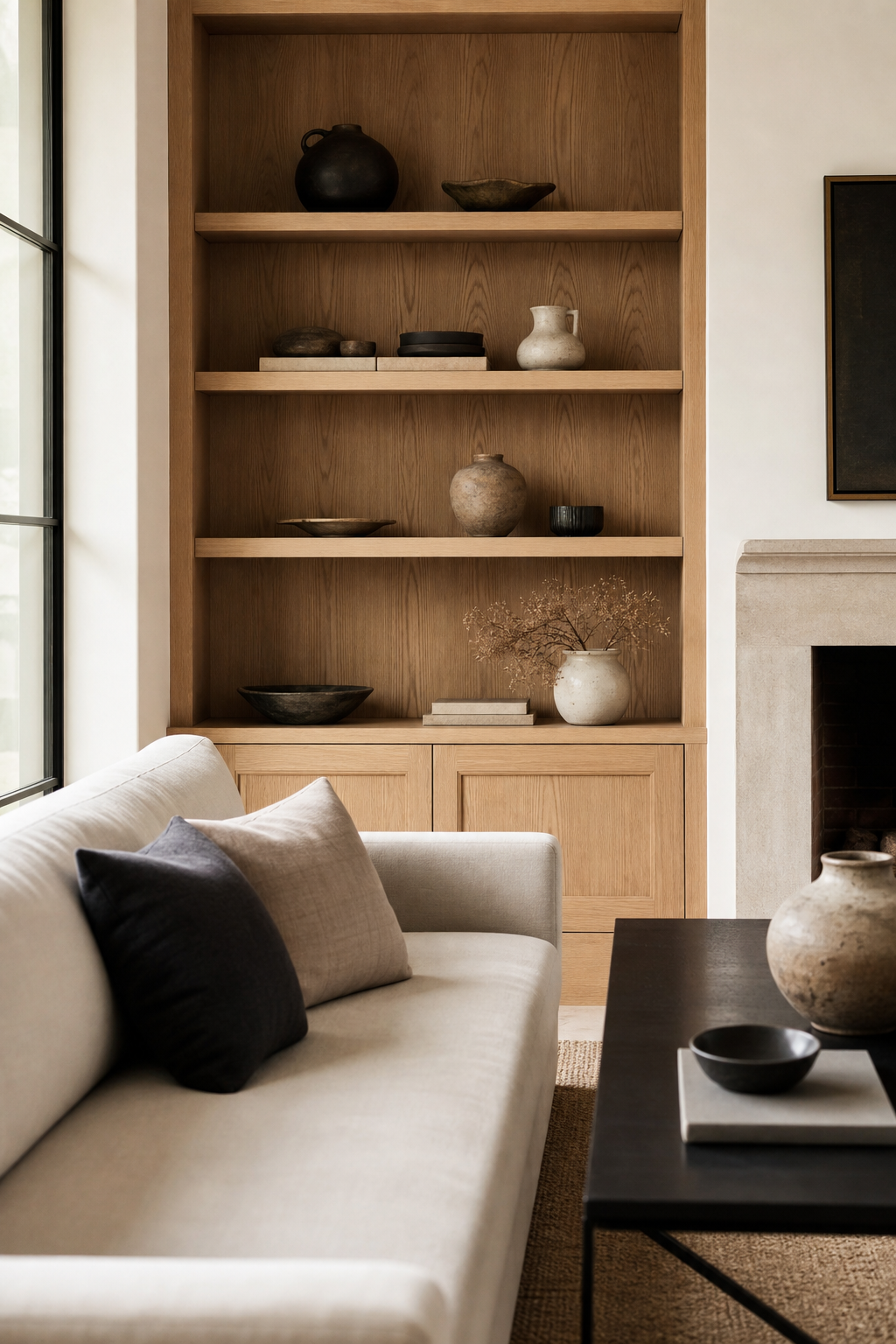
Add Warmth With Oak Shelving
Add Warmth With Oak Shelving gives a minimalist living room enough warmth without adding visual noise. The key is to choose fewer pieces with better texture, proportion, and finish, then leave breathing room around them so every shape feels deliberate. Use natural materials such as linen, wool, oak, stone, ceramic, leather, or plaster to keep the room from feeling flat. A cozy designer look also depends on scale: one generous rug, one calm focal point, and lighting at more than one height will make the space feel complete. Keep surfaces edited, but avoid making them empty; one useful object and one sculptural detail are usually enough for a room that feels lived-in and refined.
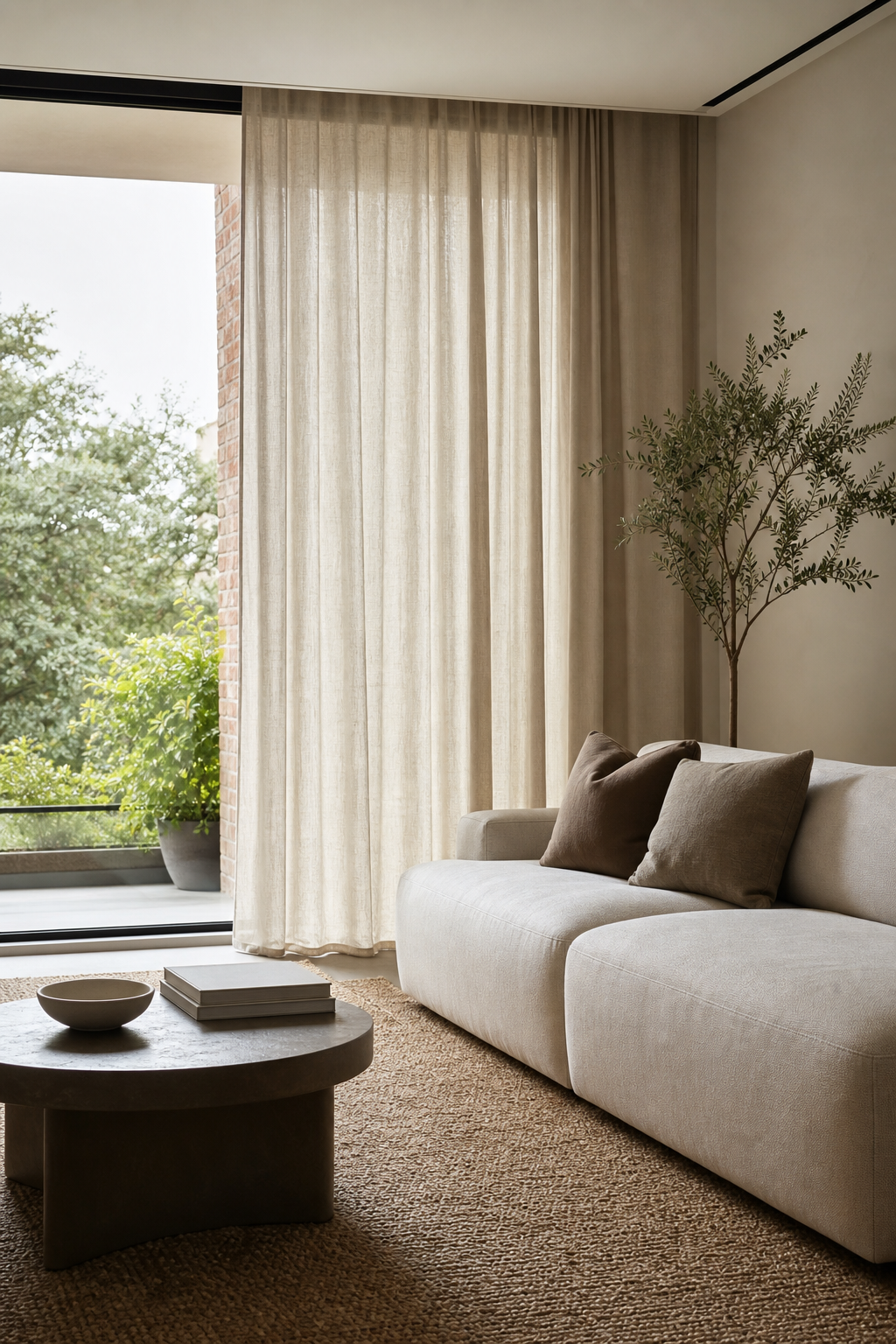
Use Linen Curtains From Ceiling To Floor
Use Linen Curtains From Ceiling To Floor gives a minimalist living room enough warmth without adding visual noise. The key is to choose fewer pieces with better texture, proportion, and finish, then leave breathing room around them so every shape feels deliberate. Use natural materials such as linen, wool, oak, stone, ceramic, leather, or plaster to keep the room from feeling flat. A cozy designer look also depends on scale: one generous rug, one calm focal point, and lighting at more than one height will make the space feel complete. Keep surfaces edited, but avoid making them empty; one useful object and one sculptural detail are usually enough for a room that feels lived-in and refined.
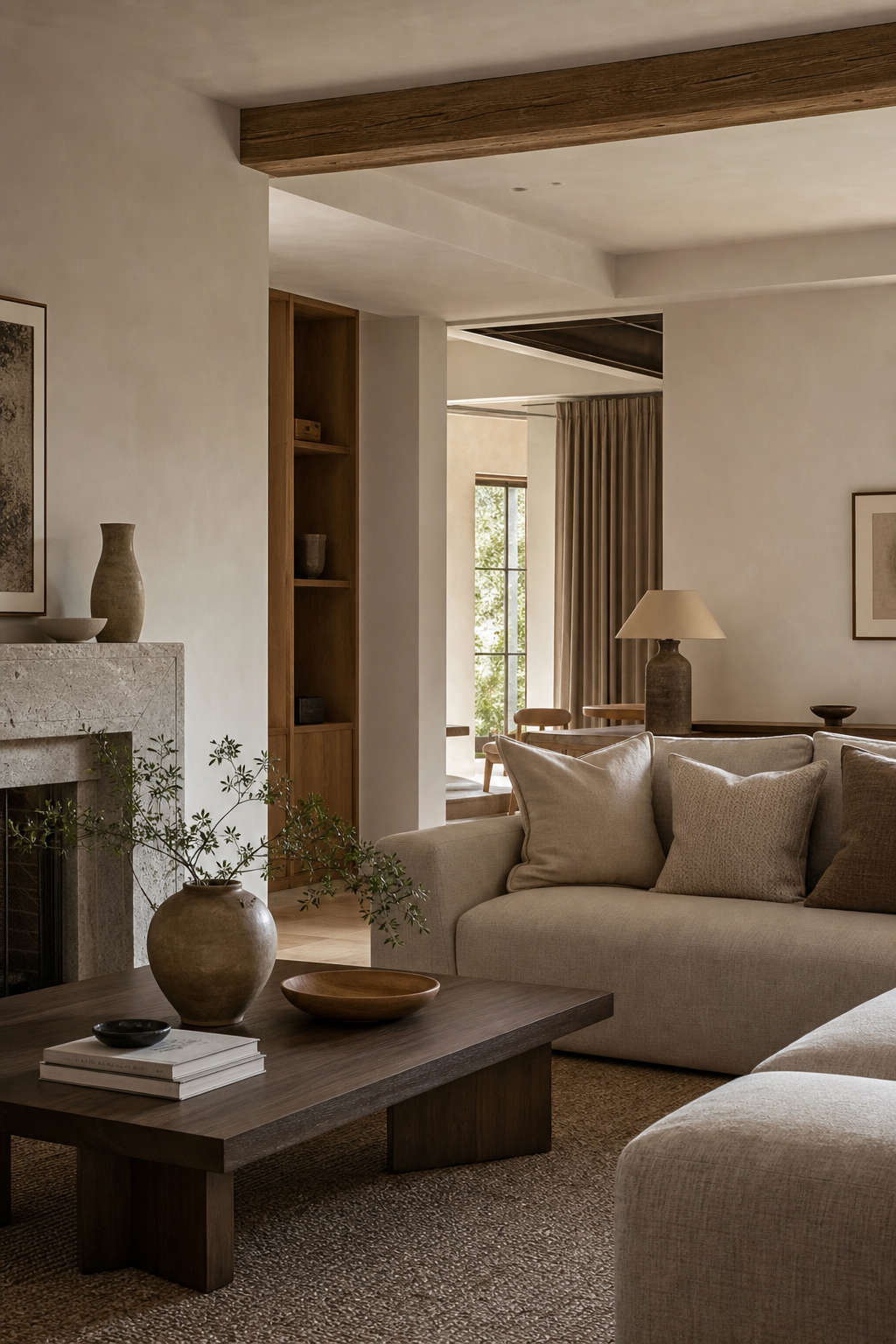
Try A Mushroom And Ivory Palette
Try A Mushroom And Ivory Palette gives a minimalist living room enough warmth without adding visual noise. The key is to choose fewer pieces with better texture, proportion, and finish, then leave breathing room around them so every shape feels deliberate. If the palette is very pale, vary the textures instead of adding more colors; matte, woven, nubby, smooth, and veined surfaces create depth quietly. A cozy designer look also depends on scale: one generous rug, one calm focal point, and lighting at more than one height will make the space feel complete. Keep surfaces edited, but avoid making them empty; one useful object and one sculptural detail are usually enough for a room that feels lived-in and refined.
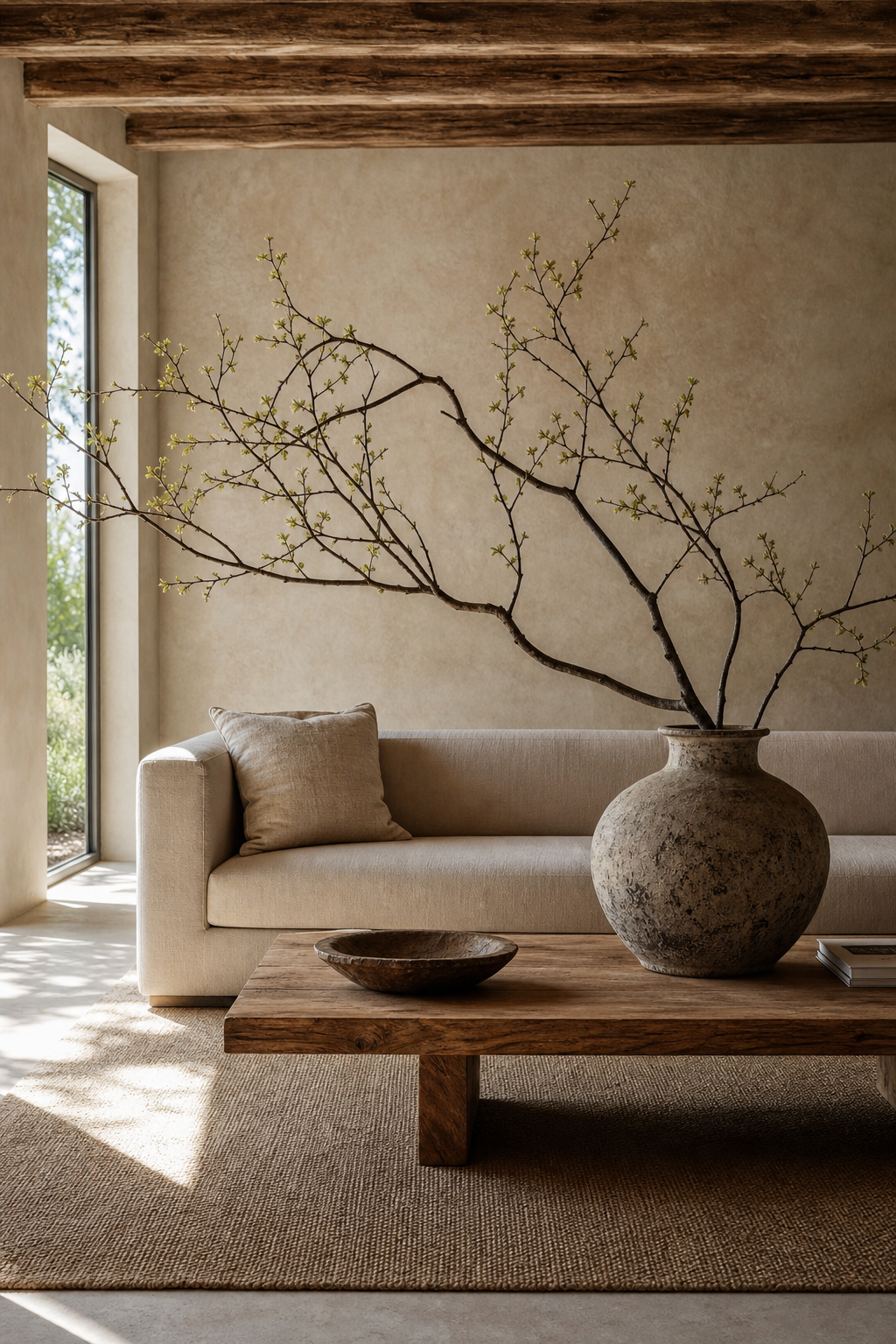
Style One Oversized Branch
Style One Oversized Branch gives a minimalist living room enough warmth without adding visual noise. The key is to choose fewer pieces with better texture, proportion, and finish, then leave breathing room around them so every shape feels deliberate. Use natural materials such as linen, wool, oak, stone, ceramic, leather, or plaster to keep the room from feeling flat. A cozy designer look also depends on scale: one generous rug, one calm focal point, and lighting at more than one height will make the space feel complete. Keep surfaces edited, but avoid making them empty; one useful object and one sculptural detail are usually enough for a room that feels lived-in and refined.
Float Furniture Away From The Walls
Float Furniture Away From The Walls gives a minimalist living room enough warmth without adding visual noise. The key is to choose fewer pieces with better texture, proportion, and finish, then leave breathing room around them so every shape feels deliberate. Use natural materials such as linen, wool, oak, stone, ceramic, leather, or plaster to keep the room from feeling flat. This works in apartments as well as larger homes because the effect comes from proportion, layout, and material restraint rather than excess furniture. Keep surfaces edited, but avoid making them empty; one useful object and one sculptural detail are usually enough for a room that feels lived-in and refined.
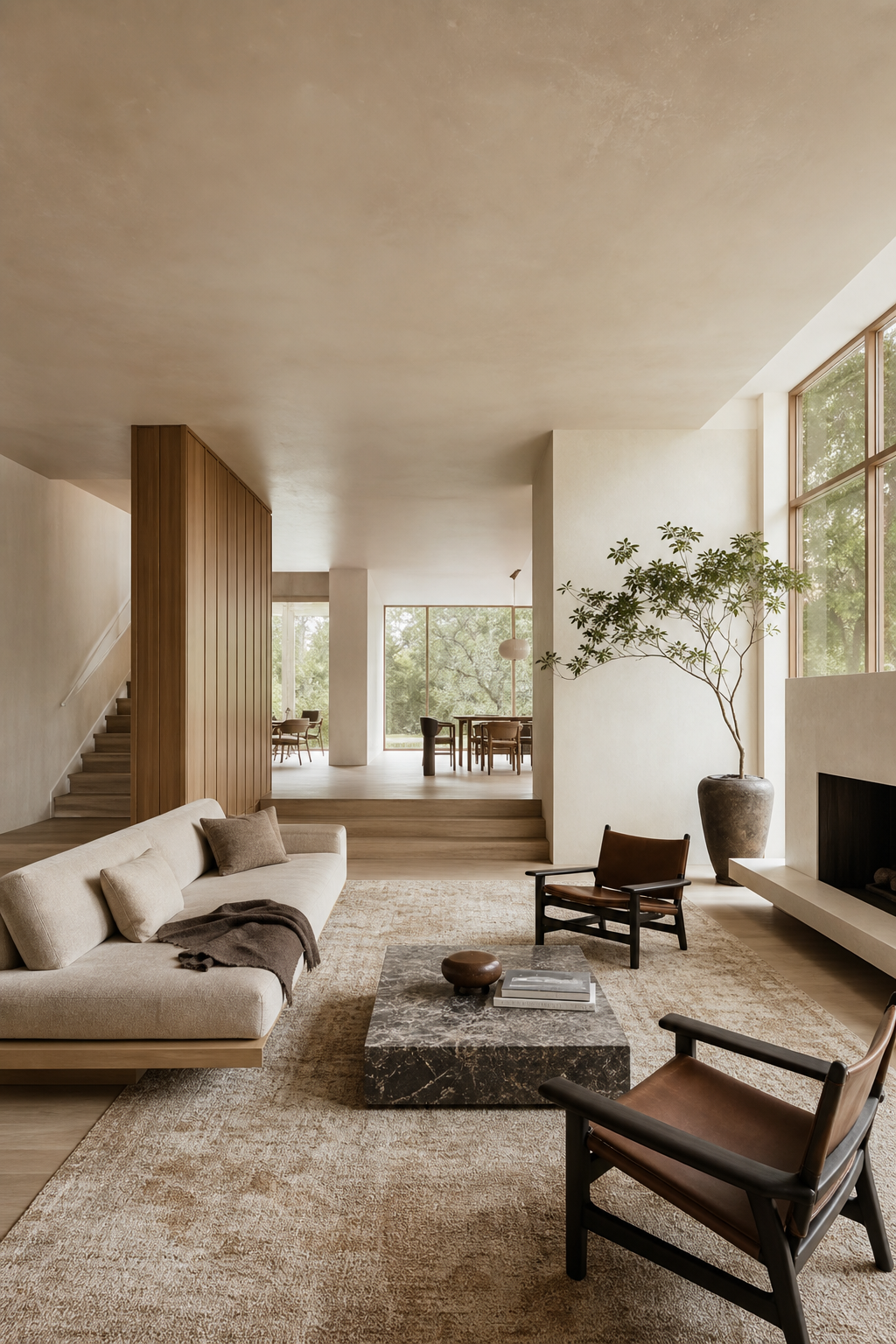
Use Hidden Storage Cabinets
Use Hidden Storage Cabinets gives a minimalist living room enough warmth without adding visual noise. The key is to choose fewer pieces with better texture, proportion, and finish, then leave breathing room around them so every shape feels deliberate. Use natural materials such as linen, wool, oak, stone, ceramic, leather, or plaster to keep the room from feeling flat. A cozy designer look also depends on scale: one generous rug, one calm focal point, and lighting at more than one height will make the space feel complete. Keep surfaces edited, but avoid making them empty; one useful object and one sculptural detail are usually enough for a room that feels lived-in and refined.
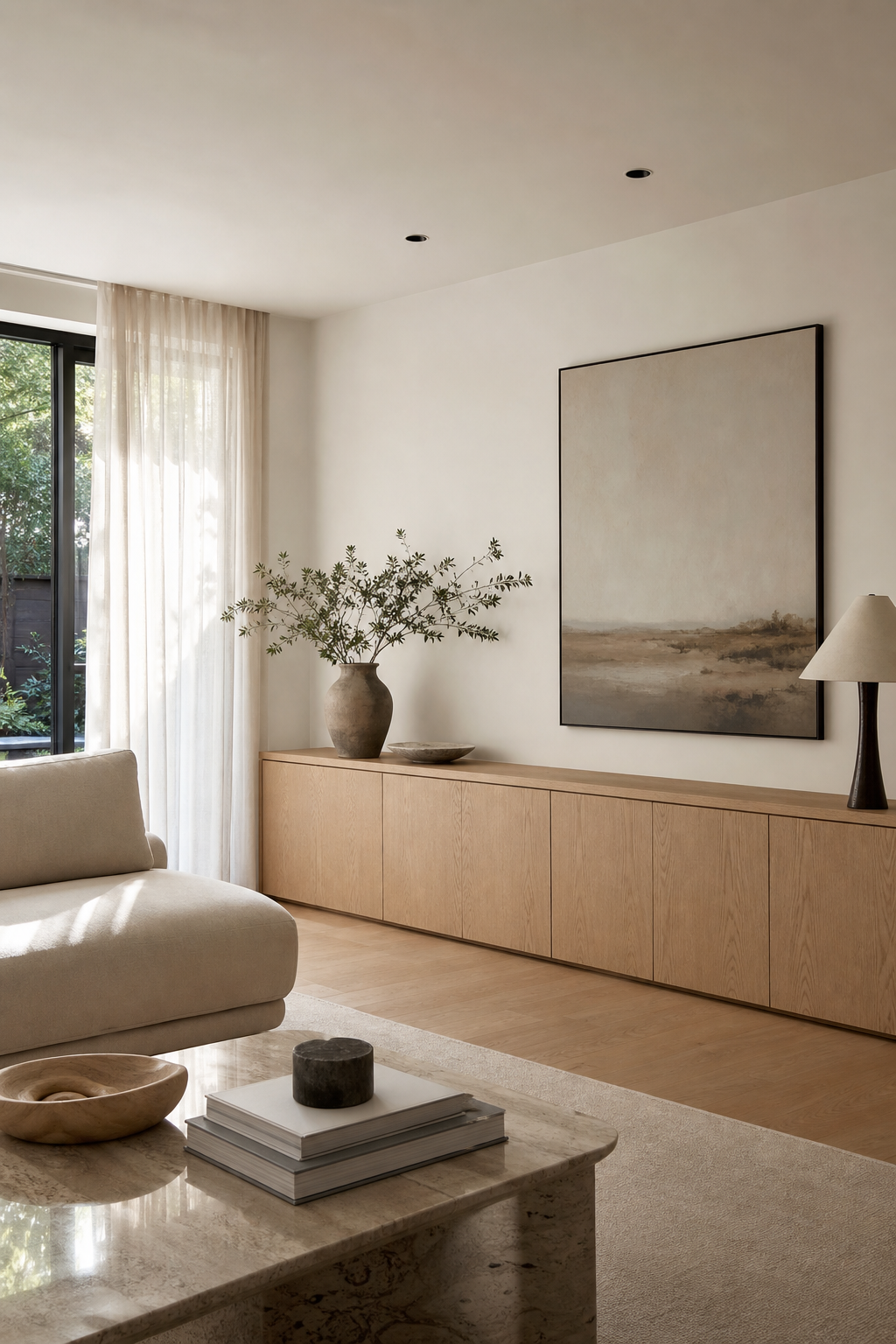
Pick Low, Wide Seating
Pick Low, Wide Seating gives a minimalist living room enough warmth without adding visual noise. The key is to choose fewer pieces with better texture, proportion, and finish, then leave breathing room around them so every shape feels deliberate. If the palette is very pale, vary the textures instead of adding more colors; matte, woven, nubby, smooth, and veined surfaces create depth quietly. A cozy designer look also depends on scale: one generous rug, one calm focal point, and lighting at more than one height will make the space feel complete. Keep surfaces edited, but avoid making them empty; one useful object and one sculptural detail are usually enough for a room that feels lived-in and refined.
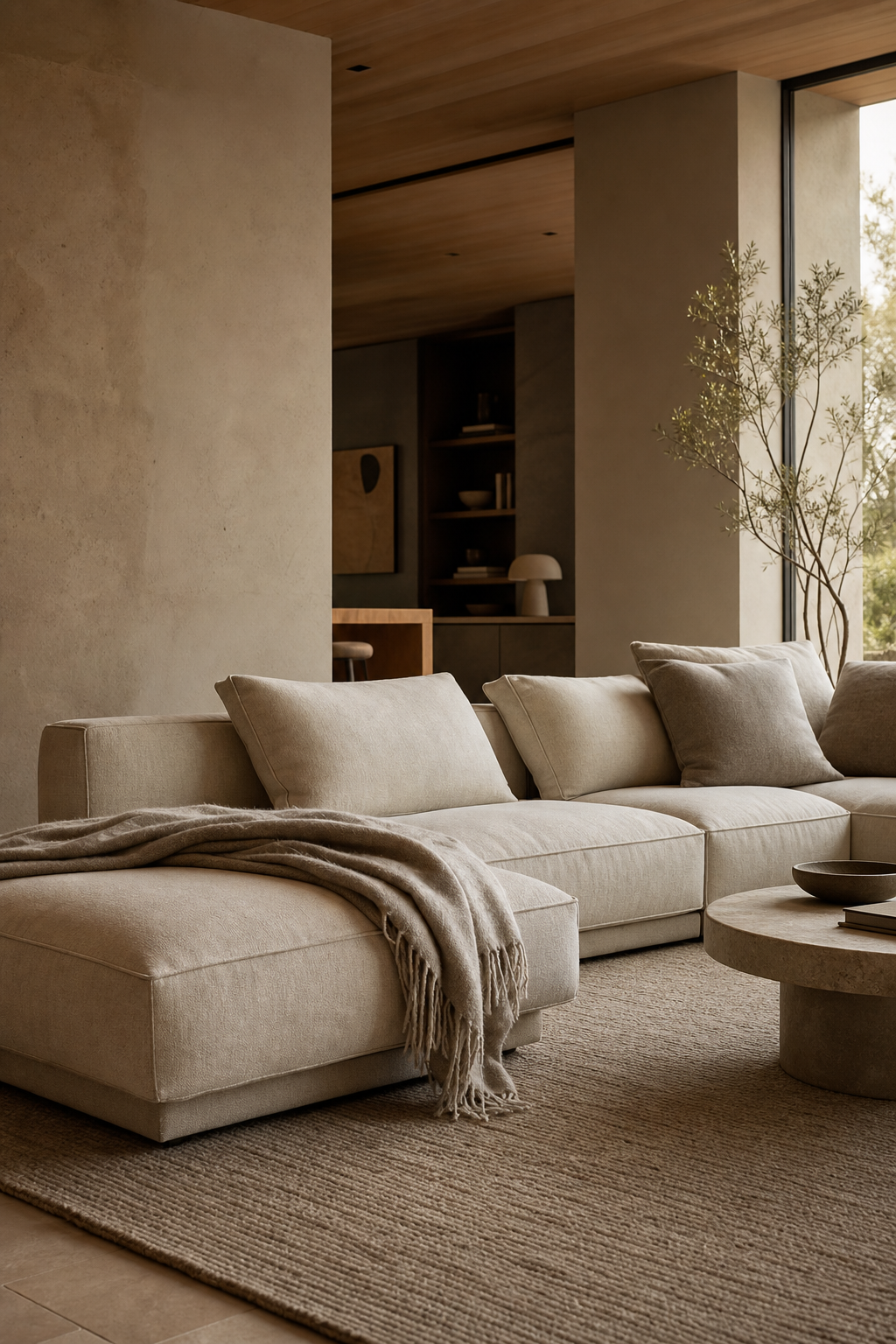
Mix Boucle With Smooth Leather
Mix Boucle With Smooth Leather gives a minimalist living room enough warmth without adding visual noise. The key is to choose fewer pieces with better texture, proportion, and finish, then leave breathing room around them so every shape feels deliberate. Use natural materials such as linen, wool, oak, stone, ceramic, leather, or plaster to keep the room from feeling flat. A cozy designer look also depends on scale: one generous rug, one calm focal point, and lighting at more than one height will make the space feel complete. Keep surfaces edited, but avoid making them empty; one useful object and one sculptural detail are usually enough for a room that feels lived-in and refined.
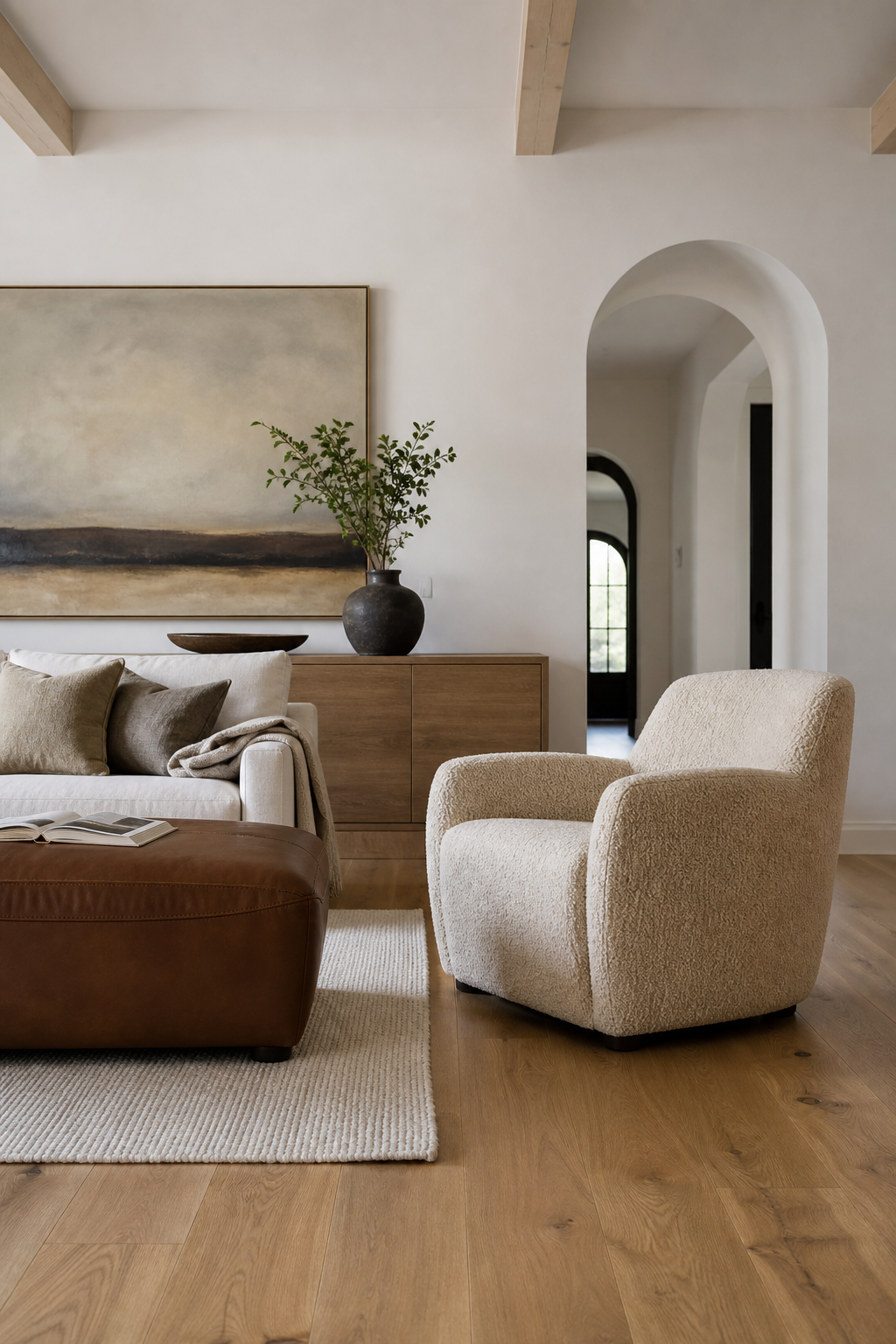
Hang Large Calm Artwork
Hang Large Calm Artwork gives a minimalist living room enough warmth without adding visual noise. The key is to choose fewer pieces with better texture, proportion, and finish, then leave breathing room around them so every shape feels deliberate. Use natural materials such as linen, wool, oak, stone, ceramic, leather, or plaster to keep the room from feeling flat. A cozy designer look also depends on scale: one generous rug, one calm focal point, and lighting at more than one height will make the space feel complete. Keep surfaces edited, but avoid making them empty; one useful object and one sculptural detail are usually enough for a room that feels lived-in and refined.
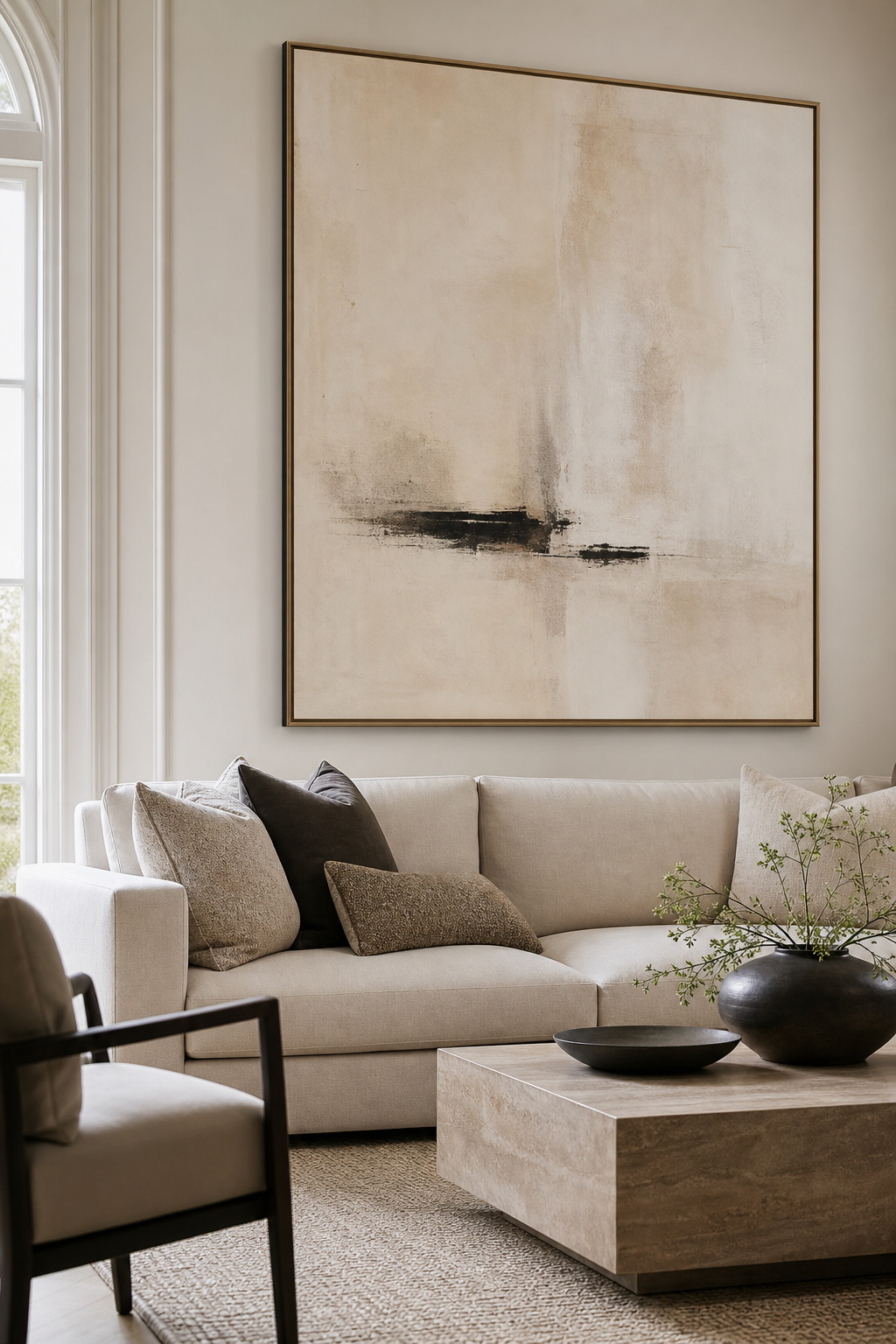
Choose A Slim Floor Lamp
Choose A Slim Floor Lamp gives a minimalist living room enough warmth without adding visual noise. The key is to choose fewer pieces with better texture, proportion, and finish, then leave breathing room around them so every shape feels deliberate. Use natural materials such as linen, wool, oak, stone, ceramic, leather, or plaster to keep the room from feeling flat. This works in apartments as well as larger homes because the effect comes from proportion, layout, and material restraint rather than excess furniture. Keep surfaces edited, but avoid making them empty; one useful object and one sculptural detail are usually enough for a room that feels lived-in and refined.
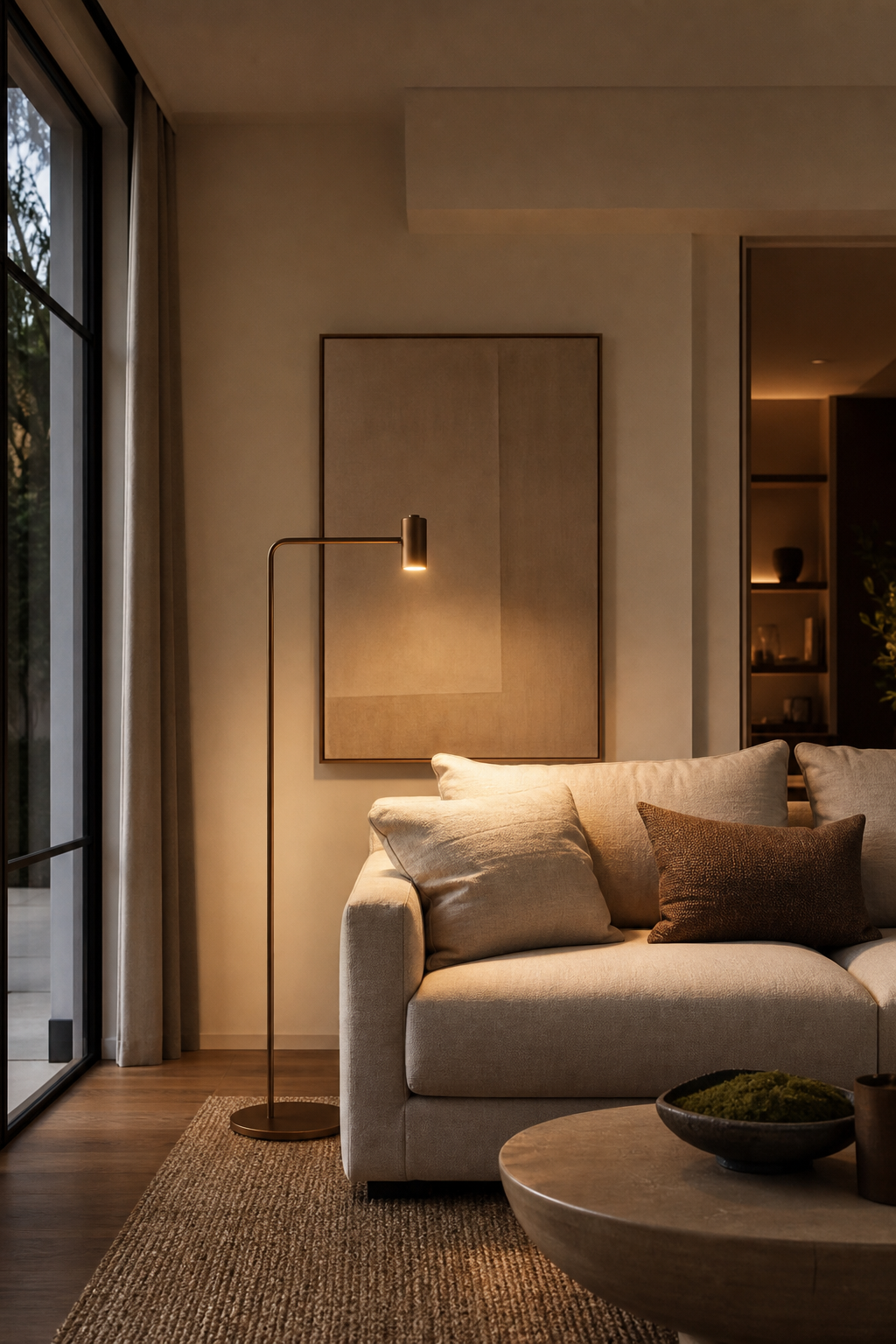
Use Black Accents Sparingly
Use Black Accents Sparingly gives a minimalist living room enough warmth without adding visual noise. The key is to choose fewer pieces with better texture, proportion, and finish, then leave breathing room around them so every shape feels deliberate. If the palette is very pale, vary the textures instead of adding more colors; matte, woven, nubby, smooth, and veined surfaces create depth quietly. A cozy designer look also depends on scale: one generous rug, one calm focal point, and lighting at more than one height will make the space feel complete. Keep surfaces edited, but avoid making them empty; one useful object and one sculptural detail are usually enough for a room that feels lived-in and refined.
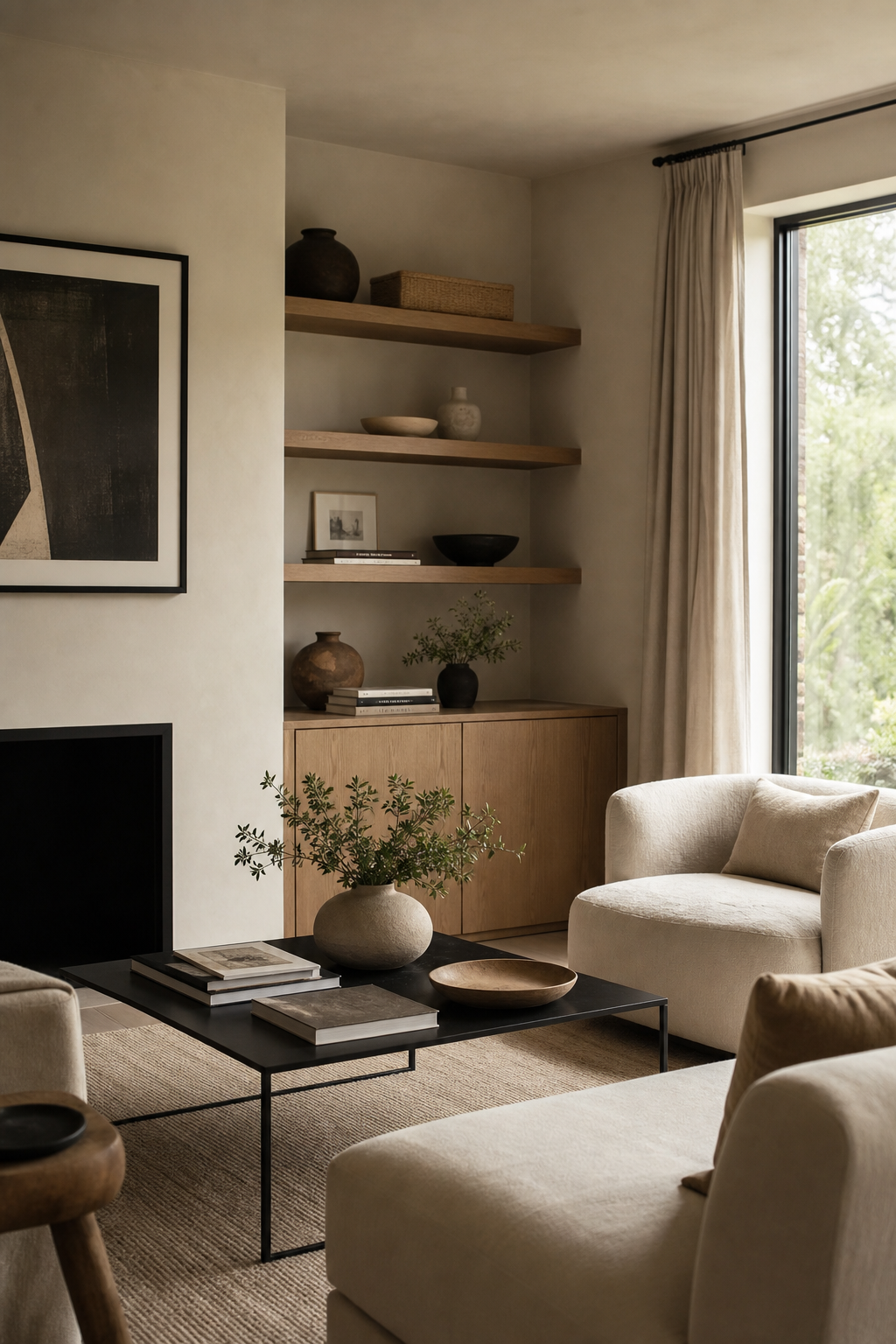
Keep Pillows Tonal But Textural
Keep Pillows Tonal But Textural gives a minimalist living room enough warmth without adding visual noise. The key is to choose fewer pieces with better texture, proportion, and finish, then leave breathing room around them so every shape feels deliberate. Use natural materials such as linen, wool, oak, stone, ceramic, leather, or plaster to keep the room from feeling flat. A cozy designer look also depends on scale: one generous rug, one calm focal point, and lighting at more than one height will make the space feel complete. Keep surfaces edited, but avoid making them empty; one useful object and one sculptural detail are usually enough for a room that feels lived-in and refined.
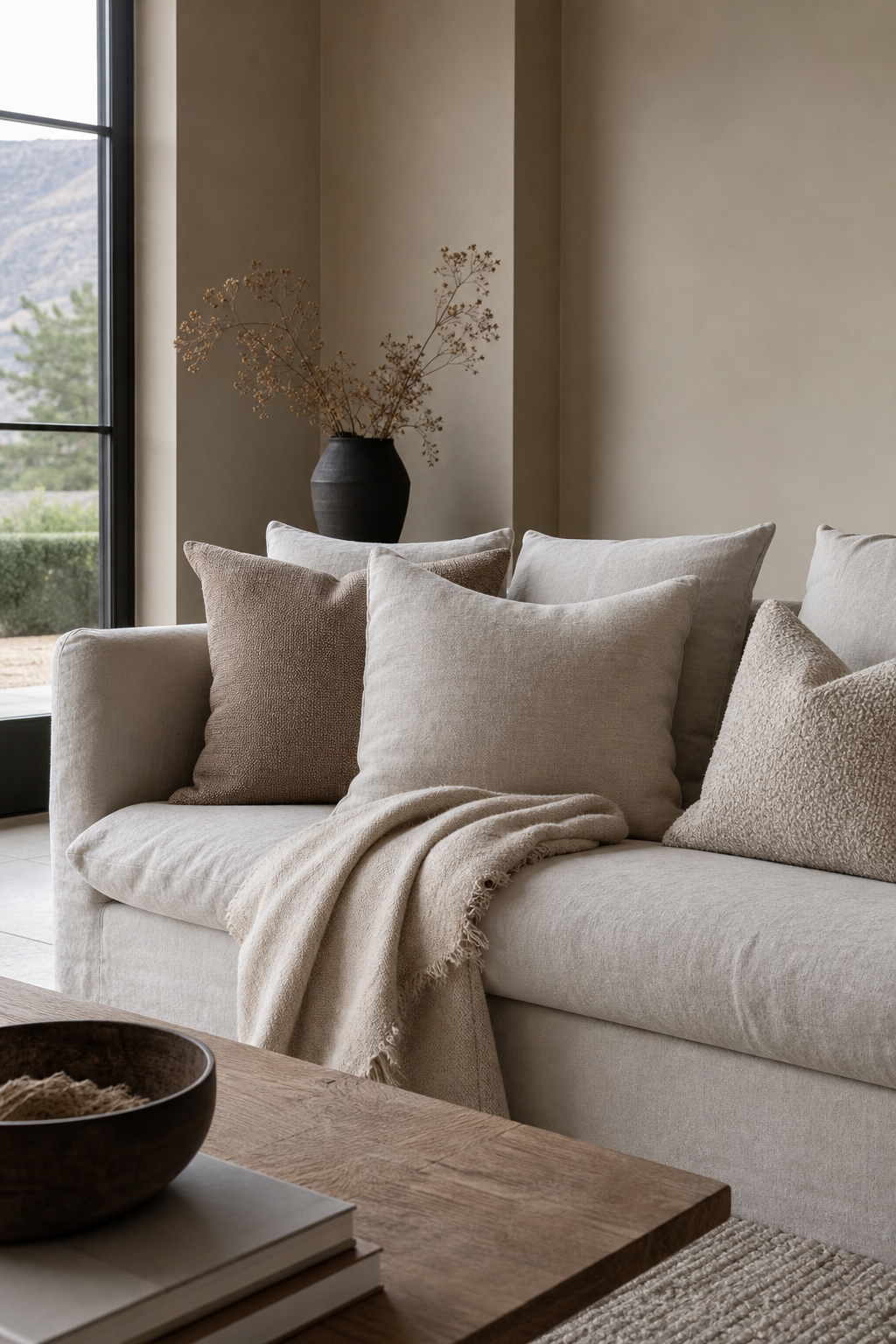
Bring In A Quiet Indoor Tree
Bring In A Quiet Indoor Tree gives a minimalist living room enough warmth without adding visual noise. The key is to choose fewer pieces with better texture, proportion, and finish, then leave breathing room around them so every shape feels deliberate. Use natural materials such as linen, wool, oak, stone, ceramic, leather, or plaster to keep the room from feeling flat. A cozy designer look also depends on scale: one generous rug, one calm focal point, and lighting at more than one height will make the space feel complete. Keep surfaces edited, but avoid making them empty; one useful object and one sculptural detail are usually enough for a room that feels lived-in and refined.
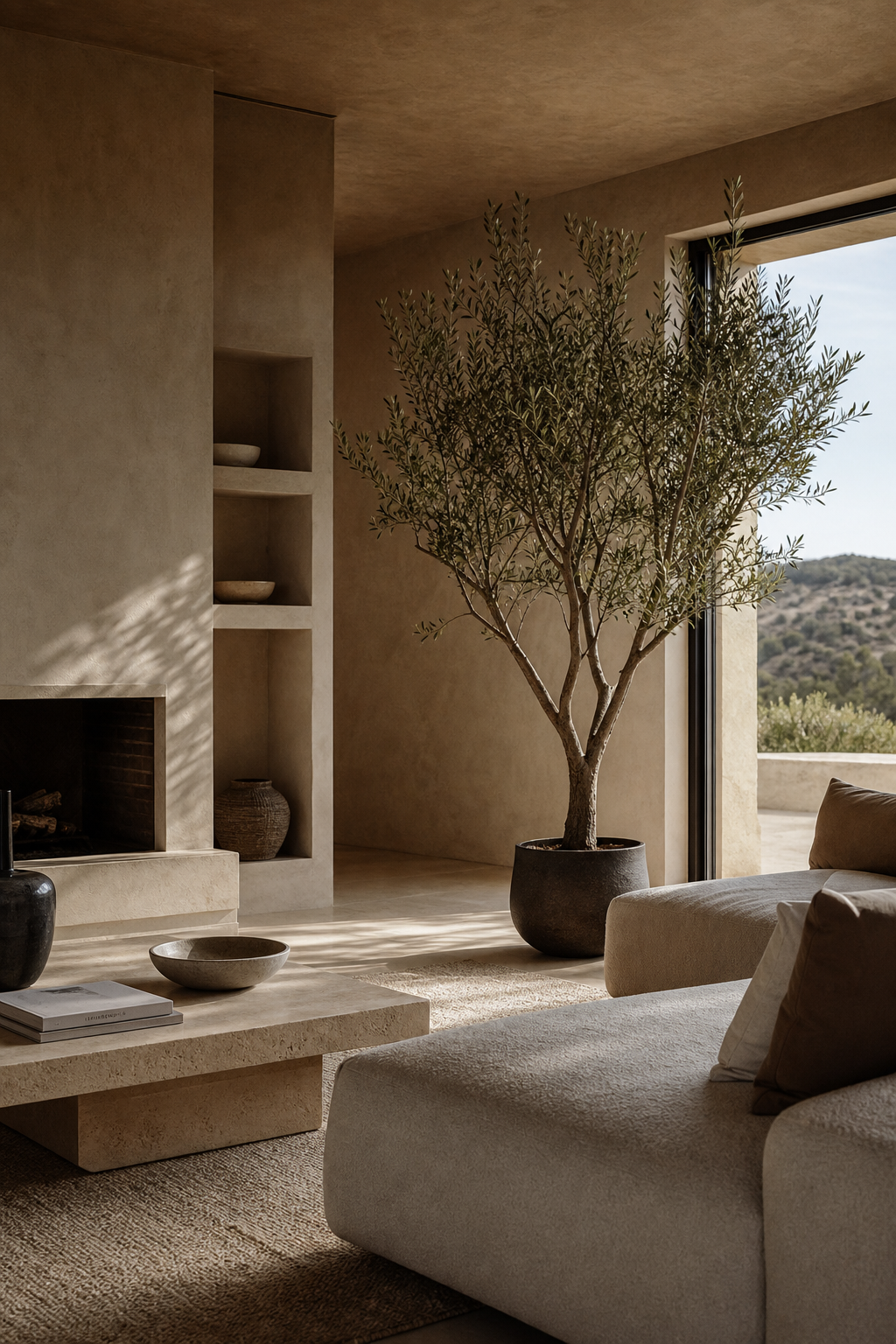
Make A Small Room Feel Airy
Make A Small Room Feel Airy gives a minimalist living room enough warmth without adding visual noise. The key is to choose fewer pieces with better texture, proportion, and finish, then leave breathing room around them so every shape feels deliberate. Use natural materials such as linen, wool, oak, stone, ceramic, leather, or plaster to keep the room from feeling flat. A cozy designer look also depends on scale: one generous rug, one calm focal point, and lighting at more than one height will make the space feel complete. Keep surfaces edited, but avoid making them empty; one useful object and one sculptural detail are usually enough for a room that feels lived-in and refined.
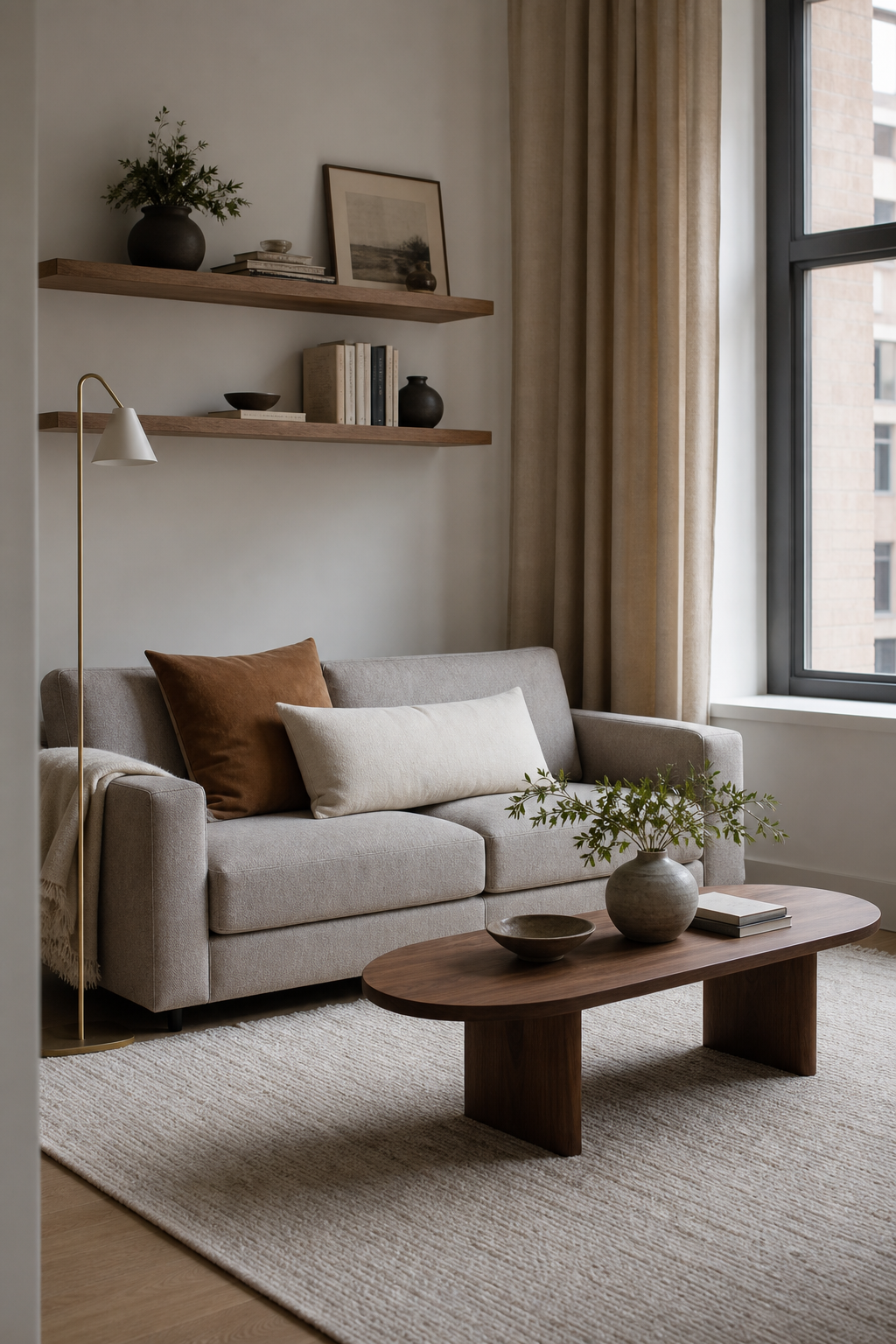
Use A Bench As Flexible Seating
Use A Bench As Flexible Seating gives a minimalist living room enough warmth without adding visual noise. The key is to choose fewer pieces with better texture, proportion, and finish, then leave breathing room around them so every shape feels deliberate. If the palette is very pale, vary the textures instead of adding more colors; matte, woven, nubby, smooth, and veined surfaces create depth quietly. This works in apartments as well as larger homes because the effect comes from proportion, layout, and material restraint rather than excess furniture. Keep surfaces edited, but avoid making them empty; one useful object and one sculptural detail are usually enough for a room that feels lived-in and refined.
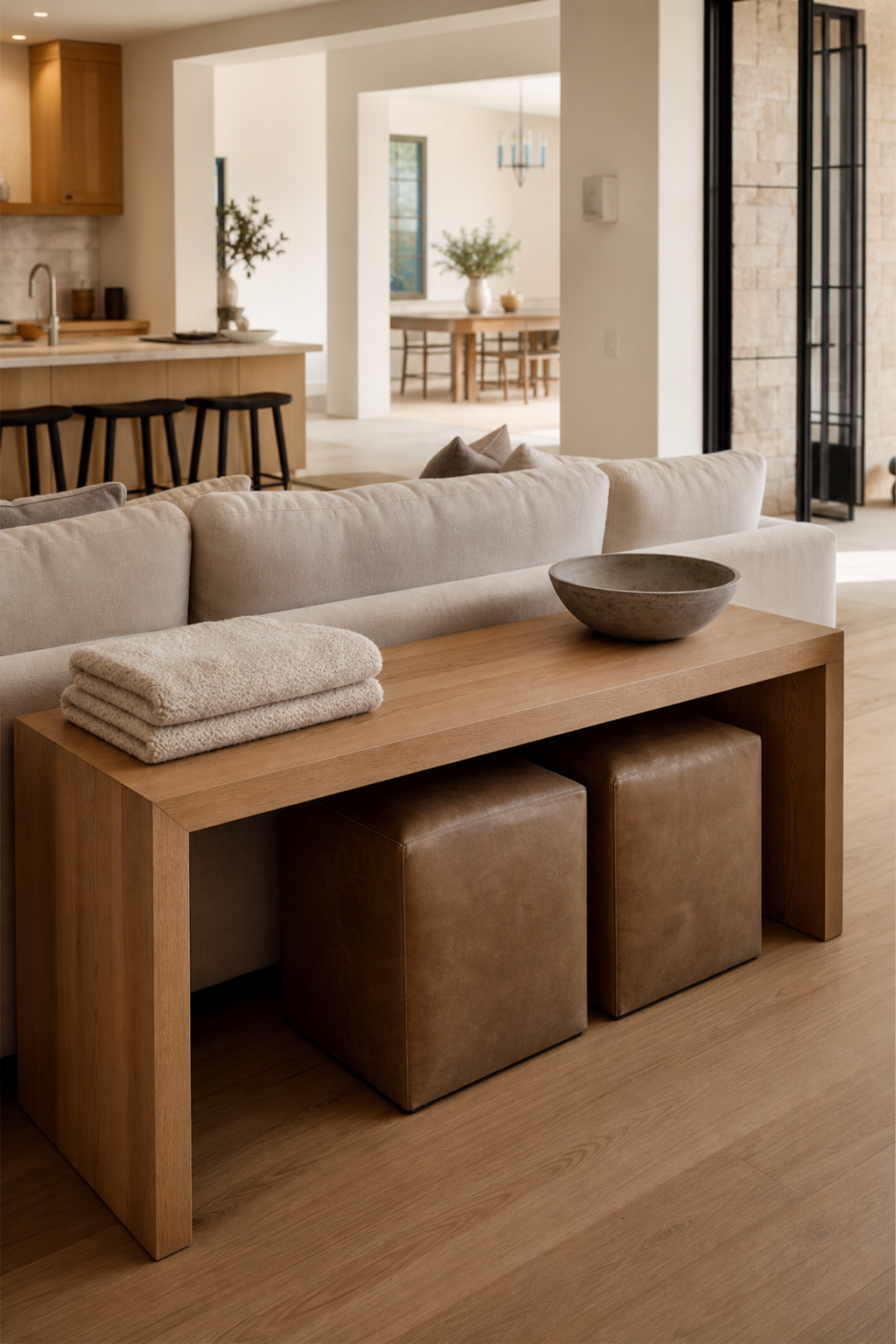
Edit The Coffee Table Styling
Edit The Coffee Table Styling gives a minimalist living room enough warmth without adding visual noise. The key is to choose fewer pieces with better texture, proportion, and finish, then leave breathing room around them so every shape feels deliberate. Use natural materials such as linen, wool, oak, stone, ceramic, leather, or plaster to keep the room from feeling flat. A cozy designer look also depends on scale: one generous rug, one calm focal point, and lighting at more than one height will make the space feel complete. Keep surfaces edited, but avoid making them empty; one useful object and one sculptural detail are usually enough for a room that feels lived-in and refined.
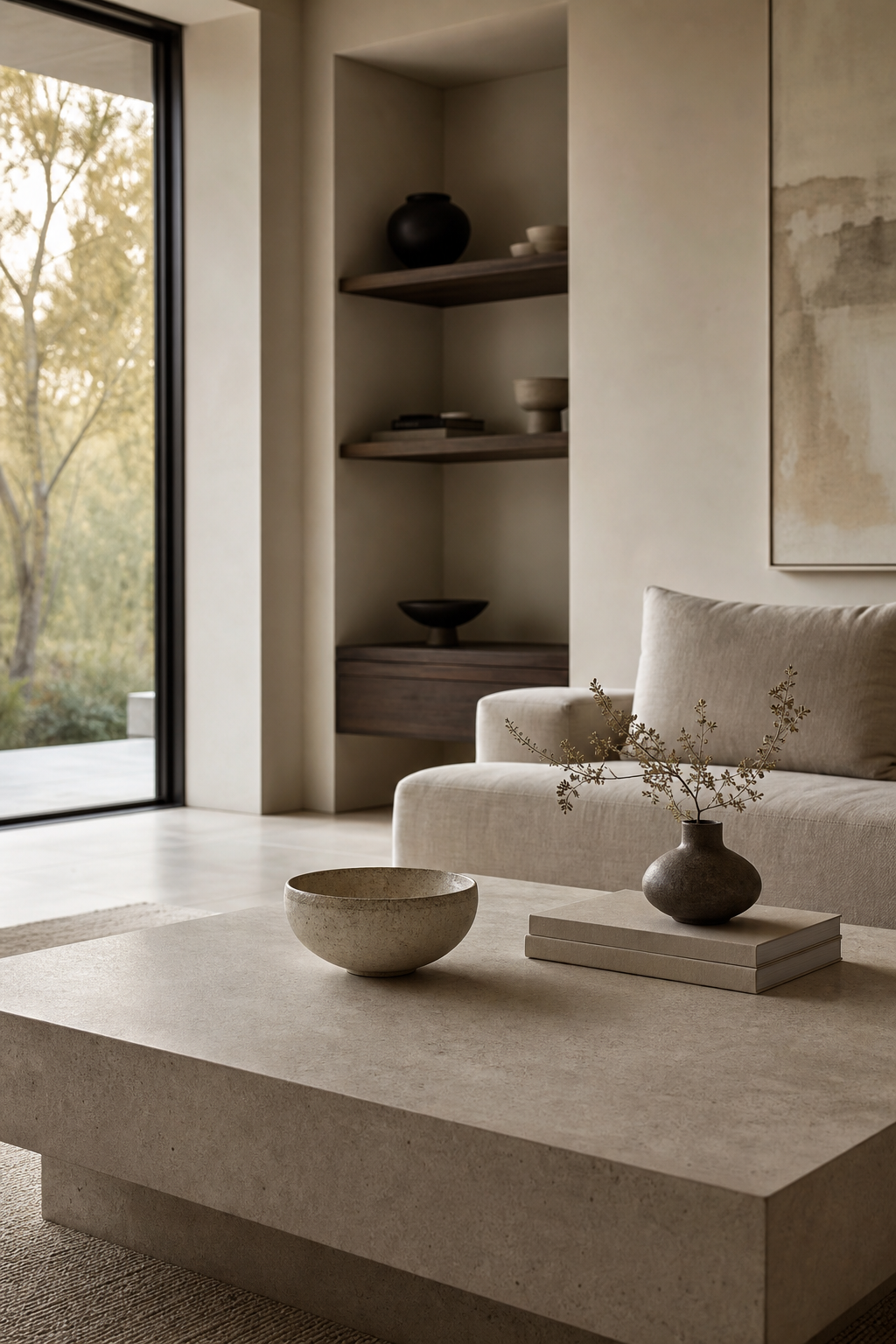
Choose Warm White Walls
Choose Warm White Walls gives a minimalist living room enough warmth without adding visual noise. The key is to choose fewer pieces with better texture, proportion, and finish, then leave breathing room around them so every shape feels deliberate. Use natural materials such as linen, wool, oak, stone, ceramic, leather, or plaster to keep the room from feeling flat. A cozy designer look also depends on scale: one generous rug, one calm focal point, and lighting at more than one height will make the space feel complete. Keep surfaces edited, but avoid making them empty; one useful object and one sculptural detail are usually enough for a room that feels lived-in and refined.
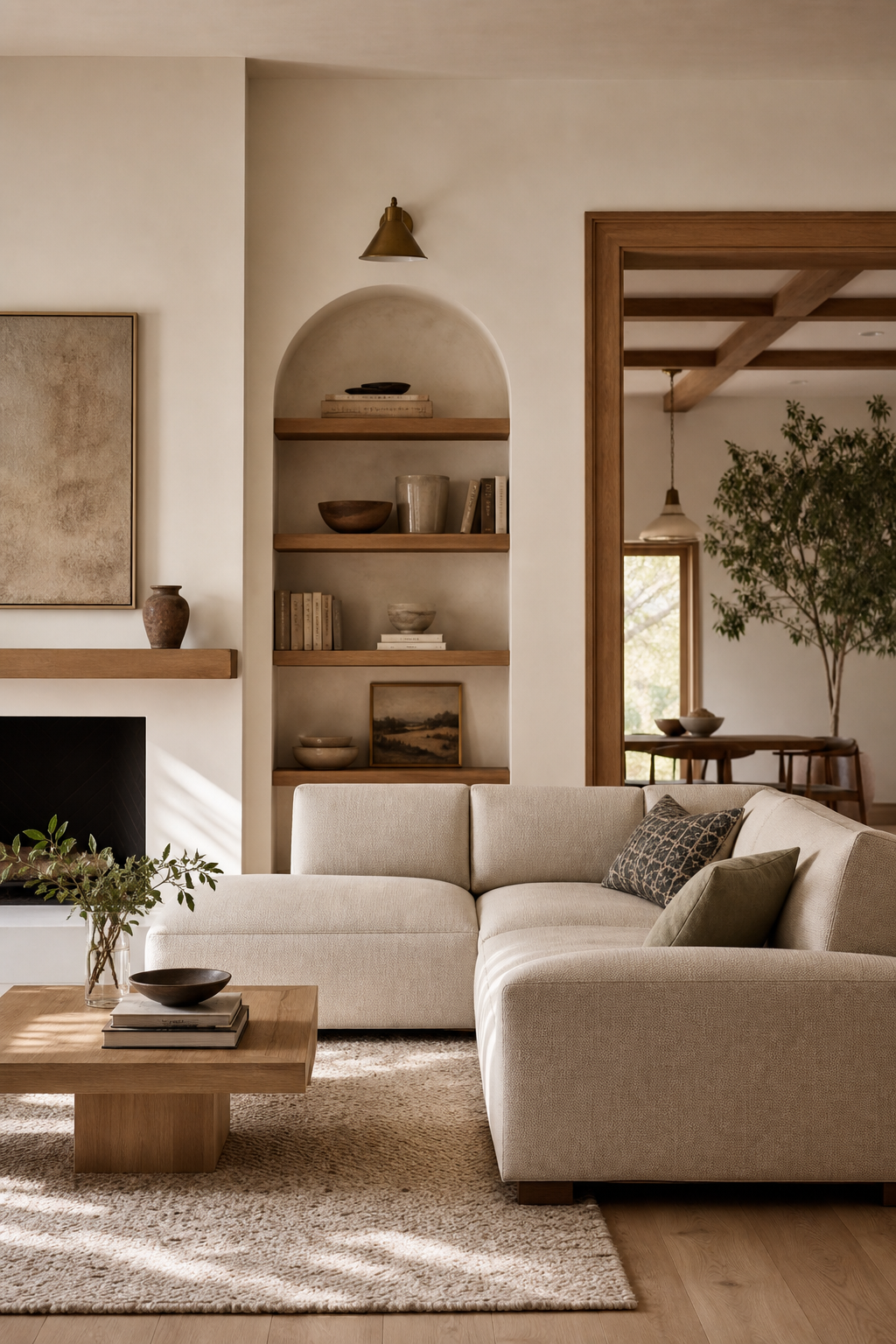
Add A Natural Fiber Shade
Add A Natural Fiber Shade gives a minimalist living room enough warmth without adding visual noise. The key is to choose fewer pieces with better texture, proportion, and finish, then leave breathing room around them so every shape feels deliberate. Use natural materials such as linen, wool, oak, stone, ceramic, leather, or plaster to keep the room from feeling flat. A cozy designer look also depends on scale: one generous rug, one calm focal point, and lighting at more than one height will make the space feel complete. Keep surfaces edited, but avoid making them empty; one useful object and one sculptural detail are usually enough for a room that feels lived-in and refined.
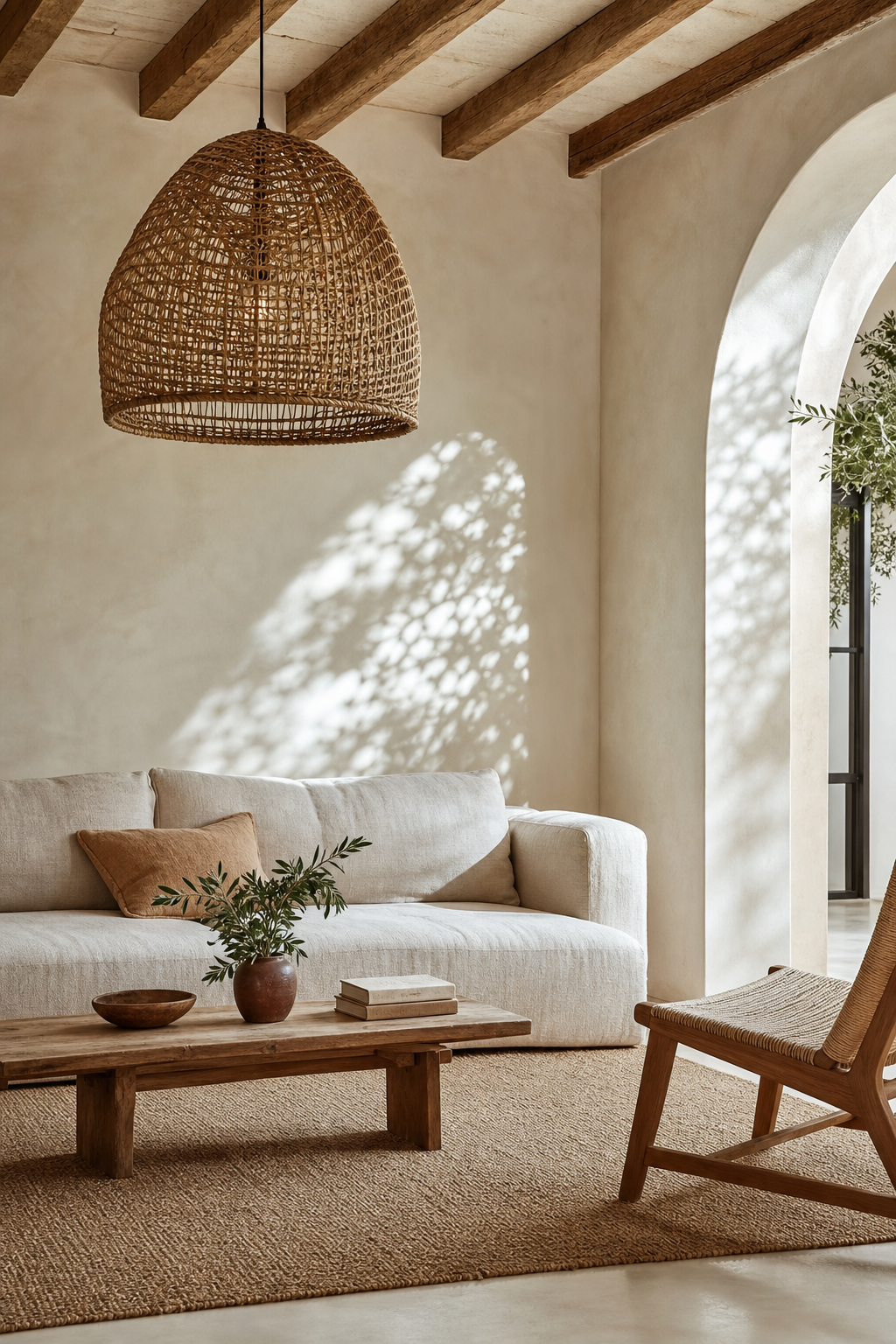
Repeat Materials Across The Room
Repeat Materials Across The Room gives a minimalist living room enough warmth without adding visual noise. The key is to choose fewer pieces with better texture, proportion, and finish, then leave breathing room around them so every shape feels deliberate. If the palette is very pale, vary the textures instead of adding more colors; matte, woven, nubby, smooth, and veined surfaces create depth quietly. A cozy designer look also depends on scale: one generous rug, one calm focal point, and lighting at more than one height will make the space feel complete. Keep surfaces edited, but avoid making them empty; one useful object and one sculptural detail are usually enough for a room that feels lived-in and refined.
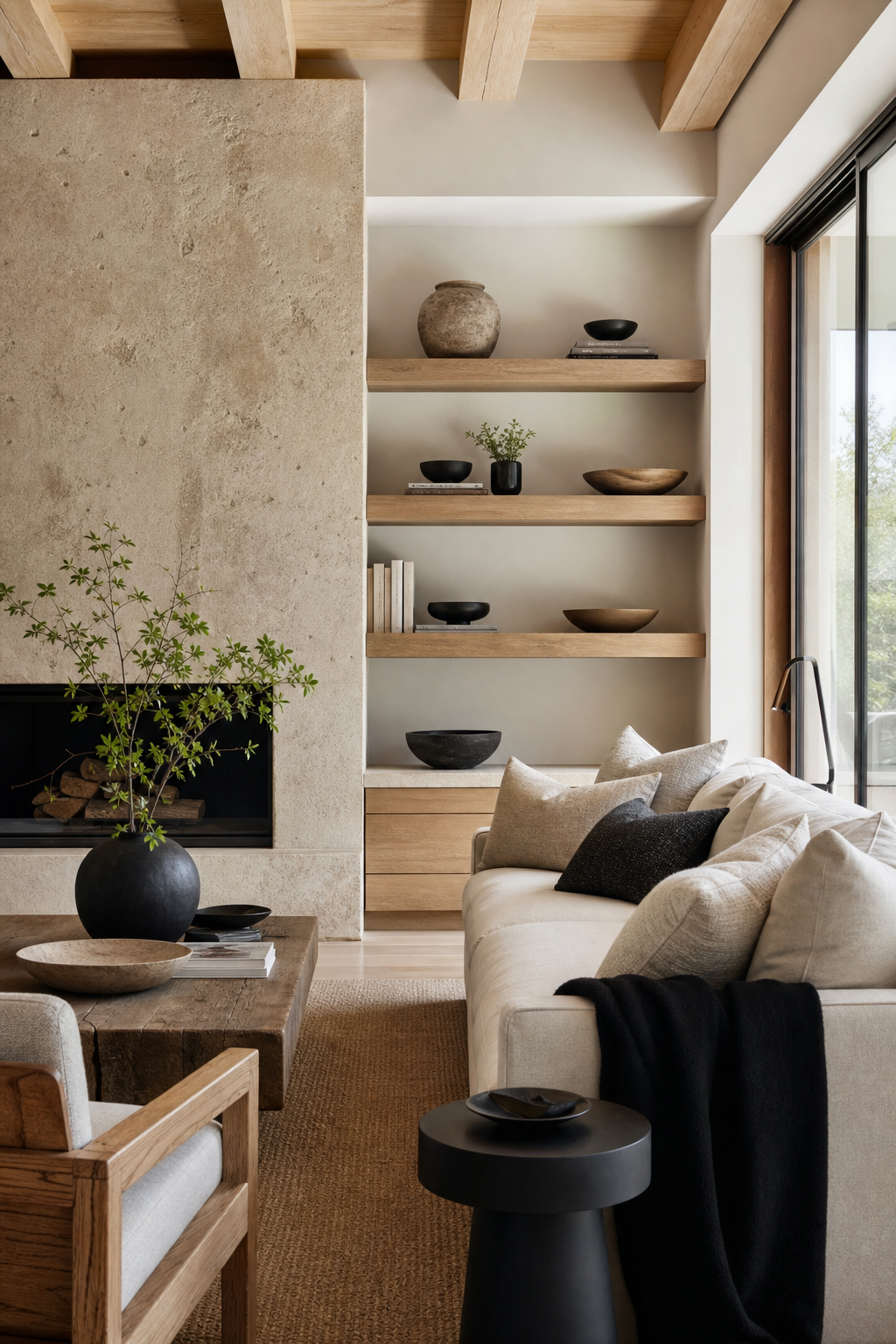
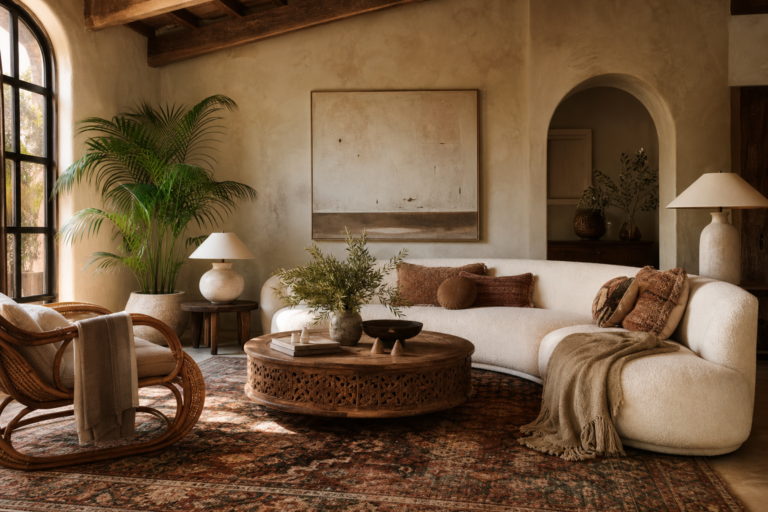
Finish With One Cozy Throw
Finish With One Cozy Throw gives a minimalist living room enough warmth without adding visual noise. The key is to choose fewer pieces with better texture, proportion, and finish, then leave breathing room around them so every shape feels deliberate. Use natural materials such as linen, wool, oak, stone, ceramic, leather, or plaster to keep the room from feeling flat. This works in apartments as well as larger homes because the effect comes from proportion, layout, and material restraint rather than excess furniture. Keep surfaces edited, but avoid making them empty; one useful object and one sculptural detail are usually enough for a room that feels lived-in and refined.
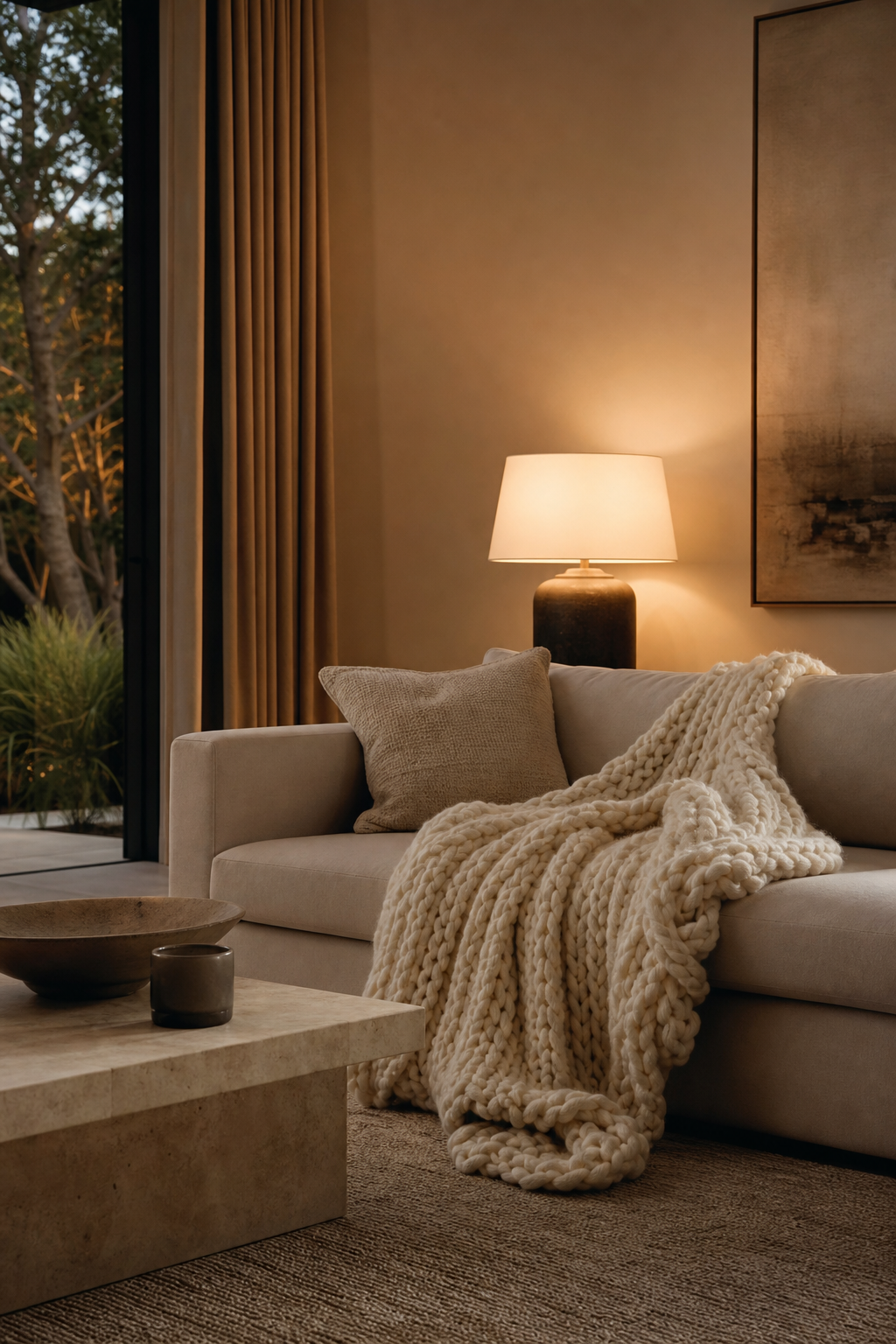
The most inviting minimalist living rooms are calm, not cold. Choose a tight palette, repeat a few natural materials, and let scale, texture, and lighting carry the design. When every piece has a reason to be there, the room feels easier to live in and more polished at the same time.