20 Cozy Living Room Design For A Cozy Designer Look
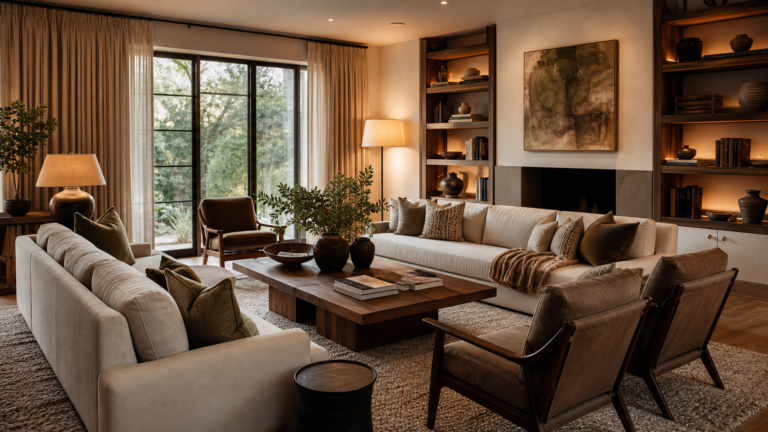
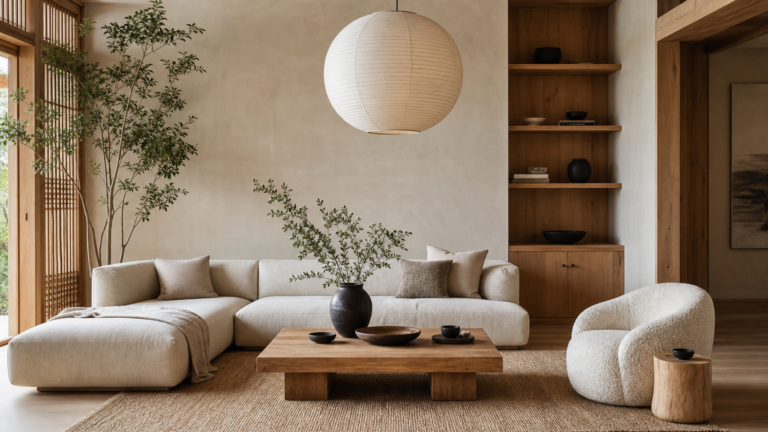
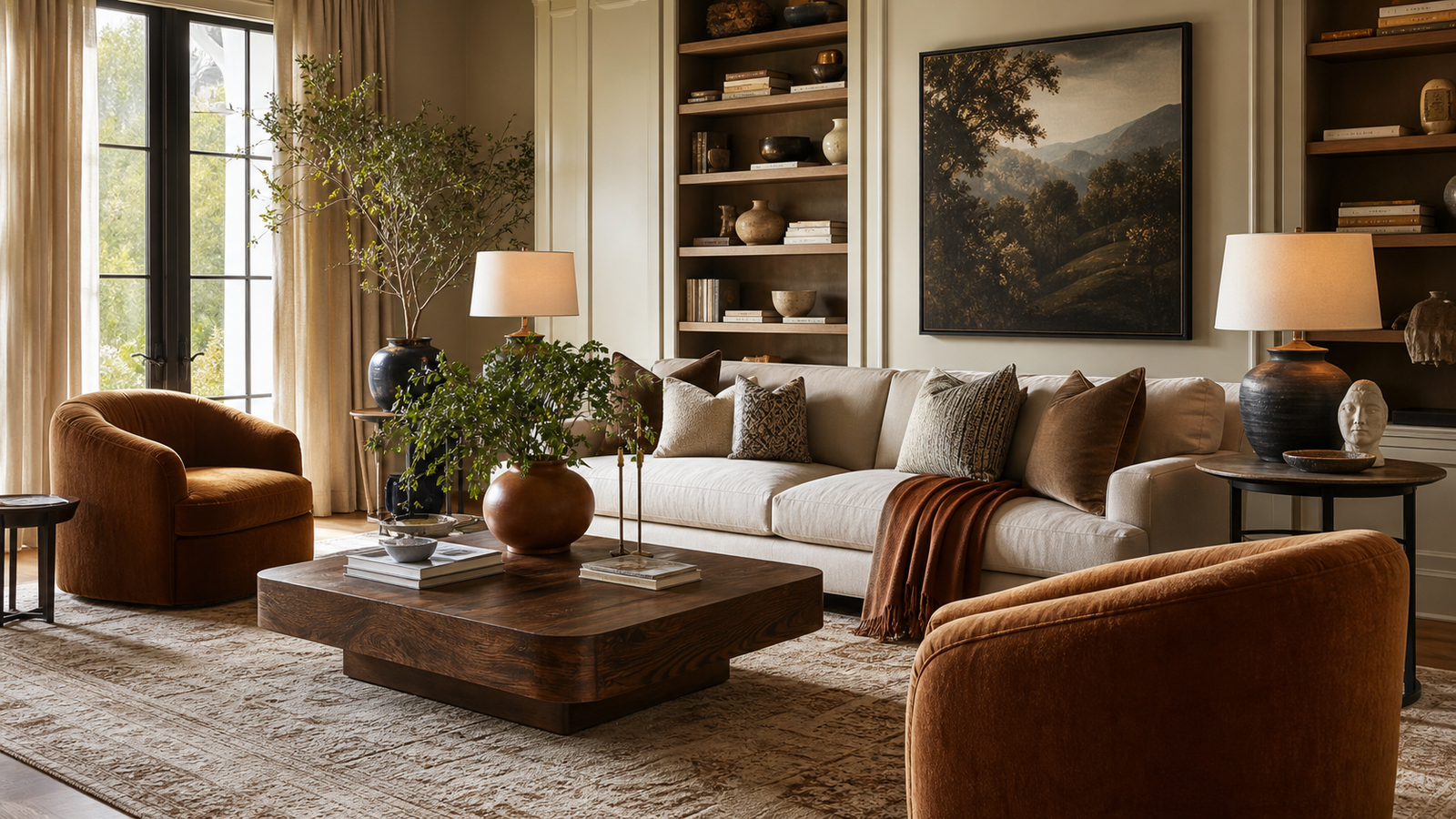
A cozy living room works when comfort and composition support each other. The room should invite people to sit down, but it should also have enough structure to feel designed rather than accidental. That balance comes from layered seating, warm lighting, tactile fabrics, thoughtful tables, and decor that leaves breathing room. Cozy does not have to mean cluttered, dark, or overly rustic. It can be tailored, bright, modern, traditional, or collected. These living room design ideas focus on warmth that still feels polished, with practical details that make the room easier to use every day.
Start With A Conversation-Friendly Layout
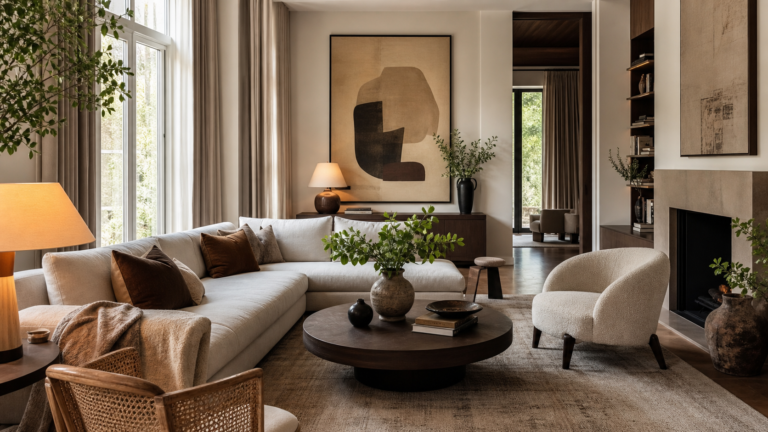
A cozy living room begins with furniture placement, not accessories. Pull seating close enough that people can talk without leaning forward, and avoid pushing every piece against the wall unless the room truly requires it. A sofa facing two chairs, a sectional wrapped around a coffee table, or four chairs around an ottoman can all work beautifully. Leave clear walkways so the room feels welcoming rather than crowded. Once the conversation zone feels natural, the rest of the design becomes easier. Rugs, lamps, tables, and pillows should support that main seating arrangement instead of fighting it.
Anchor The Room With A Generous Rug
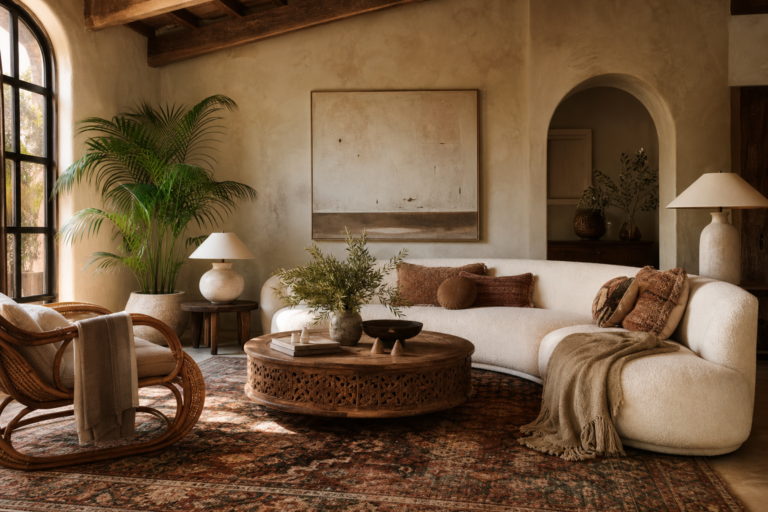
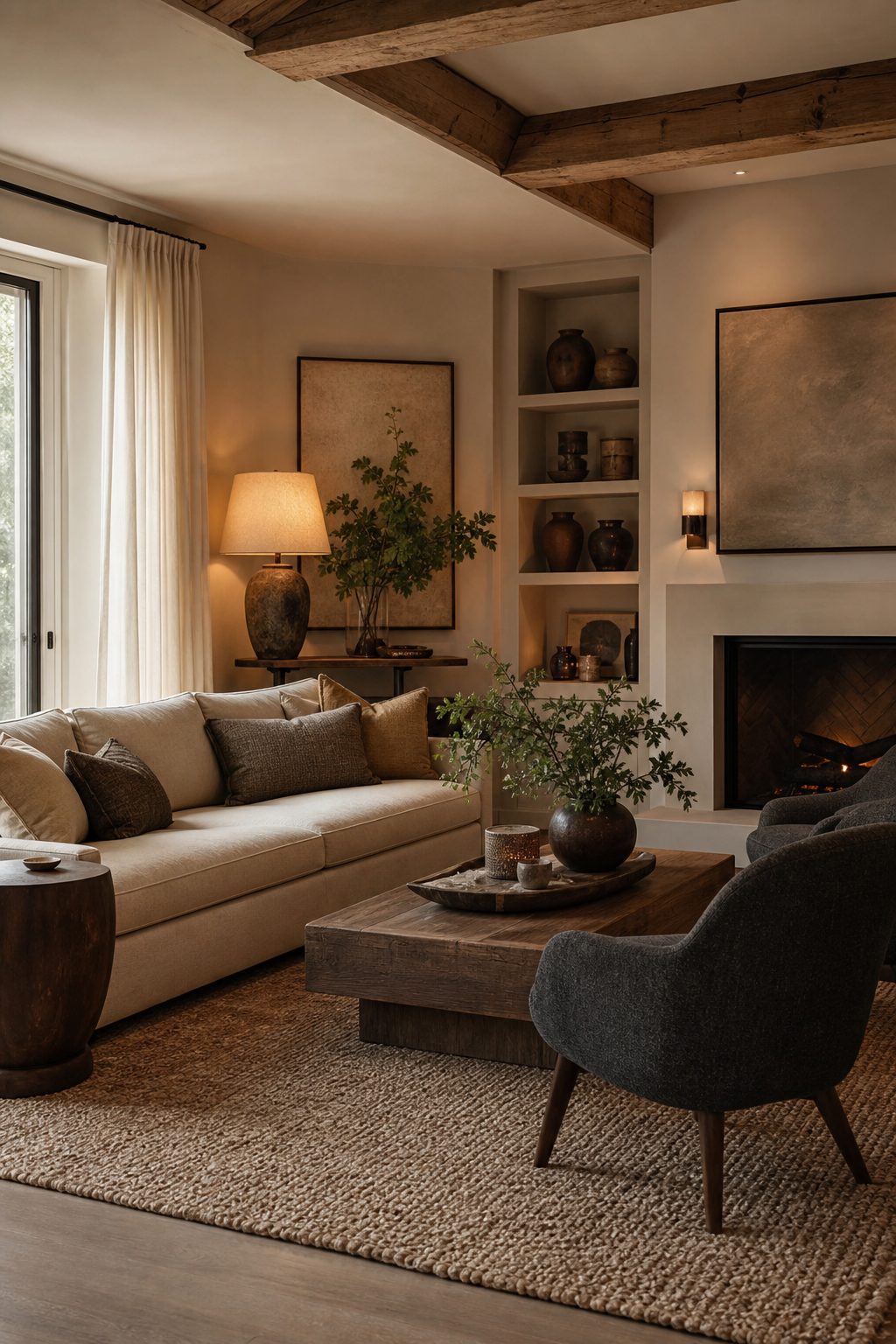
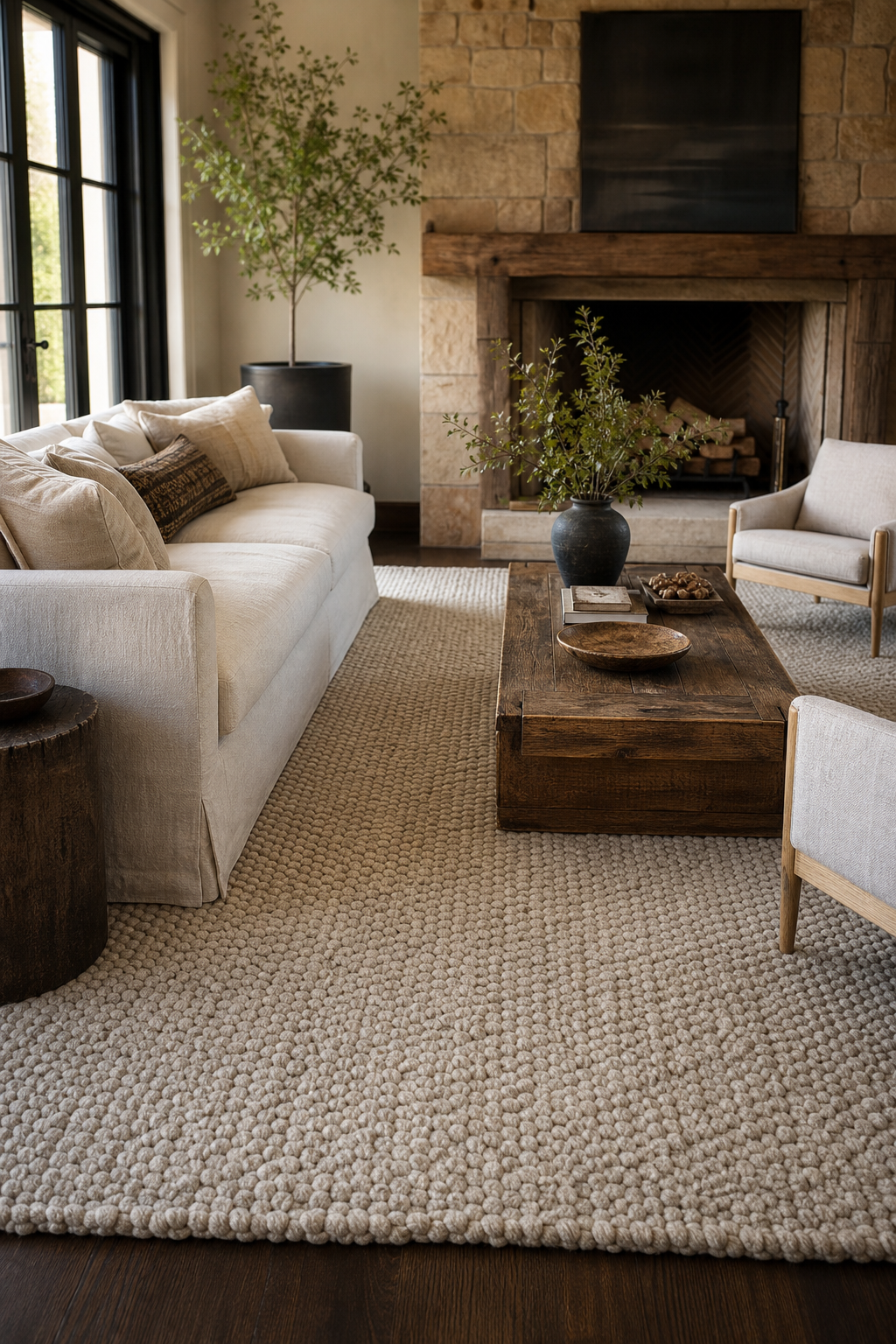
A rug that is too small can make a living room feel scattered, while a generous rug makes the seating area feel grounded. Ideally, at least the front legs of the sofa and chairs should sit on the rug. Choose wool, jute, hand-knotted, or a textured performance option depending on the household. Pattern can hide wear, but even a tonal rug adds depth when it has visible weave. The rug should relate to the sofa and wall color without matching everything exactly. This one change often makes the whole room feel more intentional and more comfortable.
Layer Table Lamps Instead Of Relying On Overhead Light
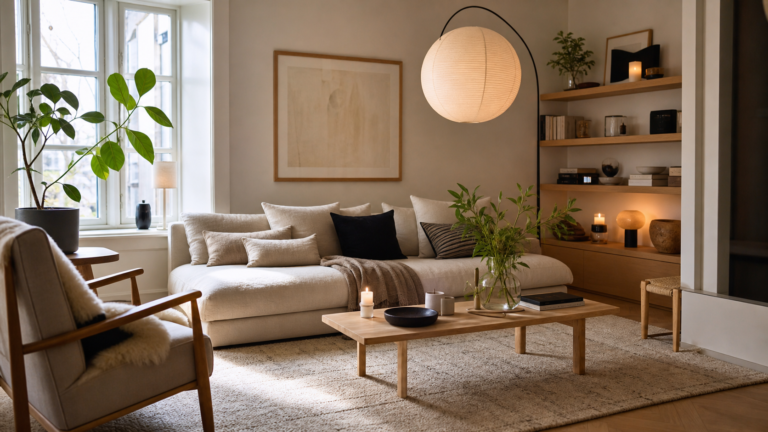
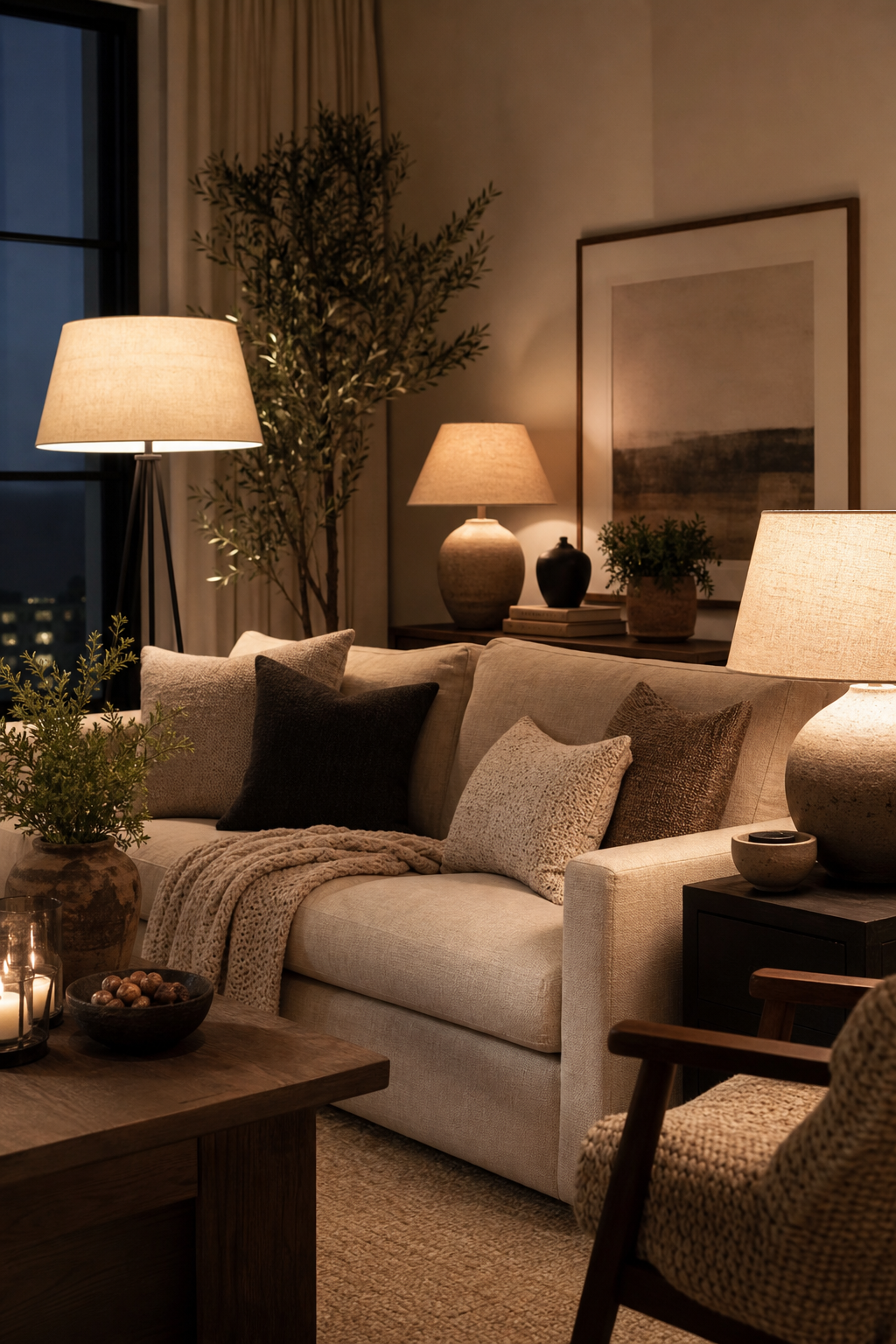
Overhead lighting rarely creates a cozy room by itself. Add table lamps, floor lamps, picture lights, or sconces so the room glows from several heights. Lamps near seating make reading easier and soften the mood at night. Use warm bulbs and dimmers where possible, and choose shades that diffuse light rather than exposing harsh glare. The lamp bases can also add material contrast, such as ceramic, wood, stone, or aged metal. Once the room has layered light, textiles look richer, art feels warmer, and the seating area becomes more inviting after sunset.
Choose A Sofa With Soft Structure
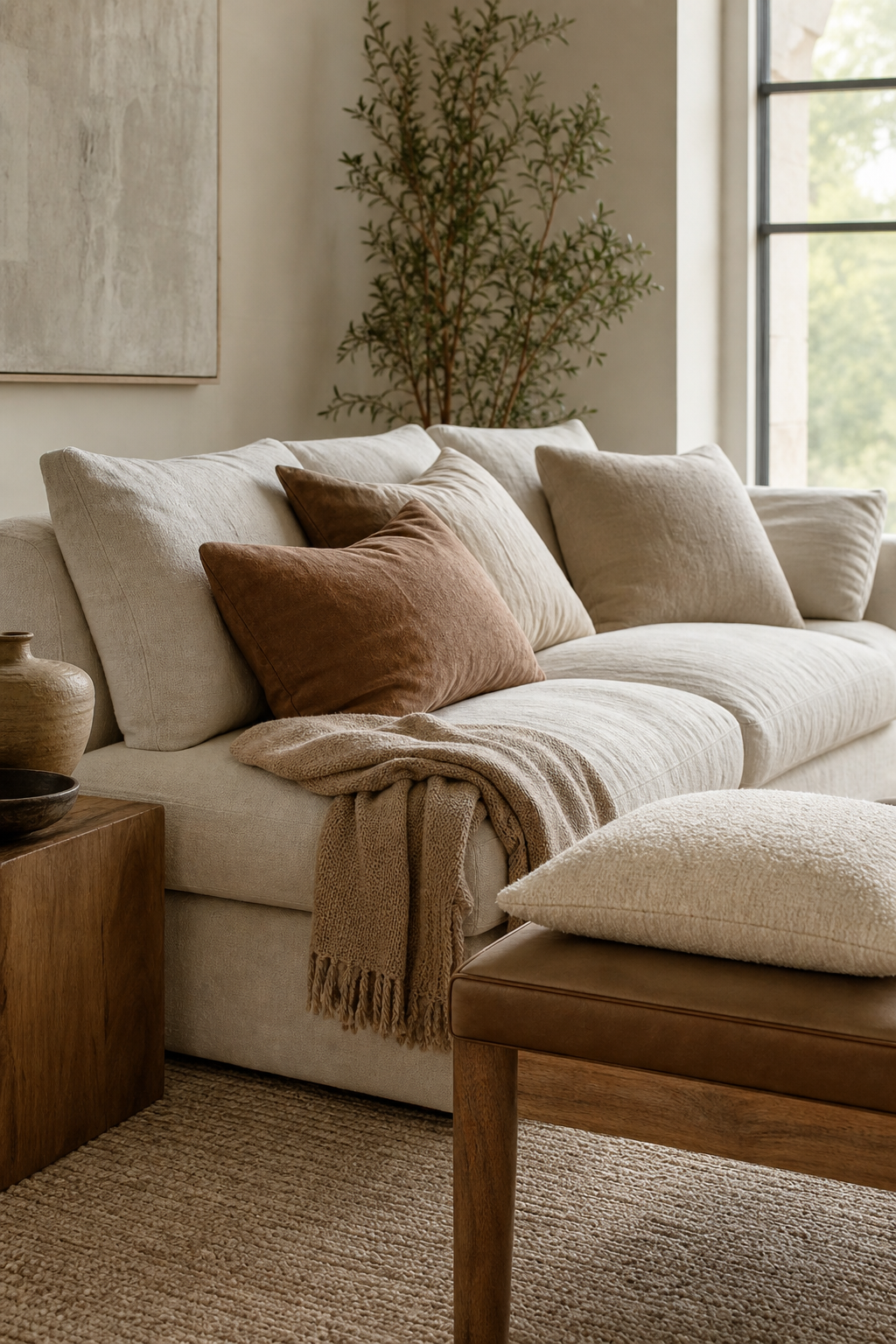
The sofa sets the tone for the living room, so look for comfort without a shapeless silhouette. Bench cushions, loose back pillows, English arms, slipcovered linen, or a clean modern profile can all feel cozy when the proportions are right. Seat depth matters: too shallow feels formal, while too deep can be difficult for everyday sitting. A durable fabric in oatmeal, warm gray, moss, clay, or soft ivory keeps the room flexible. Add pillows later, but make sure the sofa itself already invites use. A good sofa should look tailored and relaxed at the same time.
Mix One Sculptural Chair With One Sink-In Seat
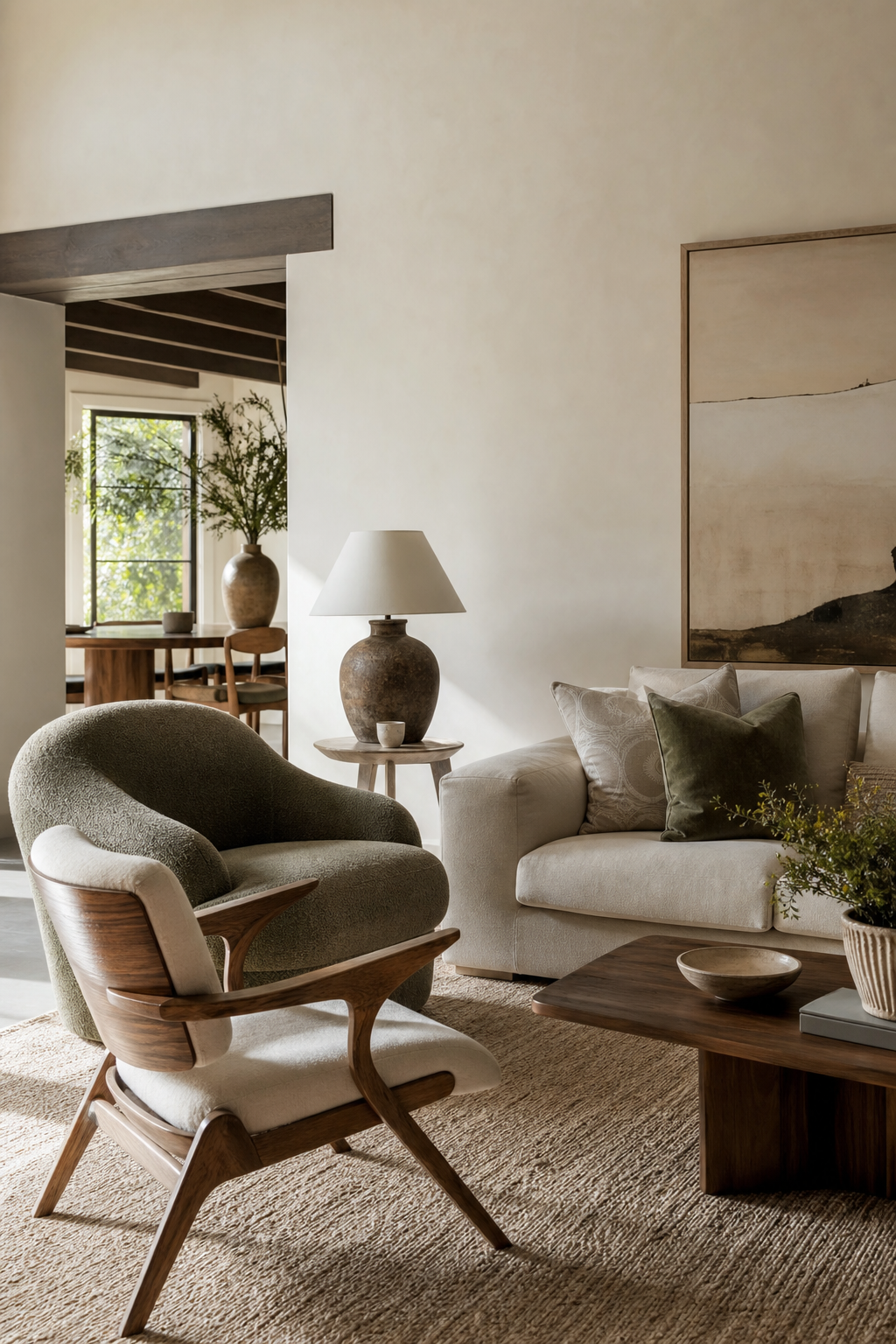
A room feels more designed when seating pieces are related but not identical. Pair a sink-in upholstered chair with a sculptural wood-frame chair, or balance a curved lounge chair with a tailored sofa. This mix gives the room shape and prevents the furniture from feeling like a showroom set. Keep seat heights compatible so conversation still feels natural. Repeating one material, such as oak, boucle, leather, or black metal, can connect the pieces. The contrast adds interest, while the shared palette keeps the room calm and cozy.
Use Curtains To Soften The Architecture
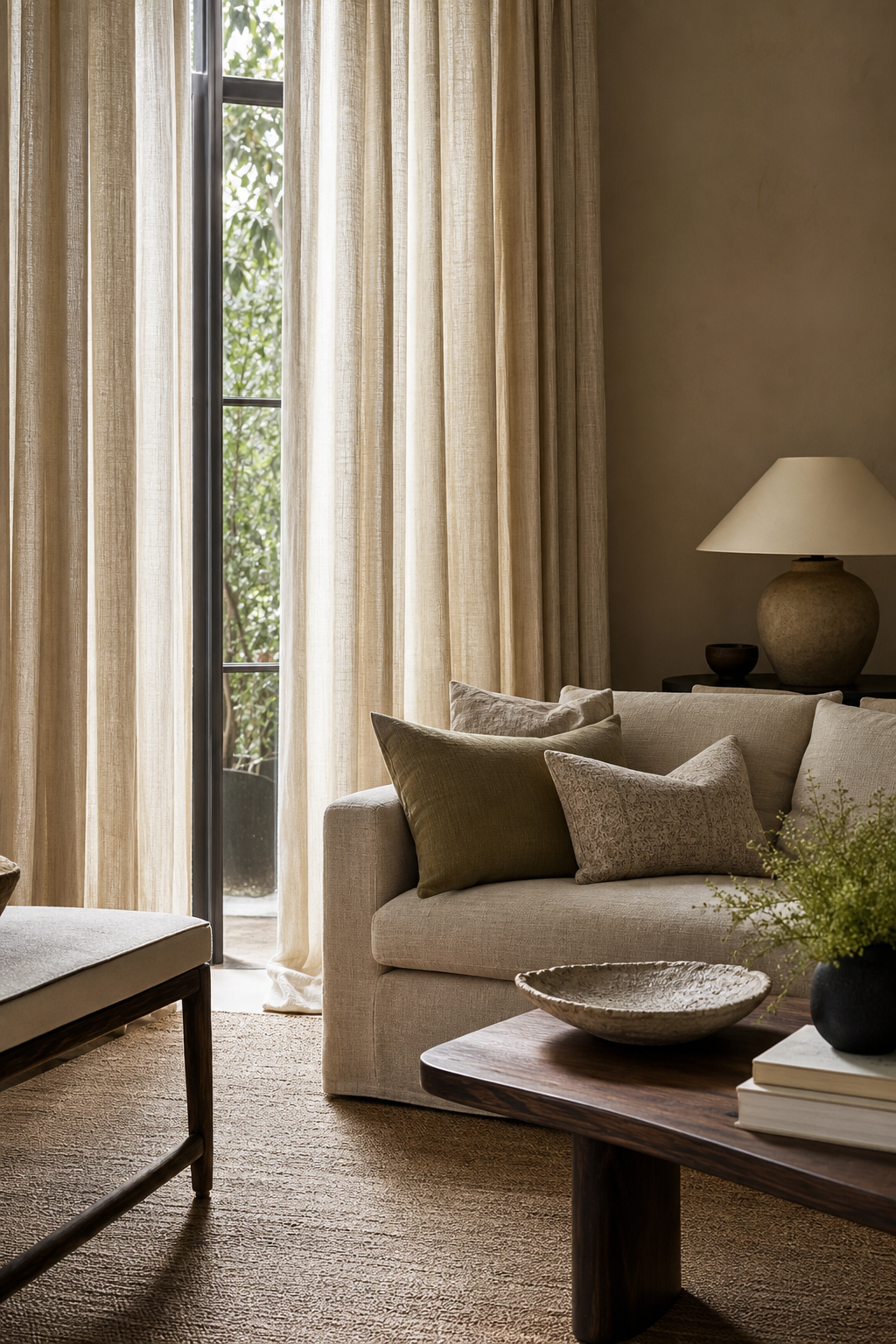
Curtains can change the entire feeling of a living room because they soften walls, windows, and sound. Mount rods higher and wider than the window to create a more generous frame. Linen, cotton velvet, wool blend, or a subtle woven fabric can make the space feel finished without looking heavy. Full panels matter; skimpy curtains rarely feel designer. Let them just touch the floor or break slightly for a relaxed look. Even in a simple room, tall curtains add vertical movement and a sense of warmth that blinds alone cannot provide.
Style The Coffee Table With Low Layers
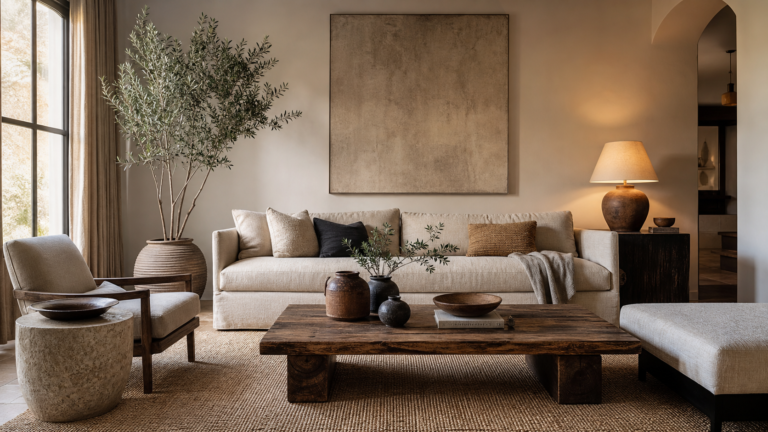
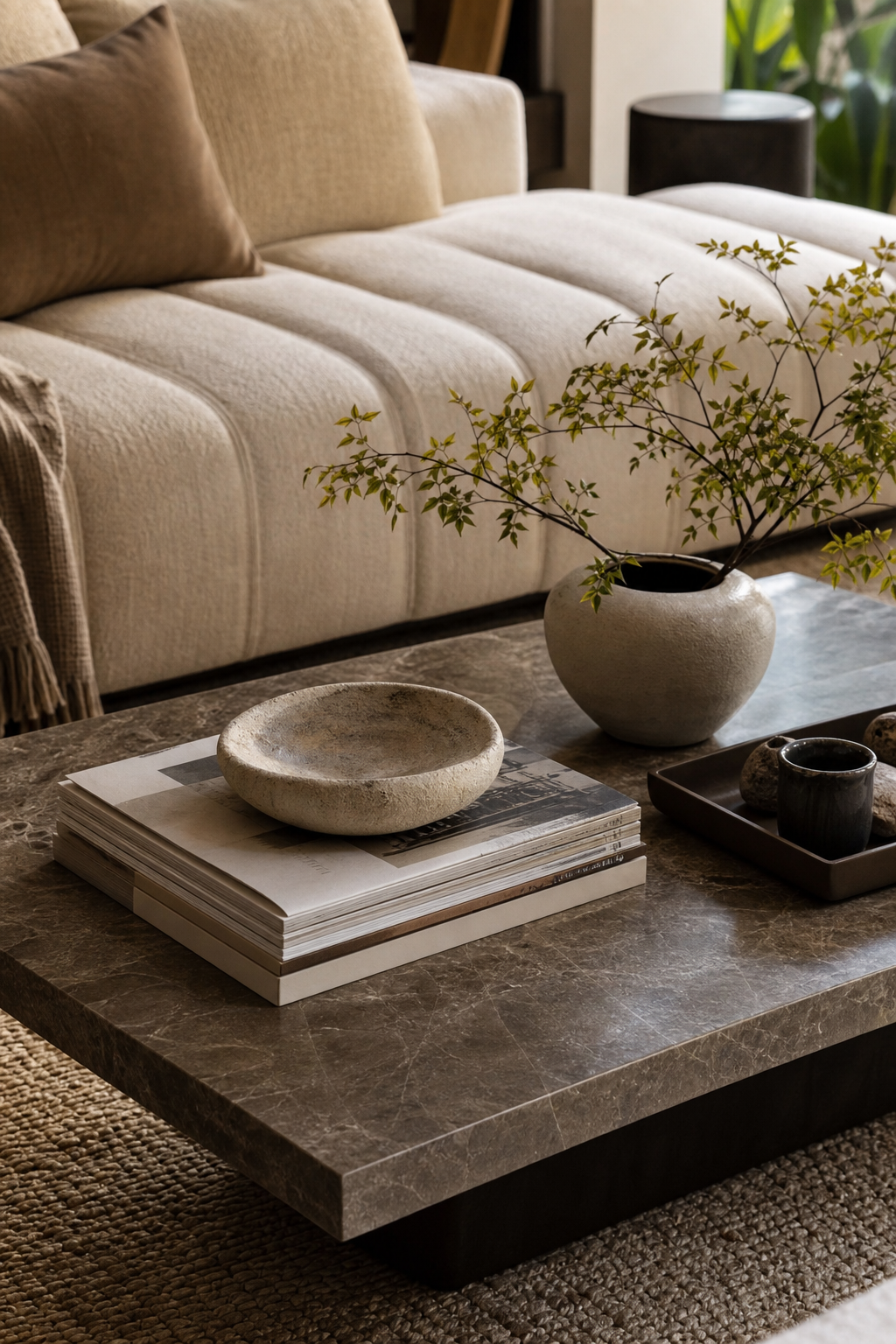
A coffee table should feel useful and collected, not crowded. Start with a stack of books, then add a low bowl, small vase, tray, or sculptural object. Keep the tallest pieces low enough for conversation across the table. If the table is large, create two small groupings instead of filling every inch. Materials matter here: ceramic, wood, stone, glass, and metal can echo the room’s larger finishes. Leave space for drinks and daily use. The best styling looks polished while still making it easy to live in the room.
Add Warm Wood To Balance Upholstery
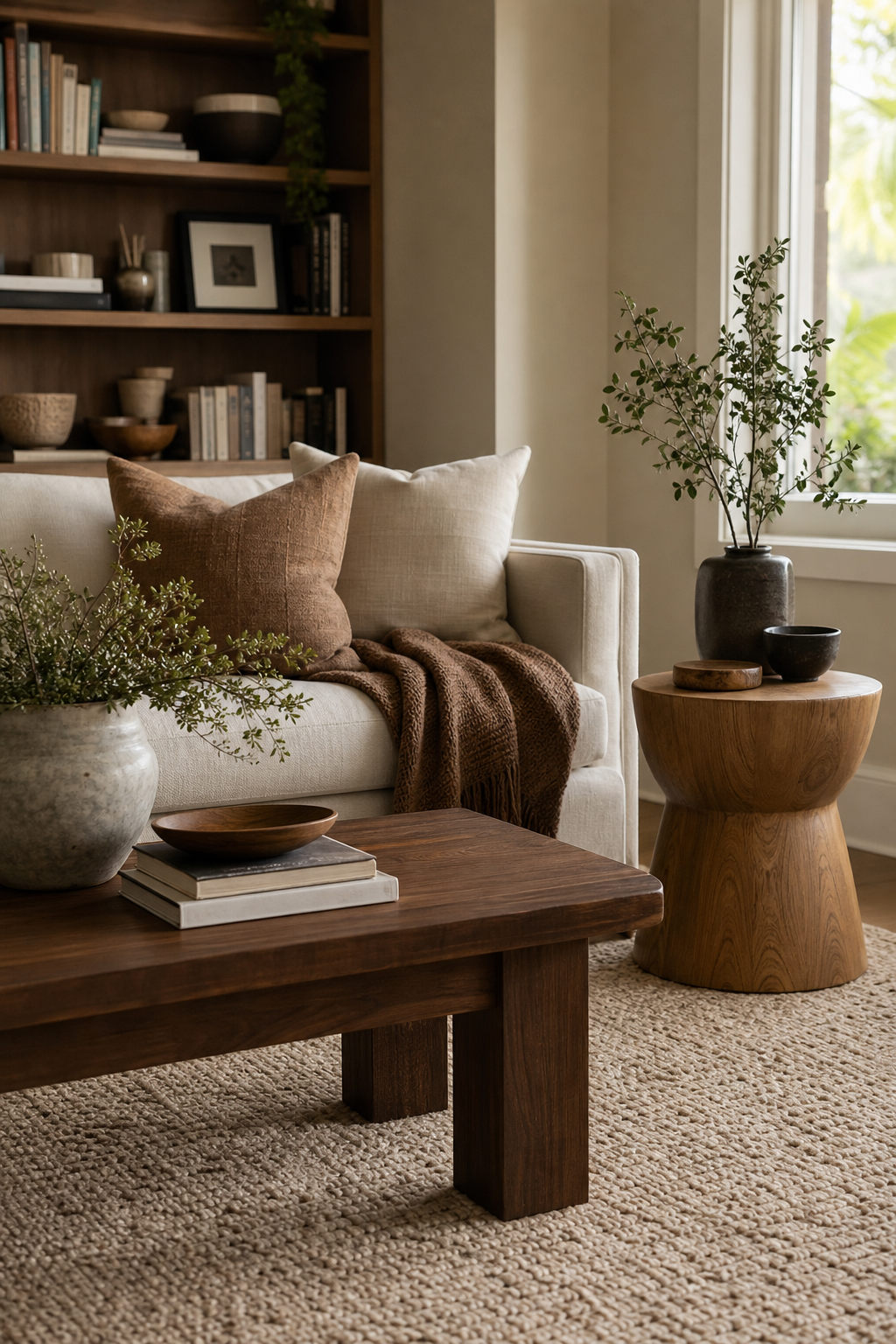
Wood brings depth to a cozy living room, especially when there is a lot of upholstery. A walnut coffee table, oak shelves, vintage side table, or carved stool can prevent the room from feeling too soft. Mix wood tones carefully rather than forcing an exact match. Two or three related tones usually feel more natural than one flat finish everywhere. Wood also pairs well with stone, linen, leather, and wool, which are common in designer rooms. The goal is warmth with enough variation that the living room feels collected over time.
Create Depth With Pillow Texture
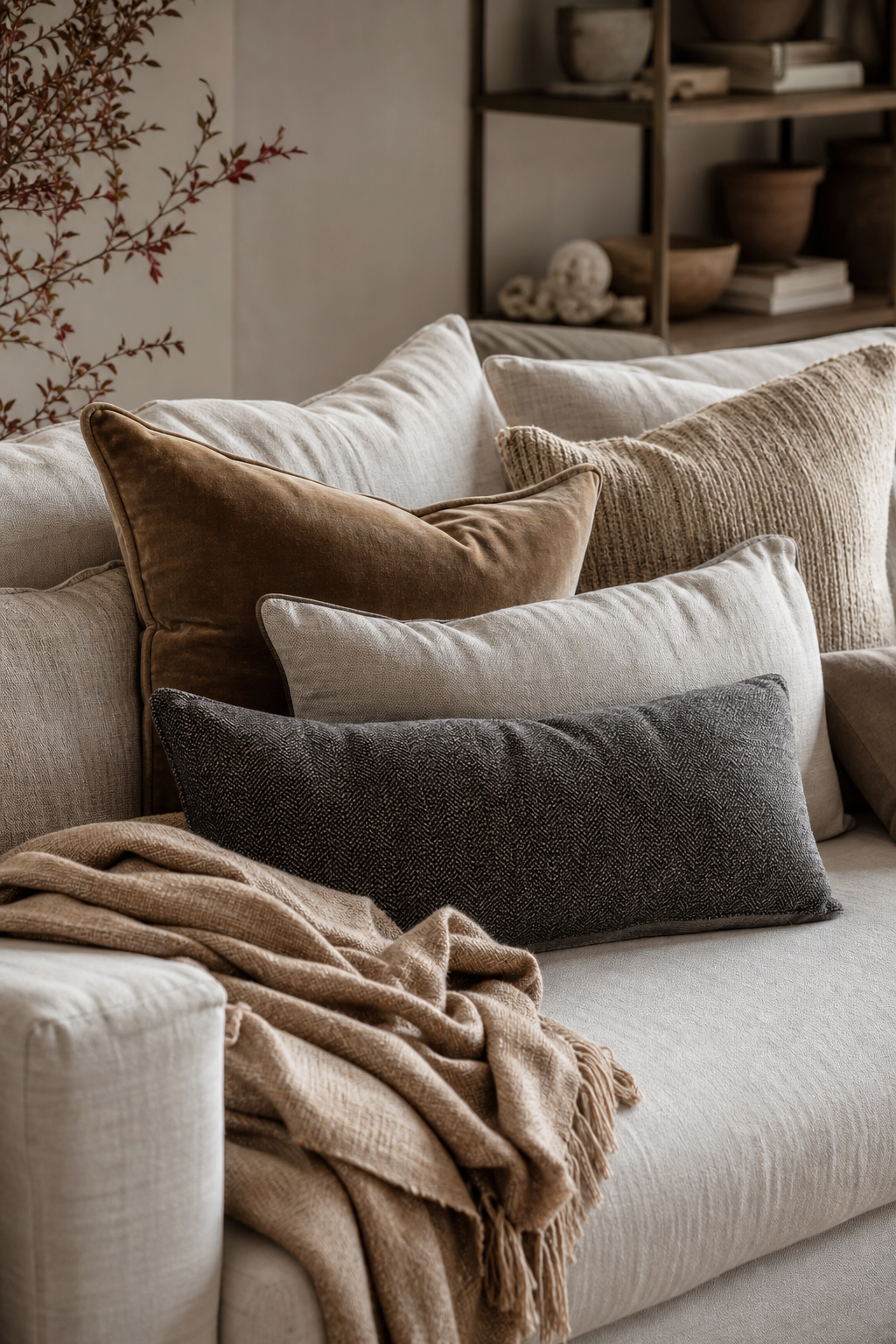
Pillows are useful when they add texture, scale, and color discipline. Instead of using many small pillows, choose a few larger ones in linen, velvet, wool, boucle, or block print. Mix one pattern with solid textures so the sofa feels layered but not chaotic. Keep the palette connected to the rug, curtains, or art. A long lumbar can look especially polished on a sofa because it reduces visual clutter. Comfort matters too; pillows should support real lounging rather than needing to be removed every time someone sits down.
Let Art Set The Emotional Tone
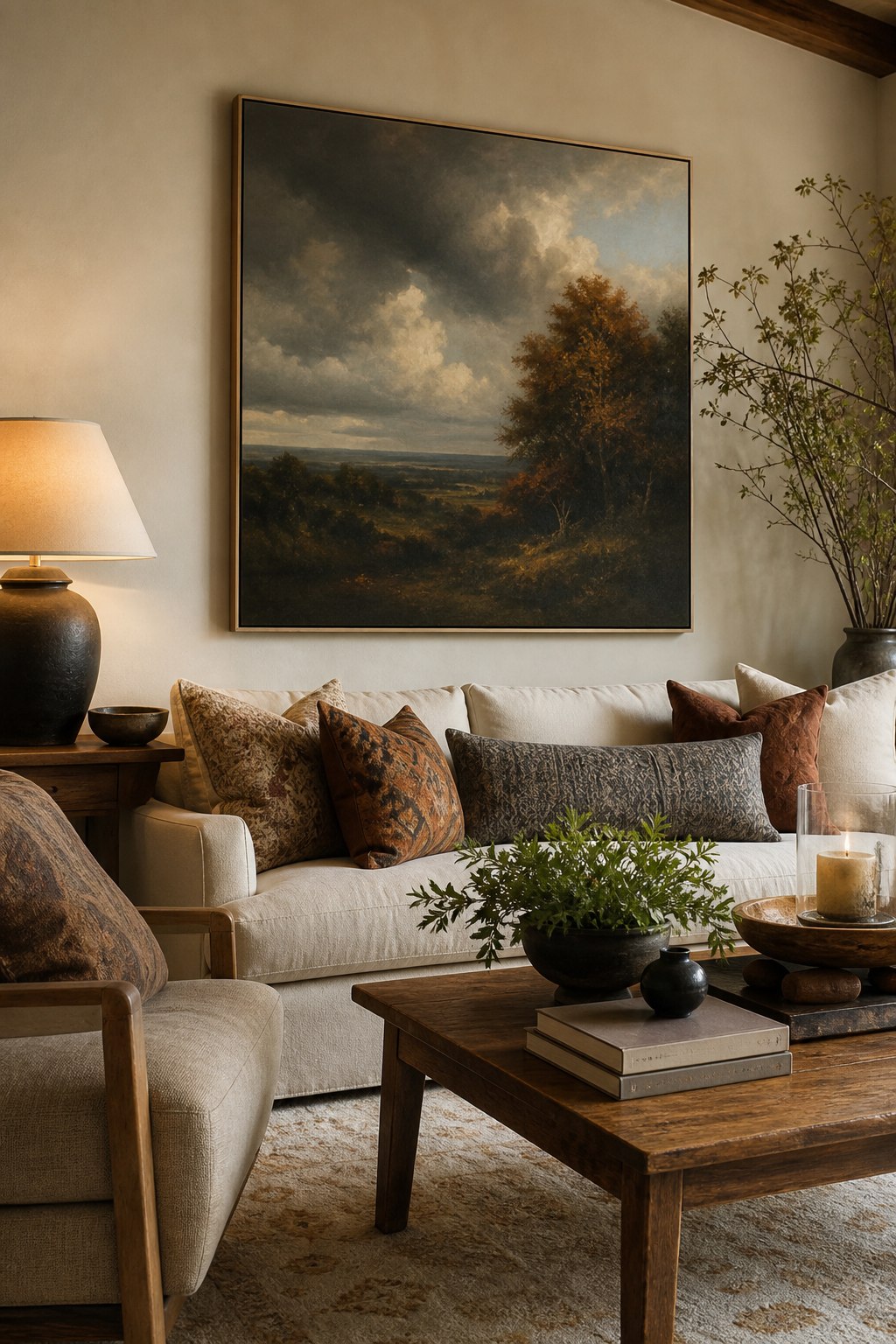
Art can make a living room feel restful, dramatic, nostalgic, or fresh before any accessory is added. Choose one strong piece above the sofa, a pair of framed works beside shelves, or a salon-style grouping if the room can handle more movement. Landscapes bring softness, abstracts feel modern, and black-and-white photography can sharpen a warm room. Hang pieces at a human height and choose frames that relate to furniture finishes. When the art has a clear mood, pillows, flowers, lamps, and books have a direction to follow.
Build Shelves With Negative Space
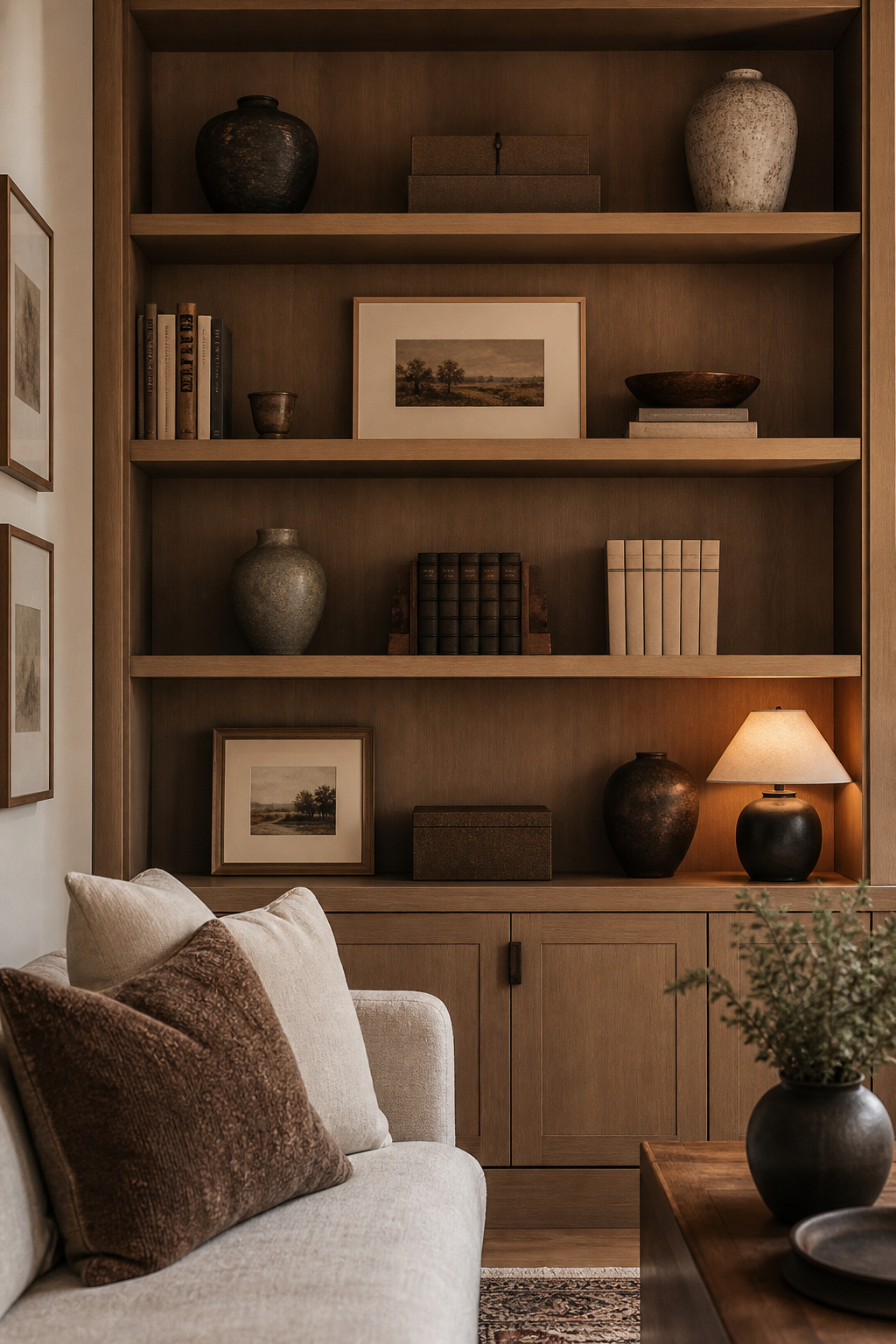
Styled shelves look more luxurious when every shelf is not completely full. Combine books, vessels, framed art, boxes, and a few organic shapes, then leave empty space around them. Larger objects usually look better than many tiny pieces. Vary stacks and upright books so the shelves have rhythm. Keep colors connected to the room, but avoid making the shelves too perfect. A few personal pieces make the design feel lived in. Shelves should add warmth and character while still giving the eye a place to rest.
Use An Ottoman For Extra Softness
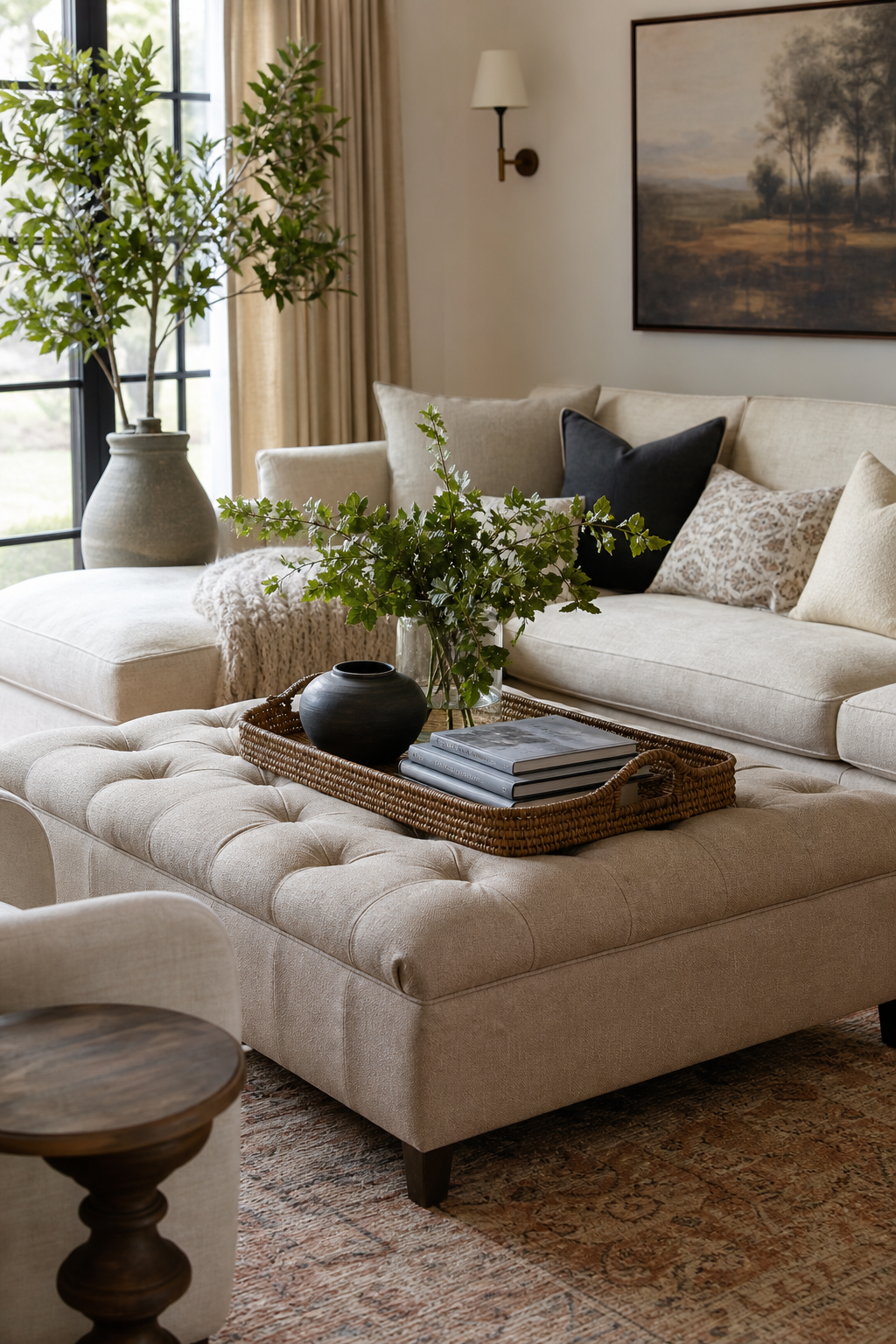
An upholstered ottoman can make a living room feel instantly more relaxed. It softens the center of the seating area, gives people a place to put up their feet, and can still function as a coffee table with a tray. Choose a fabric that can handle daily use, such as performance linen, wool blend, leather, or textured cotton. The ottoman should be large enough to feel purposeful but not so large that circulation suffers. In family rooms, this choice can be more comfortable than a hard coffee table while still looking polished.
Add A Small Reading Corner
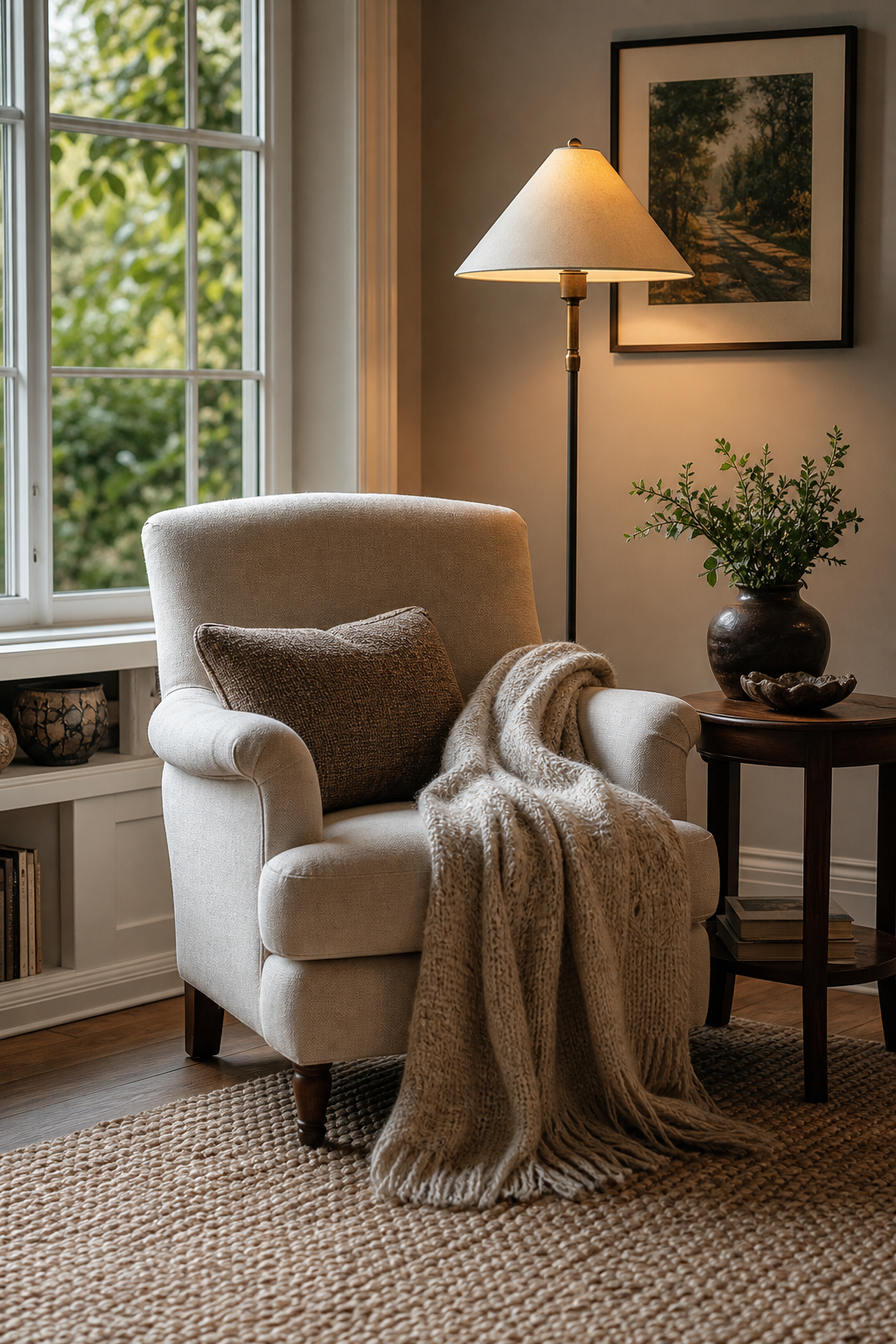
A reading corner gives a living room a secondary destination and makes unused space feel intentional. Place a comfortable chair near a window or lamp, add a small table for a book and drink, and include a throw within reach. The chair does not have to match the sofa, but it should share at least one material or color with the room. A tiny rug, floor lamp, or framed piece can help define the corner. This creates a cozy moment without needing a full redesign, especially in larger rooms with awkward empty edges.
Bring In Greenery With Shape
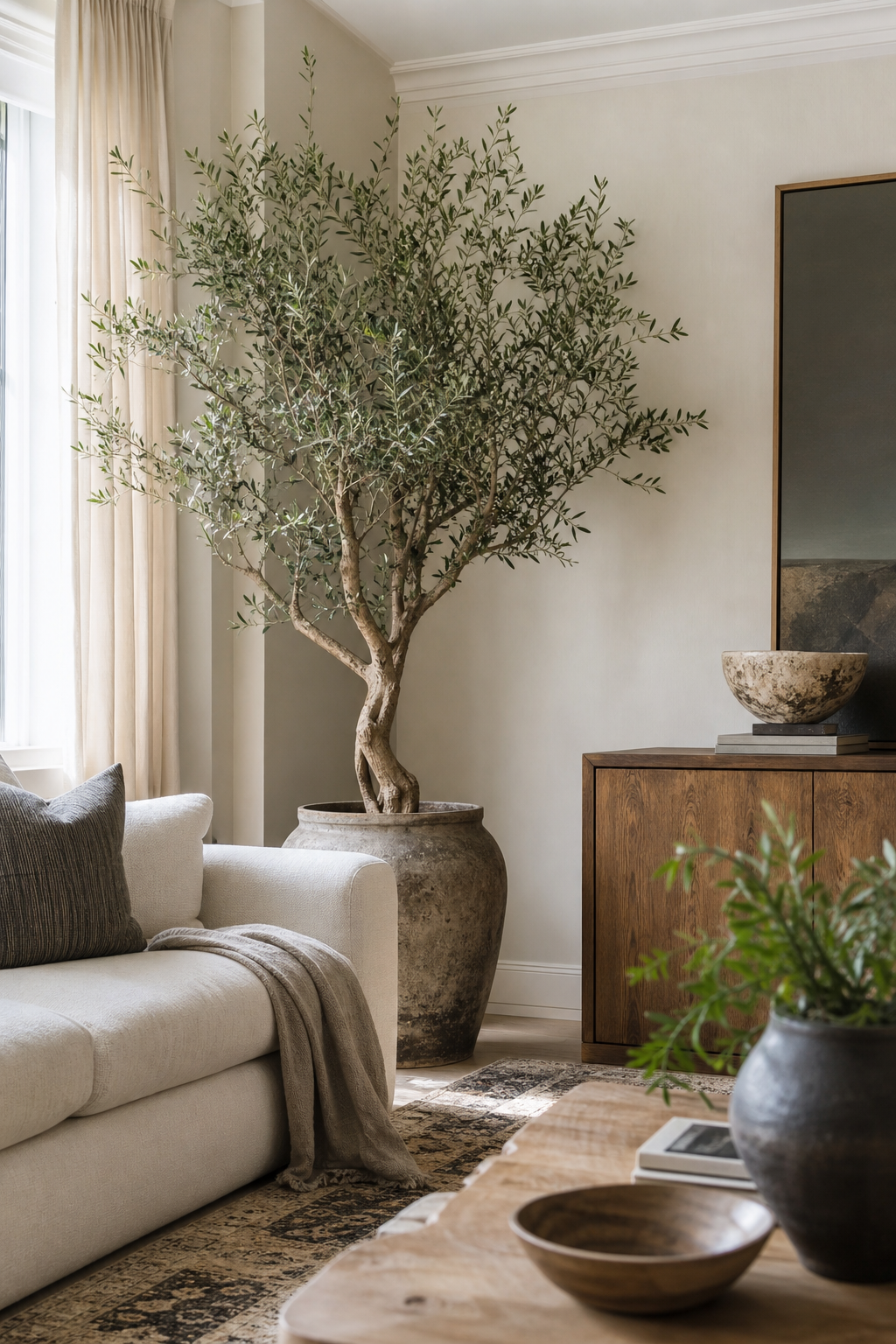
Greenery makes a living room feel alive, but it looks best when chosen for shape rather than quantity. One olive tree, branch arrangement, fern, or sculptural plant can be more effective than several small pots scattered around. Use a planter that connects to the room’s materials, such as stoneware, terracotta, woven fiber, or simple ceramic. Place greenery where it breaks up straight lines, such as beside a cabinet, near a window, or behind a chair. Healthy, well-scaled greenery adds softness without making the room feel cluttered.
Use A Throw Blanket As A Real Layer
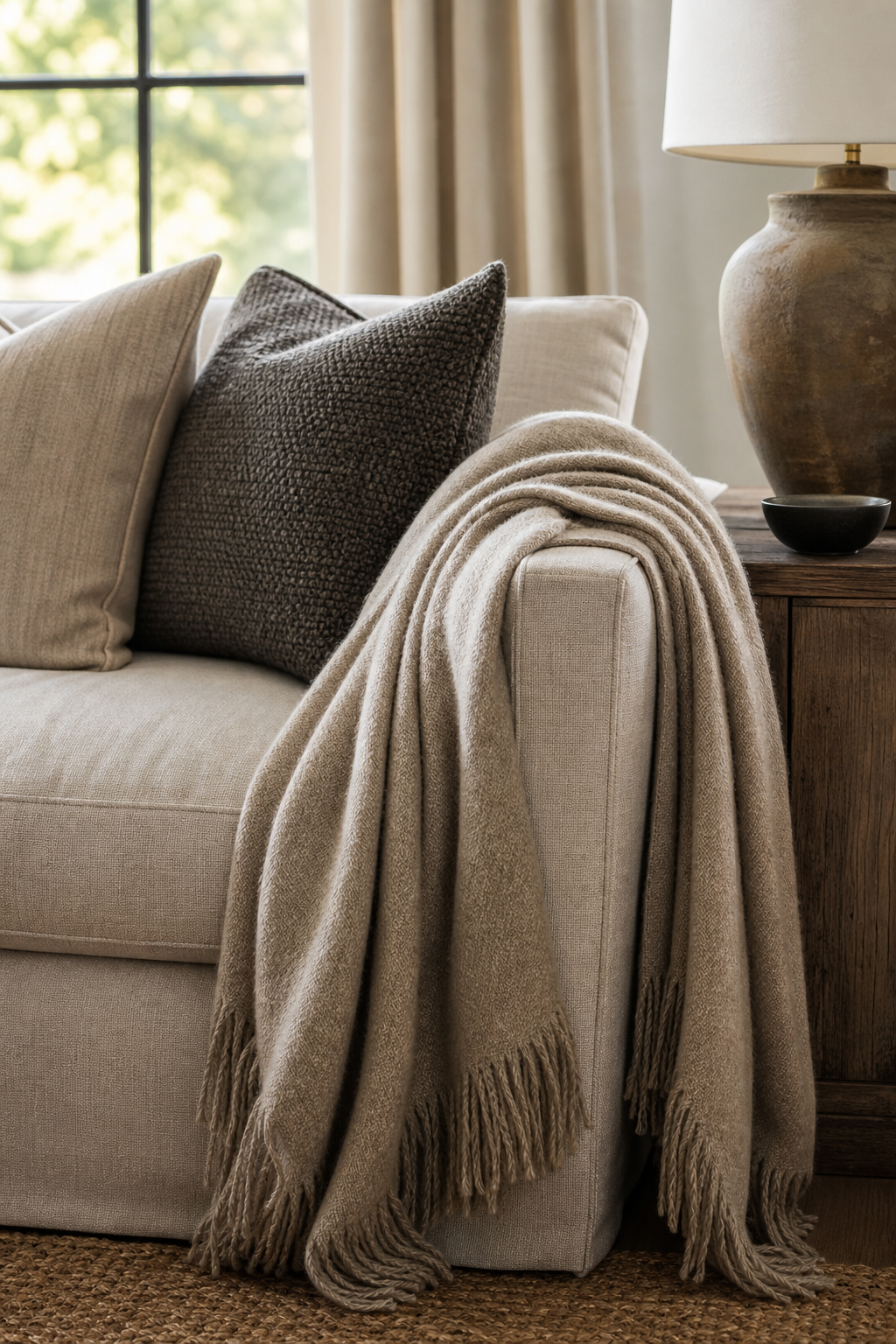
A throw blanket should look inviting without feeling staged. Fold it over the arm of a sofa, drape it across an ottoman, or place it neatly on a lounge chair. Wool, alpaca, cotton, linen, or cashmere blends can all work depending on the season. Choose a color that deepens the palette rather than adding random contrast. Texture is more important than pattern here. A throw adds softness, but it also signals that the room is meant to be used. The best living rooms are polished enough to admire and comfortable enough to settle into.
Repeat One Accent Color Quietly
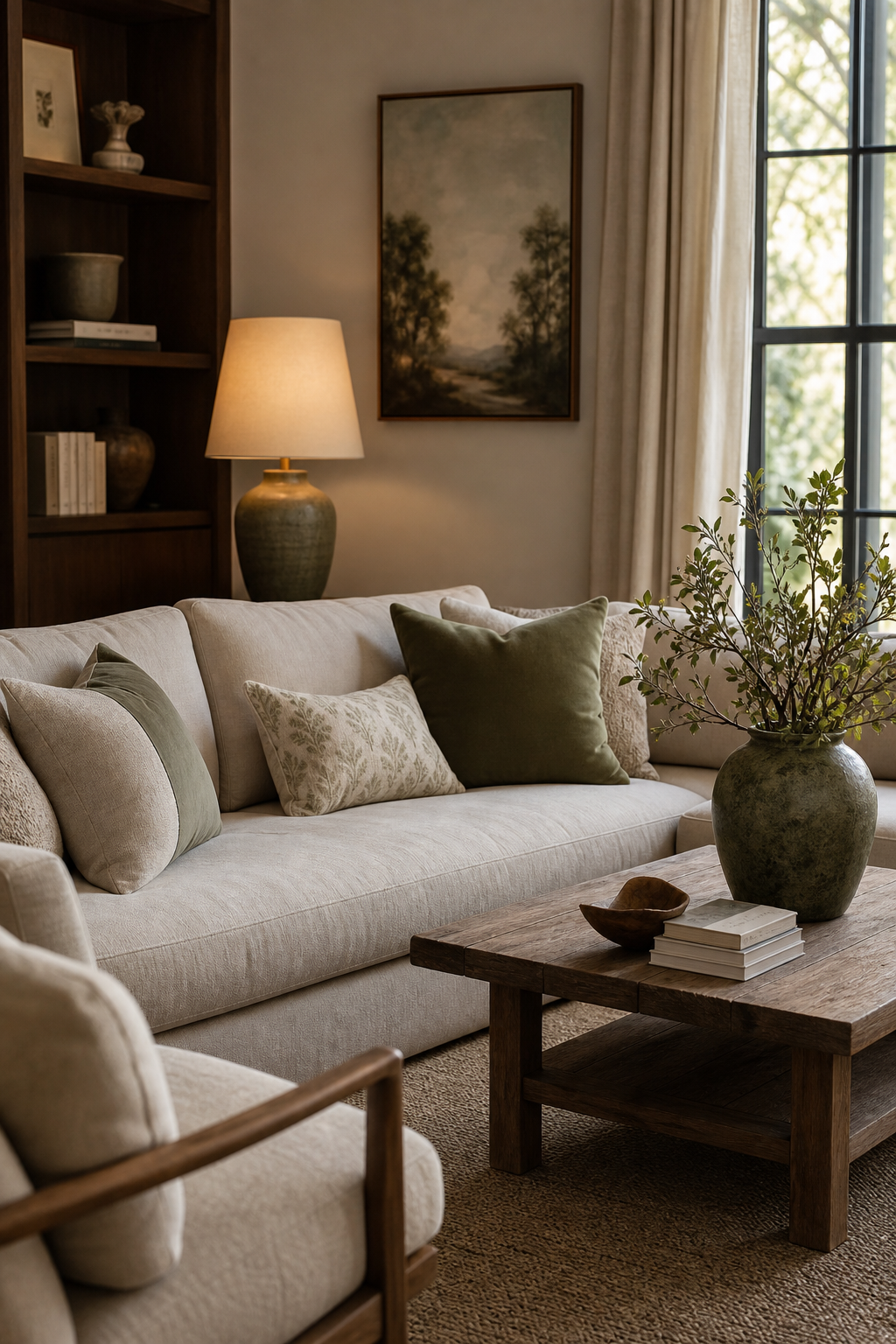
A cozy designer room often has one accent color that appears in small, deliberate ways. Try moss green, rust, smoky blue, chocolate, ochre, or burgundy through pillows, art, books, or a vase. Repeat the color two or three times so it feels connected, then let neutrals do the rest. This approach gives the room personality without overwhelming it. The accent should relate to something already present, such as a rug pattern or artwork. When color is controlled, the room feels warm and edited rather than busy.
Choose Side Tables That Support Real Life
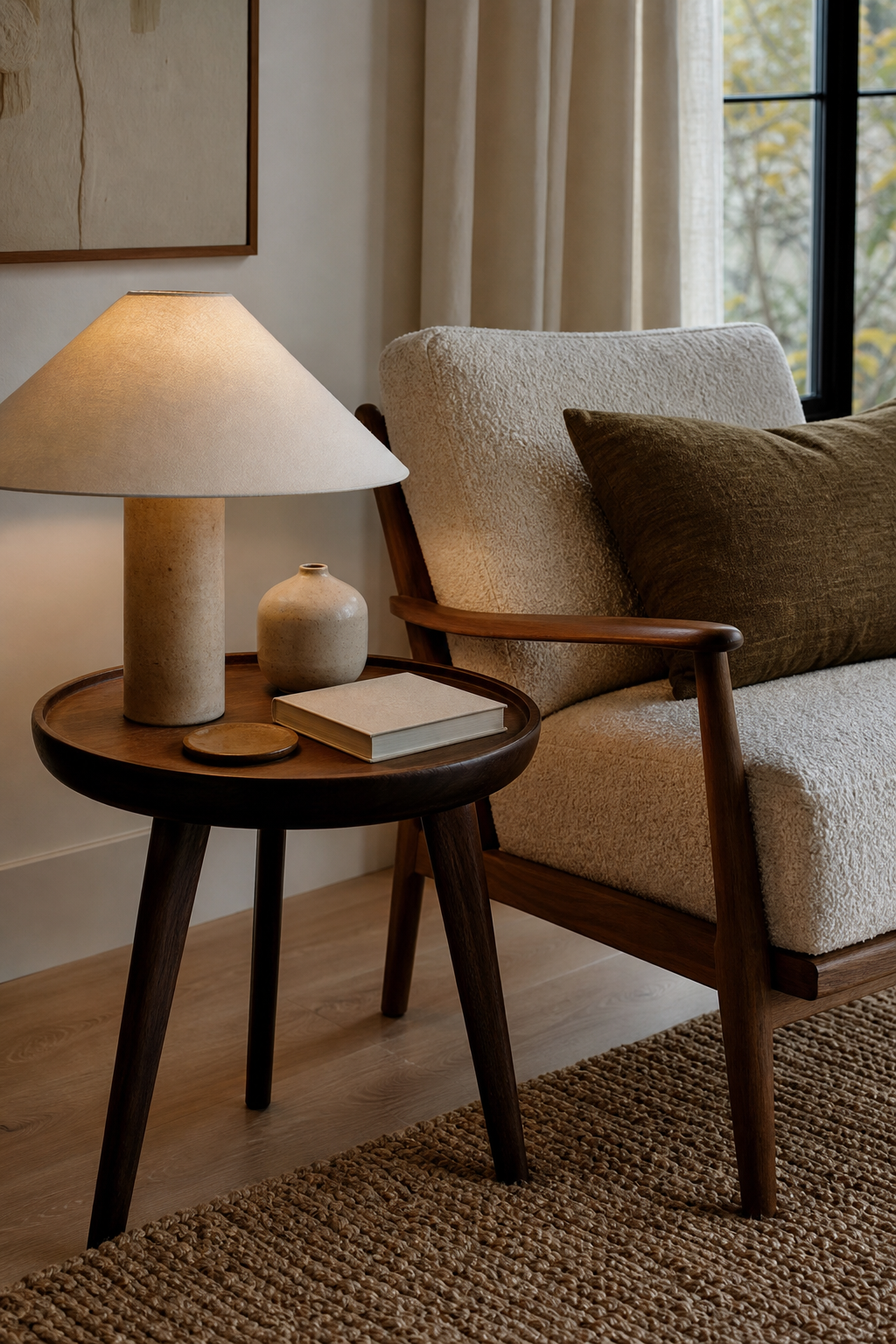
Side tables are small, but they make a living room easier to use. Every main seat should have somewhere nearby for a drink, book, or lamp. Mix shapes to avoid a stiff furniture set: a round pedestal beside the sofa, a small wood table by a chair, or a stone drink table near an ottoman. The height should sit close to the chair or sofa arm. Style each table lightly so it remains useful. A lamp, coaster, and small vessel may be enough. Practical details are what make cozy design work every day.
Add Contrast With A Dark Detail
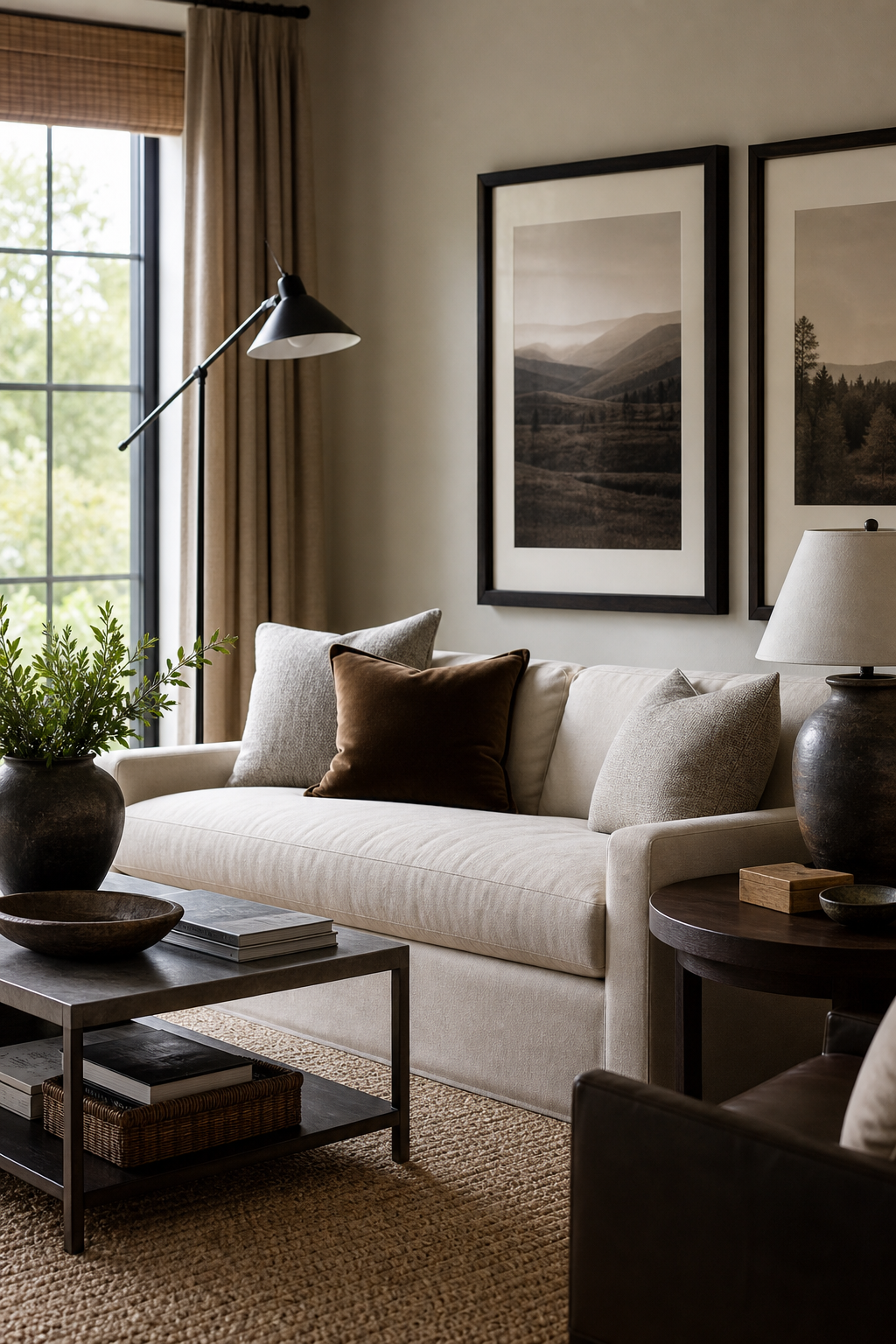
Cozy rooms can become flat when everything is light and soft. A dark detail gives the eye a place to land and makes the lighter textures feel richer. Use a black metal lamp, charcoal side table, dark wood frame, espresso cabinet, or deep bronze hardware. The contrast should be repeated lightly so it does not feel accidental. Even one dark picture frame across from a black floor lamp can sharpen the room. This is especially helpful in neutral living rooms where warmth needs a little structure.
Keep Decor Edited Around Daily Habits
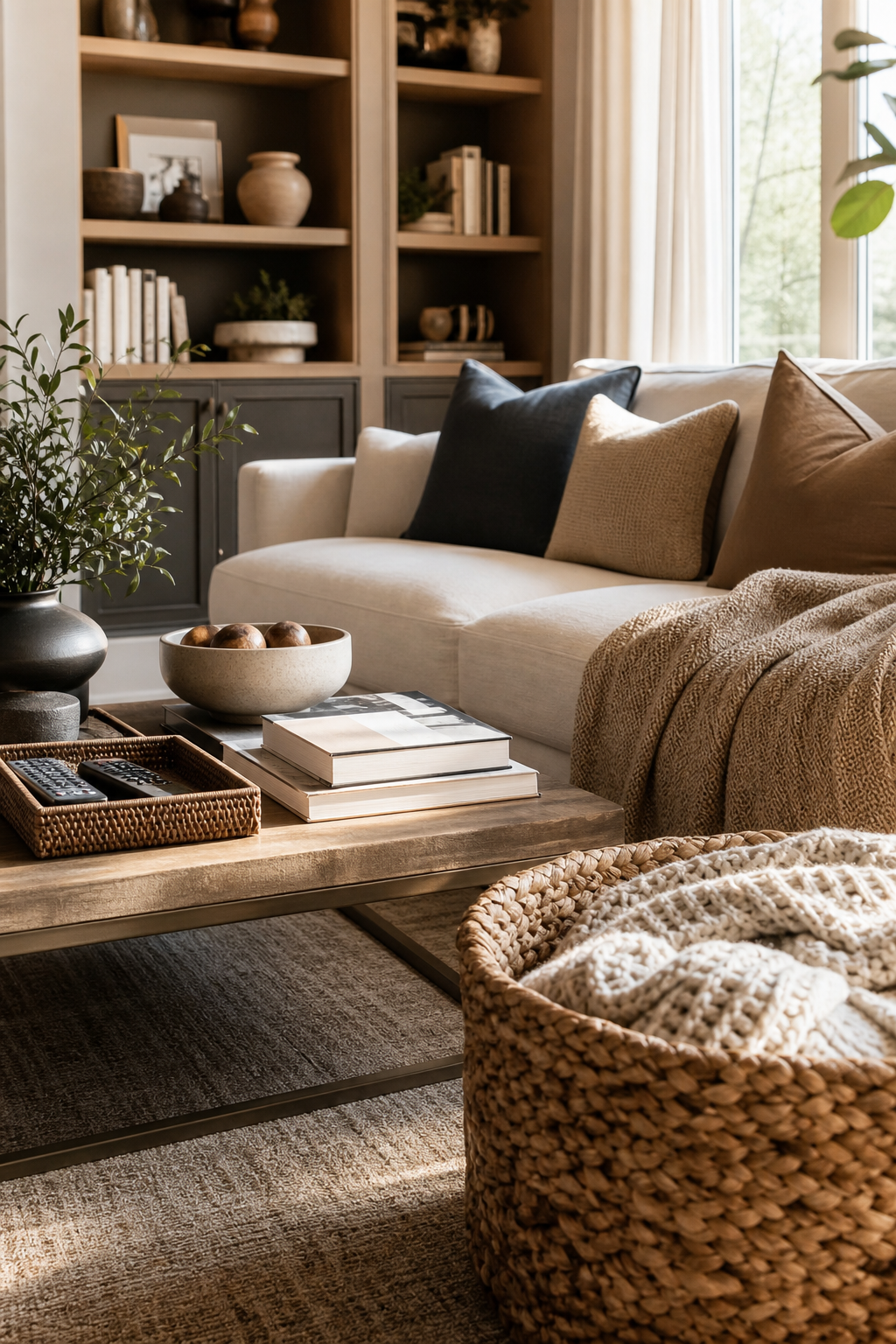
A living room feels more luxurious when decor supports daily habits instead of getting in the way. Use baskets for throws, a tray for remotes, boxes for small items, and shelves for books that are actually used. Keep surfaces styled but not packed. If a piece constantly has to be moved, it probably does not belong there. This does not mean the room should be bare; it means every object should have a role. Edited decor lets texture, light, and furniture shape the cozy mood without visual noise.
Finish With A Warm Evening Scene
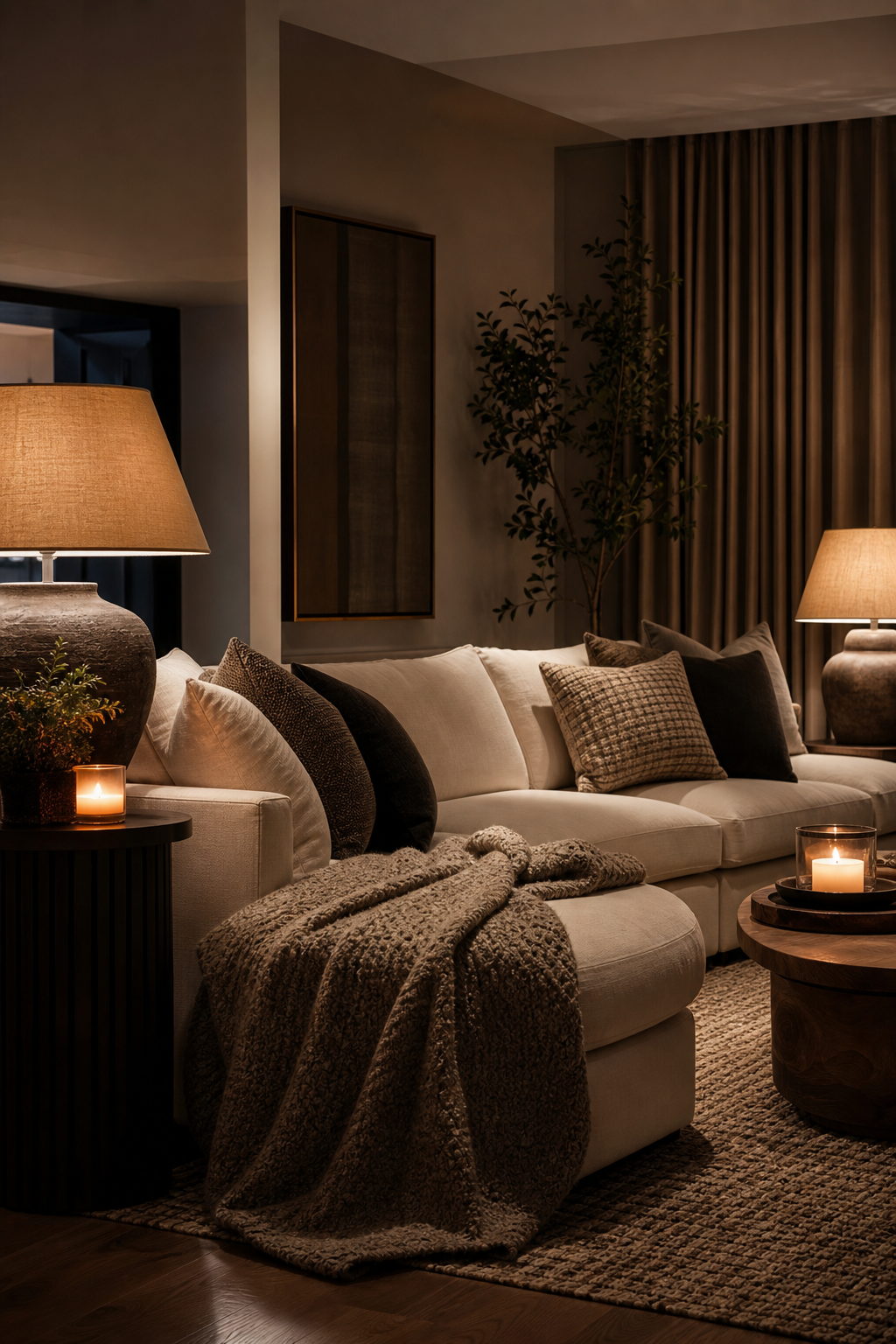
The real test of a cozy living room is how it feels in the evening. Turn on lamps, lower the overhead lights, close the curtains, and notice whether the seating area still feels balanced. Add a candle only where it is safe, fold throws where people can reach them, and keep a small table clear for a drink. The room should look good when it is being used, not only when it is freshly styled. Evening light reveals whether the design has enough softness, depth, and practical comfort.
A cozy living room design succeeds when the room feels easy to use and carefully considered at the same time. Start with the layout, then layer in a generous rug, comfortable seating, warm lighting, and materials that add touchable depth. Edit surfaces so the room still works for everyday life, and let art, greenery, wood, and textiles bring personality. The result should not feel overdecorated. It should feel settled, welcoming, and composed enough that every detail quietly supports the way the room is lived in.