24 House Interior Decor To Inspire Your Next Home Refresh
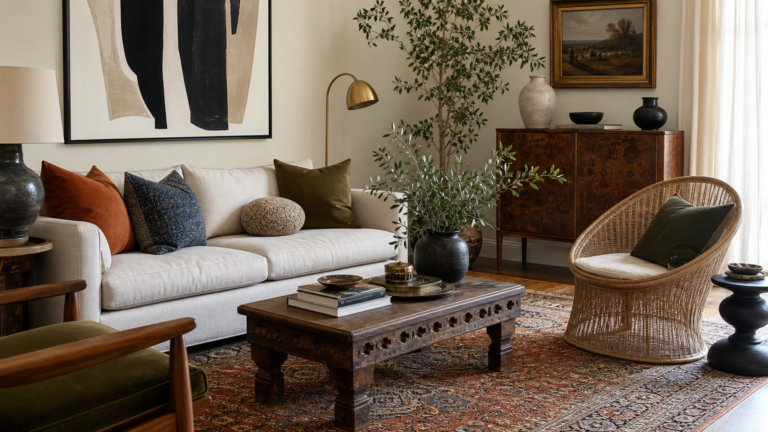
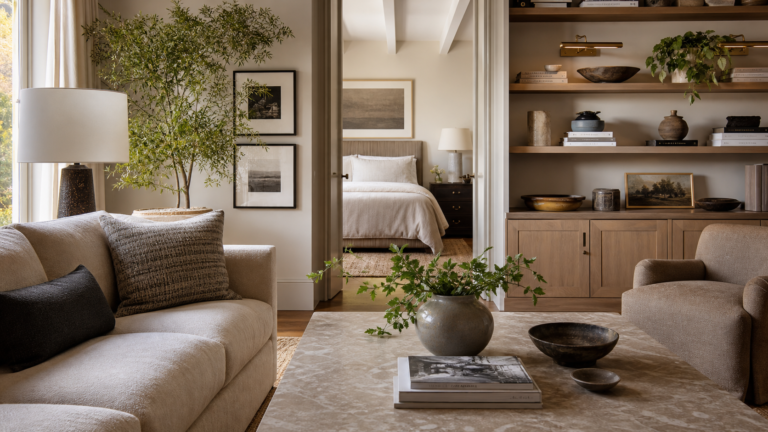
A house refresh rarely depends on one dramatic purchase. More often, the home starts to feel better when the interior decor becomes more intentional from room to room. A taller curtain, warmer lamp, better-scaled rug, edited shelf, or richer textile can change the mood without changing the architecture. The best house interior decor ideas also support real routines: where keys land, where books gather, how light works at night, and how rooms connect visually. Use these ideas as a designer checklist for making a home feel more layered, personal, and quietly polished.
Give The Entry A Finished Console Moment
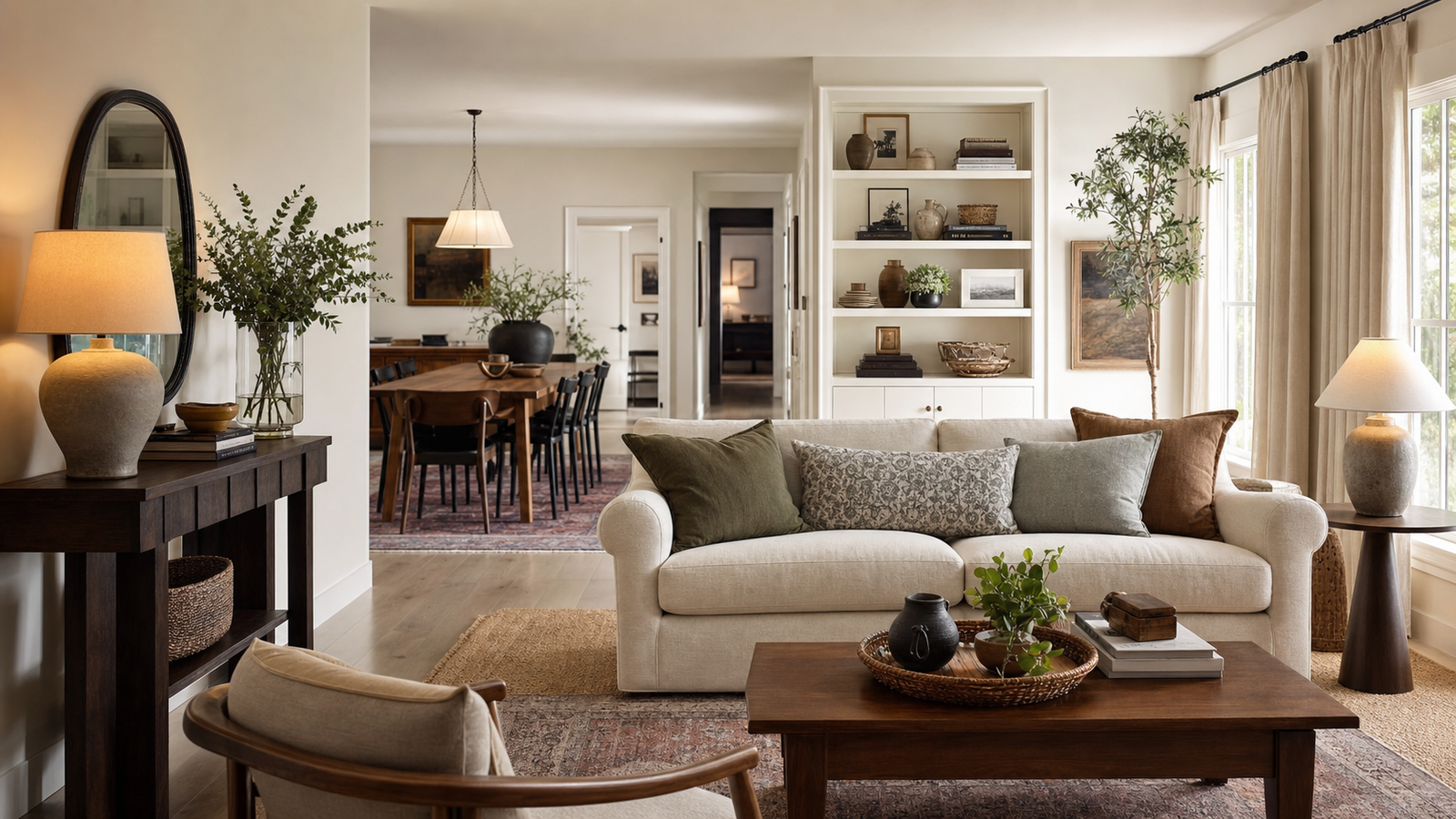
The entry sets the tone for the rest of the house, so treat it like a small room instead of a pass-through. A narrow console, mirror, lamp, bowl, and one vase can create a gracious arrival point without taking much space. Keep the surface edited so keys and mail still have somewhere to land. A basket underneath can hold shoes, bags, or seasonal accessories. The mirror helps bounce light, while a warm lamp makes evenings feel softer. When the entry has a clear composition, the whole home immediately feels more considered.
Use One Large Rug To Ground The Living Room
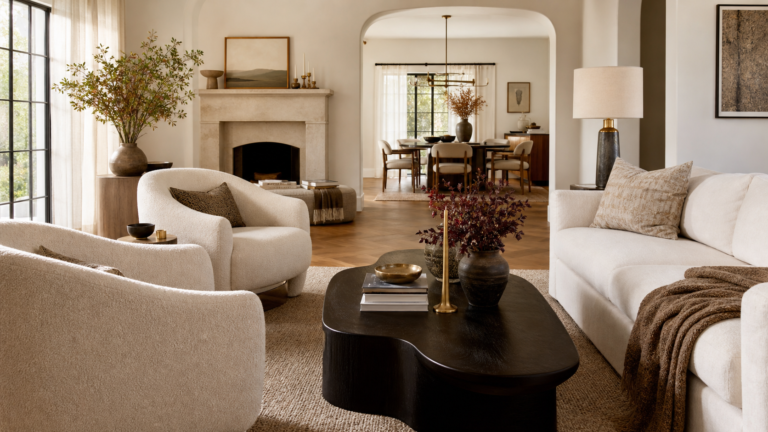
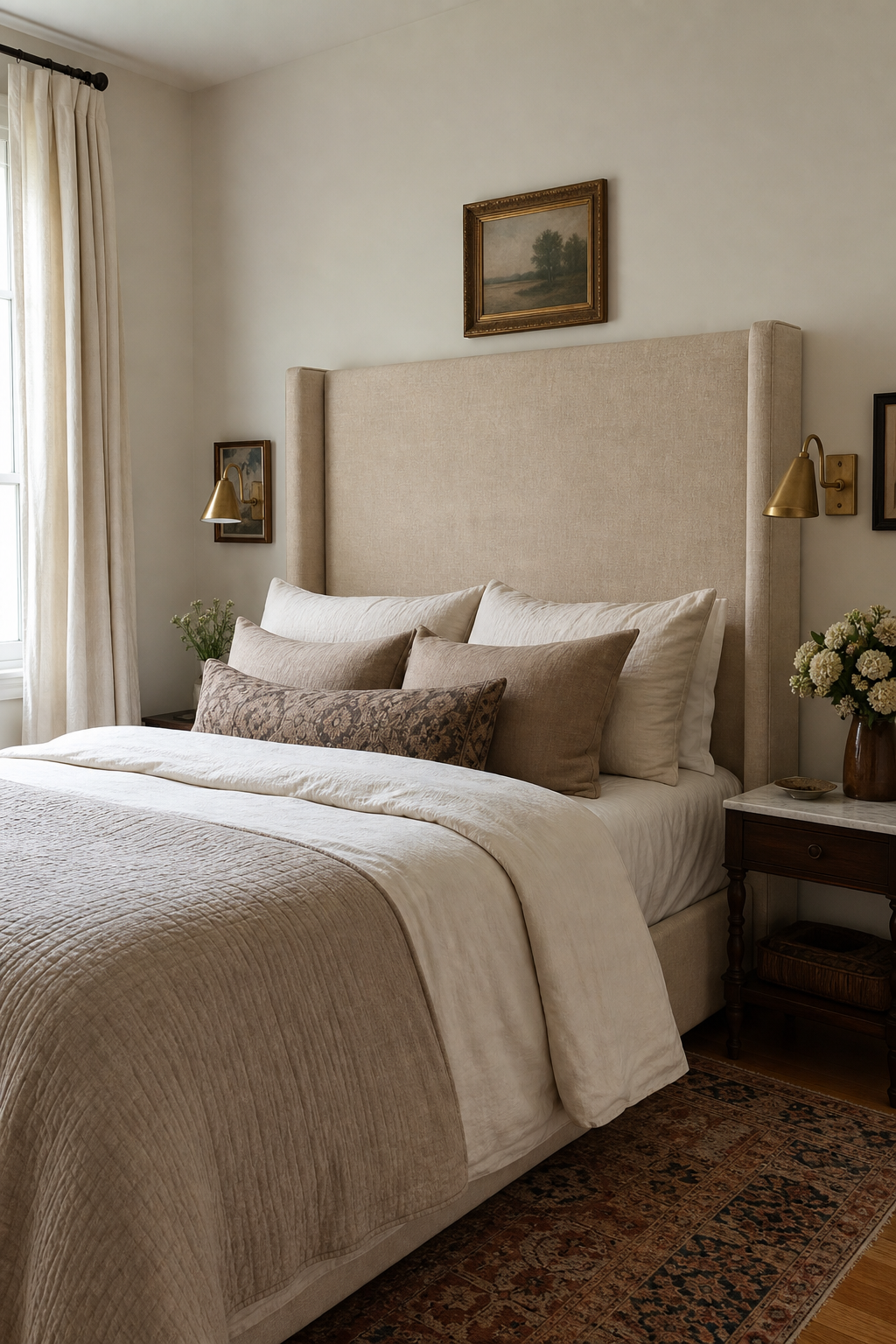
A living room feels more pulled together when the rug is large enough to gather the seating. Aim for at least the front legs of the sofa and chairs to sit on the rug, creating one clear conversation area. Wool, jute, vintage-style, or textured performance rugs can all work depending on the household. The rug should connect the colors in the room without matching everything too perfectly. This one scale correction often makes the furniture look more expensive. It also adds softness underfoot and helps the room feel warmer.
Raise Curtains To Make Rooms Feel Taller
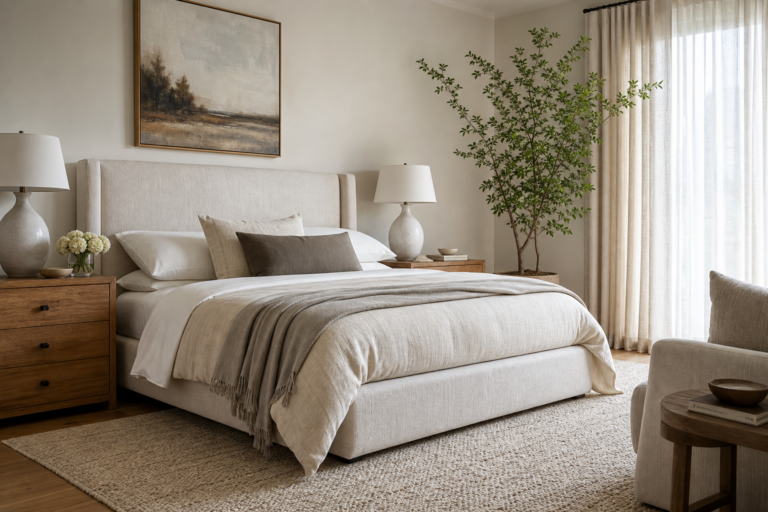
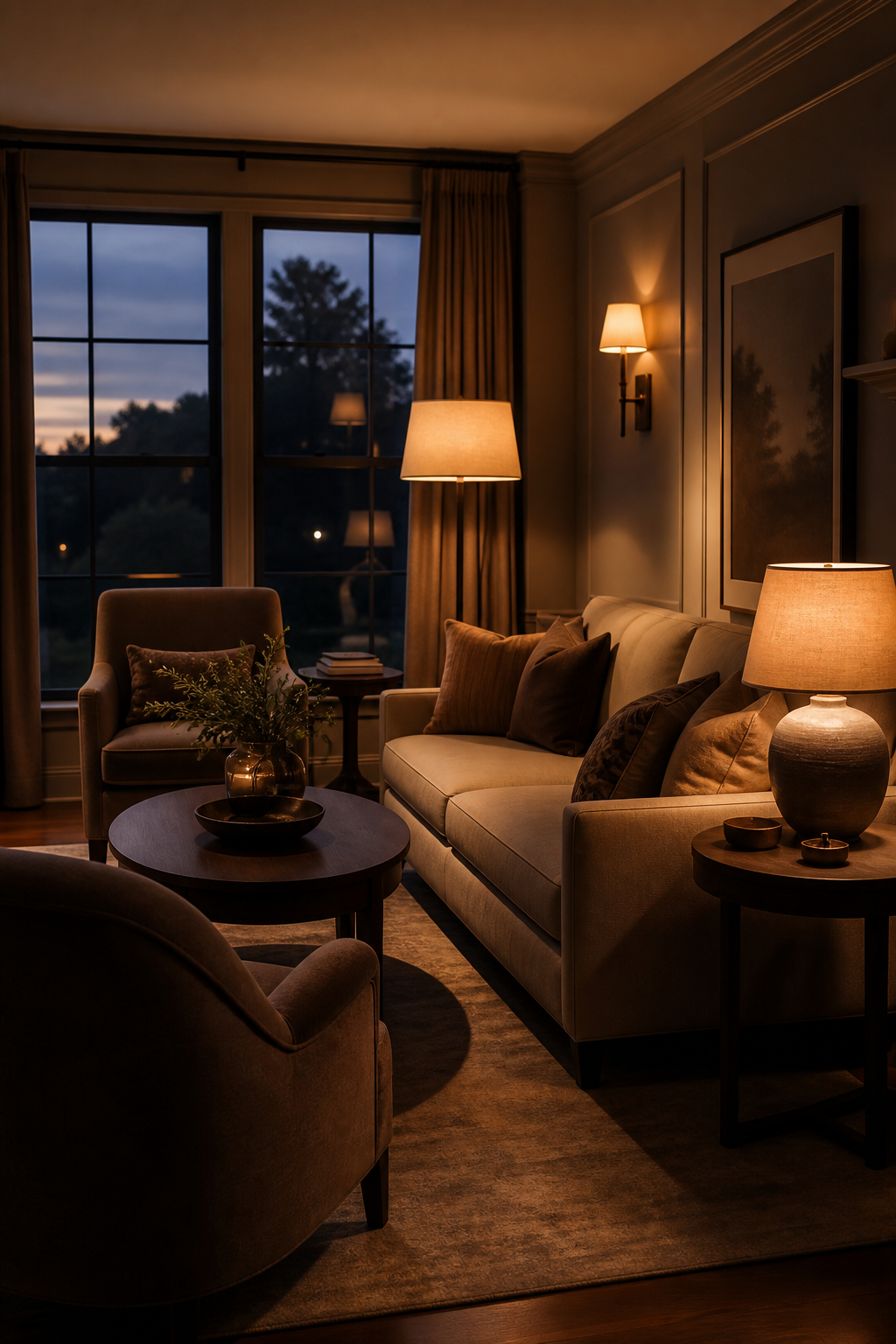
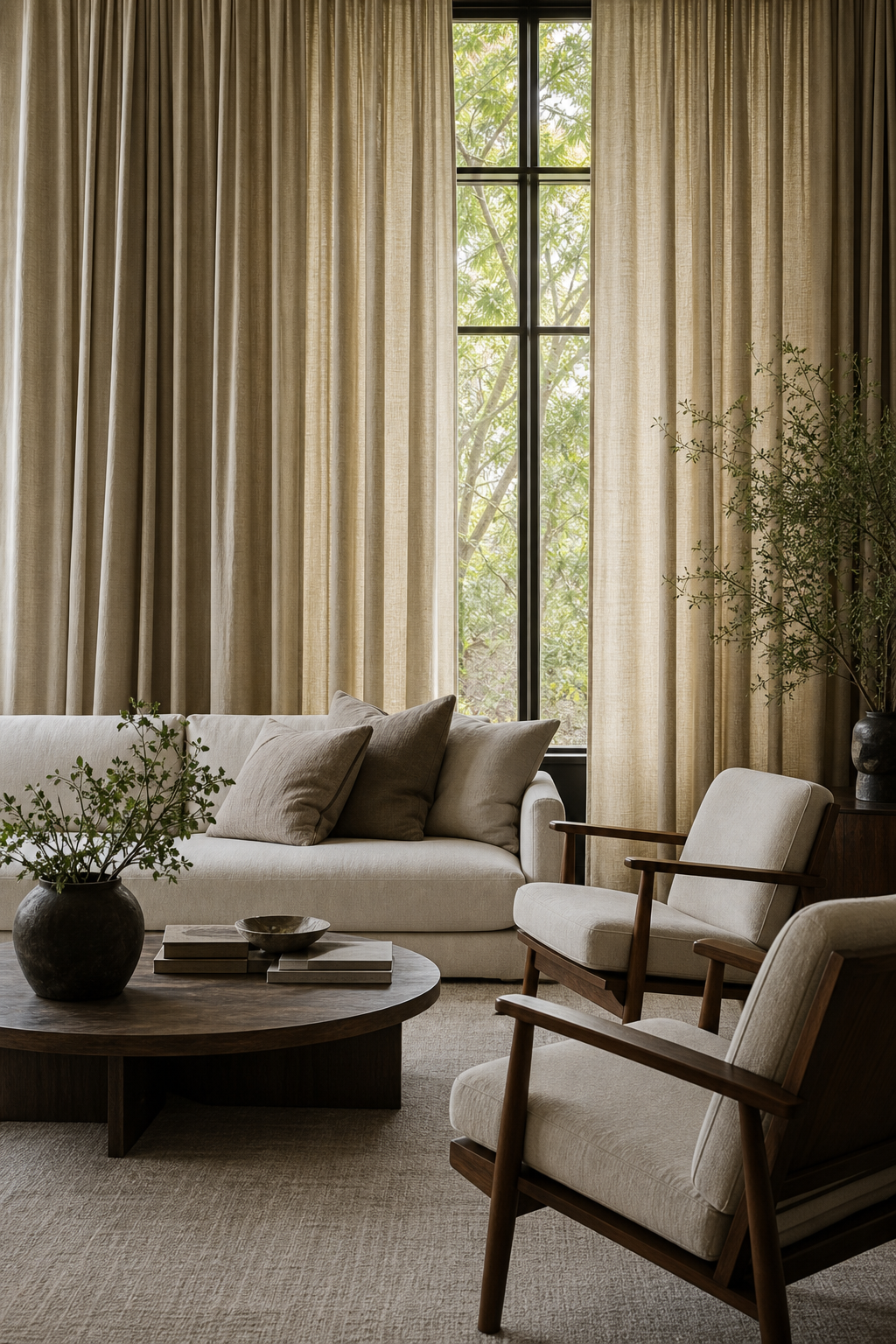
Curtains can quietly improve the architecture of a room. Mount the rod closer to the ceiling and extend it wider than the window so the panels frame the light instead of blocking it. Full linen, cotton, velvet, or wool-blend panels feel more substantial than skimpy curtains. Let them just touch the floor or break slightly for a relaxed designer look. This works in living rooms, bedrooms, dining rooms, and offices. The fabric softens sound, adds movement, and makes the walls feel taller without construction. It is one of the most reliable whole-house decor upgrades.
Build A Palette From Three Repeating Colors
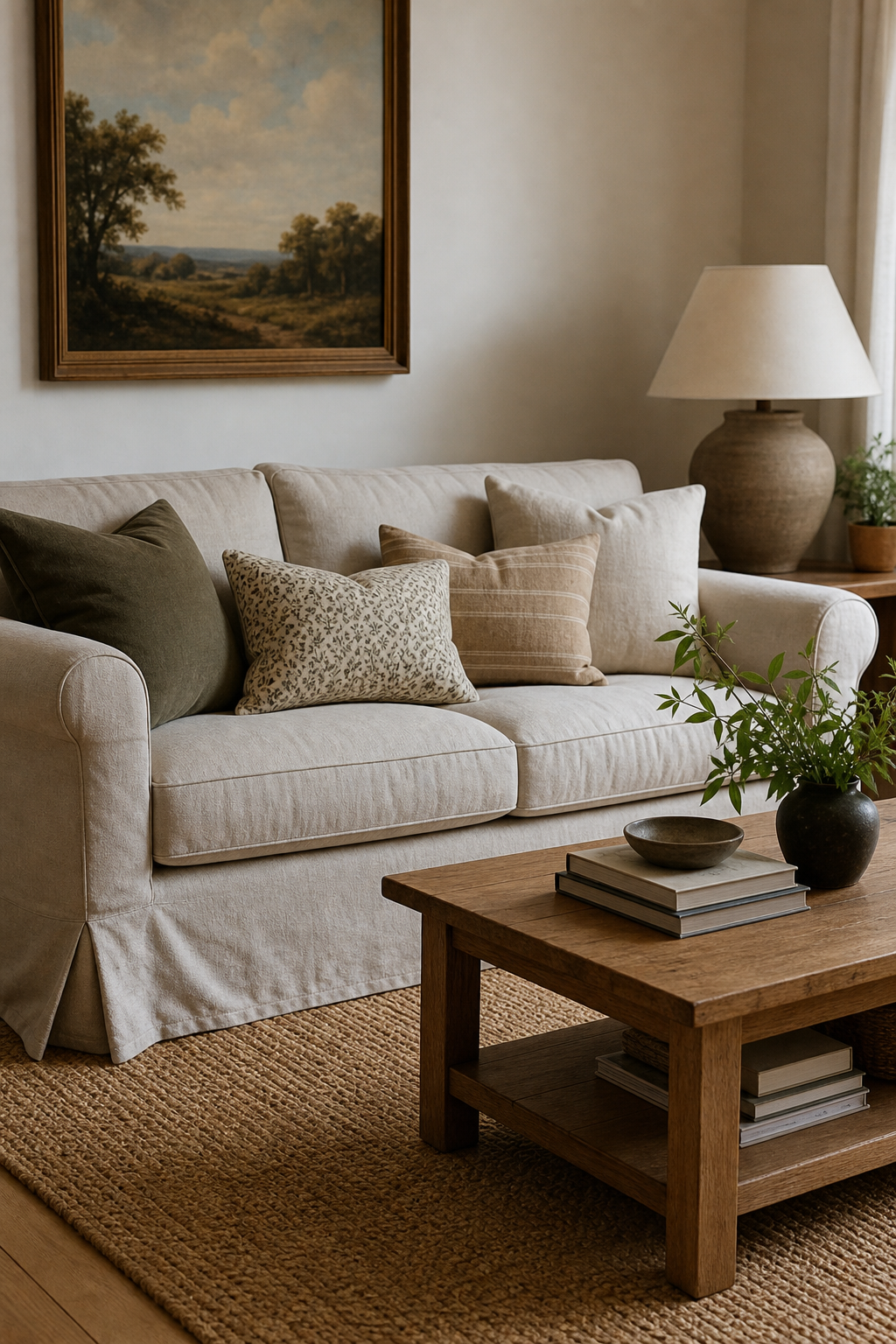
A home feels cohesive when colors repeat in a controlled way. Choose a base neutral, a warm material tone, and one accent color that can move from room to room. For example, ivory walls, oak furniture, and moss green accents can appear through pillows, art, ceramics, and plants. The repetition does not need to be obvious; two or three quiet echoes in each space are enough. This keeps the house from feeling like unrelated rooms while still allowing variety. The palette becomes a thread, not a rulebook.
Style Built-Ins With Breathing Room
Built-ins can make a house feel collected, but only when they are edited. Remove everything first, then rebuild with books, framed art, vessels, boxes, and a few sculptural objects. Leave negative space around larger pieces so the shelves do not feel packed. Vary horizontal stacks and upright books to create rhythm. Keep colors connected to nearby furniture and textiles, but do not make the styling too perfect. Personal objects are welcome when they have room to be seen. Shelves should add character while still letting the room feel calm.
Add A Sculptural Chair To Break Up Matching Furniture
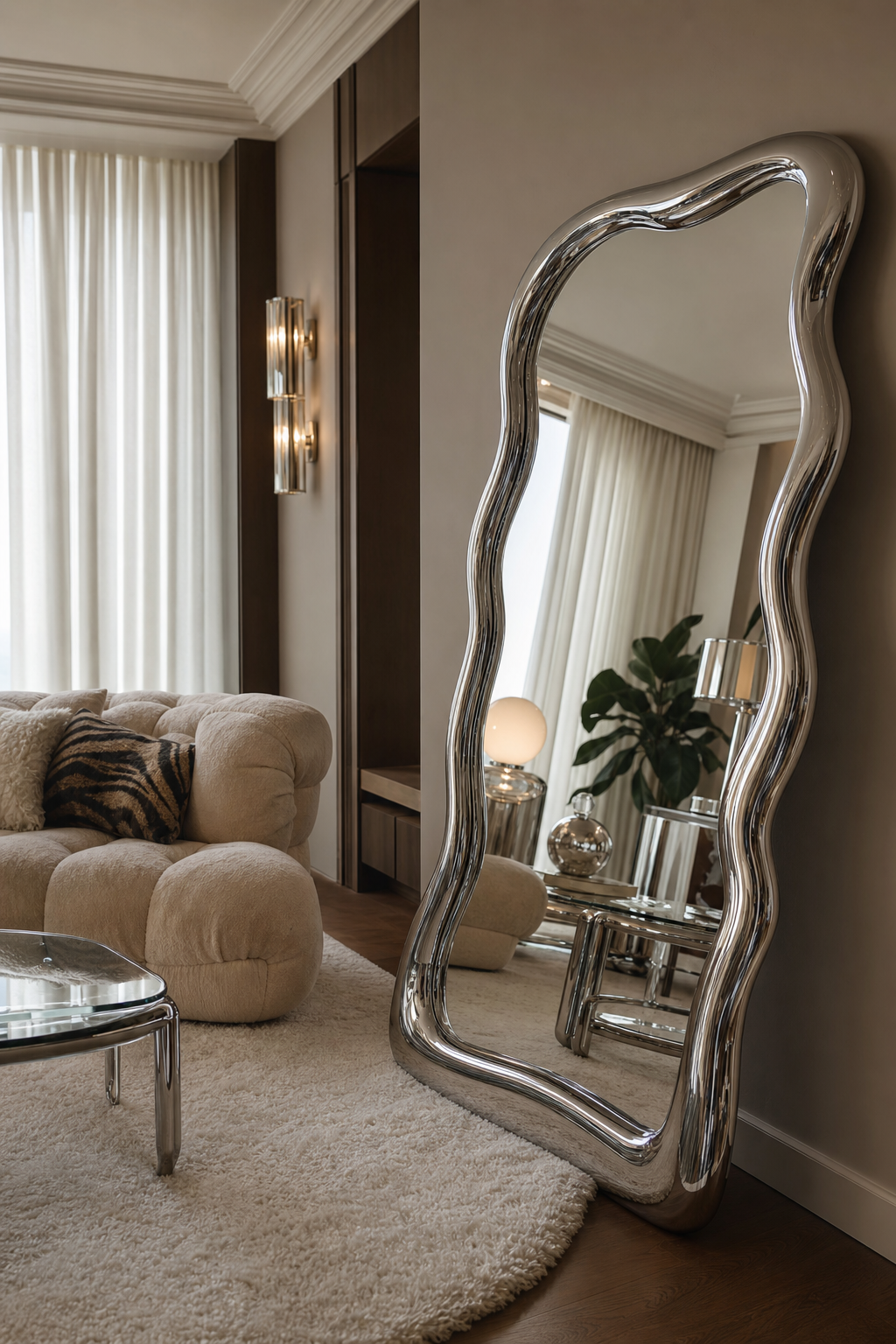
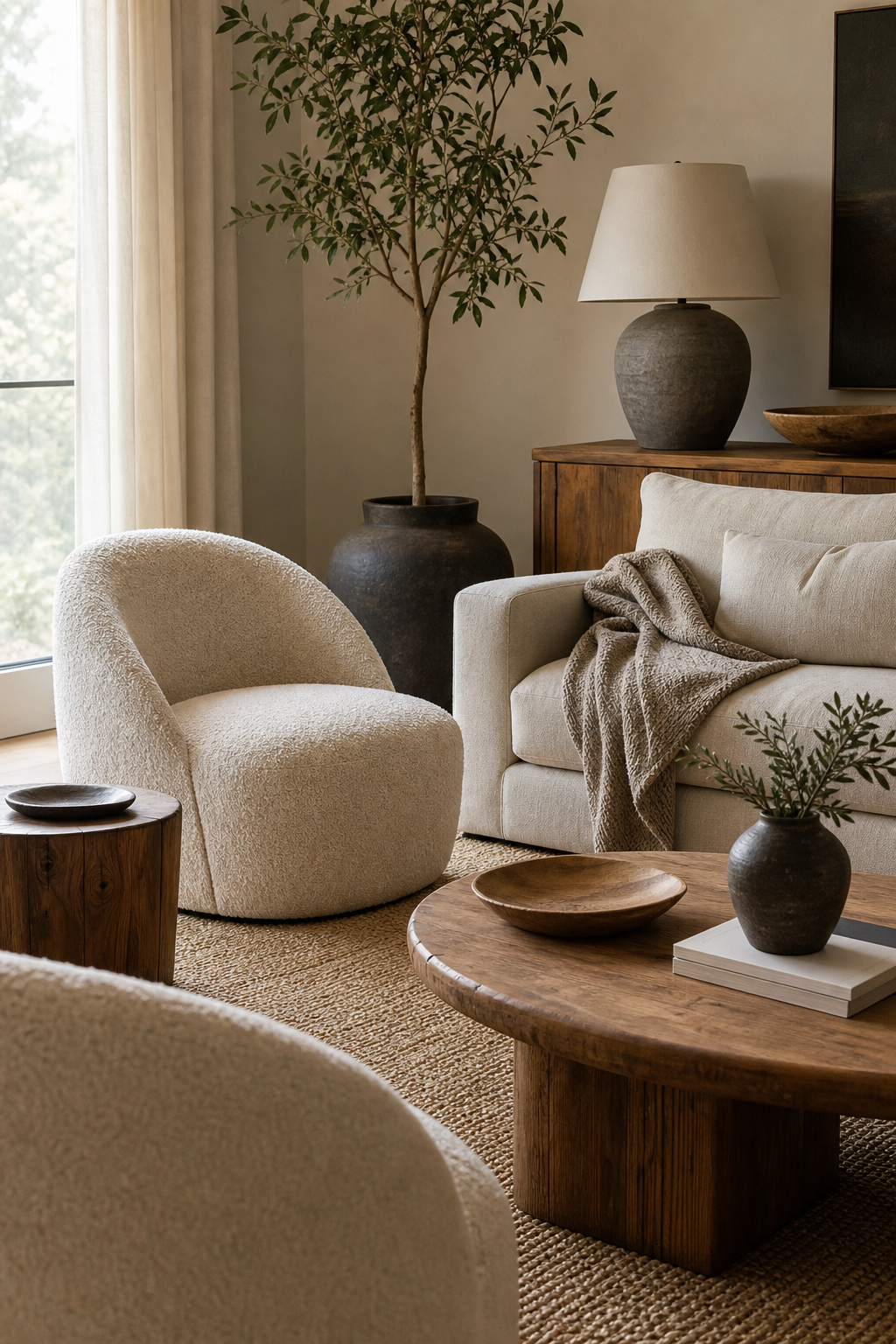
A sculptural chair can make a room feel designed without requiring a full furniture swap. Look for a shape that contrasts with what you already own: a curved boucle chair beside a straight sofa, a wood-frame chair near upholstered pieces, or a woven lounge chair in a polished room. The chair should still be comfortable enough to use. Add a small table or floor lamp if it creates a real destination. This single piece can refresh a living room, bedroom corner, office, or hallway nook by introducing shape and personality.
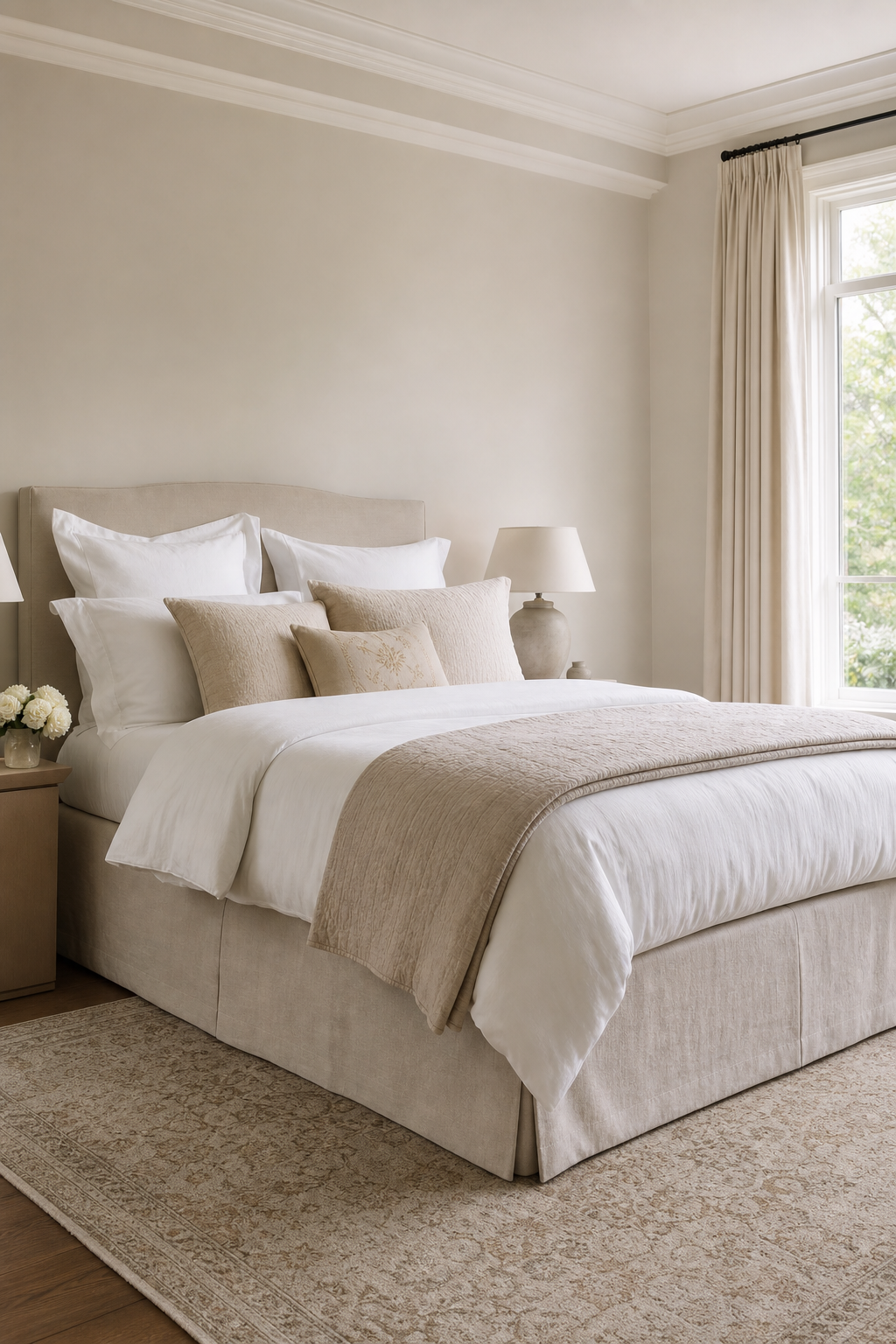
Layer Table Lamps For Evening Warmth
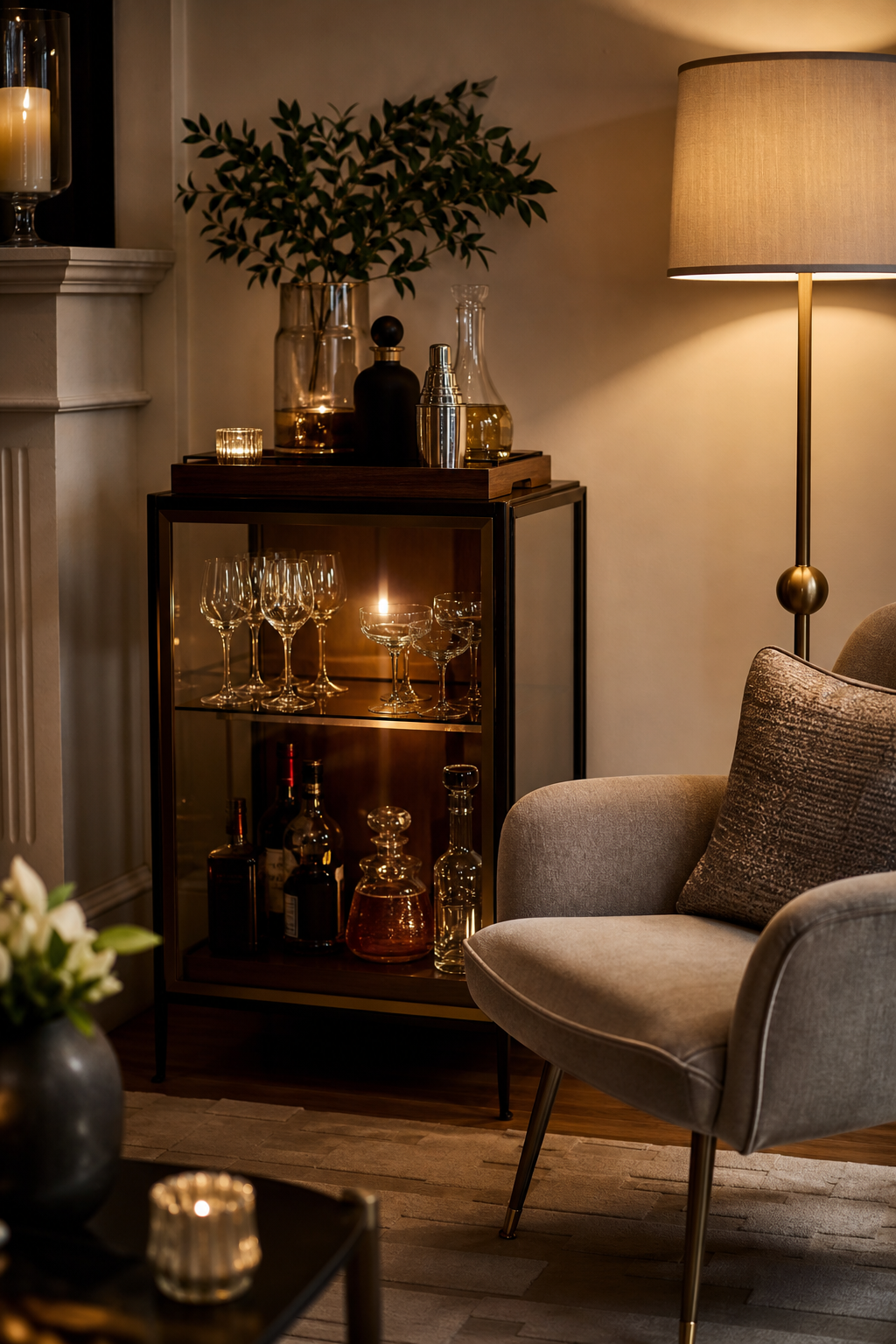
Lighting changes how a house feels more than almost any accessory. Instead of relying on overhead fixtures, layer table lamps, floor lamps, sconces, and picture lights throughout the home. Use warm bulbs and dimmers where possible so rooms can shift from practical daytime use to soft evening mood. Lamps also bring material contrast through ceramic, stone, wood, glass, or metal bases. Place them near seating, consoles, bedsides, and shelves. When light comes from several heights, rooms feel more intimate, textures look richer, and the whole house becomes more inviting.
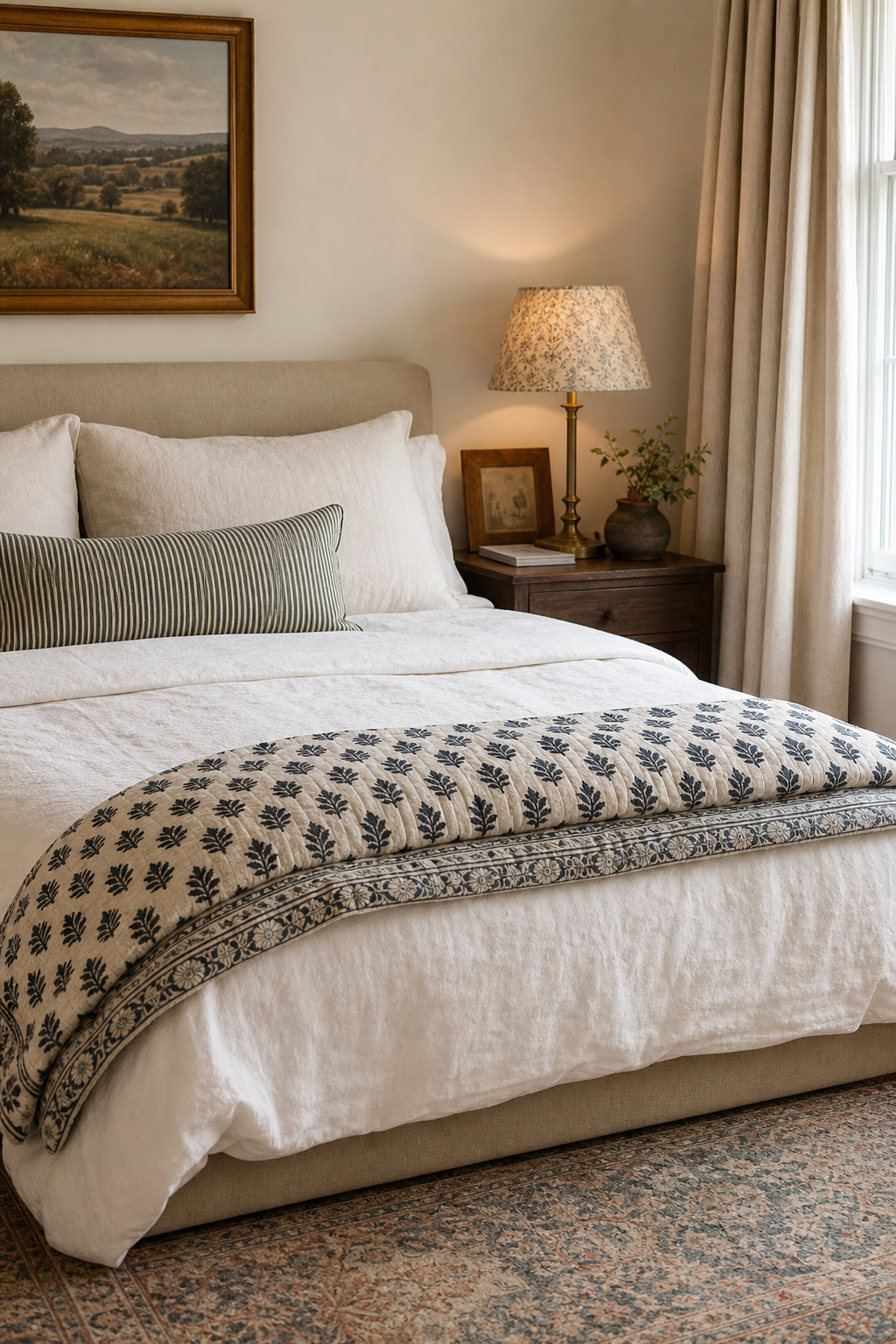
Use Art To Connect Rooms
Art can help a house feel cohesive when the pieces share a loose mood or palette. You do not need matching sets. Instead, choose works that speak to each other through color, subject, frame finish, or scale. A landscape in the entry, abstract in the living room, and small botanical in the bedroom can all connect if their tones relate. Hang art at a comfortable viewing height and give important pieces enough wall space. Strong art reduces the need for excess accessories because it gives each room a clear emotional direction.
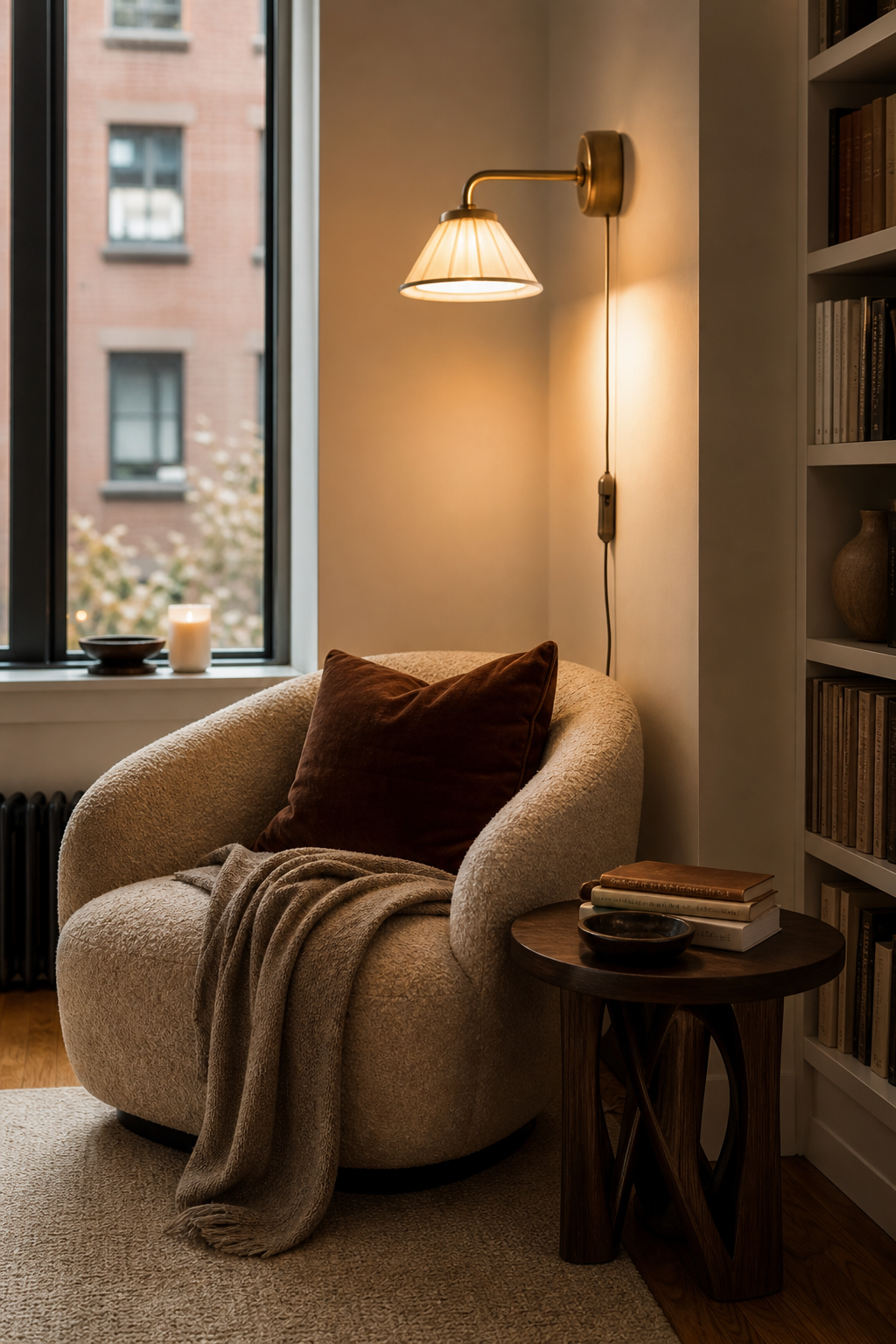
Bring Warm Wood Into Every Main Space
Wood gives a home warmth, especially when rooms have painted walls, upholstery, or stone surfaces. Use it through coffee tables, side tables, shelves, dining chairs, stools, picture frames, or bowls. The tones do not have to match exactly, but they should feel compatible. A mix of oak, walnut, and vintage wood can look collected when the undertones are balanced. Wood also keeps neutral rooms from feeling flat. Repeating it from entry to living room to bedroom creates a natural material story that feels comfortable and timeless.
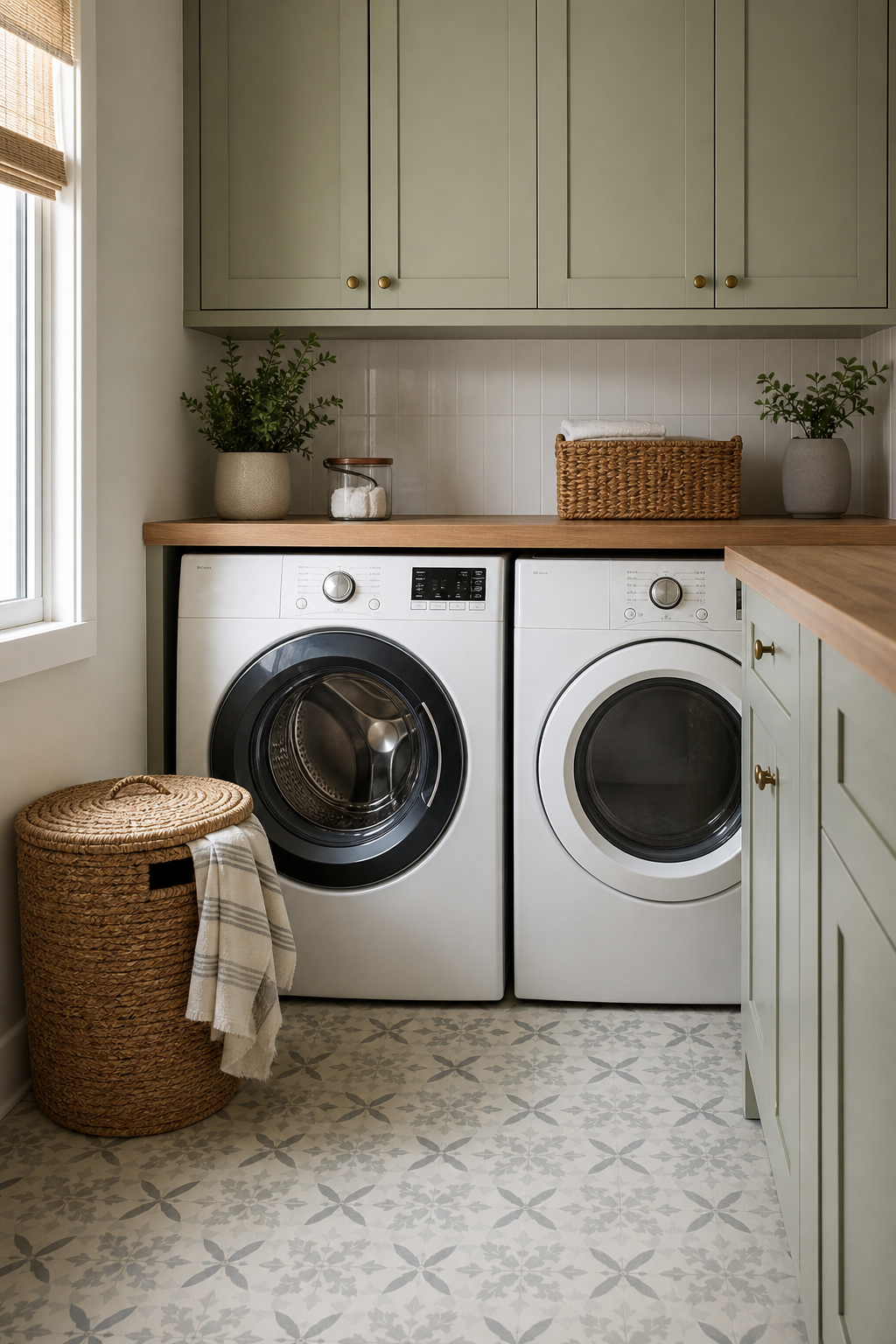
Make A Dining Nook Feel Intentional
A dining nook can become one of the most charming spots in the house with a few focused details. Add a pendant or shaded lamp, comfortable chairs, a framed piece of art, and a simple centerpiece that does not block conversation. A bench can make a compact space feel custom, while a round table improves flow. If the nook sits near the kitchen, use materials that echo nearby finishes so the spaces feel connected. The goal is not formality. It is a place that feels inviting for breakfast, homework, casual dinners, and coffee.
Use Mirrors Where They Borrow Light
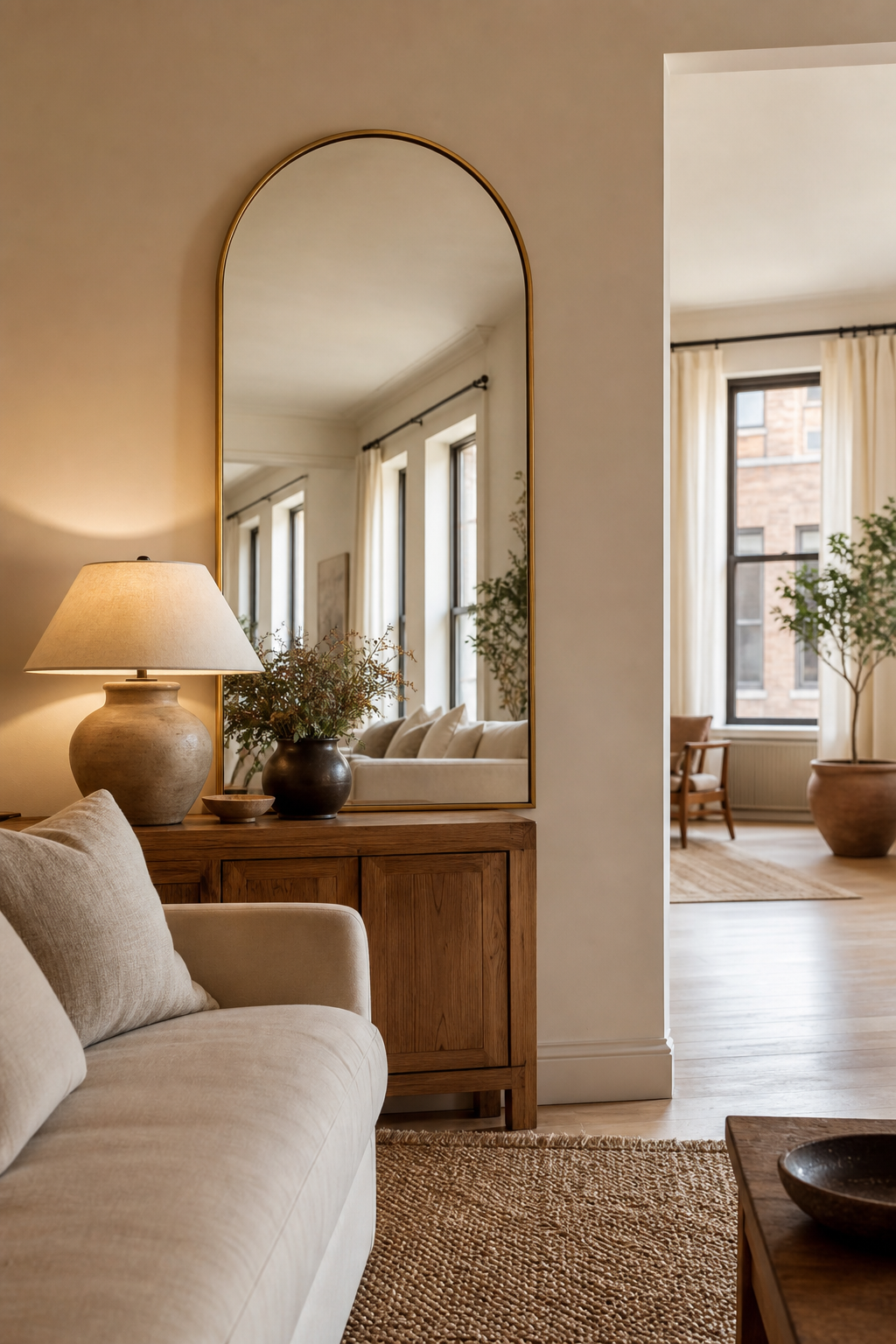
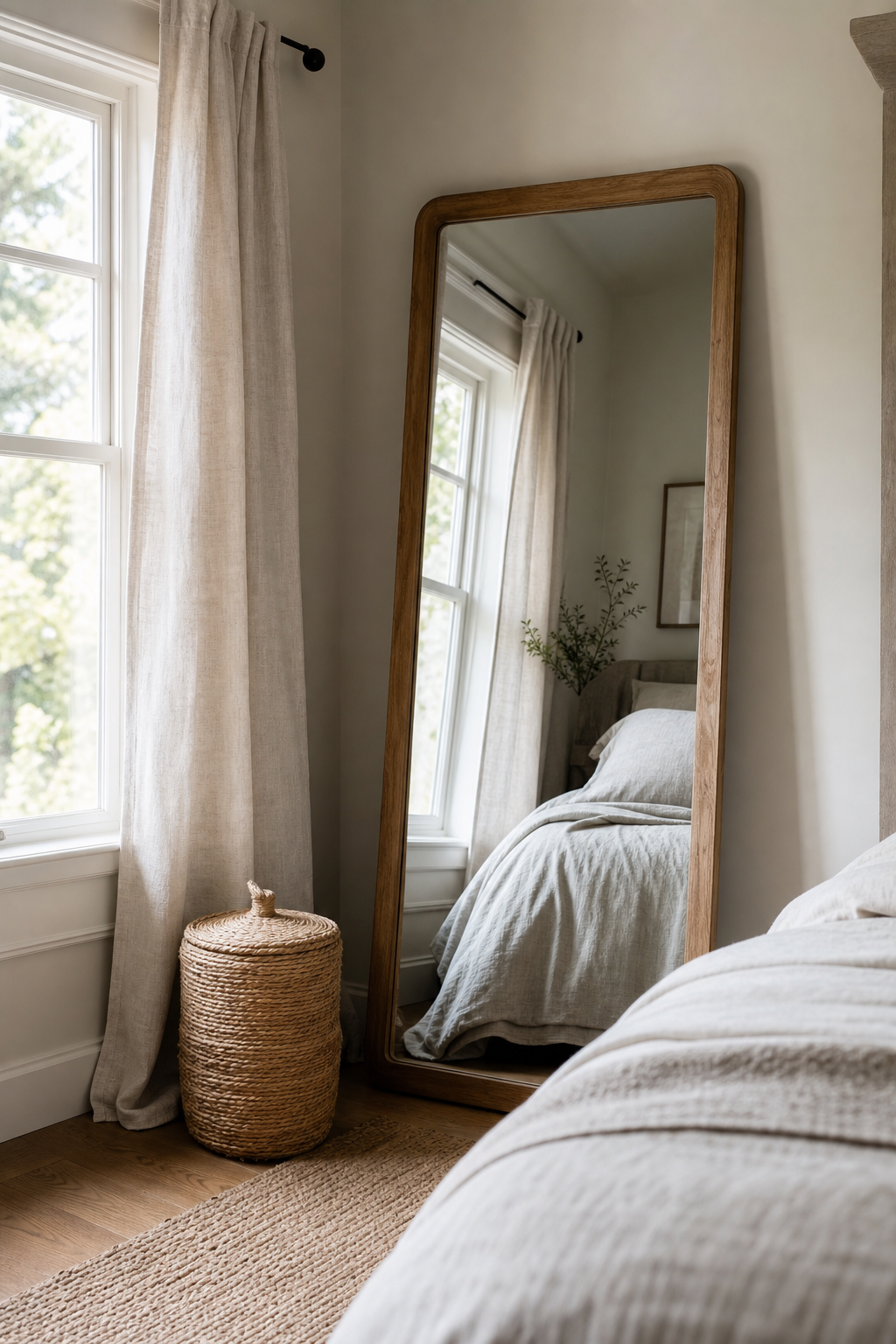
Mirrors are most effective when they reflect something worth seeing. Place one across from a window, beside a lamp, near greenery, or in a narrow hall that needs extra brightness. Avoid hanging a mirror where it only reflects clutter or a blank ceiling. Frames matter too: aged brass, black metal, painted wood, carved wood, or slim oak can shift the mood of the space. A mirror is decor, but it is also a light tool. When placement is thoughtful, it makes rooms feel larger, softer, and more alive.
Repeat Metal Finishes With Restraint
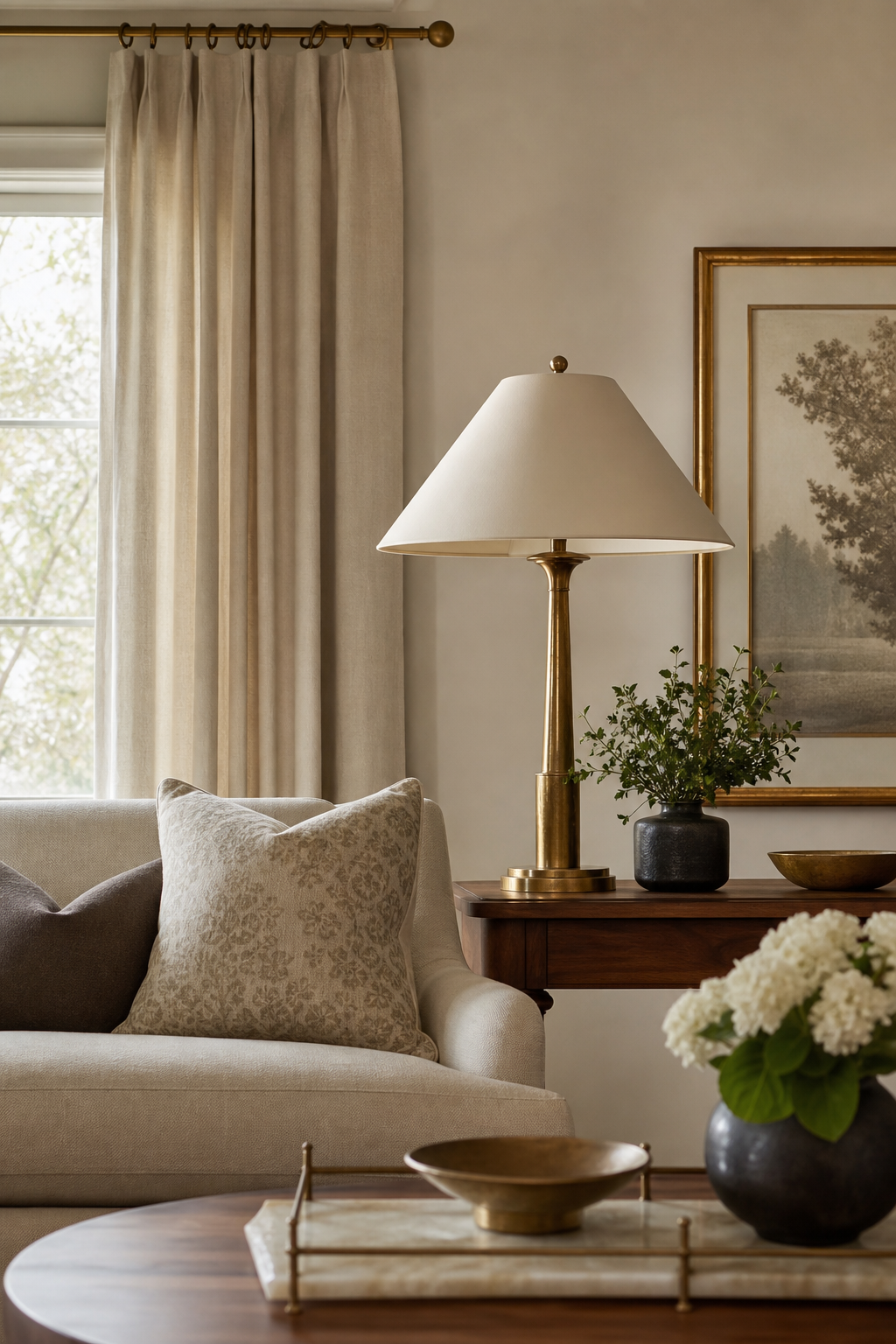
Metal finishes look more refined when they are repeated deliberately. If a room has brass curtain rings, repeat brass in a lamp, picture frame, or small tray. If black metal appears in a coffee table, echo it with a floor lamp or cabinet hardware. Two or three quiet repetitions are enough. The finish does not need to match perfectly, but the undertone should feel compatible. This is a small discipline that makes rooms feel less random. It is especially helpful in open-plan homes where several spaces are visible at once.
Create A Styled Surface With Negative Space
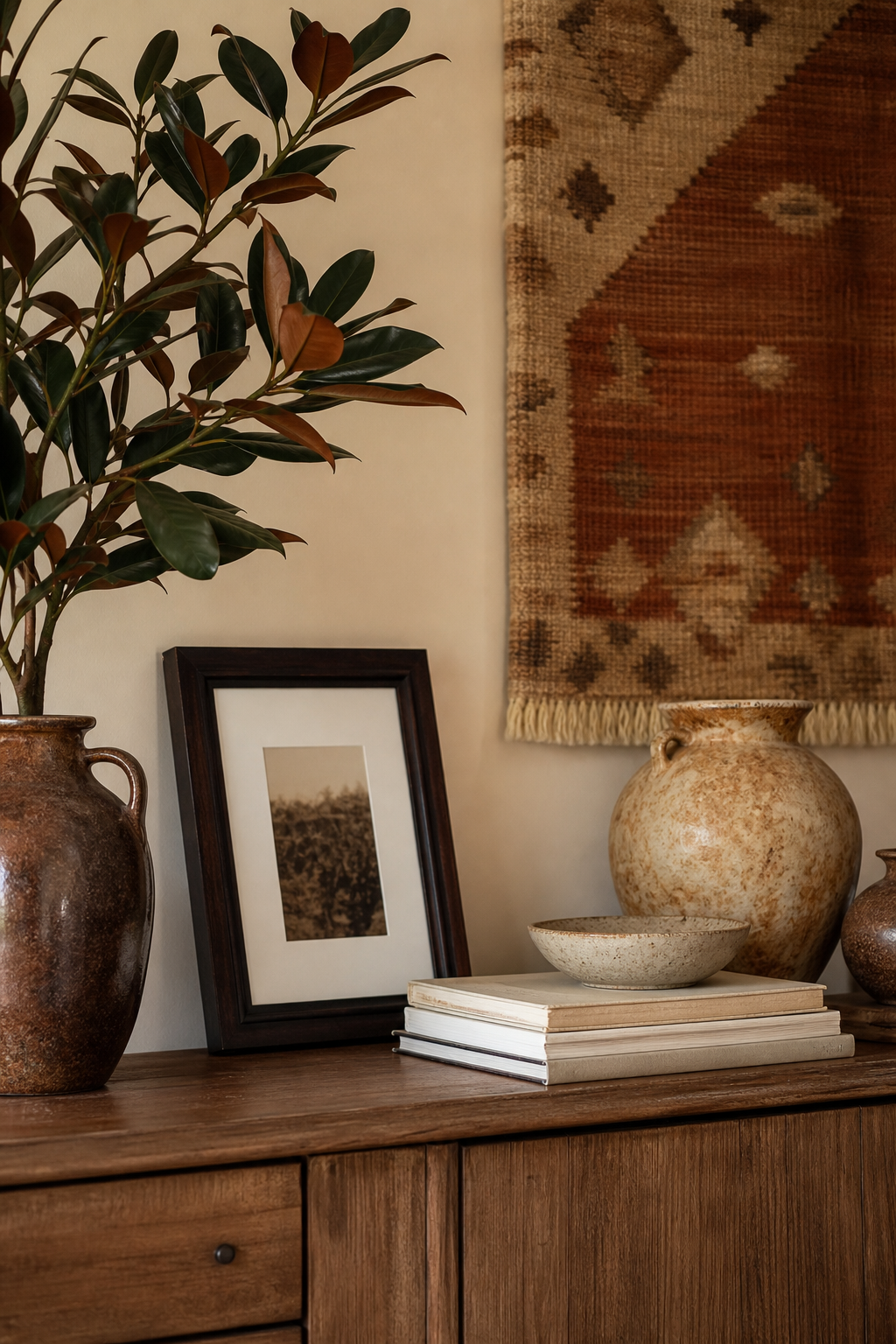
A console, dresser, sideboard, or credenza can become a quiet focal point when the styling is restrained. Start with one large anchor, such as art or a mirror, then add a lamp, vessel, tray, and one lower object. Vary heights and materials, but leave enough open surface for the arrangement to breathe. Too many small pieces can look busy and make cleaning harder. The most polished surfaces often have fewer objects with better scale. This approach works in entries, living rooms, dining rooms, bedrooms, and hallways.
Use Texture To Warm Up Plain Rooms
Plain rooms often need texture more than they need color. Add it through woven shades, wool rugs, linen curtains, boucle pillows, cane, plaster, ceramics, wood grain, or a chunky throw. The goal is not to make the room busy, but to give the eye and hand something to notice. Mix smooth and nubby surfaces so the space has depth. A leather chair beside a wool pillow, or a polished table on a tactile rug, creates balance. Texture is especially useful in newer homes where surfaces can feel too perfect.
Add A Tray To Make Everyday Items Look Ordered
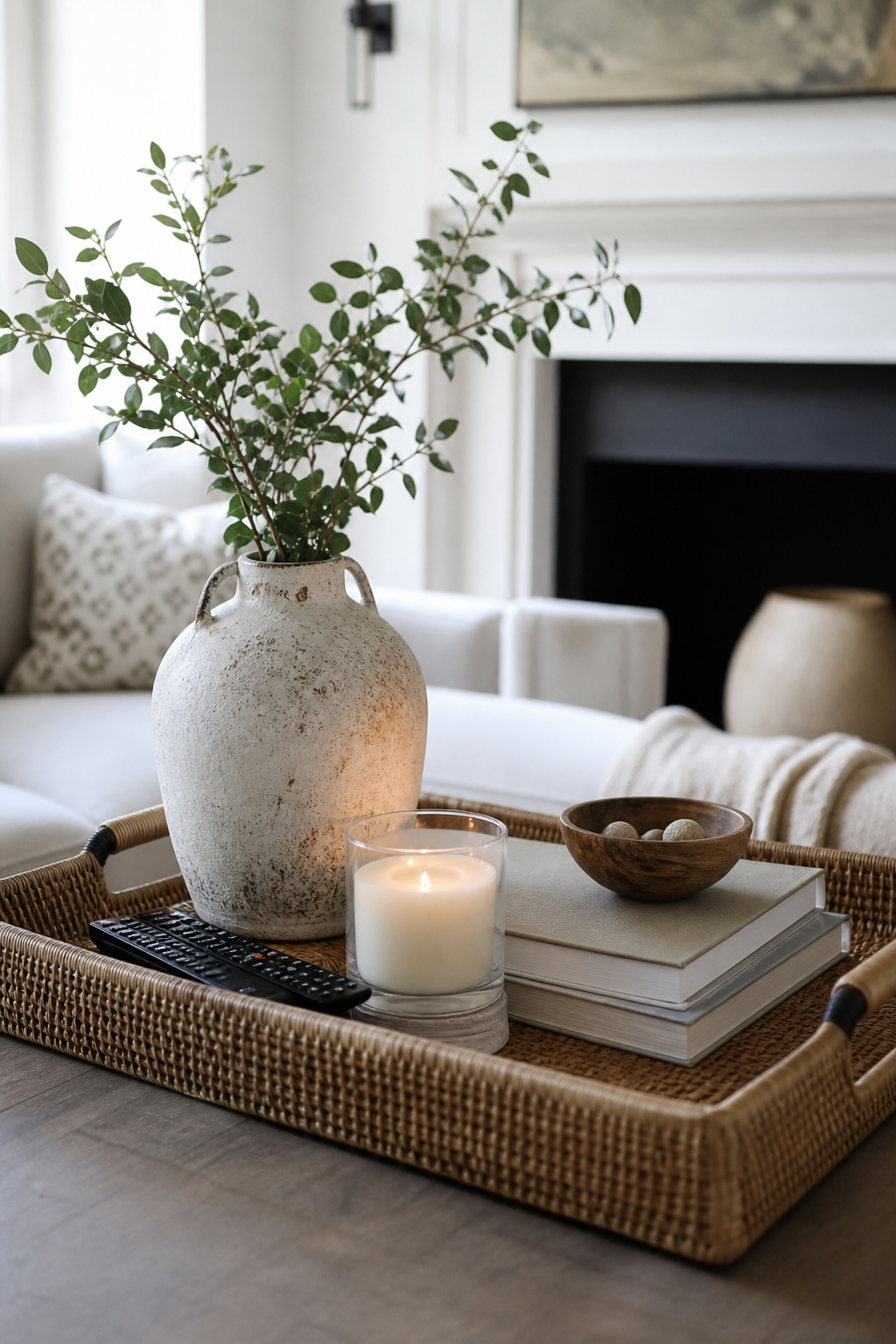
A tray is one of the simplest ways to make practical objects look intentional. Use one on a coffee table for remotes and a candle, on a dresser for jewelry and perfume, or on an entry console for keys and mail. Choose a material that adds something to the room: marble for polish, rattan for warmth, lacquer for color, or wood for softness. Keep the tray edited so it does not become a dumping ground. It creates a visual boundary, which makes daily clutter easier to control and prettier to live with.
Give The Bedroom A Boutique Bedding Layer
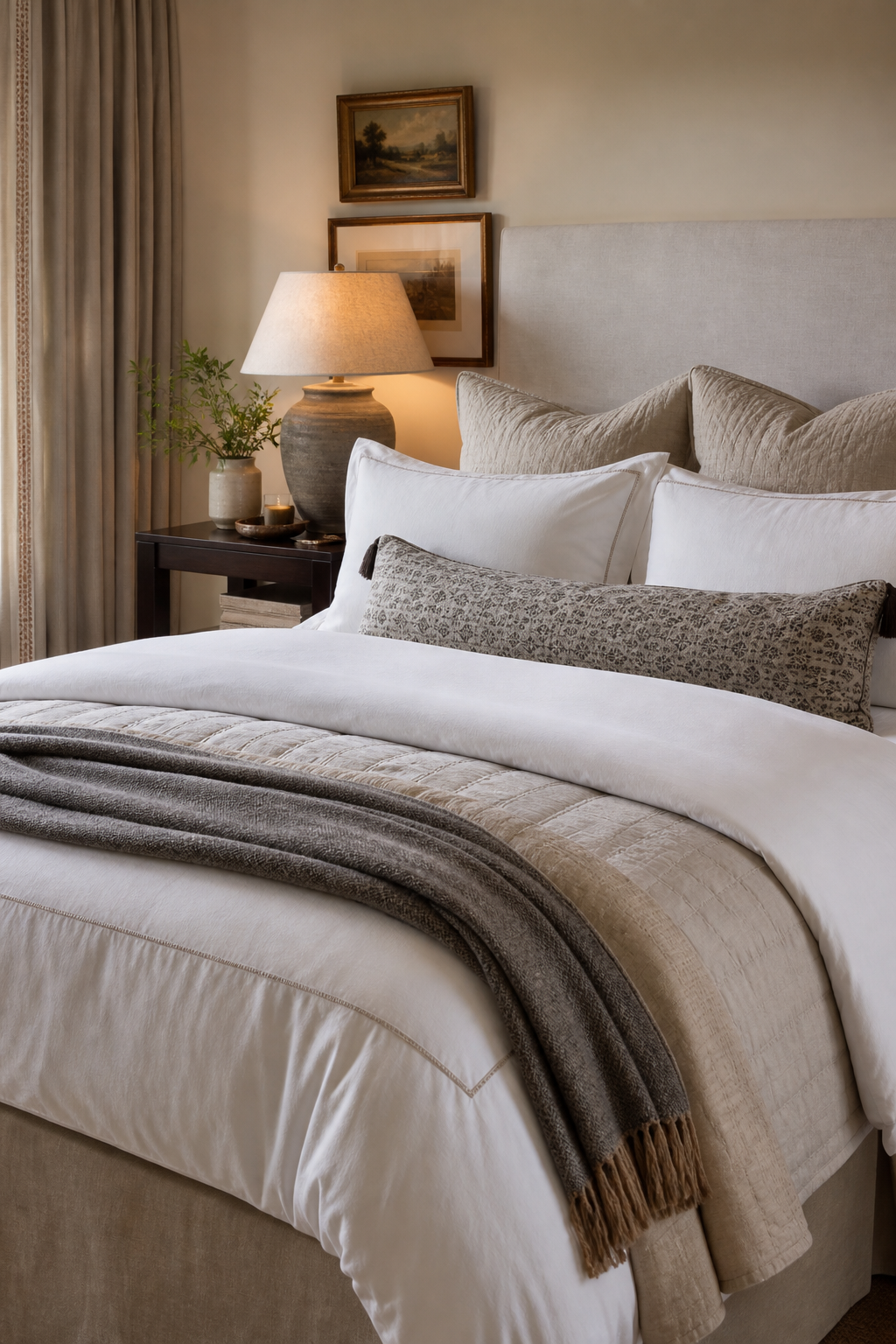
A bedroom refresh can begin with the bed because it is usually the largest visual element in the room. Start with crisp sheets, then add a duvet, quilt, or coverlet with enough weight to drape nicely. Use pillows in varied sizes without creating a pile that has to be removed every night. A long lumbar, two sleeping pillows, and two larger pillows can feel polished and manageable. Finish with a folded throw across the lower third of the bed. When the bedding looks generous and calm, the whole bedroom feels more luxurious.
Make A Home Office Corner Feel Designed
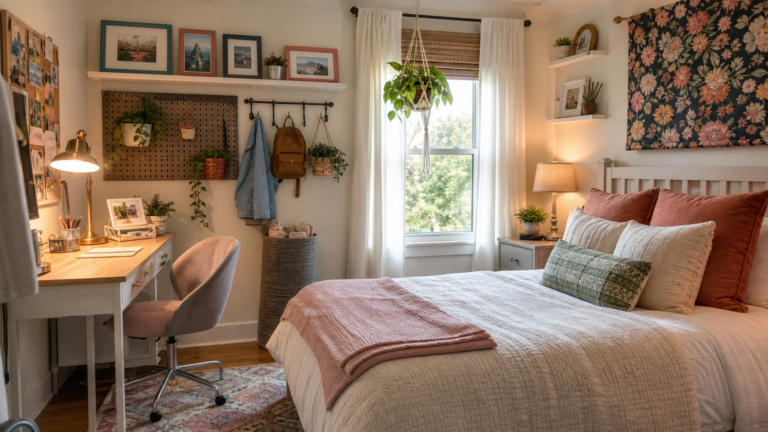
A home office corner can look polished even when it is small. Choose a desk that fits the wall, add a comfortable chair, a task lamp, one piece of art, and closed storage for papers or cords. Keep the desktop mostly clear so the setup supports focus. A small rug or nearby curtain can soften the workspace if it sits inside a bedroom or living room. Repeat materials from the rest of the house so the office does not feel like an afterthought. Good lighting and tidy storage do most of the work.
Use Greenery For Shape Instead Of Clutter
Greenery can refresh a house quickly, but it looks best when chosen for shape rather than quantity. One olive tree, branch arrangement, fern, or sculptural plant often has more impact than several small pots scattered around. Use planters that match the home’s material story, such as stoneware, terracotta, woven baskets, or simple ceramic. Place greenery where it breaks up straight lines: beside a cabinet, near a window, on a console, or behind a chair. The goal is for the room to feel alive, not crowded.
Upgrade Utility Spaces With Pretty Storage
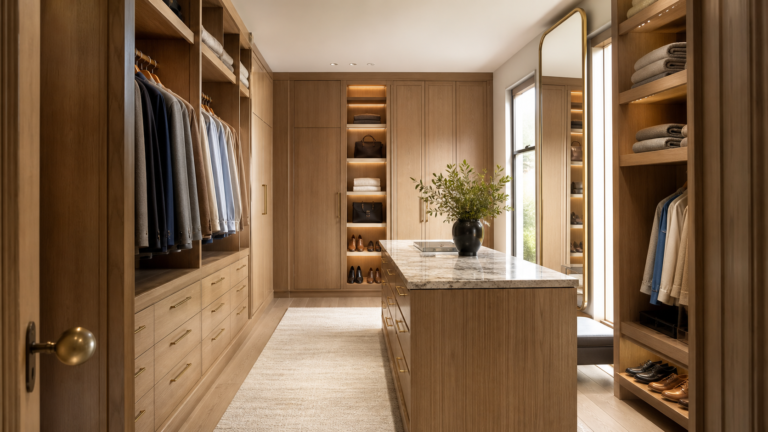
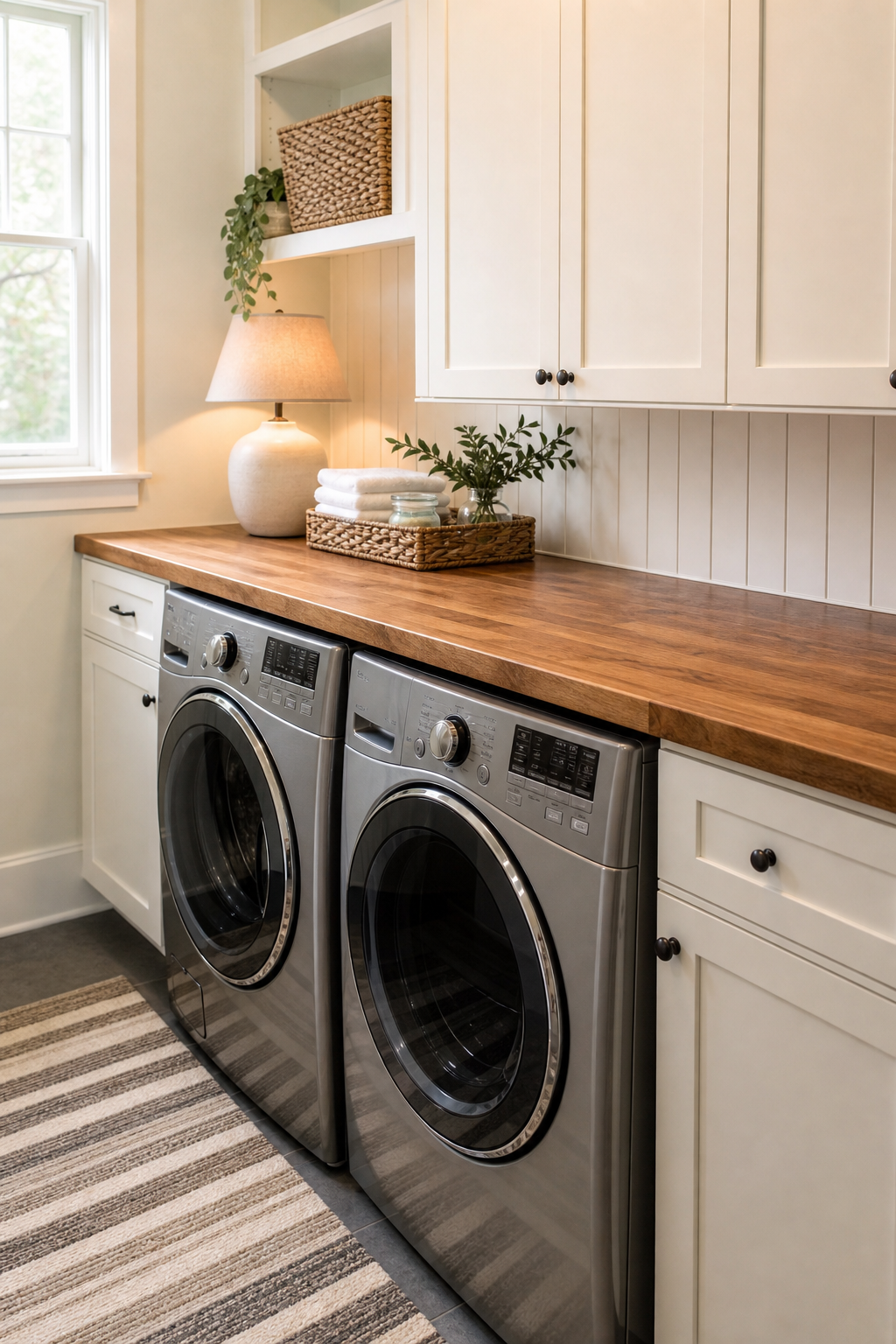
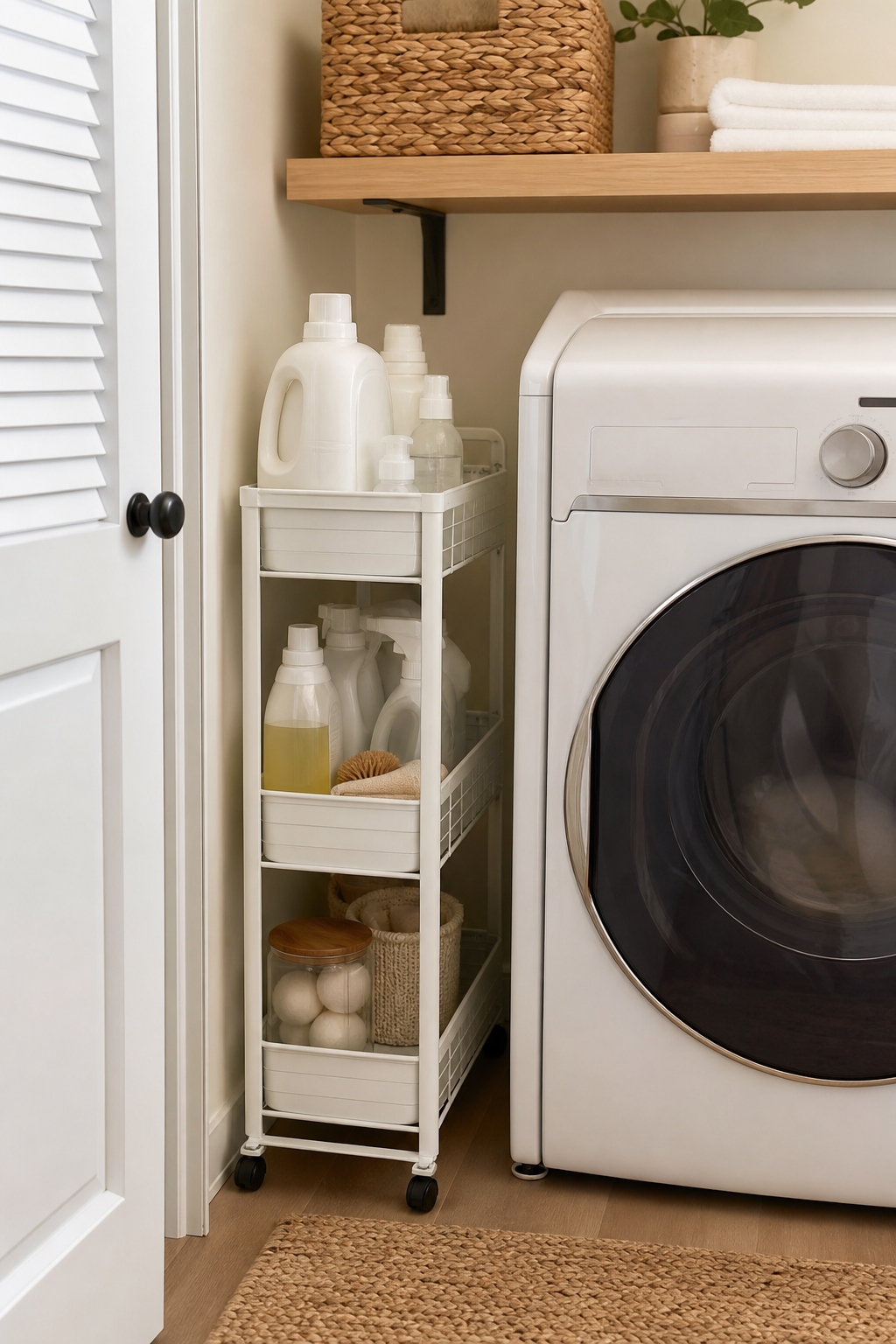
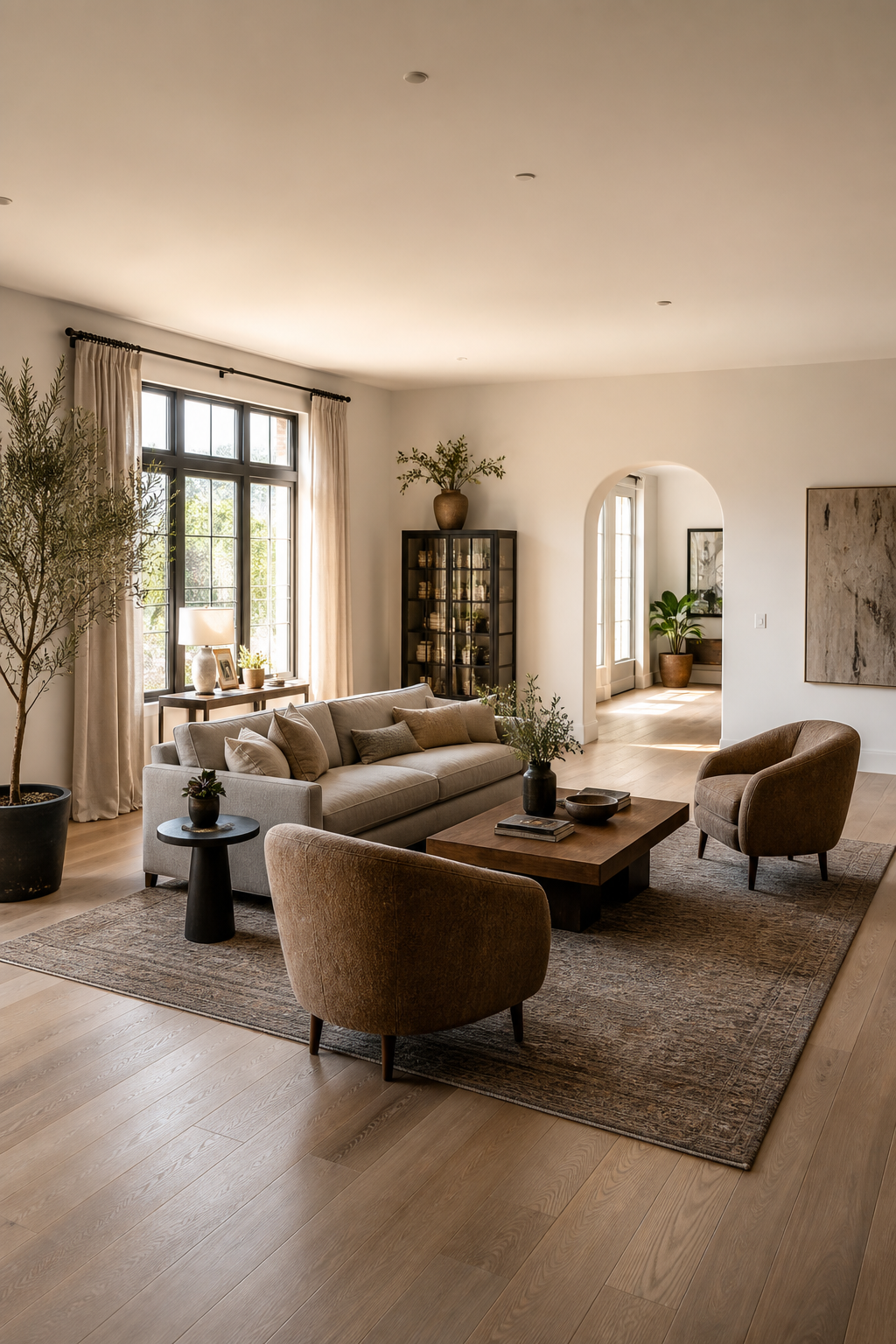
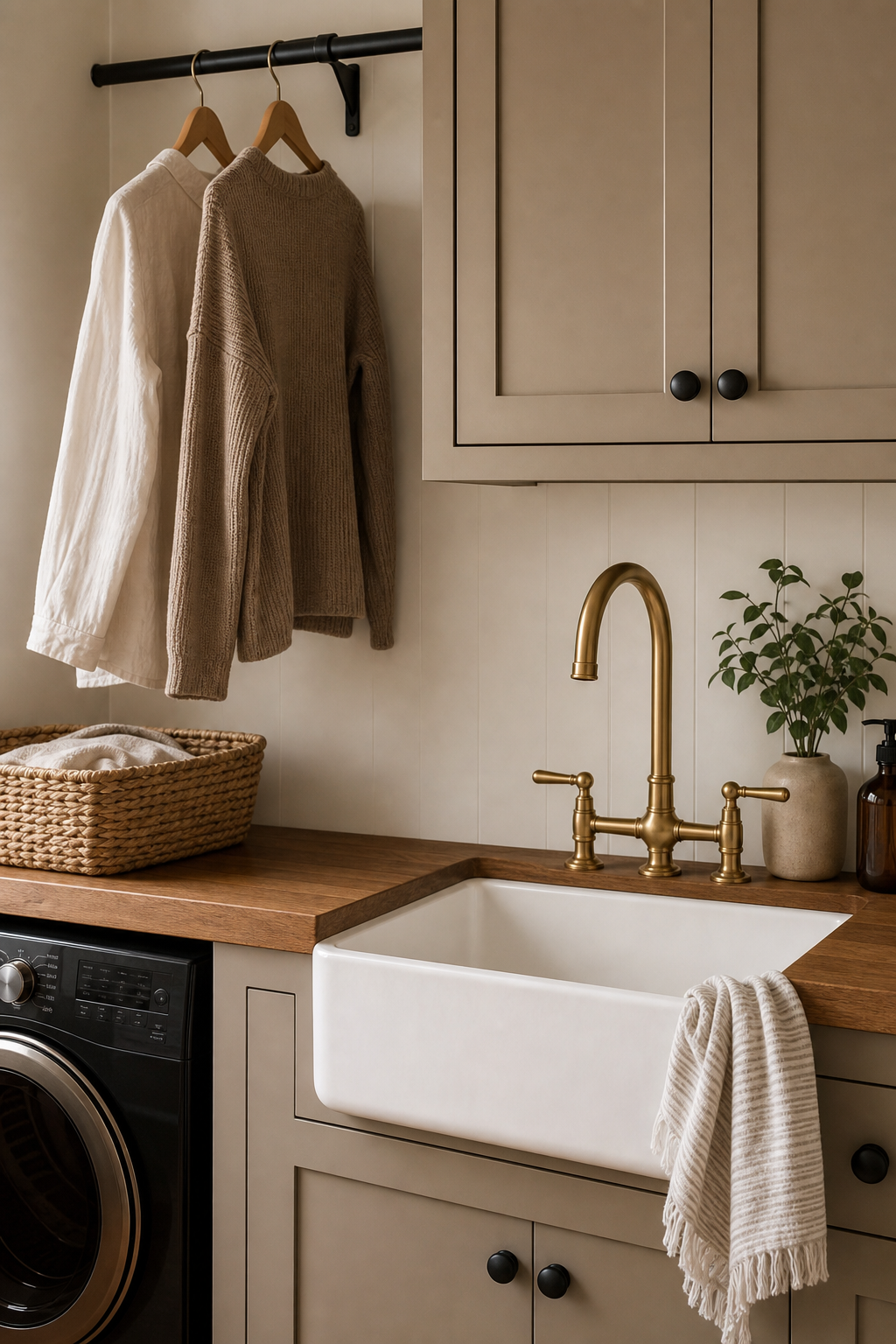
Utility spaces feel better when storage is both practical and attractive. In a laundry room, mudroom, pantry, or hallway, use lidded baskets, labeled bins, hooks, trays, and closed cabinets to hide visual noise. Keep frequently used items easy to reach, but give them a consistent home. A small lamp, framed print, or vase can make the space feel less purely functional if there is room. Pretty storage is not about hiding real life; it is about giving real life a structure that looks calm and is easy to maintain.
Let A Statement Pendant Define A Zone
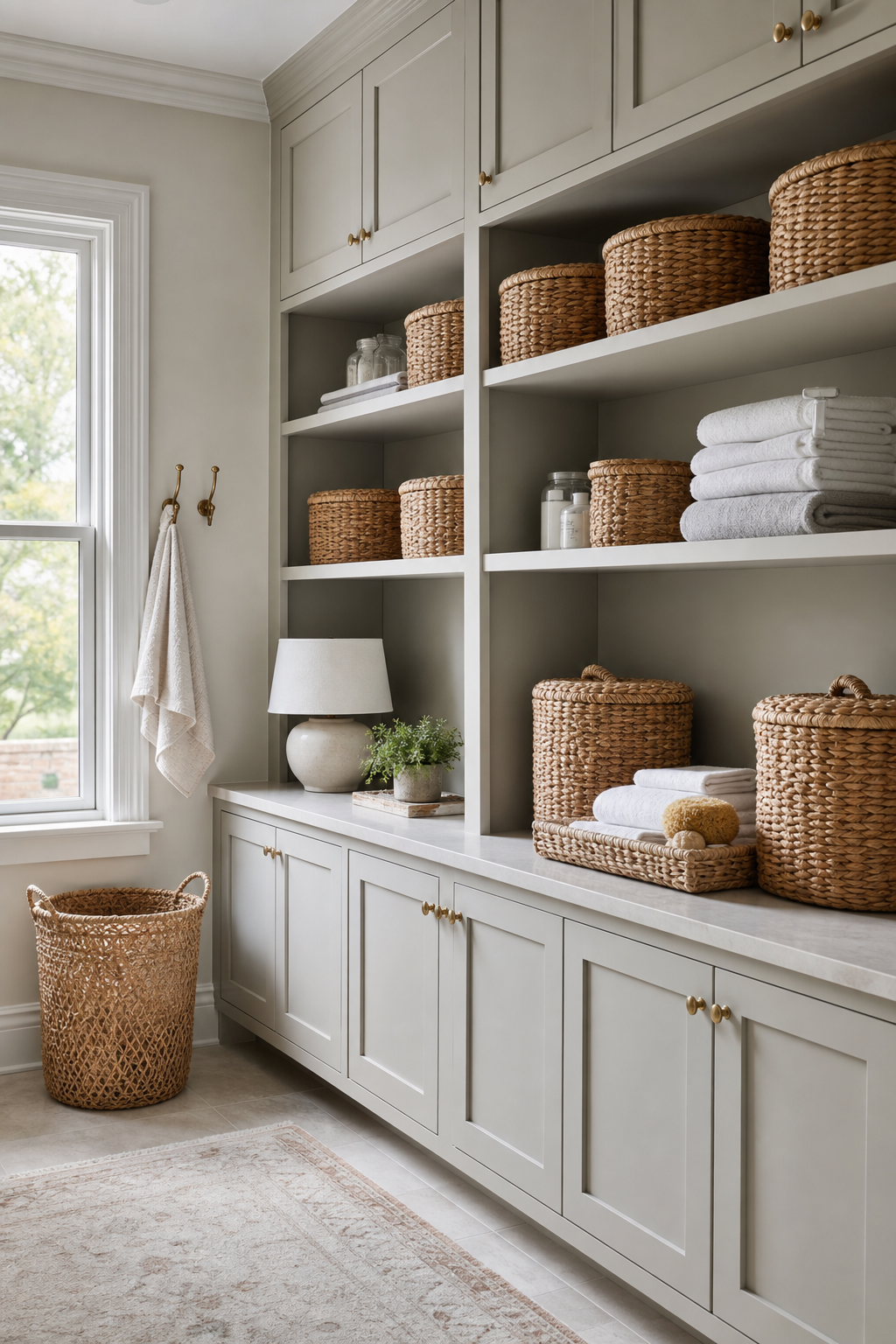
A statement pendant can define a dining table, entry, kitchen island, or reading corner without adding clutter. Choose a shape and material that supports the room’s mood: woven for casual warmth, plaster for softness, metal for definition, or glass for lightness. Scale matters more than drama. The pendant should feel intentional from the doorway and balanced with the furniture below. In open-plan homes, a strong pendant helps one zone feel distinct while still connecting to nearby rooms through color or material. It is decor and architecture at once.
Create Flow With Repeated Materials
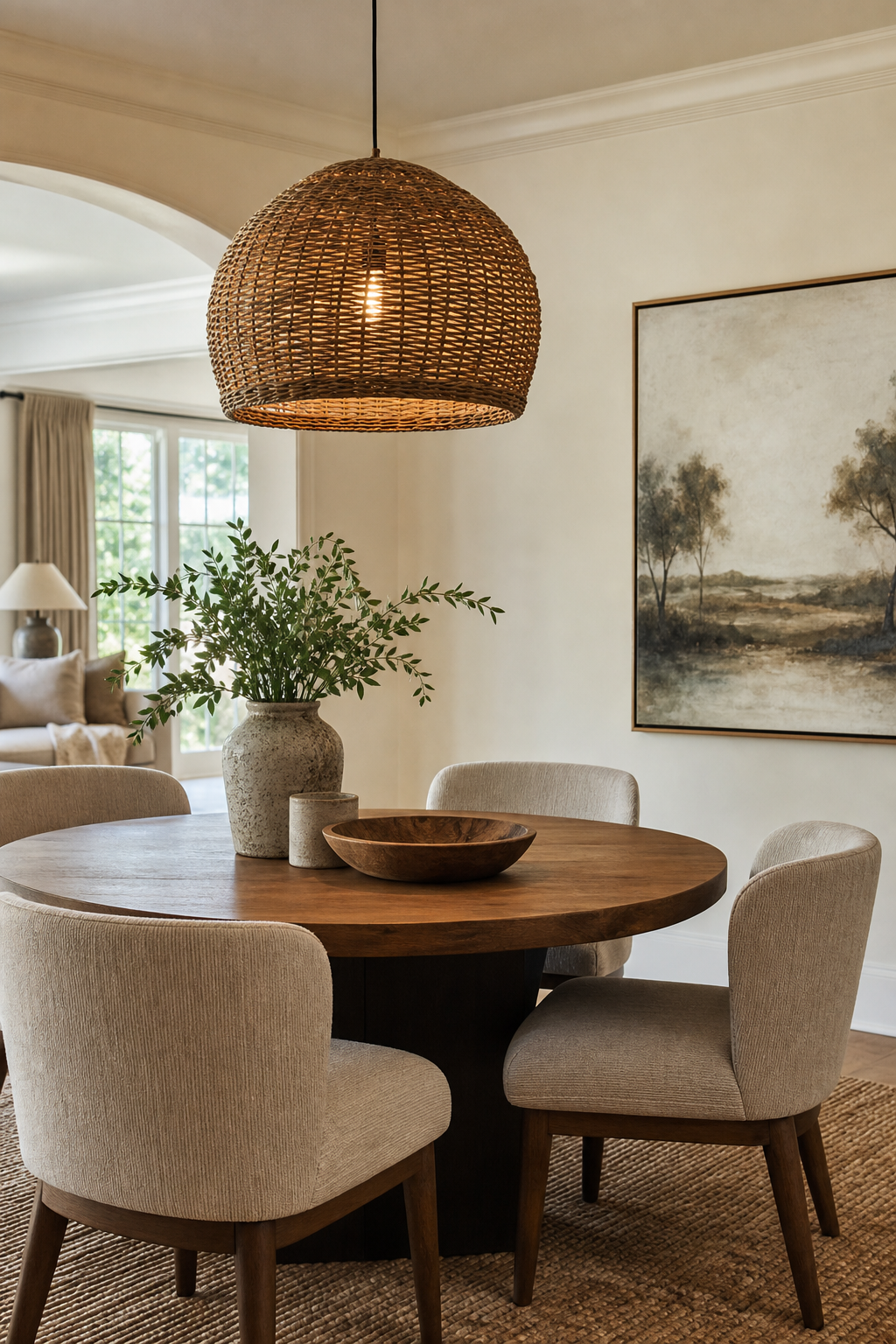
Rooms feel connected when materials repeat from space to space. Oak in the entry can return in the dining chairs. Brass in the living room lamp can echo in the kitchen hardware. Linen curtains in the bedroom can relate to a linen shade in the office. The repetition should be subtle rather than matchy. Think of it as a rhythm that guides the eye through the house. This is especially helpful when rooms have different colors or functions. Shared materials create flow while still letting each room have its own personality.
Add One Unexpected Accent Color
An unexpected accent color can wake up a room that already feels tasteful but a little sleepy. Try oxblood, butter yellow, smoky blue, rust, or deep green in a pillow, lampshade, vase, stool, or small artwork. Repeat the color once across the room so it looks deliberate. Keep the surrounding palette calm and let the accent create tension. This is a useful refresh because it does not require repainting or buying major furniture. A small color choice can make familiar pieces feel fresh again.
Style A Hallway Like A Real Room
Hallways are easy to ignore, but they can add a lot to the feeling of a house. A runner, art, picture light, slim console, or row of hooks can make the passage feel purposeful. Keep the decor narrow enough for easy movement. If the hallway is dark, use lighter frames, a mirror, or warm wall sconces to soften it. A runner adds sound absorption and pattern without taking wall space. Treating transitional spaces with care makes the whole home feel more complete, because the design does not stop at the main rooms.
Finish With Edited Personal Objects
A house should not feel like a showroom, but personal objects need editing to look intentional. Choose the pieces that carry real meaning or add beauty: travel finds, inherited bowls, favorite books, framed photos, handmade ceramics, or collected textiles. Give them space instead of spreading them everywhere. Group smaller items on trays or shelves, and let larger pieces stand alone. The result feels personal without becoming cluttered. A well-edited home still tells a story, but it tells it clearly enough that the rooms remain calm and easy to enjoy.
A successful house interior decor refresh is less about buying more and more about creating a clearer rhythm. Look for scale, light, texture, storage, and repetition first. A generous rug, tall curtains, warmer lamps, edited shelves, and thoughtful entry styling can change the way a home feels immediately. Then layer in art, greenery, trays, mirrors, and personal pieces that support the mood instead of crowding it. When each room feels useful, warm, and connected to the next, the whole house starts to feel more polished and more personal.